Millions Taking Ibuprofen May Be at Serious Risk, Studies Show
Before you take your next dose, make sure you’re not in the danger zone.
For these five groups of people, ibuprofen poses serious health risks that outweigh potential benefits.
🧵 THREAD
Before you take your next dose, make sure you’re not in the danger zone.
For these five groups of people, ibuprofen poses serious health risks that outweigh potential benefits.
🧵 THREAD

Popping an ibuprofen for that pounding headache or twisted ankle can provide quick relief from pain.
But although this easily accessible over-the-counter drug could temporarily mask discomfort and sometimes eliminate pain, experts say it does little to spur true healing.
But although this easily accessible over-the-counter drug could temporarily mask discomfort and sometimes eliminate pain, experts say it does little to spur true healing.

Furthermore, for these five groups of people, ibuprofen poses serious health risks that outweigh potential benefits.
theepochtimes.com/health/who-sho…
theepochtimes.com/health/who-sho…
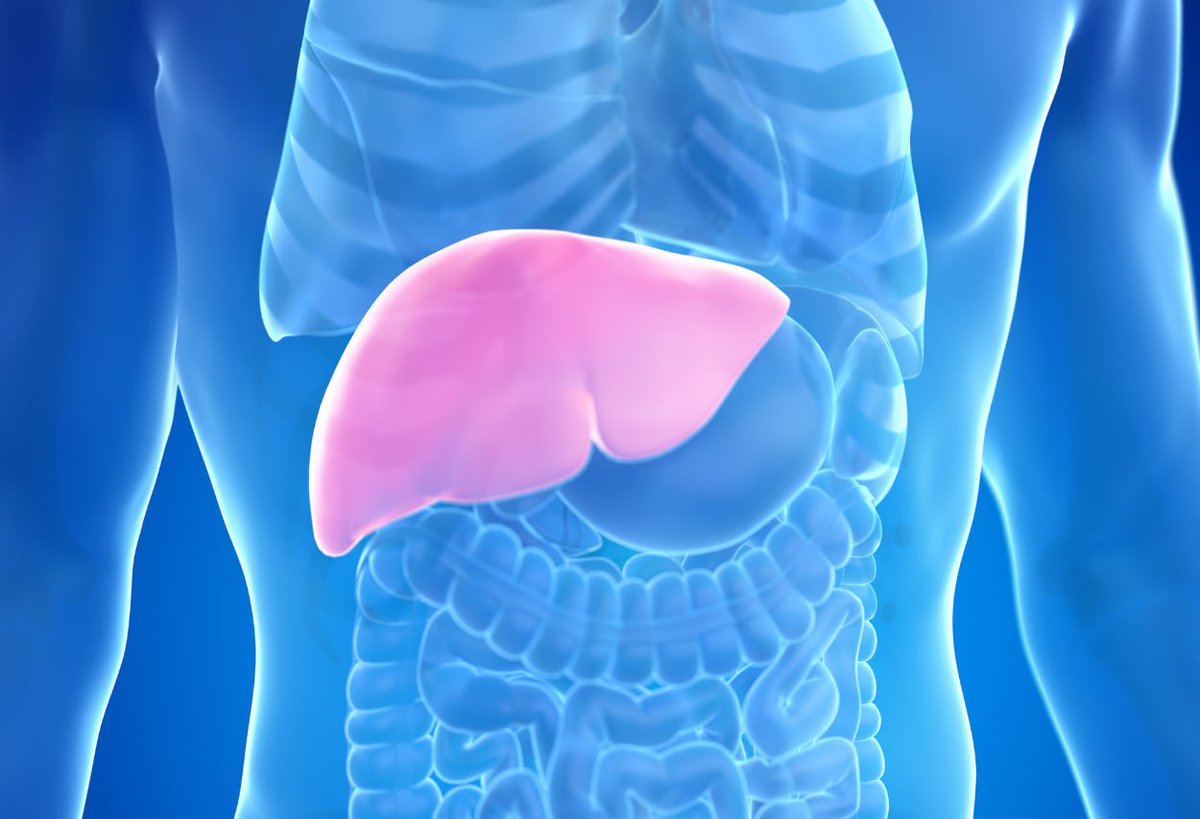
1. People With Liver and Kidney Problems
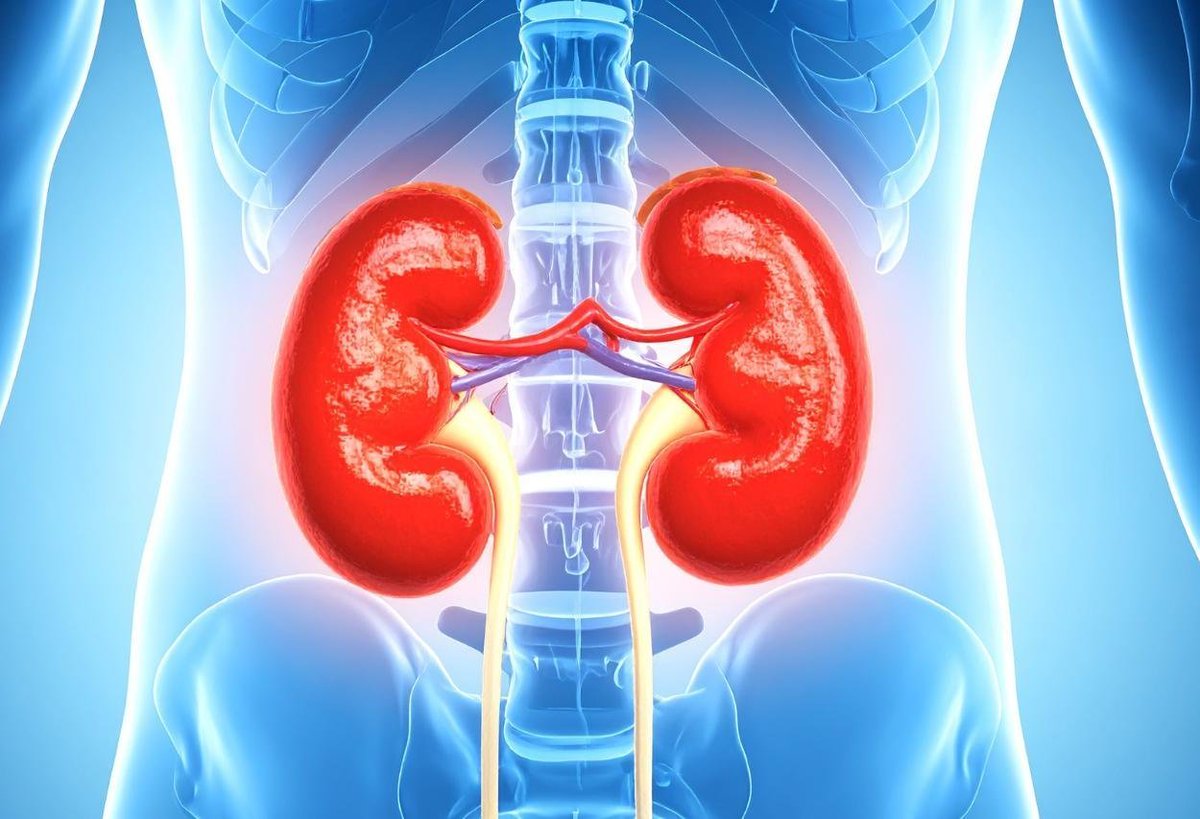
People with an impaired liver or impaired kidneys should avoid ibuprofen, as the drug can damage these vital organs, Dr. Joseph Maroon, a professor of neurological surgery at the University of Pittsburgh Medical Center, told The Epoch Times.
Even as it’s considered one of the safer nonsteroidal anti-inflammatory drugs (NSAIDs) for the liver, ibuprofen can cause damage to liver cells, also known as hepatotoxicity or toxic hepatitis, according to a systematic review analyzing 22 studies. This liver injury occurred within 12 days of starting treatment and was more common in women.
As the body’s detoxifier, the liver breaks down and assesses compounds. Ibuprofen is challenging for the liver to process, Dr. Maroon said.
“The liver is critical in removing wastes and degrading drugs. Ibuprofen can be toxic to these processes.”
The standard dosage of 200 to 400 milligrams three times daily is burdensome for the liver. Though ibuprofen overdose is rare, it can cause liver damage.
A 2020 study from the University of California–Davis found that even moderate doses of ibuprofen may have more significant adverse effects on liver health than doctors realize. Research in mice showed that ibuprofen treatment altered metabolic pathways, including those regulating amino acids, hormones, and vitamins.
Ibuprofen is also toxic to the kidneys, as it damages blood vessels that filter waste. Overuse can lead to analgesic nephropathy, a kidney disease caused by excessive medication. It’s more common among those older than 45 and with kidney or liver problems, and those populations should avoid ibuprofen, according to Dr. Maroon.
People with an impaired liver or impaired kidneys should avoid ibuprofen, as the drug can damage these vital organs, Dr. Joseph Maroon, a professor of neurological surgery at the University of Pittsburgh Medical Center, told The Epoch Times.
Even as it’s considered one of the safer nonsteroidal anti-inflammatory drugs (NSAIDs) for the liver, ibuprofen can cause damage to liver cells, also known as hepatotoxicity or toxic hepatitis, according to a systematic review analyzing 22 studies. This liver injury occurred within 12 days of starting treatment and was more common in women.
As the body’s detoxifier, the liver breaks down and assesses compounds. Ibuprofen is challenging for the liver to process, Dr. Maroon said.
“The liver is critical in removing wastes and degrading drugs. Ibuprofen can be toxic to these processes.”
The standard dosage of 200 to 400 milligrams three times daily is burdensome for the liver. Though ibuprofen overdose is rare, it can cause liver damage.
A 2020 study from the University of California–Davis found that even moderate doses of ibuprofen may have more significant adverse effects on liver health than doctors realize. Research in mice showed that ibuprofen treatment altered metabolic pathways, including those regulating amino acids, hormones, and vitamins.
Ibuprofen is also toxic to the kidneys, as it damages blood vessels that filter waste. Overuse can lead to analgesic nephropathy, a kidney disease caused by excessive medication. It’s more common among those older than 45 and with kidney or liver problems, and those populations should avoid ibuprofen, according to Dr. Maroon.
2. People With Asthma
Asthma affects 1 in 12 Americans. It causes inflamed airways that produce excess mucus, leading to breathing issues.
People with asthma should avoid NSAIDs such as ibuprofen.
Ibuprofen blocks inflammation pathways but can increase compounds called leukotrienes, causing bronchospasms, a tightening of the muscles that line the lung’s airways.
A 2016 study published in Medicine linked short-term use of ibuprofen, aspirin, and diclofenac to asthma exacerbation.
“This study urges the physicians to reassess their treatment strategies for fever in children with asthma,” the researchers wrote.
Another 2019 study from Taiwan showed that ibuprofen has higher asthma attack risks than acetaminophen in young children if they had an ER visit or hospitalization the prior year.
Asthma affects 1 in 12 Americans. It causes inflamed airways that produce excess mucus, leading to breathing issues.
People with asthma should avoid NSAIDs such as ibuprofen.
Ibuprofen blocks inflammation pathways but can increase compounds called leukotrienes, causing bronchospasms, a tightening of the muscles that line the lung’s airways.
A 2016 study published in Medicine linked short-term use of ibuprofen, aspirin, and diclofenac to asthma exacerbation.
“This study urges the physicians to reassess their treatment strategies for fever in children with asthma,” the researchers wrote.
Another 2019 study from Taiwan showed that ibuprofen has higher asthma attack risks than acetaminophen in young children if they had an ER visit or hospitalization the prior year.

A little about us: We’re a team of journalists and researchers on a mission to give you REAL and honest information about your health.
Side effects of reading our posts may include: critical thinking.
Follow us for more daily threads—backed by hard data.
—> @EpochHealth
Side effects of reading our posts may include: critical thinking.
Follow us for more daily threads—backed by hard data.
—> @EpochHealth
3. People With Hypertension or Heart Failure
Studies show that ibuprofen and NSAIDs such as naproxen can raise blood pressure.
Two meta-analyses found that NSAID use causes a significant increase in mean blood pressure, especially in hypertensive patients, according to a review article published in Drug Safety.
One report noted that NSAID users had a 1.7 times higher risk of needing antihypertensives than nonusers. NSAID use was also linked to a 40 percent increased hypertension diagnosis risk.
Ibuprofen can also decrease the effects of blood pressure medications.
“Since many patients with conditions such as osteoarthritis require treatment and also have hypertension, even modest elevations in blood pressure or inhibition of antihypertensive medication efficacy resulting from nonsteroidal anti-inflammatory drugs can be of significant clinical and public health importance,” a paper published in the Journal of Clinical Hypertension reads.
Given the link between high blood pressure and heart disease, Dr. Maroon said people with heart conditions should avoid ibuprofen. A 2016 study published in the British Medical Journal associated NSAID use with higher heart failure risk due to increased blood pressure, platelet inhibition, and other properties.
Studies show that ibuprofen and NSAIDs such as naproxen can raise blood pressure.
Two meta-analyses found that NSAID use causes a significant increase in mean blood pressure, especially in hypertensive patients, according to a review article published in Drug Safety.
One report noted that NSAID users had a 1.7 times higher risk of needing antihypertensives than nonusers. NSAID use was also linked to a 40 percent increased hypertension diagnosis risk.
Ibuprofen can also decrease the effects of blood pressure medications.
“Since many patients with conditions such as osteoarthritis require treatment and also have hypertension, even modest elevations in blood pressure or inhibition of antihypertensive medication efficacy resulting from nonsteroidal anti-inflammatory drugs can be of significant clinical and public health importance,” a paper published in the Journal of Clinical Hypertension reads.
Given the link between high blood pressure and heart disease, Dr. Maroon said people with heart conditions should avoid ibuprofen. A 2016 study published in the British Medical Journal associated NSAID use with higher heart failure risk due to increased blood pressure, platelet inhibition, and other properties.

4. Pregnant Women
It’s known that pregnant women should avoid NSAIDs after 20 weeks, as the drugs can result in low amniotic fluid, according to the U.S. Food and Drug Administration.
However, emerging research suggests that NSAIDs can also harm the baby in early pregnancy.
One study found that ibuprofen reduced cell number, proliferation, and germ cell count regardless of gestational stage. The adverse effects weren’t fully reversed after stopping the drug for five days, indicating long-term effects.
“These findings deserve to be considered in light of the present recommendations about ibuprofen consumption [in] pregnancy,” the researchers noted.
A 2021 ex vivo study found that NSAIDs altered fetal kidney development as early as seven developmental weeks in several ways, including cell death.
Additional research has linked ibuprofen during pregnancy to lower birth weight, more maternal bleeding, and higher asthma risk.
It’s known that pregnant women should avoid NSAIDs after 20 weeks, as the drugs can result in low amniotic fluid, according to the U.S. Food and Drug Administration.
However, emerging research suggests that NSAIDs can also harm the baby in early pregnancy.
One study found that ibuprofen reduced cell number, proliferation, and germ cell count regardless of gestational stage. The adverse effects weren’t fully reversed after stopping the drug for five days, indicating long-term effects.
“These findings deserve to be considered in light of the present recommendations about ibuprofen consumption [in] pregnancy,” the researchers noted.
A 2021 ex vivo study found that NSAIDs altered fetal kidney development as early as seven developmental weeks in several ways, including cell death.
Additional research has linked ibuprofen during pregnancy to lower birth weight, more maternal bleeding, and higher asthma risk.

5. People With Stroke History
Nerve pain after stroke is common.
However, taking NSAIDs for relief isn’t recommended, according to Dr. Maroon. A systematic review of 15 studies found that NSAID use significantly raises the risk of hemorrhagic stroke.
Researchers attribute the increased stroke risk to vasoconstriction (the narrowing of blood vessels) and sodium excretion, worsening blood pressure.
A 2021 study found that women with menstrual pain using NSAIDs have a higher stroke risk. NSAID use throughout periods is common.
“Especially [for] young women, the risk of stroke is further increased, and the longer the medication [is used], the higher the risk of stroke,” the study authors wrote.
Nerve pain after stroke is common.
However, taking NSAIDs for relief isn’t recommended, according to Dr. Maroon. A systematic review of 15 studies found that NSAID use significantly raises the risk of hemorrhagic stroke.
Researchers attribute the increased stroke risk to vasoconstriction (the narrowing of blood vessels) and sodium excretion, worsening blood pressure.
A 2021 study found that women with menstrual pain using NSAIDs have a higher stroke risk. NSAID use throughout periods is common.
“Especially [for] young women, the risk of stroke is further increased, and the longer the medication [is used], the higher the risk of stroke,” the study authors wrote.

Thanks for reading! If you found this valuable, here's a special deal:
Unlock our ENTIRE library of @EpochHealth articles for just $1/week—plus unlimited access to everything else on our site.
Claim it here:
on.theepochtimes.com/vfox/health?ut…
Unlock our ENTIRE library of @EpochHealth articles for just $1/week—plus unlimited access to everything else on our site.
Claim it here:
on.theepochtimes.com/vfox/health?ut…

• • •
Missing some Tweet in this thread? You can try to
force a refresh