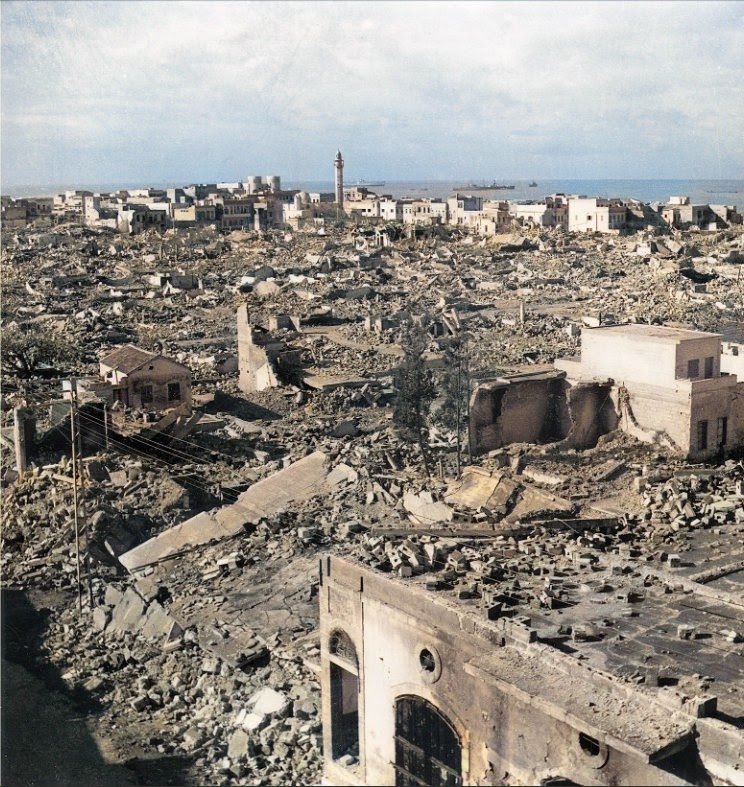
When the Macedonian soldiers of Alexander the Great first broke into Gaza after the siege of 332BCE, they recorded what they saw and left the first eyewitness account of Gaza that survives.... 

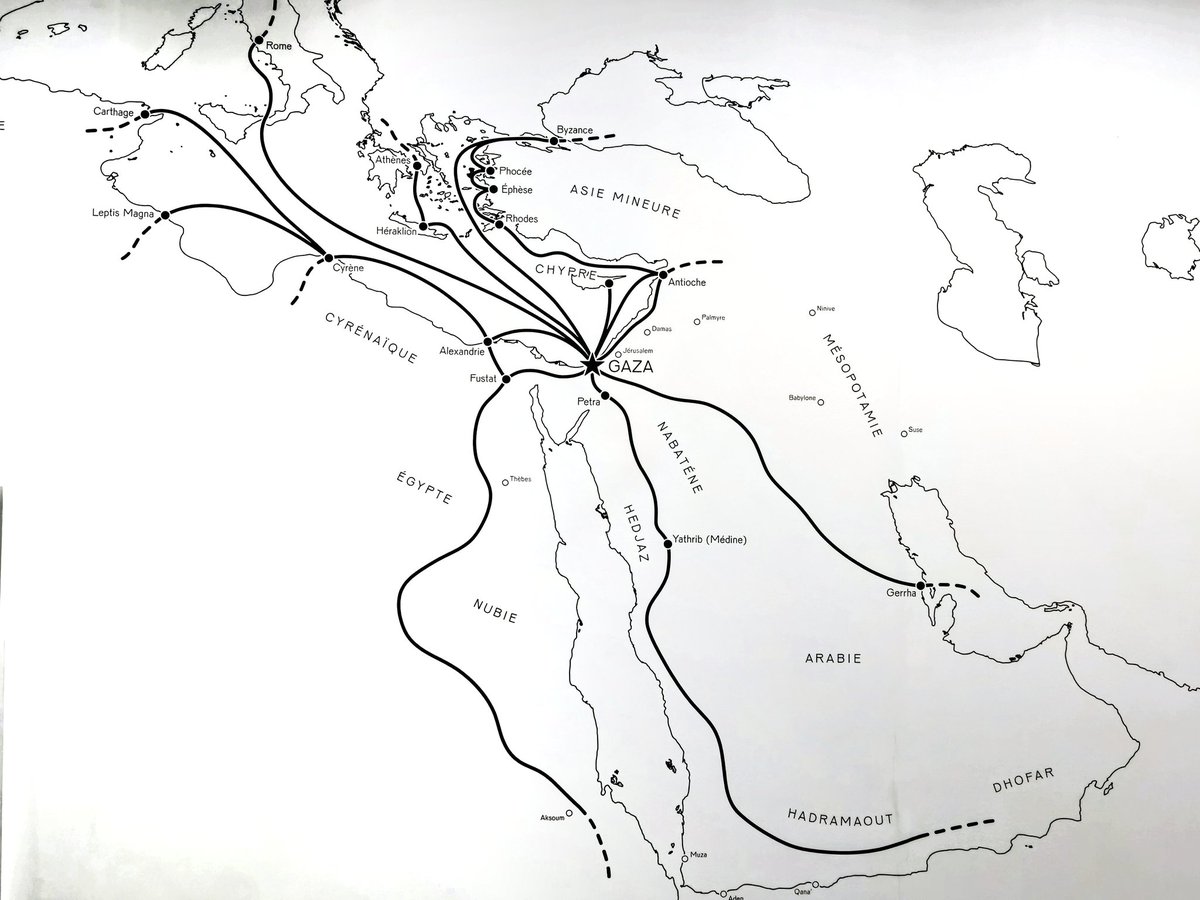
They recorded the vast stores of incense and spices which the merchants of Gaza had brought overland by camel caravan from southern Arabia.

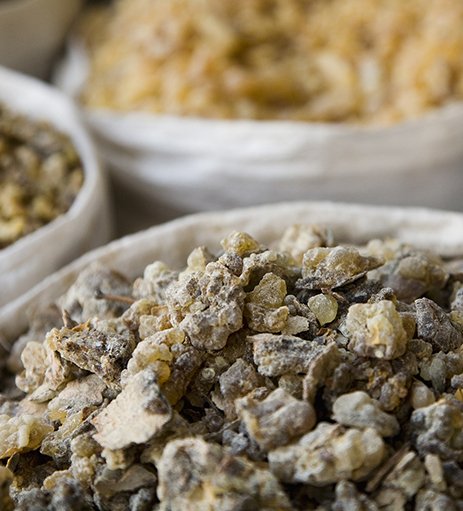
When he was a boy, Alexander had been ticked off by his tutor Leonidas for scooping up handfuls of precious frankincense to burn on the altar as offerings to the Gods. Leonidas had clucked reprovingly, “Alexander when you have conquered the lands which produce these aromatics, then you can scatter incense in this extravagant manner. Until then, don't waste it.” Now Alexander sent to the elderly Leonidas a gift of 500 talents (13.7 tonnes) of frankincense and 100 talents of myrrh, with the message, “I have sent you frankincense and myrrh in abundance , to stop you being stingy to the Gods.”
It was one of Alexander’s officers who noted the great wealth of the people of Gaza, and how they had become rich by acting as the middlemen between the Nabatean Arabs of the desert and the importers of incense in Greece and the rest of Europe.

He noted how the Arabs who dominated this trade had mastered the art of collecting and storing the water in the uncompromising desert, and understood how this enabled them to elude their rivals and adversaries less desert-wise than themselves. Later classical writers such as Pliny wrote about the extraordinary profit the Nabatean merchants and their Gaza colleagues could make in this trade. A single camel could carry around 200kg of frankincense, which would then sell in Rome for around 1500 denarii or 4kg of silver- around £5000. Ancient camel trains could contain several thousand camels.

The trade connections of ancient Gaza
It is often forgotten that Gaza was once the richest port in the Eastern Mediterranean, unbelievably wealthy from the export of Arabian incense and Indian spices.
It is often forgotten that Gaza was once the richest port in the Eastern Mediterranean, unbelievably wealthy from the export of Arabian incense and Indian spices.

No wonder then that the mosaics of Gaza from the Christian Byzantine period depict elephants, lions and giraffes
From the exhibition Trésors sauvés de Gaza - 5000 ans d'histoire at L'Institut du Monde Arabe, Paris
From the exhibition Trésors sauvés de Gaza - 5000 ans d'histoire at L'Institut du Monde Arabe, Paris

When Gaza was the richest port in the Eastern Mediterranean, super wealthy from the export of Arabian incense and Indian spices...
Oil lamp in the form of a lion
1stC CE, found in the waters off Gaza
from the exhibition Trésors sauvés de Gaza - 5000 ans d'histoire at L'Institut du Monde Arabe, Paris
Much more about this coming @EmpirePodUK next month when we release a major new 12-part series on the history of Gaza
linktr.ee/empirepoduk
Oil lamp in the form of a lion
1stC CE, found in the waters off Gaza
from the exhibition Trésors sauvés de Gaza - 5000 ans d'histoire at L'Institut du Monde Arabe, Paris
Much more about this coming @EmpirePodUK next month when we release a major new 12-part series on the history of Gaza
linktr.ee/empirepoduk

(Where I would agree with you is in the diversity of the Palestinians genetic heritage- though I note you omit a major element in their ancestry: Jewish converts to Christianity then Islam. The Palestinians & Israelis share much the same DNA, which makes the current mass-slaughter in Gaza all the more tragic and pointless. Coexistence and freedom for both peoples in some form is the only just and workable solution.)
Secondly, 'The Land of Israel' is only one of the names in use in ancient times for this region. Palestine was another common ancient usage, especially for the coast between Egypt and Phoenicia: the ancient Egyptian texts refer to 'Peleset' and Assyrians texts to 'Palashtu'.
Worth remembering that even the Book of Genesis explicitly states that the patriarch Abraham resided in "the land of the Philistines." Check out Genesis 21:34, which, according to the New King James Version, reads: "Abraham stayed in the land of the Philistines."
Timeline of the name Palestine - Wikipedia share.google/YUhP8GpU3LQh35…
Worth remembering that even the Book of Genesis explicitly states that the patriarch Abraham resided in "the land of the Philistines." Check out Genesis 21:34, which, according to the New King James Version, reads: "Abraham stayed in the land of the Philistines."
Timeline of the name Palestine - Wikipedia share.google/YUhP8GpU3LQh35…
Zionists love to believe that the Islamic conquests of the 7th century erased the previous populations and replaced it with Arabs. In fact the conquests brought only a new military elite, and left the population unchanged. Arabic & Islam gradually took hold, but the mass of the population (which already had Arab minorities, especially in Gaza) remained the same. The Arab conquest is in fact archaeologically invisible.
@xtriadx induslens.com/articles/dna-r…
• • •
Missing some Tweet in this thread? You can try to
force a refresh