The most powerful experiment about the human mind:
The Skinner Box.
It's the true root cause why 97% of people are anxious, depressed and feel trapped in life...
Here's how to tell if you're like this rat and a 5-step protocol to break free today: 🧵
The Skinner Box.
It's the true root cause why 97% of people are anxious, depressed and feel trapped in life...
Here's how to tell if you're like this rat and a 5-step protocol to break free today: 🧵
B.F. Skinner arrived just before WWII with a radical claim:
Emotions and inner experience were irrelevant to science.
To him, you had no free will—just programmed responses, listen to this:

Emotions and inner experience were irrelevant to science.
To him, you had no free will—just programmed responses, listen to this:
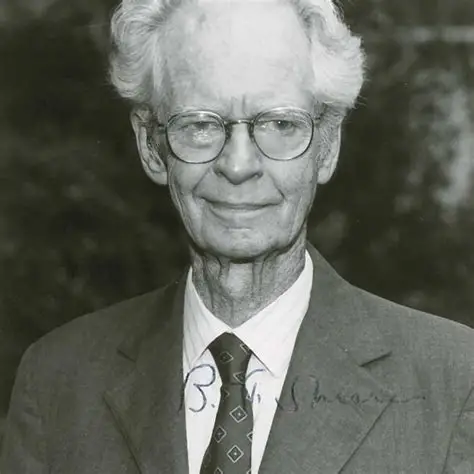
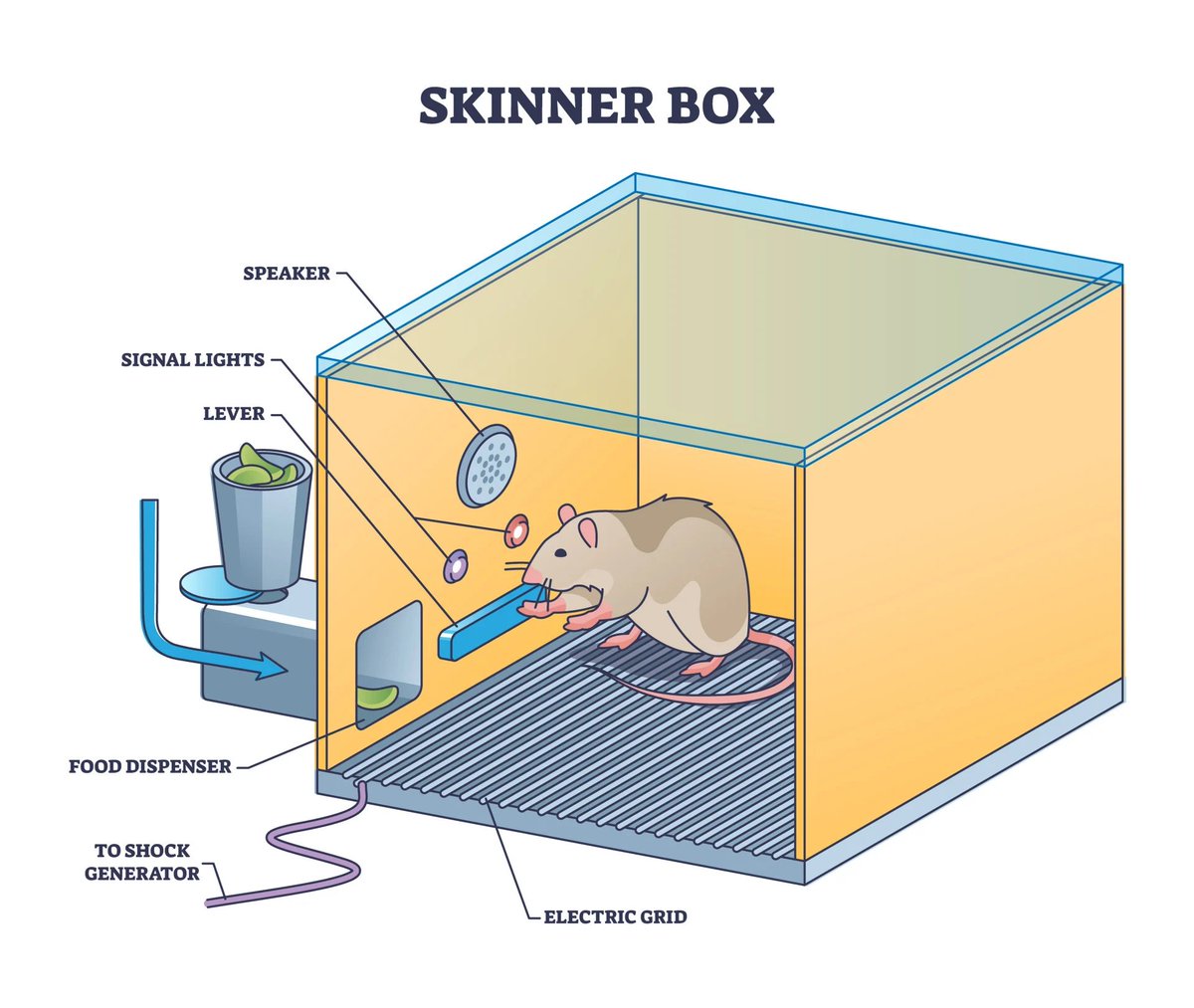
So he created the Skinner Box.
A controlled chamber where rats pressed levers for food pellets:
- Every variable measured.
- Every response recorded.
- Punishment and reward precisely timed.
His rats learned complex behaviors in days.
Then he had a disturbing thought:
A controlled chamber where rats pressed levers for food pellets:
- Every variable measured.
- Every response recorded.
- Punishment and reward precisely timed.
His rats learned complex behaviors in days.
Then he had a disturbing thought:
If rats could be programmed through rewards and punishment...
Could humans?
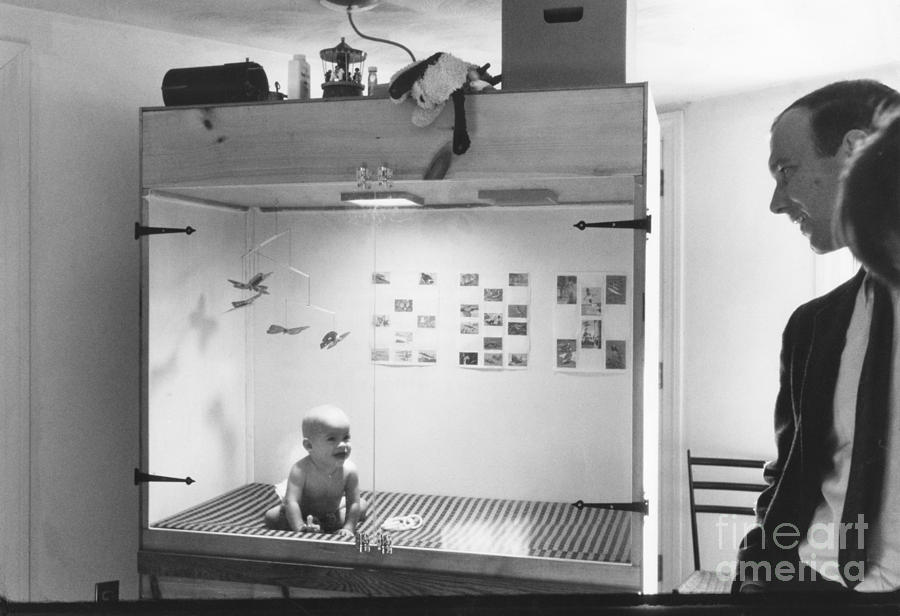
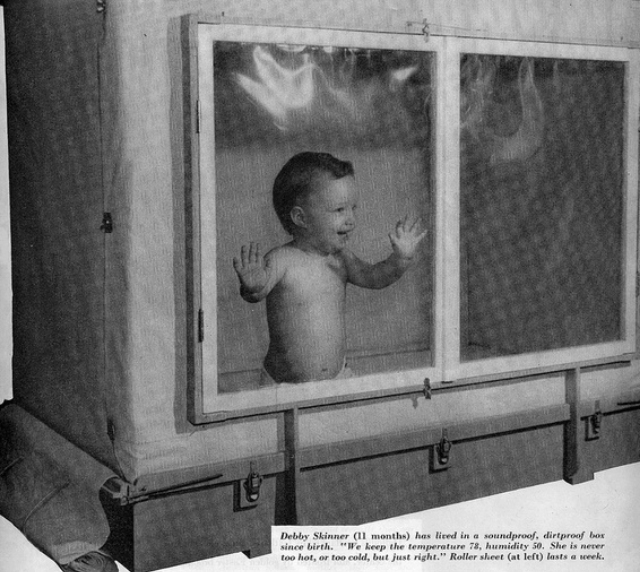
In 1944, Skinner puthis own infant daughter Deborah in a "baby tender."
Glass walls. Controlled air. No blankets needed.
Could humans?
In 1944, Skinner puthis own infant daughter Deborah in a "baby tender."
Glass walls. Controlled air. No blankets needed.
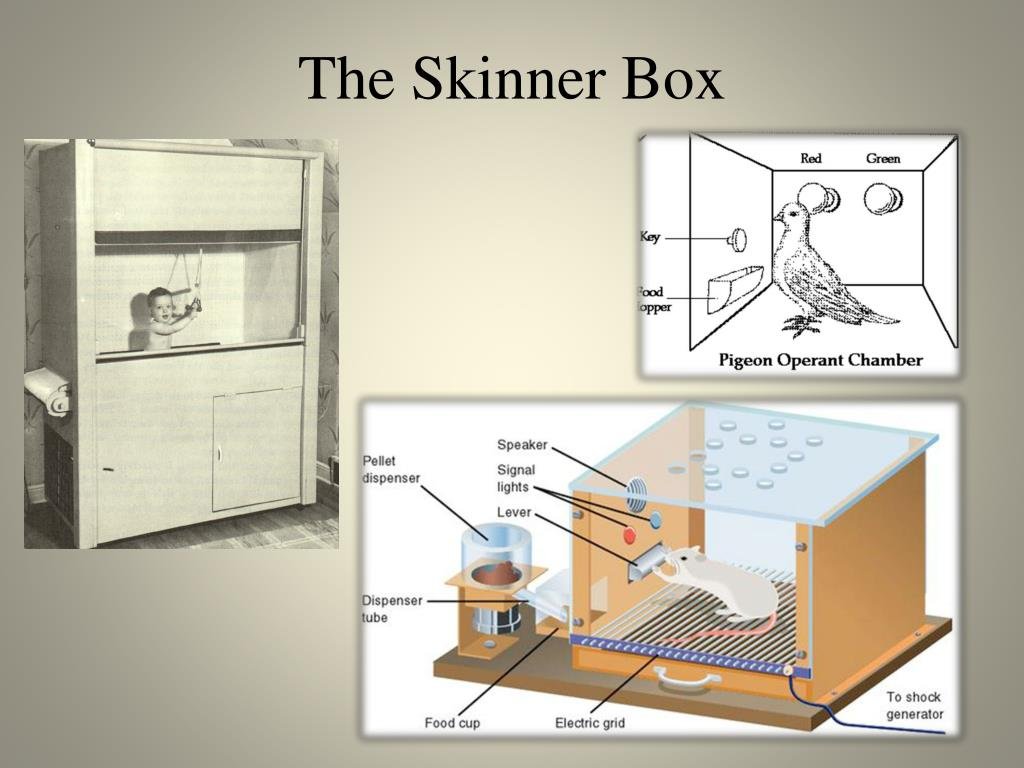
What he discovered changed psychology forever:
Human behavior followed the SAME patterns as rats.
- Reward a behavior = it increases
- Punish a behavior = it decreases
Time the rewards right = permanent change
This video shows an example:
Human behavior followed the SAME patterns as rats.
- Reward a behavior = it increases
- Punish a behavior = it decreases
Time the rewards right = permanent change
This video shows an example:
According to Skiner, if behavior was just conditioning, then:
- Free will was an illusion
- Consciousness didn't matter
- Love was just reinforcement patterns
Everything human could be reduced to stimulus → response.
- Free will was an illusion
- Consciousness didn't matter
- Love was just reinforcement patterns
Everything human could be reduced to stimulus → response.
His methods worked TOO well that institutions took notice...
Prisons adopted them.
Therapists swore by them.
Schools implemented them.
But here's what they didn't tell you:
Prisons adopted them.
Therapists swore by them.
Schools implemented them.
But here's what they didn't tell you:
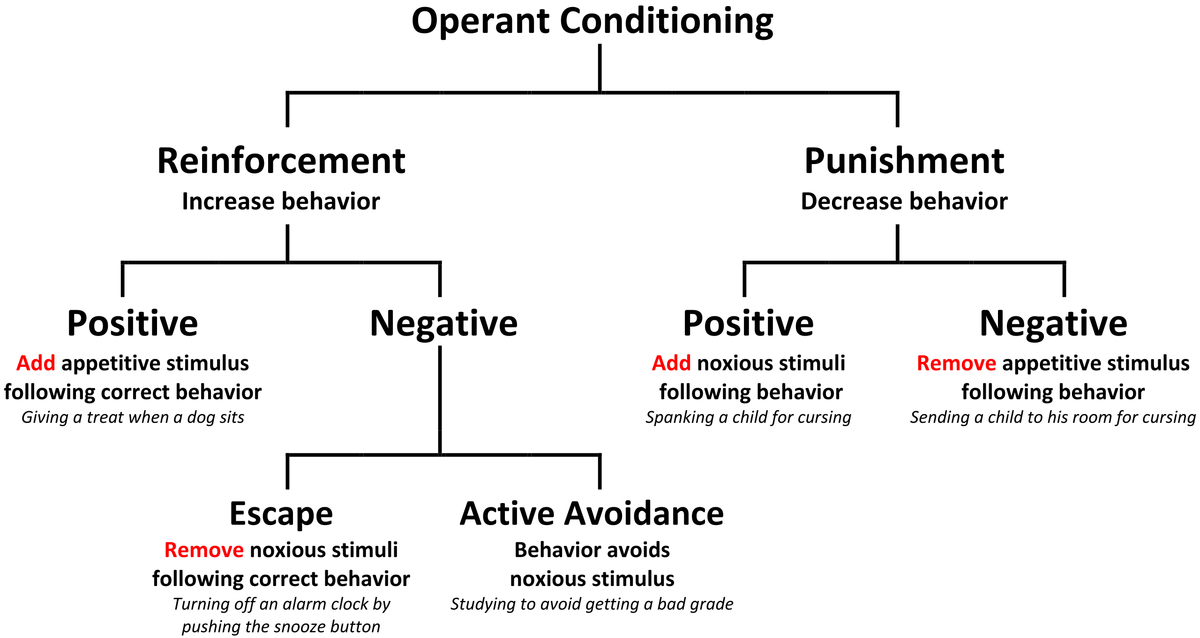
Studies now show 70% failure rates in purely behavioral approaches.
Skinner had ignored the one thing that makes us human:
Love, intimacy, meaning—all dismissed as "unscientific."
His own daughter later struggled with the very anxiety his methods claimed to cure.
Skinner had ignored the one thing that makes us human:
Love, intimacy, meaning—all dismissed as "unscientific."
His own daughter later struggled with the very anxiety his methods claimed to cure.
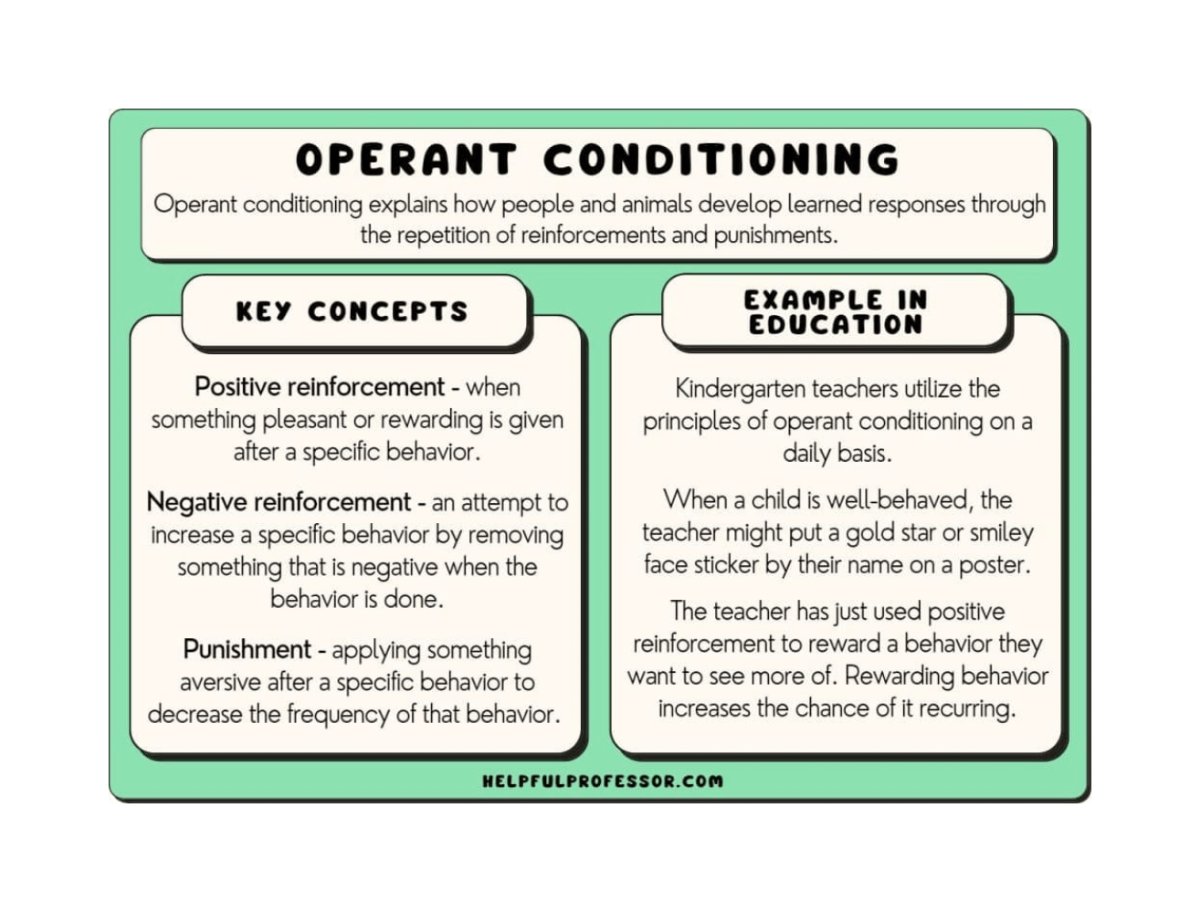

Despite its flaws,
Skinner's ABC principles ACTUALLY reduce anxiety—but not the way he intended.
Here's the 5-step protocol you can try:
Skinner's ABC principles ACTUALLY reduce anxiety—but not the way he intended.
Here's the 5-step protocol you can try:
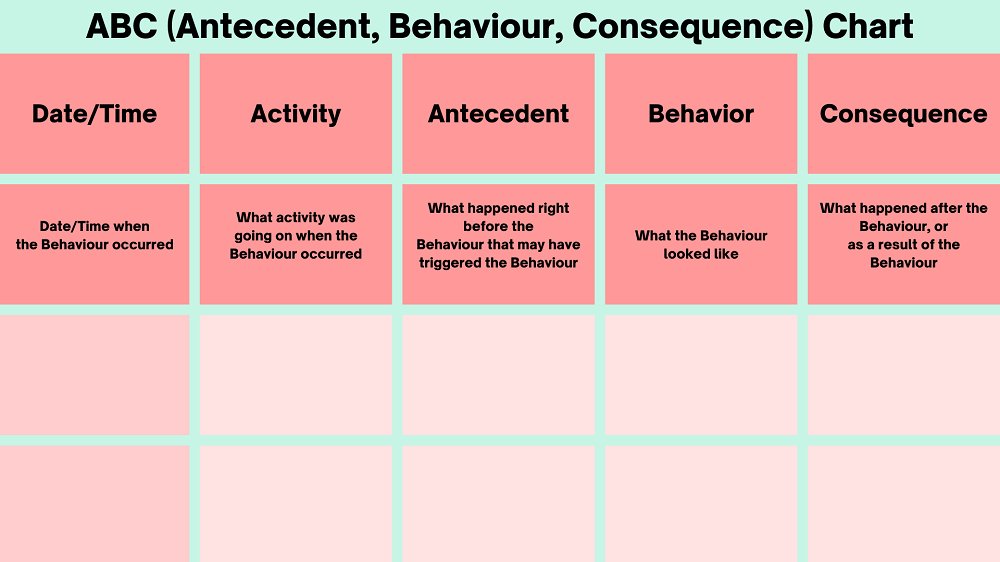
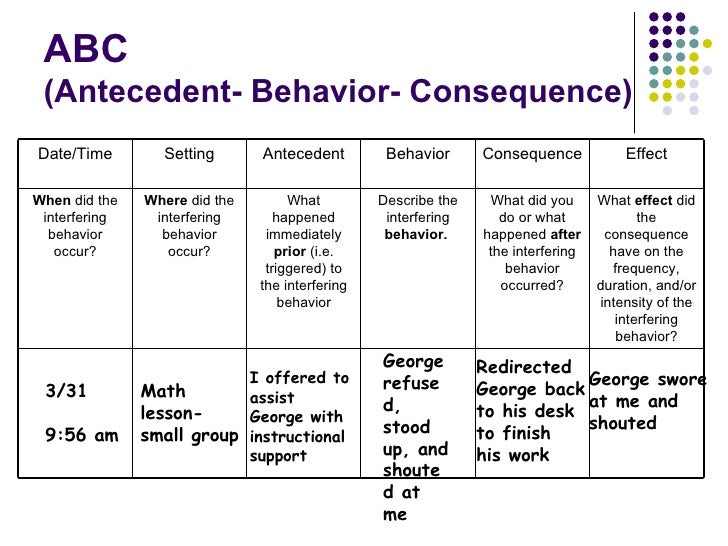
Step 1: Identify Your Triggers
Skinner mapped stimulus-response patterns obsessively.
You can too:
• Track what happens RIGHT before anxiety hits
• Note time, place, people, thoughts
• Find the pattern within 7 days
Your anxiety has a blueprint. Find it.
Skinner mapped stimulus-response patterns obsessively.
You can too:
• Track what happens RIGHT before anxiety hits
• Note time, place, people, thoughts
• Find the pattern within 7 days
Your anxiety has a blueprint. Find it.
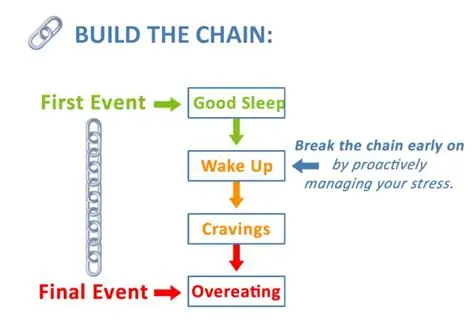
Step 2: Break the Chain Early
Interrupt anxiety before it spirals:
• Notice first body sensation (tight chest? racing thoughts?)
• Take 3 deep breaths immediately
• Change your physical position
Small interruptions = big changes.
Interrupt anxiety before it spirals:
• Notice first body sensation (tight chest? racing thoughts?)
• Take 3 deep breaths immediately
• Change your physical position
Small interruptions = big changes.
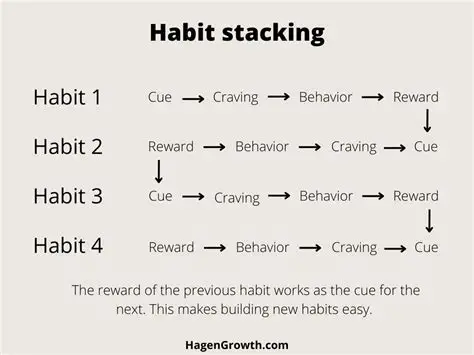
Step 3: You can't just stop a behavior—you must replace it.
When anxiety triggers:
• Have a go-to replacement ready (call someone or journal)
• Make it EASIER than the anxious response
• Reward yourself immediately after
The brain chooses the easiest path.
When anxiety triggers:
• Have a go-to replacement ready (call someone or journal)
• Make it EASIER than the anxious response
• Reward yourself immediately after
The brain chooses the easiest path.
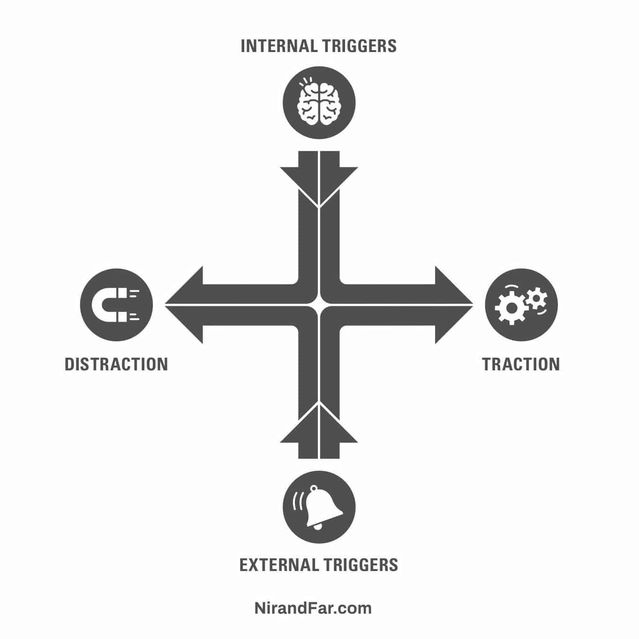
Step 4: Engineer Your Environment
You can control yours:
• Remove anxiety cues from your space
• Add calming anchors (plants, photos, music)
• Design "choice architecture" that supports calm
Your environment shapes you more than willpower.
You can control yours:
• Remove anxiety cues from your space
• Add calming anchors (plants, photos, music)
• Design "choice architecture" that supports calm
Your environment shapes you more than willpower.
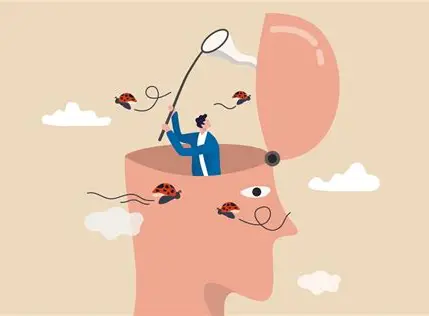
Step 5: Track & Adjust Like a Scientist
Skinner measured everything. So should you:
• Rate anxiety 1-10 daily
• Note what worked/didn't
• Adjust your protocol weekly
• Celebrate small wins
The irony? Skinner's methods work best when combined with what he rejected:
Skinner measured everything. So should you:
• Rate anxiety 1-10 daily
• Note what worked/didn't
• Adjust your protocol weekly
• Celebrate small wins
The irony? Skinner's methods work best when combined with what he rejected:
Meaning, purpose, and soul.
Use his tools to modify behavior.
But remember you're more than stimulus-response.
You're human. Act like it.
Here's the truth: Protocols help, but anxiety runs deeper than behavior.
Use his tools to modify behavior.
But remember you're more than stimulus-response.
You're human. Act like it.
Here's the truth: Protocols help, but anxiety runs deeper than behavior.
After 40 years treating anxiety, I learned something crucial:
You need both science AND soul. Structure AND creativity. Mind AND imagination.
That's why behavioral tools alone have 70% failure rates.
If you're tired of surface-level fixes, I've created something different...
You need both science AND soul. Structure AND creativity. Mind AND imagination.
That's why behavioral tools alone have 70% failure rates.
If you're tired of surface-level fixes, I've created something different...
Anxiety Relief Transformation™ blends:
• Art practices that bypass mental loops
• Psychology that honors your depth
• Mindfulness that actually sticks
If you enjoyed this thread, you would love what I've created: ↓
offers.lorwenharrisnagle.com/anxiety-relief…
• Art practices that bypass mental loops
• Psychology that honors your depth
• Mindfulness that actually sticks
If you enjoyed this thread, you would love what I've created: ↓
offers.lorwenharrisnagle.com/anxiety-relief…
If this thread resonated with you, I explore psychology, philosophy, and personal transformation in my work.
Follow @Lorwen108 for more insights on the journey to authenticity.
Repost if this helped you. 🙏
Follow @Lorwen108 for more insights on the journey to authenticity.
Repost if this helped you. 🙏
https://twitter.com/3065974983/status/1954135651282211313
• • •
Missing some Tweet in this thread? You can try to
force a refresh