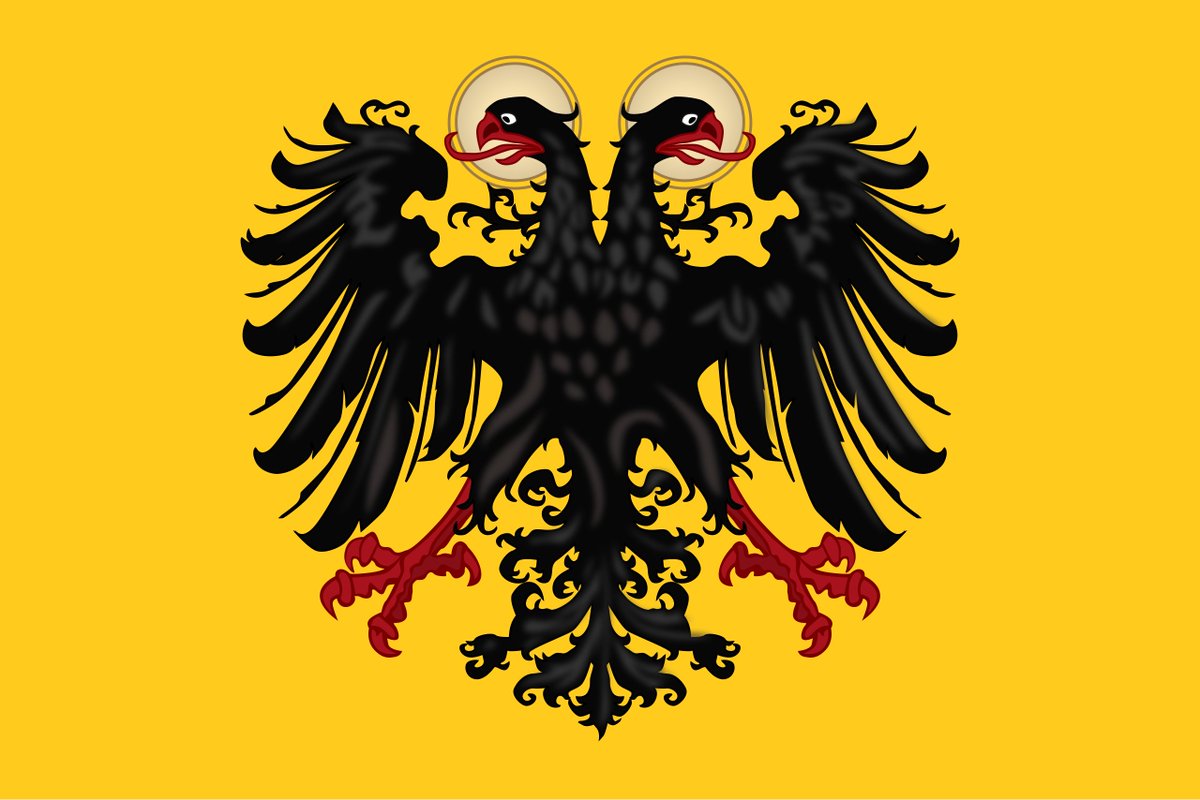
English explorer John Smith, famous for his involvement in establishing the Jamestown colony in America in 1607.
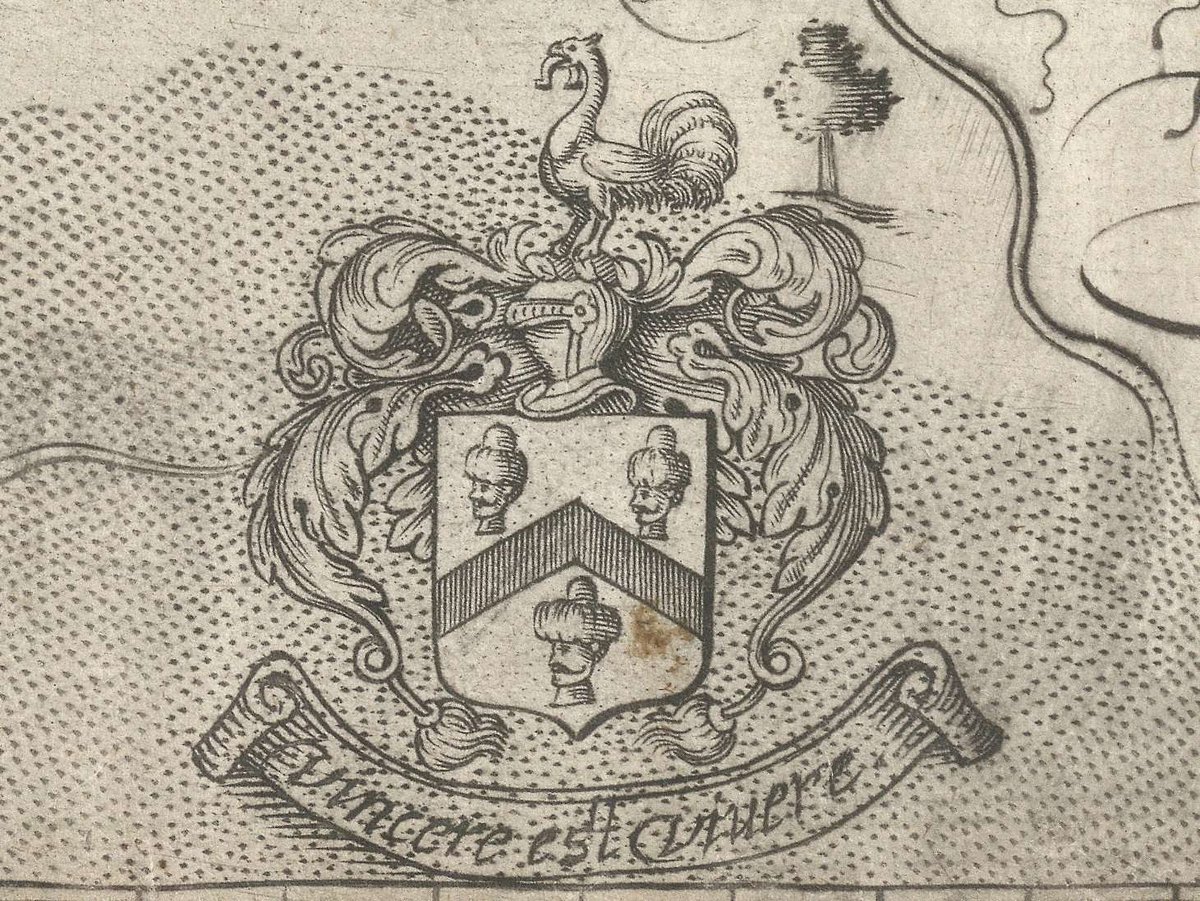
His coat of arms featured the heads of three Ottoman soldiers whom he beheaded in duels while serving as a mercenary in Transylvania during the Long Turkish War.
His coat of arms featured the heads of three Ottoman soldiers whom he beheaded in duels while serving as a mercenary in Transylvania during the Long Turkish War.


John Smith is known today for his role in managing the colony of Jamestown in Virginia, the first permanent English settlement in North America, and his connection with a Powhatan woman called Pocahontas.
But John Smith was also a powerful warrior and mercenary prior to that.
But John Smith was also a powerful warrior and mercenary prior to that.


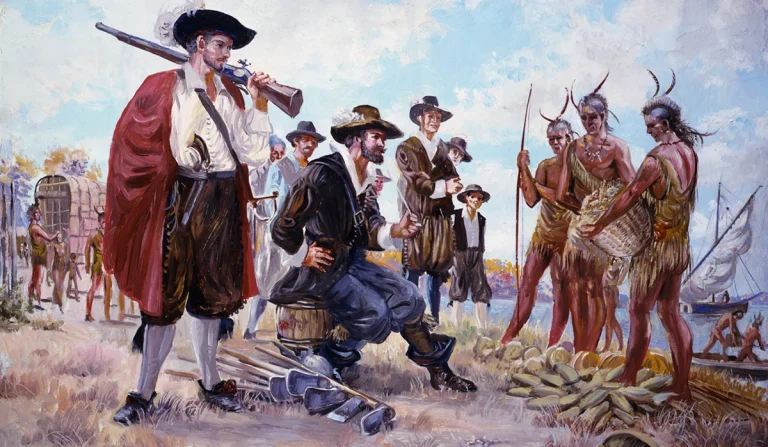
Born in England, he set off to sea in 1596 at age 16 after his father died to become a mercenary, fighting for the French against the Spanish.
He was looking for what he called "brave adventures".
After a truce was made in 1598, he joined a French pirate crew in Mediterranean.
He was looking for what he called "brave adventures".
After a truce was made in 1598, he joined a French pirate crew in Mediterranean.

His search for war and adventure eventually took him to the Habsburg-Ottoman frontier in 1601 where a conflict known as the Long Turkish War had been raging since 1593.
It was a brutal conflict characterized by many sieges of important border fortresses.
It was a brutal conflict characterized by many sieges of important border fortresses.
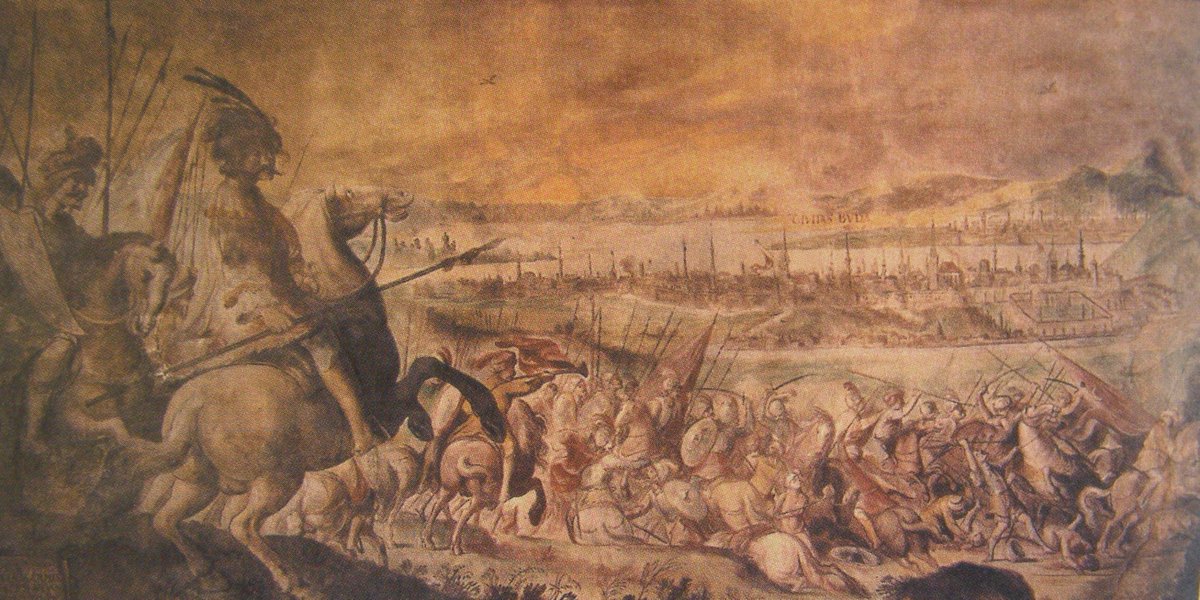
A series of illustrations of the adventures of John Smith in the Long Turkish War!
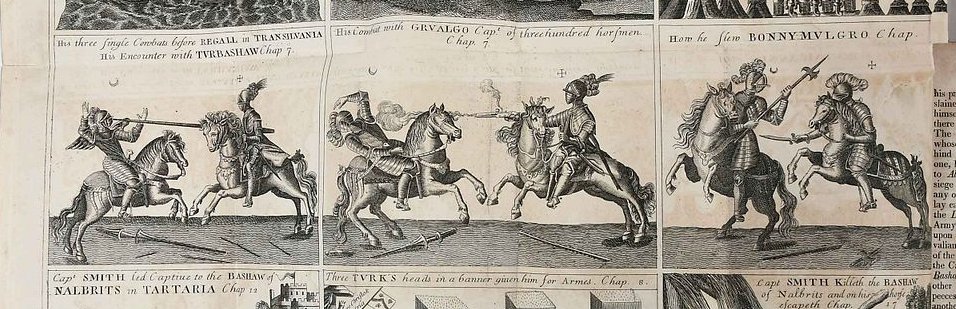
The most interesting event were definitely the three duels he had with powerful Ottoman warriors.
These single combats happened during the Siege of Székesfehérvár in 1601.
The most interesting event were definitely the three duels he had with powerful Ottoman warriors.
These single combats happened during the Siege of Székesfehérvár in 1601.

During the Habsburg-Ottoman wars a warrior culture of honor developed and it was not uncommon that famed warriors from warring sides would challenge each other to an honorable single combat.
John Smith was challenged by an Ottoman captain to "Combate with him for his Head".
John Smith was challenged by an Ottoman captain to "Combate with him for his Head".
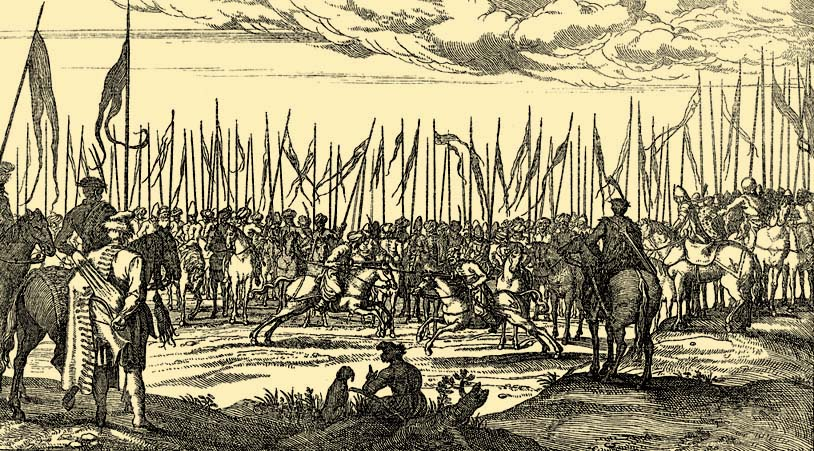
John Smith was able to dismount and behead the Ottoman captain.
He was immediately challenged to another duel which ended with pistol shots being fired. He won that one too.
He won the third and final duel with battle axes, which was very difficult and hard fought.
He was immediately challenged to another duel which ended with pistol shots being fired. He won that one too.
He won the third and final duel with battle axes, which was very difficult and hard fought.
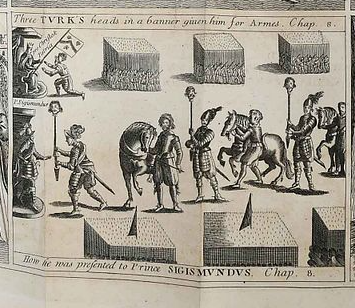
He mounted the heads of all the three Ottoman soldiers he beheaded on a lance.
For his bravery, he gained respect of the enemy as well and an Ottoman officer presented him with gifts which included a scimitar.
Such was the culture of honor and respect among these warriors!
For his bravery, he gained respect of the enemy as well and an Ottoman officer presented him with gifts which included a scimitar.
Such was the culture of honor and respect among these warriors!
Due to this display of bravery and valiant deeds of arms, Prince of Transylvania Sigismund Báthory knighted John Smith and gave him the right to wear "three Turkish heads" on his shield.
A memory of the victories in these single combats he conducted.
A memory of the victories in these single combats he conducted.
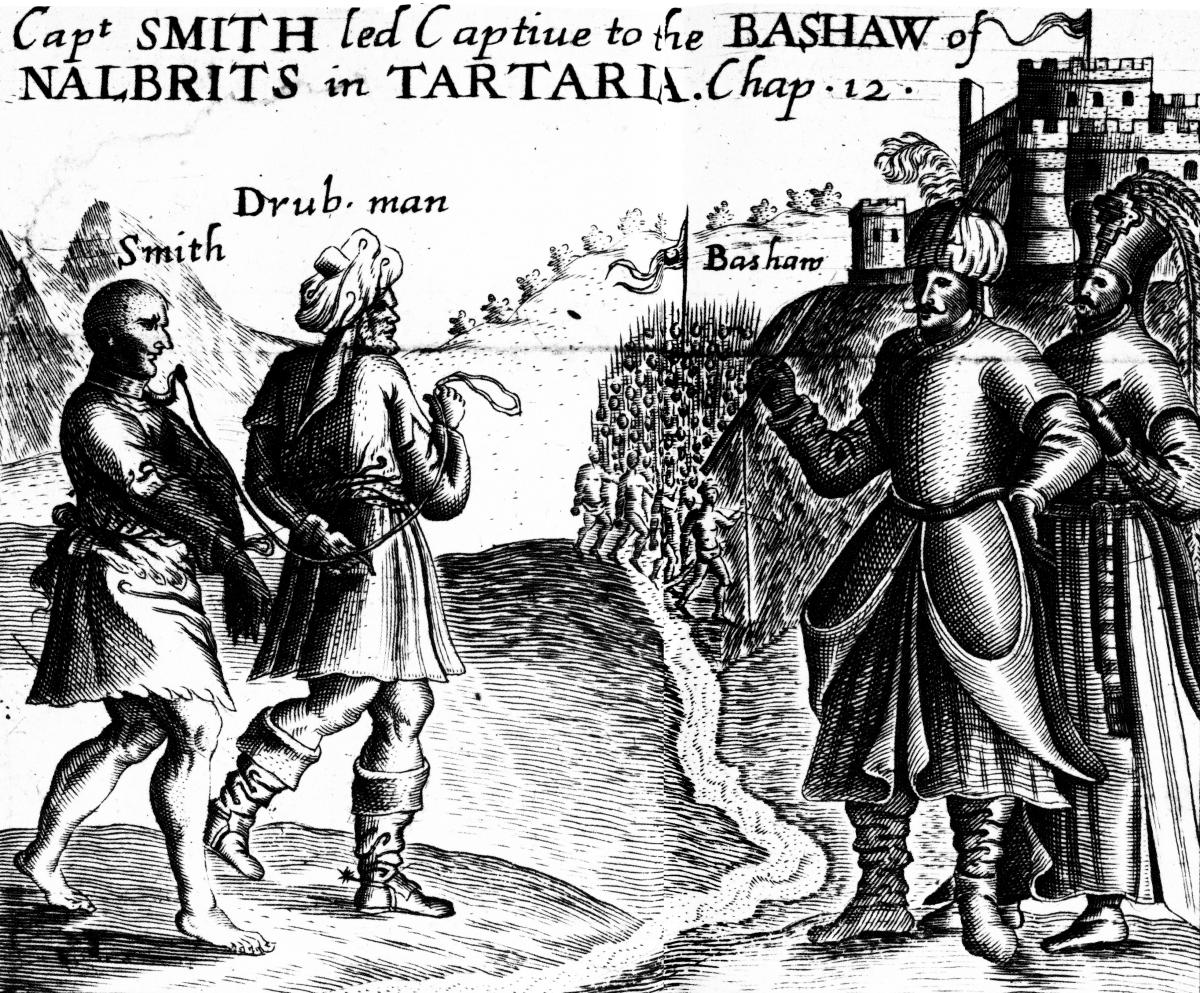
However soon after this success Smith was captured during a skirmish with Tatar light cavalry in 1602.
He was forced to march 600 miles to Constantinople where he was sold as a slave.
He eventually ended up serving as a slave on farms near Rostov in modern day Russia.
He was forced to march 600 miles to Constantinople where he was sold as a slave.
He eventually ended up serving as a slave on farms near Rostov in modern day Russia.
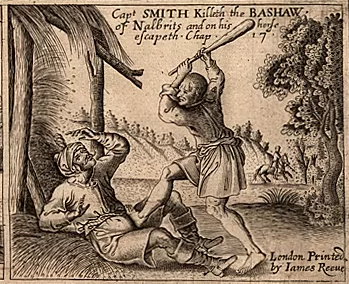
As a Slave, John Smith was mistreated and beaten by his master.
During one of such beatings, Smith was able to overpower his master and kill him, successfully escaping.
Traveling lost in unknown country for days, he was eventually helped by the locals and headed home.
During one of such beatings, Smith was able to overpower his master and kill him, successfully escaping.
Traveling lost in unknown country for days, he was eventually helped by the locals and headed home.
John Smith returned to England in 1604.
However regular life in his country was of little interest to him.
His obsession with "brave adventures" would soon take him to America, taking a crucial part in establishing the colony in Jamestown, Virginia, in 1607.
However regular life in his country was of little interest to him.
His obsession with "brave adventures" would soon take him to America, taking a crucial part in establishing the colony in Jamestown, Virginia, in 1607.
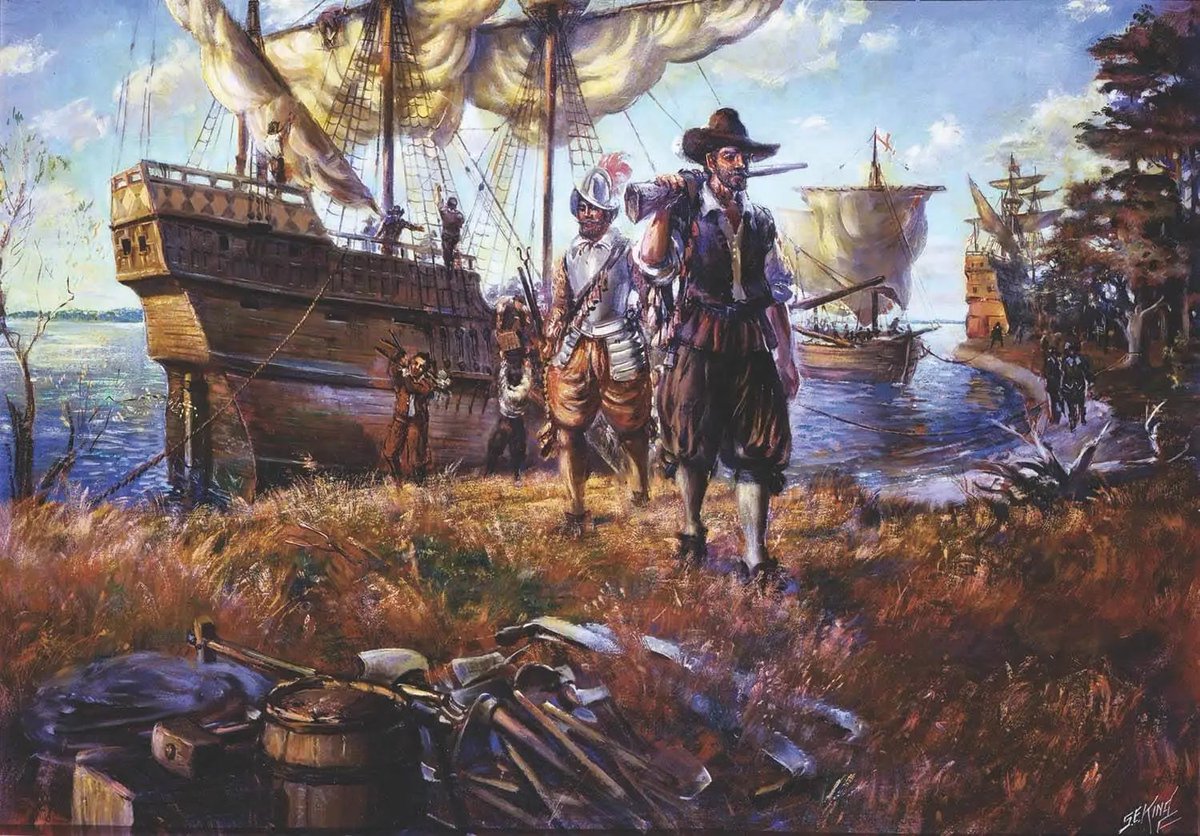
The story of John Smith prior to his arrival in America is an example of how some European men who came to the New World were veteran warriors, already hardened by the brutal wars in Europe they took part in.
Men like him were crucial in settling the hostile lands in America.
Men like him were crucial in settling the hostile lands in America.
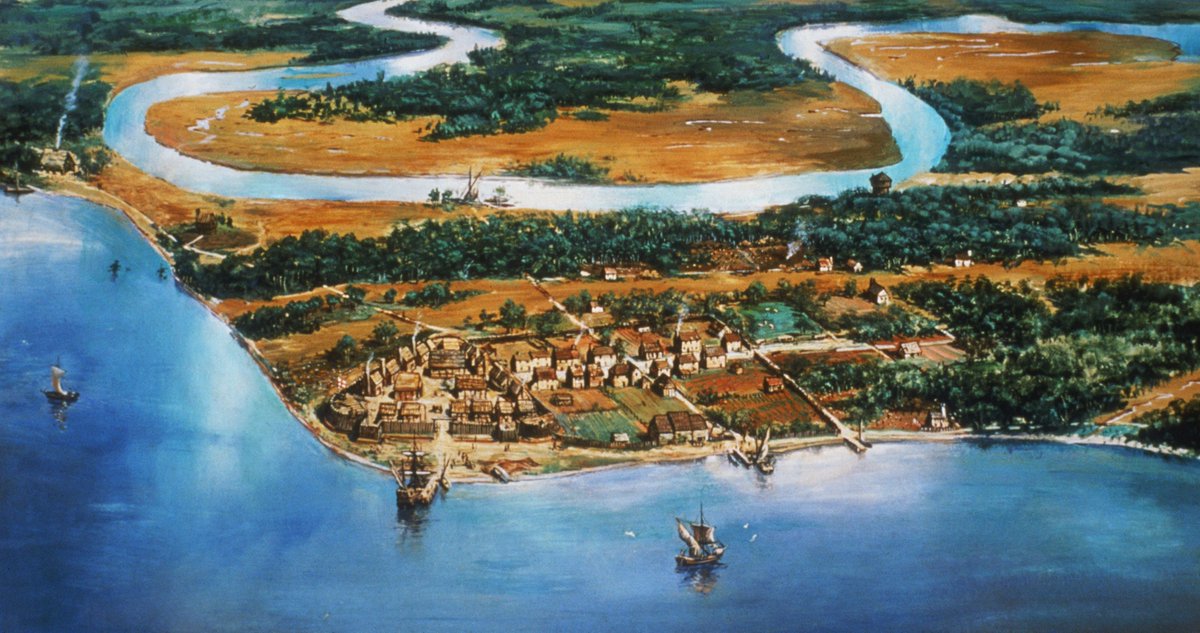
John Smith helped to save the colony of Jamestown from early devastation, as they were facing harsh conditions from lack of food and attacks of the locals.
He is famous for citing "he that will not work, shall not eat" to the colonists in this context.
He is famous for citing "he that will not work, shall not eat" to the colonists in this context.
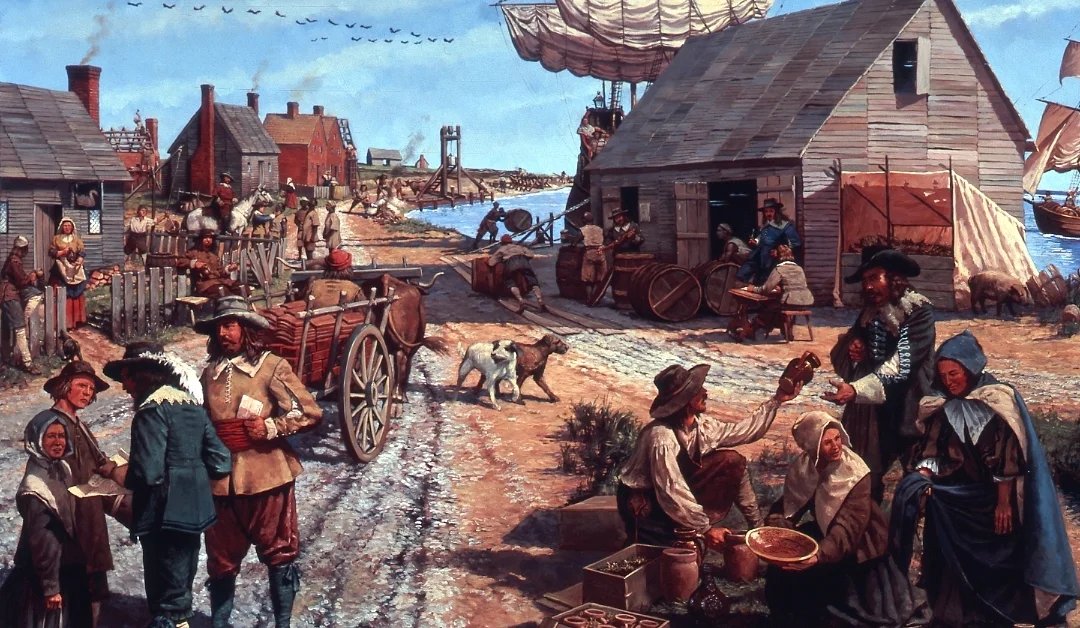
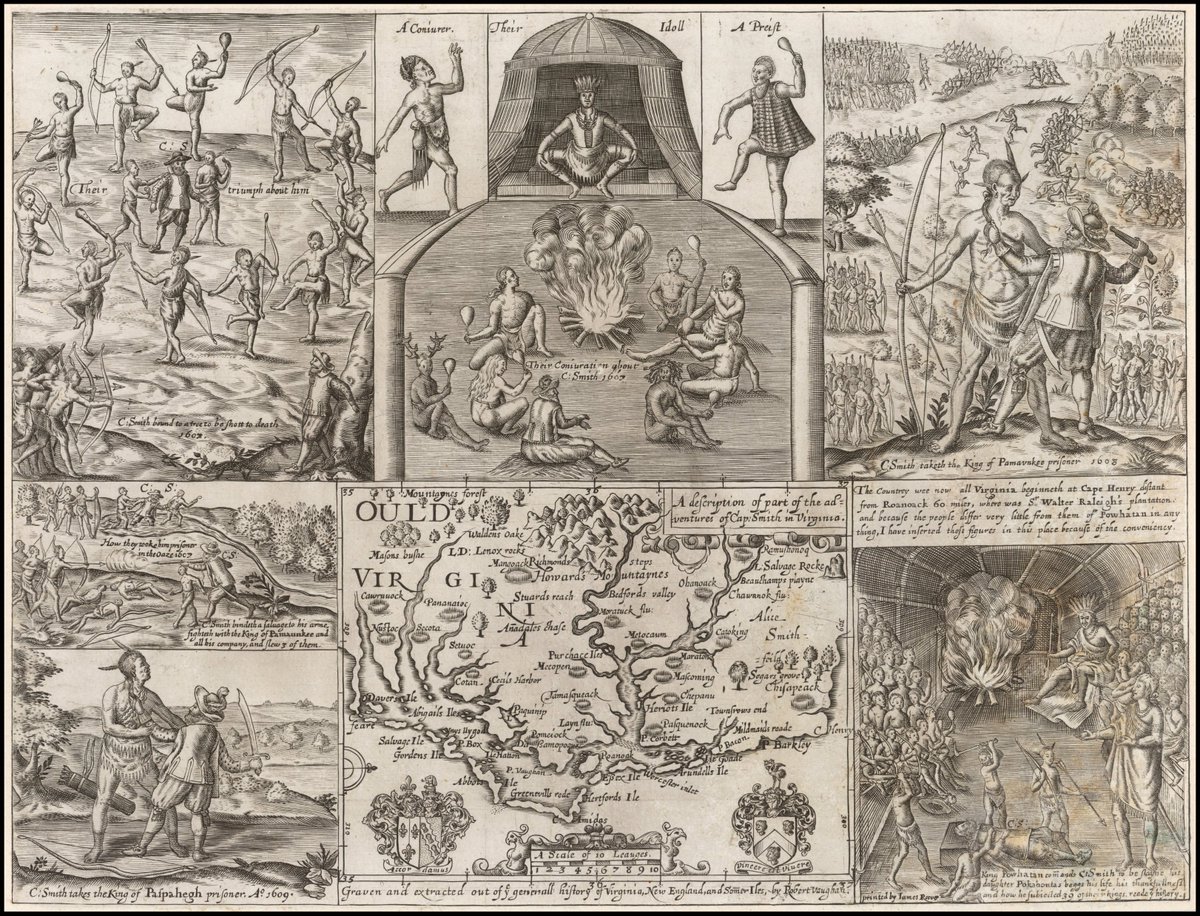
Prints depicting John Smith's incredible adventures in America!
He was the one who introduced the name "New England".
It's quite incredible that despite this dangerous life that he lived, he would eventually die a peaceful death back home in England in London in 1631.
He was the one who introduced the name "New England".
It's quite incredible that despite this dangerous life that he lived, he would eventually die a peaceful death back home in England in London in 1631.
• • •
Missing some Tweet in this thread? You can try to
force a refresh