As a Harvard psychologist who worked with the Dalai Lama, I learned…
Why, despite horrendous traumas, the Tibetans are immune to anxiety, chronic stress, and the depression epidemics...
Here's the ancient wisdom Western medicine is hiding from you:
THREAD
Why, despite horrendous traumas, the Tibetans are immune to anxiety, chronic stress, and the depression epidemics...
Here's the ancient wisdom Western medicine is hiding from you:
THREAD


Mental illness is a silent killer in Western society:
• 78% report daily anxiety.
• 1 in 3 are chronically lonely.
• Depression tripled since 2020.
These trends are mostly in young adults (18-29) and the elderly (65+).
They are staggering.
• 78% report daily anxiety.
• 1 in 3 are chronically lonely.
• Depression tripled since 2020.
These trends are mostly in young adults (18-29) and the elderly (65+).
They are staggering.
I spent 4 years as Harvard's lead psychologist studying Tibetan refugees, working directly with the Dalai Lama.
Here's what we found:
Here's what we found:
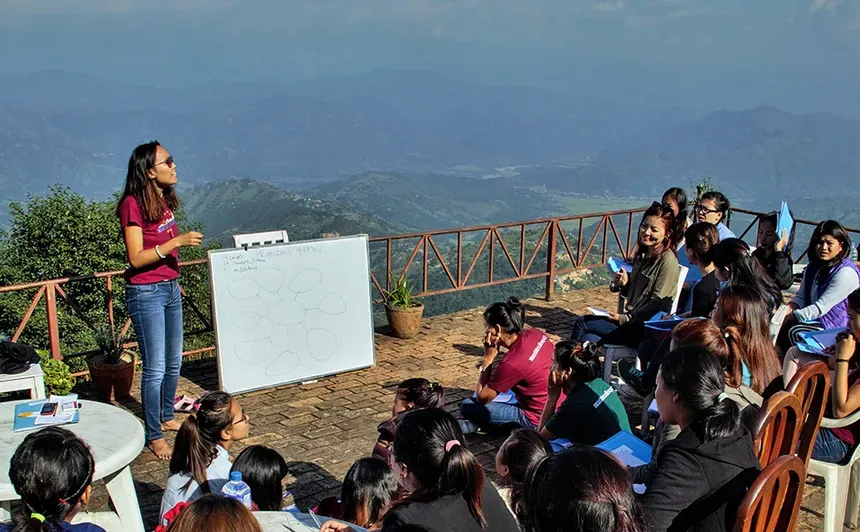
In 1990, I led a Harvard study that would challenge everything we know about mental health.
We followed and observed 1,000 Tibetan refugees who arrived in America with nothing - no money, no English, no connections.
Here's what happened:
We followed and observed 1,000 Tibetan refugees who arrived in America with nothing - no money, no English, no connections.
Here's what happened:
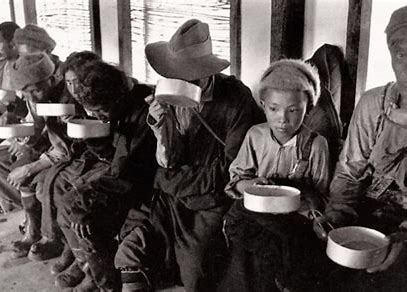
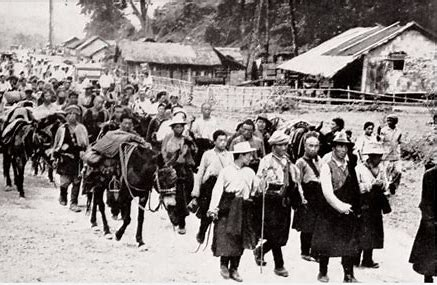
The West treats wellness like a productivity challenge.
• More apps
• More metrics
• More optimization
The Tibetans take the opposite approach…
• More apps
• More metrics
• More optimization
The Tibetans take the opposite approach…
A senior monk in Dharamsala told me something I'll never forget:
"The practice isn't separate from life. Life is the practice."
"The practice isn't separate from life. Life is the practice."
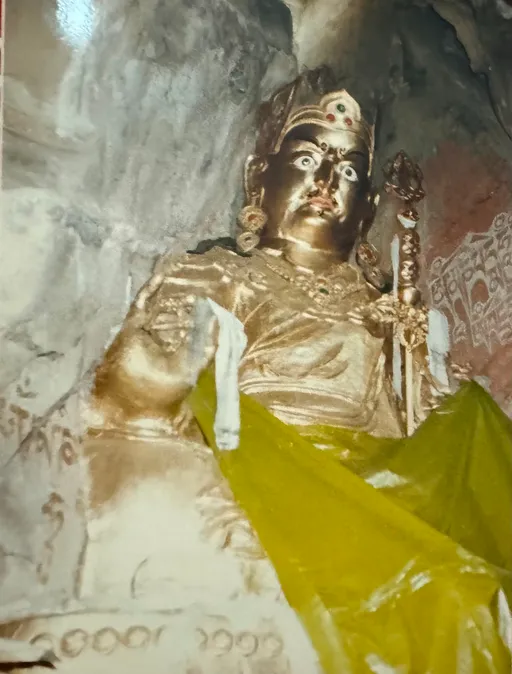
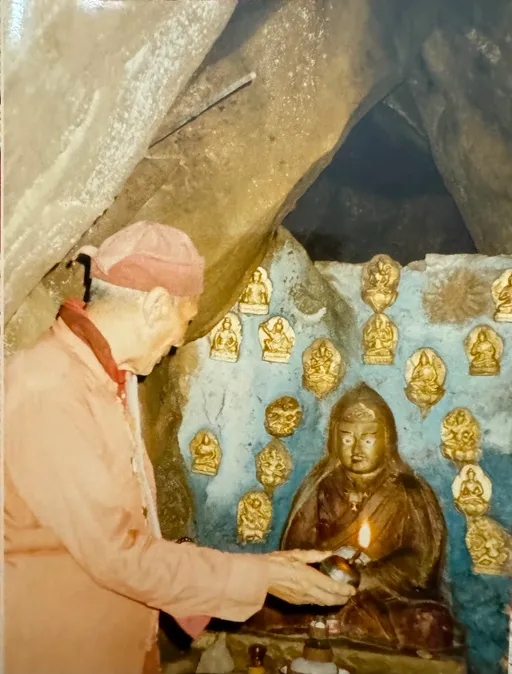
Longitudinal results over 30 years found:
Despite severe trauma and displacement, these Tibetan communities showed almost no cases of clinical depression, chronic anxiety, or attention disorders.
Here are 4 fundamental reasons why:
Despite severe trauma and displacement, these Tibetan communities showed almost no cases of clinical depression, chronic anxiety, or attention disorders.
Here are 4 fundamental reasons why:
1/ Community over Self-Help
2/ Presence over Productivity
3/ Rhythm over Randomness
4/ Integration over Separation
Let me break these down...
2/ Presence over Productivity
3/ Rhythm over Randomness
4/ Integration over Separation
Let me break these down...
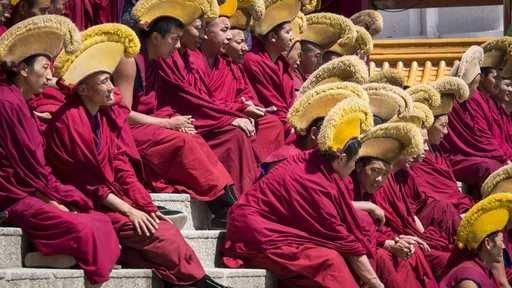
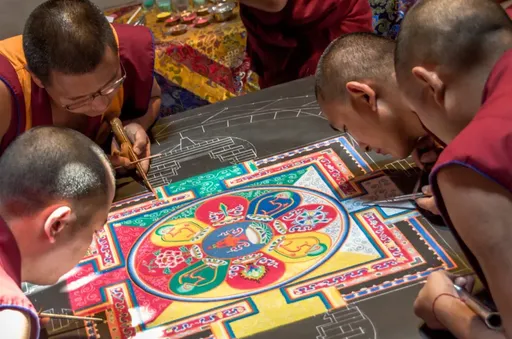
1/ Community over Self-Help
While we're busy downloading meditation apps and trying expensive therapy...
The Tibetan communities:
- Share meals.
- Solve puzzles together.
- Create support networks.
My research showed Tibetans had 3x stronger social bonds than average Americans.
While we're busy downloading meditation apps and trying expensive therapy...
The Tibetan communities:
- Share meals.
- Solve puzzles together.
- Create support networks.
My research showed Tibetans had 3x stronger social bonds than average Americans.
2/ Presence over Productivity
When our Harvard team measured anxiety levels, their approach showed 67% better results than Western methods.
To have a presence, you need rhythm… Here's how the Tibetans create rhythm:
When our Harvard team measured anxiety levels, their approach showed 67% better results than Western methods.
To have a presence, you need rhythm… Here's how the Tibetans create rhythm:
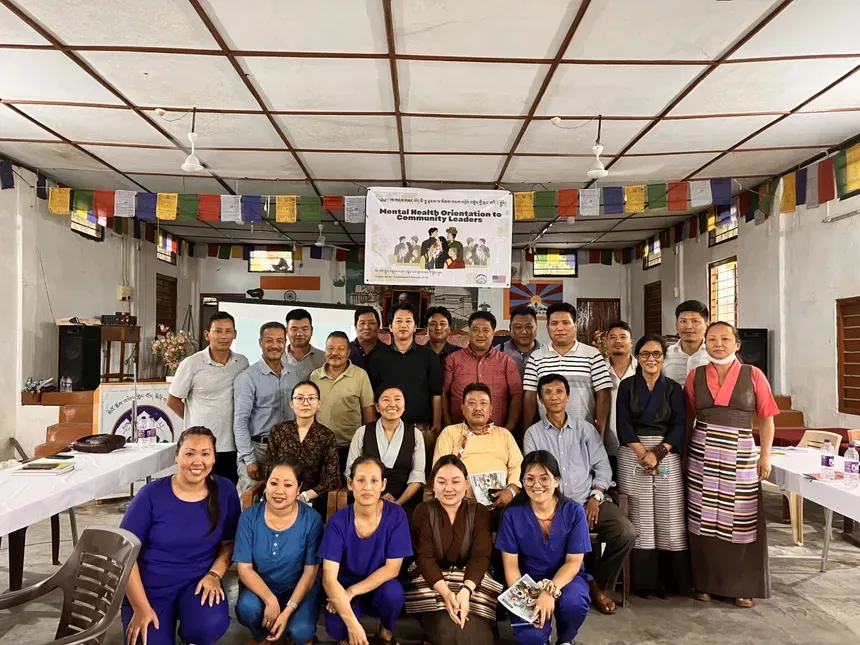

3/ Rhythm over Randomness
• Morning intentions
• Regular meal times
• Evening reflections
• Weekly community gatherings.
It starts with a non-negotiation prioritization of community habits.
Our studies showed this drops burnout by 85%.
• Morning intentions
• Regular meal times
• Evening reflections
• Weekly community gatherings.
It starts with a non-negotiation prioritization of community habits.
Our studies showed this drops burnout by 85%.

4/ Integration over Separation
Probably the most potent shift I observed.
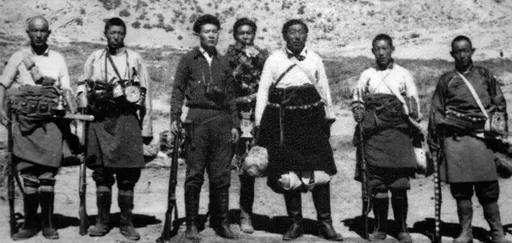
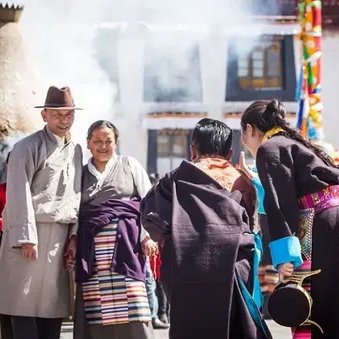
Over 30 years, I've watched them adapt ancient wisdom for modern life without losing their tradition.
Probably the most potent shift I observed.
Over 30 years, I've watched them adapt ancient wisdom for modern life without losing their tradition.
The data from our longitudinal studies says that communities adopting these practices reported:
• 67% less anxiety
• 71% improvement in focus
• 85% reduction in burnout
• 3x stronger team connections
As a reflection, here's why the West feels so depressing:
• 67% less anxiety
• 71% improvement in focus
• 85% reduction in burnout
• 3x stronger team connections
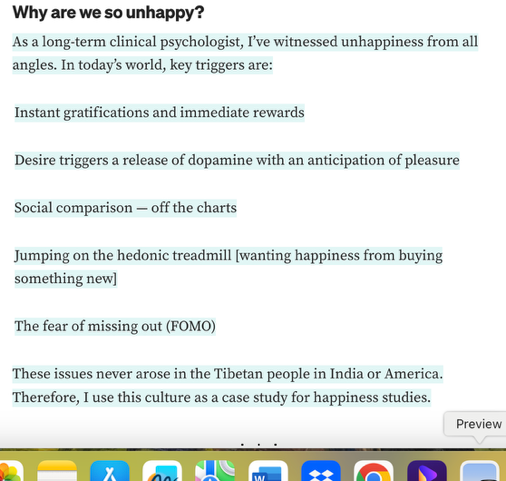
As a reflection, here's why the West feels so depressing:
One of my Harvard colleagues recently asked me:
"Why are tech companies paying millions for wellness programs when the most effective solutions are free?"
For me, the answer was written on the walls of Tibetan monasteries thousands of years ago:
Presence. Community. Rhythm.
"Why are tech companies paying millions for wellness programs when the most effective solutions are free?"
For me, the answer was written on the walls of Tibetan monasteries thousands of years ago:
Presence. Community. Rhythm.
Even when I'm not physically in Tibet, the lessons I learned from Tibetans will forever guide my journey.
Let me leave you with this:
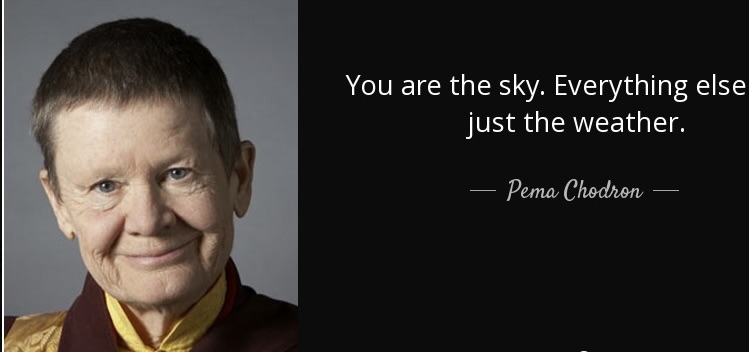
“You are the sky. Everything else — it’s just the weather.”
Practice gratitude. Live simply. Cultivate compassion.
Let me leave you with this:
“You are the sky. Everything else — it’s just the weather.”
Practice gratitude. Live simply. Cultivate compassion.
We launched the Anxiety Relief Transformation™ on August 5th.
12 modules of guided practices combining neuroscience, art therapy & somatic healing.
Enrollment closes in under 48 hours:
offers.lorwenharrisnagle.com/anxiety-relief…
12 modules of guided practices combining neuroscience, art therapy & somatic healing.
Enrollment closes in under 48 hours:
offers.lorwenharrisnagle.com/anxiety-relief…
Hi, I'm Lorwen Nagle.
I've spent 40 years as a Harvard-trained psychologist, studying consciousness with the Dalai Lama, and helping thousands untangle their minds.
Follow @Lorwen108 for threads on anxiety, mindfulness, and the science of inner peace.
I've spent 40 years as a Harvard-trained psychologist, studying consciousness with the Dalai Lama, and helping thousands untangle their minds.
Follow @Lorwen108 for threads on anxiety, mindfulness, and the science of inner peace.

If you want to read more about my journey in Tibet, read this thread:
https://twitter.com/3065974983/status/1799457680836403583
• • •
Missing some Tweet in this thread? You can try to
force a refresh