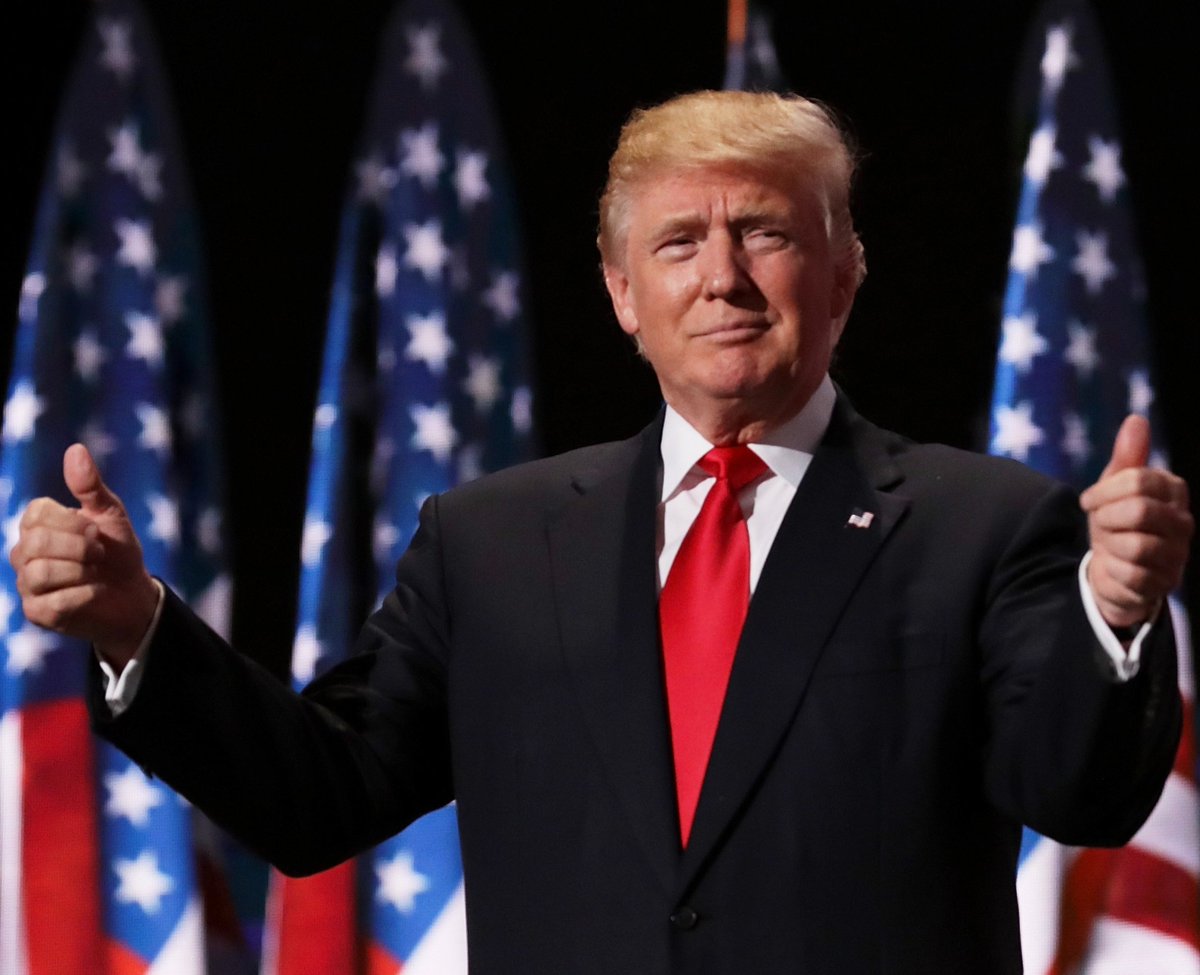
America Faces the Harsh Reality of Trump’s Tariff Gamble. It has now affecting Americans as the prices of coffee to banana have hot all time high.
.
.
.
.
.
.
.
.
.
.
.
.
.
.
.
Read the entire post know the whole update
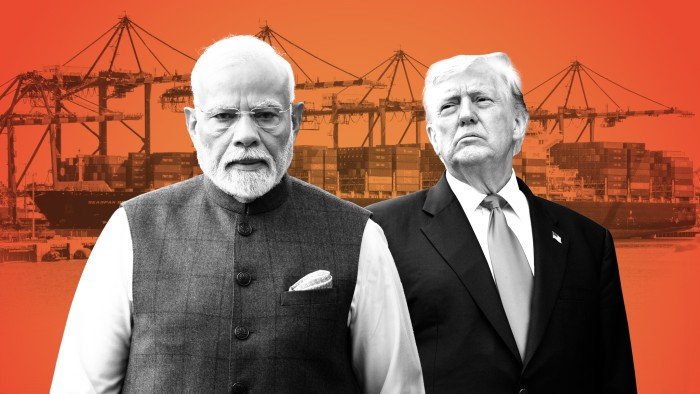
A recent report by Goldman Sachs, the U.S.-based multinational investment bank, paints a troubling picture. The tariffs, once absorbed largely by American companies, are now being passed directly to consumers. Everyday items — from laptops and cars to morning coffee and even bananas — are becoming more expensive.
From March to June 2025, companies bore about 64% of the tariff costs, with consumers shouldering only 22% and exporters 14%. But now, Goldman Sachs warns that 67% of the burden will fall squarely on American households. In simple terms, if a product once cost $12, consumers will now pay $17 for the exact same item. Inflation, which the Federal Reserve aimed to keep at 2%, is now projected to hit 3.2% — a staggering 60% above target.
This inflation surge comes with another dangerous economic condition: stagflation — stagnant growth combined with rising prices. With inflation climbing and GDP growth flatlining, the Federal Reserve cannot cut interest rates, further choking growth prospects. The result: a slowdown in the job market, weakening corporate health, and rising financial strain for millions of Americans.
The July labor report revealed alarming figures:
Manufacturing lost 11,000 jobs.
Retail job losses jumped 250% compared to last year.
53% of U.S. companies across all sectors have cut active job openings.
Unemployment claims have hit nearly 2 million — levels last seen during the COVID-19 crisis in late 2021. Only 73,000 jobs were added in July, far below estimates, pushing unemployment to 5% and raising recession probabilities to 25%.
Goldman Sachs warns that if current trends continue, the long-term impact could shave 0.4% or more off the U.S. GDP. Business Insider goes further, predicting that stagflation is no longer a “what if,” but a “when” — possibly within months.
The irony is clear: Trump’s tariff war, intended to strengthen America’s trade position, is now undercutting its own economy. The pain is no longer distant — it’s hitting American wallets directly.
If the administration does not recalibrate its approach, the U.S. risks walking into a prolonged period of high inflation, job market weakness, and economic stagnation — a trap that even the world’s most powerful economy may struggle to escape.
• • •
Missing some Tweet in this thread? You can try to
force a refresh

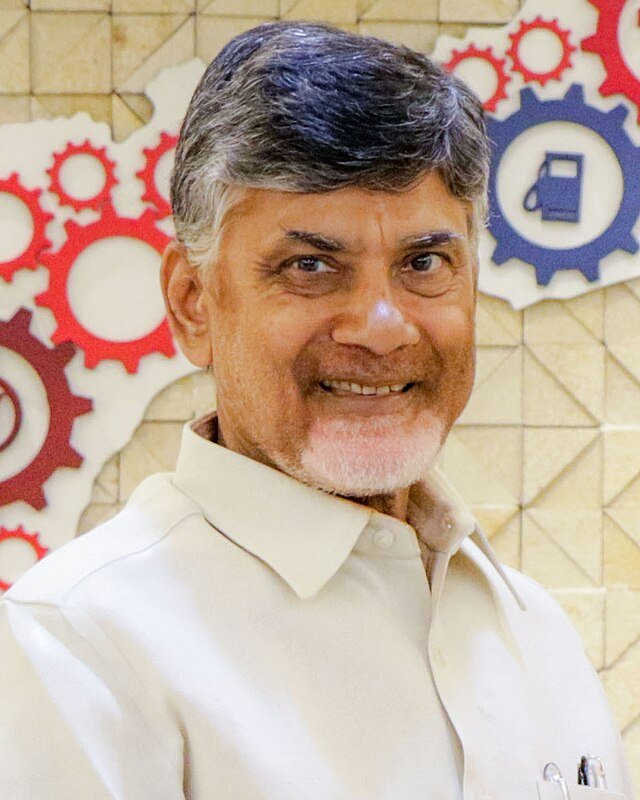
YES!! MODI GOVT. IS GOING TO FALL, Chandrababu Naidu is in contact with Rahul Gandhi as per the Jagan Mohan Reddy
.
.
.
.
.
.
.
.
.
.
.
.
This is serious! Read the post to know the latest development
In politics, toppling a government is not the ultimate victory—it’s the aftermath that truly counts.
Recently, Andhra Pradesh’s former Chief Minister Jagan Mohan Reddy dropped a political bombshell, alleging that TDP leader Chandrababu Naidu is in direct contact with Rahul Gandhi. He claimed Rahul is making a loud noise about “vote theft” in several states but has been conspicuously silent about Andhra Pradesh—where, on counting day, there was a massive 12% vote share swing in declared results.
The implication? According to Jagan, Rahul’s silence stems from a tactical understanding with Naidu. He further alleged that Telangana CM Revanth Reddy and Naidu are in regular communication through a “hotline.” Whether or not these claims are factual, the political intent is clear—drive a wedge between Naidu and Prime Minister Modi’s NDA alliance.
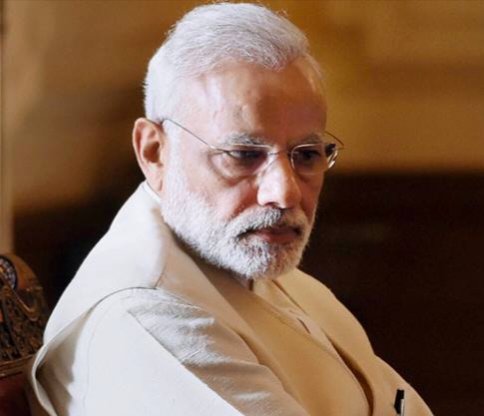
OMG! Trump has exposed dictator Modi as after 50% tarrif Modi is destroying the economy of India.
.
.
.
.
.
.
.
.
.
.
.
.
.
LOL! that's a lie. Read the entire post to know how Modi’s economic shield and strategic calm left Trump’s tariffs toothless
While the world buckles under trade wars, carbon taxes, and China’s export dumping, India has quietly pulled off what many thought impossible—shrinking its Current Account Deficit (CAD) for FY26 to just 0.9% of GDP, far below the feared 1.5%. And it’s not luck—it’s strategy.
According to CareEdge Ratings, India’s armor is built on two unshakable pillars:
1. Power of the People – Over 60% of our GDP runs on domestic consumption, not foreign mercy.
2. Minimal U.S. Dependency – Only 2% of GDP comes from goods exports to America. Tariffs? Barely a scratch.
RBI’s Triple Strike on dollar: India Steps Towards True Economic Independence and USA is really crying hard.
.
.
.
.
.
.
.
.
.
.
Read the entire post to know what even MEDIA is not covering
In a move that could reshape the global financial landscape, the Reserve Bank of India (RBI) has executed three decisive actions aimed at strengthening the Indian Rupee and reducing dependency on the US Dollar.
1. Injecting $5 Billion into the Market
The RBI has sold at least $5 billion from its foreign exchange reserves to stabilise the Rupee, which was facing downward pressure. This is not an anti-America stunt, nor a symbolic retaliation against President Donald Trump. It is a calculated, market-driven intervention to keep the Rupee strong and maintain investor confidence. By increasing dollar supply in the market, the RBI ensured demand for the Rupee remained solid — a clear signal to the world that India’s currency is stable and resilient.
EU put sanctions on our 2nd largest oil refinery, Nayara energy. But what Nayara is doing now will make EU cry like a baby.
.
.
.
.
.
.
.
.
.
.
.
.
.
Read the entire post to know the latest development on this matter
In a bold move, India’s Nayara Energy has diverted diesel exports from Europe to China for the first time in four years, following EU sanctions on its Vadinar refinery for processing Russian crude.
The EU’s restrictions, announced in July and set to fully apply by January, had sharply reduced Nayara’s Russian oil imports and refinery operations. Several shipments to Europe and Malaysia were stalled or returned. Instead of conceding, Nayara found alternative buyers—sending ultra-low sulphur diesel to China and securing deals with Oman.
A GAME-CHANGER! India’s semiconductor factories will be set up in Punjab, Andhra Pradesh, and Odisha.
.
.
.
.
.
.
.
.
.
.
.
.
.
.
.
Read the entire post to know the whole context
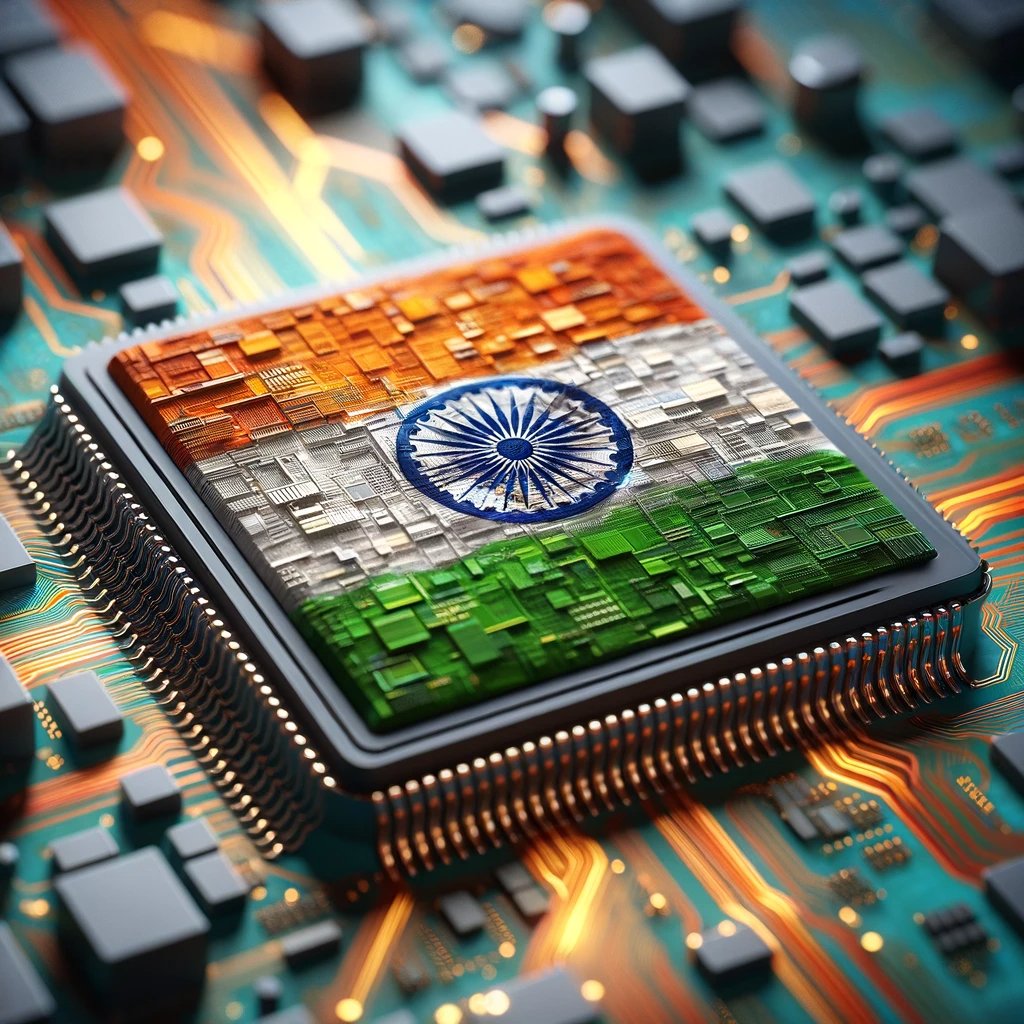
In a landmark leap for India’s technological future, the nation has officially entered the elite club of semiconductor manufacturing countries. This is not just an industrial update—it is a historic moment of strategic, economic, and national security transformation.
For decades, global semiconductor dominance rested in the hands of a few—Taiwan, South Korea, and the United States. India, until recently, stood on the sidelines, assembling products for others while importing critical chips. But in one decisive move, Prime Minister Narendra Modi’s cabinet approved over ₹4,500 crore in semiconductor projects, setting the stage for factories in Punjab, Andhra Pradesh, and Odisha.
MASSIVE! Modi Government has done a SURGICAL STRIKE ON BCCI and it ould change Indian sports forever.
.
.
.
.
.
.
.
.
.
.
.
.
.
.
.
.
.
Read the entire post to know the whole content
In what can only be described as the boldest and most decisive reform in India’s sporting history, the Modi government has delivered a direct and unprecedented blow to the most powerful sports body in the country – the Board of Control for Cricket in India (BCCI).
For decades, BCCI has operated like a private empire—shielding itself from public accountability while enjoying every benefit of being the national governing body for cricket. Governments have pleaded for transparency, but the answer was always the same: “We are a private body, rules don’t apply to us.” That ends now.