In 1910, the 6 most powerful men in America vanished.
They boarded a private train using fake names & disappeared to a remote island.
What they created in total secrecy now controls $30.5 trillion in U.S. money.
Here's what happened in that secret meeting held on Jekyll Island:
They boarded a private train using fake names & disappeared to a remote island.
What they created in total secrecy now controls $30.5 trillion in U.S. money.
Here's what happened in that secret meeting held on Jekyll Island:


Between 1800 & 1910, America’s banking system was broken:
• The U.S. had no central authority over currency
• Over 30,000 types of banknotes were in circulation
• Banks failed regularly (major panics in 1873, 1893, 1907)
• No lender of last resort meant a single rumor could cause a bank run
Wall Street was vulnerable. The public had lost trust.
A system reboot was needed.
• The U.S. had no central authority over currency
• Over 30,000 types of banknotes were in circulation
• Banks failed regularly (major panics in 1873, 1893, 1907)
• No lender of last resort meant a single rumor could cause a bank run
Wall Street was vulnerable. The public had lost trust.
A system reboot was needed.
A “duck hunting trip” was planned.
In November 1910, Senator Nelson Aldrich, head of the National Monetary Commission, arranged a meeting.
But it wasn’t in Washington.
It was on Jekyll Island, Georgia, owned by J.P. Morgan and other elites.
Aldrich gathered 5 men. All boarded a private train using fake names.
In November 1910, Senator Nelson Aldrich, head of the National Monetary Commission, arranged a meeting.
But it wasn’t in Washington.
It was on Jekyll Island, Georgia, owned by J.P. Morgan and other elites.
Aldrich gathered 5 men. All boarded a private train using fake names.
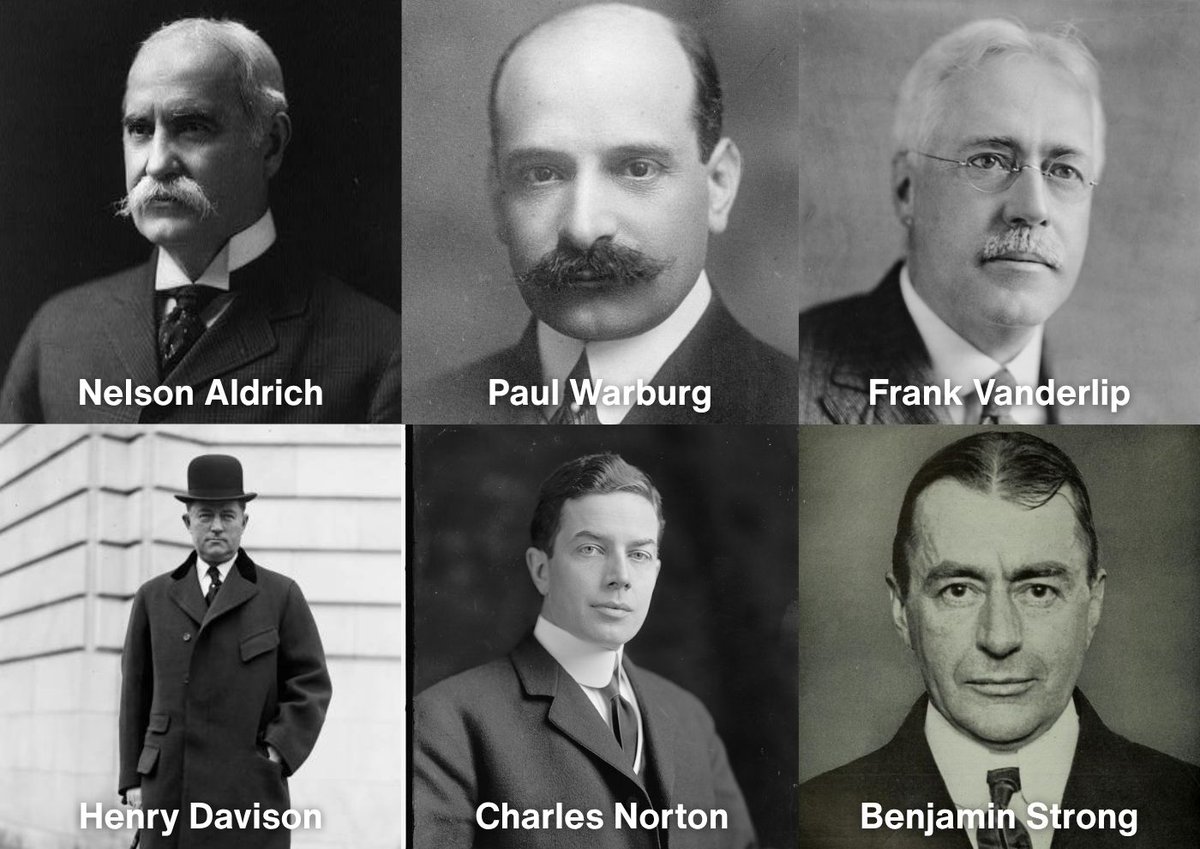
Who were the 6 men?
They represented nearly 25% of global wealth at the time:
• Nelson Aldrich – Senator, father-in-law to John D. Rockefeller Jr.
• Paul Warburg – Partner at Kuhn, Loeb & Co., key architect
• Frank Vanderlip – President of National City Bank (Citibank)
• Henry Davison – Senior partner at J.P. Morgan
• Charles Norton – President of First National Bank of NY
• Benjamin Strong – Future head of the Federal Reserve Bank of NY
This wasn’t a random group.
It was the money trust.
They represented nearly 25% of global wealth at the time:
• Nelson Aldrich – Senator, father-in-law to John D. Rockefeller Jr.
• Paul Warburg – Partner at Kuhn, Loeb & Co., key architect
• Frank Vanderlip – President of National City Bank (Citibank)
• Henry Davison – Senior partner at J.P. Morgan
• Charles Norton – President of First National Bank of NY
• Benjamin Strong – Future head of the Federal Reserve Bank of NY
This wasn’t a random group.
It was the money trust.
Why the secrecy?
Because if the public knew private bankers were designing a central bank, it would’ve been political suicide.
"We were as secretive as conspirators... we knew that what we were about to do would be criticized." – Frank Vanderlip
So they used first names only. Staff were dismissed. No press allowed.
Because if the public knew private bankers were designing a central bank, it would’ve been political suicide.
"We were as secretive as conspirators... we knew that what we were about to do would be criticized." – Frank Vanderlip
So they used first names only. Staff were dismissed. No press allowed.
What did they actually create?
In 9 days on Jekyll Island, they drafted a blueprint:
• A national reserve system
• 15 regional Reserve Banks
• A central governing board
• Ability to expand/contract currency supply
• Privately owned but federally supervised
It wasn’t called a “central bank”, too controversial.
Instead: The Federal Reserve System.
In 9 days on Jekyll Island, they drafted a blueprint:
• A national reserve system
• 15 regional Reserve Banks
• A central governing board
• Ability to expand/contract currency supply
• Privately owned but federally supervised
It wasn’t called a “central bank”, too controversial.
Instead: The Federal Reserve System.
From secret draft to national law
The plan, dubbed the Aldrich Plan, was introduced to Congress.
At first, it failed.
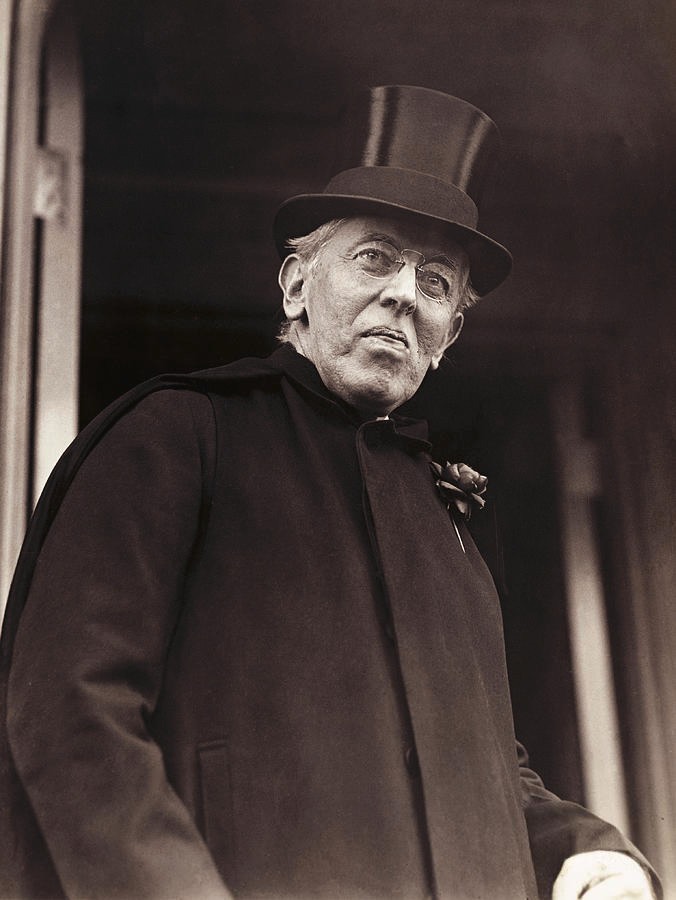
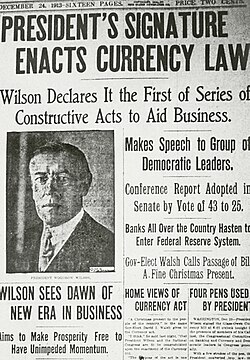
But in 1913, with Woodrow Wilson in office and after political tweaks, it passed as the Federal Reserve Act.
The Fed was born, and the public had no idea how.
The plan, dubbed the Aldrich Plan, was introduced to Congress.
At first, it failed.
But in 1913, with Woodrow Wilson in office and after political tweaks, it passed as the Federal Reserve Act.
The Fed was born, and the public had no idea how.
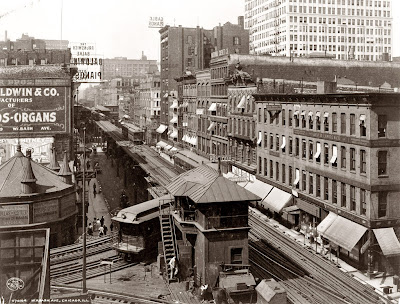
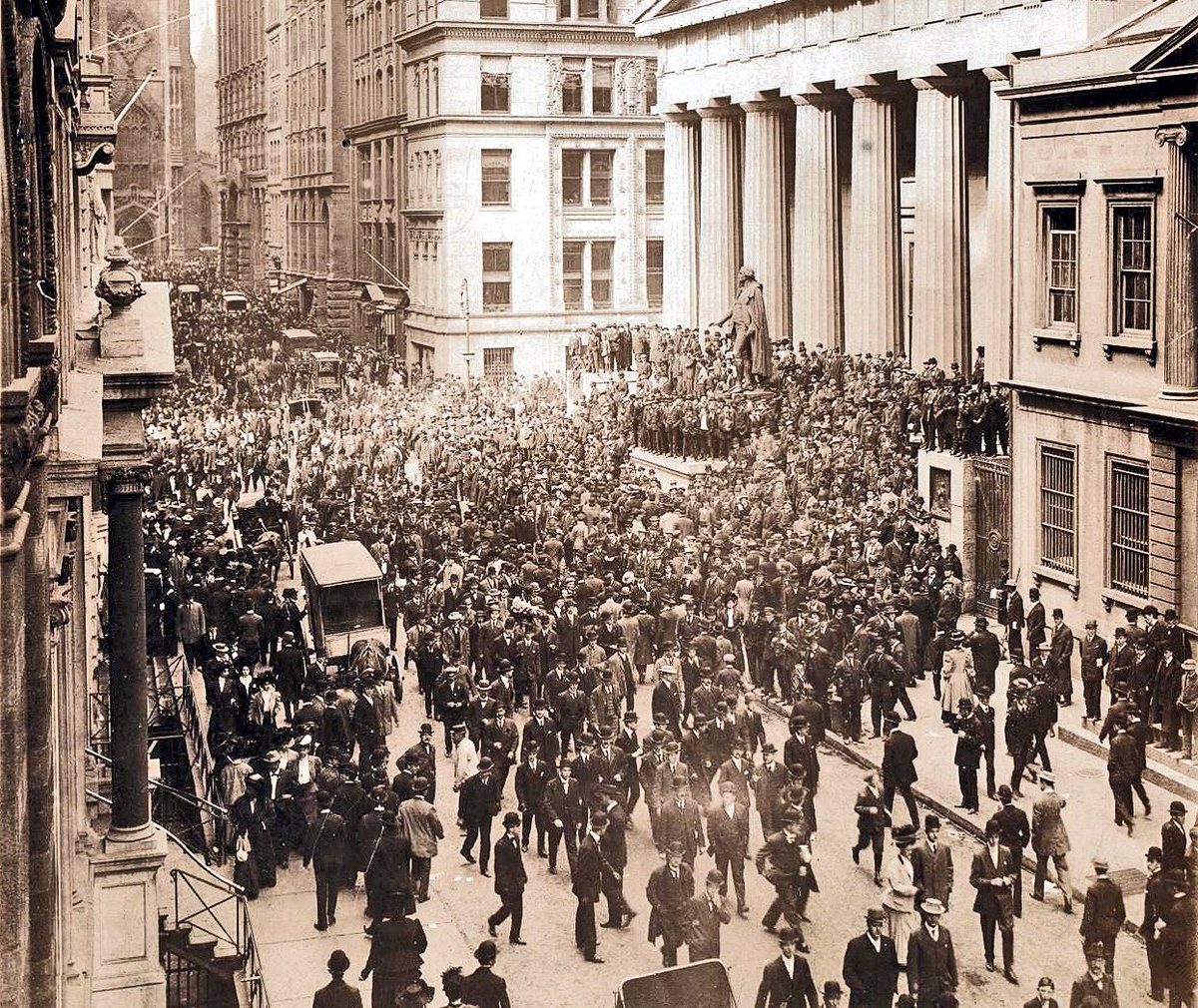
Before the Fed, America was like this:
• Each bank issued its own paper money
• Credit was local, fragmented, and unreliable
• Interest rates fluctuated wildly
• Seasonal demand (like harvest season) caused cash shortages
• Bank runs were common and devastating
Result: Economic growth was unstable and full of panic.
• Each bank issued its own paper money
• Credit was local, fragmented, and unreliable
• Interest rates fluctuated wildly
• Seasonal demand (like harvest season) caused cash shortages
• Bank runs were common and devastating
Result: Economic growth was unstable and full of panic.
So what does the Fed do?
Today, the Federal Reserve:
• Controls interest rates
• Regulates banks
• Prints (and retracts) U.S. dollars
• Acts as lender of last resort
• Backs over $20 trillion in money, credit, and liquidity
It is the most powerful financial institution in the U.S. and possibly the world.
Today, the Federal Reserve:
• Controls interest rates
• Regulates banks
• Prints (and retracts) U.S. dollars
• Acts as lender of last resort
• Backs over $20 trillion in money, credit, and liquidity
It is the most powerful financial institution in the U.S. and possibly the world.
But is it truly public? Or private?
This is still debated.
• The Fed is a public-private hybrid
• Regional Fed banks are privately owned by commercial banks
• But the Fed Chair is appointed by the President
• Congress provides oversight but cannot dictate policy
That hybrid structure began on Jekyll Island.
This is still debated.
• The Fed is a public-private hybrid
• Regional Fed banks are privately owned by commercial banks
• But the Fed Chair is appointed by the President
• Congress provides oversight but cannot dictate policy
That hybrid structure began on Jekyll Island.
Why this story matters today
Every time:
• The Fed changes interest rates
• Prints emergency stimulus
• Bails out a bank
• Talks inflation or recession…
It’s executing a plan conceived in secrecy by unelected bankers on a private island over a century ago.
Every time:
• The Fed changes interest rates
• Prints emergency stimulus
• Bails out a bank
• Talks inflation or recession…
It’s executing a plan conceived in secrecy by unelected bankers on a private island over a century ago.

Even in 2025, the banks have total control over your money.
That is not only limited to your bank balance but also credit cards.
If they want, they can deny you using your credit card for a specific purpose, e.g. paying rent.
That's why we built @trykashu so you can turn your credit line into cash.
Signup for the waitlist: kashupay.com
That is not only limited to your bank balance but also credit cards.
If they want, they can deny you using your credit card for a specific purpose, e.g. paying rent.
That's why we built @trykashu so you can turn your credit line into cash.
Signup for the waitlist: kashupay.com
@trykashu I hope you've found this thread helpful.
Follow me @Jgreyfriend for more.
Like/Repost the quote below if you can:
Follow me @Jgreyfriend for more.
Like/Repost the quote below if you can:
https://x.com/jgreyfriend/status/1955256758512881863
• • •
Missing some Tweet in this thread? You can try to
force a refresh