The sons of Henry II are well known; Richard the Lionheart, Bad King John, and Henry the Young King!
But much less known was William Longespée, the bastard son of Henry who spent his entire life fighting for his family!
[Thread]🧵
But much less known was William Longespée, the bastard son of Henry who spent his entire life fighting for his family!
[Thread]🧵
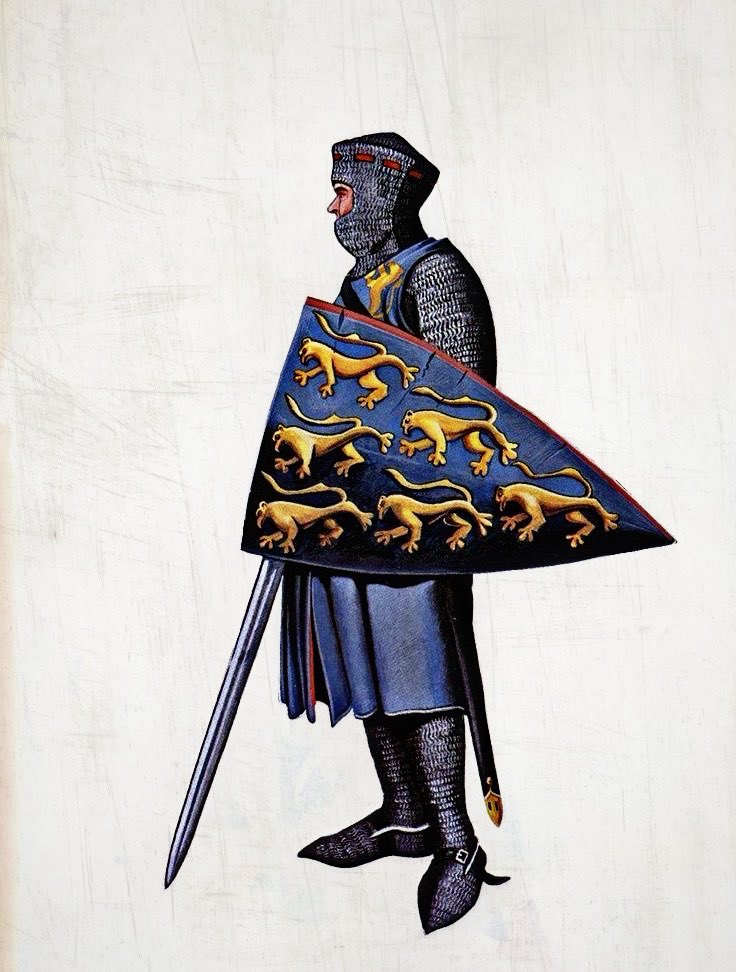
William was born around 1176 to King Henry II and Ida de Tosny. In 1188 he was recognised by Henry II and granted lands in Lincolnshire. A later letter from William to Hubert de Burgh suggest that William was fostered in the de Burgh household.
It has been suggested that William earned the nickname Longespée, or Longsword, due to his height and possibly the large sword he fought with.
It has been suggested that William earned the nickname Longespée, or Longsword, due to his height and possibly the large sword he fought with.
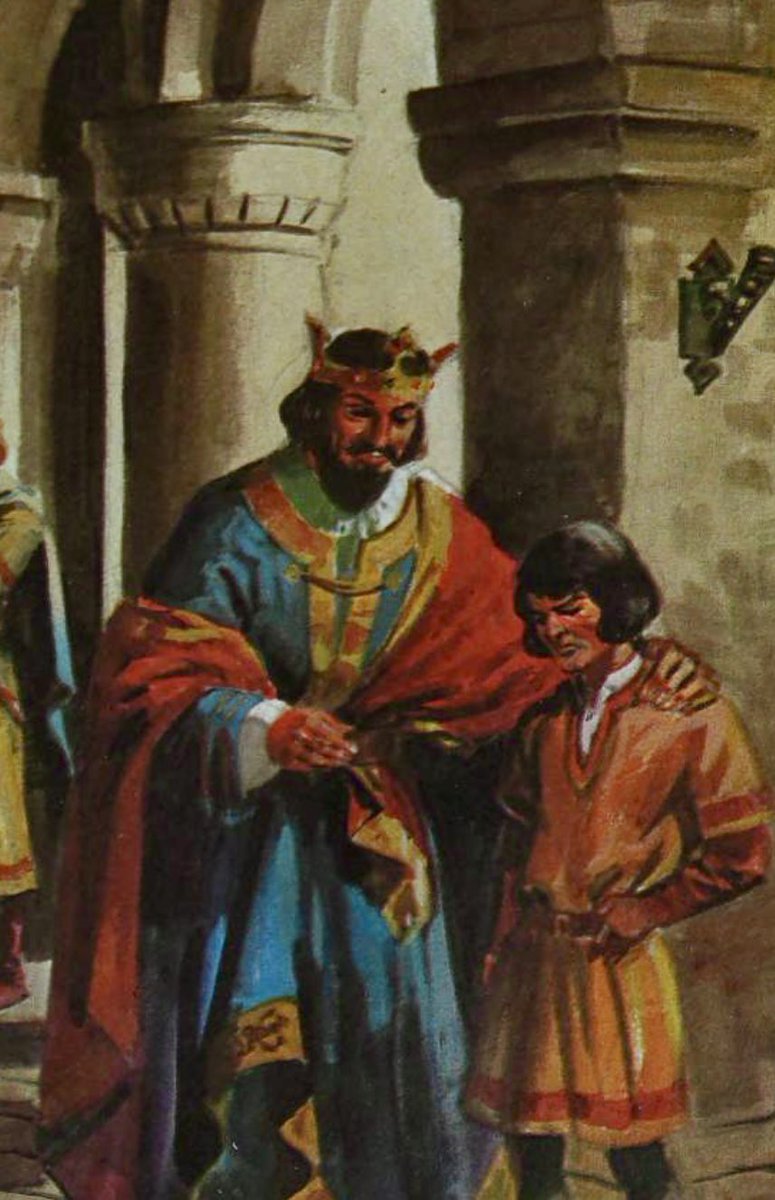
William did not come into prominence until the reign of his brother, Richard. They were both large men and brave warriors and likely got on well.
William was given a most advantageous marriage by Richard; Ella of Salisbury, the only child of the Earl of Salisbury, making William the Earl as they were married in 1196, the same year as her father died.
It should be noted that this was substantially more generous a gift than Richard gave to his own illegitimate son.
William was given a most advantageous marriage by Richard; Ella of Salisbury, the only child of the Earl of Salisbury, making William the Earl as they were married in 1196, the same year as her father died.
It should be noted that this was substantially more generous a gift than Richard gave to his own illegitimate son.
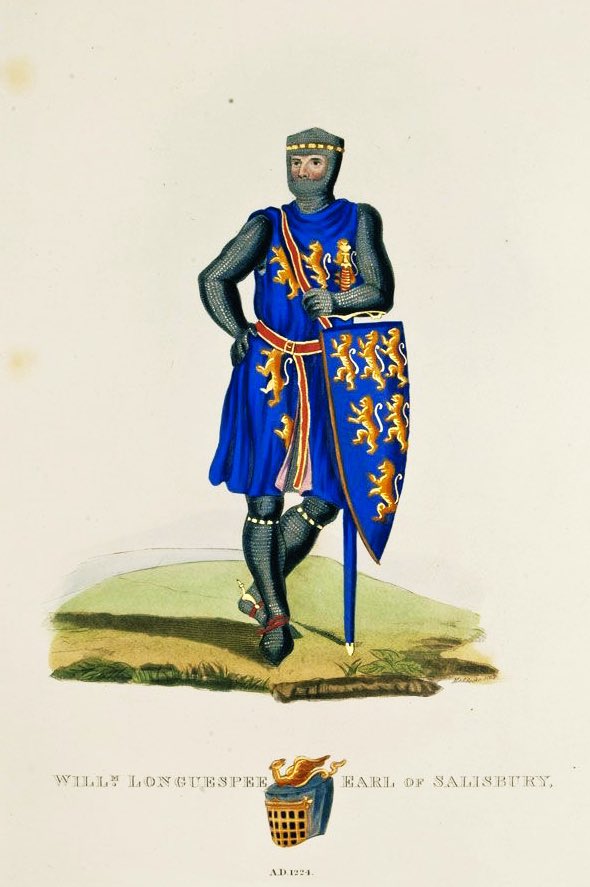
The first records of his military career are from Richard the Lionheart’s war with Philip Augustus upon his release from captivity!
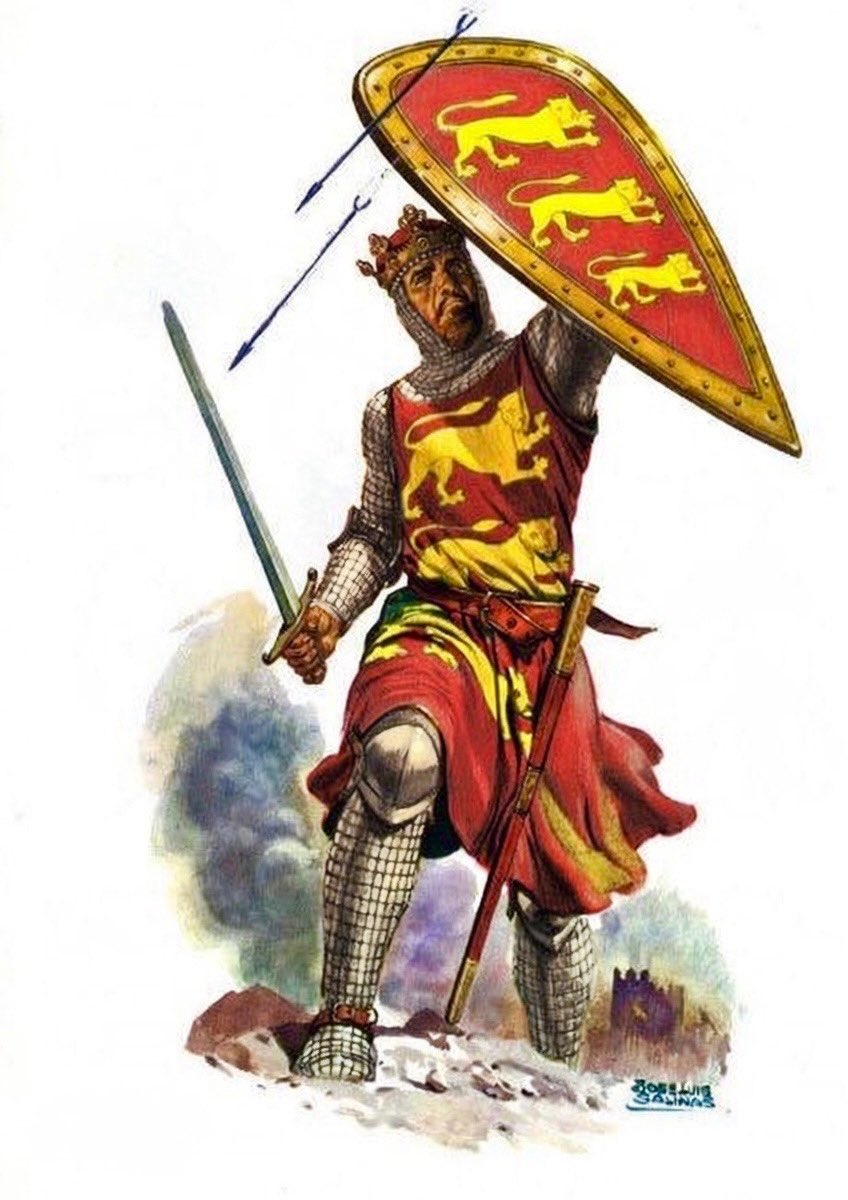
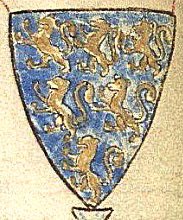
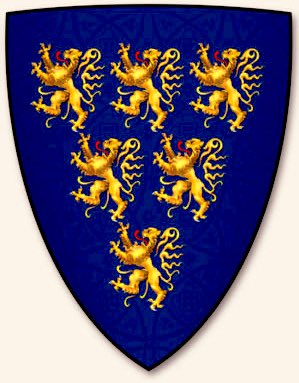
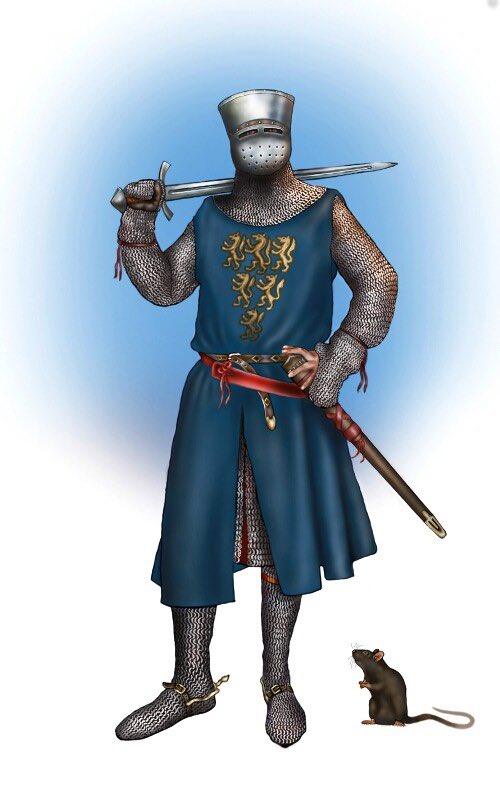
William took for his coat of arms, those of his paternal grandfather, Geoffrey Plantagenet, Count of Anjou, of azure with six leoncels rampant.
William took for his coat of arms, those of his paternal grandfather, Geoffrey Plantagenet, Count of Anjou, of azure with six leoncels rampant.
When Richard died, John became king. John and William were firm friends and there are records of them gambling and spending much time together.
John made William the sheriff of Wiltshire on three occasions and also sent him on diplomatic missions to the kings of Navarre and Scotland. He was also sent to help secure the election of his and John’s nephew Otto as Holy Roman Emperor.
John made William the sheriff of Wiltshire on three occasions and also sent him on diplomatic missions to the kings of Navarre and Scotland. He was also sent to help secure the election of his and John’s nephew Otto as Holy Roman Emperor.
• War •
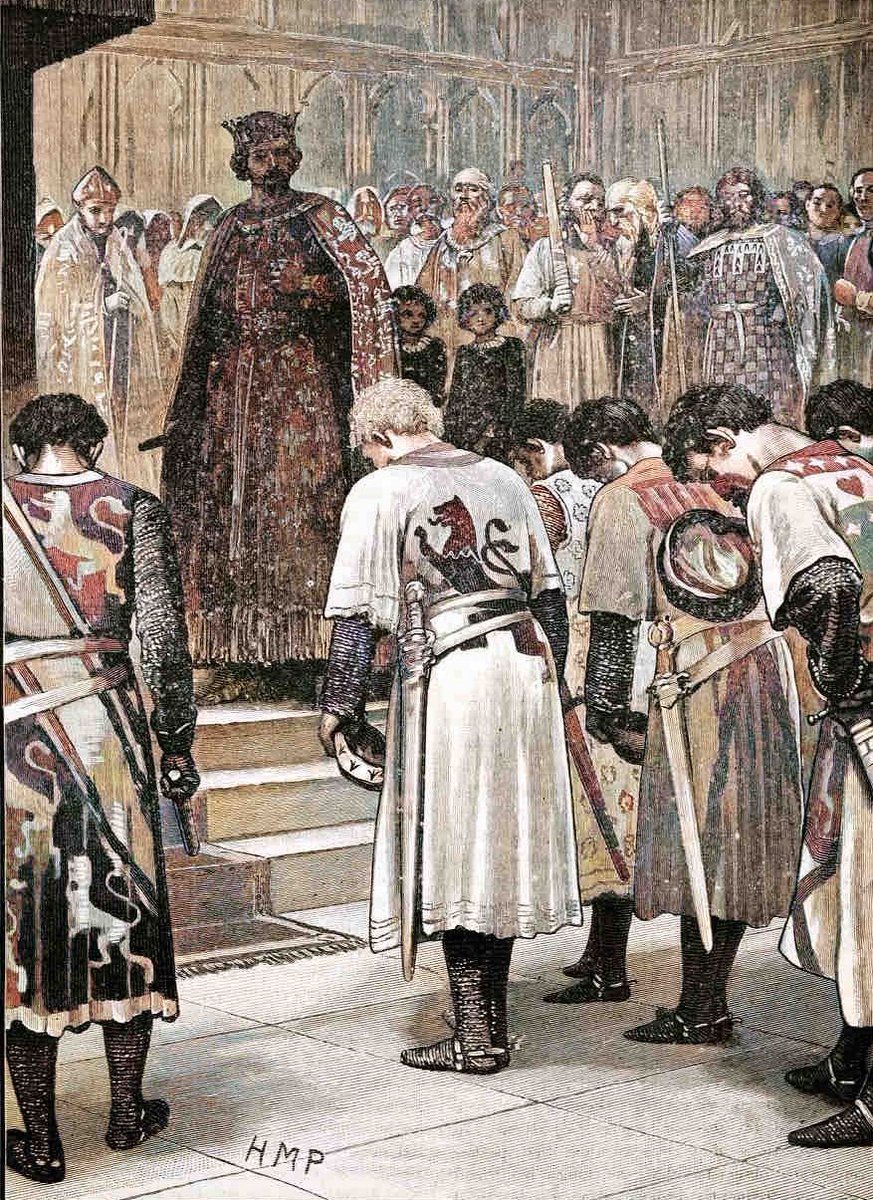
John inherited the political mess that resulted from Henry II’s lordship over so much French territory and Philip Augustus’ desire to extend royal authority over all of France.
When John defeated and captured his nephew Arthur, king Philip retreated from the siege of Arques and was hounded by William Longespée and William Marshall, who narrowly survived a counter attack by the French.
Following the John’s loss of Normandy, William was given important commands in Gascony, the Welsh Marches, and Ireland.
John inherited the political mess that resulted from Henry II’s lordship over so much French territory and Philip Augustus’ desire to extend royal authority over all of France.
When John defeated and captured his nephew Arthur, king Philip retreated from the siege of Arques and was hounded by William Longespée and William Marshall, who narrowly survived a counter attack by the French.
Following the John’s loss of Normandy, William was given important commands in Gascony, the Welsh Marches, and Ireland.
• Battle of Damme •
Perhaps the most significant moment in William Longespée’s military career was the battle of Damme.
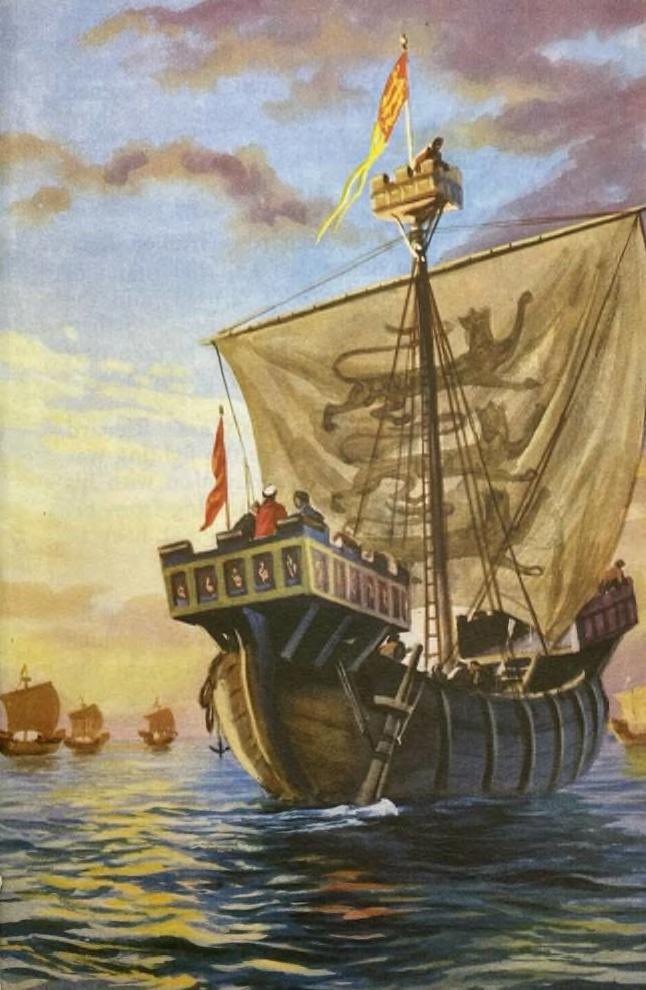
Fresh war broke out in 1213 and William was sent with a large fleet to aid the count of Flanders who was being attacked by the French.
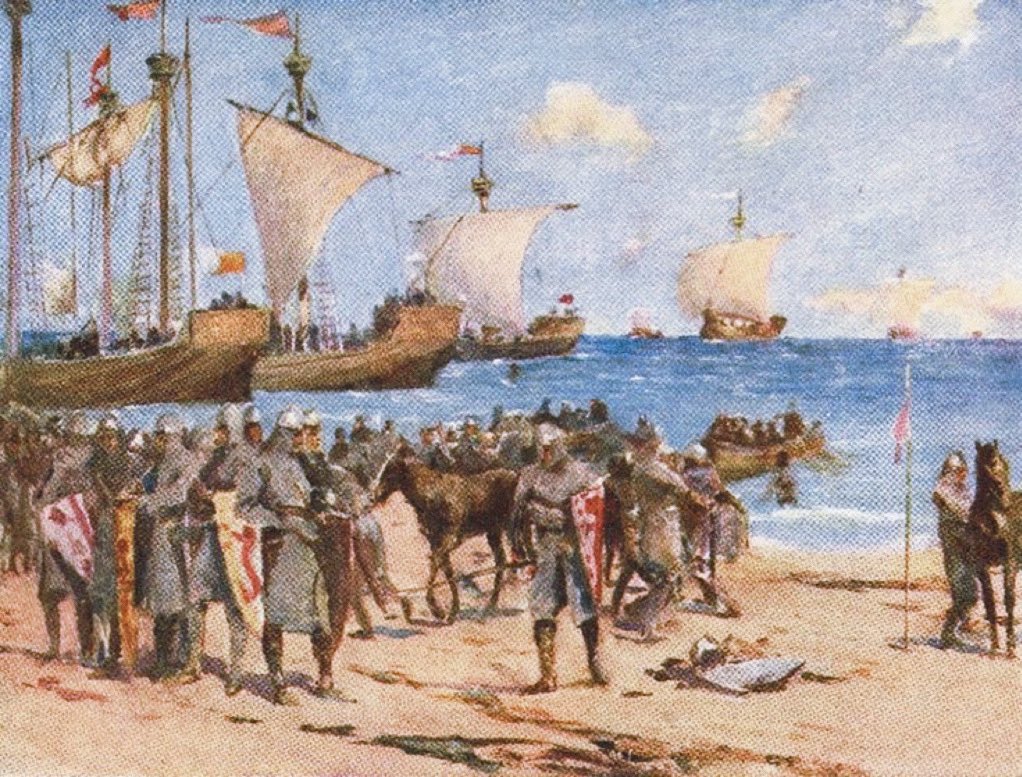
When William arrived he unexpectedly found not only the French fleet but that the ships of the fleet were pulled up to the beach as the French were besieging Ghent.
Perhaps the most significant moment in William Longespée’s military career was the battle of Damme.
Fresh war broke out in 1213 and William was sent with a large fleet to aid the count of Flanders who was being attacked by the French.
When William arrived he unexpectedly found not only the French fleet but that the ships of the fleet were pulled up to the beach as the French were besieging Ghent.
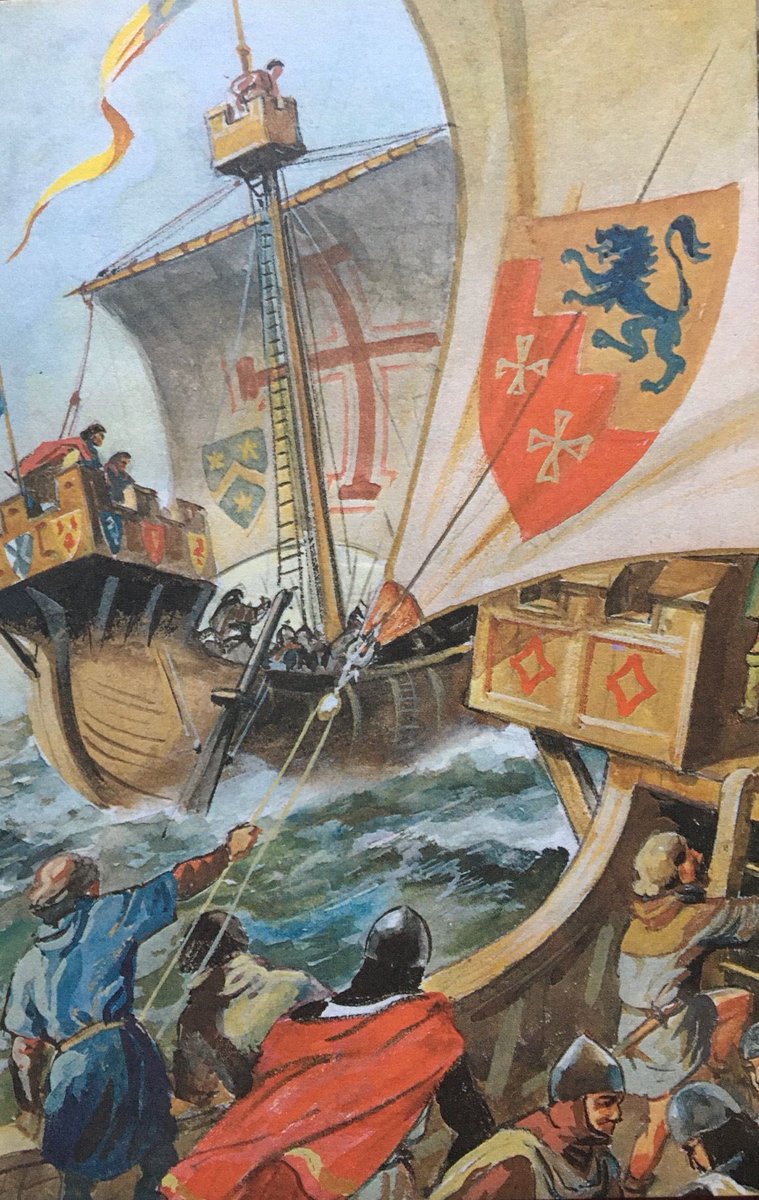
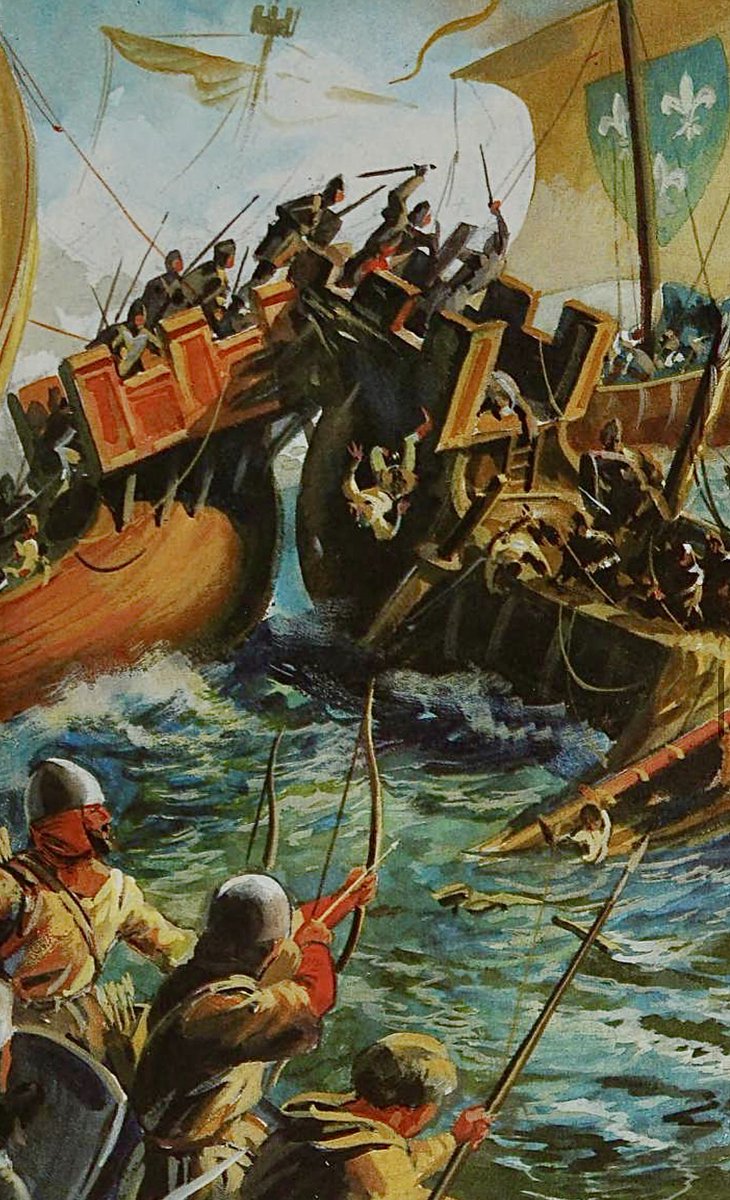
William attacked and captured 300 ships, destroyed 100 more and scuttled many others.
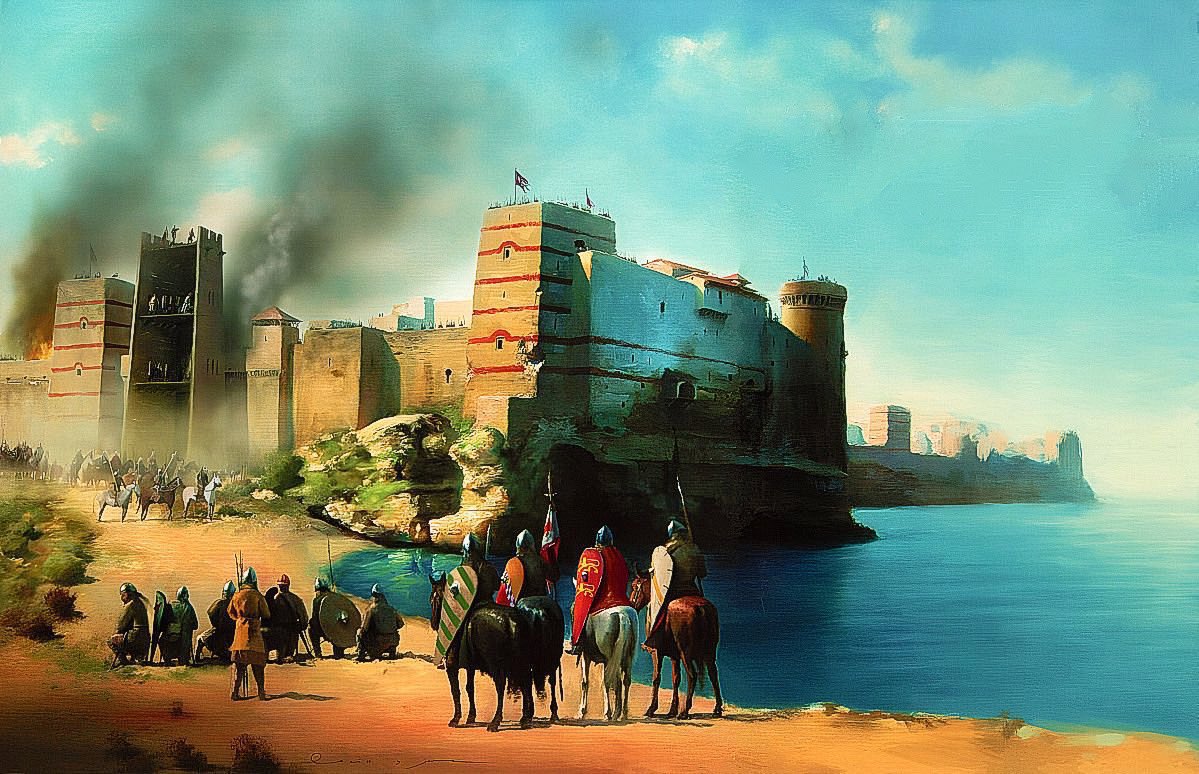
Philip Augustus was so furious when he learned of this that he broke off the siege and ordered the rest of the ships burned to prevent them falling into the hands of the English, and that the port of Damme be burned too. He attacked many other Flemish towns.
When William returned with the captured ships, one contemporary wrote ‘never had so much treasure come into England since the days of King Arthur’.
Philip was forced to abandon his planned invasion of England and John began planning an invasion of France!
Philip Augustus was so furious when he learned of this that he broke off the siege and ordered the rest of the ships burned to prevent them falling into the hands of the English, and that the port of Damme be burned too. He attacked many other Flemish towns.
When William returned with the captured ships, one contemporary wrote ‘never had so much treasure come into England since the days of King Arthur’.
Philip was forced to abandon his planned invasion of England and John began planning an invasion of France!
• The Battle of Bouvines •
John and his German and Flemish allies fought the French at Bouvines.
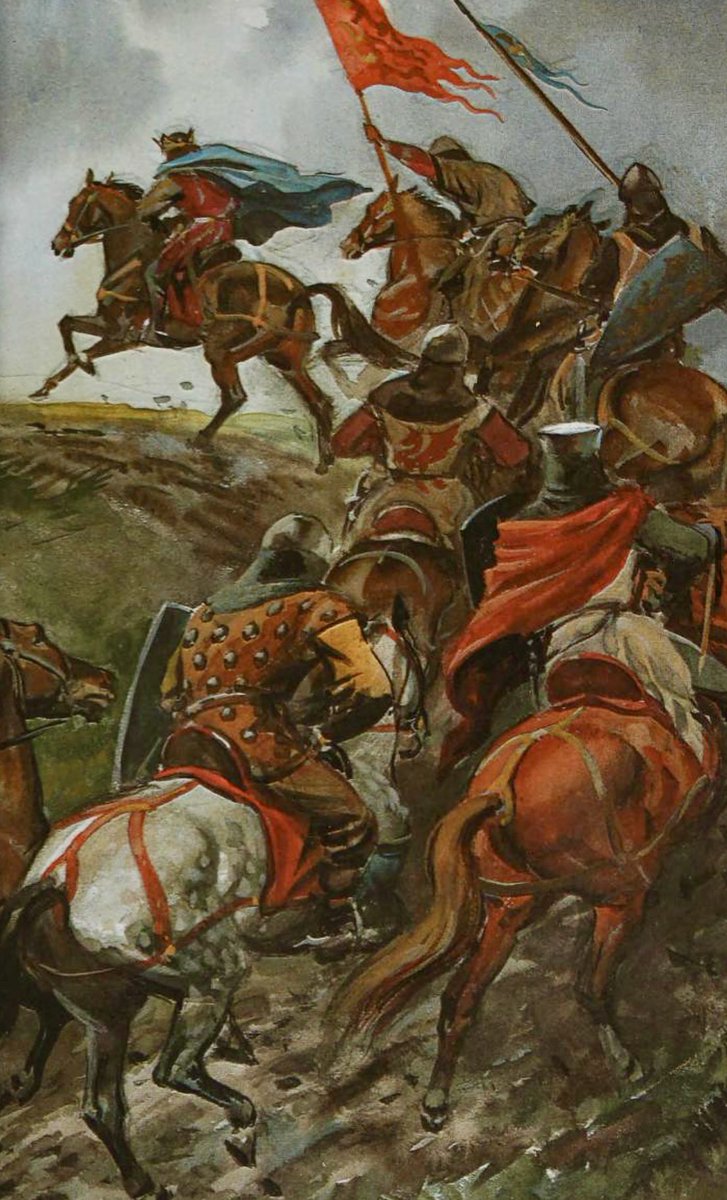
The battle was a disaster! The superior French discipline allowed them to make several devastating charges, and much of the allied army was pushed back and fled, including the German Emperor Otto IV!
John and his German and Flemish allies fought the French at Bouvines.
The battle was a disaster! The superior French discipline allowed them to make several devastating charges, and much of the allied army was pushed back and fled, including the German Emperor Otto IV!
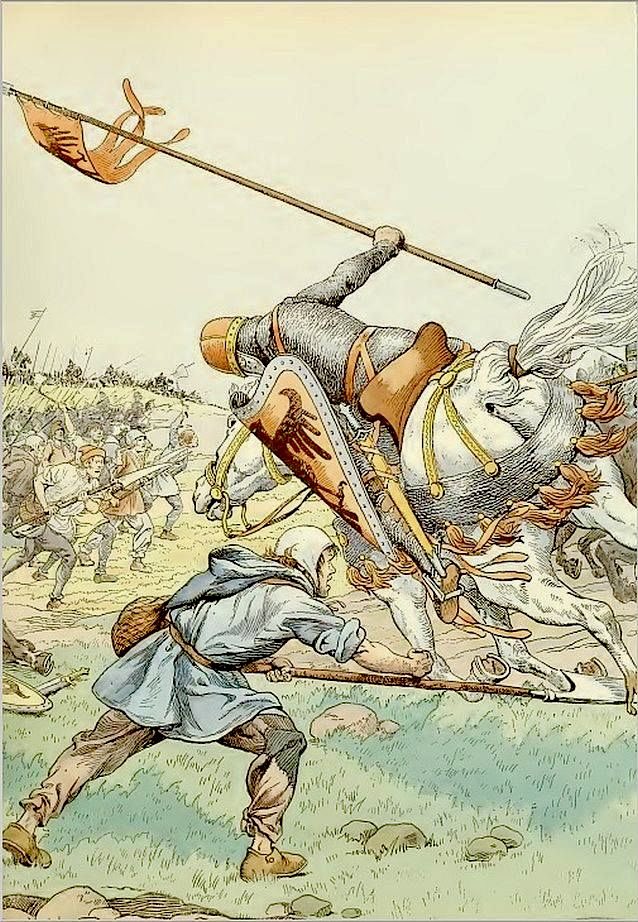
One chronicler wrote:
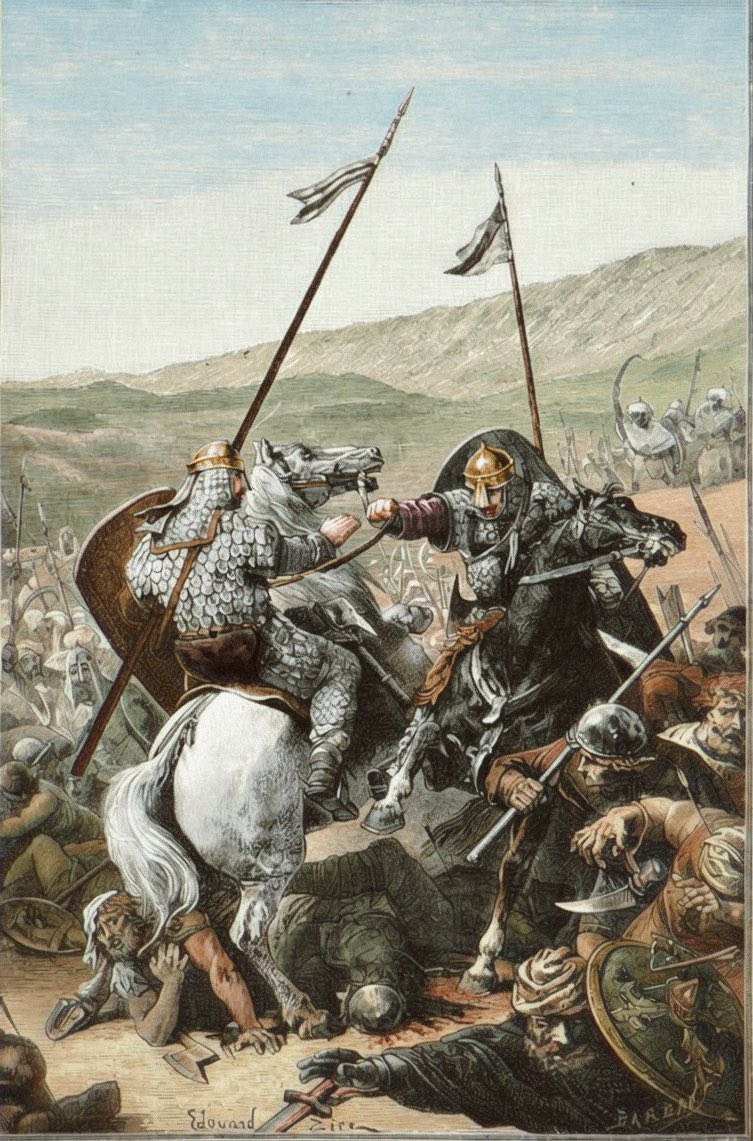
‘Lances are shattering, swords and daggers hit each other, combatants split each other's heads with their axes, and their lowered swords plunge into the bowels of horses ... The combatants are engaging each in such a close melee that those who are striking and those who are being struck are so close to each other that they barely have room to raise their arm to strike another blow...Loose horses are running here and there across the field, some giving out their last breaths, some with entrails spilling out of their stomachs, some kneeling and falling to the ground... There is hardly one place where you cannot see dead men and dying horses.’
‘Lances are shattering, swords and daggers hit each other, combatants split each other's heads with their axes, and their lowered swords plunge into the bowels of horses ... The combatants are engaging each in such a close melee that those who are striking and those who are being struck are so close to each other that they barely have room to raise their arm to strike another blow...Loose horses are running here and there across the field, some giving out their last breaths, some with entrails spilling out of their stomachs, some kneeling and falling to the ground... There is hardly one place where you cannot see dead men and dying horses.’
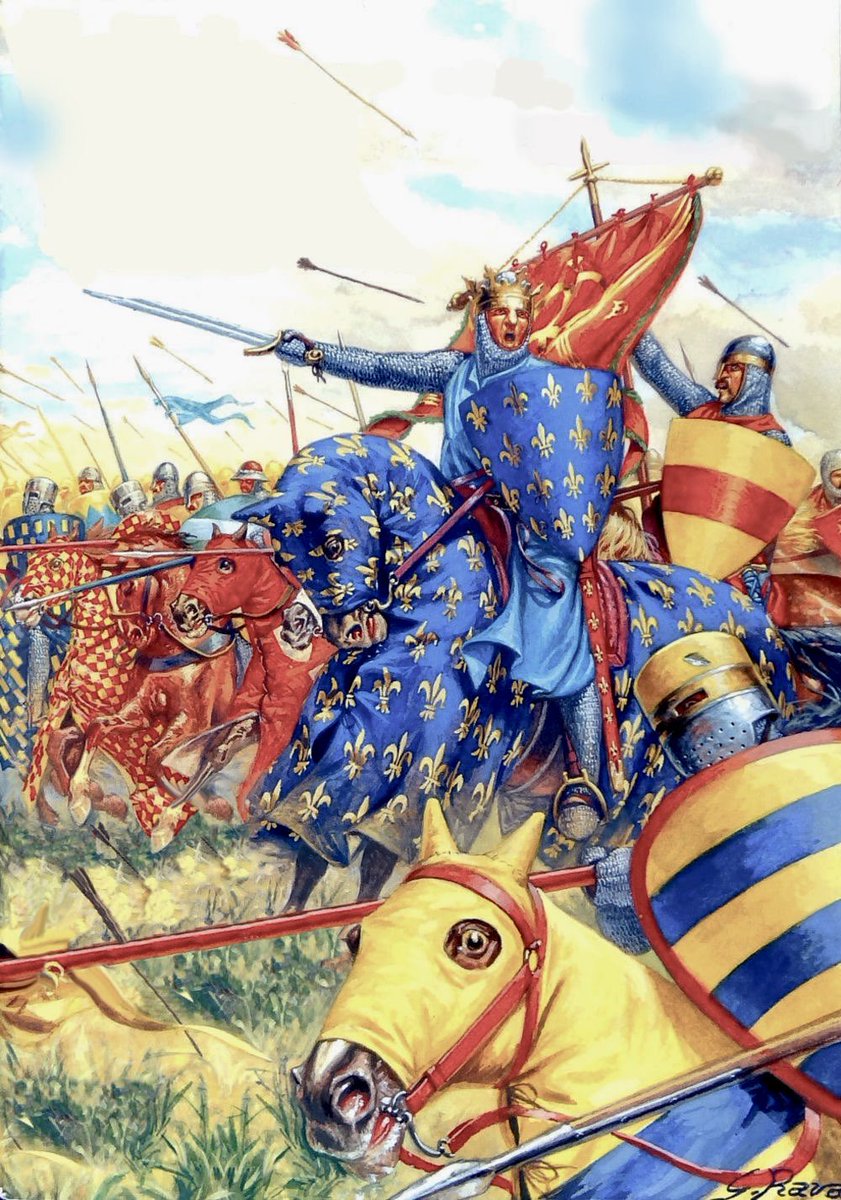
Only the right wing commanded by William Longespée held firm until he met the Bishop of Dreux, a man built for war but who was forced into a career in the church.
The bishop hit William on the helm with a mace ‘that he just happened to have in his hand’ and William was knocked off his horse with ‘his body making a dent in the ground’
The Bishop then battered him into surrendering.
The bishop hit William on the helm with a mace ‘that he just happened to have in his hand’ and William was knocked off his horse with ‘his body making a dent in the ground’
The Bishop then battered him into surrendering.
• The Barons’ Revolt •
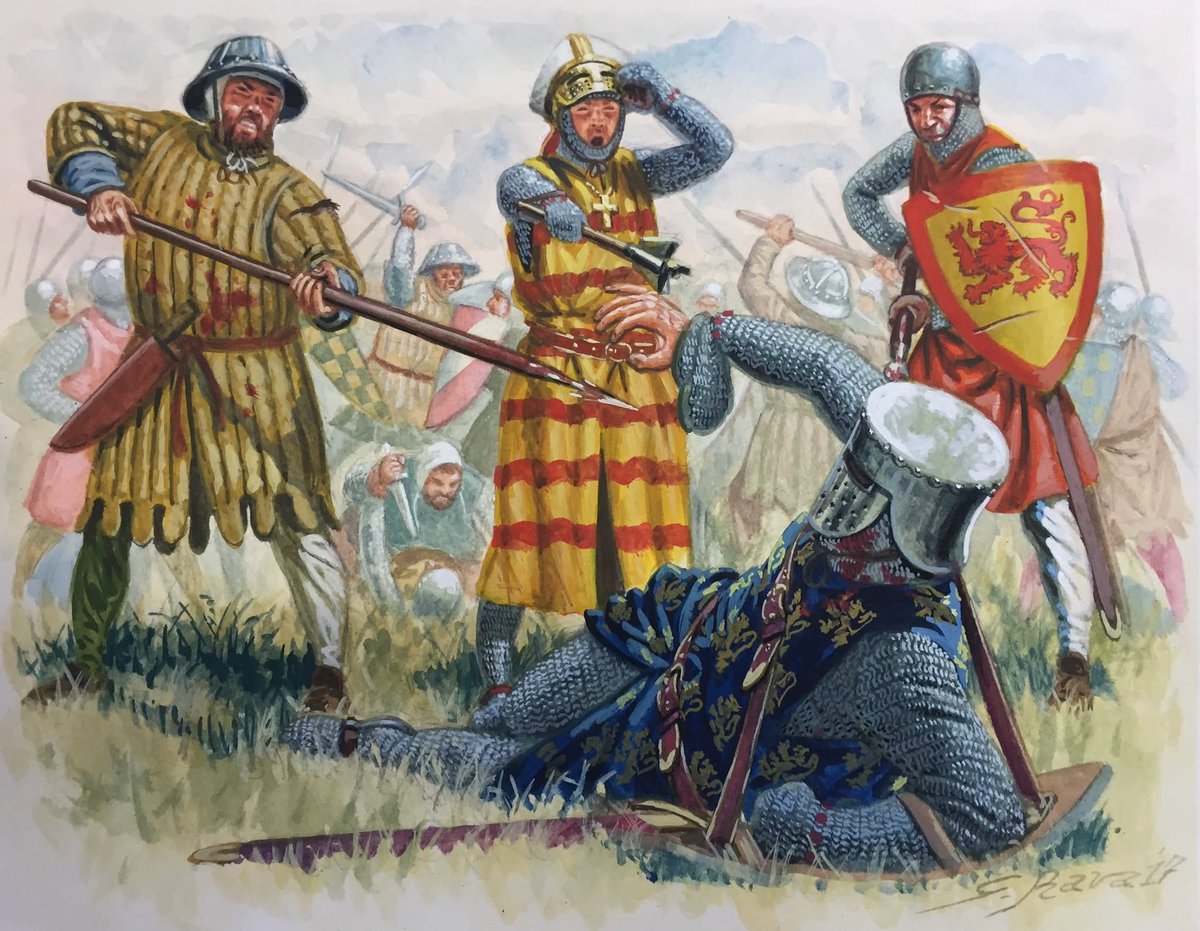
William was held captive until his release was secured by John the next year. He returned to England as the Barons were rebelling against John!
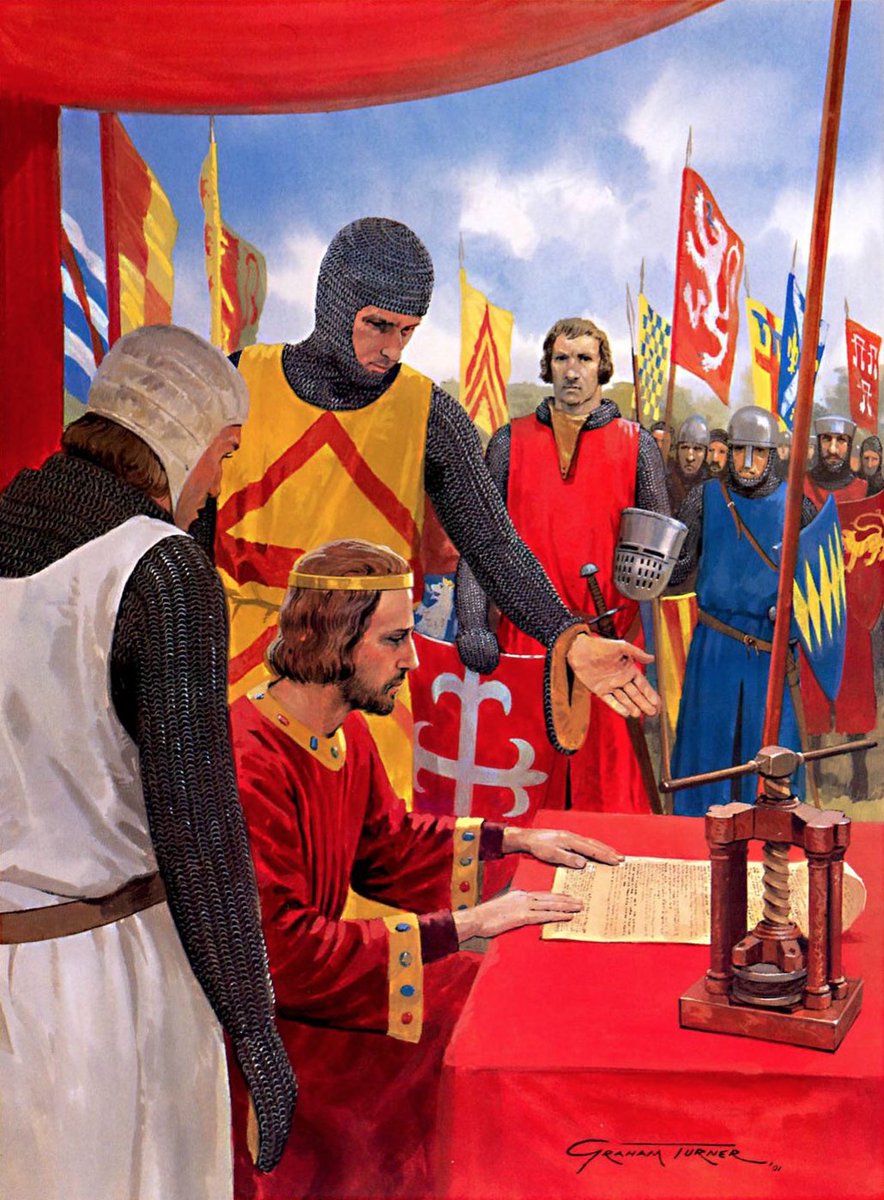
William Longespée and William Marshall were the principle supporters of John, but John was still forced to grant Magna Carta.
When he then reneged on it, war followed, and Prince Louis of France invaded with the backing of many rebel barons.
William Longespée then switched sides.
William was held captive until his release was secured by John the next year. He returned to England as the Barons were rebelling against John!
William Longespée and William Marshall were the principle supporters of John, but John was still forced to grant Magna Carta.
When he then reneged on it, war followed, and Prince Louis of France invaded with the backing of many rebel barons.
William Longespée then switched sides.
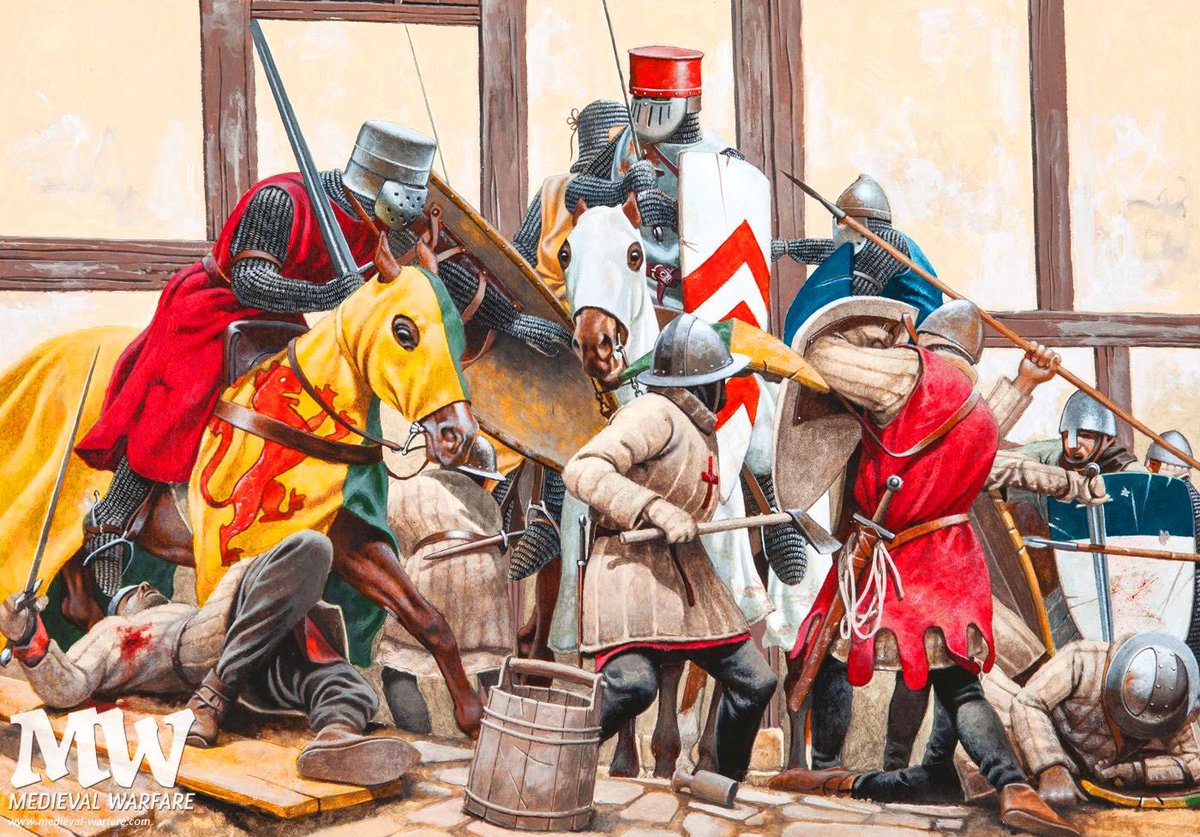
When John died, William and many other rebels abandoned Louis to take the side of John’s son, the nine year old King Henry III.
With William Marshall, he raised the siege of Lincoln and they defeated Louis’ army in battle through the streets of Lincoln.
The war ended when Louis’ reinforcement fleet was defeated at Sandwice. Peace was made and he left.
With William Marshall, he raised the siege of Lincoln and they defeated Louis’ army in battle through the streets of Lincoln.
The war ended when Louis’ reinforcement fleet was defeated at Sandwice. Peace was made and he left.
Early in Henry III’s reign, William served on the regency council and fought again in Gascony to secure the remaining English possessions in France.
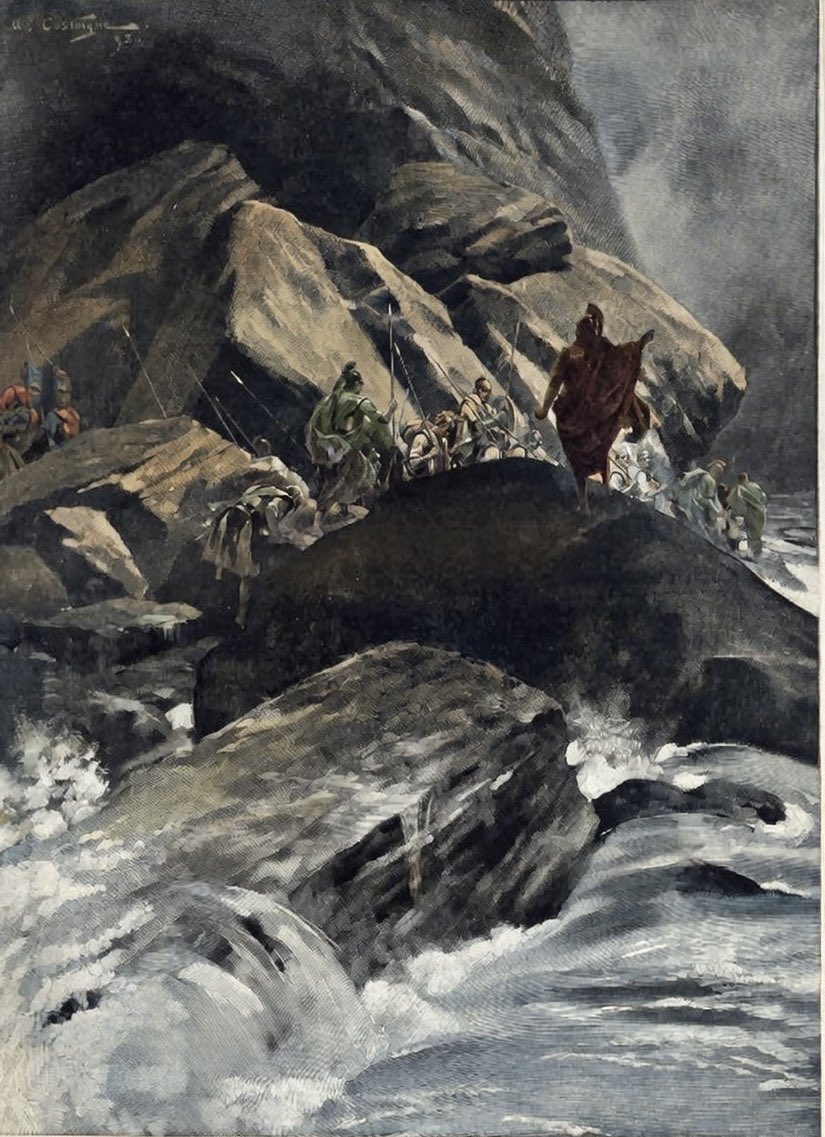
In 1225 his ship was lost in a storm and he was shipwrecked and had to spend several months recovering in the monastery of Ré.
In 1226, he died of unknown causes, possibly because he had not fully recovered from his illness or wounds when shipwrecked. He was just under 60 years old.
When his tomb was opened in the 18th century, the corpse of a rat was found inside.
In 1225 his ship was lost in a storm and he was shipwrecked and had to spend several months recovering in the monastery of Ré.
In 1226, he died of unknown causes, possibly because he had not fully recovered from his illness or wounds when shipwrecked. He was just under 60 years old.
When his tomb was opened in the 18th century, the corpse of a rat was found inside.
• • •
Missing some Tweet in this thread? You can try to
force a refresh