Ukrainian President Volodymyr Zelensky rules out the possibility of withdrawing Ukrainian troops from the unoccupied part of Donetsk region as a precondition for a complete ceasefire. “We will not leave Donbas. We cannot do that. For the Russians, Donbas is a bridgehead for a 1/5
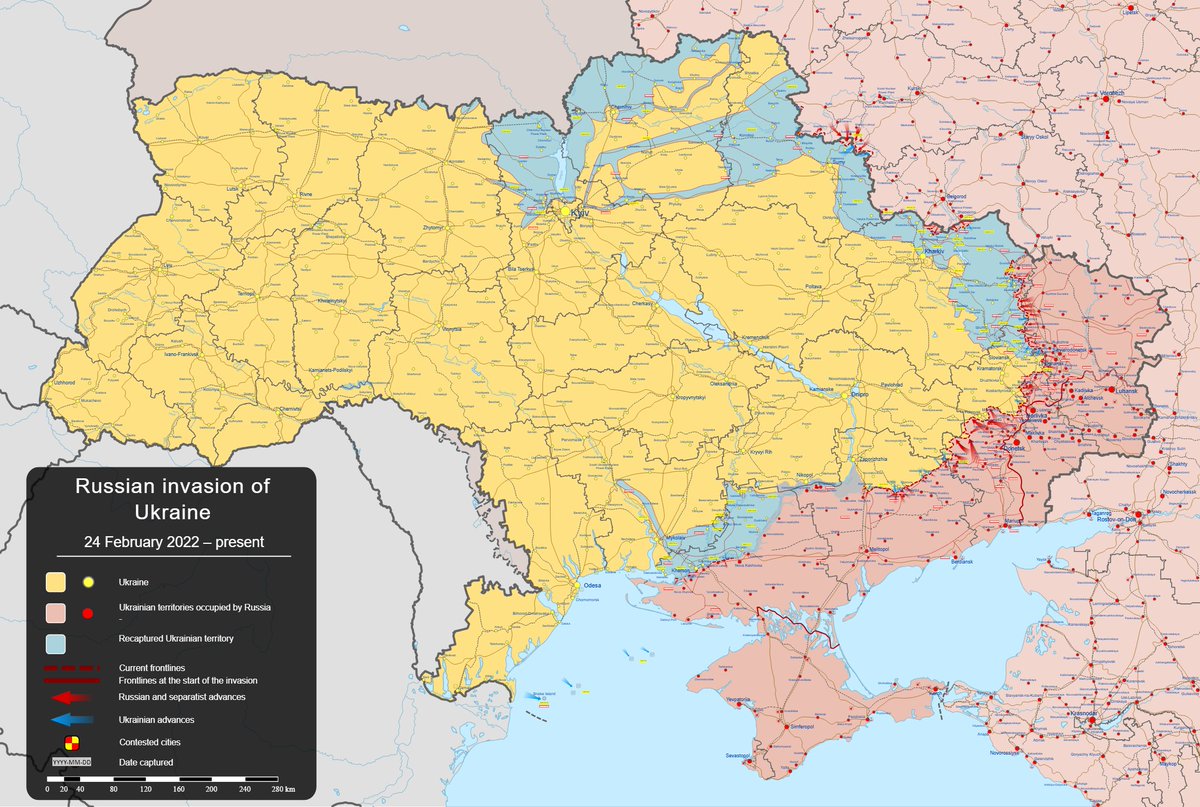
future new offensive. A few years – and Putin will have an open path to Zaporizhzhia and Dnipropetrovsk regions. And not only that. Also to Kharkiv. Right now, they want to give them about 9,000 square kilometers, which is about 30% of the entire Donetsk region (the size 2/5
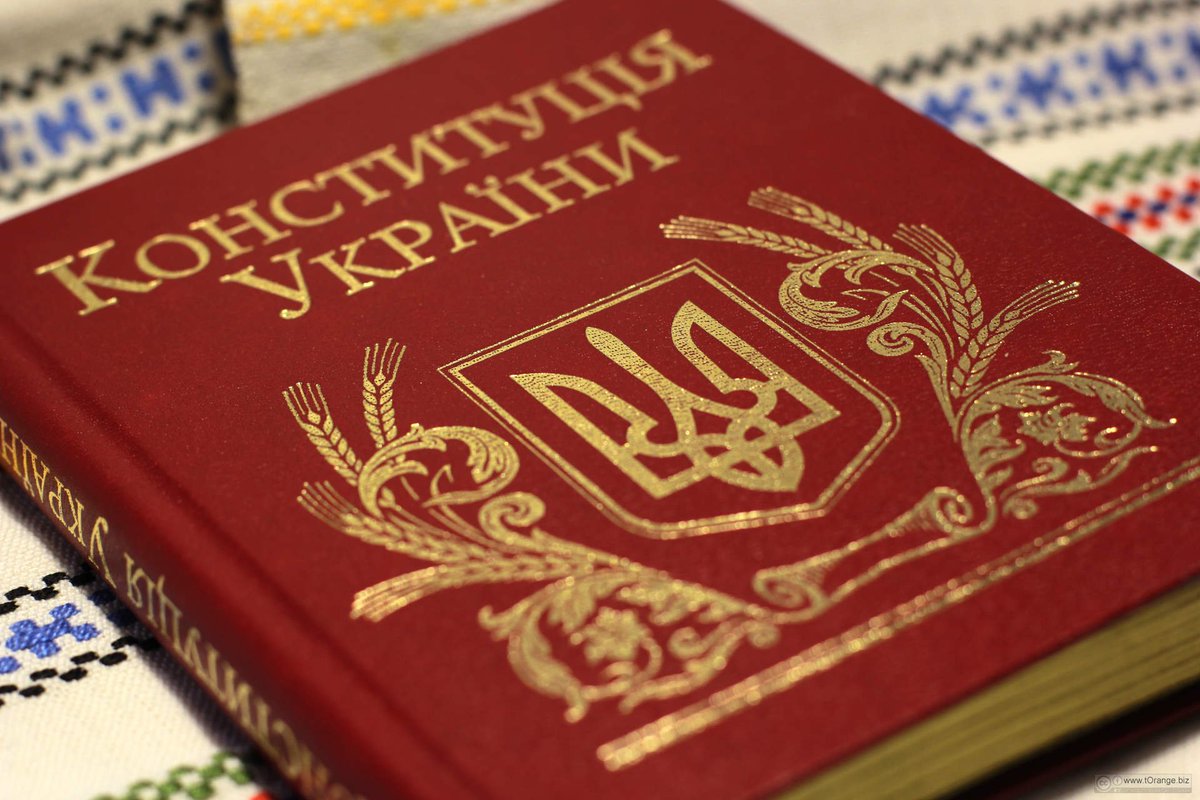
of the unoccupied territory – ed.), and this is a bridgehead for new aggression.” Zelensky confirmed that he referred to the Constitution during his conversation with Trump. “I am not going to surrender my country, because I have no right to do so. And the point is not that 3/5
I am hiding behind the Constitution. Is the state some kind of private property? Is 30% of the Donetsk region my private property? The exchange of territories is a very complex issue that cannot be separated from security guarantees for Ukraine.” According to Zelensky, 4/5
Ukraine’s position remains unchanged: first a ceasefire, then negotiations on other issues. At the same time, territorial issues cannot be discussed without Ukraine’s participation. 5/5
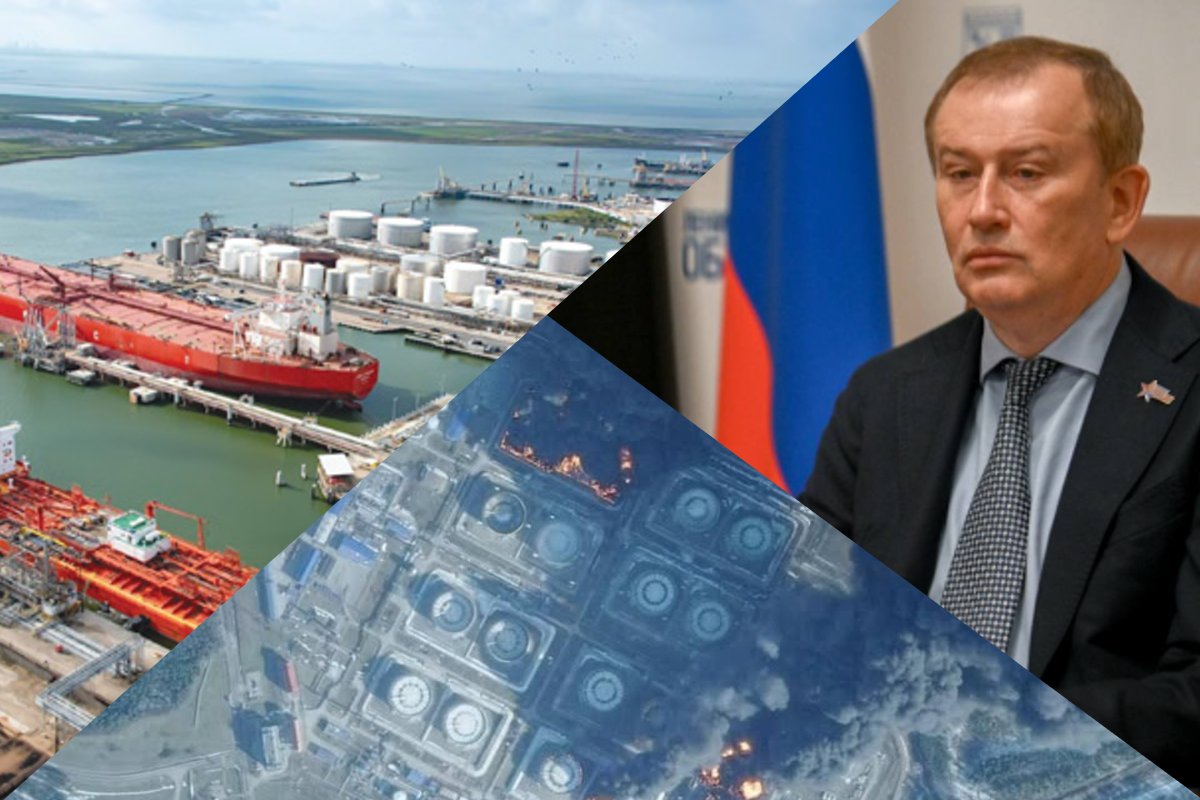
The sharp rise in oil prices due to the war in Iran strongly plays into russia’s hands, as prices for russian oil grades have exceeded 100 dollars per barrel and Asian countries such as Vietnam, Thailand, the Philippines, Indonesia and Sri Lanka are actively ordering russian
🧵
oil, increasing the likelihood that demand in the region will exceed russian supply. This is driven by the easing of US sanctions. This allows russia, despite waging an aggressive war, to improve its standing on the international stage. Along with oil contracts, russia also
offers investments in other sectors and new business opportunities, including military cooperation. Thus, instead of isolation and toxicity, russia gains new markets and expands its influence. All thanks to Trump. However, oil is not only russia’s strength but also its most
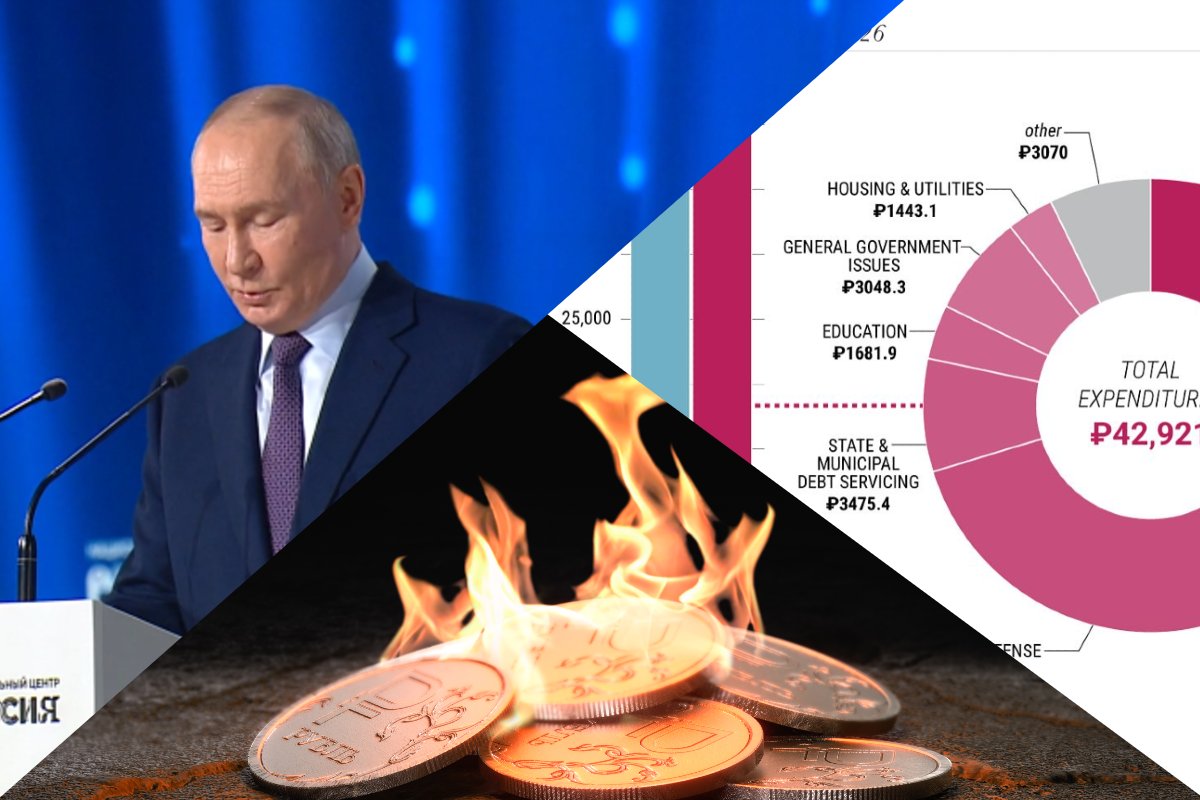
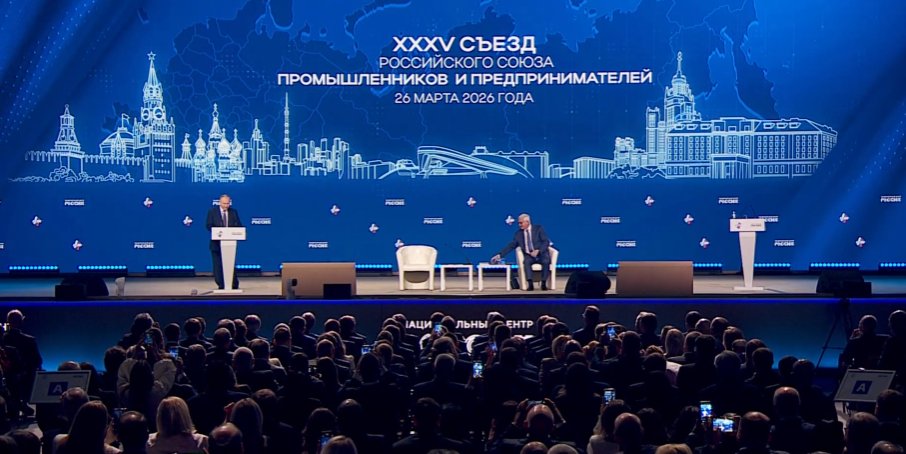
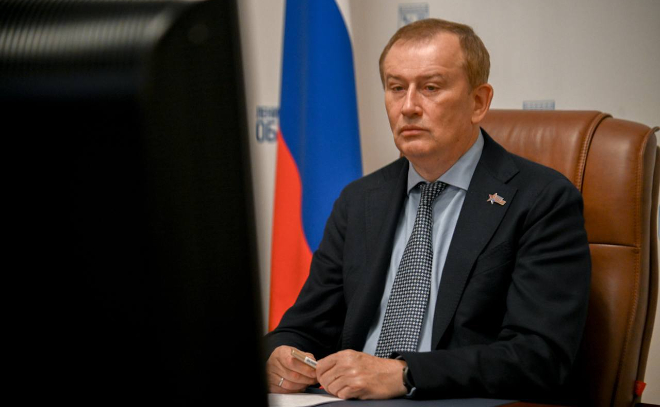
Russia is facing severe budget problems and is looking for additional ways to replenish it. At a closed meeting with oligarchs held on March 26 after the congress of the Russian Union of Industrialists and Entrepreneurs (RSPP), Vladimir Putin stated his intention to continue
🧵
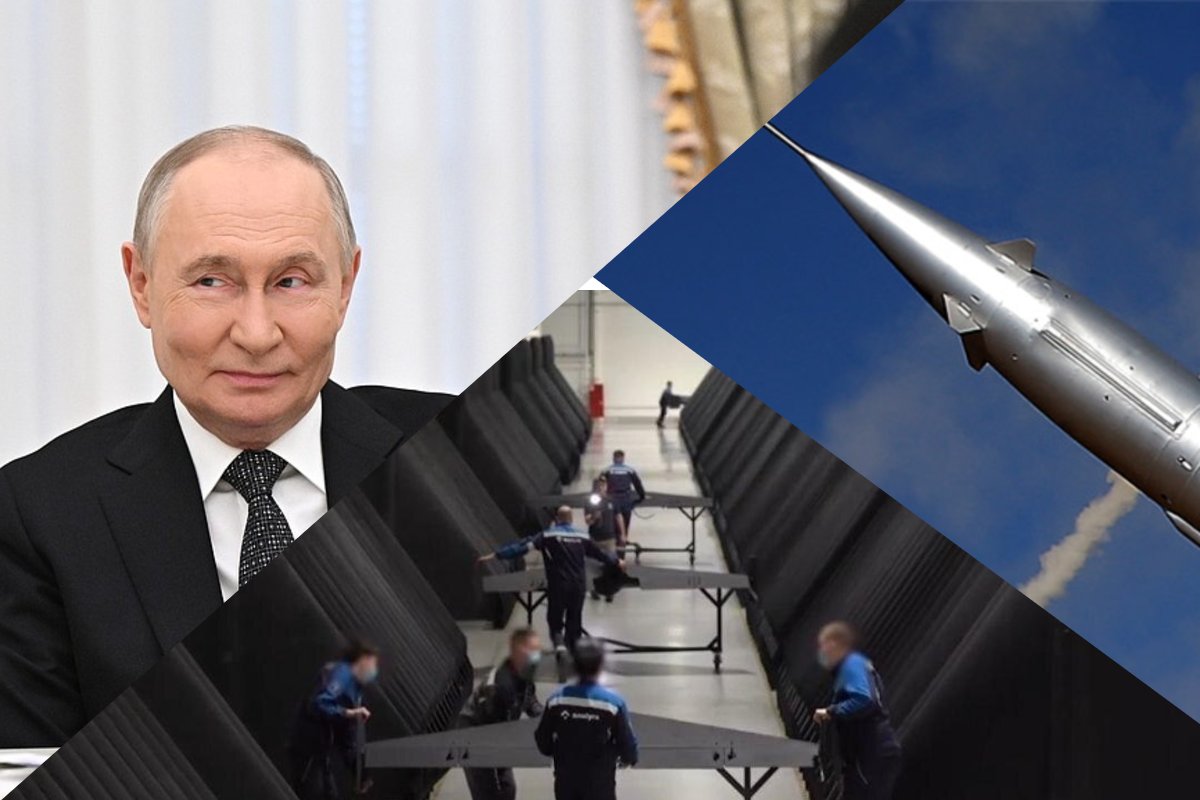
the war against Ukraine and proposed that large businesses make voluntary contributions to the budget. This was reported by The Bell citing sources familiar with the discussion. “They said, we will keep fighting,” one source summarized Putin’s remarks. “We will go to the borders
of Donbas,” another added. Some businessmen responded to the request immediately during the meeting. Suleiman Kerimov promised to contribute 100 billion rubles (~ $1.22 bln), according to The Bell’s sources. At least one other major businessman present at the meeting supported
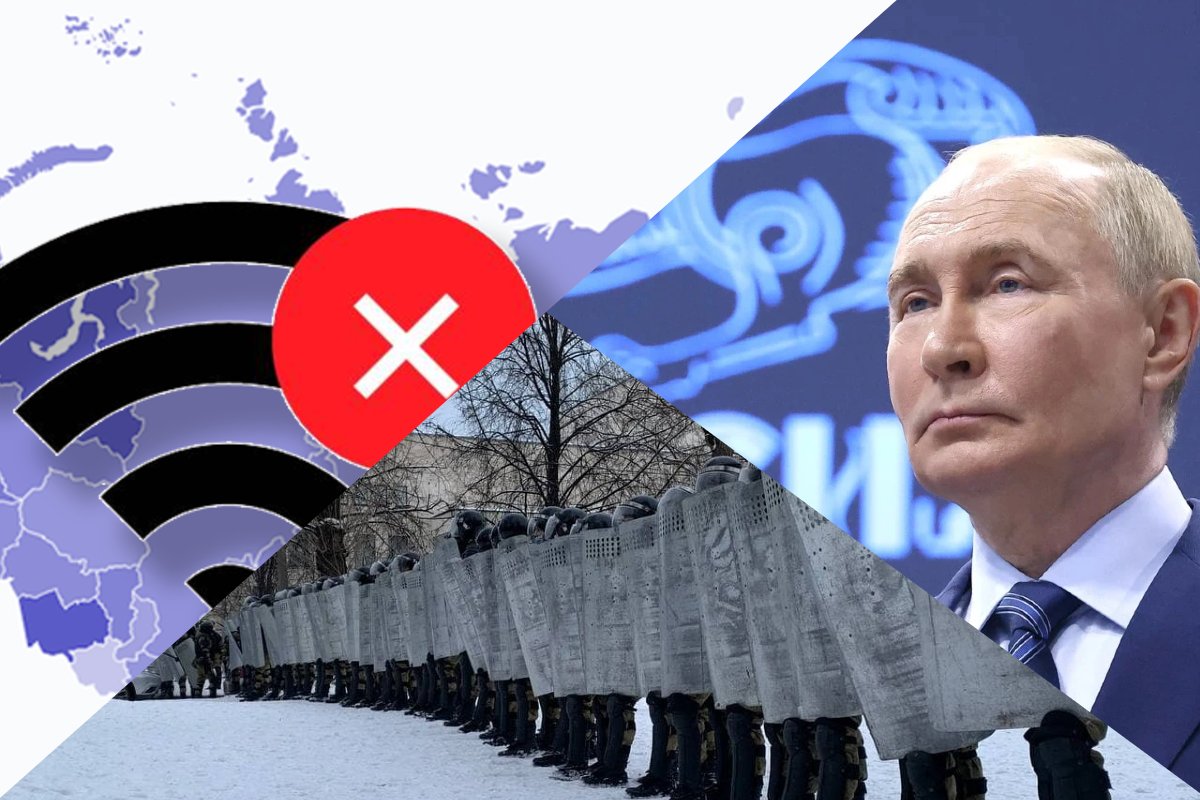
The story of internet shutdowns in Russia is not an accident and not a “temporary measure.” It is a system that has been built for years and has now simply begun to operate at full capacity. What many people saw in Moscow in March 2026 - the inability to pay a bill,
🧵
open a map, or simply send a message - has long been the norm for other regions; Moscow has simply been the last to enter this reality. The timeline is important here: back in 2019, the law on the “sovereign internet” was adopted - formally to protect against external threats,
but in reality to create an infrastructure for centralized traffic control, forcing operators to install equipment under state supervision. This was followed by annual drills in which the network was tested for isolation and autonomous operation - no longer theory, but
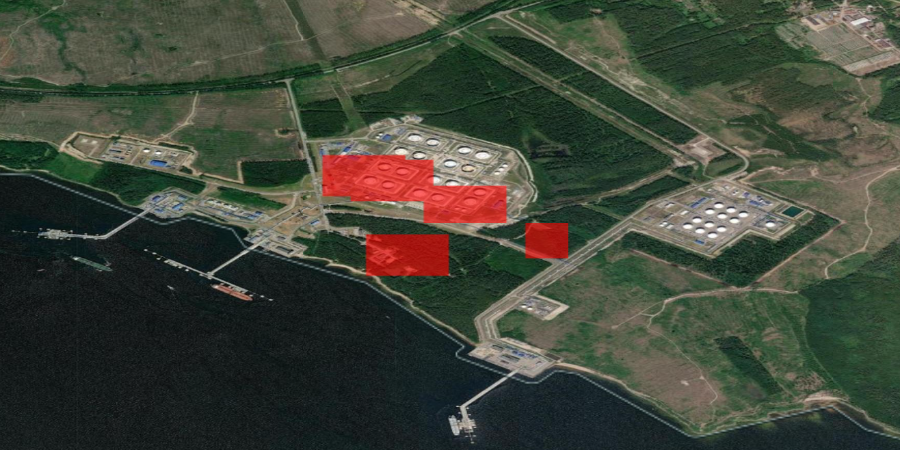
Exports of Russian oil through Baltic Sea ports - the main channel for shipping “black gold” abroad - have been completely halted, Reuters reports citing industry sources familiar with the situation. According to them, due to a drone attack on the Leningrad region, which 🧵
became the largest since the start of the war and involved at least 60 UAVs, both Baltic ports - Primorsk and Ust-Luga - have stopped operations, and together they handle up to half of all oil exported from Russia. On the evening of March 22, Leningrad region governor
Alexander Drozdenko reported a drone attack on Primorsk, through which about 1 million barrels per day are exported. According to him, several fuel storage tanks caught fire in the port. Reuters sources also report that shipments at the port of Ust-Luga, through which oil
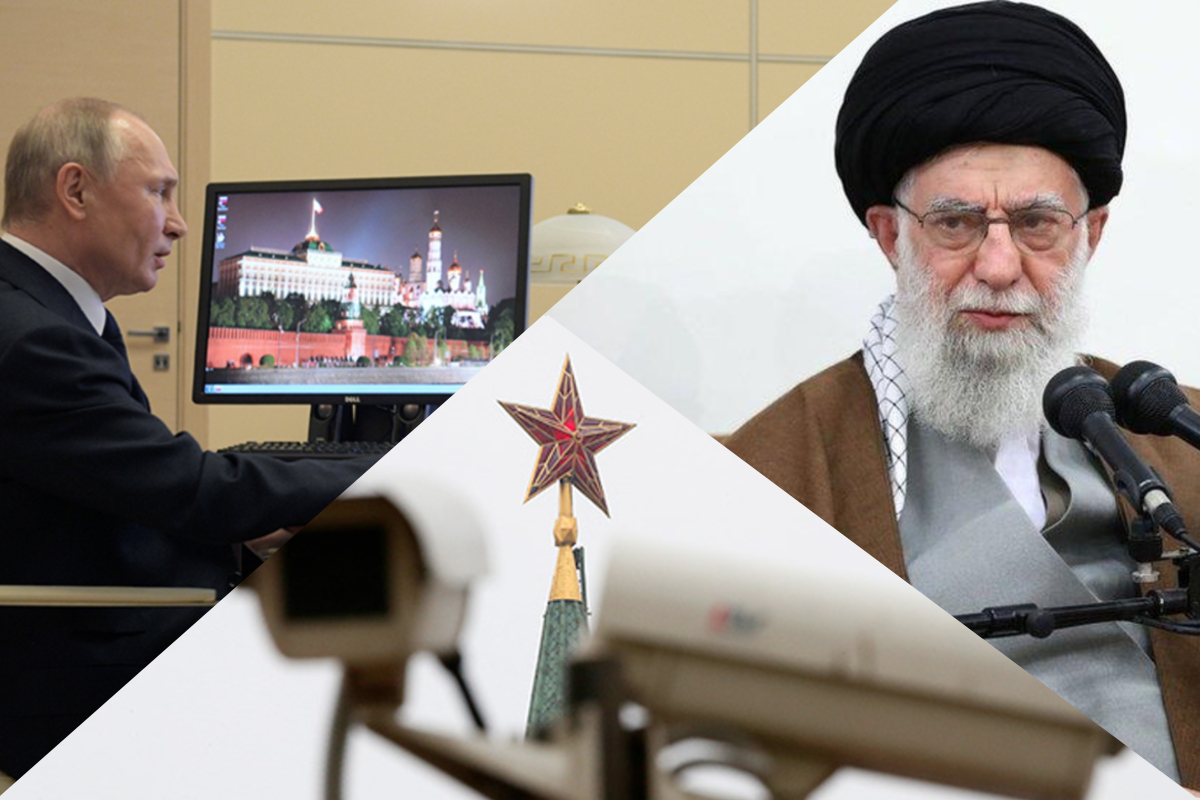
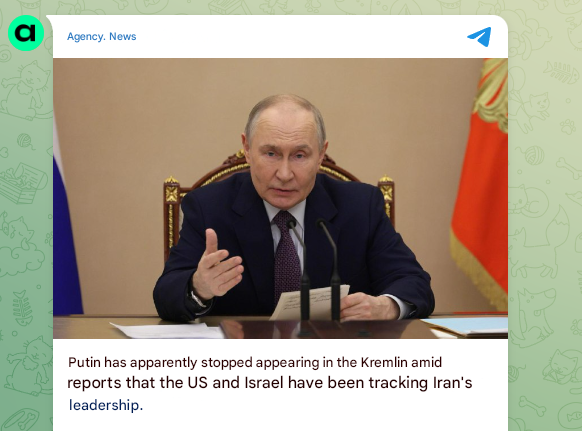
Vladimir Putin has stopped appearing at public events in the Kremlin after details emerged about a US and Israeli operation to eliminate Iran’s Supreme Leader Ayatollah Ali Khamenei. As previously reported by Financial Times, before the strike Israeli intelligence tracked
Khamenei’s movements using hacked surveillance cameras. According to calculations by the outlet “Agentstvo,” the last time Putin held a public event in the Kremlin was on March 9 - a meeting on the situation in the global oil and gas market. After that, according to the
presidential press service, he met several times with regional governors, the Minister of Education, and the head of Sberbank, and also participated in Security Council meetings via video link. However, as “Agentstvo” notes, such meetings are often recorded in advance,
The Estonian initiative currently being discussed in the EU to ban former Russian army combatants from entering the Schengen area should become a model for others. And here is why. The issue is not only that they pose a threat to society through the risk of committing crimes -
🧵
these individuals also pose a threat to state integrity. At present, citizens from more than 120 countries and unrecognized territories are fighting on Russia’s side. The largest numbers of mercenaries come from countries such as Kazakhstan, Uzbekistan, Azerbaijan, Belarus, Nepal
Armenia, Moldova, Georgia, China, India, Egypt, as well as numerous African countries. These individuals are trained fighters who have undergone military preparation in an army where nearly 200,000 personnel are criminals recruited from penal colonies, pre-trial detention centers