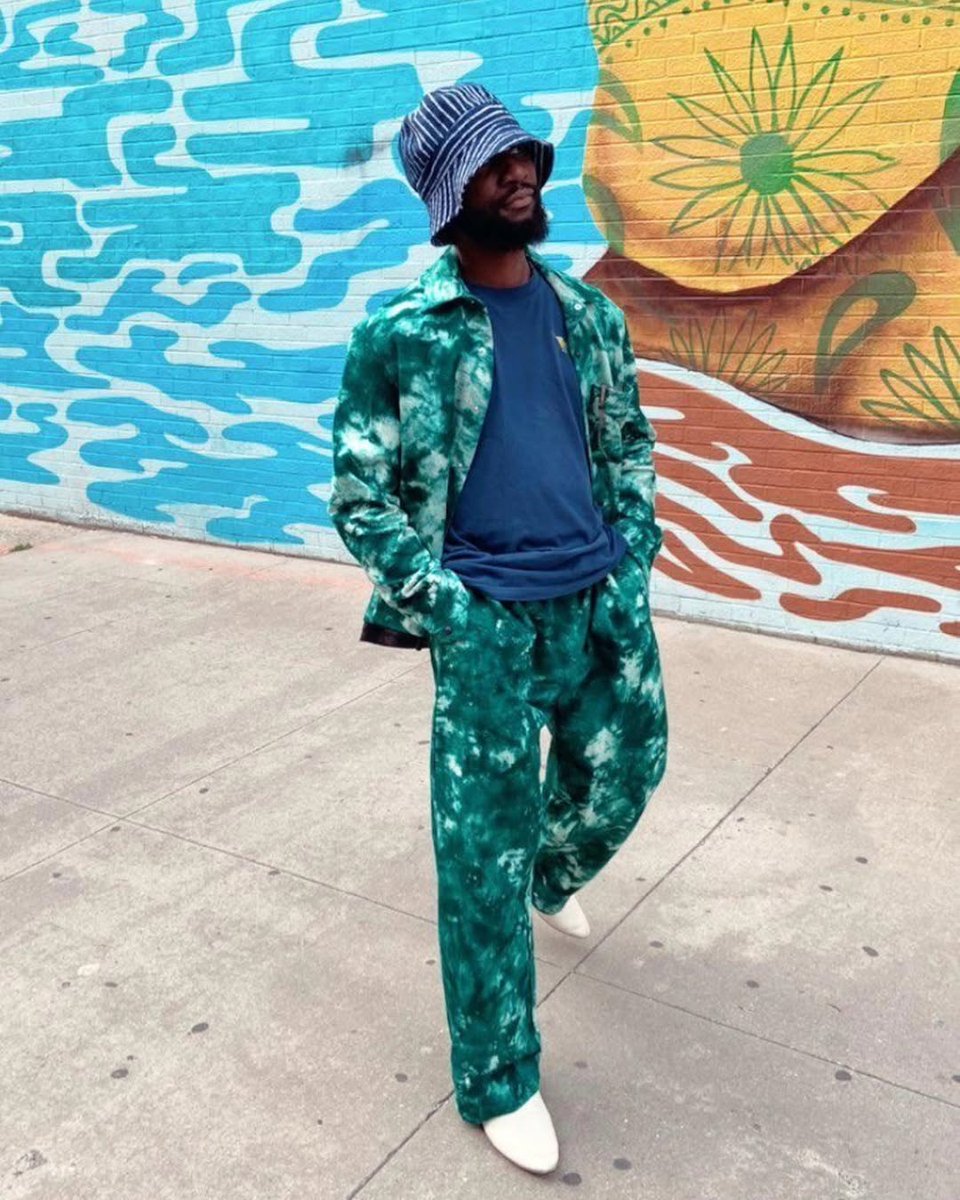
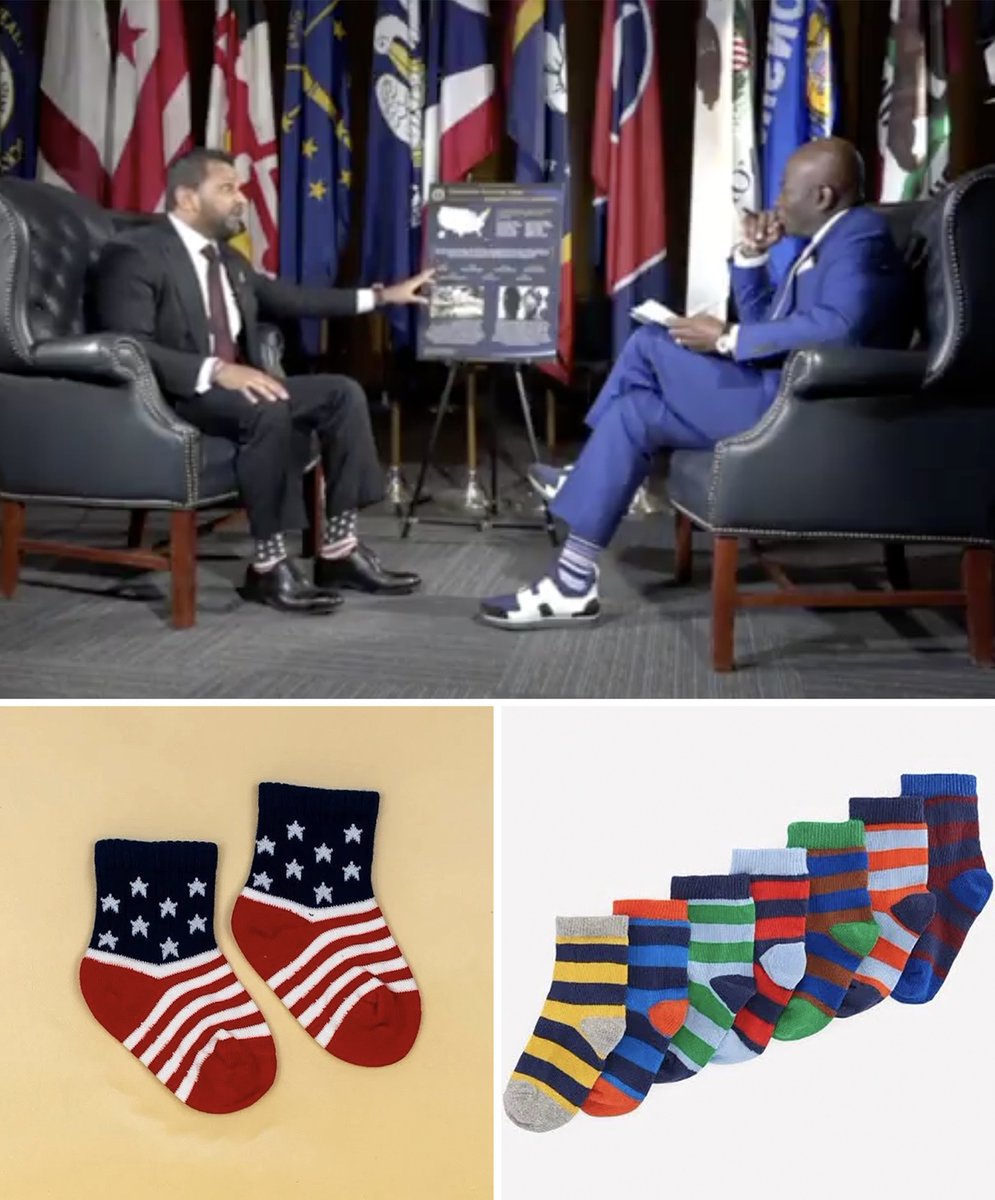
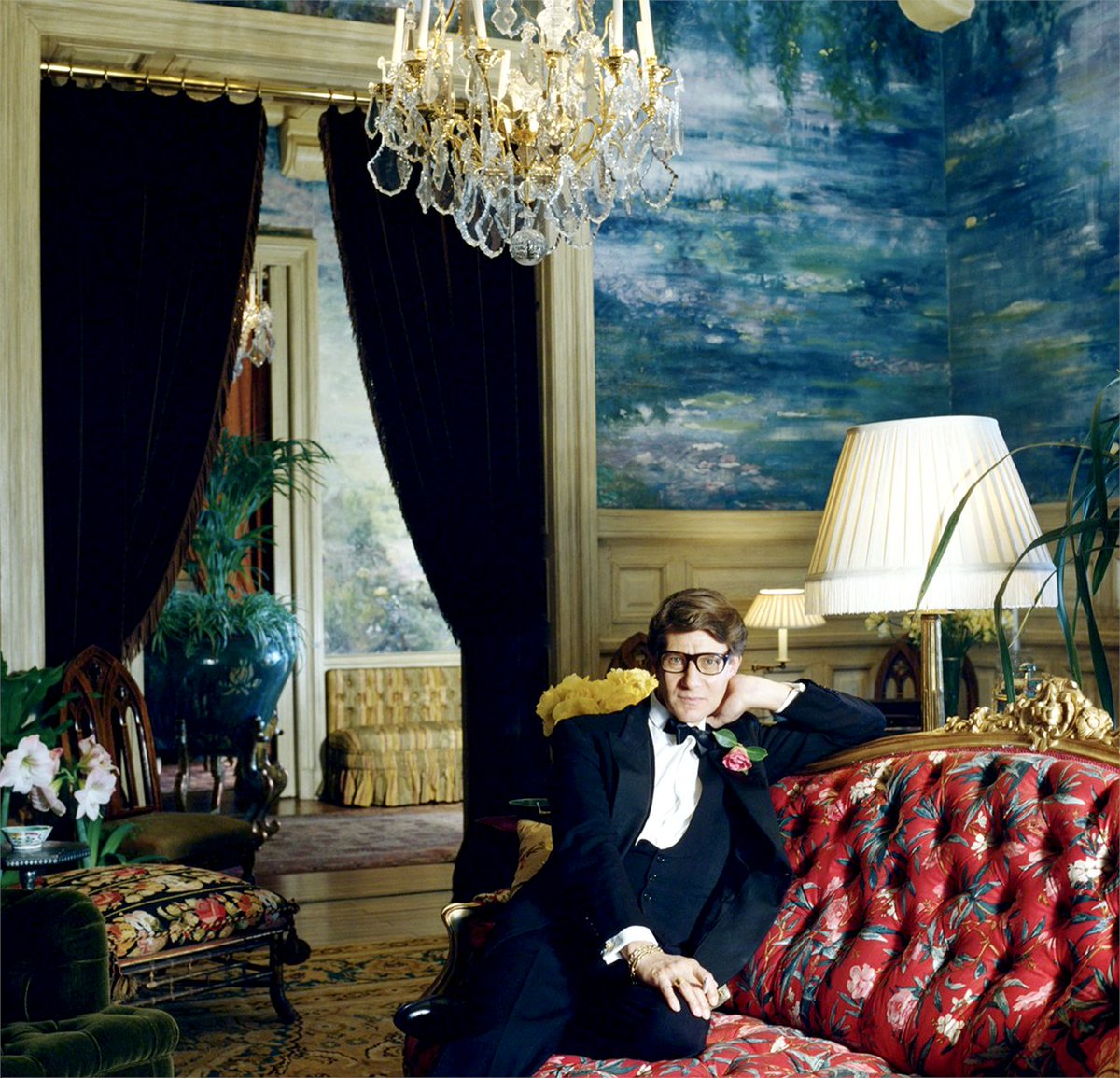
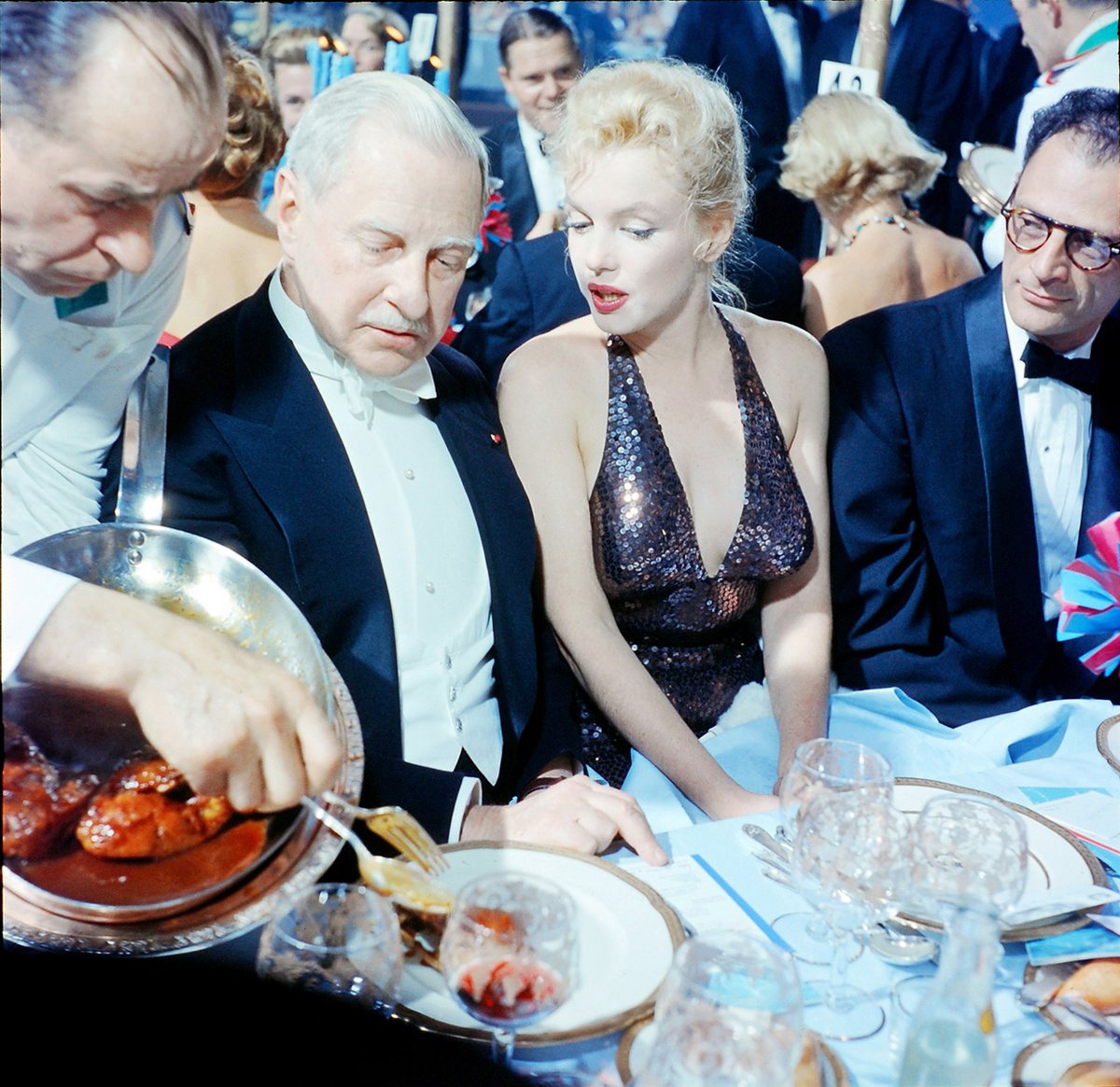
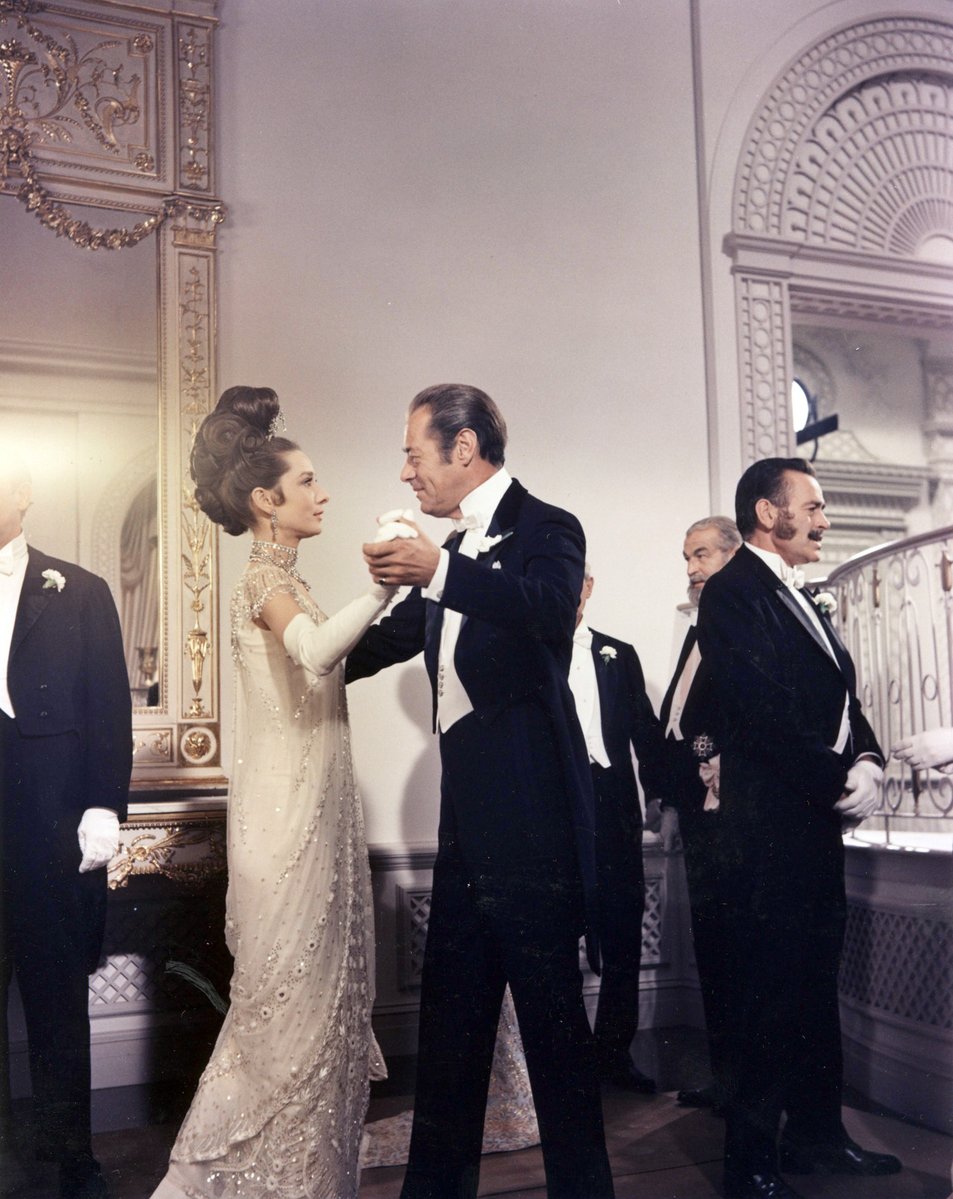
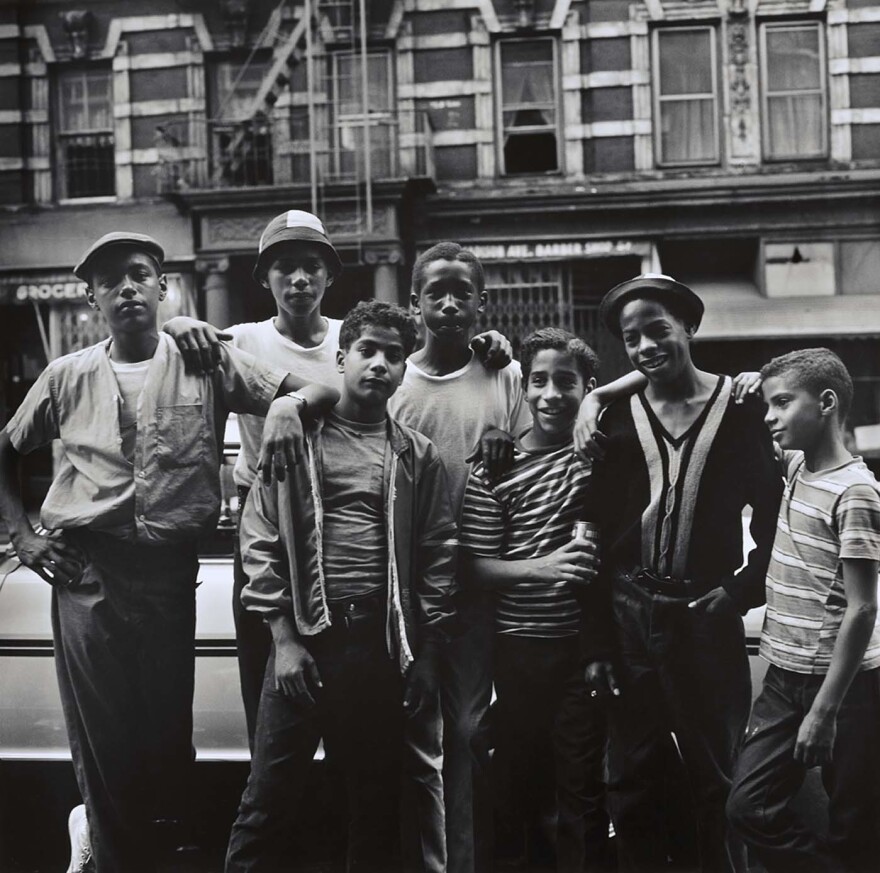
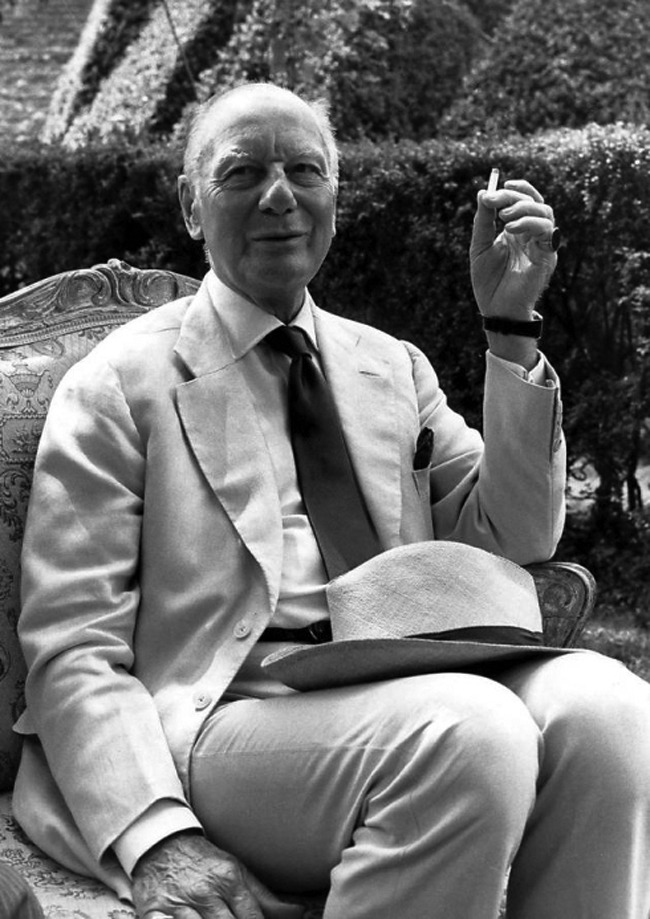
Have you ever noticed that people dressed better in the past? Even in the summer, when it was scorching hot?
Why is this? 🧵
Why is this? 🧵


I want to first dispel some myths.
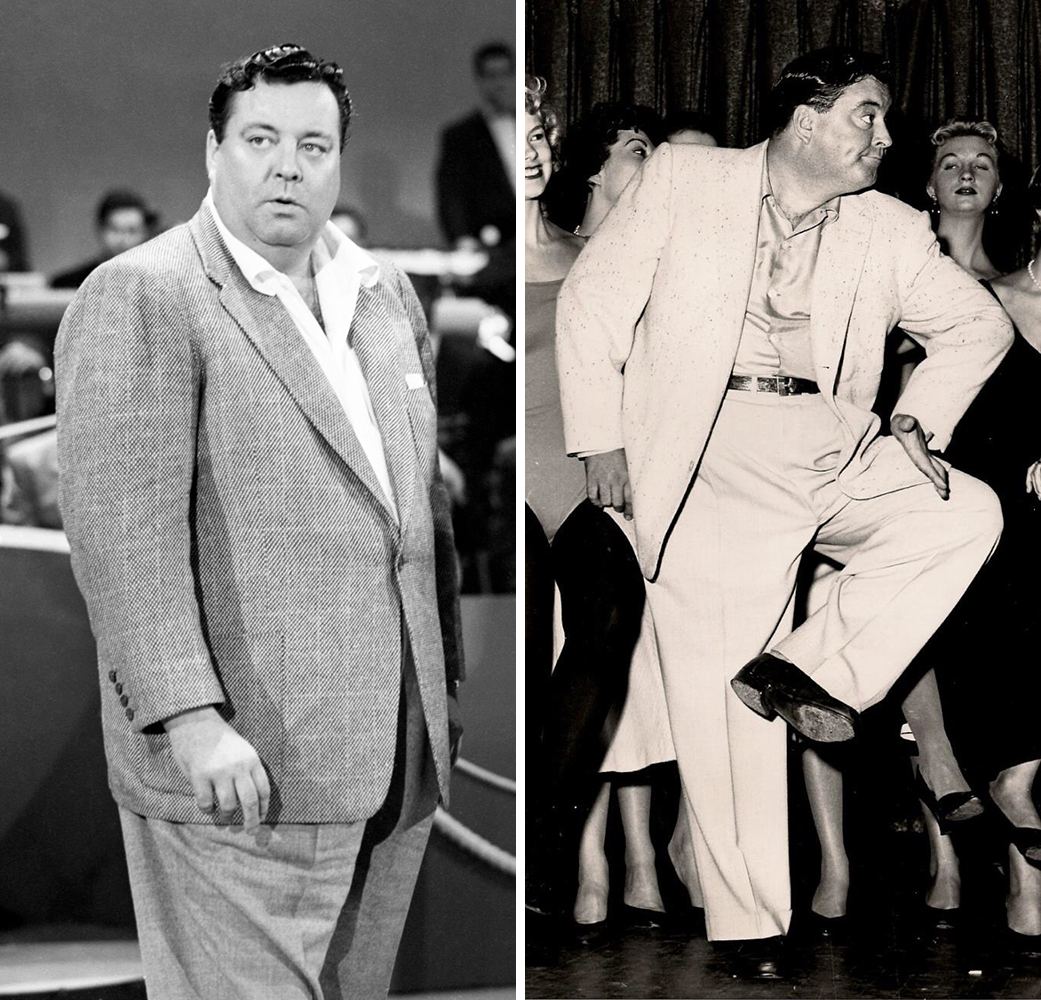
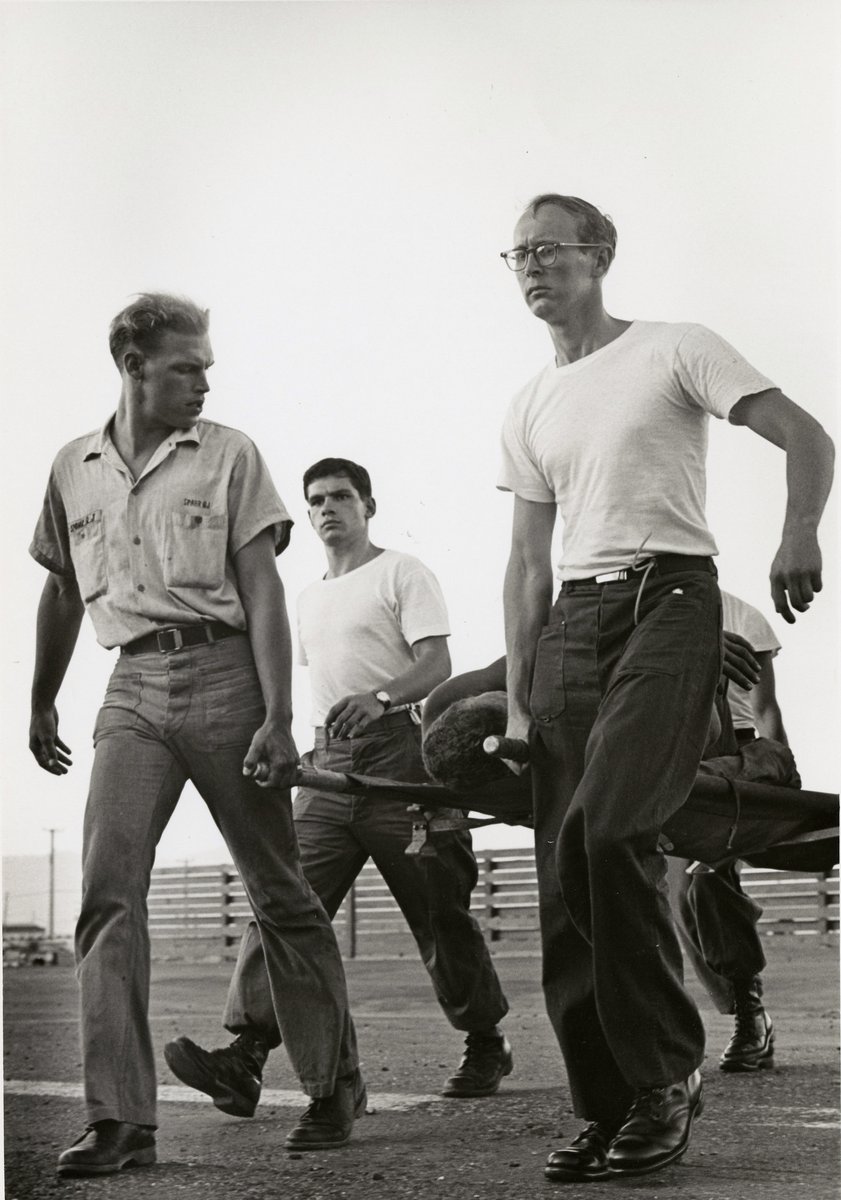
Contrary to popular belief, people didn't look better because they were slimmer. We see many corpulent men in the past who dressed better than the average man today. It's not true you can look good in anything if you have an athletic body.
Contrary to popular belief, people didn't look better because they were slimmer. We see many corpulent men in the past who dressed better than the average man today. It's not true you can look good in anything if you have an athletic body.



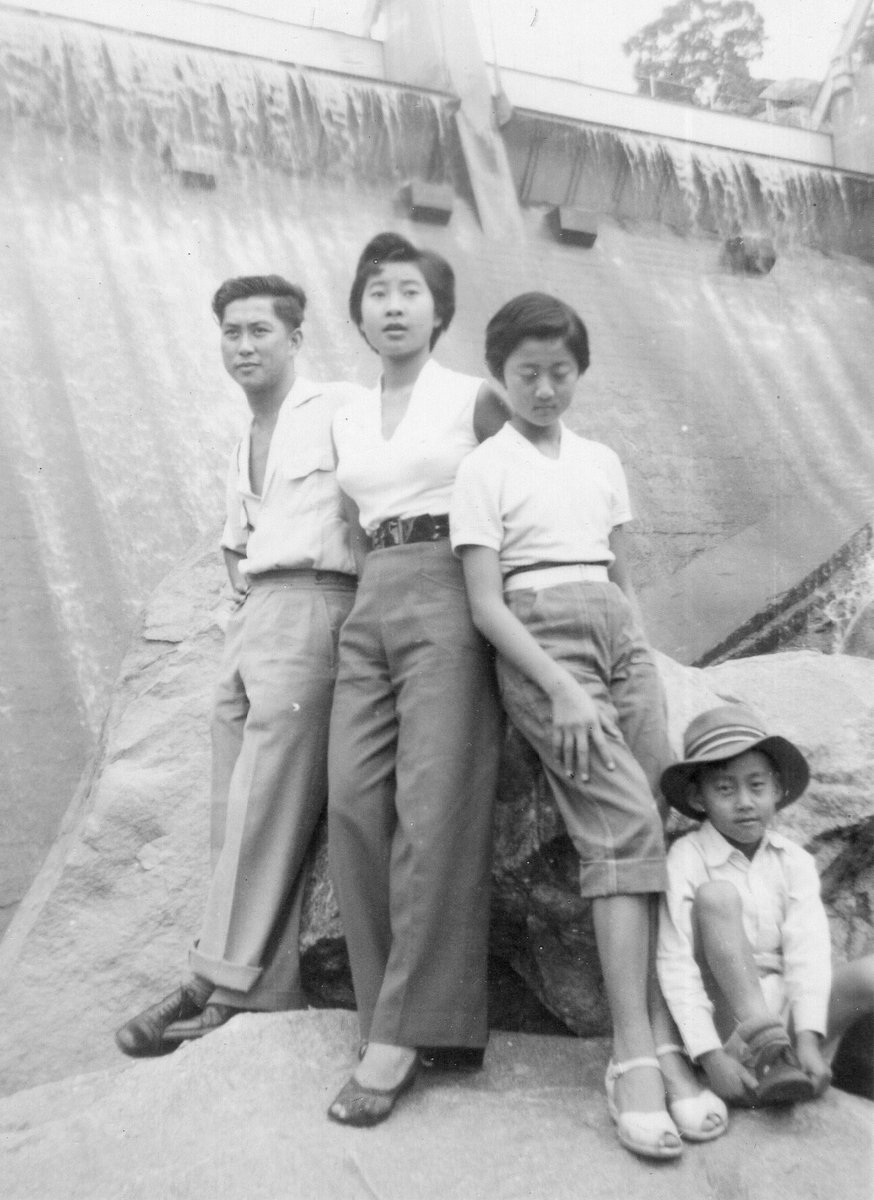
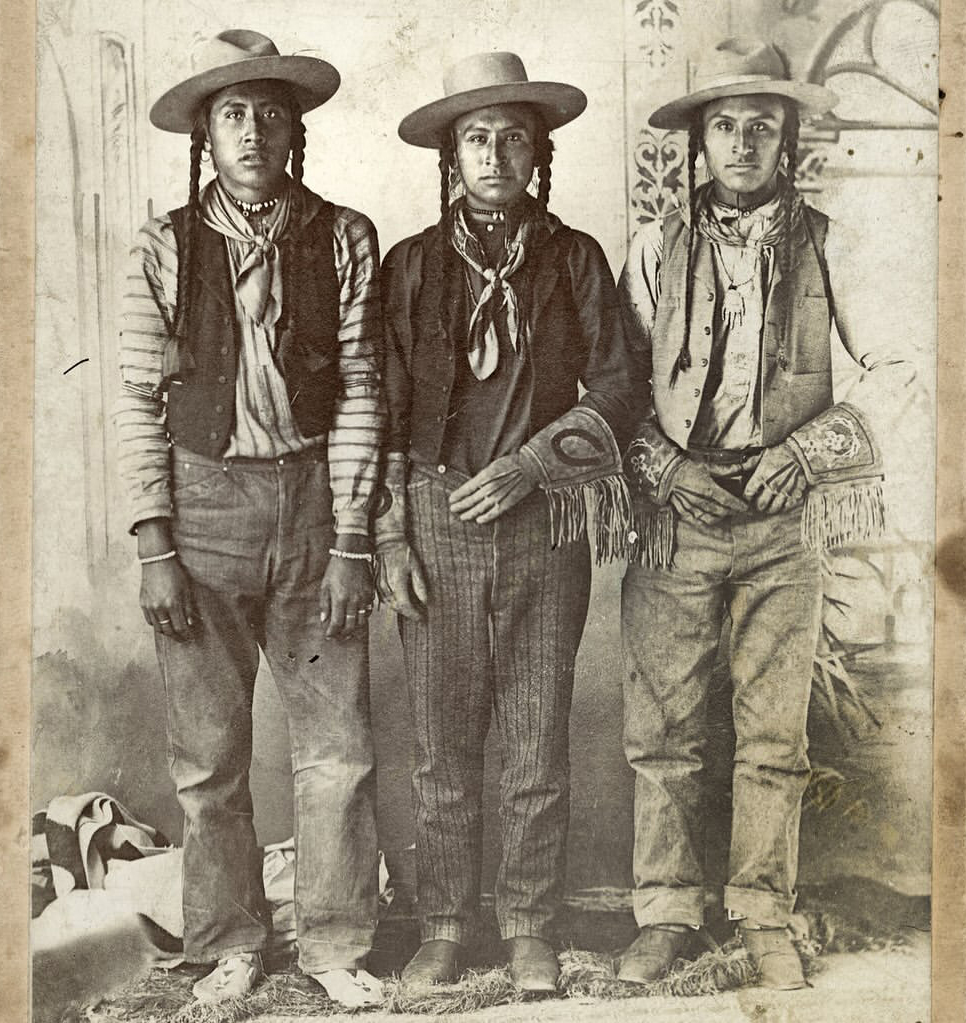
Dressing well was also not limited to the rich and famous. A reader sent me pics of his grandpa, born in Rhodesia (now Zimbabwe) to a working-class Chinese family. He immigrated to London and then Canada, where he worked in an auto parts store and by installing light fixtures.
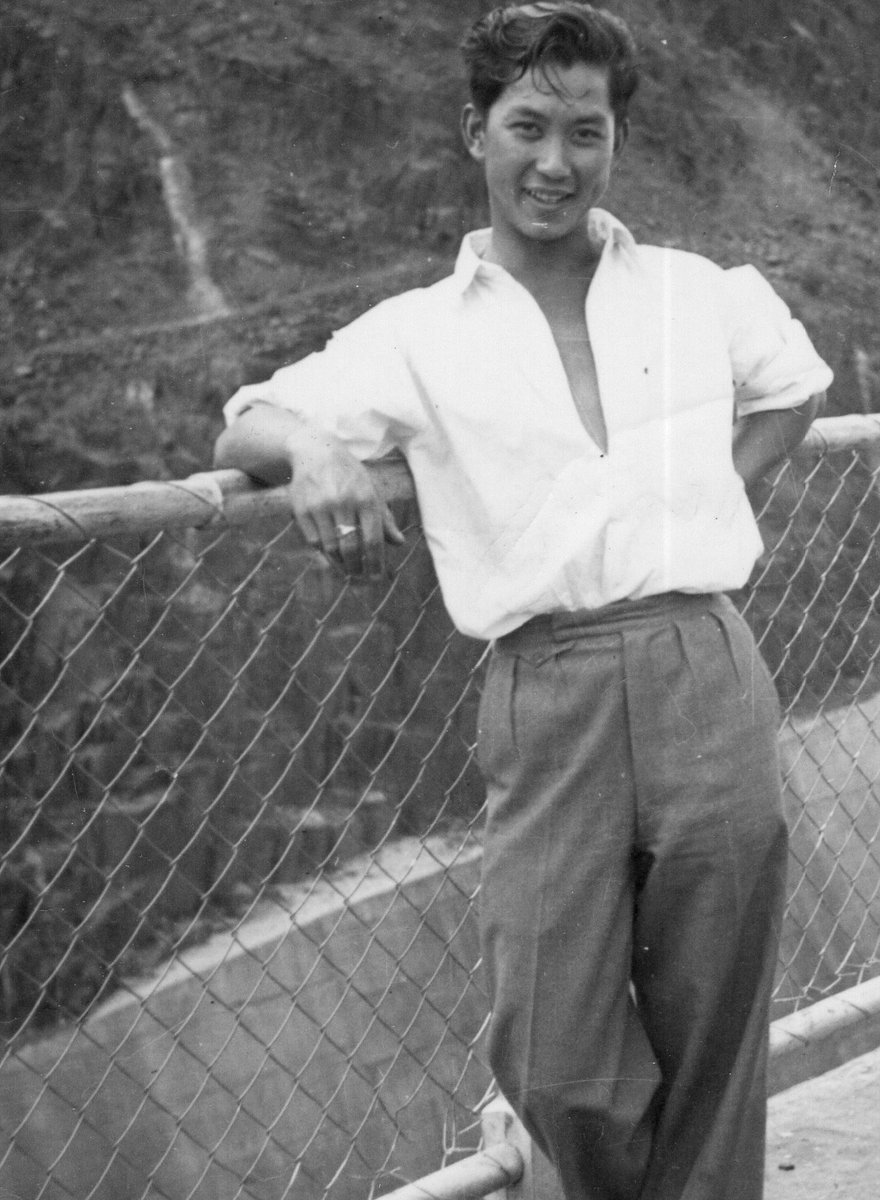
Some people attribute better aesthetics to notions of respectability, which they loosely associate with suits. Certainly, suits contributed something to aesthetics. But it wasn't about respectability. The bulk of this thread will be about how casualwear looked better in the past.
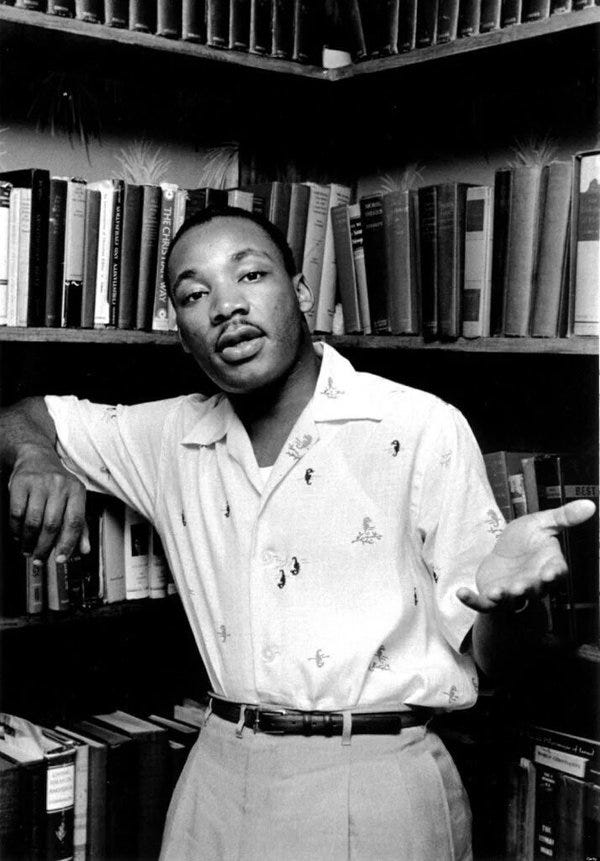
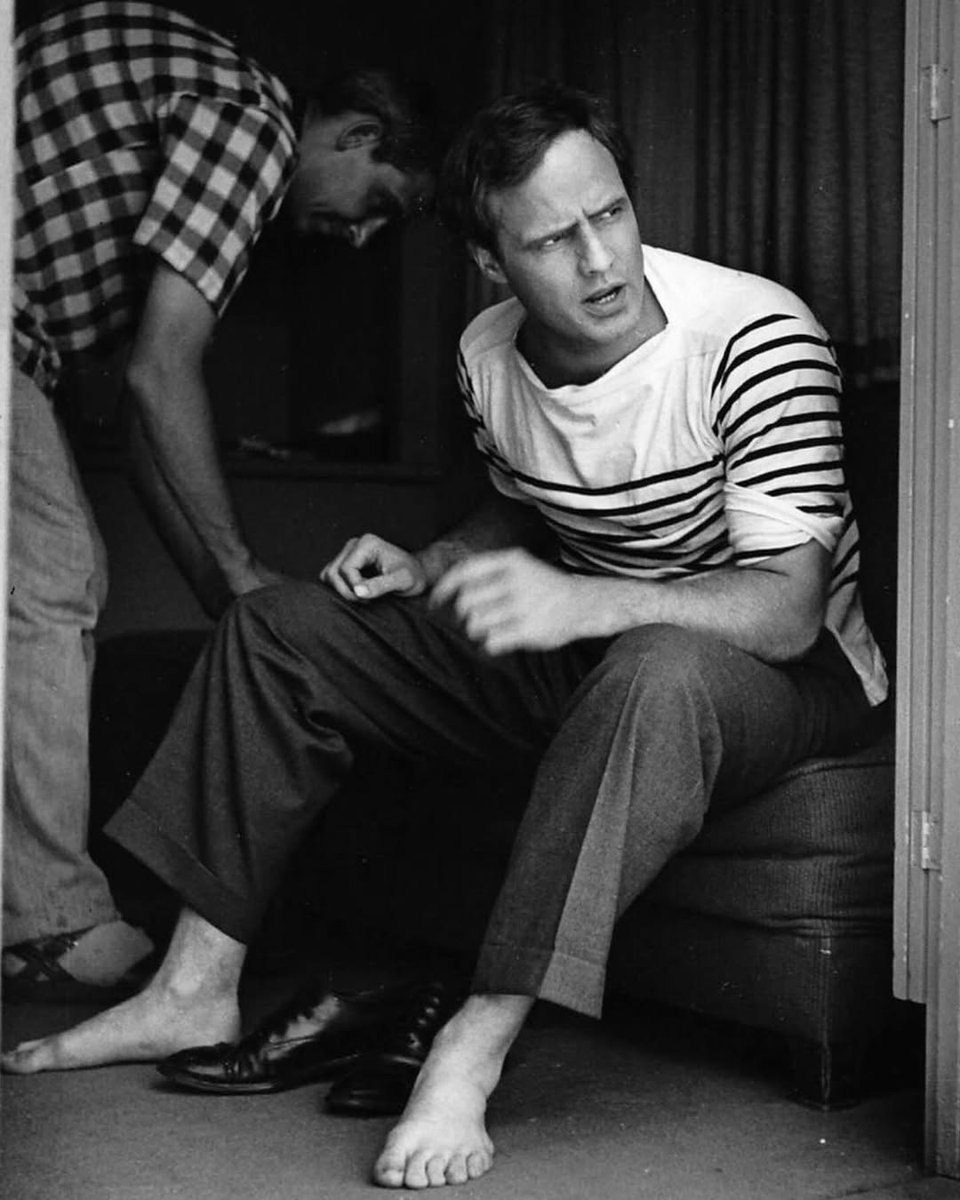
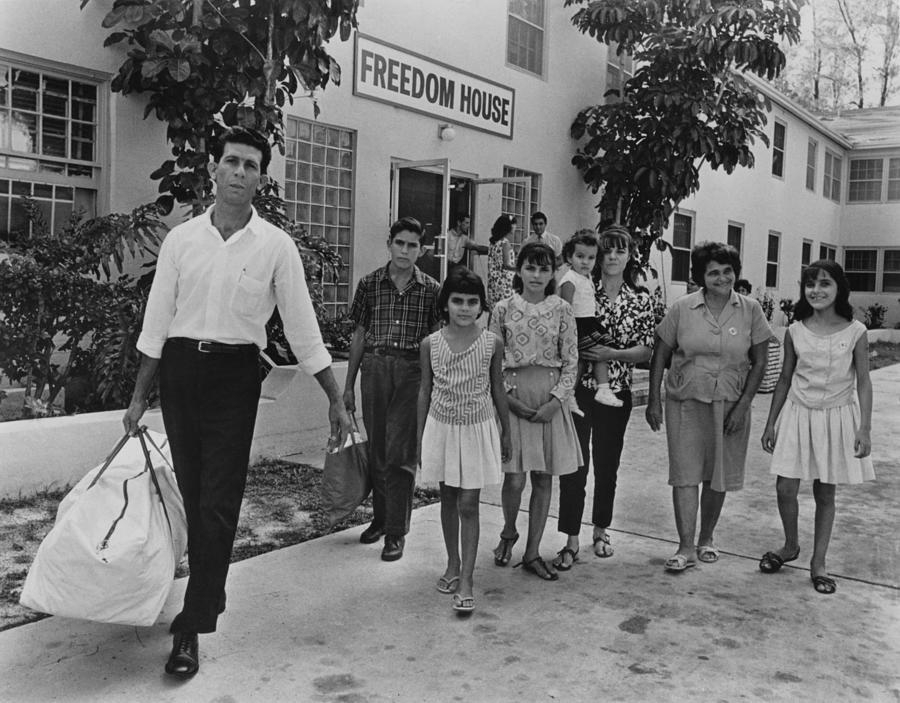
However, we'll start with suits because they tell us something.
It's true suits were more popular in the past, partly because people were more willing to accept discomfort (whether through volition or social pressure). Now people demand 100% comfort, 100% of the time.
It's true suits were more popular in the past, partly because people were more willing to accept discomfort (whether through volition or social pressure). Now people demand 100% comfort, 100% of the time.
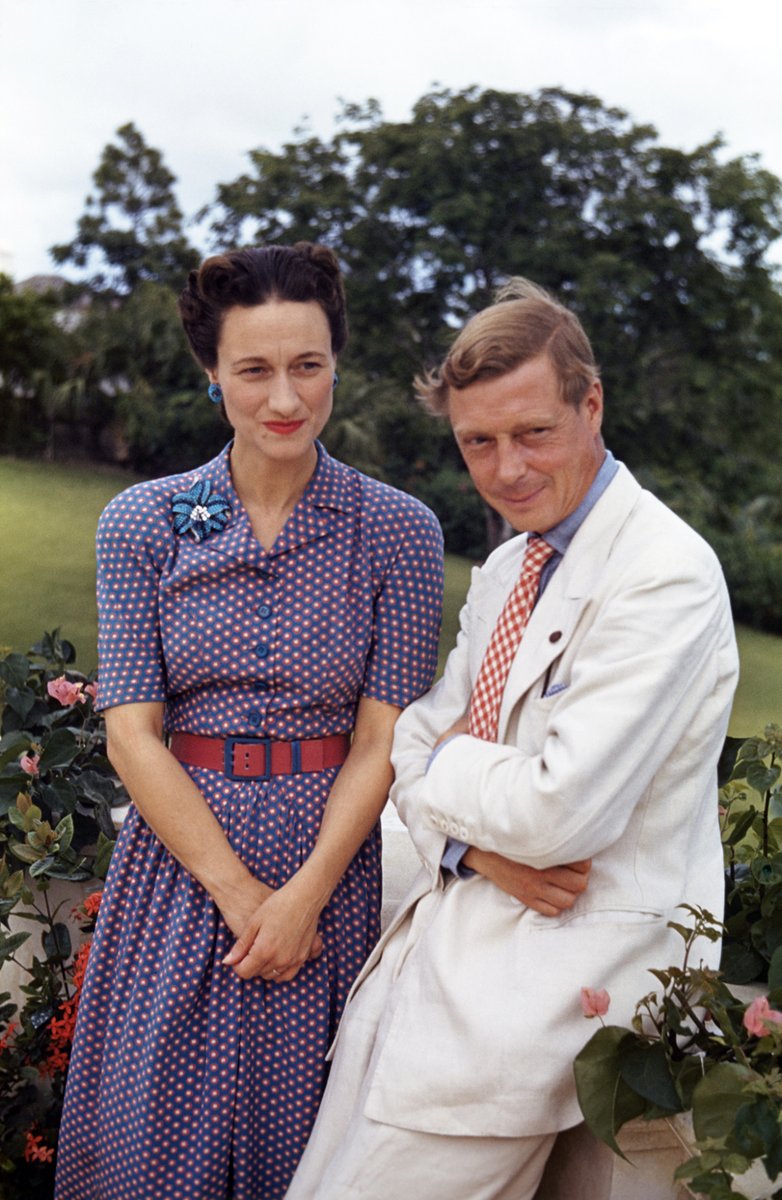
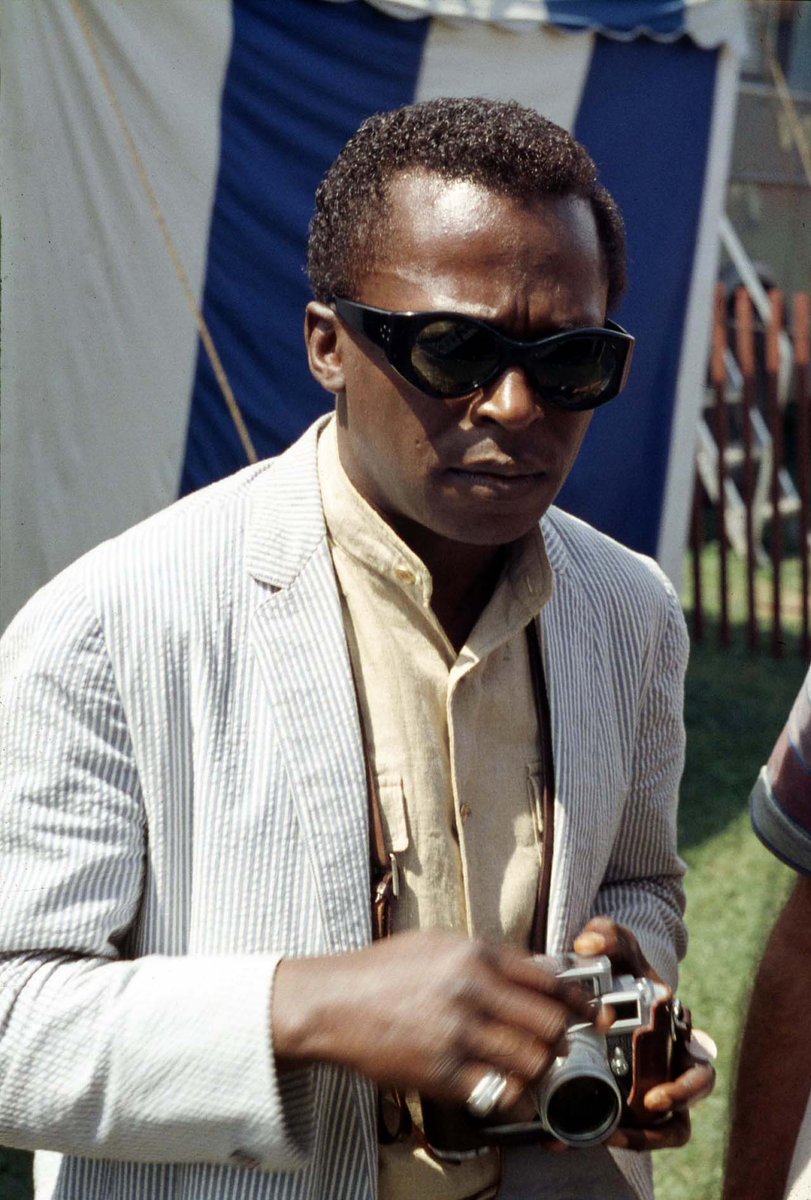
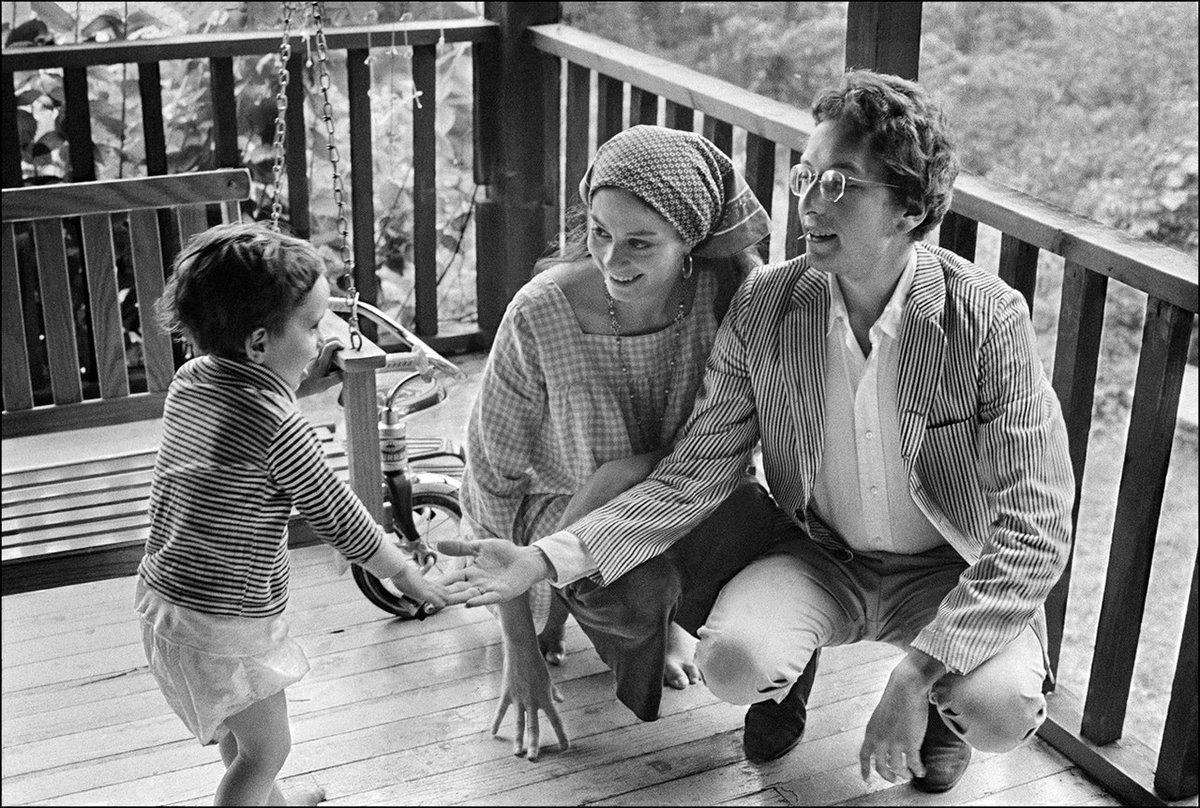
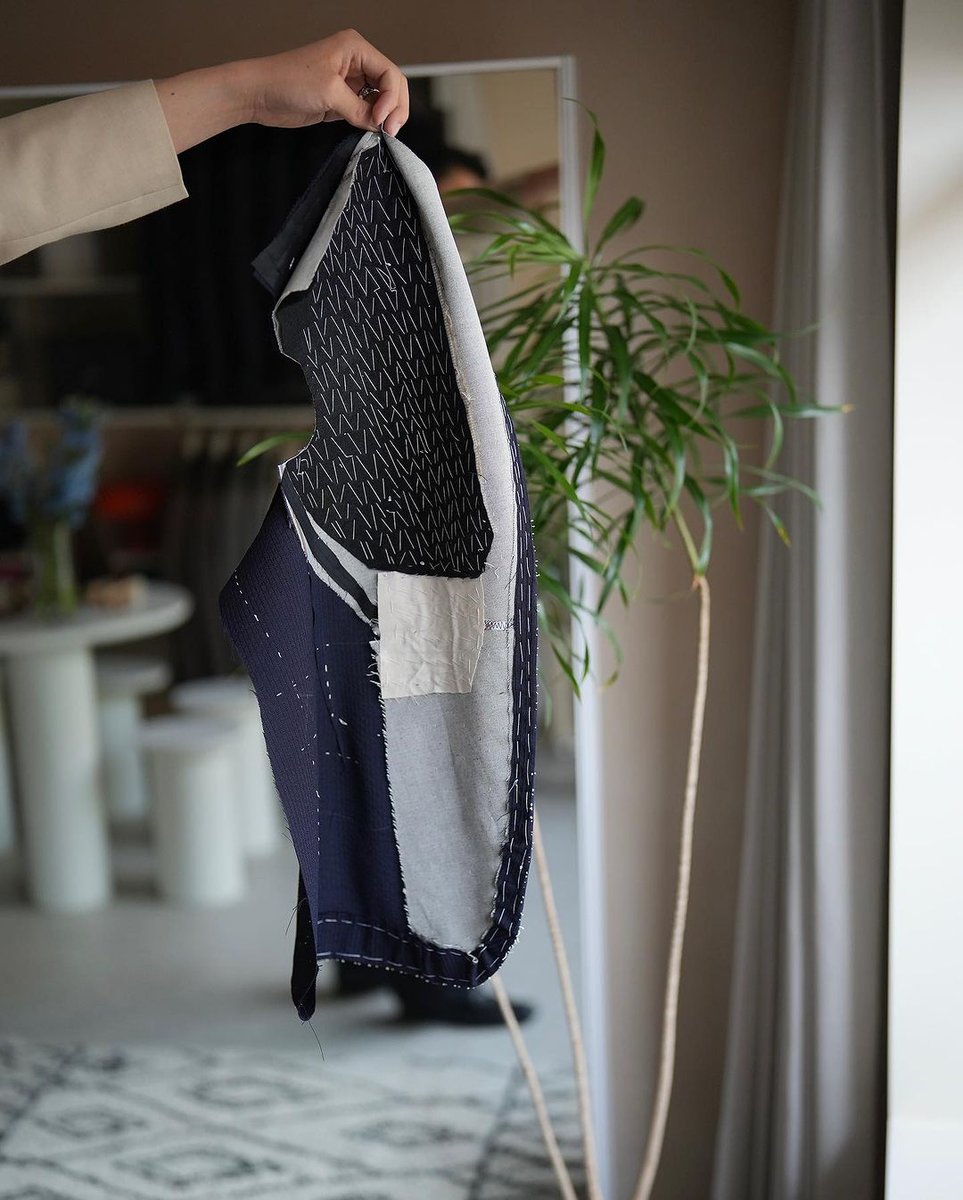
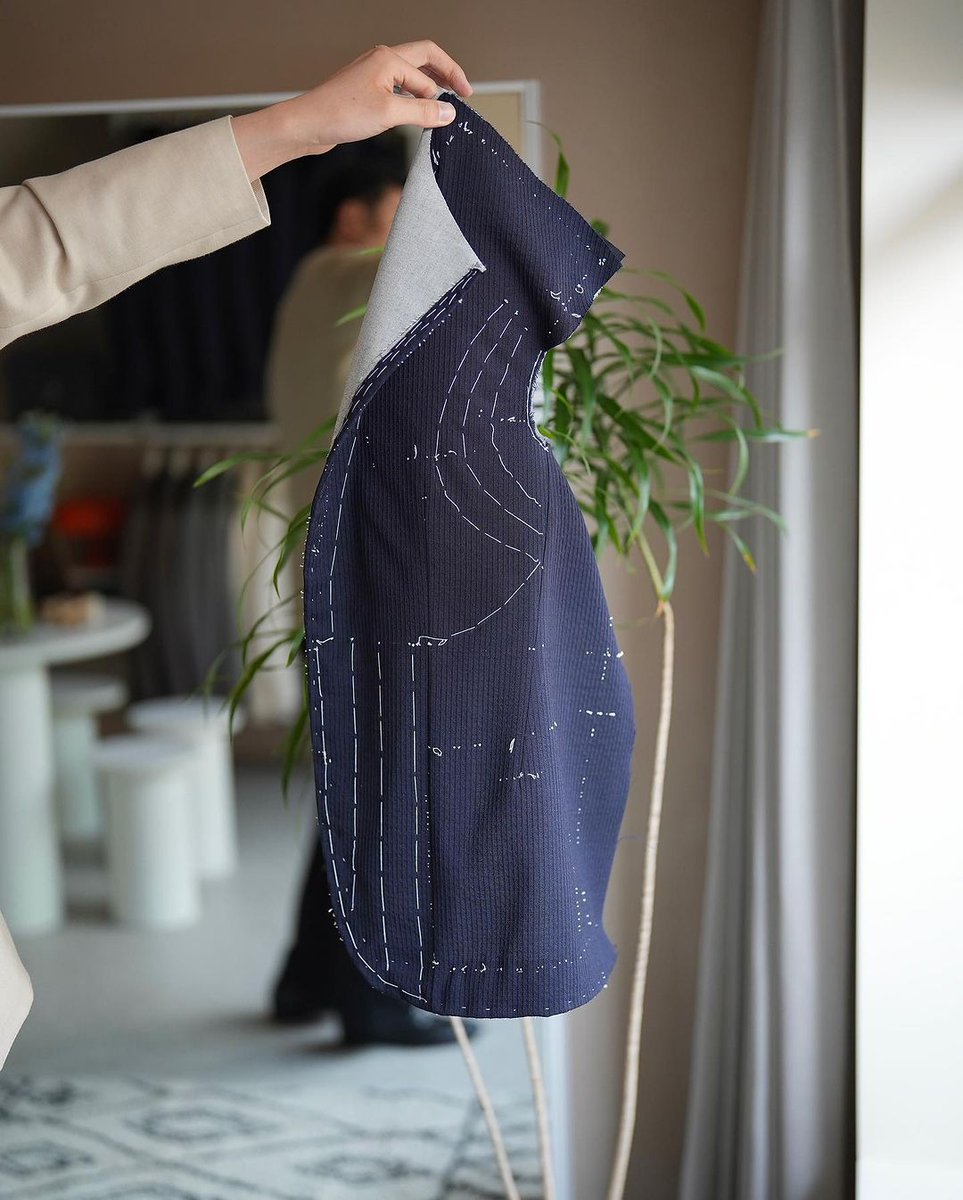
The reason why suits are special has nothing to do with respectability, but everything to do with how they're made. Unlike casualwear, a tailored jacket is built from layers of haircloth, canvas, and padding, which are sewn together and shaped through special techniques.
This process — which involves pad stitching, darts, and ironwork — means the tailor can create a distinctive silhouette that's not just the person's body. Pay attention to the shape of the shoulders, chest, and lapels. Even the sleeves have their own shape (they have volume)
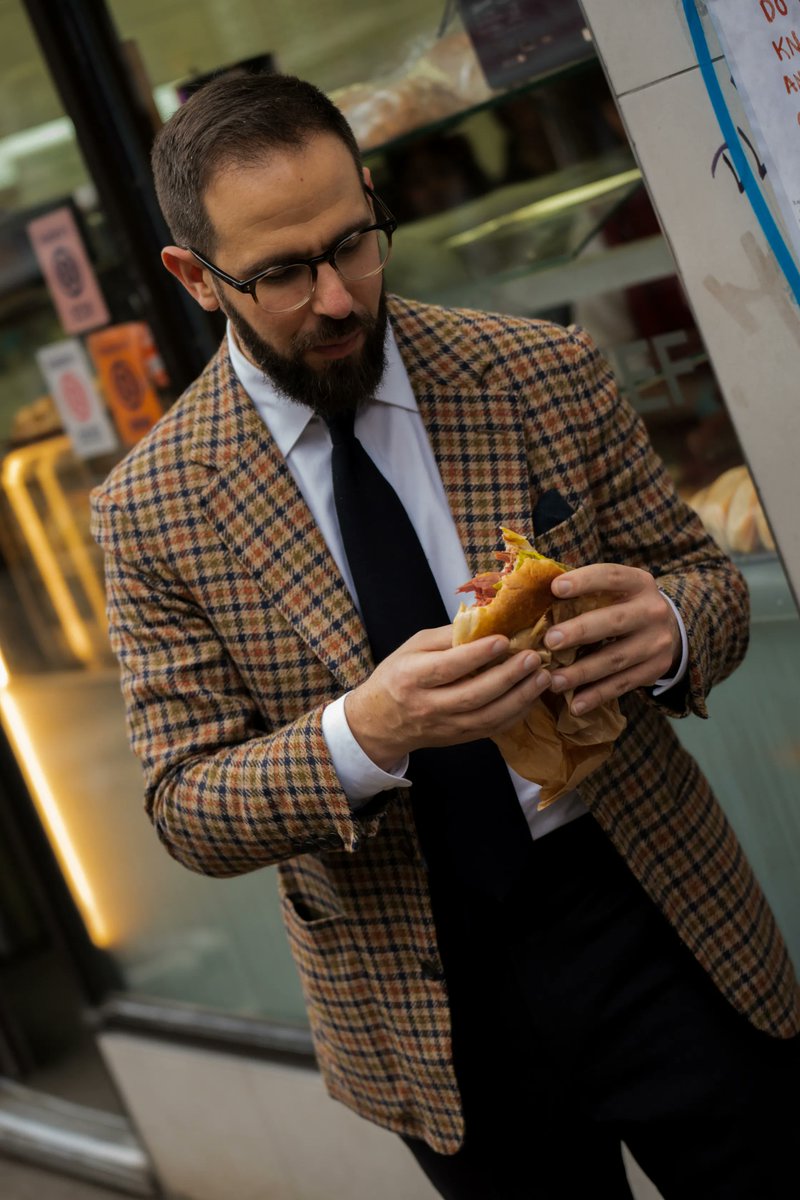
People were able to get away with more layers partly because stores offered clothes in specialized fabrics. For instance, this is a pure wool fabric, but the lighter weight and open weave make it extremely breathable on a hot day, especially if the garment is unlined.
From this, we get three reasons why people looked better in the past:
— Their clothes had "shape and drape"
— The had access to specialized fabrics
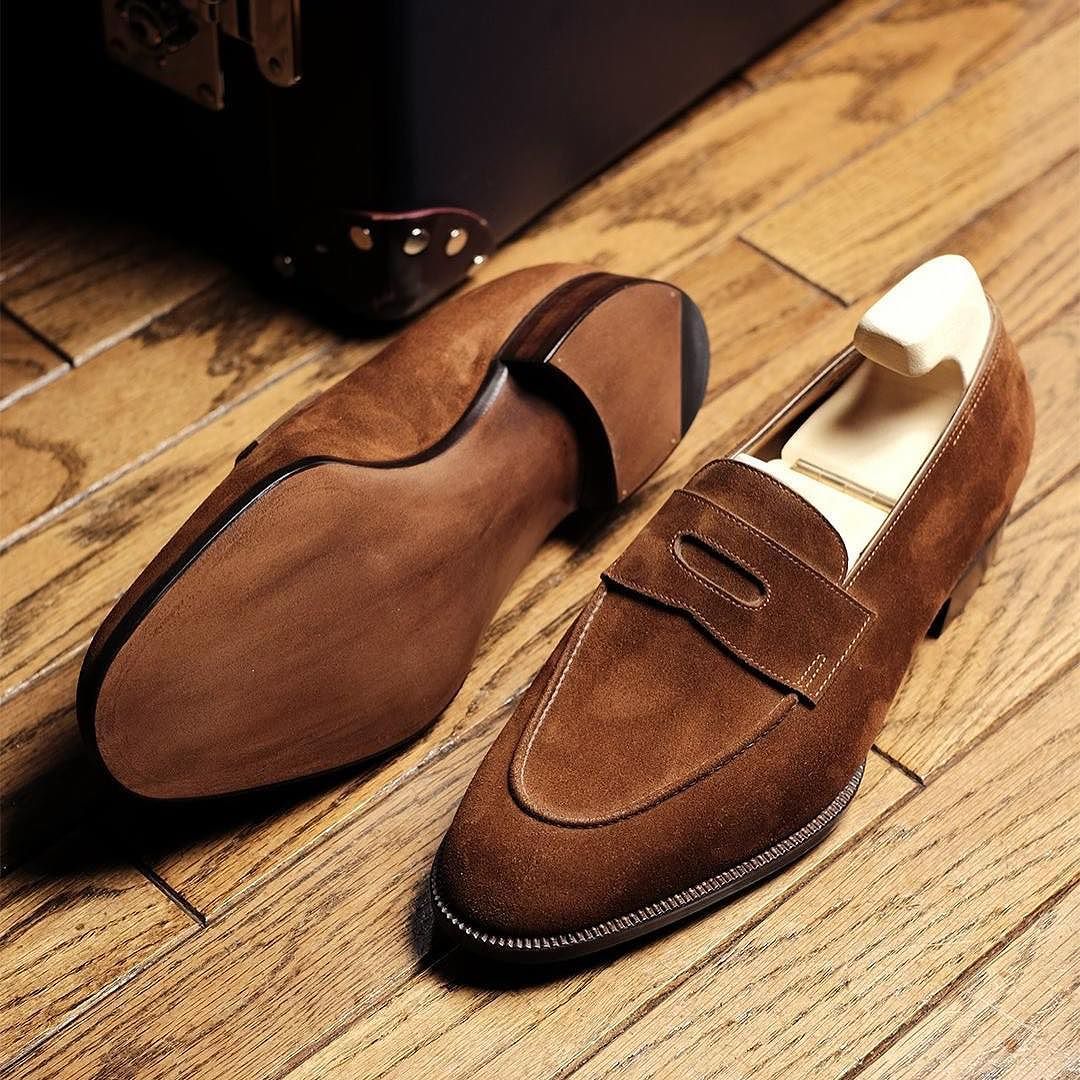
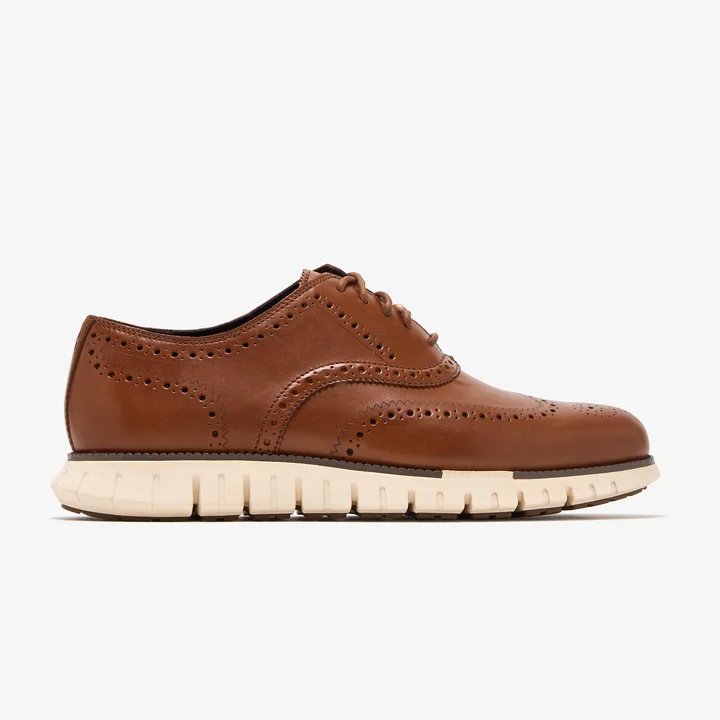
— They were more willing to put up with a little discomfort (e.g., compare the shoes on the left to the ones on the right)
— Their clothes had "shape and drape"
— The had access to specialized fabrics
— They were more willing to put up with a little discomfort (e.g., compare the shoes on the left to the ones on the right)
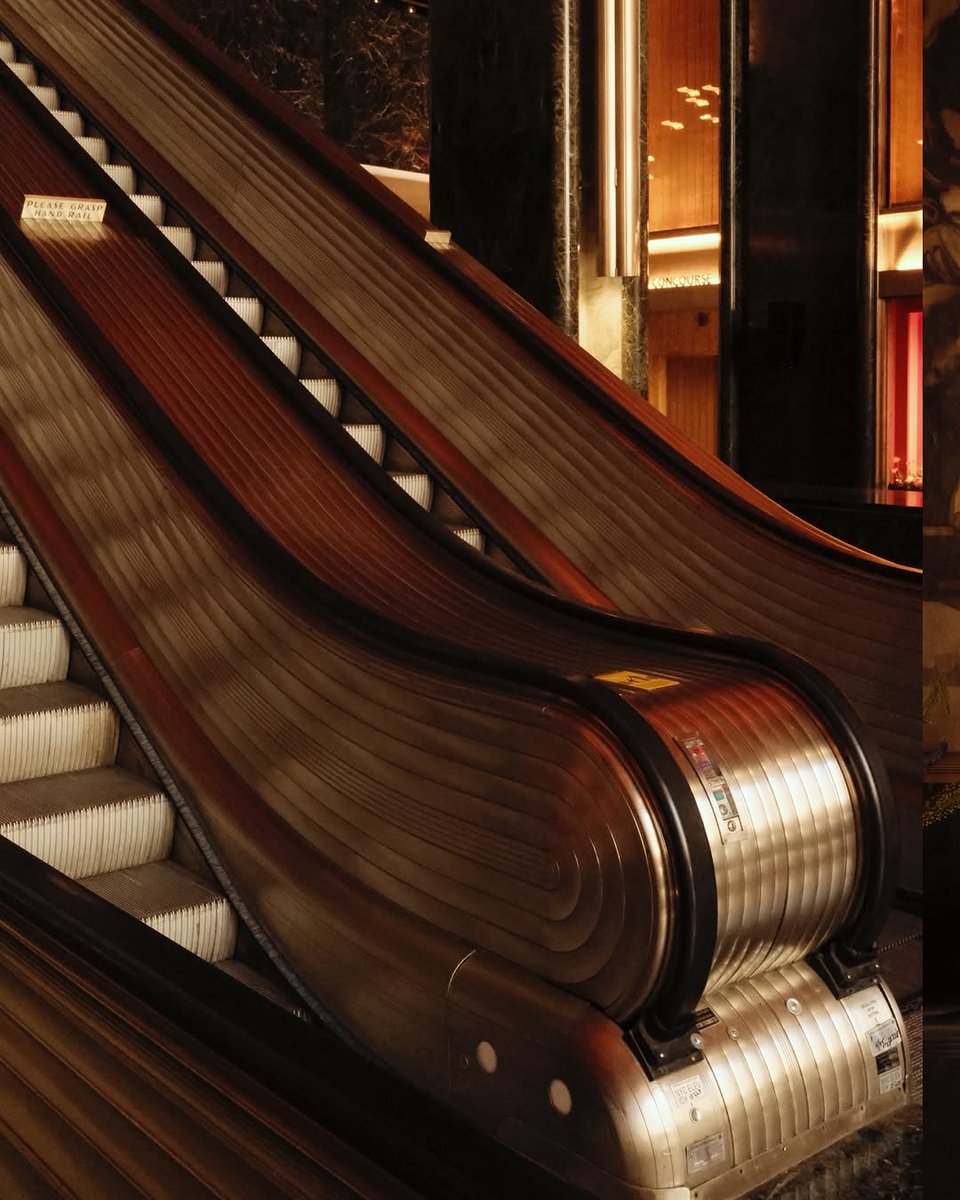
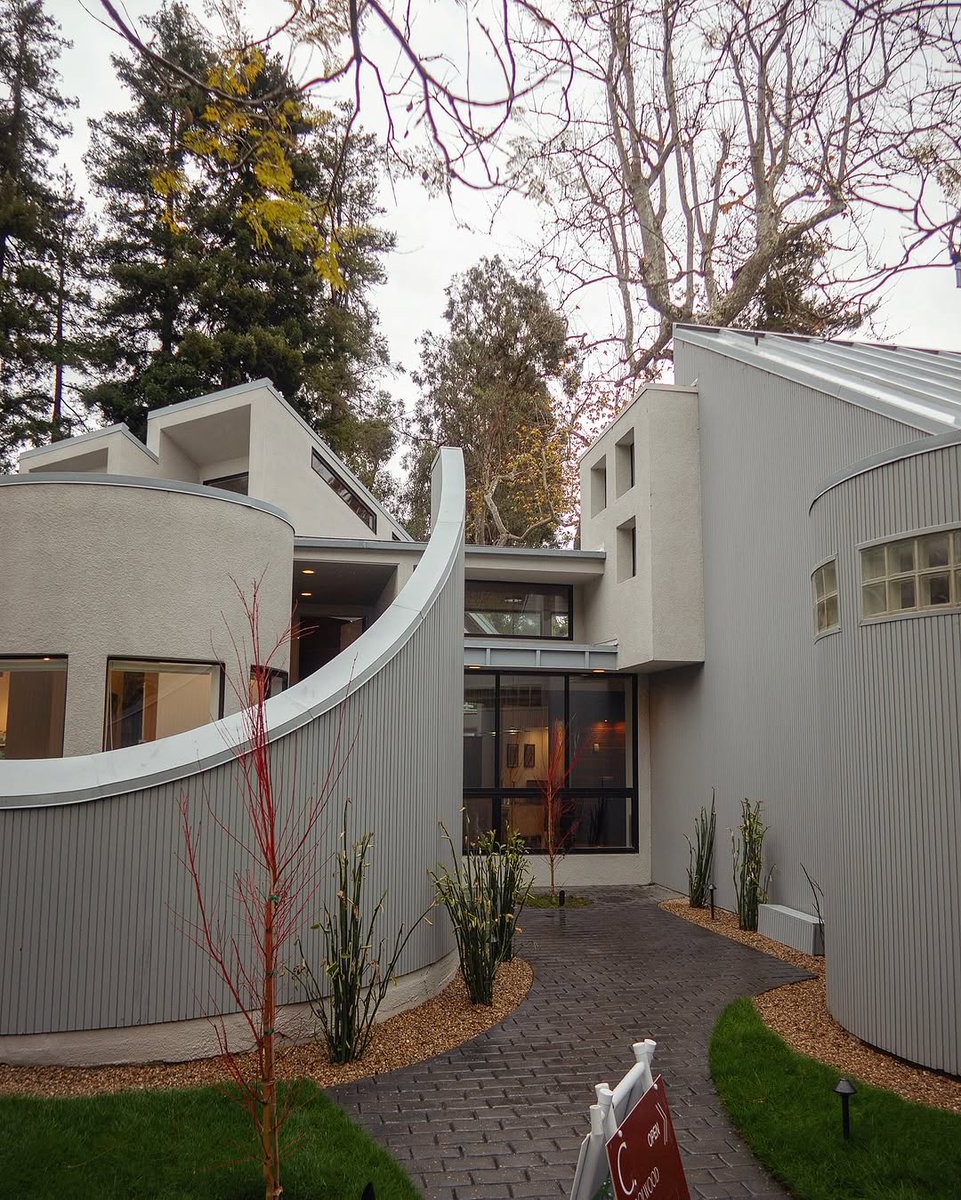
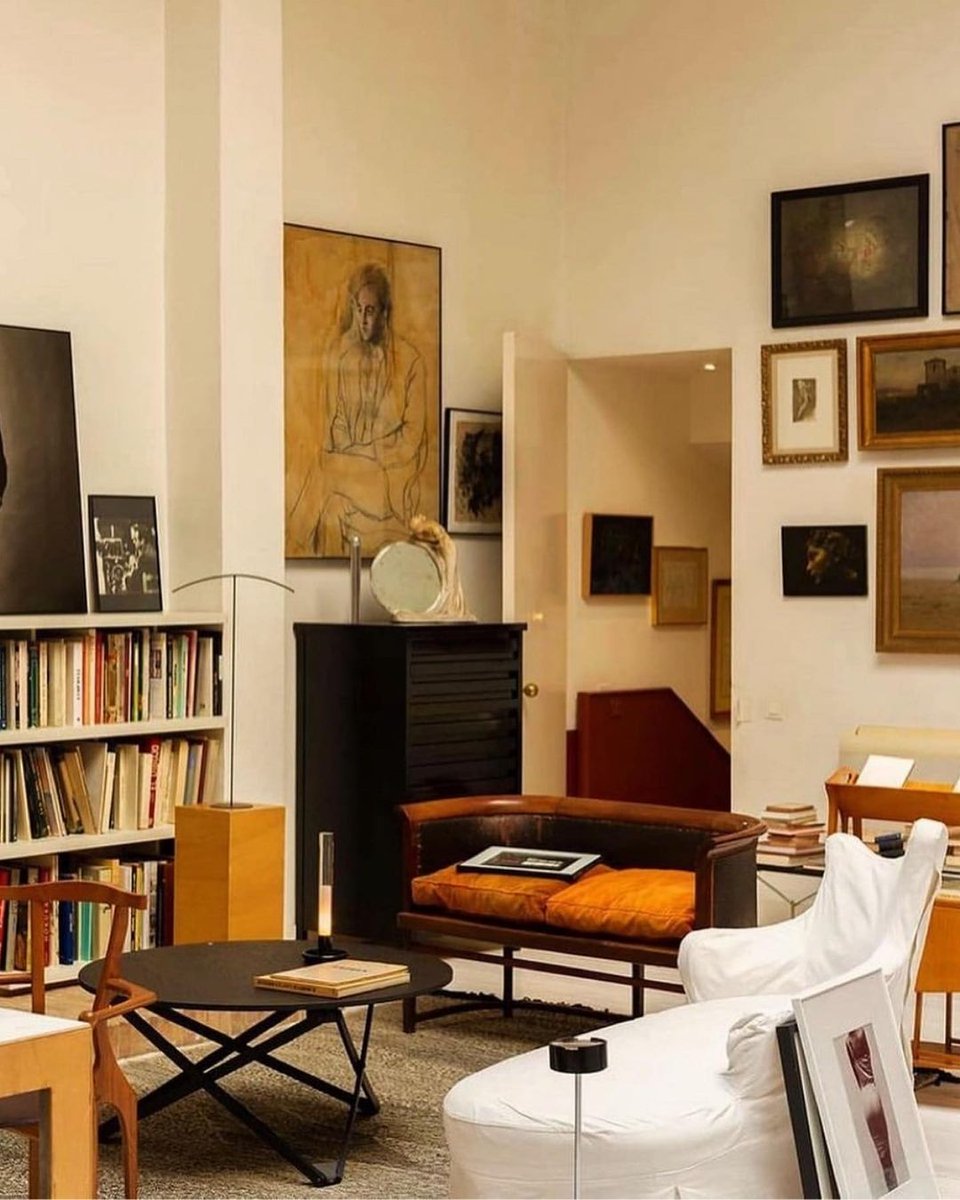
The first point — "shape and drape" — can be seen everywhere around us, not just in clothing. Even in architecture, interior design, and furniture, things look more pleasing when they have distinctive and interesting shapes.
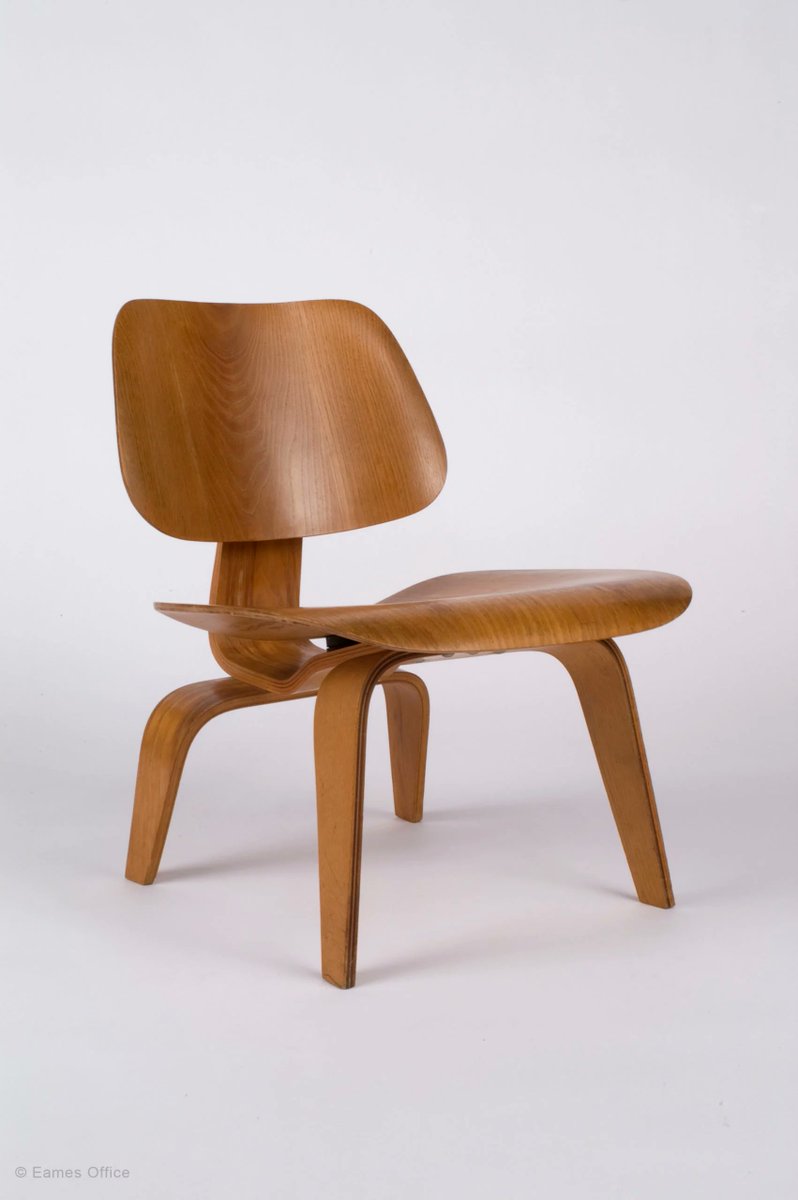
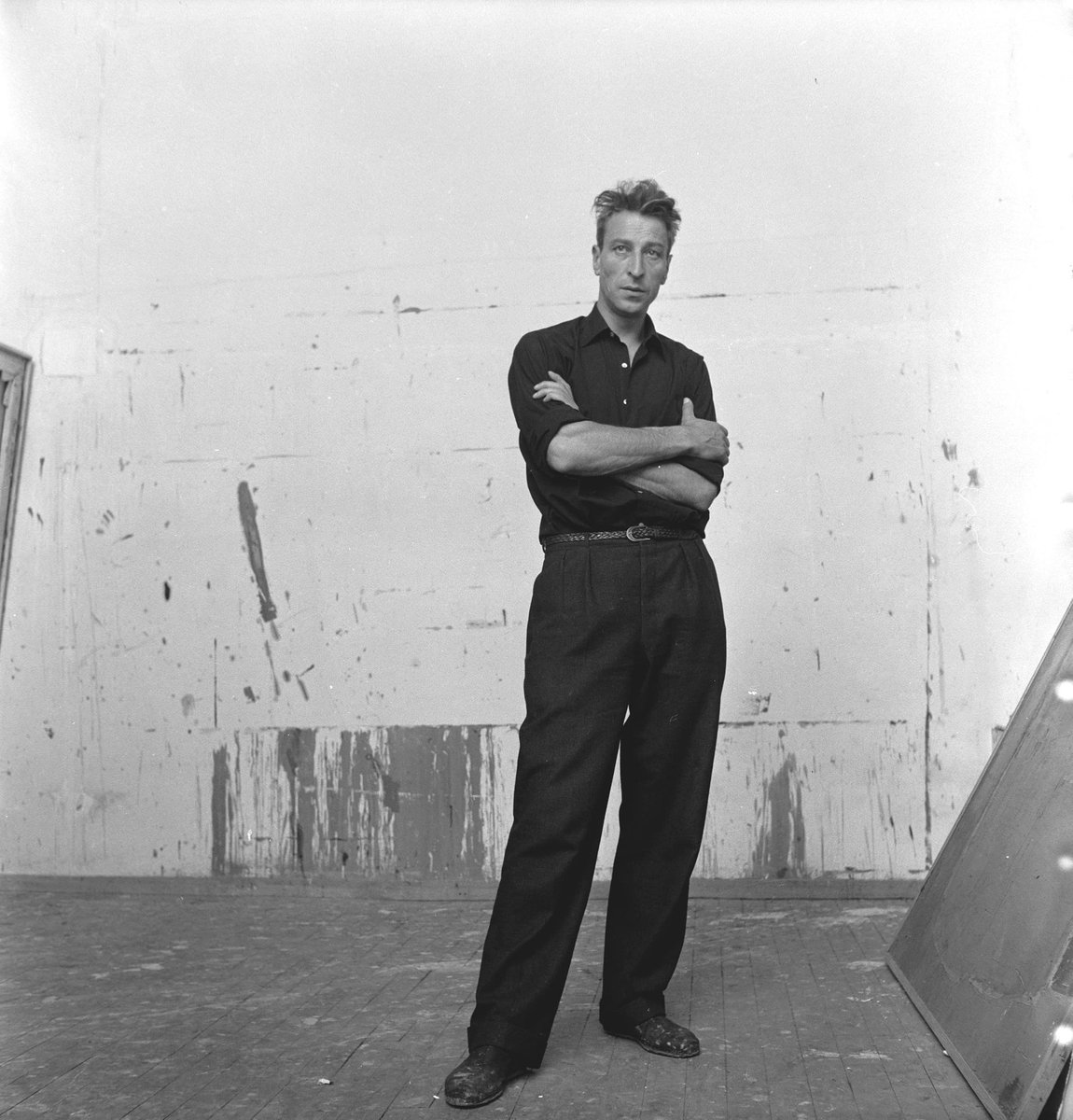
Even without the presence of a tailored jacket, many outfits in the past looked great because they conferred distinctive shapes — a boxier shirt, fuller pants, short shorts, etc.
Certain techniques, such as pleats, gave volume.
Certain techniques, such as pleats, gave volume.
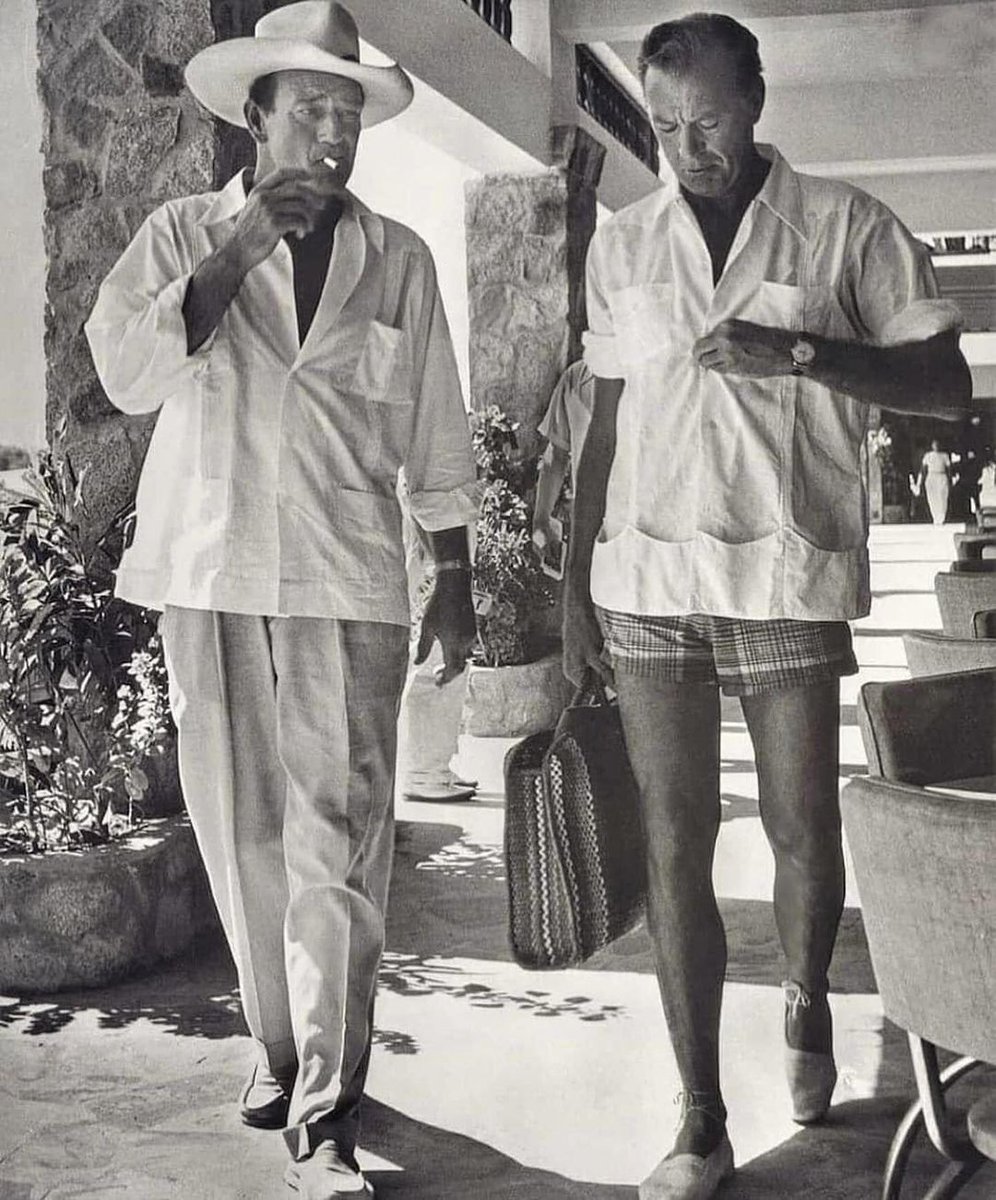
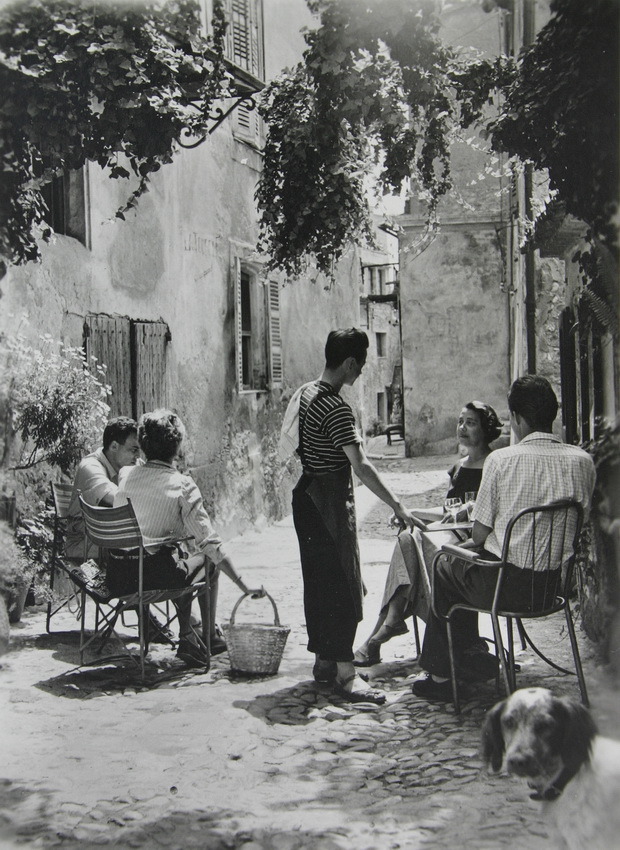
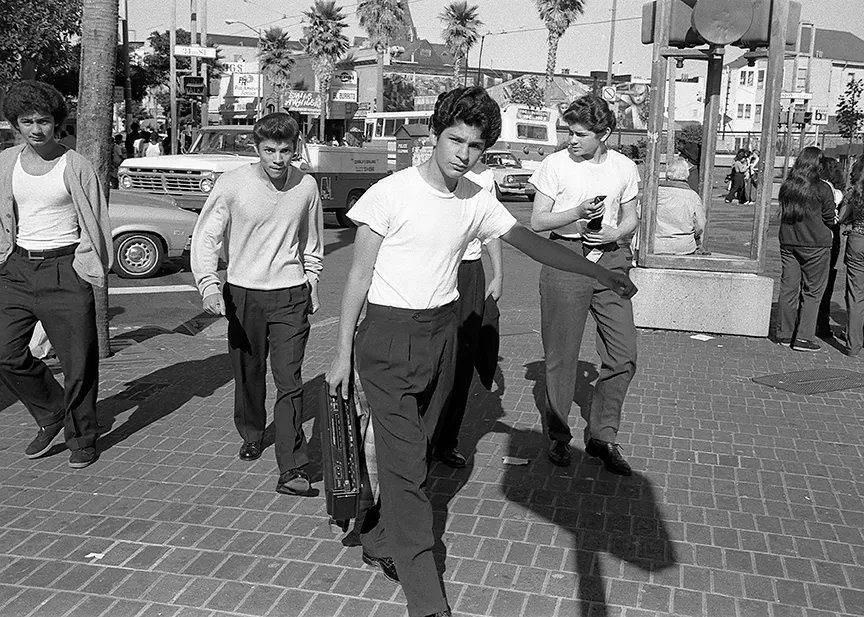
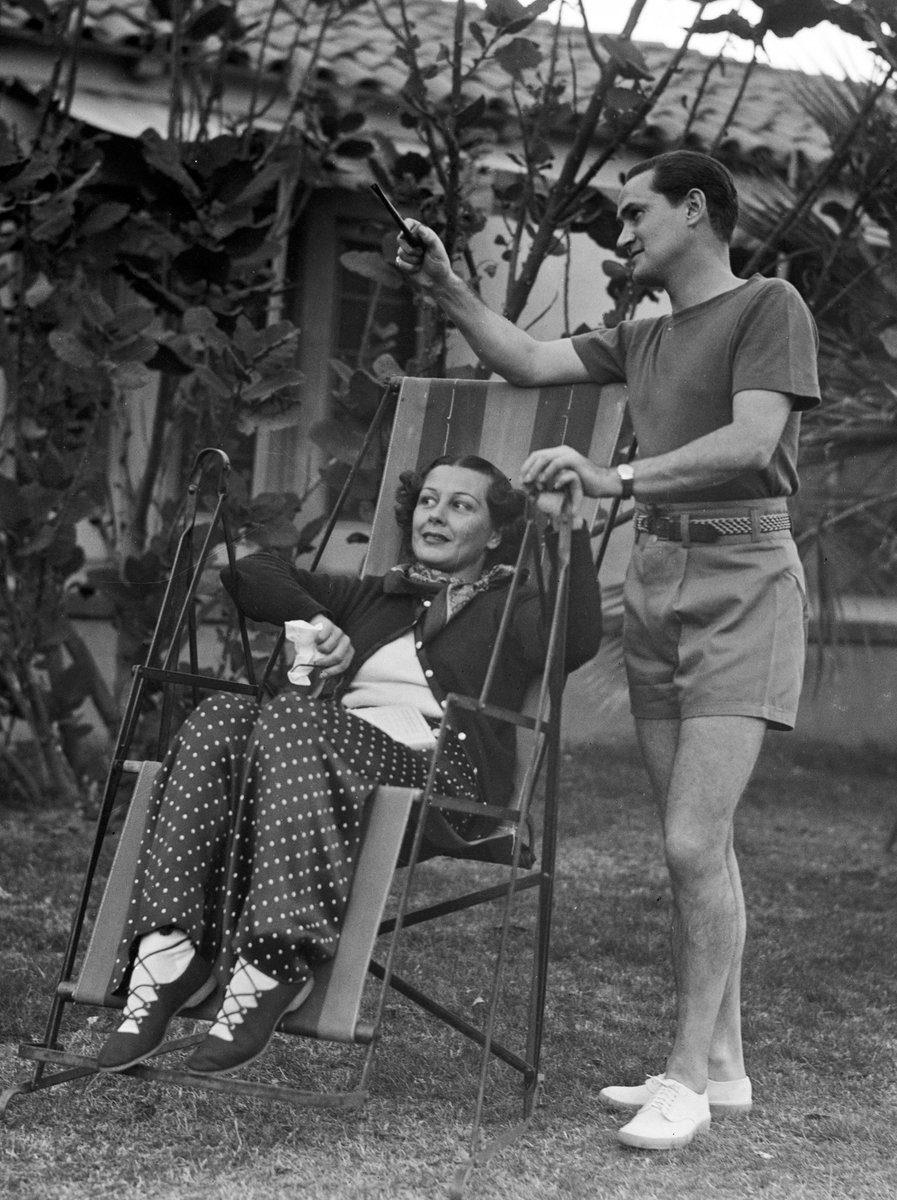
Even the details had shape: a camp collar, boat neck, or button-down.
Over the years, these details have shrank, if not disappeared altogether. Compare the 3rd and 4th slides. One button-down collar has a full roll; the other looks like its apologizing for its own existence.
Over the years, these details have shrank, if not disappeared altogether. Compare the 3rd and 4th slides. One button-down collar has a full roll; the other looks like its apologizing for its own existence.
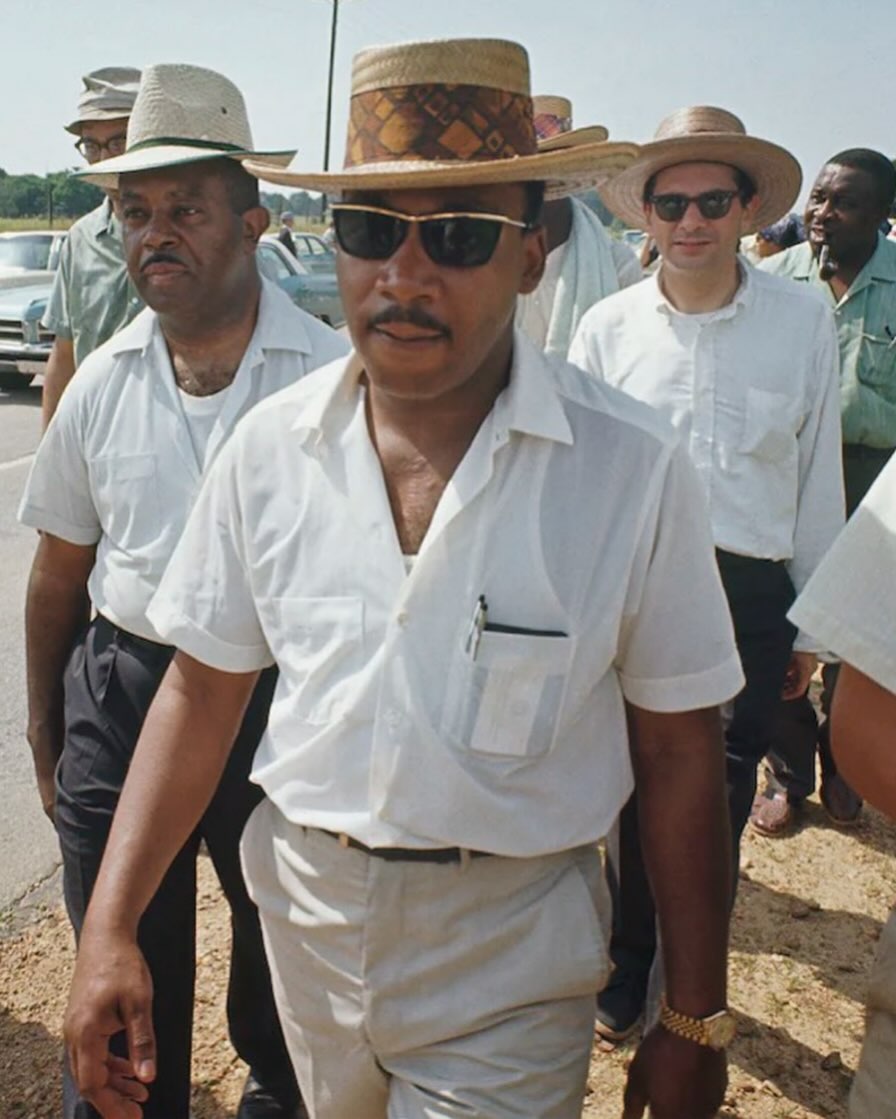
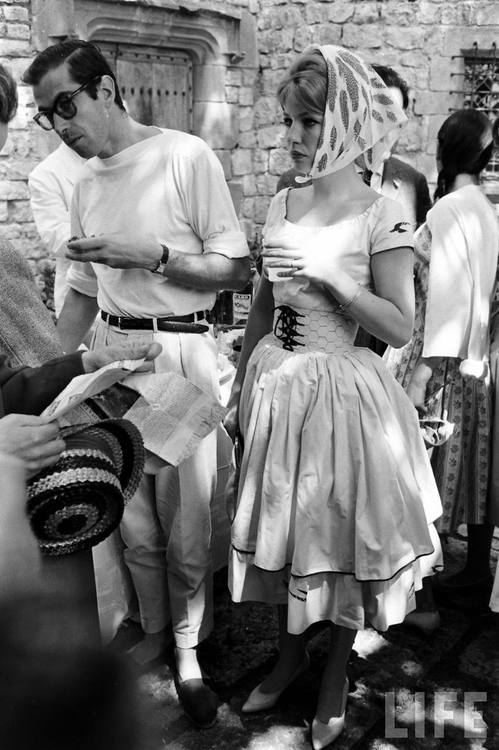
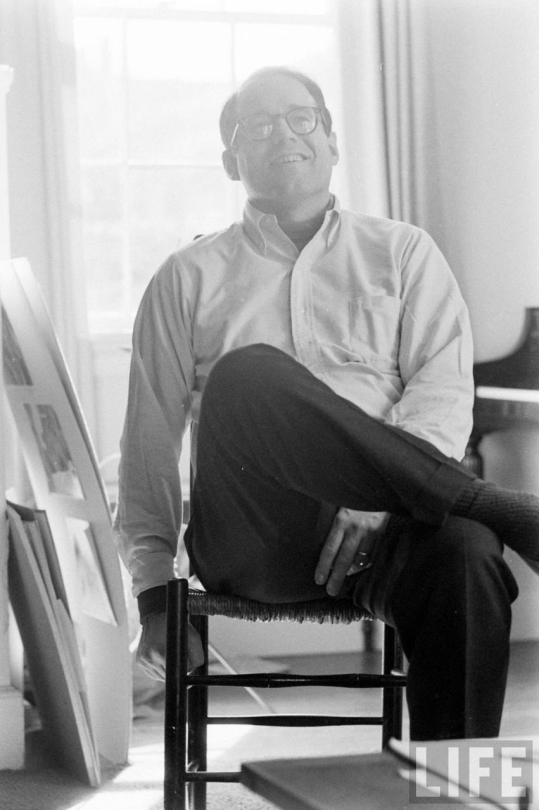
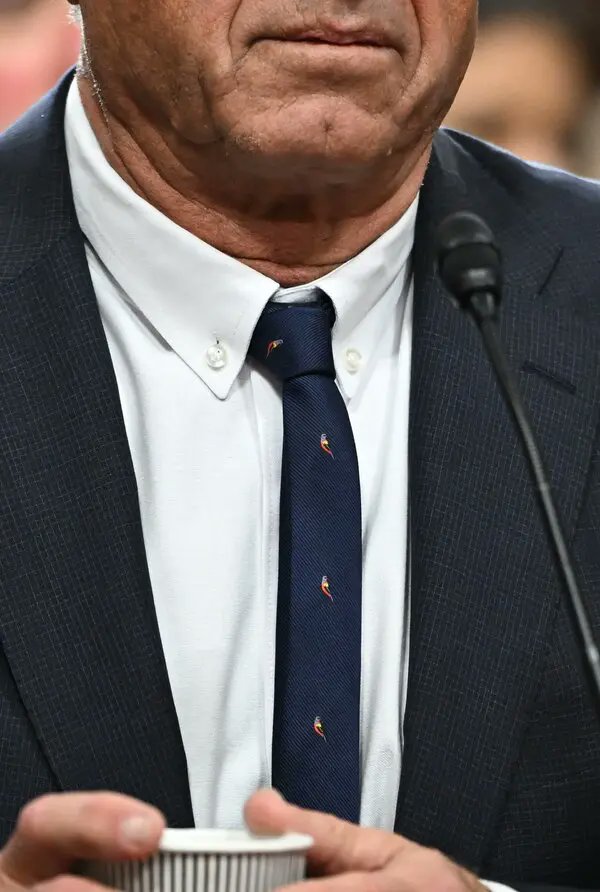
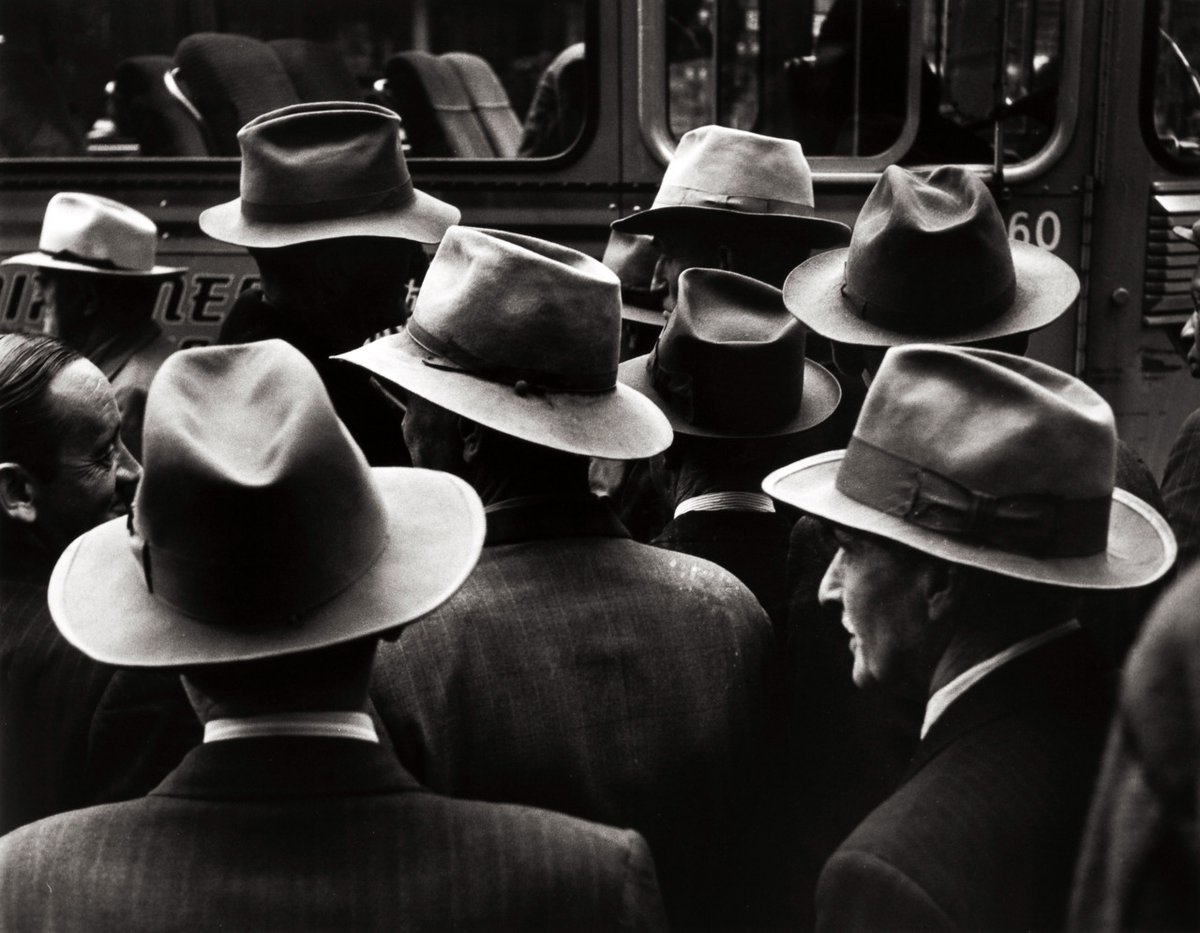
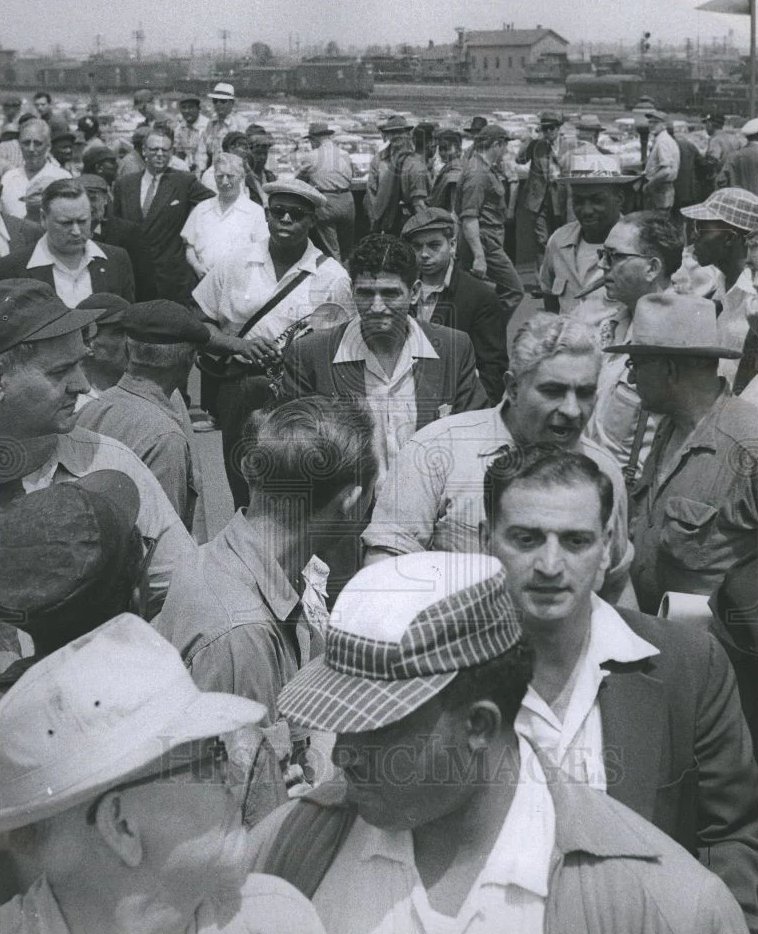
Over the years, men have slowly molted their layers — first by shedding the tailored jacket, then the necktie, and in some cases, even the collared shirt. They have long ditched hats, which conferred another type of shape to an outfit.
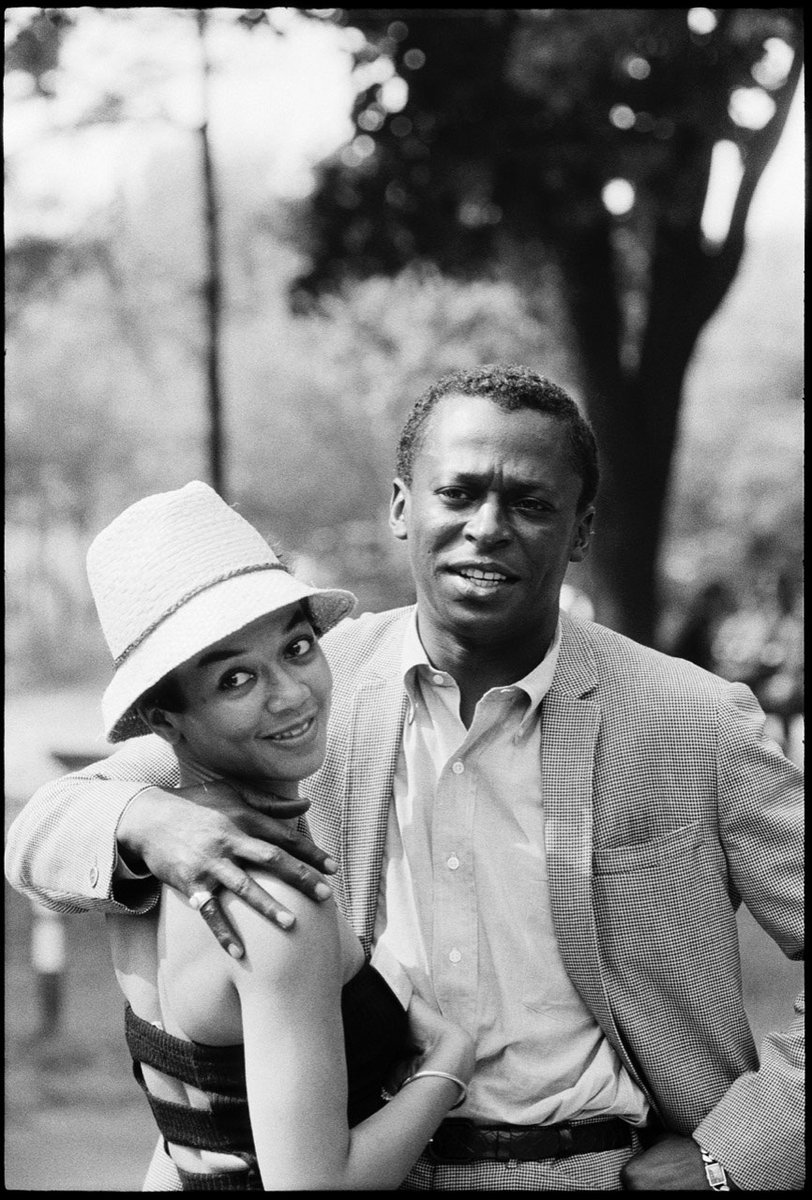
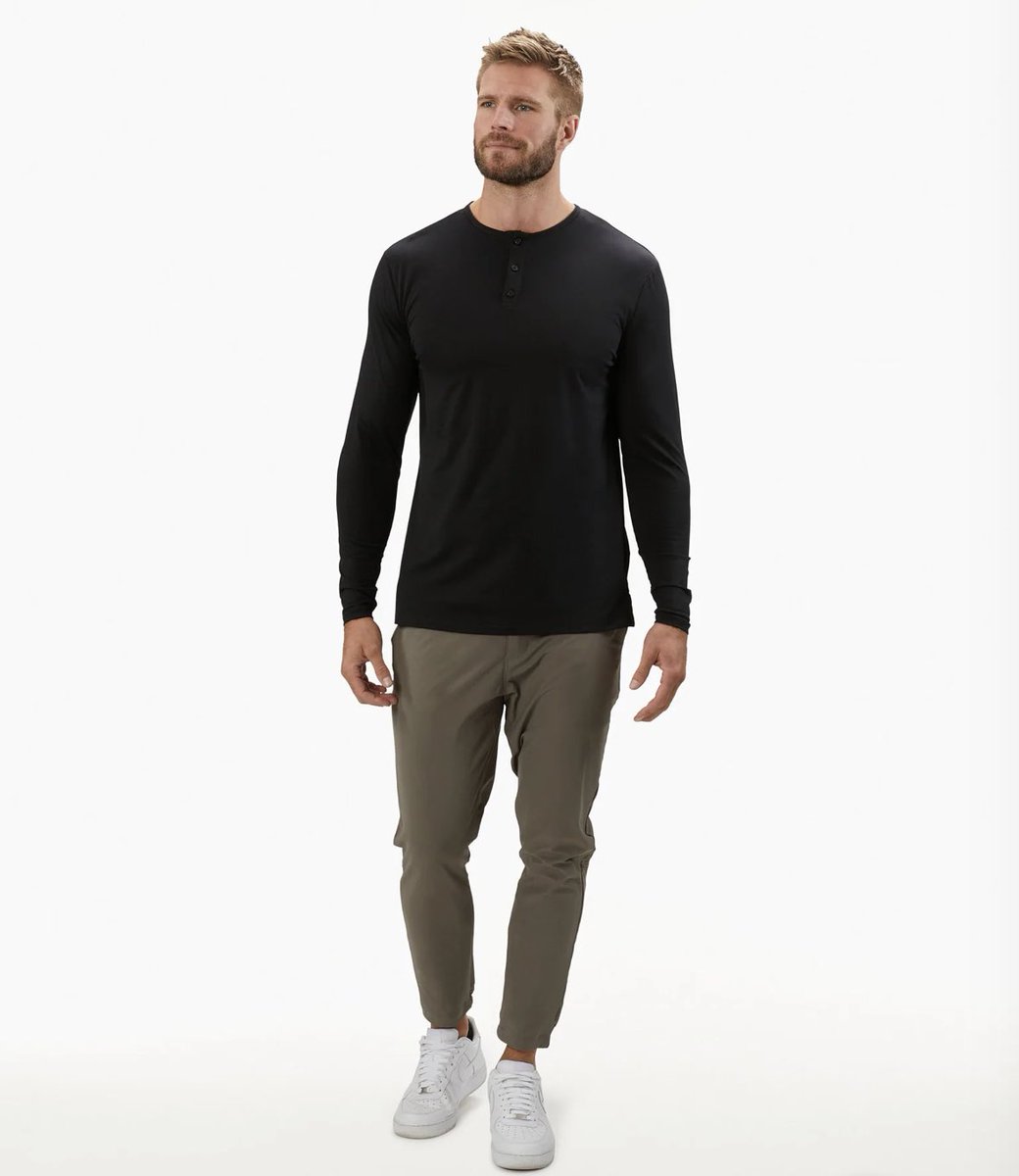
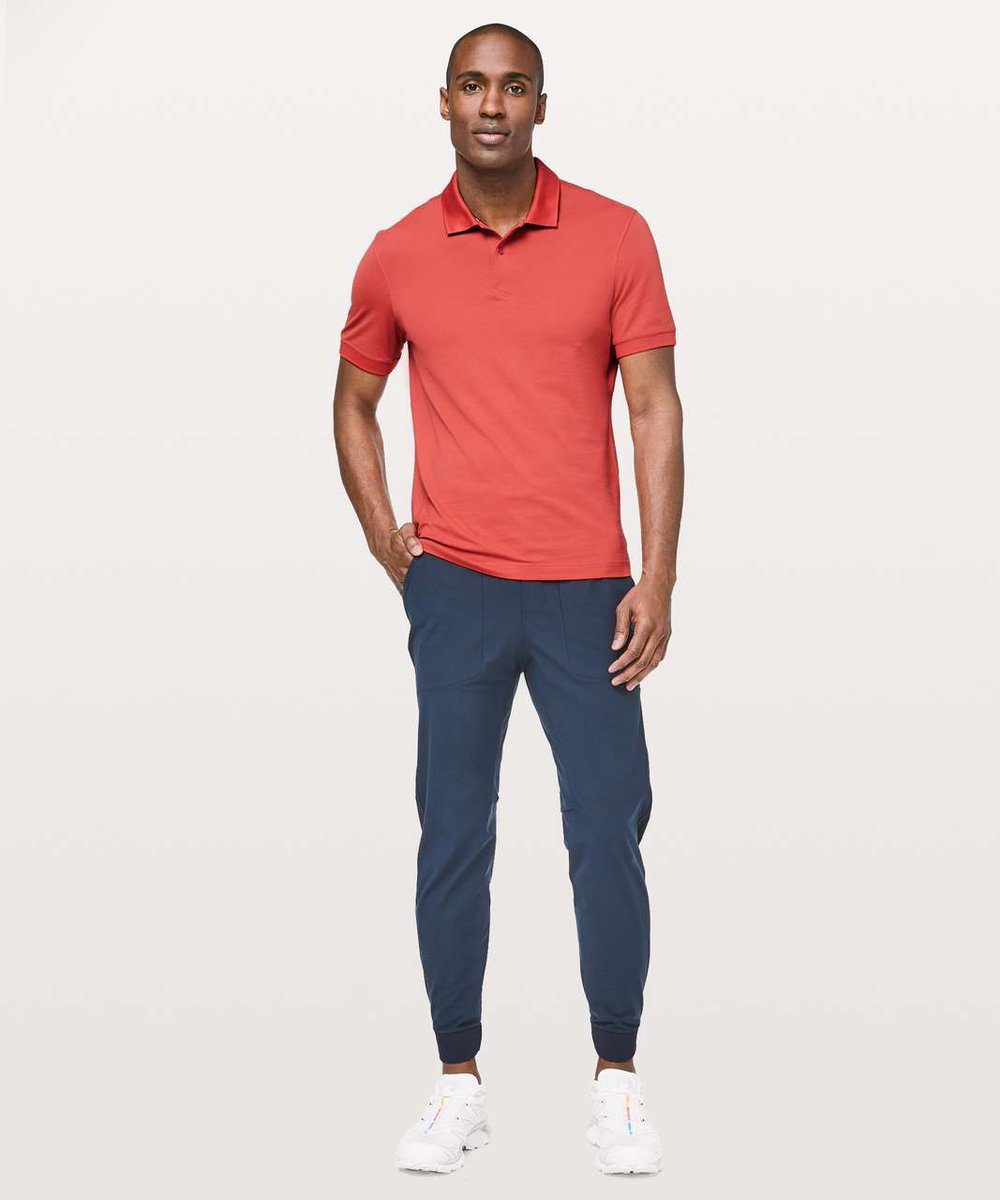
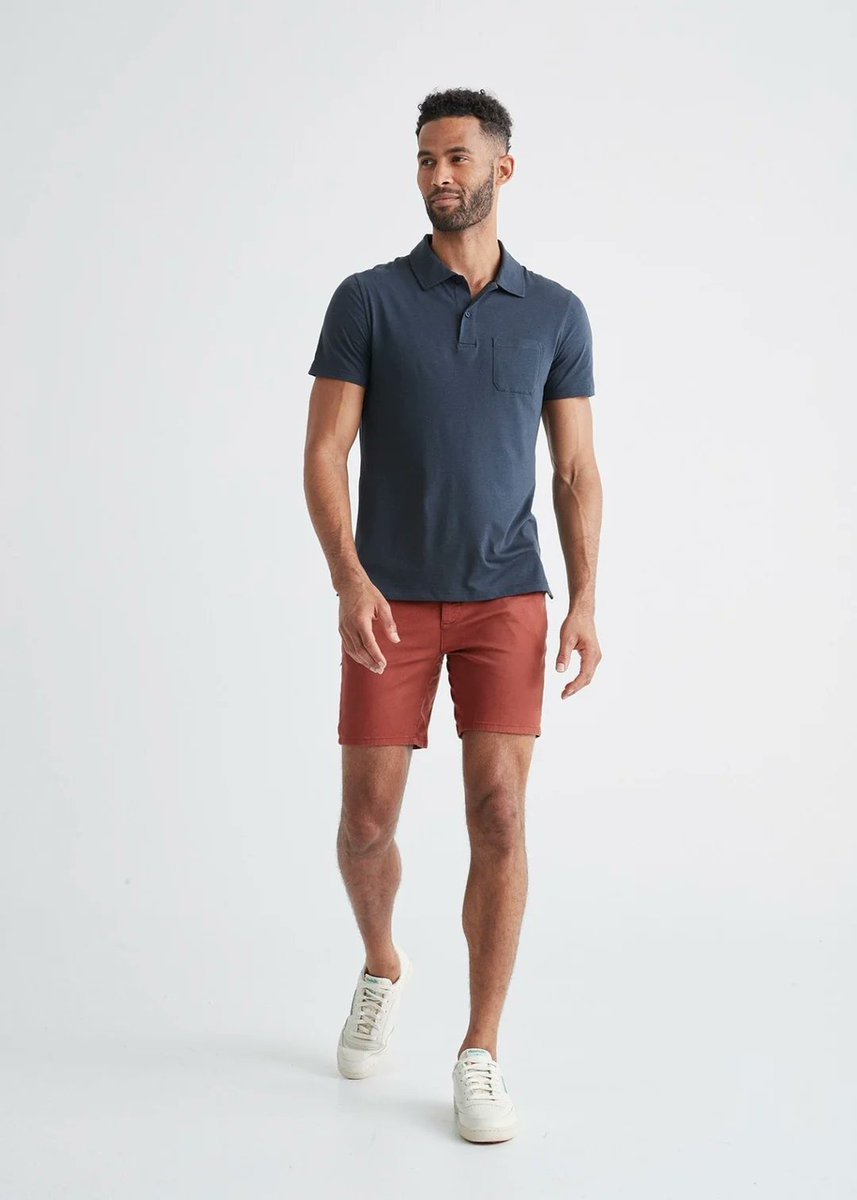
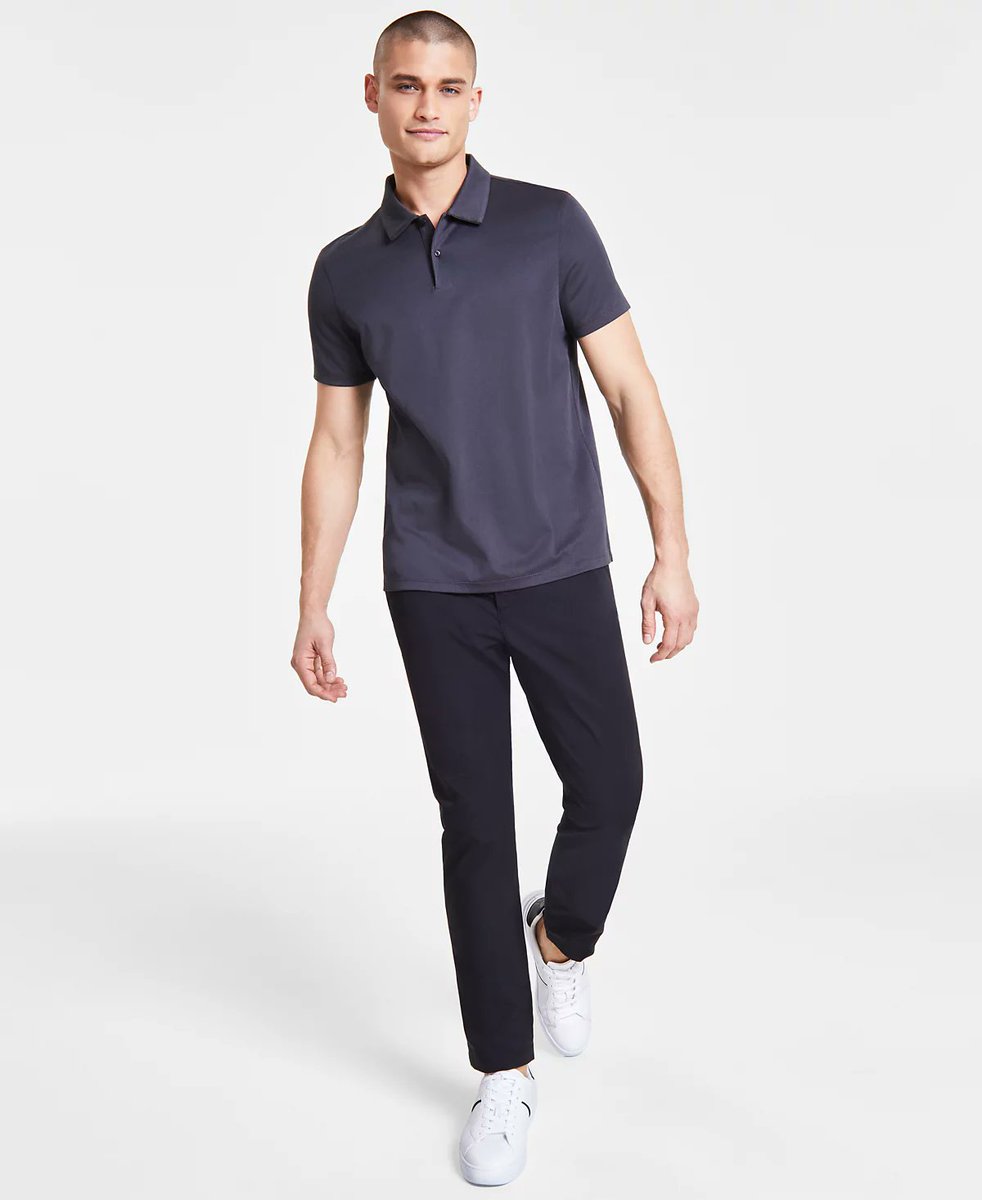
The rise of slim fit, low rise pants and technical polos that cling to the body means you end up getting an outfit that's barely even there. There's very little texture, detailing, or even a distinctive silhouette. May as well be wearing two smooth pieces of Saran Wrap.
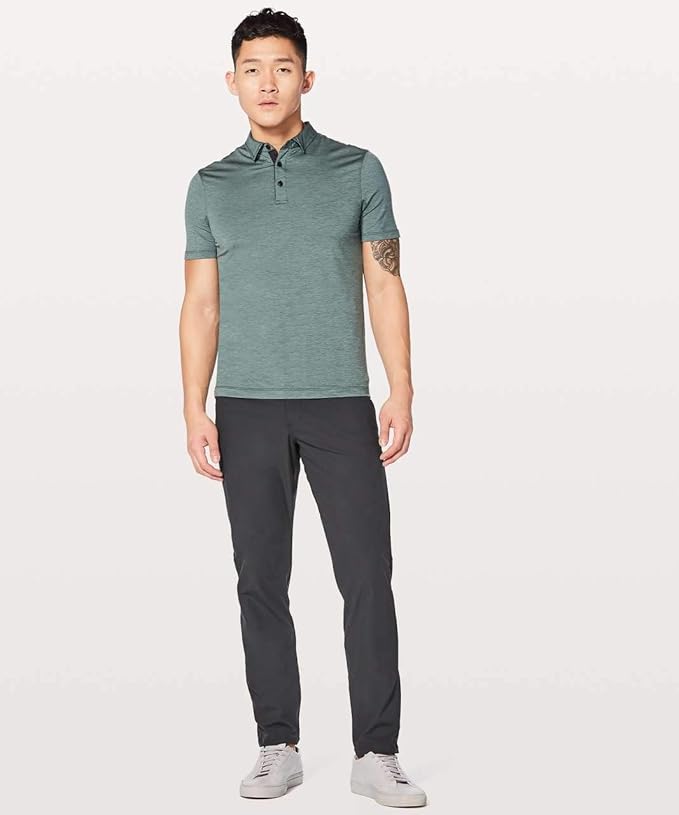
The idea of "shape and drape" also includes proportion. IMO, the man in the white t-shirt and fuller legged pants looks better than the man in the blue polo because the higher rise pants lends better proportions.
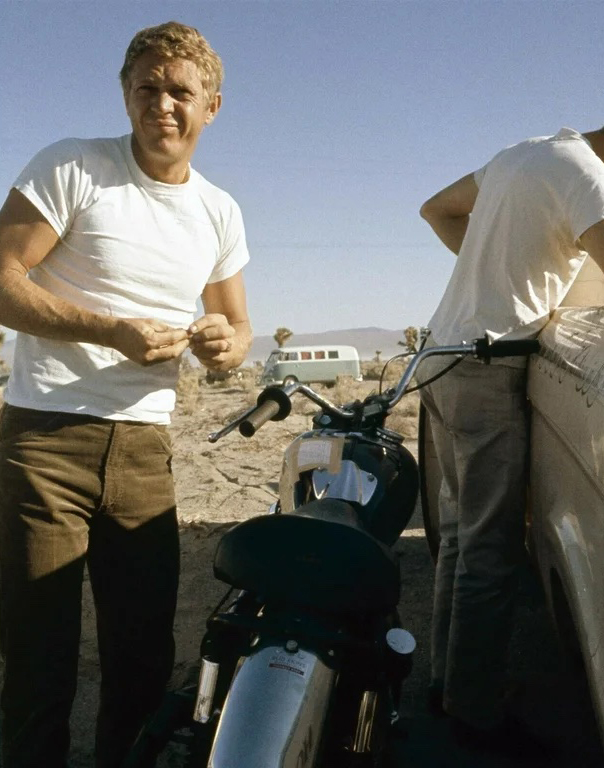
Similarly, I think McQueen looks better here because the t-shirt on the right is just too long. The ratio between the upper and lower halves of an outfit will depend on the intended aesthetic (and there are many aesthetics), but the "rule of thirds" is a good starting point.
We now move to our second point: specialized fabrics.
We have specialized fabrics today, but they are built for performance, not aesthetics. The nylon pants on the left are wrinkly (thus, they don't drape cleanly). On the right, we see a cleaner line (good drape).
We have specialized fabrics today, but they are built for performance, not aesthetics. The nylon pants on the left are wrinkly (thus, they don't drape cleanly). On the right, we see a cleaner line (good drape).
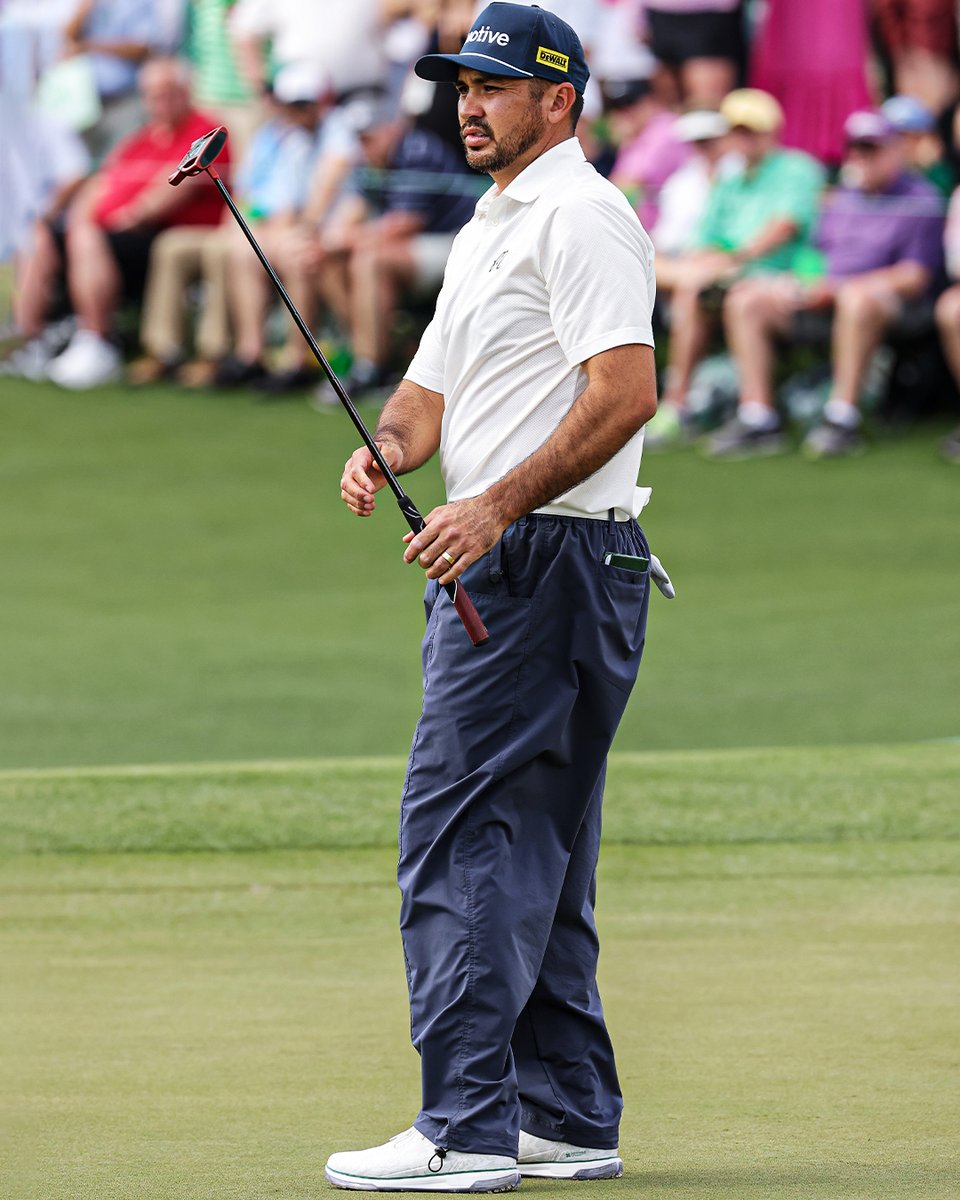
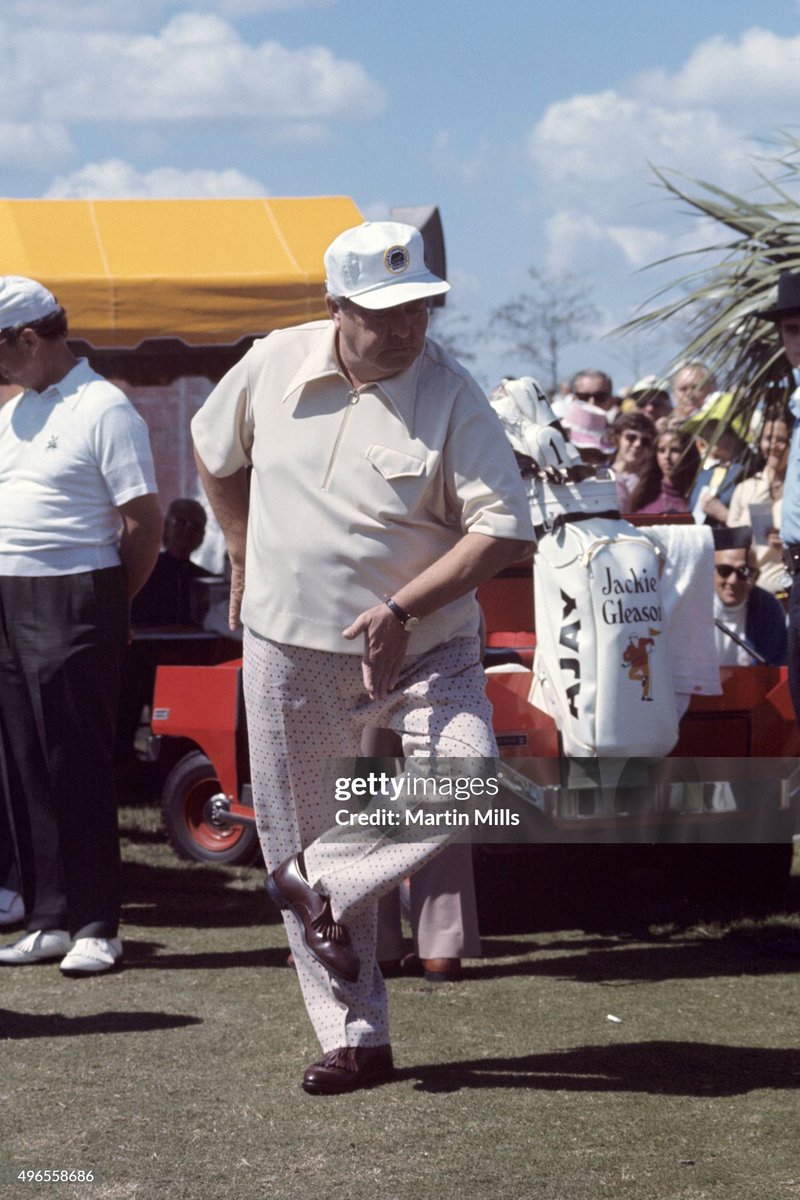
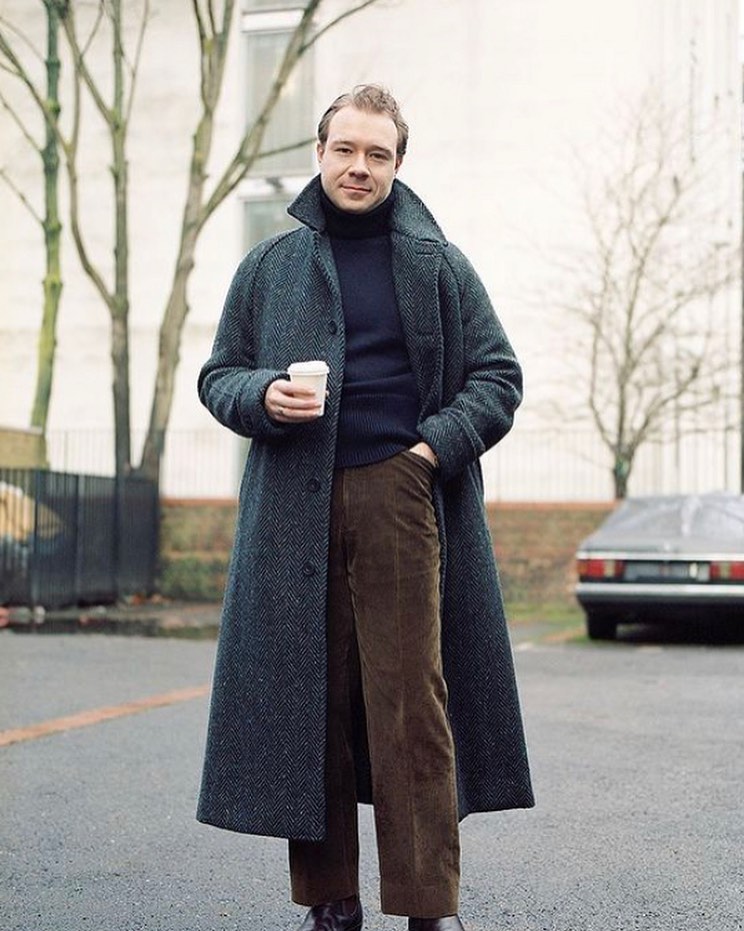
When you look at photos of well-dressed men in the past or even today, their trousers often drape well because they are cut from heavier wool fabrics. Some can still be comfy bc of the open weave.
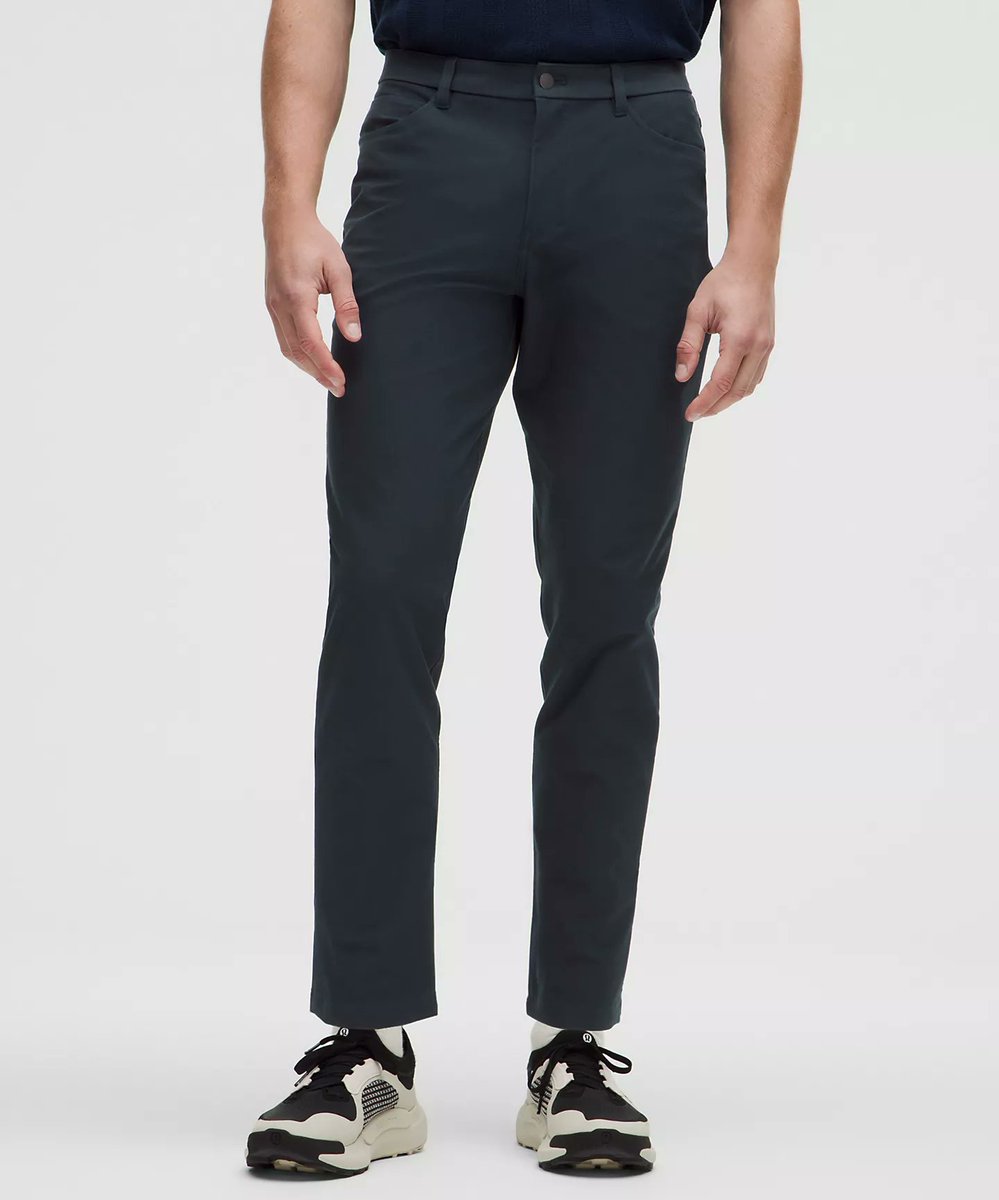
Last photo shows Lululemon's popular ABC pants, made from polyester. Hangs poorly
Last photo shows Lululemon's popular ABC pants, made from polyester. Hangs poorly
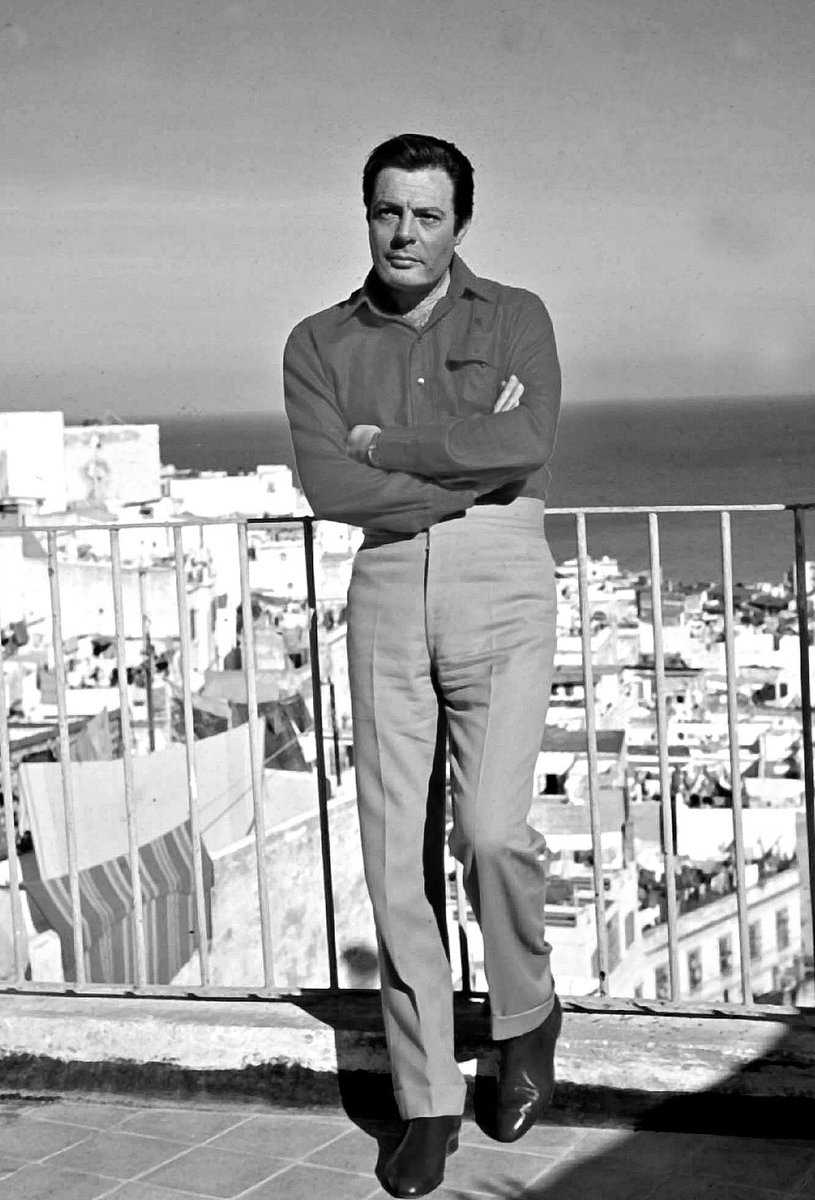
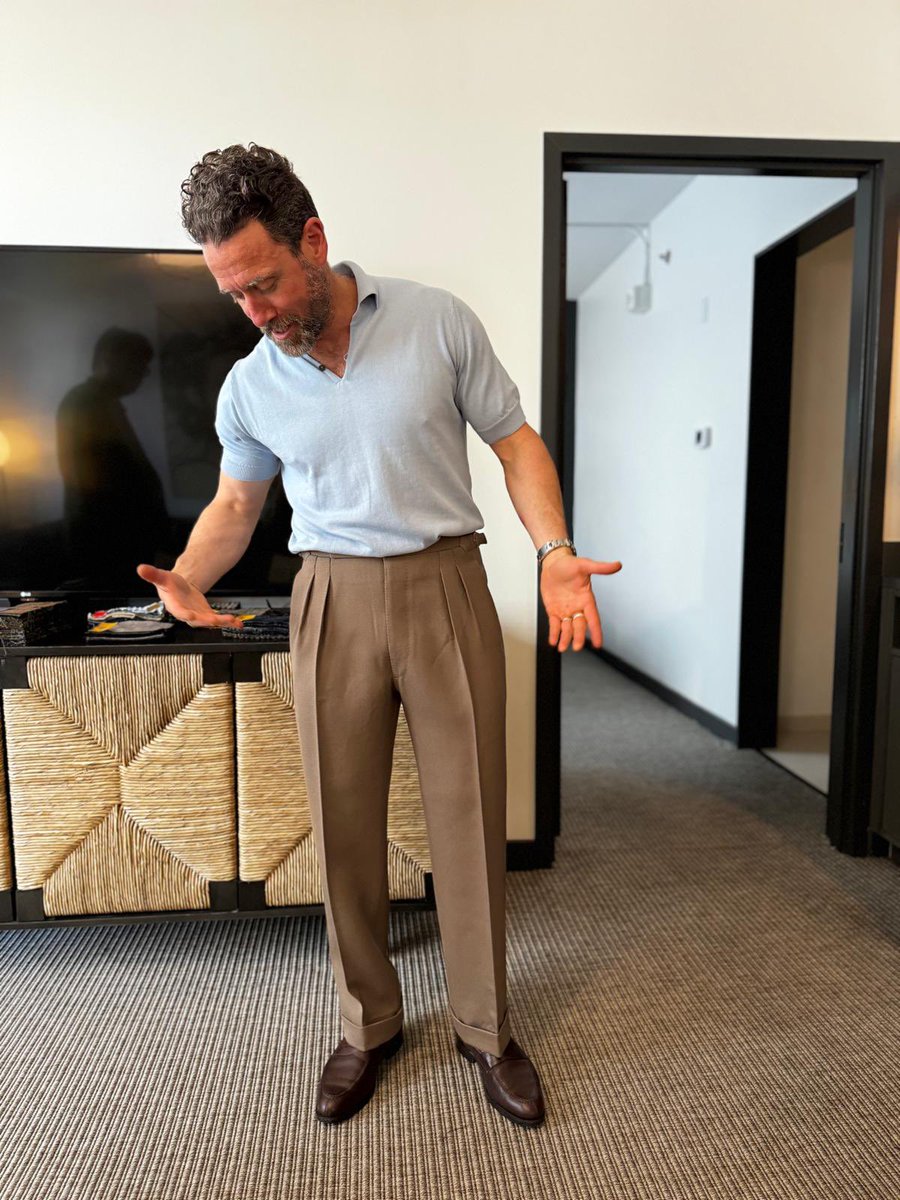
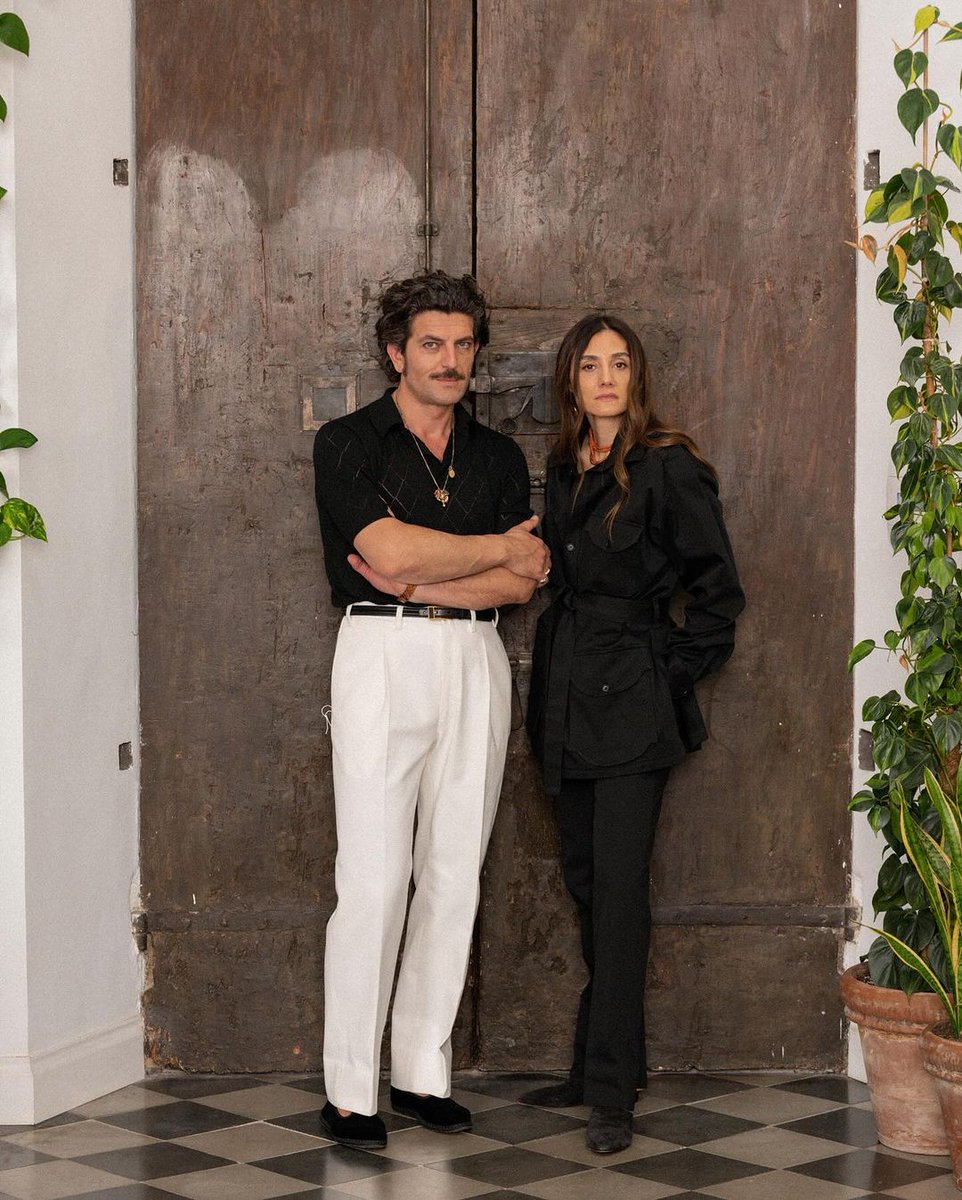
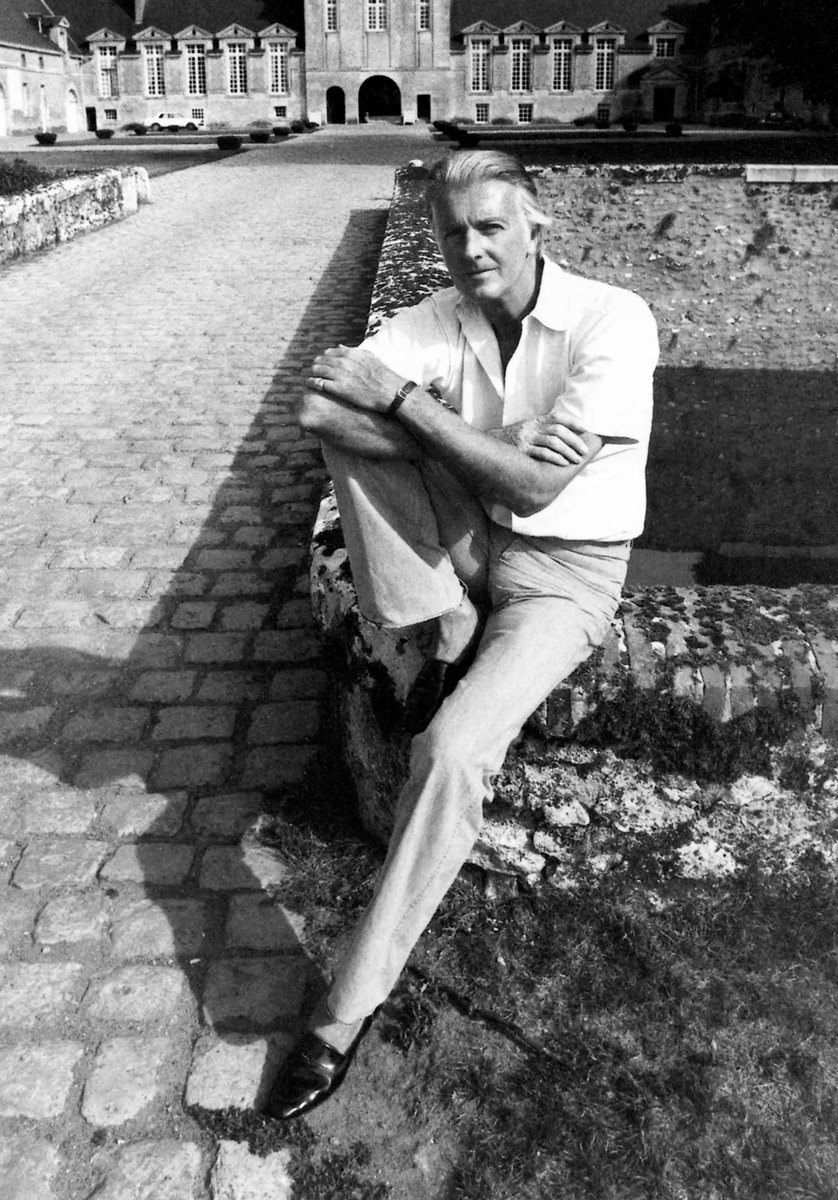
It can be remarkable to see how such small details can affect an outfit: just a bit more room, a more interesting shape, and natural materials. Combined with a better pair of shoes — even if they may not be cloud cushion soft — and you have a better summer outfit.
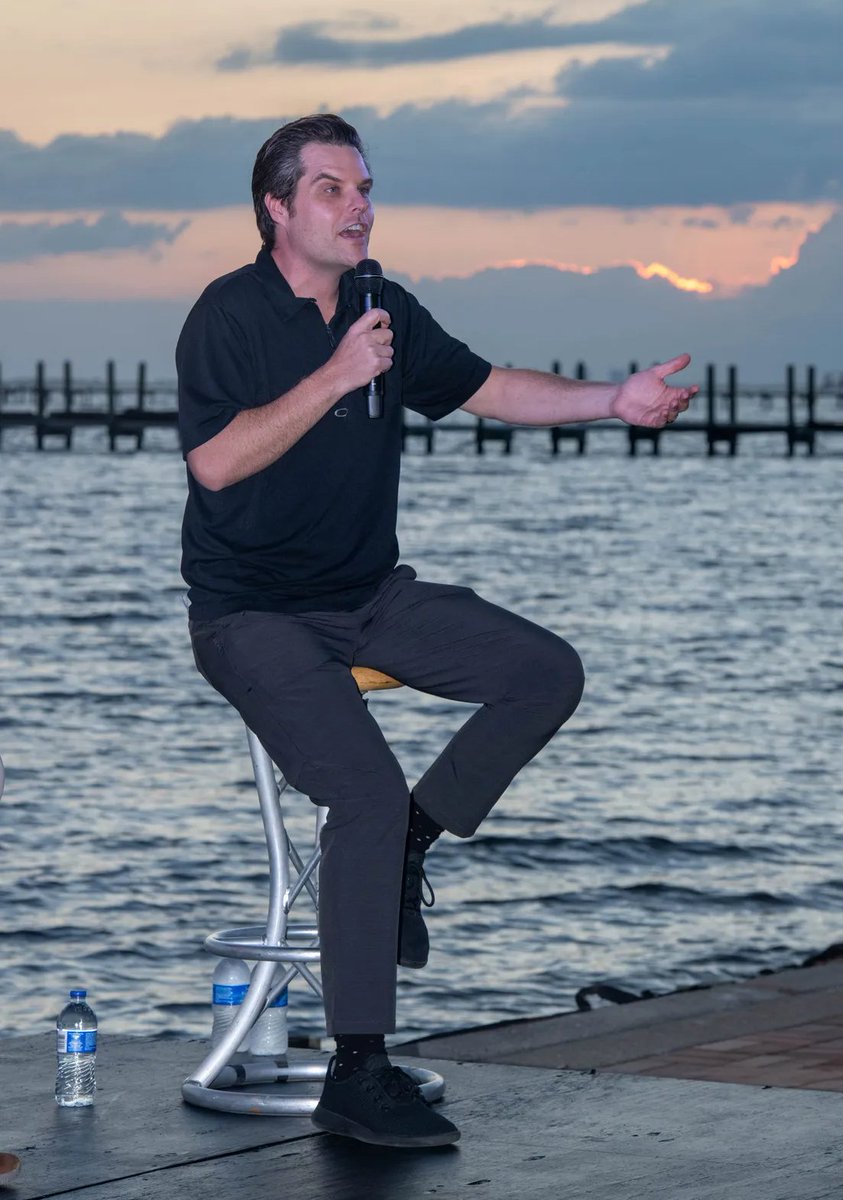
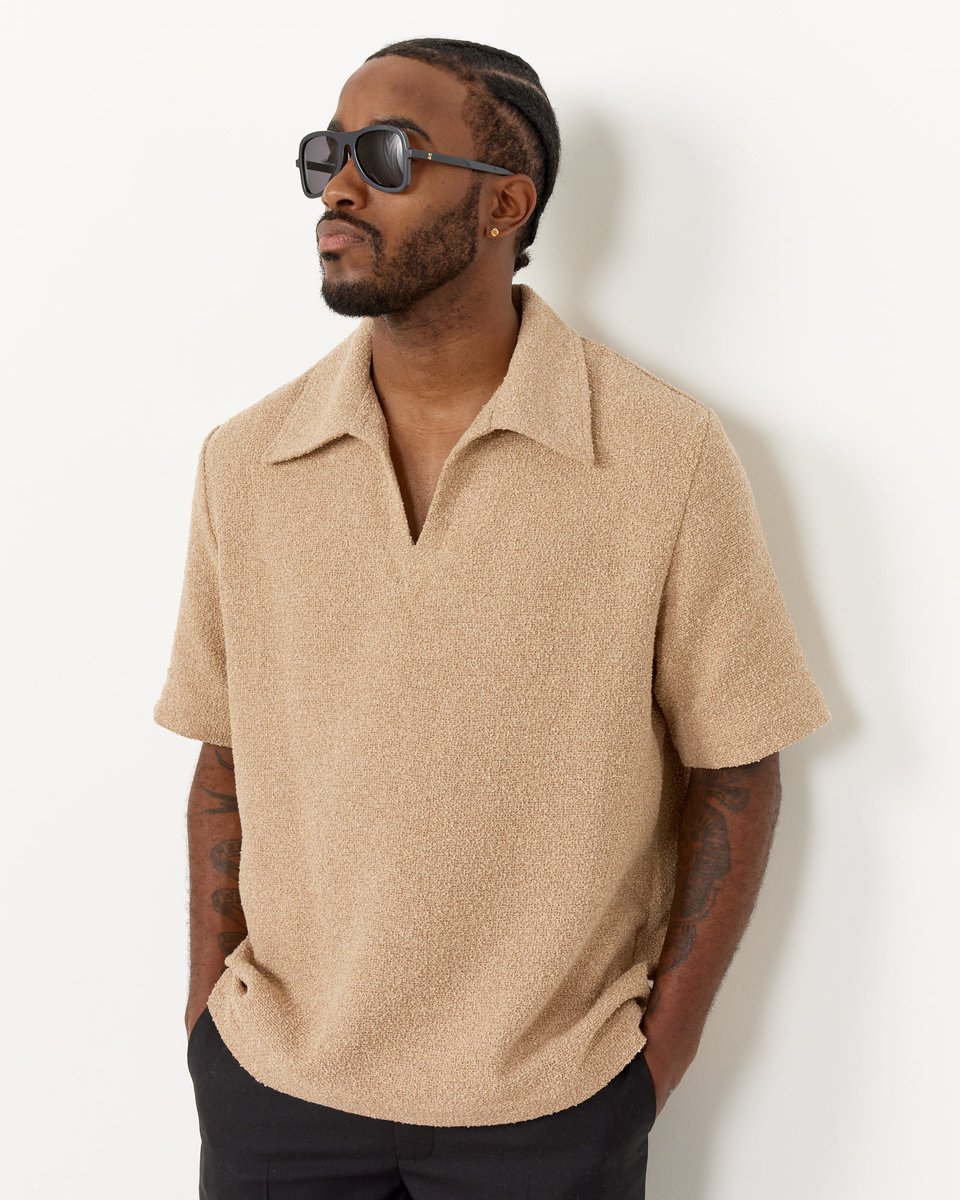
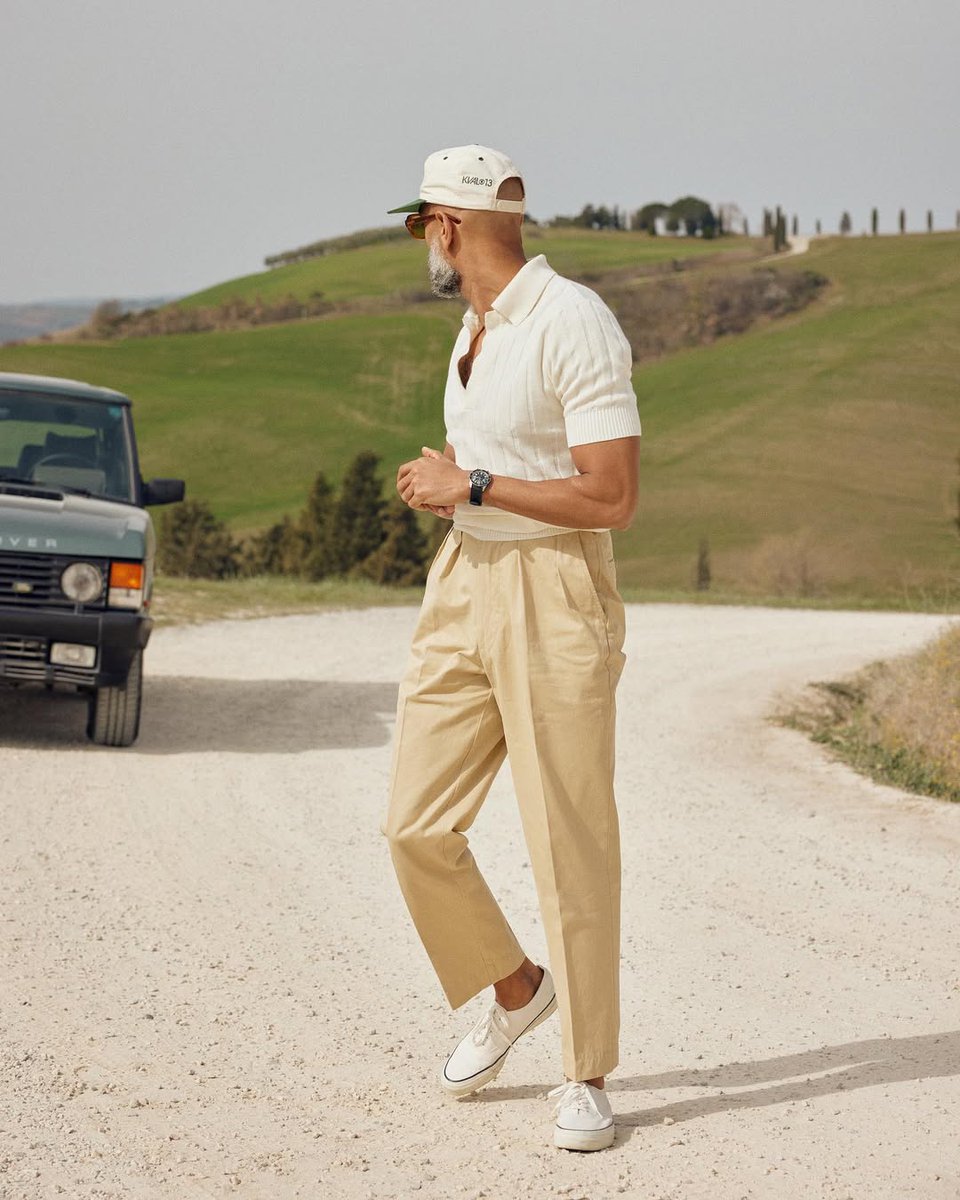
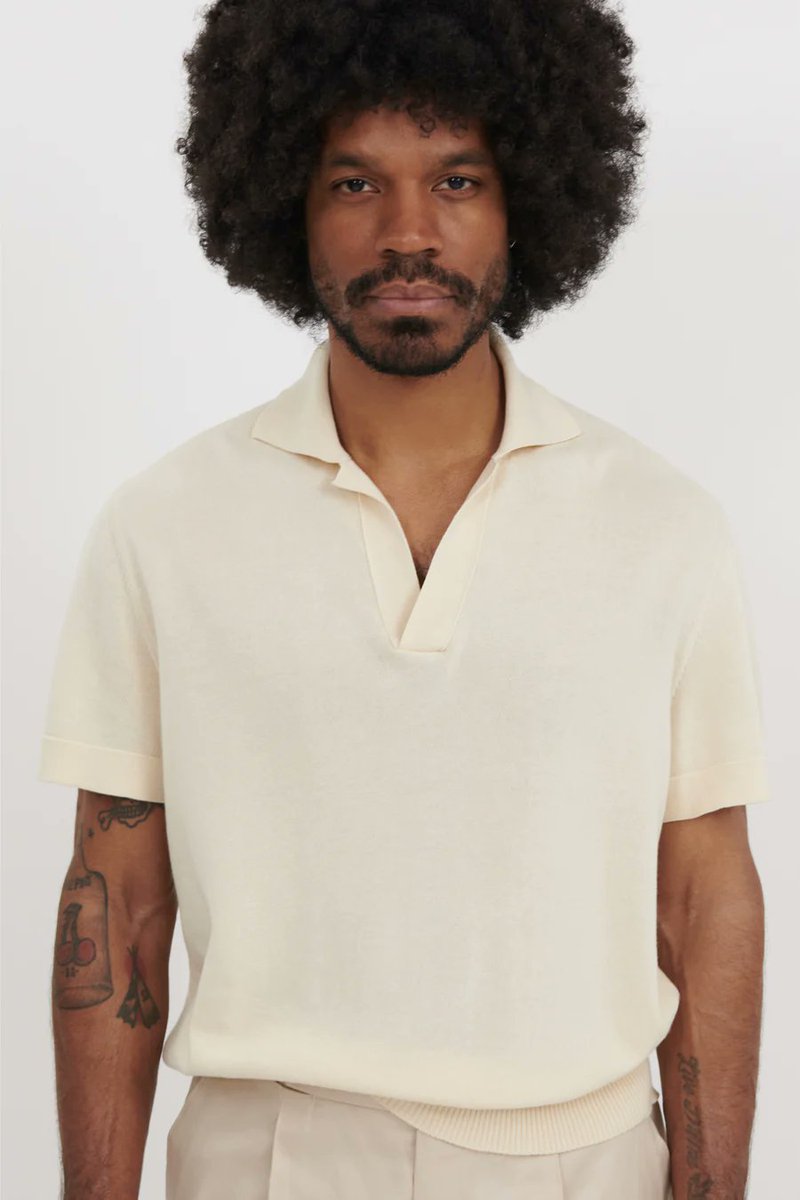
Here is yet another example: a slightly textured polo with a deep placket and skipper collar paired with a woven belt and full, high-rise pleated trousers (shape, drape, natural materials). IMO, this looks better than the low rise chino with tech polo on the right.
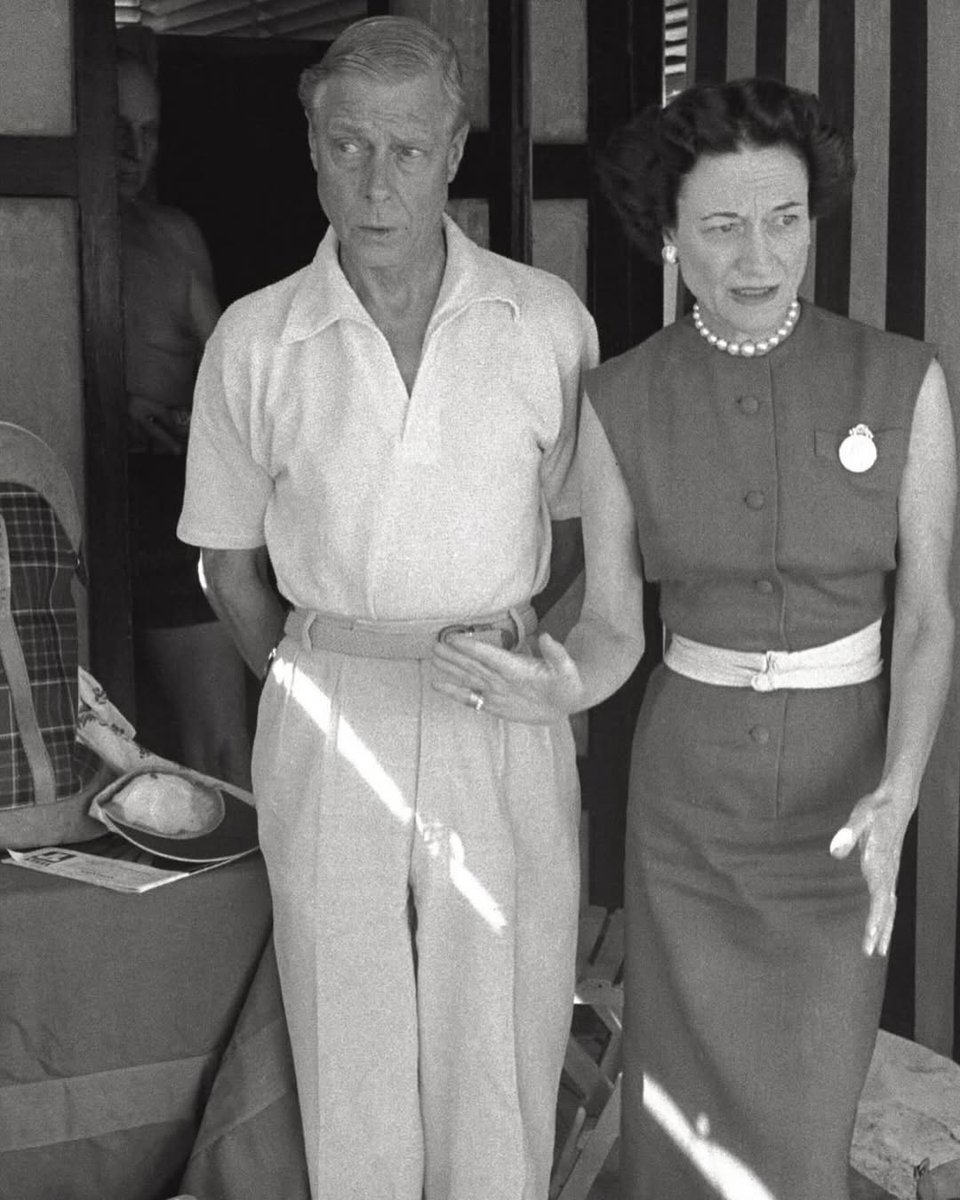
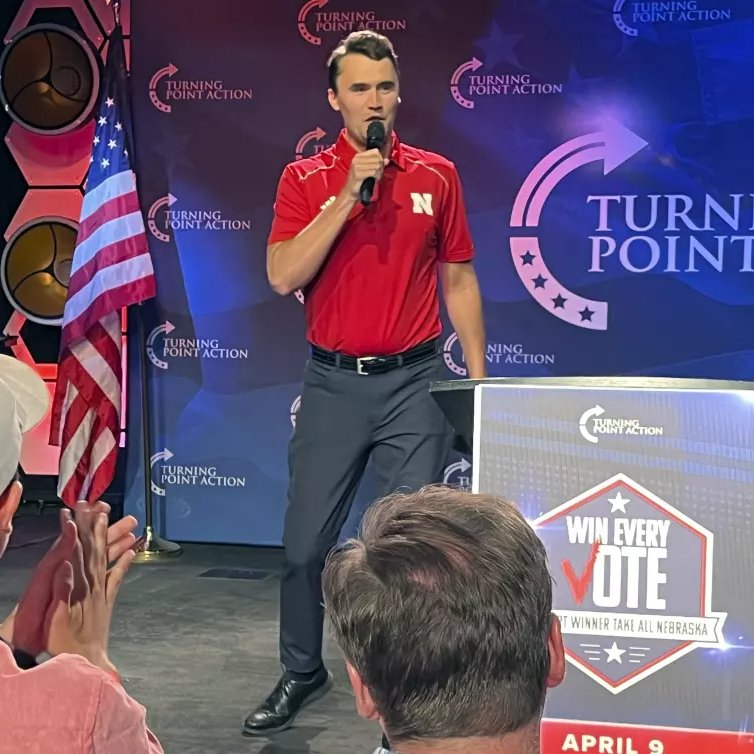
Some may fear the fear the left outfit looks "gay" in a modern context. I personally think this is fine, as modern straight male aesthetics are often ugly. But you can use the principles of the past (shape, drape, texture, detailing) to create a modern masculine outfit.
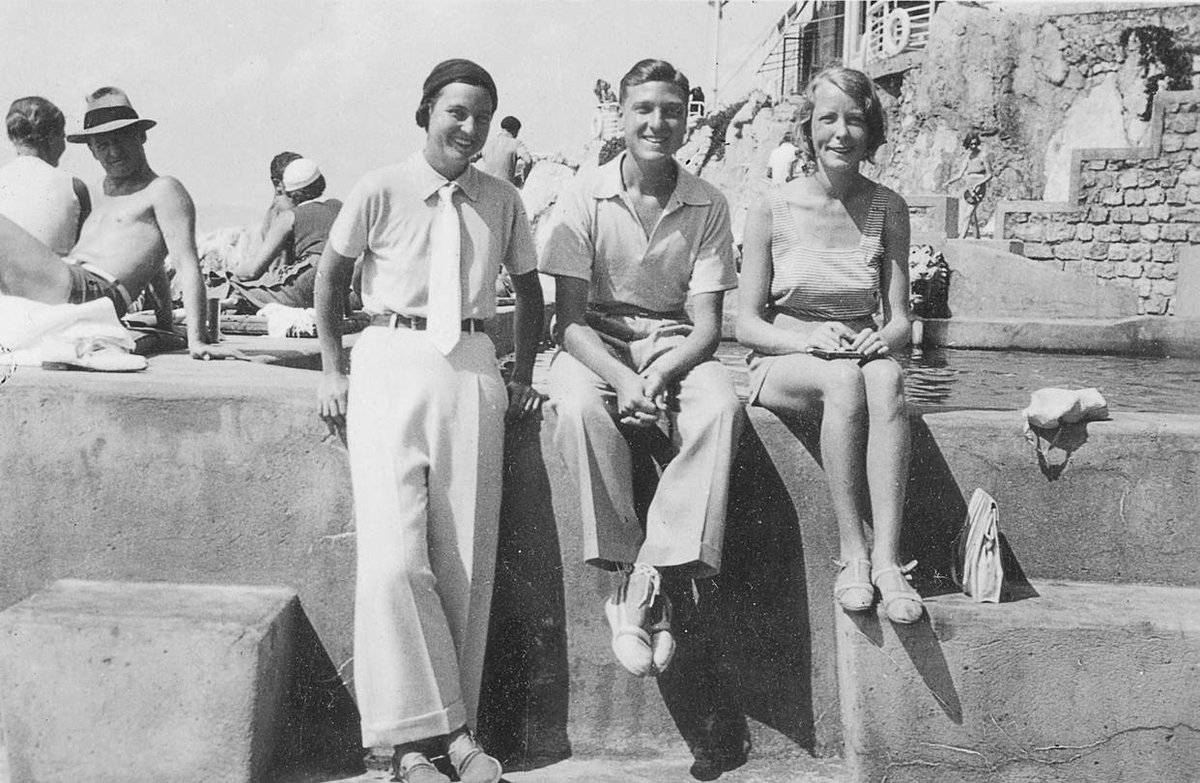
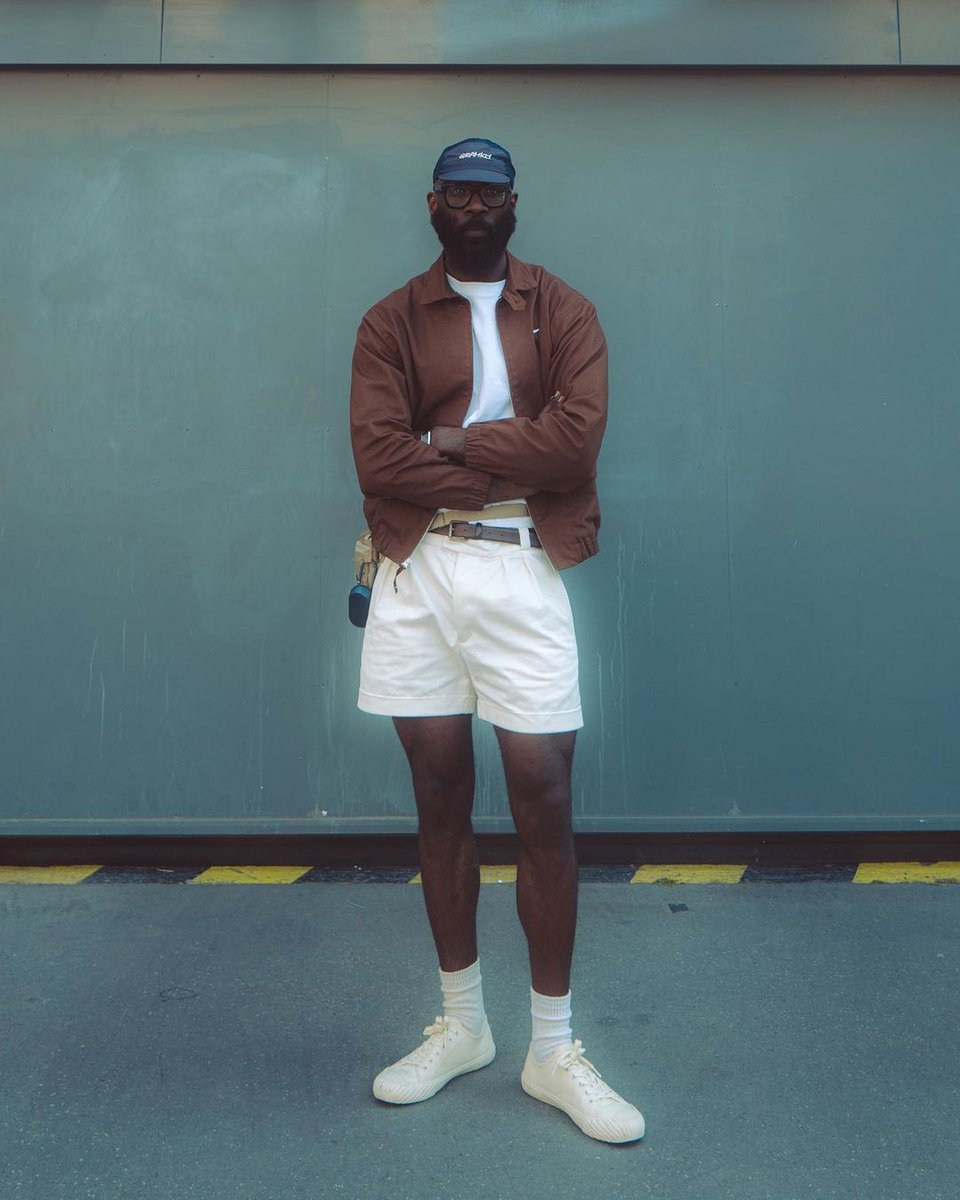
These small tweaks can make a big impact. The shorts on the left look better because they have a distinctive shape, while the shorts on the right just follow the person's body. Combined with the layer (admittedly not always possible) and improved color combo, outfit looks better.

The other thing is knowing how to combine things. These outfits look bad because the combinations don't make any cultural sense, like Noam Chomsky's "colorless green ideas sleep furiously" as an example of a sentence that's grammatically correct but semantically nonsensical.
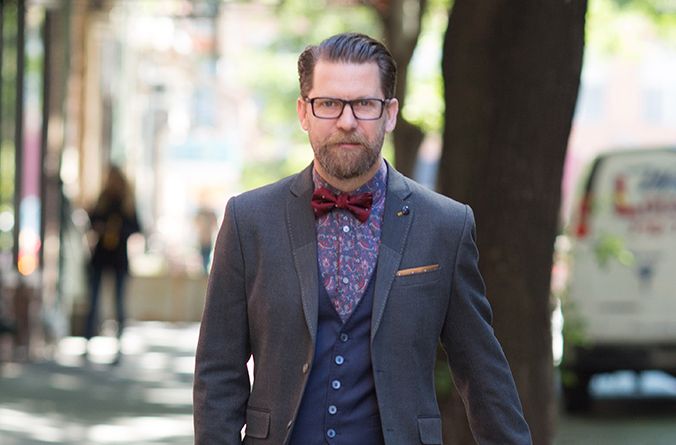

Unfortunately, this is not something I can cover in this thread, as it's basically covering all of culture. If you want to learn how to combine clothes, just pay attention to culture, both contemporary and historical. Read about punks, rock climbers, fishermen, aristocrats, etc.
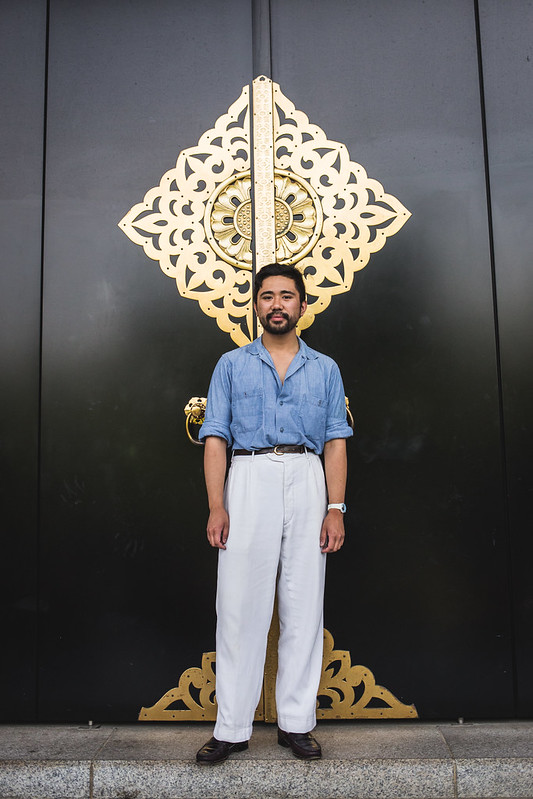
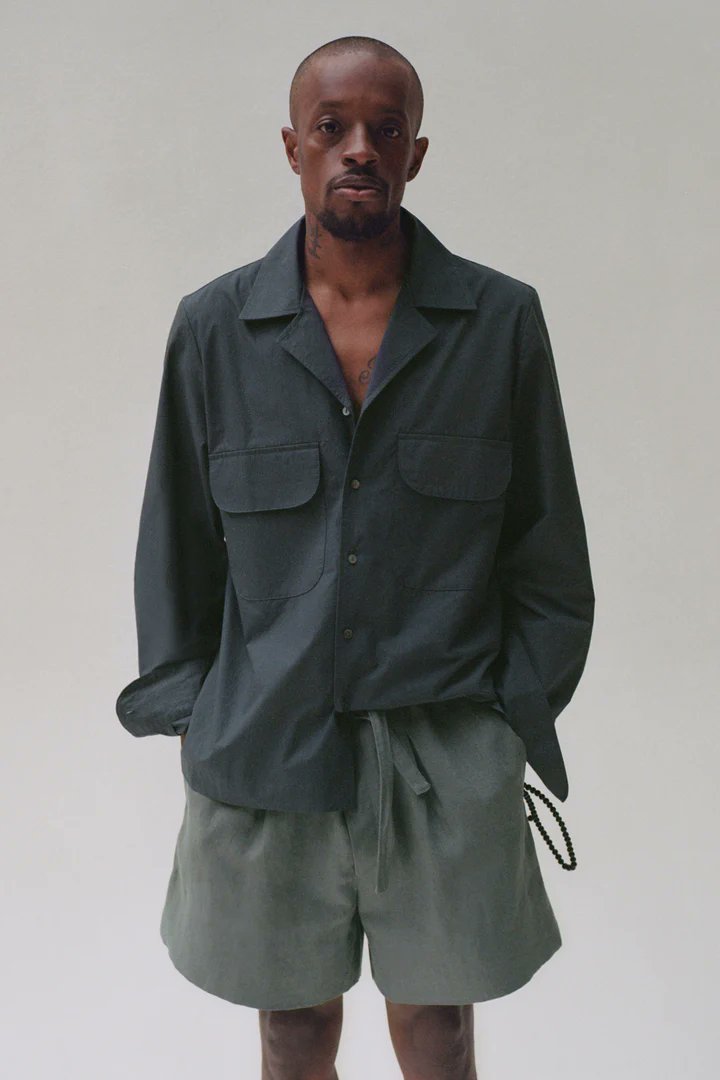
The point of this thread is only to emphasize the role of shape, drape, and detailing in why people looked better in the past, which are ideas that can be carried forward to modern outfits.
• • •
Missing some Tweet in this thread? You can try to
force a refresh