In 1929, a small factory in Vile Parle, Mumbai, began making biscuits.
No one knew it would one day feed BILLIONS. Survive wars. Become the top-selling biscuit in the world.
On the brink of our 78th Independence Day, let's reminisce Parle-G - the “biscuit of independence.” 🧵
No one knew it would one day feed BILLIONS. Survive wars. Become the top-selling biscuit in the world.
On the brink of our 78th Independence Day, let's reminisce Parle-G - the “biscuit of independence.” 🧵
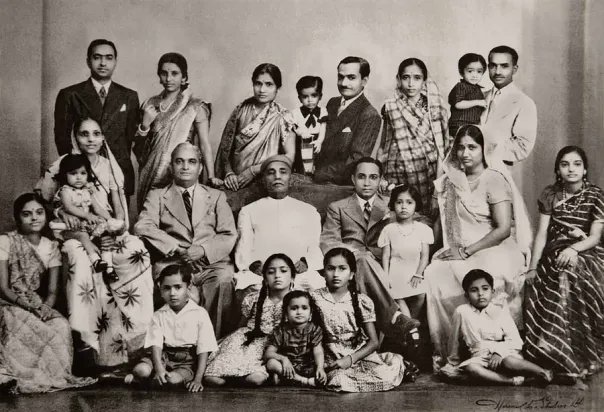
Back then, the Indian biscuit market was dominated by expensive British imports.
They were a luxury for the elite.
Most Indians couldn’t afford them, and local manufacturing was almost non-existent.
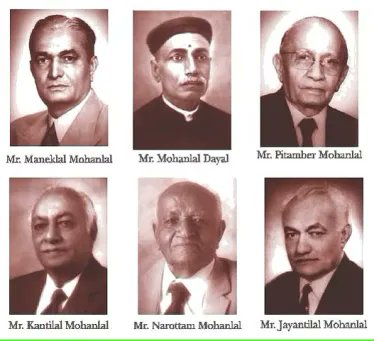
That’s where Mohanlal Dayal Chauhan, founder of Parle, saw its opening.
They were a luxury for the elite.
Most Indians couldn’t afford them, and local manufacturing was almost non-existent.
That’s where Mohanlal Dayal Chauhan, founder of Parle, saw its opening.
In its early years, Parle made confectionery and candies.
But by 1939, they launched a glucose biscuit.
Affordable, nutritious, and designed for the masses.
It was positioned as a "chai-time" companion rather than a snack for the privileged.
But by 1939, they launched a glucose biscuit.
Affordable, nutritious, and designed for the masses.
It was positioned as a "chai-time" companion rather than a snack for the privileged.
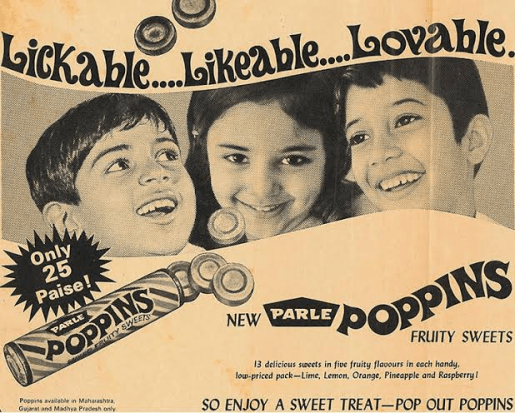
World War II changed everything.
British imports slowed to a trickle. Food shortages hit hard.
Parle’s glucose biscuits became a lifeline.
It supplied quick energy at a low price to families across the country.
Demand exploded.
British imports slowed to a trickle. Food shortages hit hard.
Parle’s glucose biscuits became a lifeline.
It supplied quick energy at a low price to families across the country.
Demand exploded.
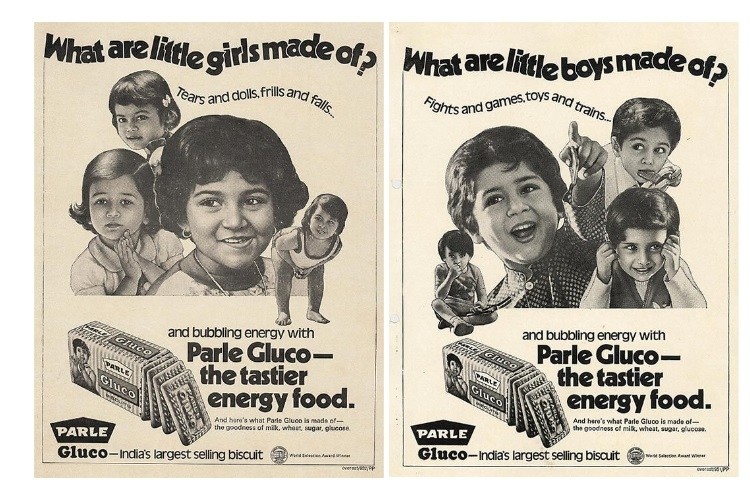
Post-independence, Parle made a bold branding move.
Instead of competing with British “Glucose” biscuits, they doubled down on being proudly Indian - naming it Parle-G, with the “G” standing for “Gluco.”
It was subtle, yet powerful identity play.
Instead of competing with British “Glucose” biscuits, they doubled down on being proudly Indian - naming it Parle-G, with the “G” standing for “Gluco.”
It was subtle, yet powerful identity play.
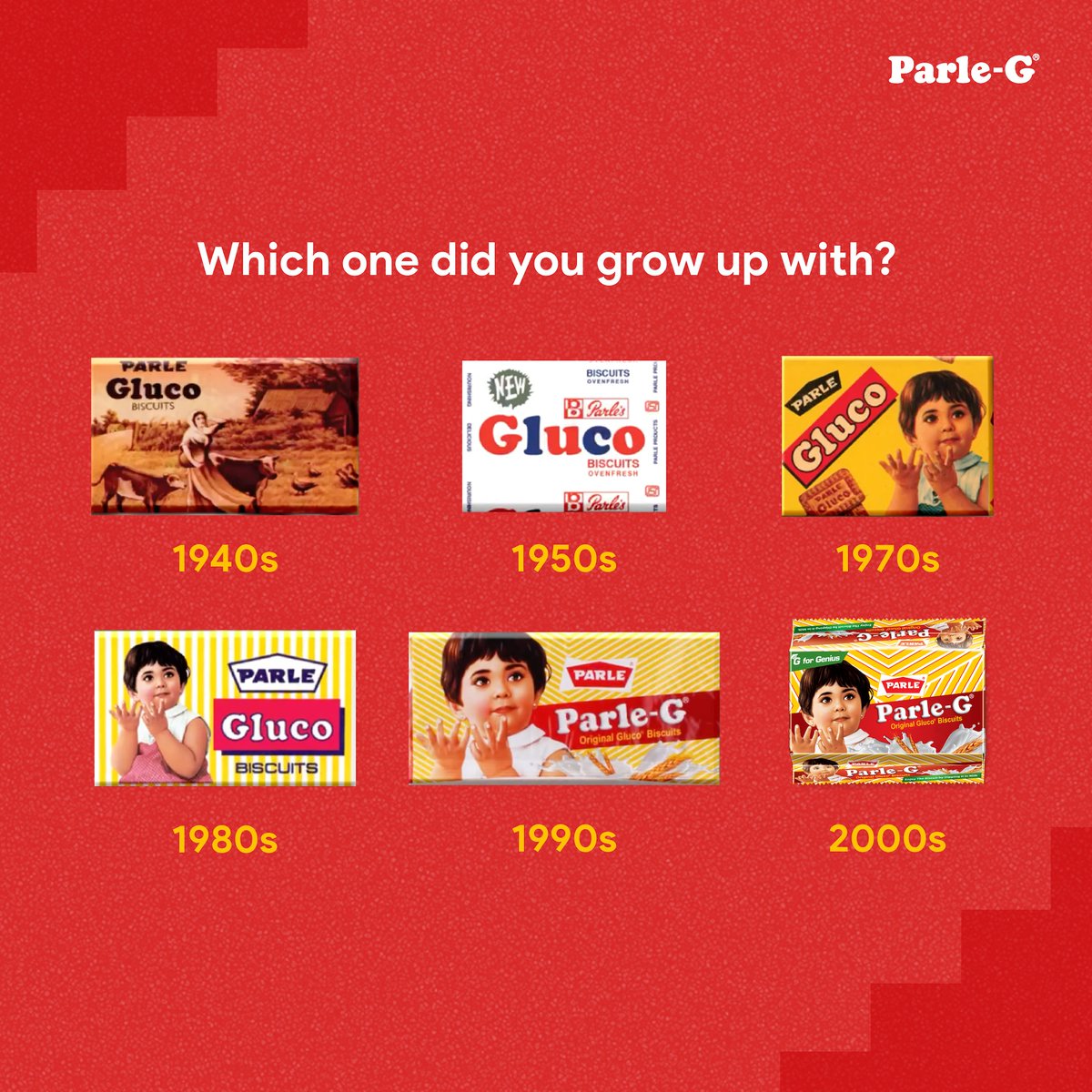
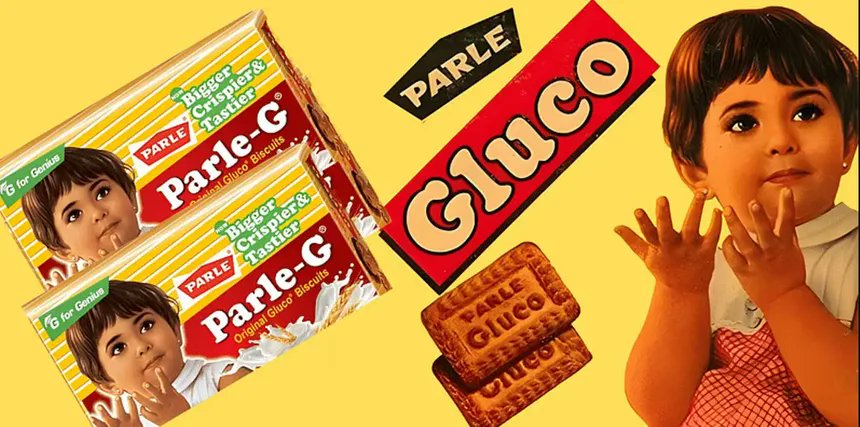
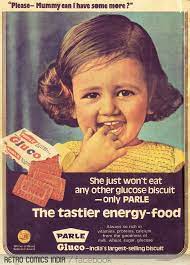
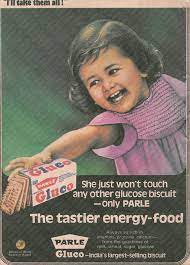
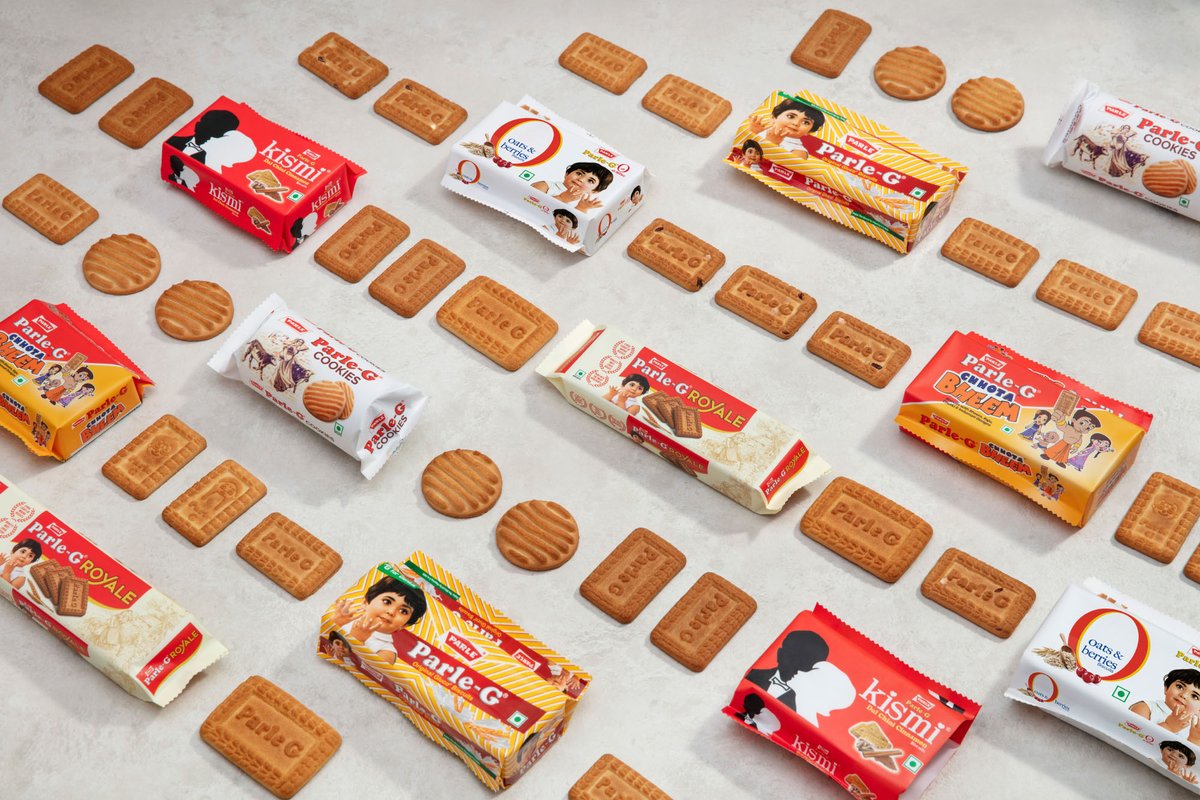
The yellow-and-white striped wrapper with a little girl’s face became iconic.
While the girl’s exact identity remains debated, the design stayed almost unchanged for decades.
A rare case study of packaging becoming a part of cultural memory.
While the girl’s exact identity remains debated, the design stayed almost unchanged for decades.
A rare case study of packaging becoming a part of cultural memory.
Parle-G was more than a biscuit.
It was an equaliser.
The factory priced it so low that even the poorest families could afford it.
It was sold in every corner shop, railway station, and school canteen in India.
It was an equaliser.
The factory priced it so low that even the poorest families could afford it.
It was sold in every corner shop, railway station, and school canteen in India.
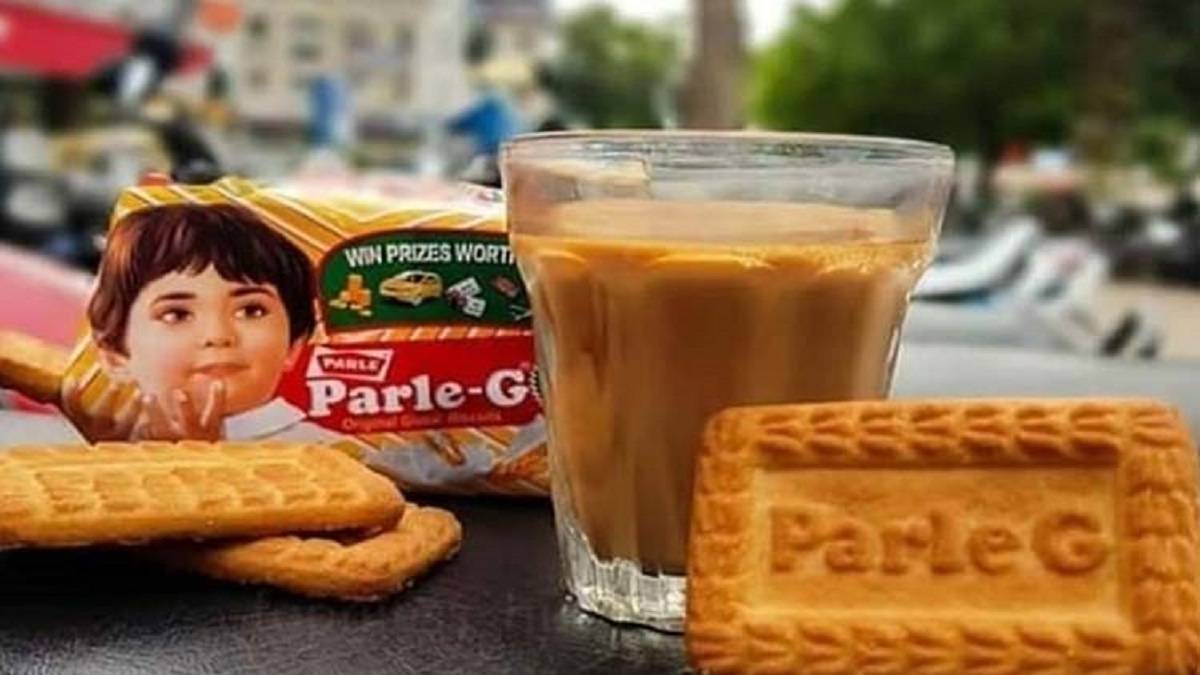
In the ’80s and ’90s, as multinational brands like Britannia and GlaxoSmithKline expanded, Parle-G kept its price leadership.
They innovated in supply chain and packaging, ensuring freshness even in remote villages.
This was something rivals couldn’t match at the price point.
They innovated in supply chain and packaging, ensuring freshness even in remote villages.
This was something rivals couldn’t match at the price point.
By the 2000s, Parle-G had become the largest selling biscuit brand in the world - not just in India.
Its reach extended to Africa, the Middle East, and South Asia.
For many NRIs, it was a nostalgic taste of home.
Its reach extended to Africa, the Middle East, and South Asia.
For many NRIs, it was a nostalgic taste of home.
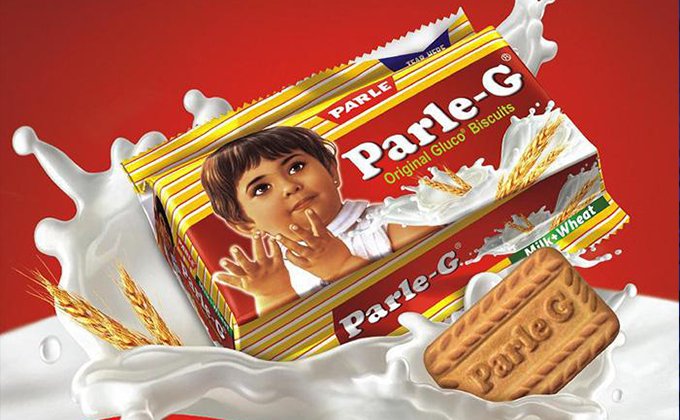
In 2013, Parle-G became the first Indian FMCG brand to cross Rs. 5000 crore ($571,400,000) in annual sales.
To put that in perspective: Parle-G beat "Oreo" globally by volume.
A homegrown biscuit had beaten international giants at their own game.
To put that in perspective: Parle-G beat "Oreo" globally by volume.
A homegrown biscuit had beaten international giants at their own game.
The brand’s genius wasn’t in chasing premium margins.
It was in mass trust.
Parle-G stayed consistent in taste, size, and pricing for decades.
Even during inflation spikes, price hikes were minimal - building loyalty across generations.
It was in mass trust.
Parle-G stayed consistent in taste, size, and pricing for decades.
Even during inflation spikes, price hikes were minimal - building loyalty across generations.
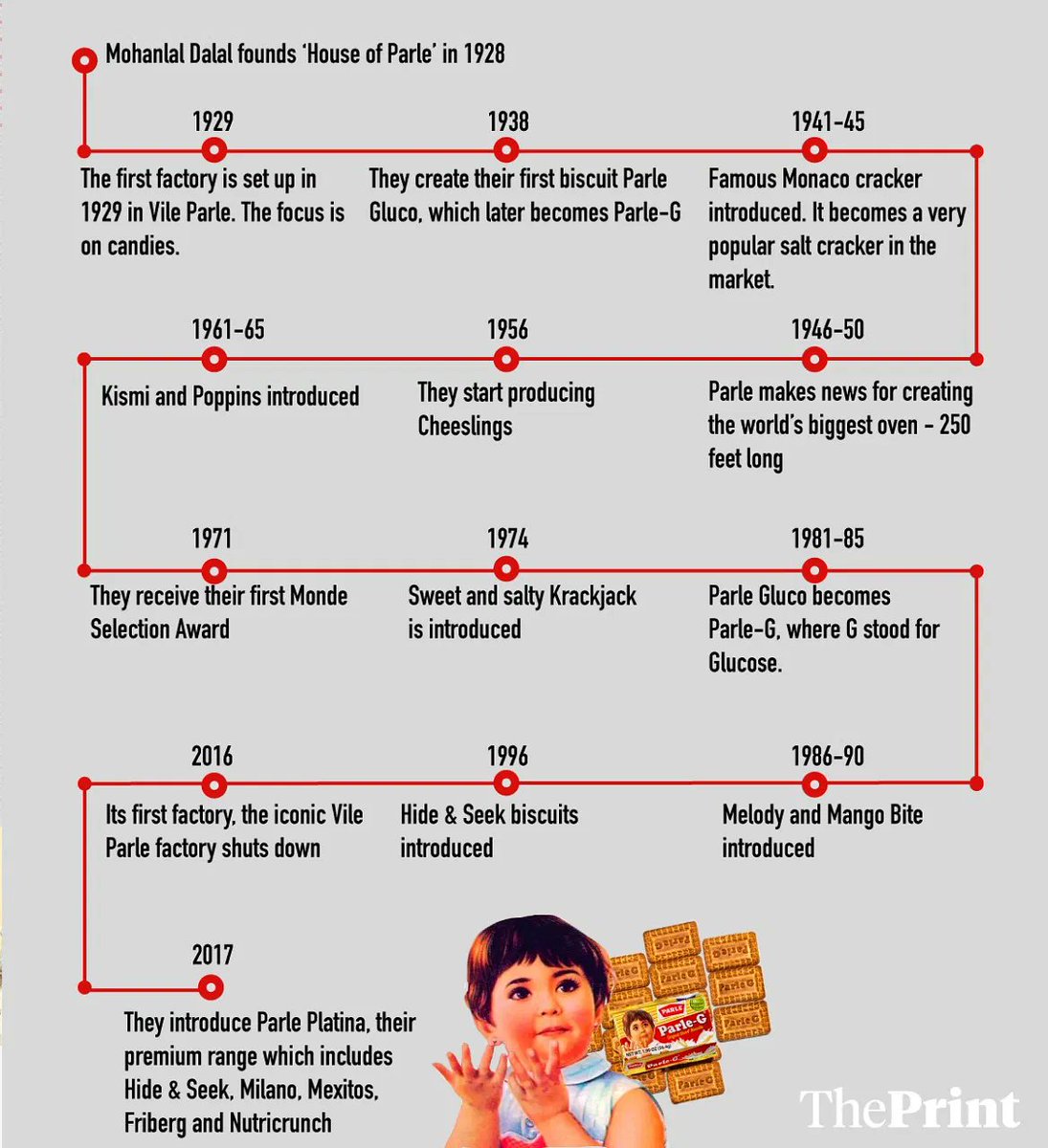
When COVID-19 lockdowns hit in 2020, Parle-G was again a staple.
Sales hit record highs as it became comfort food, an emergency ration, and a reminder of simpler times.
Yet another proof of its resilience in times of crisis.
Sales hit record highs as it became comfort food, an emergency ration, and a reminder of simpler times.
Yet another proof of its resilience in times of crisis.
Parle-G isn’t just a biscuit.
It is childhood tiffins, train journeys, early-morning-walk food for puppies, and of course, endless cups of chai.
In every bite is a piece of India’s own story - humble, resilient, and quietly leading the market.
It’s proof that if you own trust, you can beat even the deepest pockets.
It is childhood tiffins, train journeys, early-morning-walk food for puppies, and of course, endless cups of chai.
In every bite is a piece of India’s own story - humble, resilient, and quietly leading the market.
It’s proof that if you own trust, you can beat even the deepest pockets.
@threadreaderapp unroll
• • •
Missing some Tweet in this thread? You can try to
force a refresh