This is 1983.
Soviet radars detected 5 US nuclear missiles heading to Moscow.
Humanity was SECONDS from extinction.
All Soviet protocols demanded immediate retaliation.
But then Stanislav Petrov noticed something strange: 🧵
Soviet radars detected 5 US nuclear missiles heading to Moscow.
Humanity was SECONDS from extinction.
All Soviet protocols demanded immediate retaliation.
But then Stanislav Petrov noticed something strange: 🧵


September 26, 1983.
Past midnight.
Filling in for a sick colleague at Serpukhov-15 - the USSR's nuclear command bunker.
Lt. Colonel Stanislav Petrov wasn't even supposed to be there.
But then the unthinkable happened...
Past midnight.
Filling in for a sick colleague at Serpukhov-15 - the USSR's nuclear command bunker.
Lt. Colonel Stanislav Petrov wasn't even supposed to be there.
But then the unthinkable happened...


LAUNCH DETECTION:
1 US MISSILE
The computer screen flashed blood red.
Then: 2 missiles... 3... 4... 5.
All targeting major Soviet cities. 25 minutes to impact.
200 million Russians about to die. Protocol demanded one thing...
1 US MISSILE
The computer screen flashed blood red.
Then: 2 missiles... 3... 4... 5.
All targeting major Soviet cities. 25 minutes to impact.
200 million Russians about to die. Protocol demanded one thing...
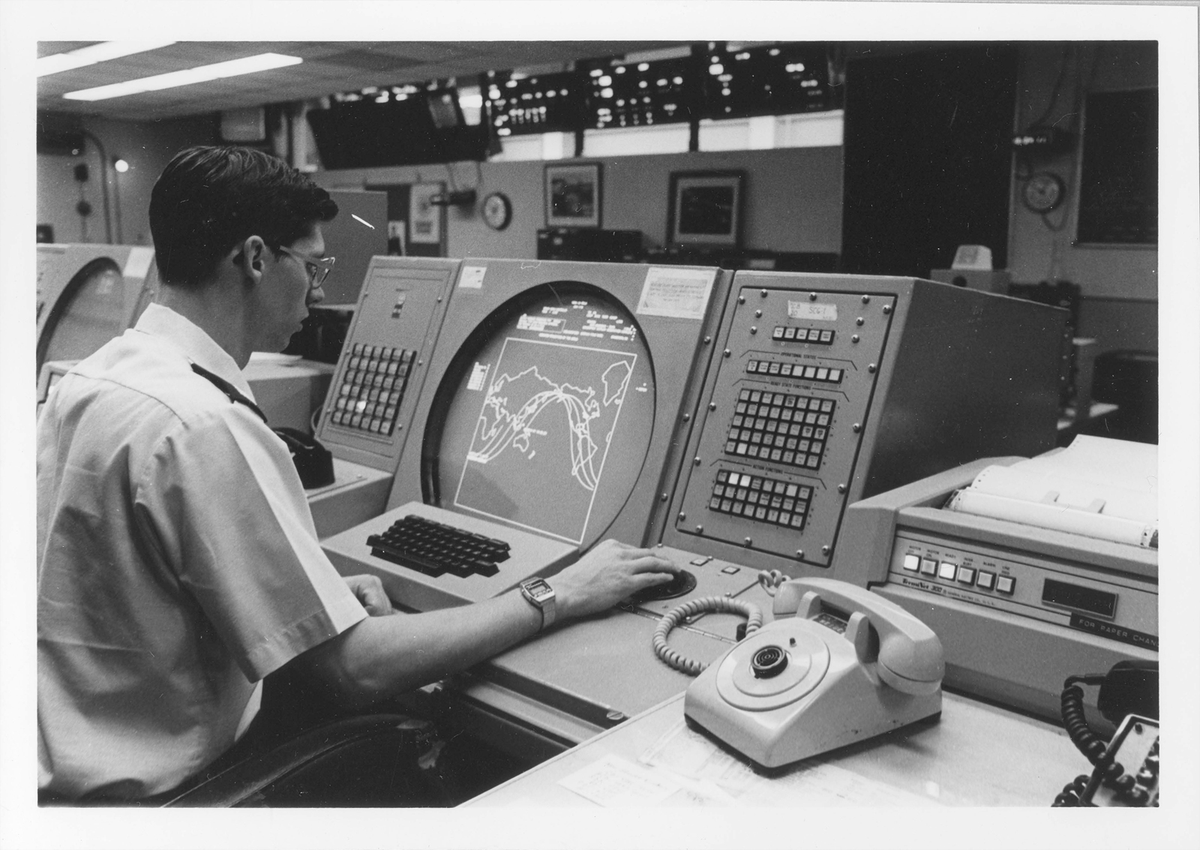
Soviet nuclear doctrine was brutally simple:
Detection = Retaliation. IMMEDIATELY.
No debate. No verification. Launch everything.
Petrov's hand moved toward the phone that would end civilization.
But then he noticed something strange...
Detection = Retaliation. IMMEDIATELY.
No debate. No verification. Launch everything.
Petrov's hand moved toward the phone that would end civilization.
But then he noticed something strange...
"Why only 5 missiles?"
America had 1,000+ ICBMs. Why start Armageddon with just 5?
The new detection system cost $3 billion. State-of-the-art. Infallible.
But Petrov's gut screamed: something's wrong.
He had seconds to decide...
America had 1,000+ ICBMs. Why start Armageddon with just 5?
The new detection system cost $3 billion. State-of-the-art. Infallible.
But Petrov's gut screamed: something's wrong.
He had seconds to decide...
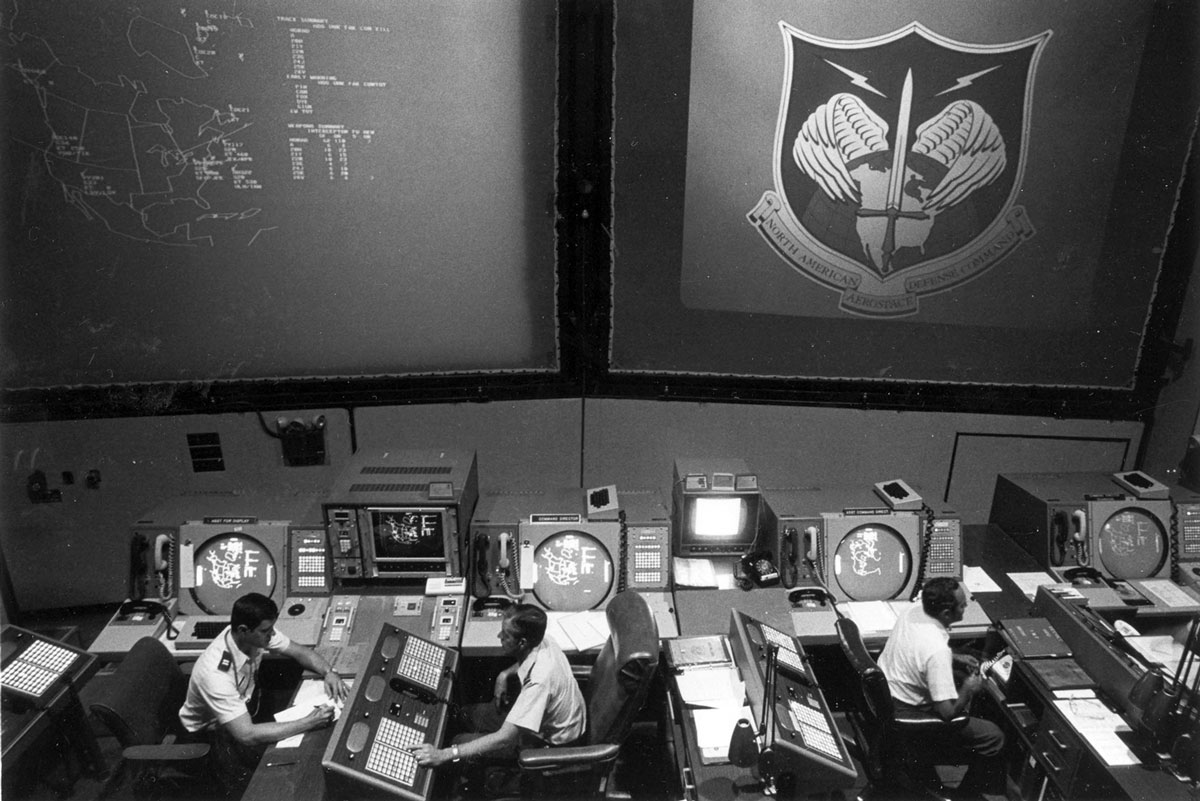
Petrov did the unthinkable.
He declared it a false alarm. Without proof. Without permission.
If wrong? 200 million dead Russians. His execution guaranteed.
The room held its breath. 15 minutes until impact...
20 minutes...
23 minutes...
He declared it a false alarm. Without proof. Without permission.
If wrong? 200 million dead Russians. His execution guaranteed.
The room held its breath. 15 minutes until impact...
20 minutes...
23 minutes...
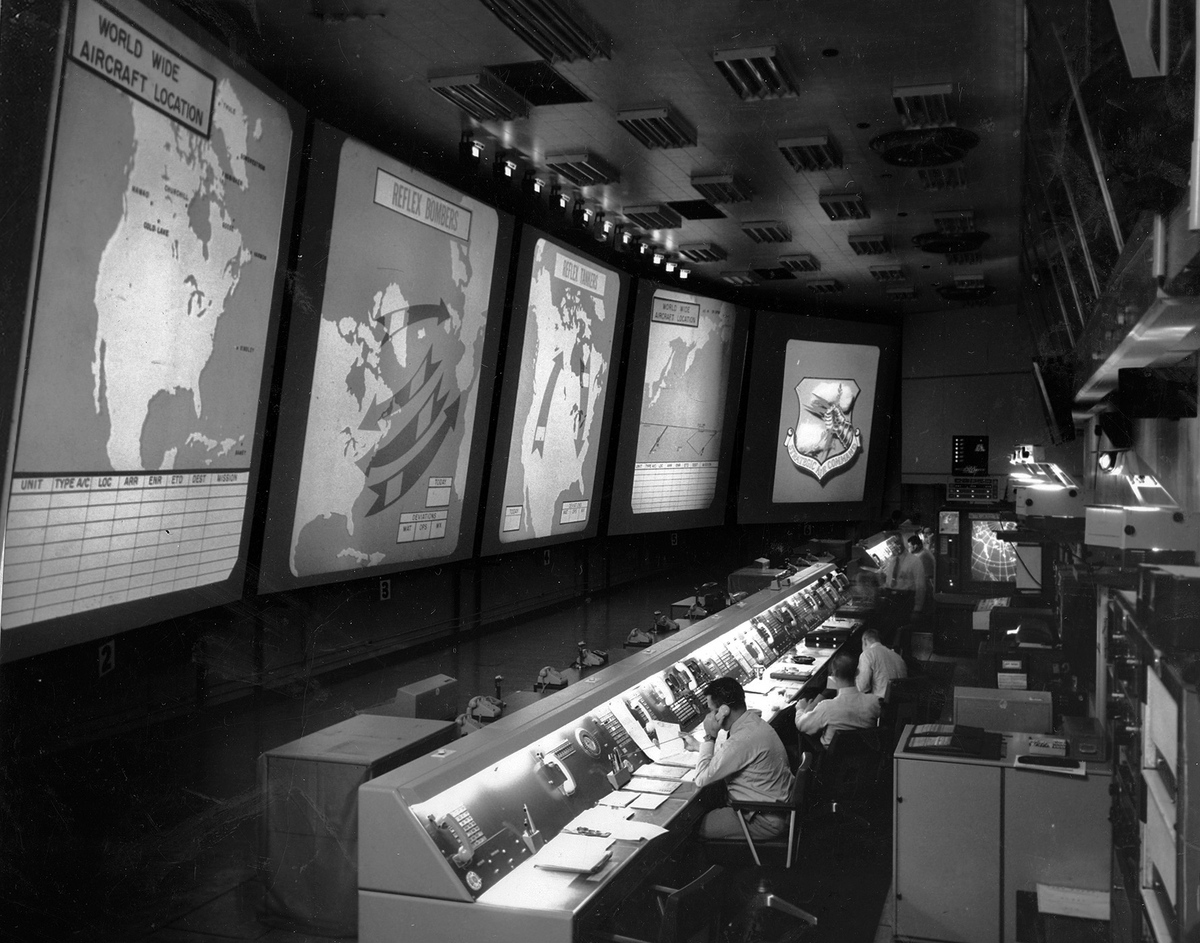
Nothing.
No explosions. No missiles. No death.
The "attack" was sunlight reflecting off clouds - fooling Soviet satellites.
Petrov had just prevented nuclear holocaust with nothing but intuition.
You'd think he'd be a hero...
No explosions. No missiles. No death.
The "attack" was sunlight reflecting off clouds - fooling Soviet satellites.
Petrov had just prevented nuclear holocaust with nothing but intuition.
You'd think he'd be a hero...
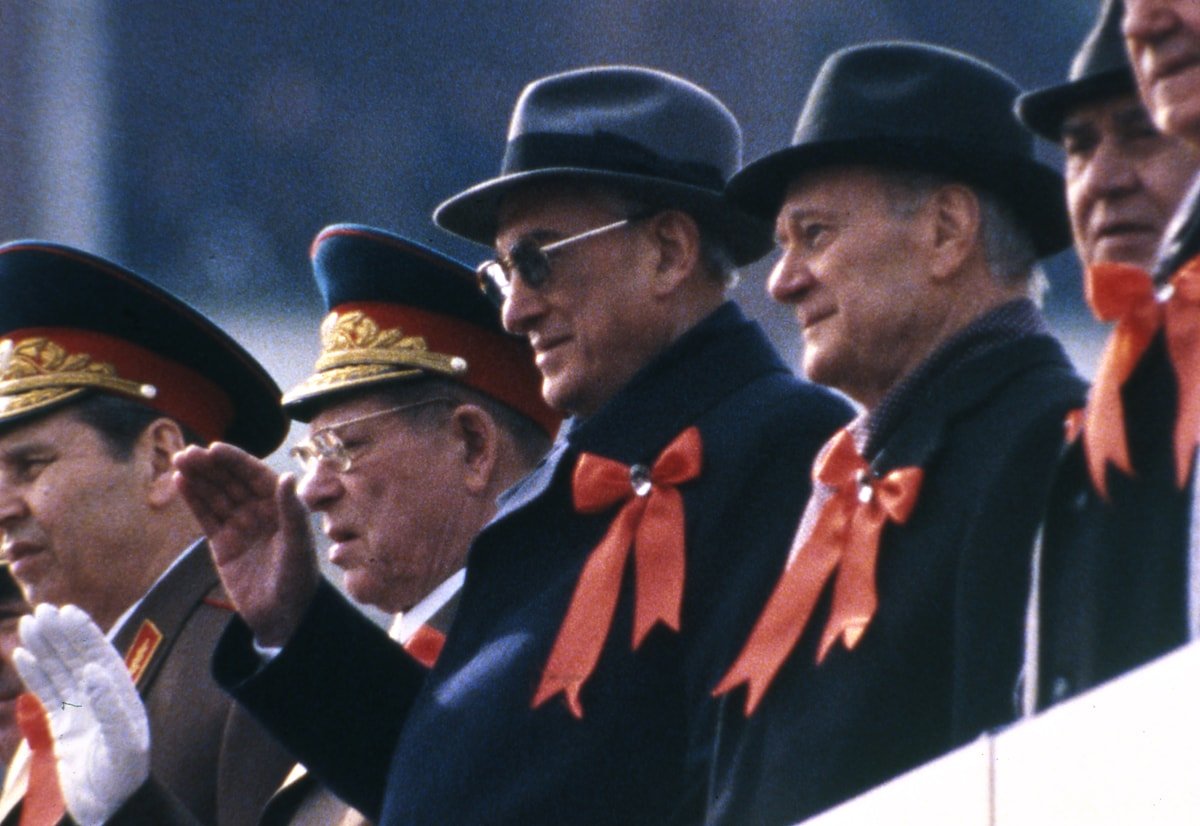
At first, stunned silence from Moscow.
Then the questions started:
"Who authorized you to decide?"
"You violated direct protocol."
"You exposed critical system failures."
The man who saved the world had just become a problem.
Then the questions started:
"Who authorized you to decide?"
"You violated direct protocol."
"You exposed critical system failures."
The man who saved the world had just become a problem.
The military had two choices:
1. Admit their $3 billion system almost ended humanity
2. Bury Petrov
Guess which they chose?
He was reassigned. Blacklisted. His career destroyed.
The cover-up began immediately.
1. Admit their $3 billion system almost ended humanity
2. Bury Petrov
Guess which they chose?
He was reassigned. Blacklisted. His career destroyed.
The cover-up began immediately.
1984: Petrov forced into early retirement.
Pathetic pension. No recognition. No thanks. While the world partied through the 80s and 90s, the man who saved it couldn't afford medicine.
The USSR classified the entire incident.
Pathetic pension. No recognition. No thanks. While the world partied through the 80s and 90s, the man who saved it couldn't afford medicine.
The USSR classified the entire incident.
The truth emerged only after the Soviet collapse.
By then, Petrov lived in poverty. Bitter. Forgotten. A few Western organizations gave him token awards - decades too late.
In 2017, he died alone. The world barely noticed.
By then, Petrov lived in poverty. Bitter. Forgotten. A few Western organizations gave him token awards - decades too late.
In 2017, he died alone. The world barely noticed.
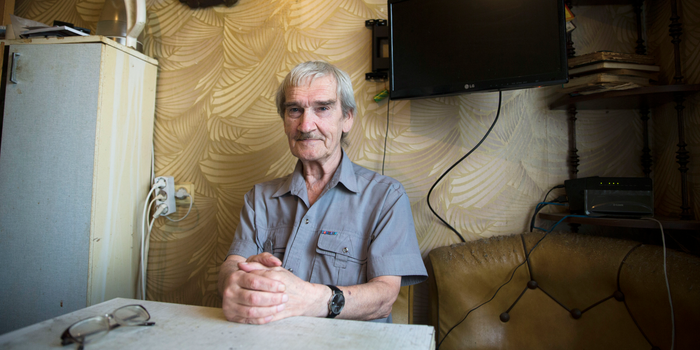
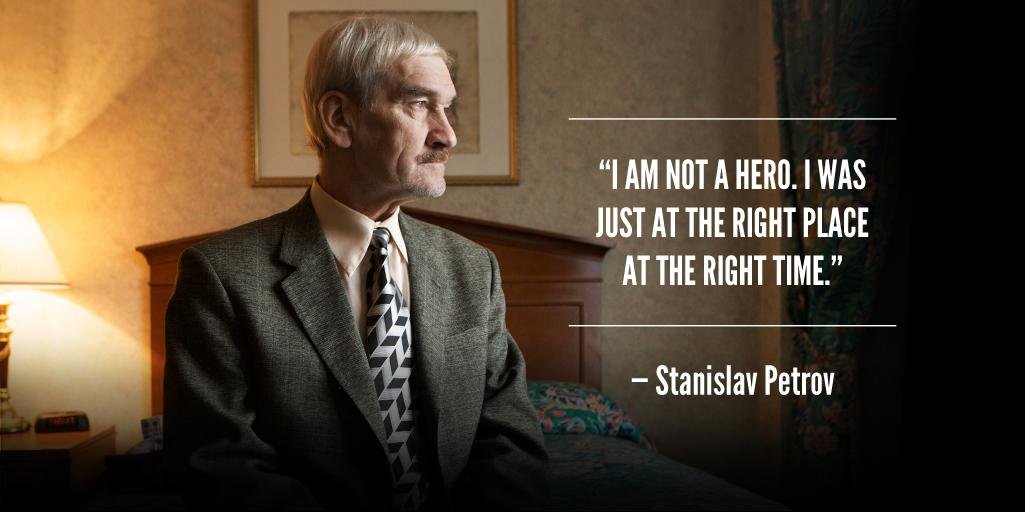
Petrov's last words haunt me:
"I was simply doing my job."
No. His job was to start nuclear war.
He REFUSED to do his job. That refusal saved 5 billion lives.
Sometimes heroes are the ones who say "no" when the world demands "yes."
"I was simply doing my job."
No. His job was to start nuclear war.
He REFUSED to do his job. That refusal saved 5 billion lives.
Sometimes heroes are the ones who say "no" when the world demands "yes."
If this story captivated you, join my mission:
"Schools often overlook the most fascinating history stories. I uncover the wild, forgotten moments that have shaped our world."
Follow @GeniusGTX for the brilliant moments that history class never covered.
"Schools often overlook the most fascinating history stories. I uncover the wild, forgotten moments that have shaped our world."
Follow @GeniusGTX for the brilliant moments that history class never covered.
Thank you for reading this thread.
What’s your ONE big takeaway from this story?
Follow me @GeniusGTX for more threads about the hidden brilliance of ancient civilizations.
What’s your ONE big takeaway from this story?
Follow me @GeniusGTX for more threads about the hidden brilliance of ancient civilizations.
https://twitter.com/1616717958411059202/status/1955992847943131402
Thank you for reading this thread.
What’s your ONE big takeaway from this story?
Follow me @GeniusGTX for more threads about the hidden brilliance of ancient civilizations.
What’s your ONE big takeaway from this story?
Follow me @GeniusGTX for more threads about the hidden brilliance of ancient civilizations.
• • •
Missing some Tweet in this thread? You can try to
force a refresh