What to Know About mRNA After RFK Jr. Cancels Vaccine Contracts
The mRNA vaccine era may be ending.
RFK Jr.’s HHS just pulled the plug on nearly $500 million in mRNA vaccine contracts—after new evidence raised serious questions about the shots’ safety and effectiveness.
Here’s what they found.
🧵 THREAD
The mRNA vaccine era may be ending.
RFK Jr.’s HHS just pulled the plug on nearly $500 million in mRNA vaccine contracts—after new evidence raised serious questions about the shots’ safety and effectiveness.
Here’s what they found.
🧵 THREAD
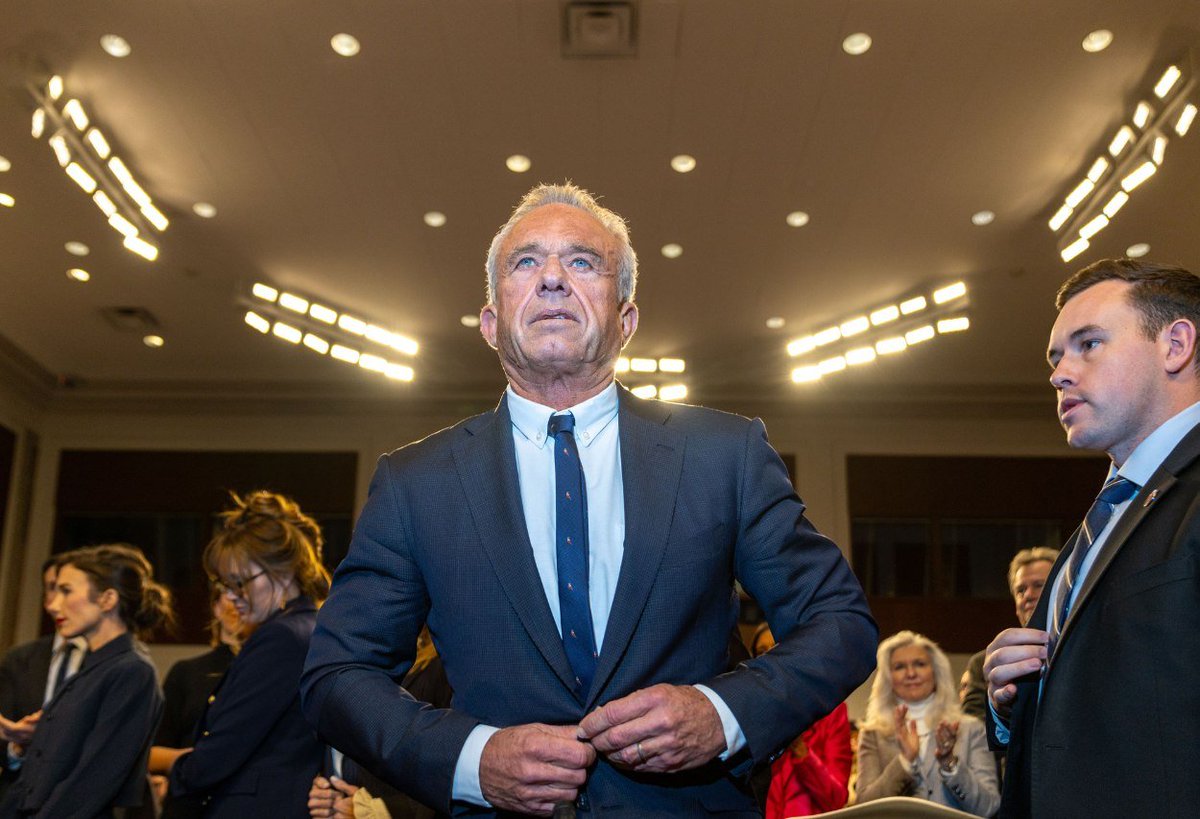
Health Secretary Robert F. Kennedy Jr., in his department’s latest move against messenger ribonucleic acid (mRNA) technology, has canceled contracts for vaccines and therapeutics that utilize the mRNA platform.
Here’s what to know about the technology.
theepochtimes.com/article/what-t…
Here’s what to know about the technology.
theepochtimes.com/article/what-t…
How Does It Work?
The mRNA, through an injection, typically in the upper arm, is delivered into the body, where it teaches cells to produce proteins.
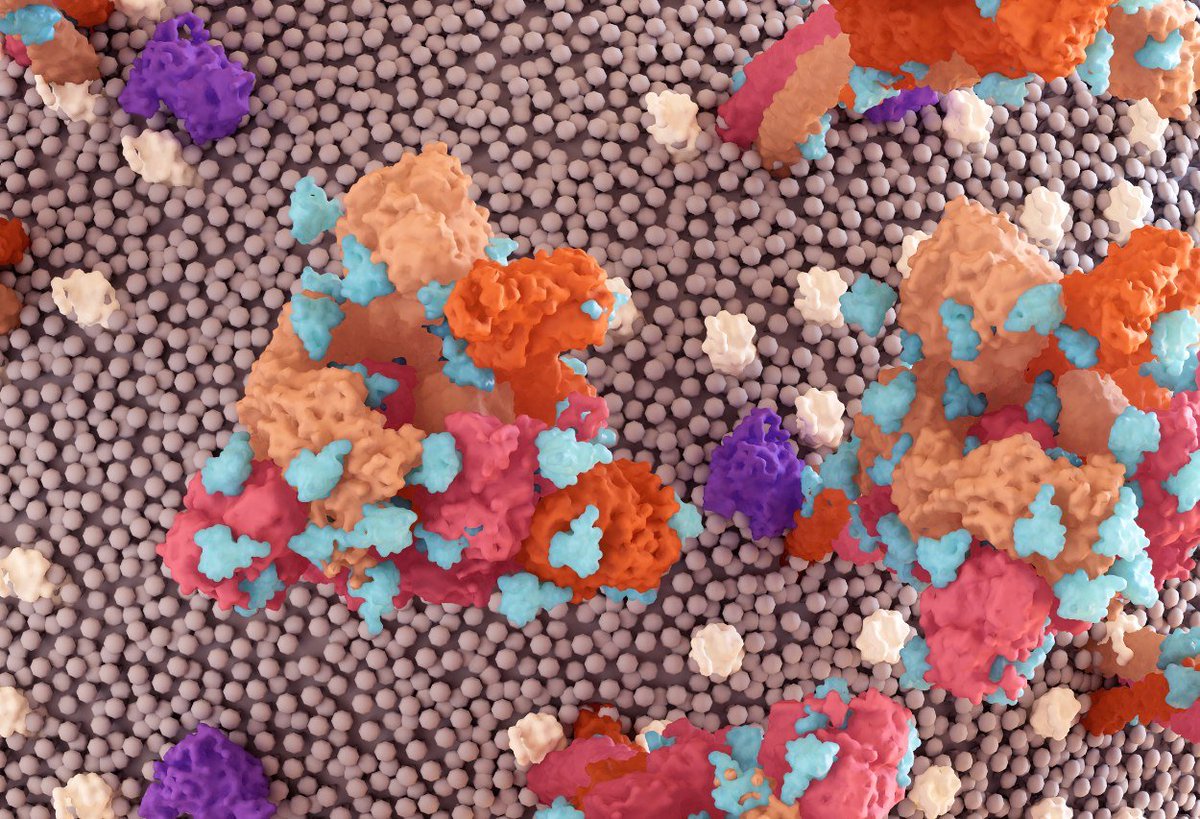
With most mRNA vaccines, the modified mRNA is delivered with lipid nanoparticles. In the COVID-19 vaccines, mRNA instructs cells to make the same spike protein found in COVID-19.
The immune system recognizes the protein as foreign and produces antibodies to fight it.
“At the end of the process, our bodies have learned how to help protect against future infection,” the Centers for Disease Control and Prevention says on its website.
When the vaccines were rolled out, vaccine companies and officials said that the mRNA quickly left the body, but that has proven to be incorrect. Studies have found mRNA in the blood about one month after vaccination and in lymph nodes two months after receipt.
The mRNA, through an injection, typically in the upper arm, is delivered into the body, where it teaches cells to produce proteins.
With most mRNA vaccines, the modified mRNA is delivered with lipid nanoparticles. In the COVID-19 vaccines, mRNA instructs cells to make the same spike protein found in COVID-19.
The immune system recognizes the protein as foreign and produces antibodies to fight it.
“At the end of the process, our bodies have learned how to help protect against future infection,” the Centers for Disease Control and Prevention says on its website.
When the vaccines were rolled out, vaccine companies and officials said that the mRNA quickly left the body, but that has proven to be incorrect. Studies have found mRNA in the blood about one month after vaccination and in lymph nodes two months after receipt.

First Products Cleared During Pandemic
The Pfizer vaccine, cleared in late 2020, was the first mRNA product that became available in the United States. Regulators shortly after authorized Moderna’s shot.
Scientists discovered mRNA in the 1960s. Researchers then studied how it could be used in vaccines and other applications.
A major issue was the effective delivery of mRNA before it degraded. Scientists found that lipid nanoparticles could protect the mRNA until it taught cells to produce a protein.
No other mRNA vaccines have been approved in the United States, but a number are in development, including influenza shots. Some companies are also working on mRNA therapeutics.
Kennedy said in a statement that officials are canceling contracts with Emory University and Tiba Biotech that were funded by the Biomedical Advanced Research and Development Authority. The authority’s website lists an Emory project developing an inhaled, mRNA-based antiviral platform and a Tiba project developing a platform that features nanoparticles delivering RNA antiviral treatment to the lungs.
Emory and Tiba did not respond to requests for comment.
The Pfizer vaccine, cleared in late 2020, was the first mRNA product that became available in the United States. Regulators shortly after authorized Moderna’s shot.
Scientists discovered mRNA in the 1960s. Researchers then studied how it could be used in vaccines and other applications.
A major issue was the effective delivery of mRNA before it degraded. Scientists found that lipid nanoparticles could protect the mRNA until it taught cells to produce a protein.
No other mRNA vaccines have been approved in the United States, but a number are in development, including influenza shots. Some companies are also working on mRNA therapeutics.
Kennedy said in a statement that officials are canceling contracts with Emory University and Tiba Biotech that were funded by the Biomedical Advanced Research and Development Authority. The authority’s website lists an Emory project developing an inhaled, mRNA-based antiviral platform and a Tiba project developing a platform that features nanoparticles delivering RNA antiviral treatment to the lungs.
Emory and Tiba did not respond to requests for comment.
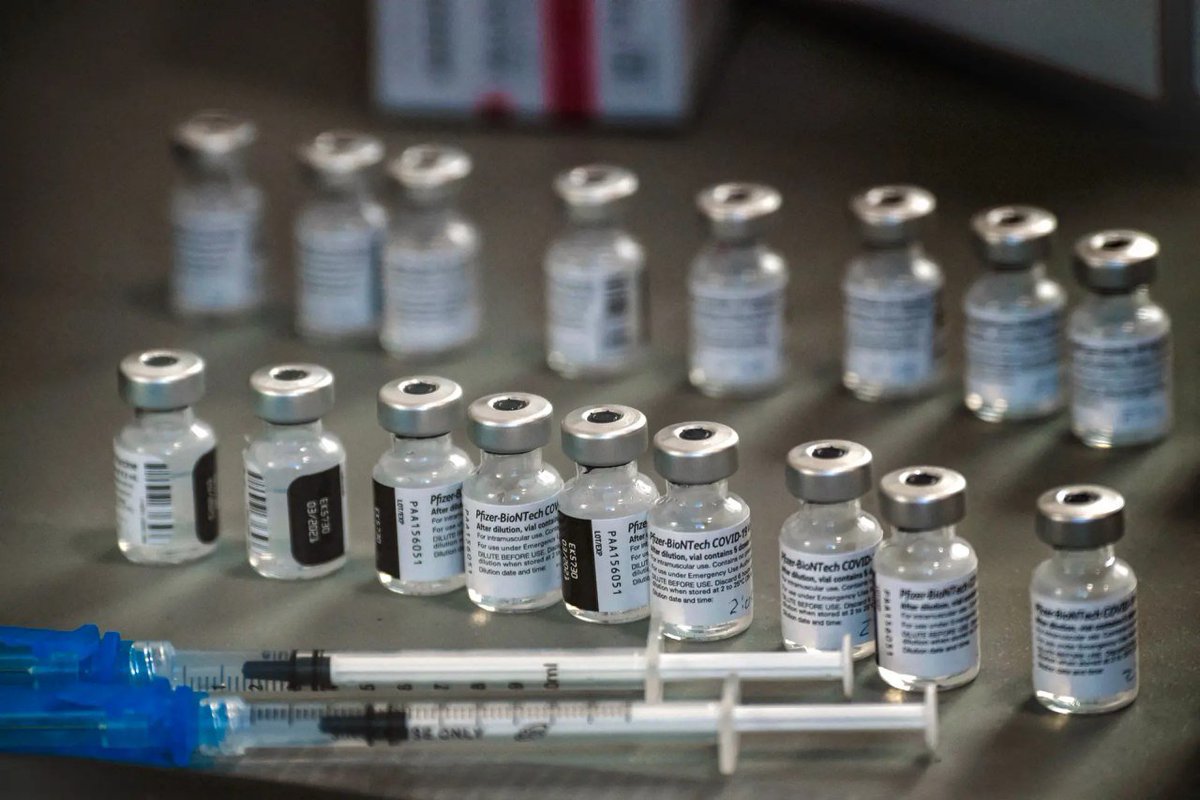
Decrease in Effectiveness, Rise in Side Effects
Clinical trials for the mRNA COVID-19 vaccines showed strong effectiveness against COVID-19 infection. Studies in 2021, though, found that against newer variants, the protection started lower and dropped over time, prompting officials to clear booster shots.
The U.S. government ultimately turned to an influenza-like system for the vaccines, with updates every year and recommendations that people receive an annual shot, regardless of prior infection or vaccination.
With some data suggesting the effectiveness of the vaccines turned negative over time, vaccine proponents began focusing on estimated shielding against severe illness and death. The vaccines prevented about 2.5 million deaths around the world from 2020 through 2024, a modeling paper published in July concluded.
Dr. Monica Gandhi, professor of medicine and associate chief at the University of California, San Francisco’s Division of HIV, Infectious Diseases, and Global Medicine, told The Epoch Times in an email that the protection from the vaccines against infection does quickly wane. But, she said, cellular immunity continues to provide protection against severe disease.
Clinical trials for the mRNA COVID-19 vaccines showed strong effectiveness against COVID-19 infection. Studies in 2021, though, found that against newer variants, the protection started lower and dropped over time, prompting officials to clear booster shots.
The U.S. government ultimately turned to an influenza-like system for the vaccines, with updates every year and recommendations that people receive an annual shot, regardless of prior infection or vaccination.
With some data suggesting the effectiveness of the vaccines turned negative over time, vaccine proponents began focusing on estimated shielding against severe illness and death. The vaccines prevented about 2.5 million deaths around the world from 2020 through 2024, a modeling paper published in July concluded.
Dr. Monica Gandhi, professor of medicine and associate chief at the University of California, San Francisco’s Division of HIV, Infectious Diseases, and Global Medicine, told The Epoch Times in an email that the protection from the vaccines against infection does quickly wane. But, she said, cellular immunity continues to provide protection against severe disease.
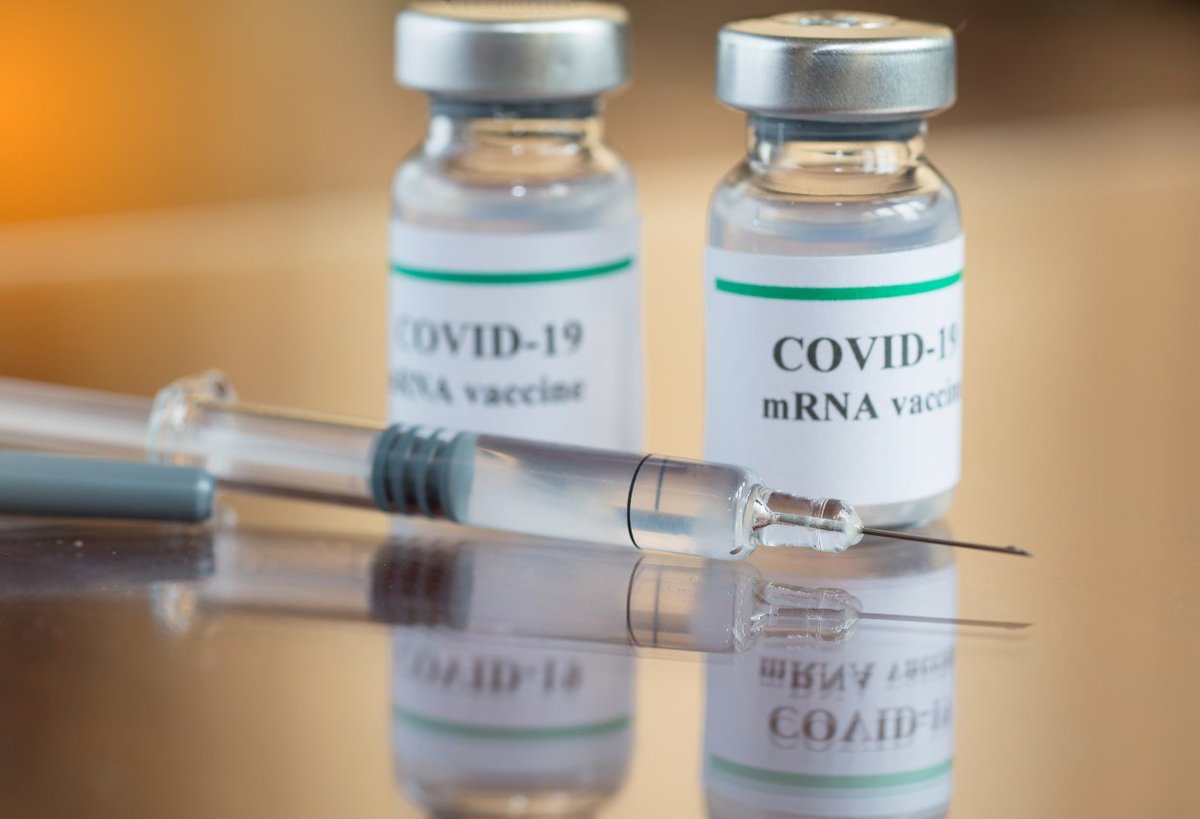
Side effects of the vaccines have also been confirmed since the authorizations, including heart inflammation. Some vaccinated people perished and had vaccination listed on their death certificates as a cause of death.
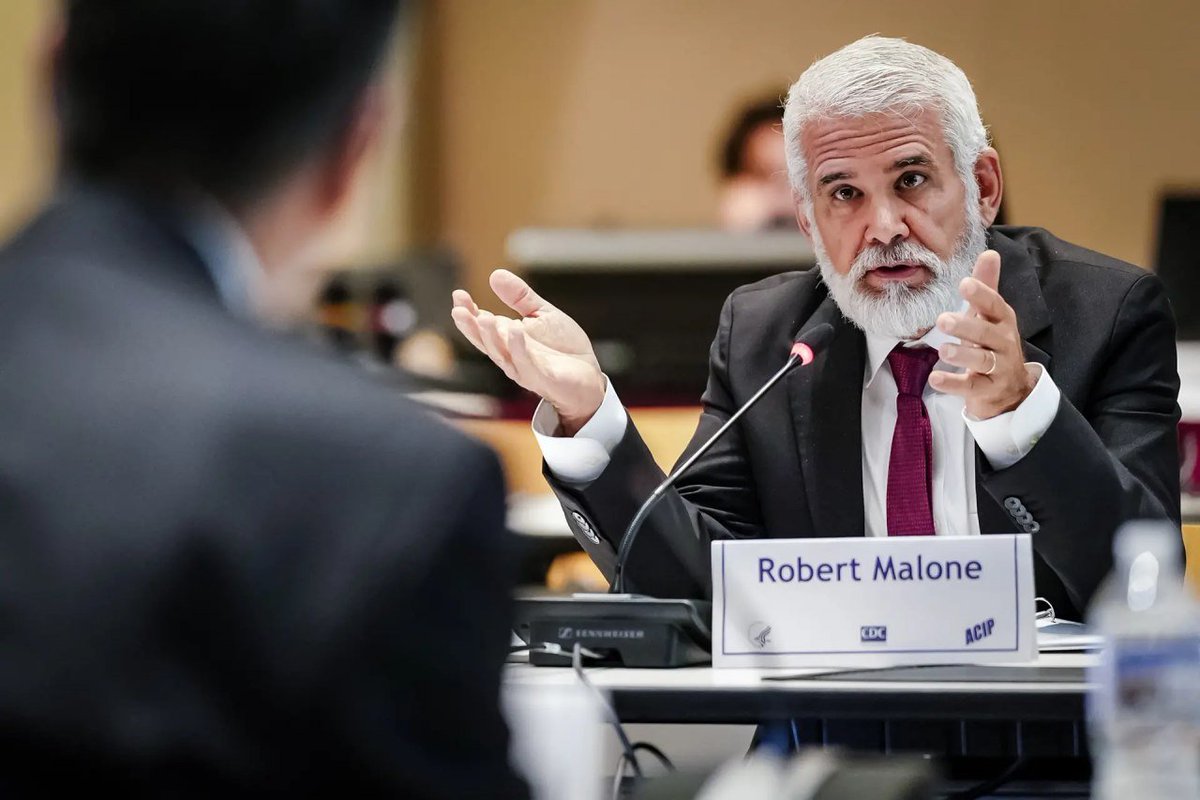
While the side effects are “relatively rare,” the effectiveness of the vaccines “is not sufficient to justify the rare adverse events,” Dr. Robert Malone, told The Epoch Times. Malone, who has been critical of the shots, helped invent the mRNA technology and Kennedy appointed him to advise the CDC on vaccines.
About eight in 10 Americans received at least one dose of a COVID-19 vaccine through mid-2022, according to the CDC. Subsequent rounds of the shots have been less popular, with 23 percent of adults and 13 percent of children receiving one of the latest versions, according to the CDC.
While the side effects are “relatively rare,” the effectiveness of the vaccines “is not sufficient to justify the rare adverse events,” Dr. Robert Malone, told The Epoch Times. Malone, who has been critical of the shots, helped invent the mRNA technology and Kennedy appointed him to advise the CDC on vaccines.
About eight in 10 Americans received at least one dose of a COVID-19 vaccine through mid-2022, according to the CDC. Subsequent rounds of the shots have been less popular, with 23 percent of adults and 13 percent of children receiving one of the latest versions, according to the CDC.
A little about us: We’re a team of journalists and researchers on a mission to give you REAL and honest information about your health.
Side effects of reading our posts may include: critical thinking.
Follow us for more daily threads—backed by hard data.
—> @EpochHealth
Side effects of reading our posts may include: critical thinking.
Follow us for more daily threads—backed by hard data.
—> @EpochHealth
Concerns About Platform Against Respiratory Viruses
Kennedy said he took action to move away from mRNA technology in part because the vaccines have not performed well against changing variants.
“Here’s the problem—mRNA only codes for a small part of the viral proteins, usually a single antigen, one mutation, and the vaccine becomes ineffective,” he said in a video statement.
The same issue exists for mRNA vaccines targeting influenza, the health secretary said.
The department pointed to a list of studies compiled by outside researchers. Studies that are listed include a paper that found free spike protein the blood of people who developed heart inflammation after vaccination and a study that found mRNA in blood 15 days post-vaccination.
Regarding the canceled contracts, Malone said, “It sounds to me like they’re allowing the science to drive decision making on major taxpayer investments.”
He has pointed to a paper that found poor protection for Pfizer’s COVID-19 vaccine and a study that identified no reduction in death risk after a fourth dose compared to a third dose.
Gandhi said she thinks the government should keep funding research into mRNA vaccines “since they work very well among those who are immunocompromised, have a role in cancer, and could be the platform for an HIV vaccine.”
Kennedy said he took action to move away from mRNA technology in part because the vaccines have not performed well against changing variants.
“Here’s the problem—mRNA only codes for a small part of the viral proteins, usually a single antigen, one mutation, and the vaccine becomes ineffective,” he said in a video statement.
The same issue exists for mRNA vaccines targeting influenza, the health secretary said.
The department pointed to a list of studies compiled by outside researchers. Studies that are listed include a paper that found free spike protein the blood of people who developed heart inflammation after vaccination and a study that found mRNA in blood 15 days post-vaccination.
Regarding the canceled contracts, Malone said, “It sounds to me like they’re allowing the science to drive decision making on major taxpayer investments.”
He has pointed to a paper that found poor protection for Pfizer’s COVID-19 vaccine and a study that identified no reduction in death risk after a fourth dose compared to a third dose.
Gandhi said she thinks the government should keep funding research into mRNA vaccines “since they work very well among those who are immunocompromised, have a role in cancer, and could be the platform for an HIV vaccine.”
Keeping Some Contracts in Place
Health officials said they were, in addition to terminating the Emory and Tiba contracts, de-scoping mRNA-related work in contracts with three companies and canceling pre-award solicitations from others, including Pfizer.
They also said they would be restructuring work on vaccine projects with four companies, including Moderna. The affected contracts number 22 and are worth nearly $500 million.
The companies did not return requests for comment.
Other final-stage contracts will be allowed to continue “to preserve prior taxpayer investment,” Kennedy’s department said. At the same time, “no new mRNA-based projects will be initiated,” it said.
Health officials said they were, in addition to terminating the Emory and Tiba contracts, de-scoping mRNA-related work in contracts with three companies and canceling pre-award solicitations from others, including Pfizer.
They also said they would be restructuring work on vaccine projects with four companies, including Moderna. The affected contracts number 22 and are worth nearly $500 million.
The companies did not return requests for comment.
Other final-stage contracts will be allowed to continue “to preserve prior taxpayer investment,” Kennedy’s department said. At the same time, “no new mRNA-based projects will be initiated,” it said.

Still, other uses of mRNA, such as in cancer vaccines, are not impacted.
Malone said supporters of Kennedy are wondering why the health secretary has not acted unilaterally against mRNA products, including COVID-19 vaccines. “If he was to do that, the legal challenges would overwhelm HHS, so he has to operate within the system,” Malone said.
Malone and other members of the Advisory Committee on Immunization Practices are slated to convene later in August or in September to consider how to advise officials to act on recent Food and Drug Administration approvals of updated COVID-19 vaccines. They could recommend the vaccines for the populations for which they were approved—all people at least 65 years of age, and those aged 6 months to 64 with at least one risk condition—or recommend smaller groups, or no groups at all, receive the vaccines.
Malone said supporters of Kennedy are wondering why the health secretary has not acted unilaterally against mRNA products, including COVID-19 vaccines. “If he was to do that, the legal challenges would overwhelm HHS, so he has to operate within the system,” Malone said.
Malone and other members of the Advisory Committee on Immunization Practices are slated to convene later in August or in September to consider how to advise officials to act on recent Food and Drug Administration approvals of updated COVID-19 vaccines. They could recommend the vaccines for the populations for which they were approved—all people at least 65 years of age, and those aged 6 months to 64 with at least one risk condition—or recommend smaller groups, or no groups at all, receive the vaccines.
Focus on Other Platforms
Kennedy said that the Department of Health and Human Services supports safe and effective vaccines for people who want them.
That’s why officials are “shifting that funding toward safer, broader vaccine platforms that remain effective even as viruses mutate,” he said.
The Department of Health and Human Services said the shift in funding will be towards “whole virus vaccines” and “novel platforms.”
The department said in May it was going to utilize a platform created by Dr. Jeffrey Taubenberger, a National Institute of Allergy and Infectious Diseases official, to develop universal vaccines targeting multiple virus strains.
“It’s a vaccine that mimics natural immunity and it is effective against any kind of mutation,“ Kennedy said during a recent event. ”We believe it’s going to be effective against not only coronaviruses but also flu.”
Kennedy said that the Department of Health and Human Services supports safe and effective vaccines for people who want them.
That’s why officials are “shifting that funding toward safer, broader vaccine platforms that remain effective even as viruses mutate,” he said.
The Department of Health and Human Services said the shift in funding will be towards “whole virus vaccines” and “novel platforms.”
The department said in May it was going to utilize a platform created by Dr. Jeffrey Taubenberger, a National Institute of Allergy and Infectious Diseases official, to develop universal vaccines targeting multiple virus strains.
“It’s a vaccine that mimics natural immunity and it is effective against any kind of mutation,“ Kennedy said during a recent event. ”We believe it’s going to be effective against not only coronaviruses but also flu.”

Thanks for reading! If you found this valuable, here's a special deal:
Unlock our ENTIRE library of @EpochHealth articles for just $1/week—plus unlimited access to everything else on our site.
Claim it here:
on.theepochtimes.com/vfox/health?ut…
Unlock our ENTIRE library of @EpochHealth articles for just $1/week—plus unlimited access to everything else on our site.
Claim it here:
on.theepochtimes.com/vfox/health?ut…

• • •
Missing some Tweet in this thread? You can try to
force a refresh