This is a beautiful garment.
Let me show you what makes it special. 🧵
Let me show you what makes it special. 🧵

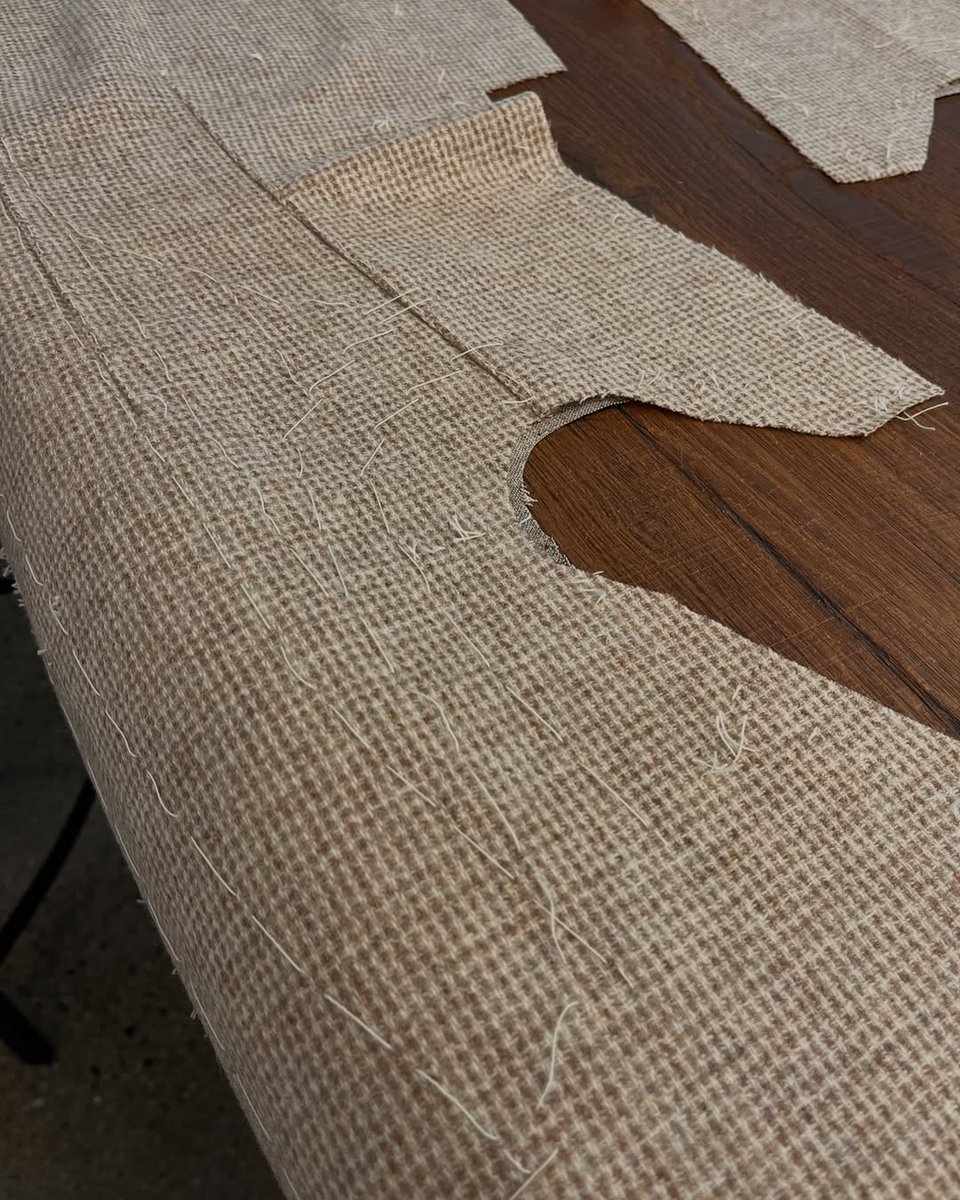
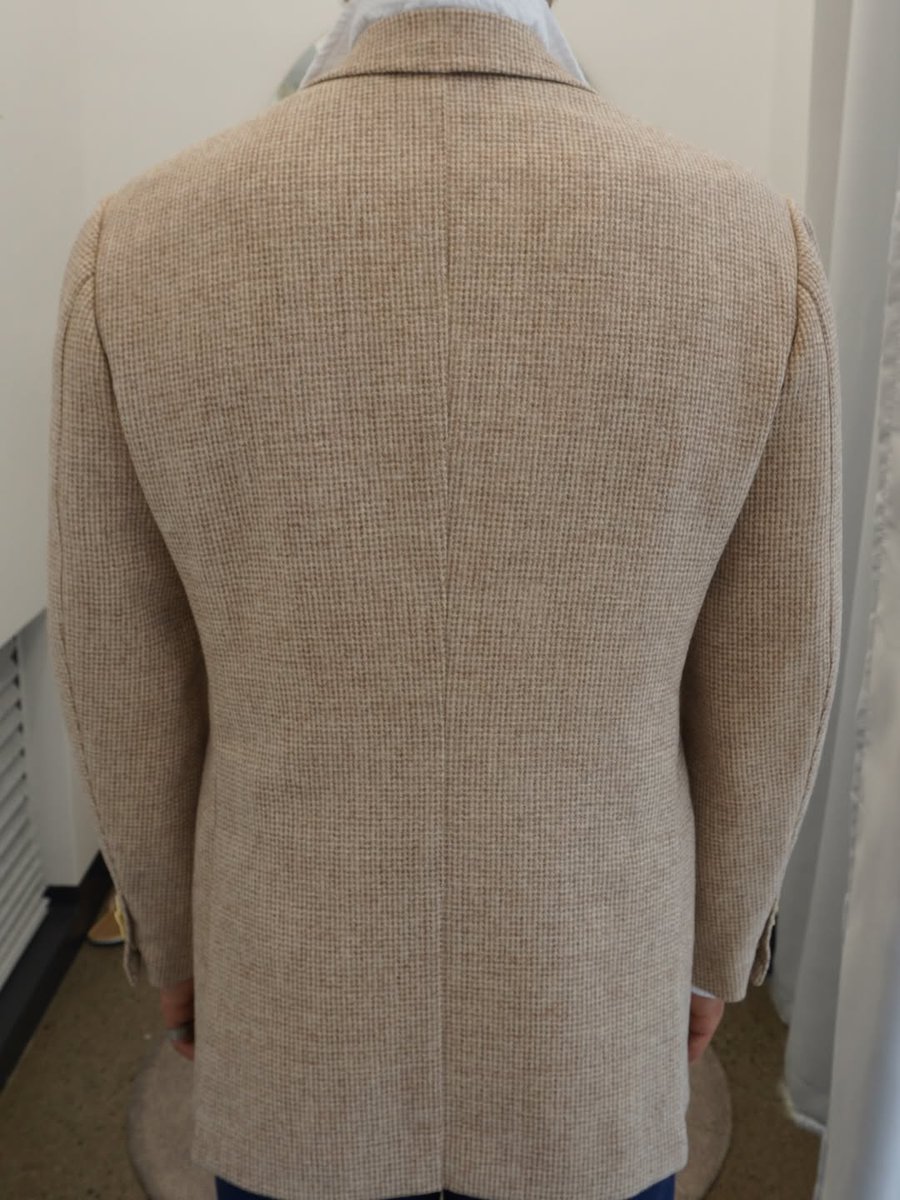
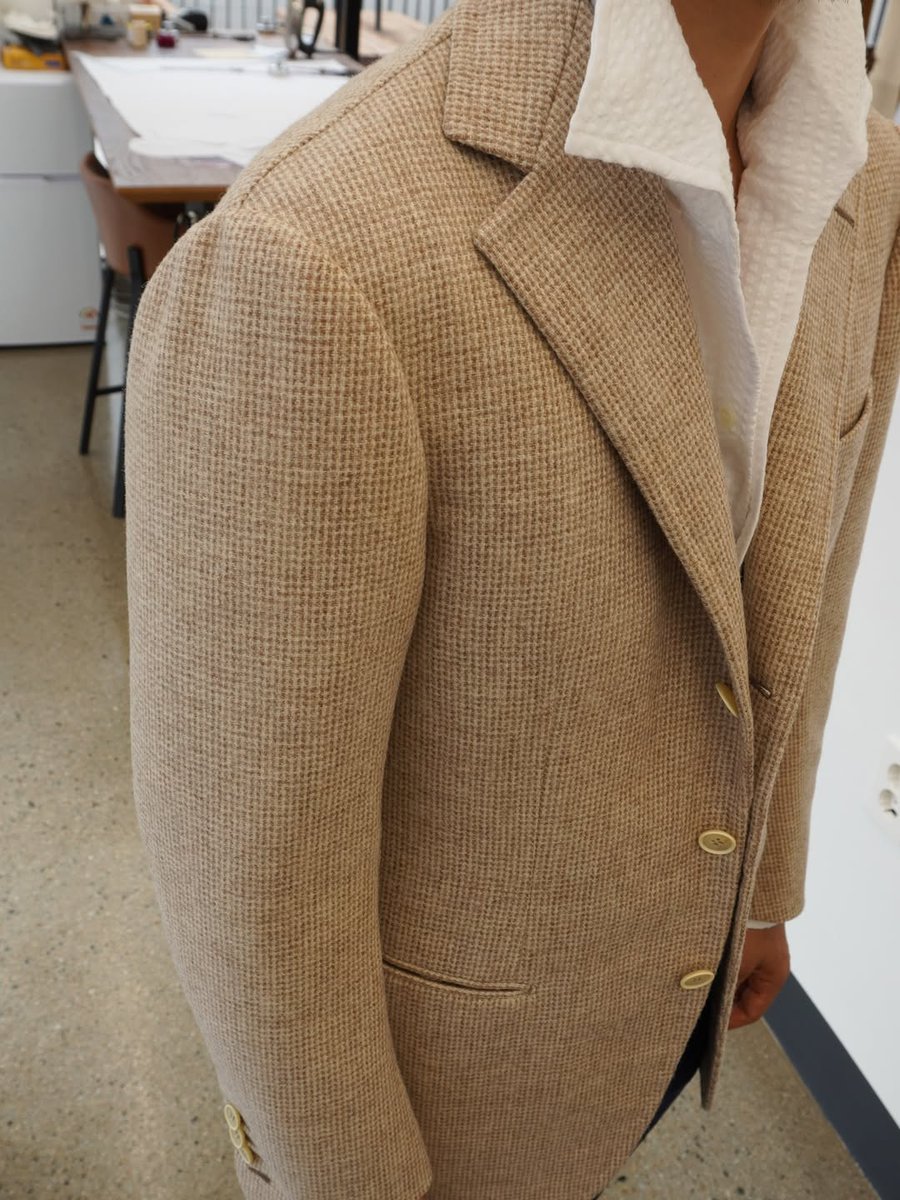
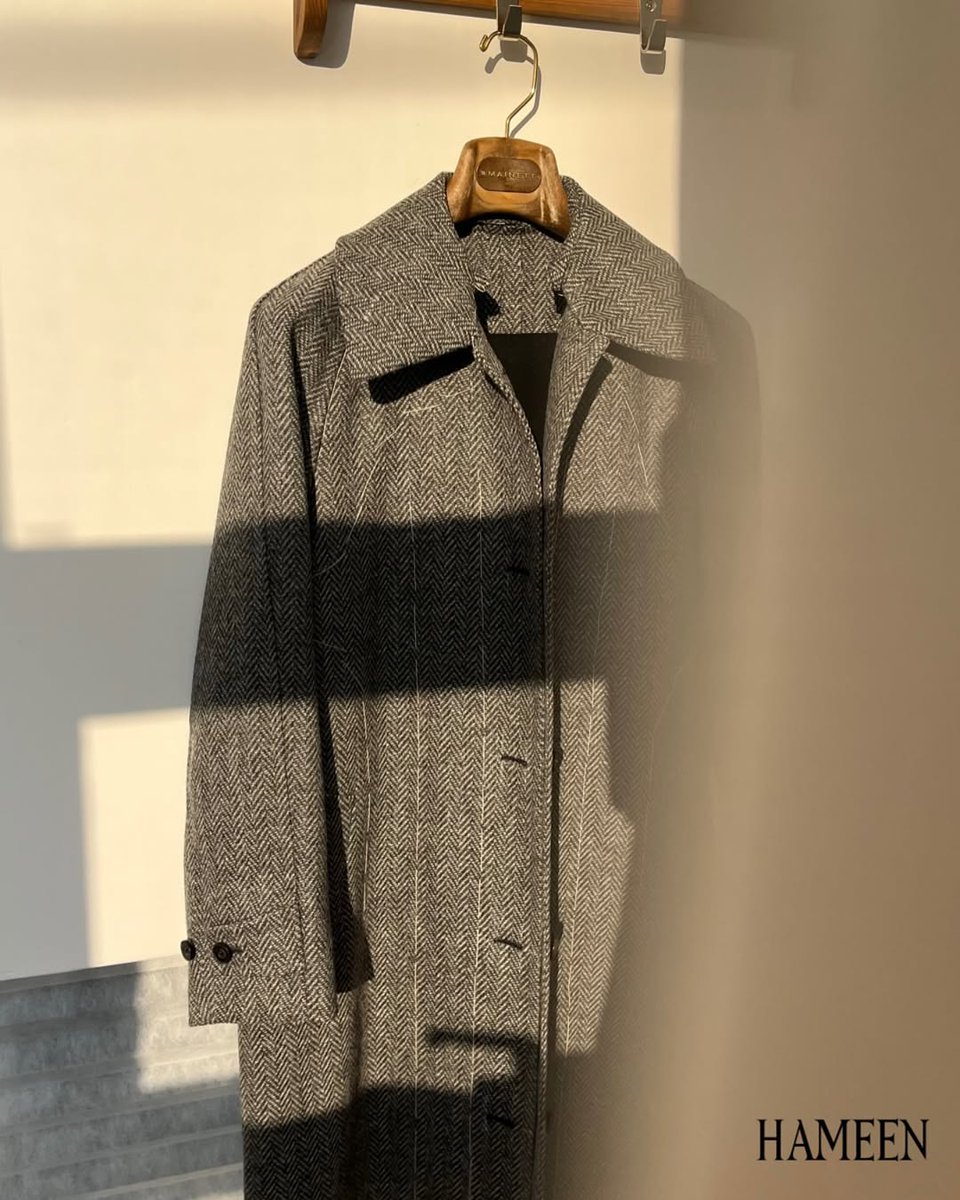
This is a bespoke sport coat made from vintage oatmeal-colored tweed and finished with natural Loro Piana horn buttons. It's from a relatively new South Korean tailoring company called Hameen, run by a woman named Hamin Kim.


Bespoke means the garment was made from scratch specifically for one client. Unlike made-to-measure, which involves a block pattern, this pattern was drafted from scratch using a client's measurements. The garment was then made through a series of three fittings.
Everything in this process is done by hand. The canvas is basted by hand. The chest and lapels are pad stitched by hand. Pick stitching is done by hand. Even the under collar (here seen done on a different suit) is curved with an iron by hand (called "cooking" by some tailors)
The tremendous amount of skilled handwork means there's a lot of shape put into this garment. The iterative number of fittings also means the tailor can perfect the fit to make sure everything turns out as it should. Different fabrics hang differently, so fittings are critical.
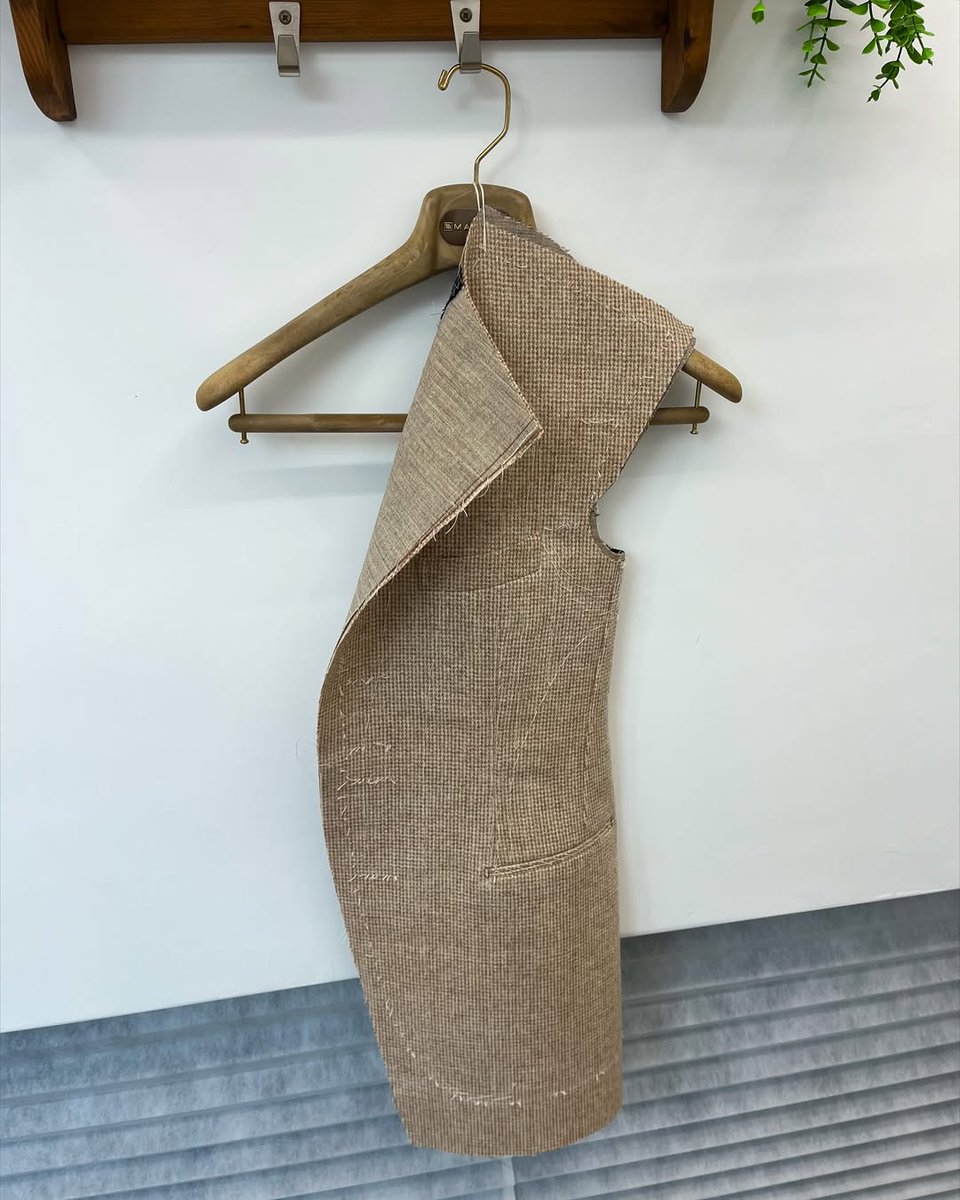
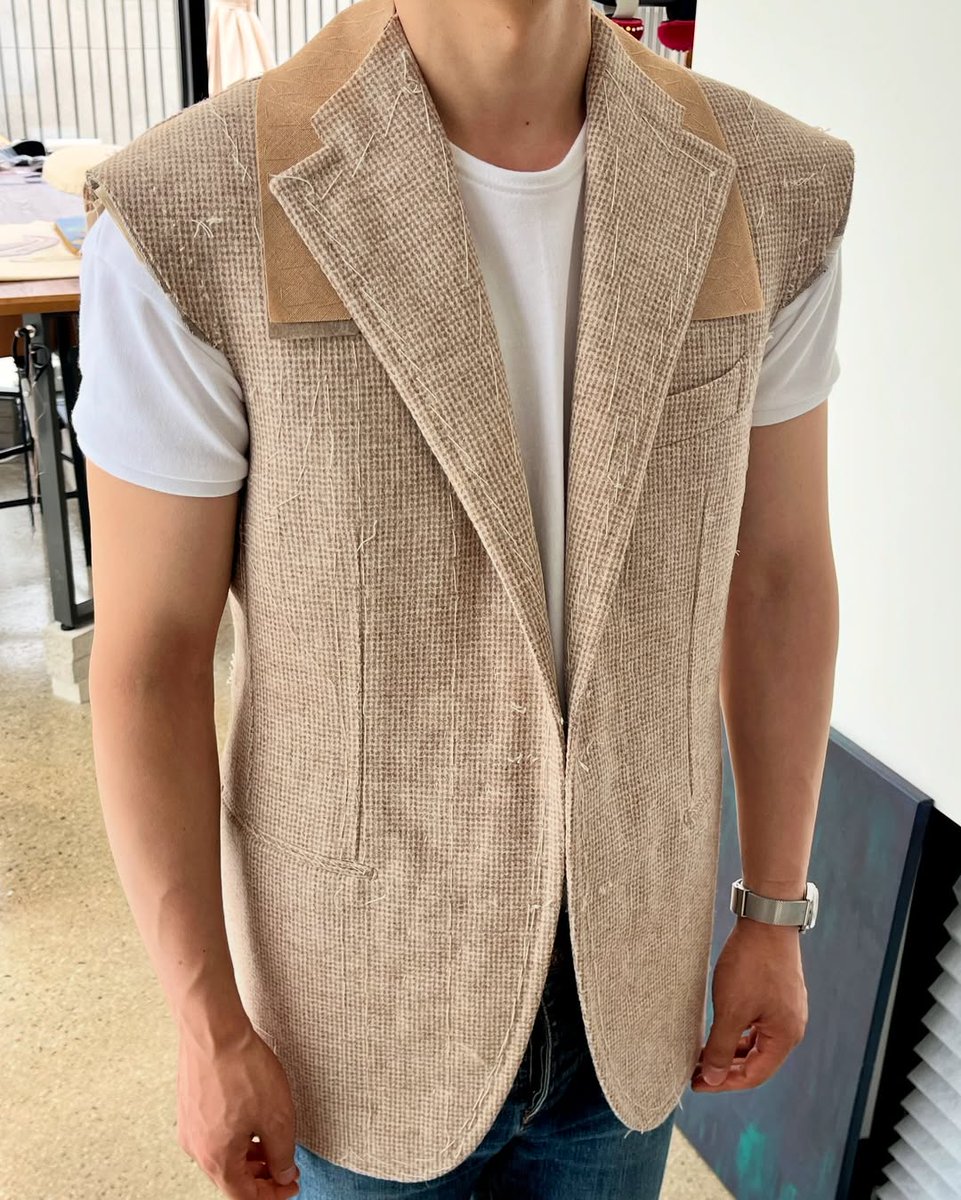
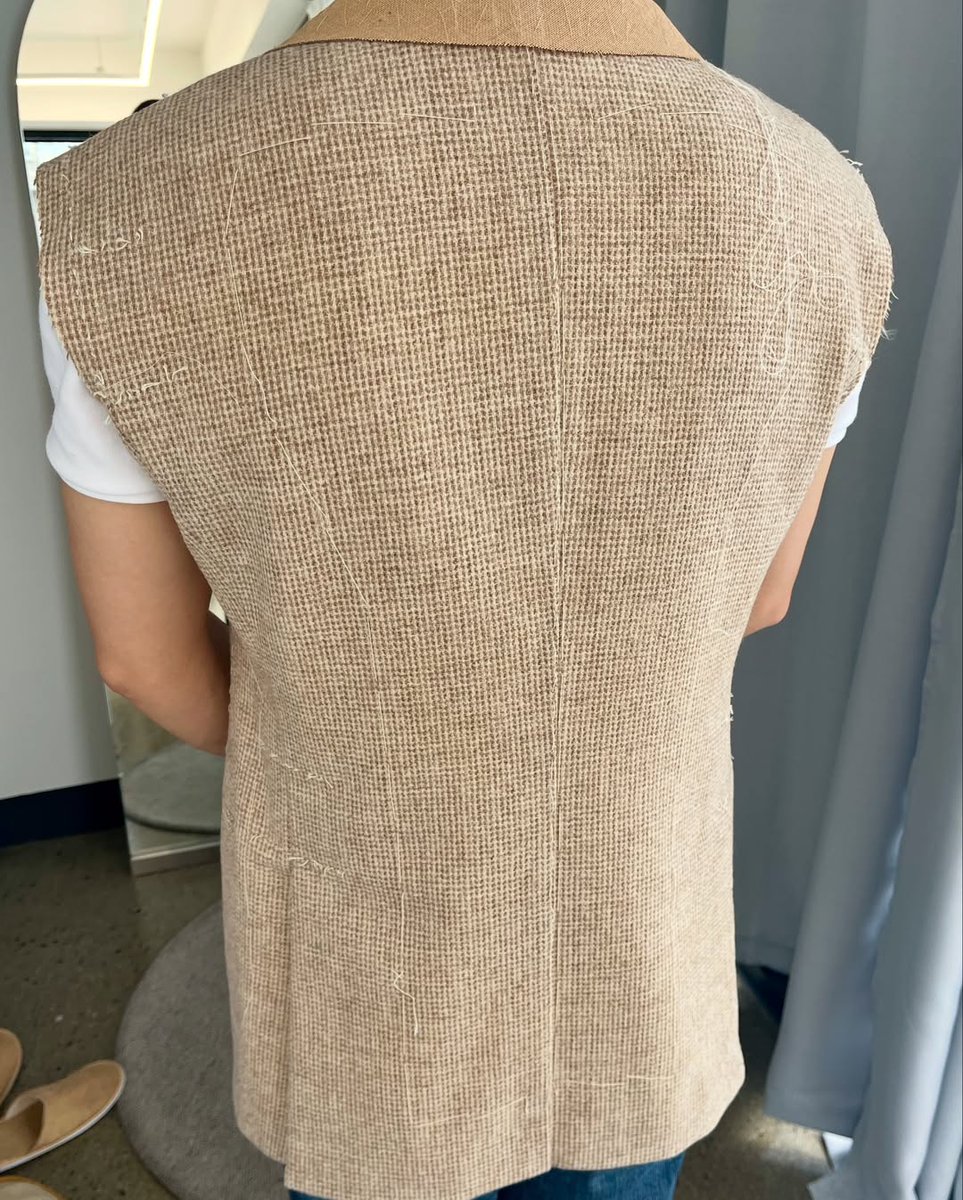
Let's now see the payoff.
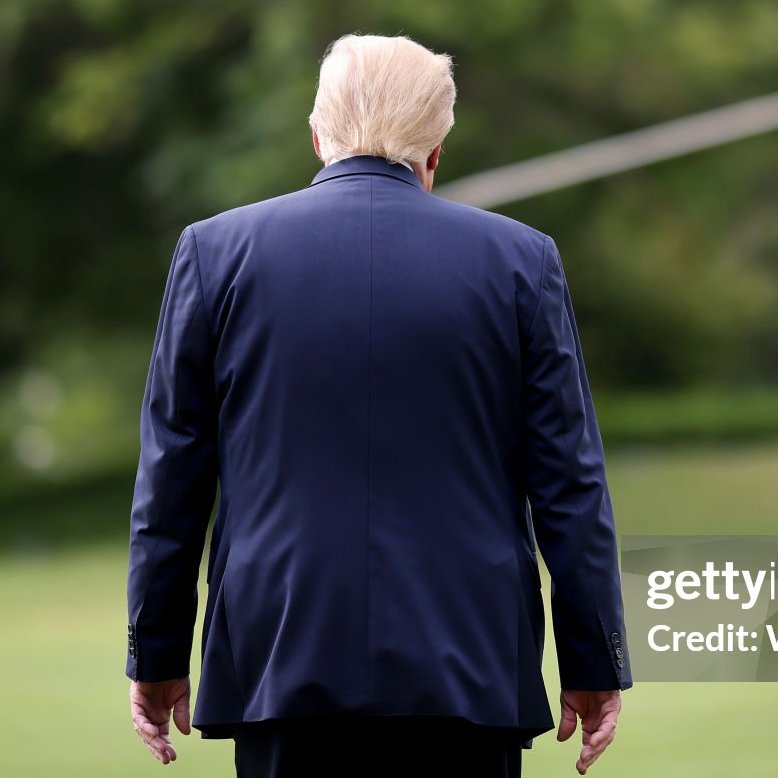
Since the garment was made specifically for this person, the back fits perfectly. On the right, we see diagonal lines going from the middle of the shoulder to the armpit because the wearer's shoulders are more sloped than the garment's shoulders.
Since the garment was made specifically for this person, the back fits perfectly. On the right, we see diagonal lines going from the middle of the shoulder to the armpit because the wearer's shoulders are more sloped than the garment's shoulders.
The combination of skilled pad stitching and iron work means the lapels almost look like they're blooming out of the buttoning point. Look at that roll!
On the right, the lapels have been pressed flat like a chicken bacon ranch panini at Panera Bread.
On the right, the lapels have been pressed flat like a chicken bacon ranch panini at Panera Bread.
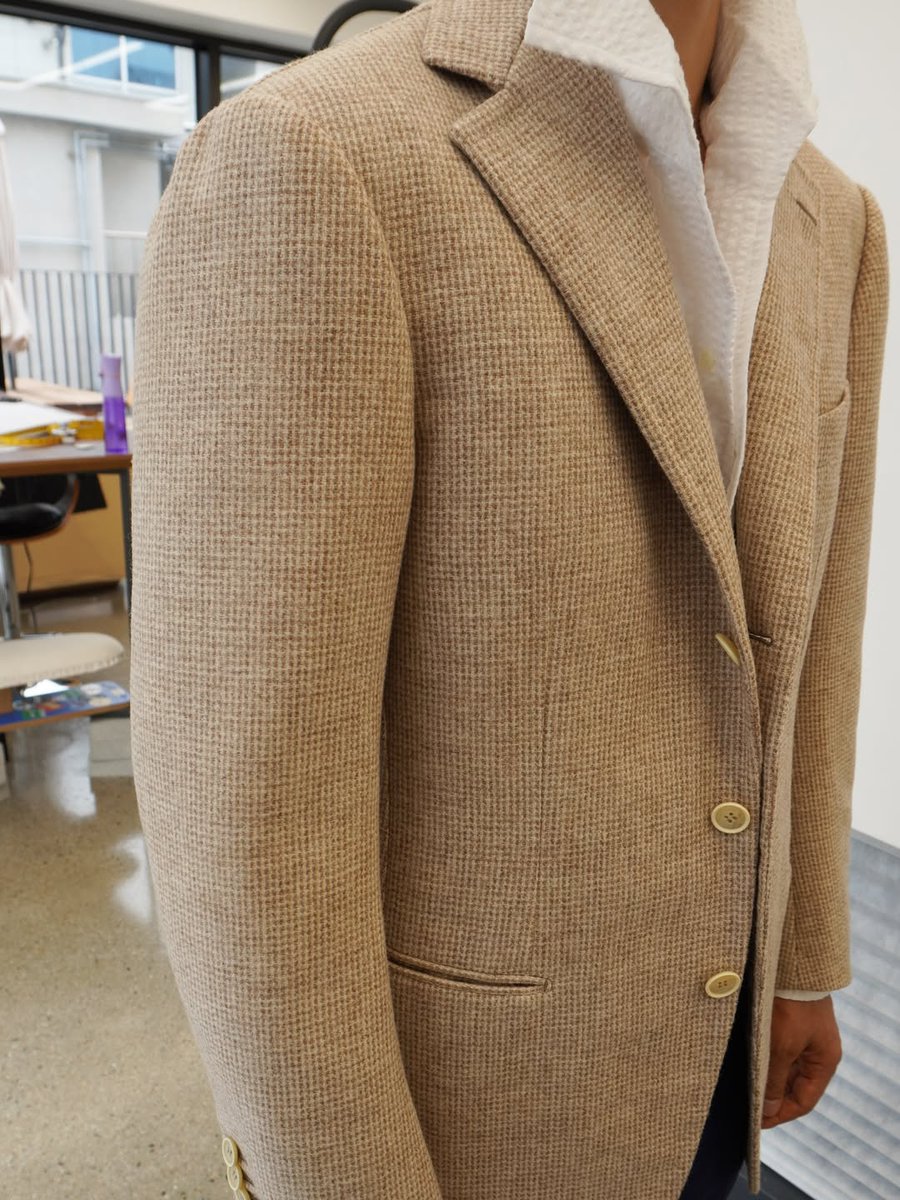
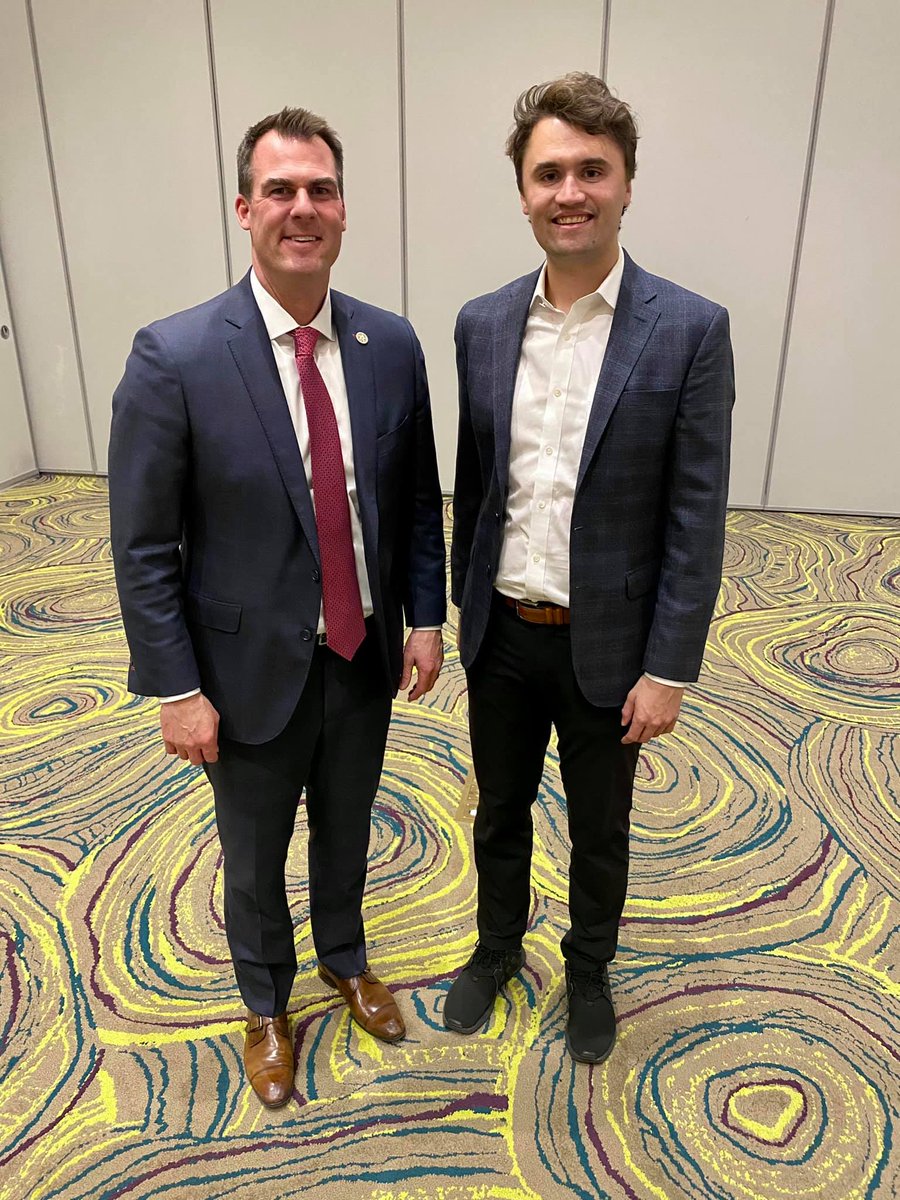
This sort of shaping extends to the chest. Check out how the chest on the tweed jacket curves out a little, like a pectoral muscle. This is the result of haircloth, cutting, pad stitching, and ironwork.
The chest on the right has no such shape. Lapels also buckle from the chest
The chest on the right has no such shape. Lapels also buckle from the chest
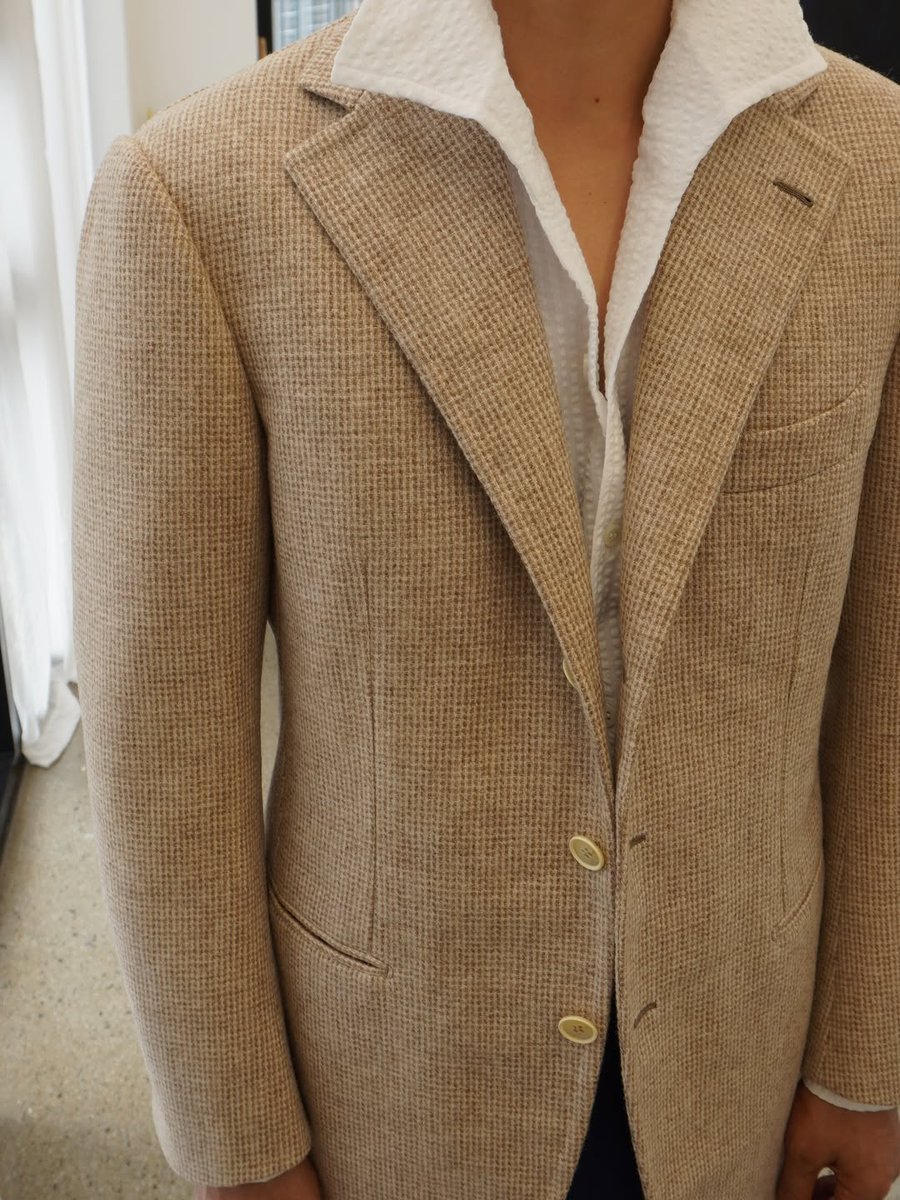
And look how smoothly that sleeve hangs. This is because the jacket sleeve is full enough to encase the arm without catching on the shirt sleeve. It's also pitched correctly for the person's natural stance
On the right, we see sleeves that are too tight, so they catch and ripple
On the right, we see sleeves that are too tight, so they catch and ripple
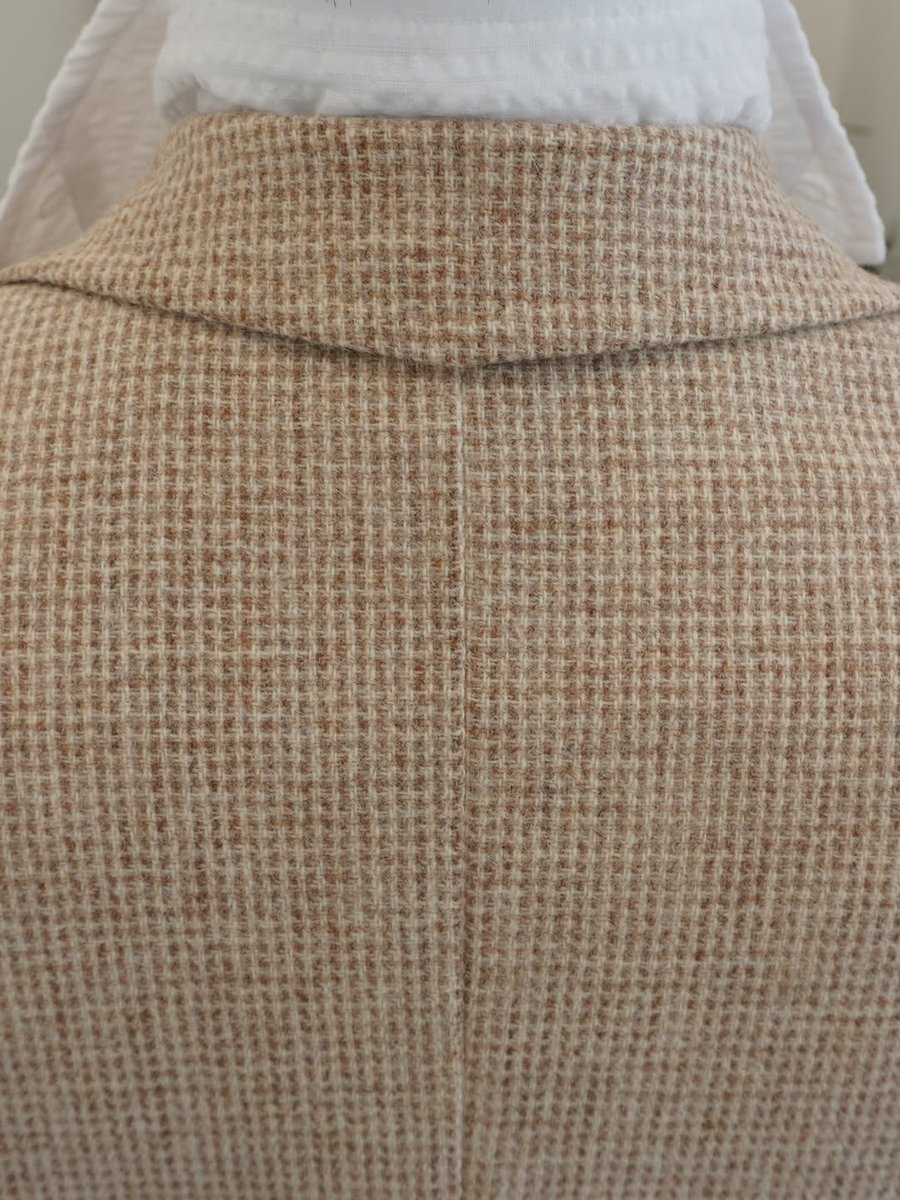
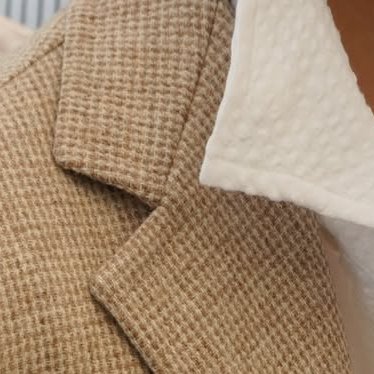
The tailor even took the time to match the pattern across the collar and the back of the jacket. And across the gorge, which is the seam that connects the jacket's collar to the lapels. This is an impressive level of detail, which shows the tailor takes pride in their work.
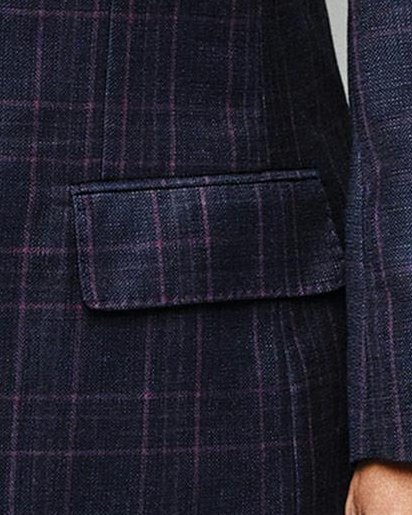
Sometimes you see companies missing this even in really basic ways, such as this flapped pocket that doesn't align with the body or jett. This typically happens when the company is trying to cut cost, so operator has limited time to spend on each garment.
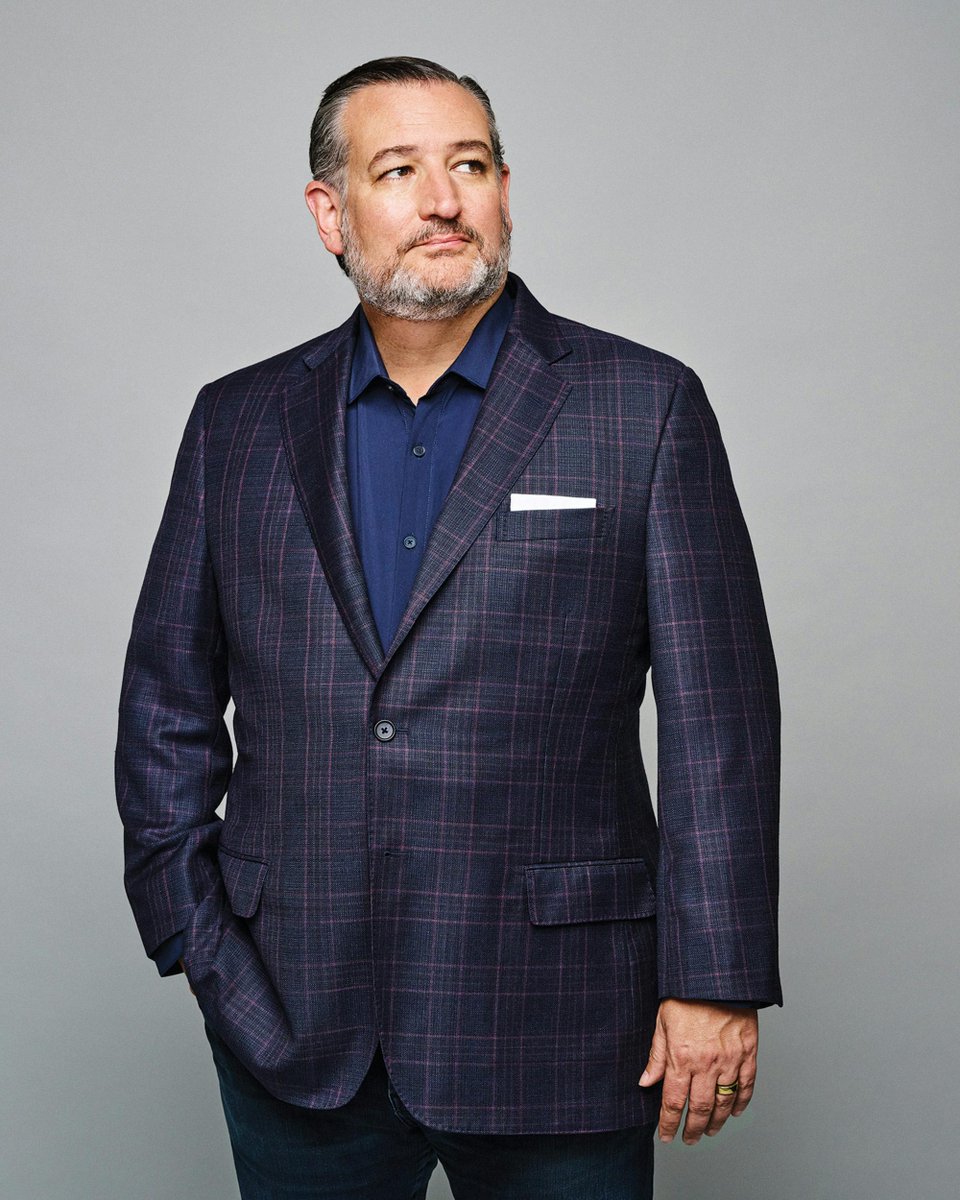
On the internet today, you can find countless companies who present their tailoring in very "alpha male" or "luxurious" ways. These are typically not real tailors. They are businesspeople who are working with overseas factories. They work with influecers, who make stuff like this
For instance, despite the "USA USA USA" branding, Sec. Hegseth's clothes are made by a company called Book A Tailor, which uses workshops in Thailand. To be clear, there's nothing wrong with Thai tailoring. The problem is soley in the business owner.
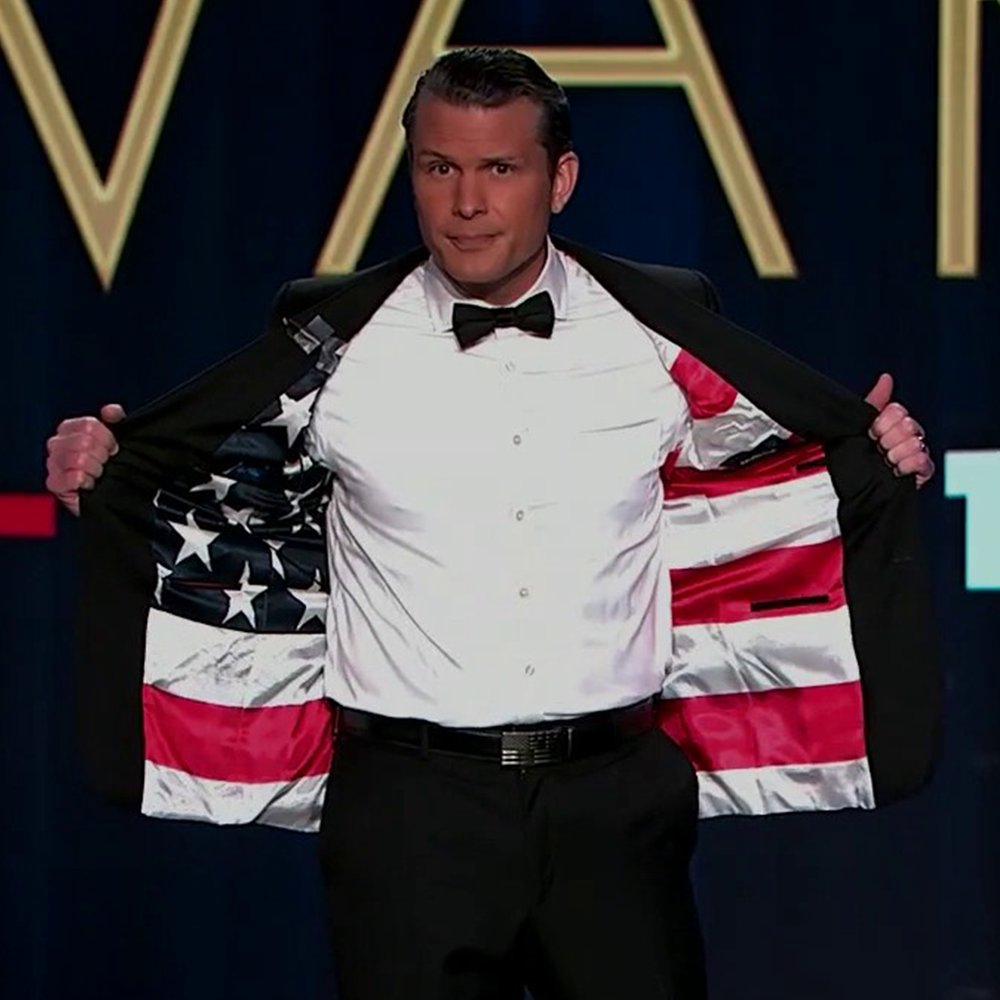
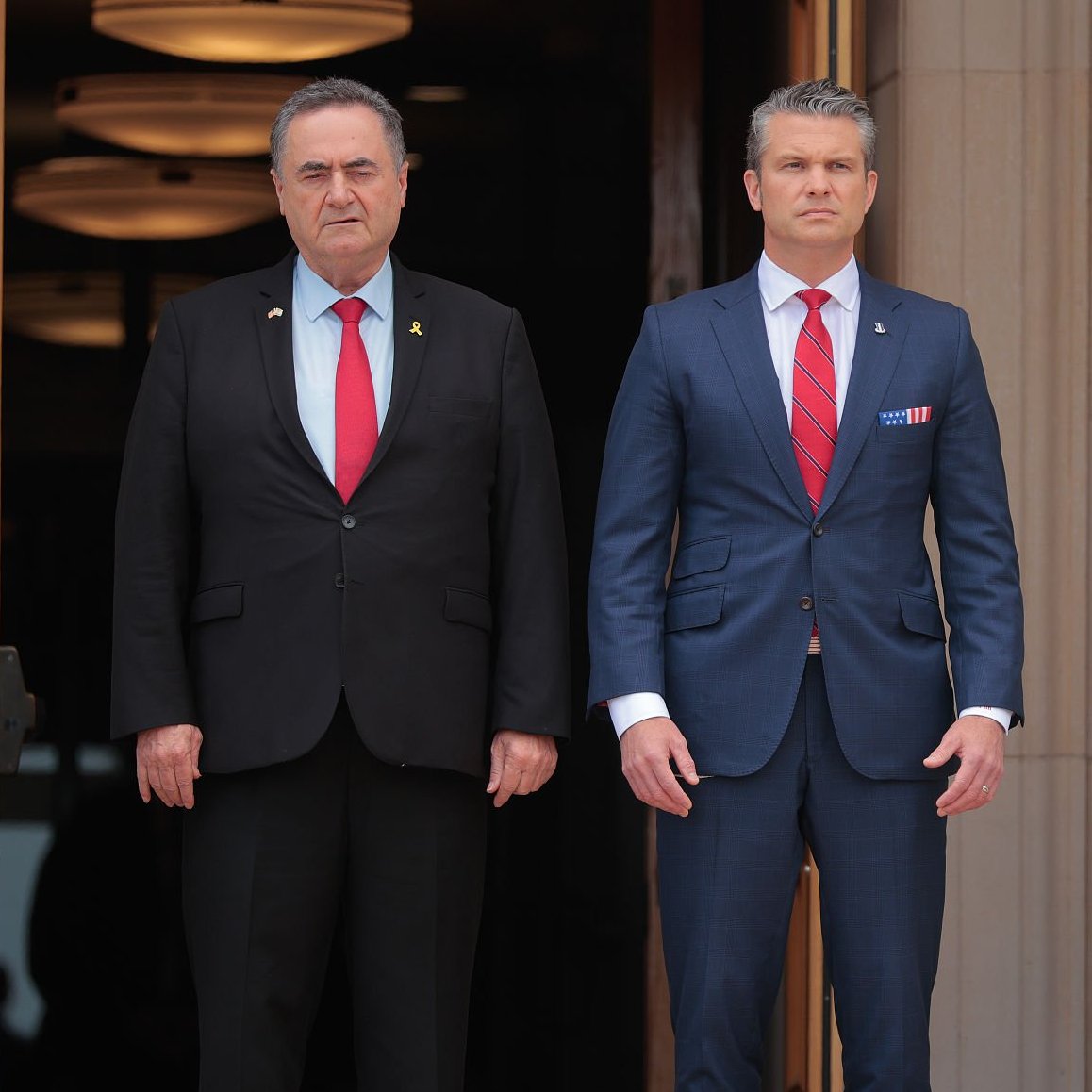
These business owners are typically more interested in money than tailoring. They will sell you anything, even if it's a stupid gimmick — a contrast buttonhole, wacky lining, fun monogram, stitching inside made to look like hand stitching (even though it's 100% machine).
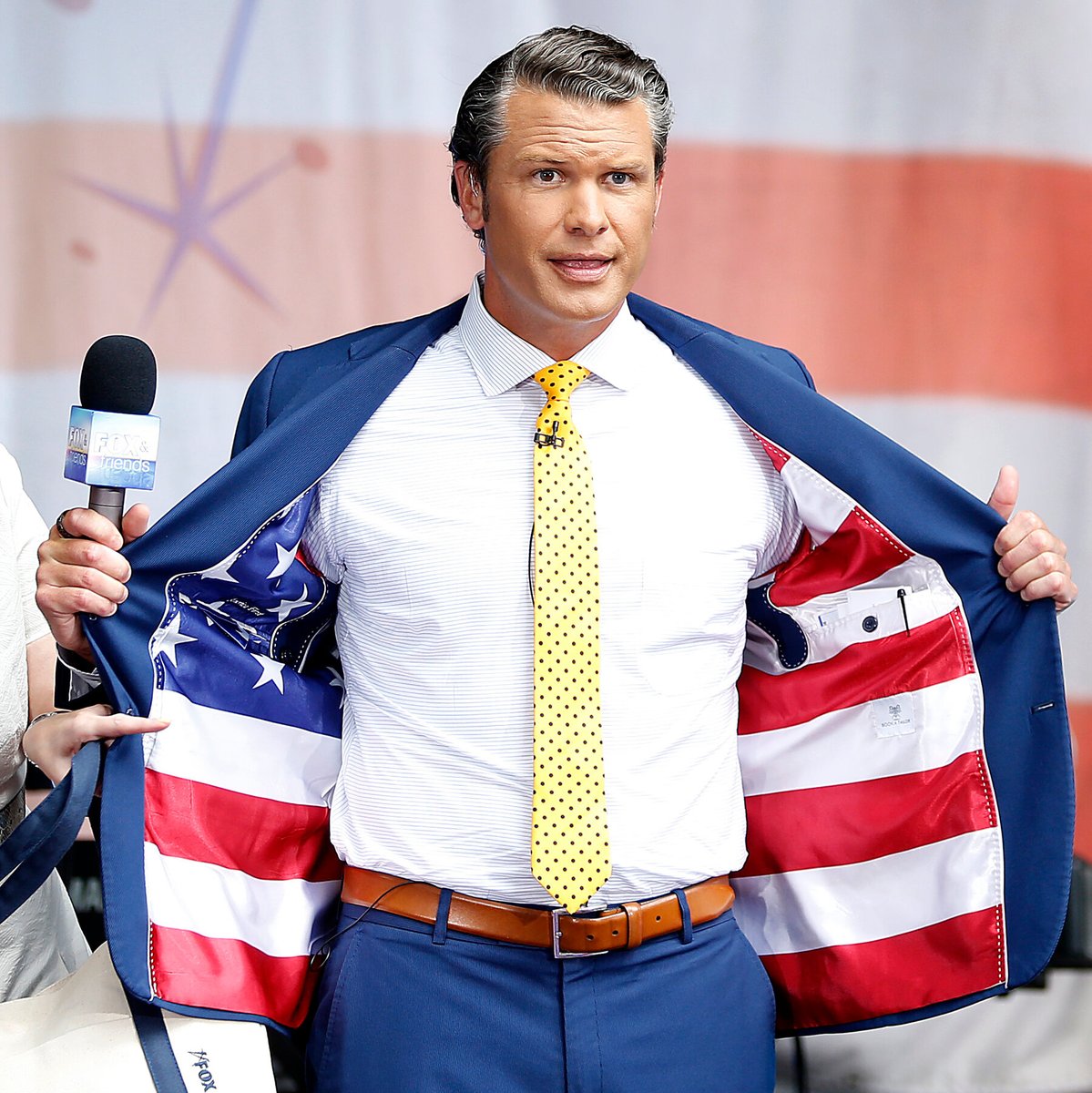
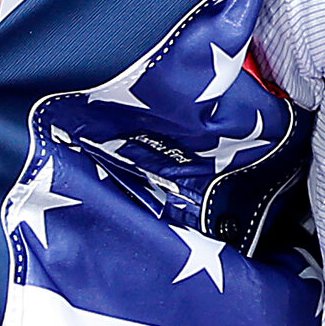
Anything to distract you from the fact that the garment is not actually well made. It does not fit nor flatter. It puckers and pulls. It has no shape. Ends up being all about flash and no substance.
The company owner doesn't care because they just want to make a sale.
The company owner doesn't care because they just want to make a sale.
Hameen is a tiny, assuming shop, but inside you will find an actual craftsperson who knows the technical work of tailoring. The quality is purely in the stuff that matters — fit, silhouette, make.
My usual disclosure: This is not a paid tweet and I don't do paid tweets
My usual disclosure: This is not a paid tweet and I don't do paid tweets

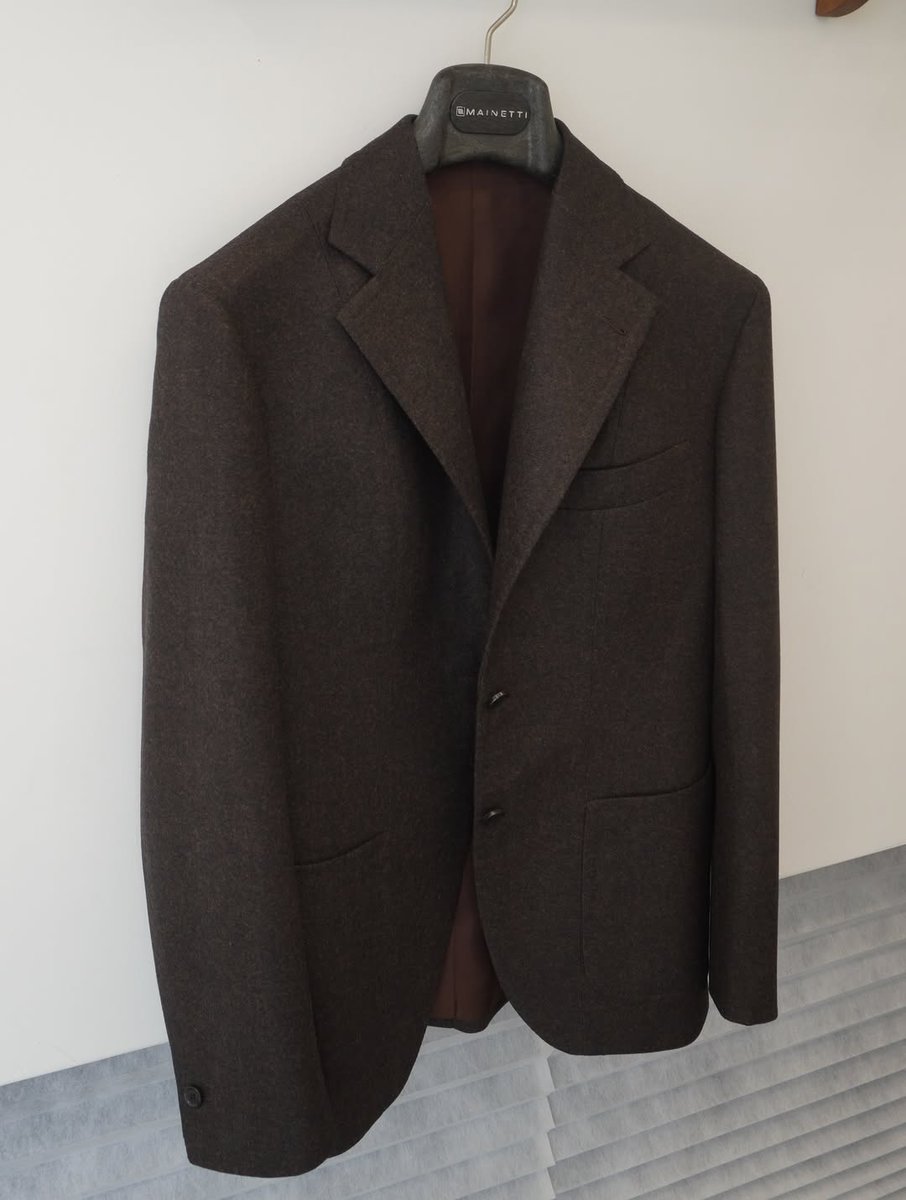
My hope with this thread is that you separate the wheat from the chaff when shopping. Learn how to ask the right questions and spot real craftsmanship.
If you want to follow Hameen, you can find them on Instagram under the names hameen_official and hamin.kor
If you want to follow Hameen, you can find them on Instagram under the names hameen_official and hamin.kor
• • •
Missing some Tweet in this thread? You can try to
force a refresh