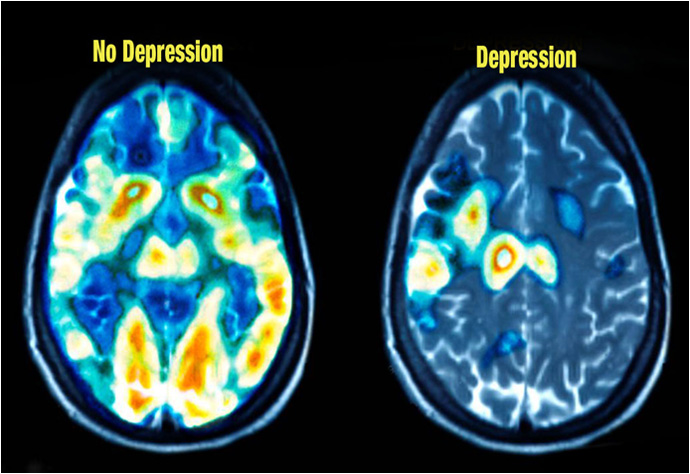
"Some people die at 25 and aren't buried until 75." Benjamin Franklin
Most are walking-dead:
• Stuck in your parents' dream
• Lost in soulless jobs
• Tangled in traumas
If this is you, here are Carl Jung's 7 laws for finding your purpose:
1/ Your Purpose Is Expiring Soon.
Most are walking-dead:
• Stuck in your parents' dream
• Lost in soulless jobs
• Tangled in traumas
If this is you, here are Carl Jung's 7 laws for finding your purpose:
1/ Your Purpose Is Expiring Soon.

Carl Jung identified 2 distinct life phases:
- 1st half: Build your life, achieve goals, establish identity
- 2nd half: Find meaning, integrate shadow, seek wholeness
Many midlife crises occur when people cling on for too long.
- 1st half: Build your life, achieve goals, establish identity
- 2nd half: Find meaning, integrate shadow, seek wholeness
Many midlife crises occur when people cling on for too long.

Your purpose evolves as you do...
- The ambitious entrepreneur might need to become a mentor.
- The dedicated parent might need to rediscover their individual identity.
Jung taught that psychological growth continues throughout life—if we're willing.
But why is this important?
- The ambitious entrepreneur might need to become a mentor.
- The dedicated parent might need to rediscover their individual identity.
Jung taught that psychological growth continues throughout life—if we're willing.
But why is this important?

Carl Jung was a Swiss psychiatrist who revolutionized our understanding of the human psyche.
After treating 1000s of patients, he noticed a pattern:
People's suffering often came from one thing.... Living disconnected from their authentic selves.
His solution?
After treating 1000s of patients, he noticed a pattern:
People's suffering often came from one thing.... Living disconnected from their authentic selves.
His solution?
"Individuation."
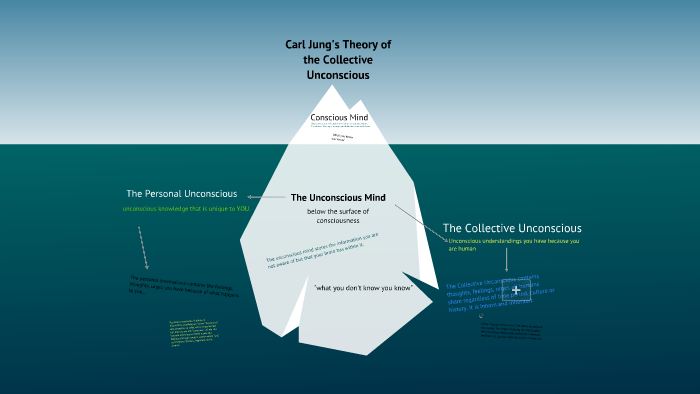
Jung mapped the psyche into 3 levels:
• Consciousness (what we're aware of)
• Personal unconscious (our hidden memories)
• Collective unconscious (inherited human patterns)
Most of who we are exists below awareness.
That's where the real work begins.
Jung mapped the psyche into 3 levels:
• Consciousness (what we're aware of)
• Personal unconscious (our hidden memories)
• Collective unconscious (inherited human patterns)
Most of who we are exists below awareness.
That's where the real work begins.
#2: Your Shadow Commands Your Mind
Jung discovered we all carry a "shadow"—the parts of ourselves we've rejected or hidden.
• Anger we've suppressed
• Desires we're ashamed of
• Qualities we criticize in others
These don't disappear. They influence us from the unconscious.
Jung discovered we all carry a "shadow"—the parts of ourselves we've rejected or hidden.
• Anger we've suppressed
• Desires we're ashamed of
• Qualities we criticize in others
These don't disappear. They influence us from the unconscious.
How to work with your shadow:
1. Keep a dream journal
2. Study myths and fairy tales
3. Cultivate a spiritual practice
4. Seek a mentor, psychologist or therapist
Jung found this simple practice transformed his patients' self-awareness.
1. Keep a dream journal
2. Study myths and fairy tales
3. Cultivate a spiritual practice
4. Seek a mentor, psychologist or therapist
Jung found this simple practice transformed his patients' self-awareness.
#3: The Mask You Wear Is Killing Your Soul
We all wear masks—Jung called this the "persona."
• The caring parent
• The perfect employee
• The successful entrepreneur
But when the gap between persona and true self grows too wide, we suffer.
We all wear masks—Jung called this the "persona."
• The caring parent
• The perfect employee
• The successful entrepreneur
But when the gap between persona and true self grows too wide, we suffer.
Jung noticed his depressed patients often lived entirely through their personas.
They'd lost touch with:
• Their genuine desires
• Their real values
• Their authentic emotions
The cure? Gradually dropping the mask and revealing who's underneath.
Listen to this:
They'd lost touch with:
• Their genuine desires
• Their real values
• Their authentic emotions
The cure? Gradually dropping the mask and revealing who's underneath.
Listen to this:
#4: Crisis Sparks Transformation
"There is no coming to consciousness without pain."
Life's crises aren't random punishments.
They're your psyche demanding growth.
Divorce, job loss, illness—these force us to question everything and discover who we really are.
"There is no coming to consciousness without pain."
Life's crises aren't random punishments.
They're your psyche demanding growth.
Divorce, job loss, illness—these force us to question everything and discover who we really are.
Jung himself experienced a 6-year psychological crisis after breaking with Freud.
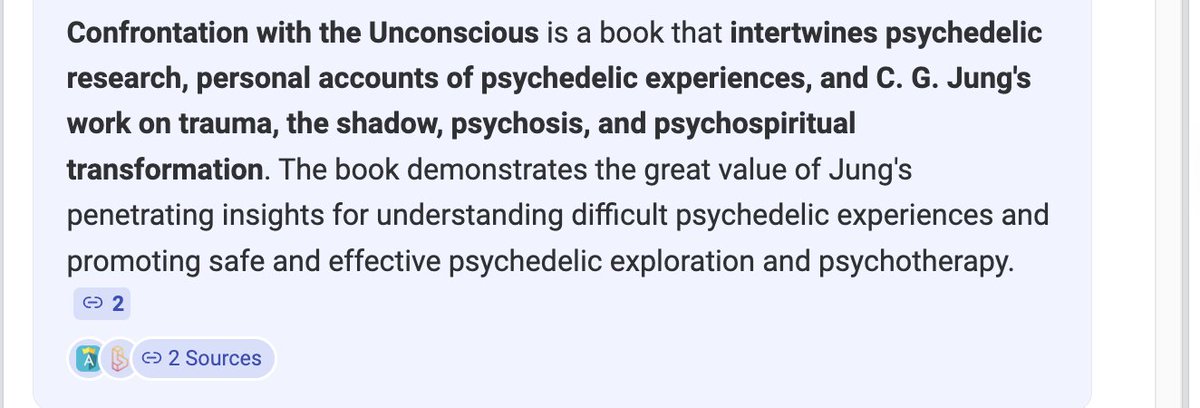
He called it his "confrontation with the unconscious."
From this dark period came his greatest discoveries about the human psyche.
Your breakdown might be your breakthrough.
He called it his "confrontation with the unconscious."
From this dark period came his greatest discoveries about the human psyche.
Your breakdown might be your breakthrough.
#5: You're Running 50,000-Year-Old Mental Software
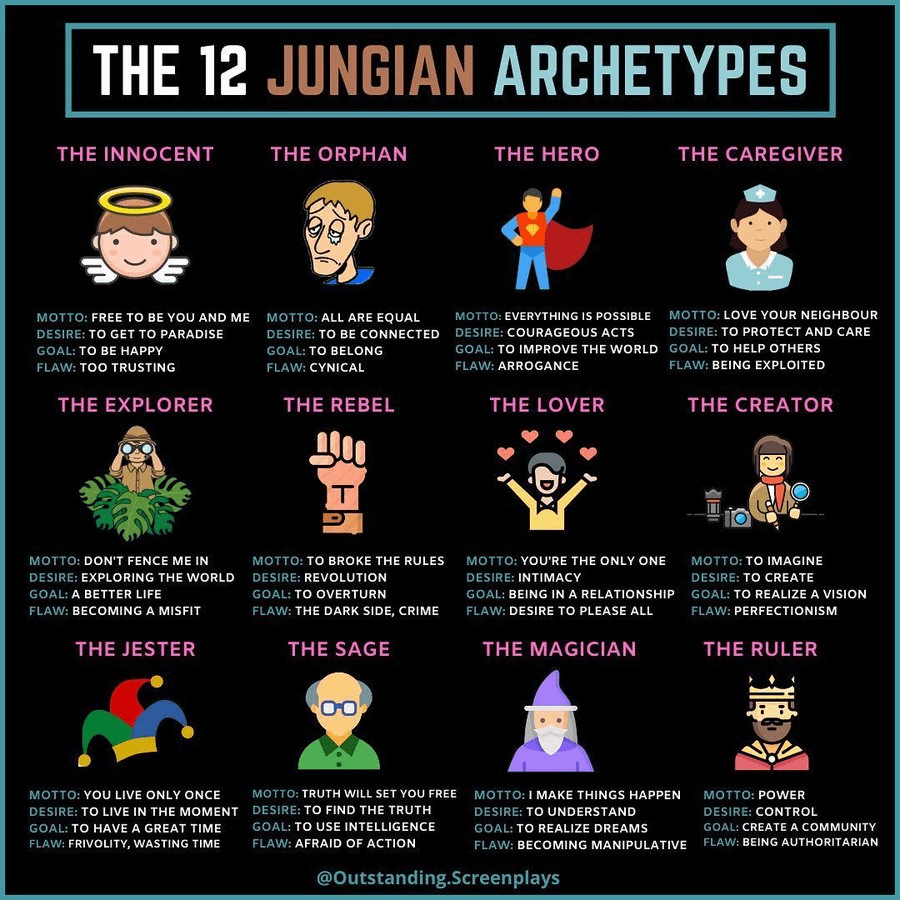
Across cultures, the same symbols and themes appear in art, myths, and dreams.
He called these universal patterns "archetypes"—inherited psychological structures that shape how we experience life. ↓
Across cultures, the same symbols and themes appear in art, myths, and dreams.
He called these universal patterns "archetypes"—inherited psychological structures that shape how we experience life. ↓
Common archetypes include:
• The Mother (nurturing)
• The Shadow (rejected aspects)
• The Hero (overcoming obstacles)
• The Wise Old Man/Woman (guidance)
Understanding these patterns helps us recognize the deeper forces shaping our behavior.
• The Mother (nurturing)
• The Shadow (rejected aspects)
• The Hero (overcoming obstacles)
• The Wise Old Man/Woman (guidance)
Understanding these patterns helps us recognize the deeper forces shaping our behavior.
Jung believed archetypes function powerfully in our lives, are our true nature, and appear as "psychic organs" we inherit.
But in modern life, we're distracted from them by technology. We are alienated from our true nature.
The result? A "poverty of the soul."
But in modern life, we're distracted from them by technology. We are alienated from our true nature.
The result? A "poverty of the soul."
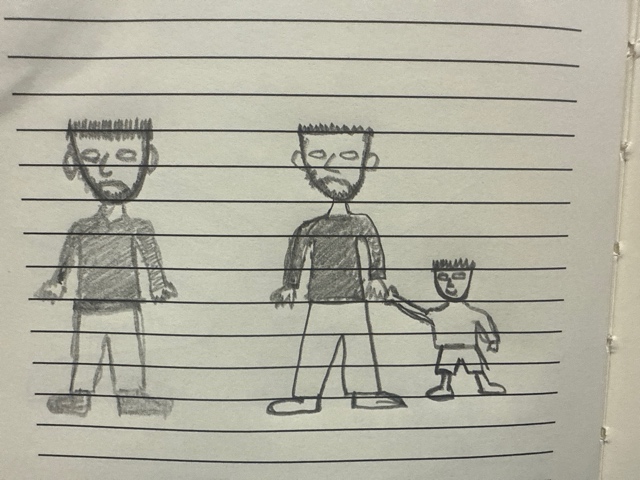
#6: Your Flaws Are Superpowers in Disguise
"What you resist, persists."
Jung's approach was revolutionary:
• Channel anger into passion
• Convert greed into ambition
• Transform fear into prudence
Don't try to eliminate your flaws. Integrate them.
"What you resist, persists."
Jung's approach was revolutionary:
• Channel anger into passion
• Convert greed into ambition
• Transform fear into prudence
Don't try to eliminate your flaws. Integrate them.
#7: Your Gut Instinct Beats Your Brain Every Time
Intuitive choices succeeded far more often than purely logical ones.
Why? The unconscious processes millions of bits of information we're not aware of.
How to access this deeper wisdom:
Intuitive choices succeeded far more often than purely logical ones.
Why? The unconscious processes millions of bits of information we're not aware of.
How to access this deeper wisdom:

• Create quiet space for reflection
• Pay attention to physical sensations
• Trust the intelligence of your whole system
• Notice your first impulse before overthinking
Your unconscious is always communicating—learn its language.
• Pay attention to physical sensations
• Trust the intelligence of your whole system
• Notice your first impulse before overthinking
Your unconscious is always communicating—learn its language.
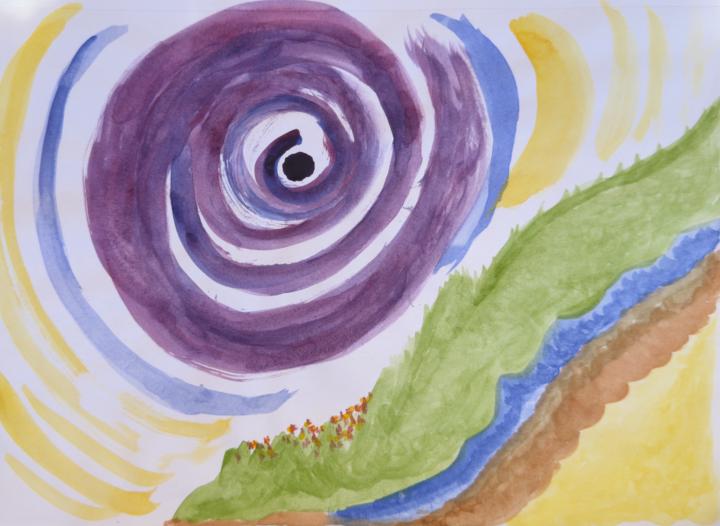
Becoming whole is knowing yourself completely—shadows and light, strengths and flaws.
The most terrifying thing is to accept oneself completely
But on the other side of that terror?
Is your REAL Freedom.
The most terrifying thing is to accept oneself completely
But on the other side of that terror?
Is your REAL Freedom.
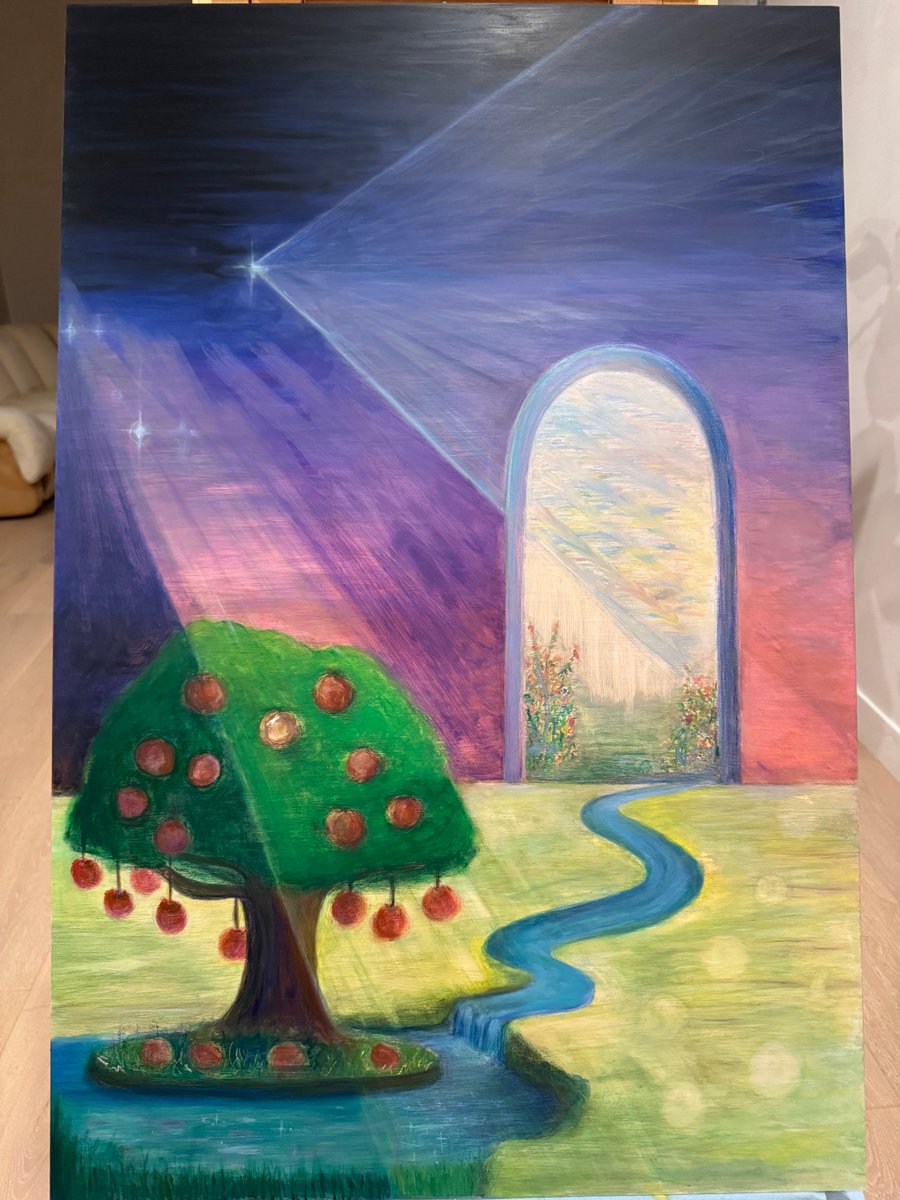
These techniques changed my life. From 40 years of practice, I've learned that real transformation happens faster under guidance...
When you have someone who's mastered both the science and the practice.
When you have someone who's mastered both the science and the practice.
Hi, I'm Lorwen Nagle.
I've spent 40 years as a Harvard-trained psychologist, studying consciousness with the Dalai Lama, and helping thousands untangle their minds.
I've spent 40 years as a Harvard-trained psychologist, studying consciousness with the Dalai Lama, and helping thousands untangle their minds.


If you're feeling hopeless because you know what to do but can't access the support to do it, book a free discovery call with me.
calendly.com/lorwen_consult…
calendly.com/lorwen_consult…
If this thread resonated with you, I explore psychology, philosophy, and personal transformation in my work.
Follow @Lorwen108 for more insights on the journey to authenticity.
Repost if this helped you. 🙏
Follow @Lorwen108 for more insights on the journey to authenticity.
Repost if this helped you. 🙏
https://twitter.com/3065974983/status/1957428317780693067
• • •
Missing some Tweet in this thread? You can try to
force a refresh