Hathyogi (हठयोगी) Profile picture
Aug 19 11 tweets 3 min read Read on X
Latest satelite images proves that Pakistani Navy is the best as they got VANISHED during operation sindoor.
.
.
.
.
.
.
.
.
.
.
.
.
.
.
Read the entire post to know how Pakistani Navy showed a record-breaking display of cowardice Image
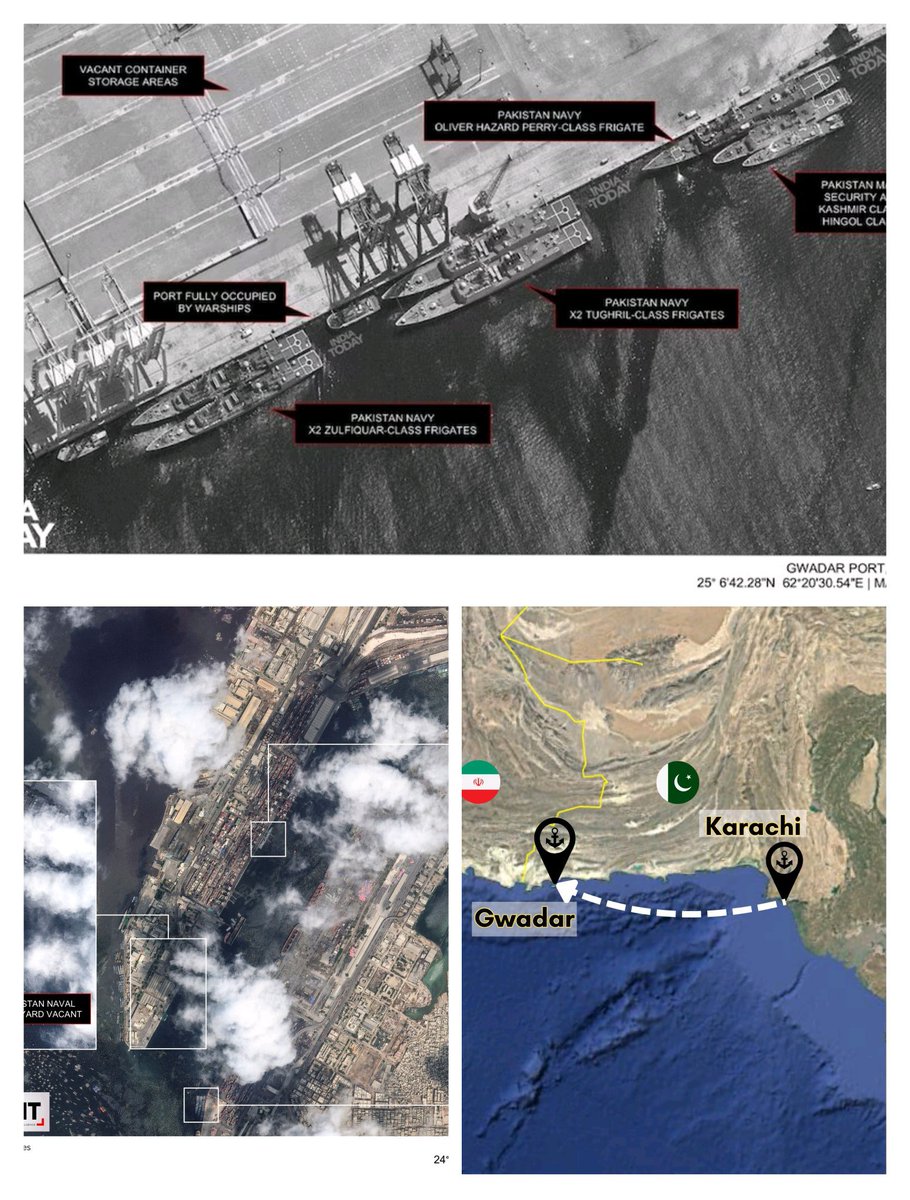
When it comes to distributing “medals of cowardice,” Pakistan has never fallen short. But in its latest act of timidity, the Pakistan Navy has outdone even its own record. While the Indian Navy was ready with its full might during Operation Sindoor, Pakistan’s naval fleet simply vanished from Karachi, abandoning the very port that stands as the economic nerve centre of the country.
According to an India Today exclusive backed by satellite imagery, the truth is startling: on 8 May 2025, THE KARACHI NAVAL DOCKYARD WAS COMPLETELY EMPTY. Not a single frontline warship was in position. Where were they?

HIDING, either dispersed into the Gwadar port near the Iran border or tucked away behind civilian container ships at Karachi’s commercial port.
Hiding Behind Civilians

The images reveal a DISGRACEFUL tactic: Pakistani frigates were docked just meters away from container ships actively loading and unloading cargo. The intent was crystal clear, use civilian presence as a human shield. The strategy was simple and shameful: if India struck, civilian casualties could be blamed on New Delhi, while Pakistan could play the victim on the global stage.
This was not an isolated case. The Pakistani Air Force had displayed a similar strategy during Operation Sindoor by deliberately keeping civilian airliners flying near their own fighters and drones, in hopes of deterring Indian strikes. Now, the Navy has adopted the same cowardly doctrine—hiding behind civilian life instead of defending it.
Gwadar: A Naval Refuge, Not a Stronghold

Satellite visuals further confirmed that Gwadar port had turned into a hiding ground. While the container storage areas were deserted, the docks were overcrowded, not with trade ships, but with Pakistan Navy’s warships. From Zulfiquar-class frigates to the prized Tughril-class frigates and the lone American-designed Oliver Hazard Perry-class ship, all were parked far away from the theatre of action.
In short, while India’s INS Vikrant-led Carrier Battle Group was locked on Karachi, bristling with BrahMos missiles, Barak systems, MiG-29s and more—ready to unleash devastation at the push of a button—the Pakistan Navy chose to scatter, hide, and wait.
Even Pakistan’s submarine arm failed to inspire confidence. Of the five submarines in its fleet, two remained docked, caught up in long maintenance cycles, while another wasn’t even deployed. At best, only two subs were actually in the water. Hardly the posture of a force prepared to defend its coastline.
Expert Assessment: A Navy in Retreat

Vice Admiral S.P. Bangar (Retd.) minced no words: “When frontline Pakistani warships are hiding in commercial harbors, it is a clear sign they are not operationally ready. This is not a defensive posture—it is helplessness on display.”

Damien Symon of Intel Lab, who analyzed the satellite evidence, concluded that Pakistan had preemptively dispersed its fleet out of fear, underscoring the psychological pressure the Indian Navy exerted.
A Pattern of Cowardice

From the skies to the seas, Pakistan’s armed forces appear to have adopted a doctrine of hiding behind civilians and avoiding direct confrontation. The very institutions sworn to defend their people end up sacrificing them as shields.

When the moment of truth arrived, Pakistan’s Navy had only one plan—run, hide, and pray. In the annals of military history, this episode will not be remembered for bravery, but as yet another chapter in Pakistan’s long and dishonorable legacy of cowardice.
Please join my telegram channel 👇 Image

• • •

Missing some Tweet in this thread? You can try to force a refresh

 

Keep Current with Hathyogi (हठयोगी)

Hathyogi (हठयोगी) Profile picture

Stay in touch and get notified when new unrolls are available from this author!

Read all threads

This Thread may be Removed Anytime!

PDF

Twitter may remove this content at anytime! Save it as PDF for later use!

Try unrolling a thread yourself!

how to unroll video
  1. Follow @ThreadReaderApp to mention us!

  2. From a Twitter thread mention us with a keyword "unroll"
@threadreaderapp unroll

Practice here first or read more on our help page!

More from @hathyogi31

Aug 21
India’s Agni-5 Missile Test: A Strategic Message to the World.
.
.
.
.
.
.
.
.
.
.
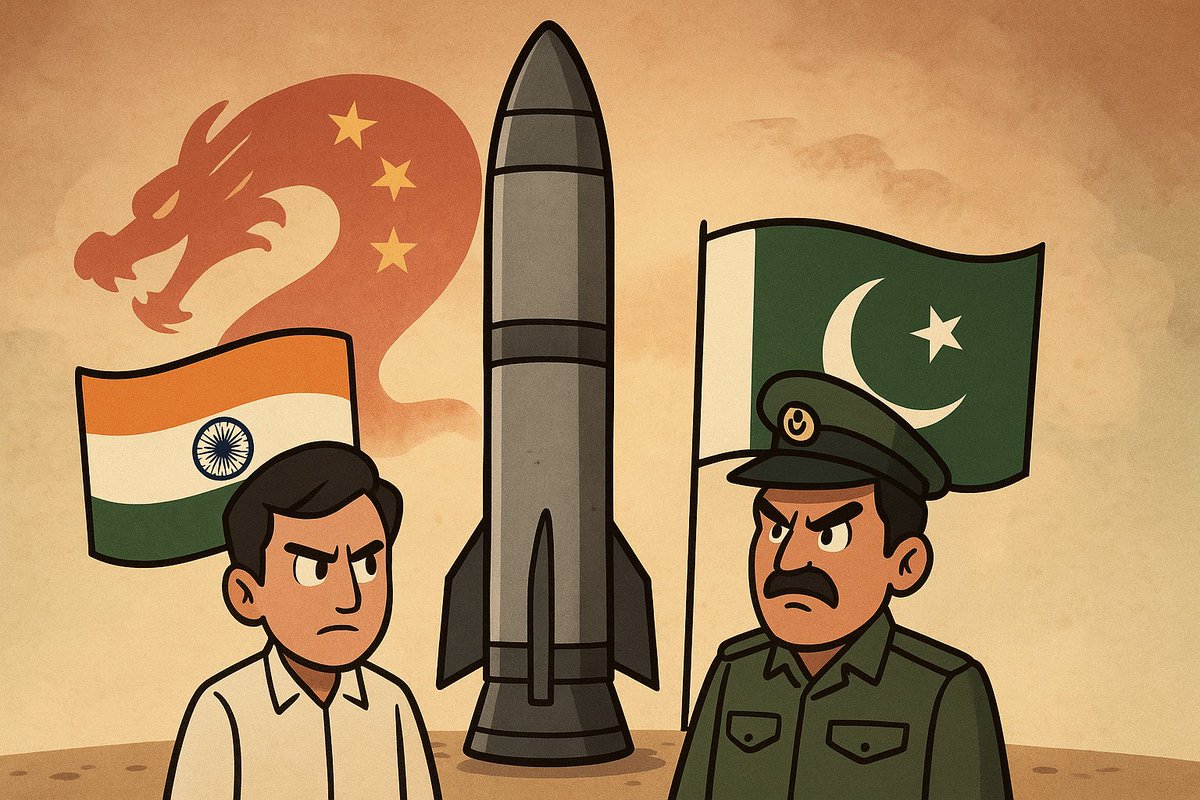
Read the entire post to know how world reacted to it and what are the updates for Agni 6 Image
India has once again demonstrated its growing missile capabilities with the successful test of its most powerful ballistic missile, Agni-5, from the Odisha coast. The test, conducted recently, was a resounding success despite a wave of disinformation campaigns, by Pakistan, attempting to discredit it.

Several Pakistani social media accounts tried to float the narrative that the test had failed, but the truth remains undeniable: India’s Agni-5 stands tall as a symbol of technological and strategic mastery.
Pakistan’s Nervous Reaction

Pakistan’s reaction to India’s successful test was swift and filled with anxiety. Reports suggest that Islamabad attempted to counter the news by spreading propaganda, especially after its own Shaheen-3 missile reportedly failed during a test just weeks ago. Think tanks within Pakistan have even warned their military and political leadership, including Army Chief Asim Munir and Prime Minister Shehbaz Sharif, that no part of Pakistan is safe from India’s Agni-5.

The Strategic Vision Institute, a Pakistani think tank, openly declared that India’s missile program poses a “serious threat to regional stability.” Adding to their apprehension, speculation has grown that India is moving towards developing missiles with ranges of 8,000 to 10,000 kilometers—bringing not just Islamabad, but also capitals like Washington, Moscow, and Beijing within range.
Read 10 tweets
Aug 20
Russia’s OFFERS Oil Discount to India: A Strategic Lifeline for India Amid Trump’s Tariff Storm.
.
.
.
.
.
.
.
.
.
.
.
.
.
Read the entire post to to know the latest updates Image
In recent weeks, one story has dominated global energy and geopolitical discussions: Russia’s special 5% oil discount for India. International and Indian media alike have reported that Moscow is extending this exclusive concession to ensure New Delhi remains a steady buyer of Russian crude, even as U.S. tariffs and sanctions against India escalate under President Donald Trump.
What makes this move significant is that the announcement did not come from anonymous sources or speculative reports. It was officially confirmed by Russia’s Deputy Trade Representative to India, who stated that India will continue to receive around a 5% discount on Russian crude, subject to negotiations. This discount, he explained, sometimes fluctuates—between 4.5% and 6%—but averages out to a consistent 5%.
Read 12 tweets
Aug 20
Amit Shah’s Bold Anti-Corruption Bill Shakes Indian Politics
.
.
.
.
.
.
.
.
.
.
.
.
.
.
.
.
.
.
.
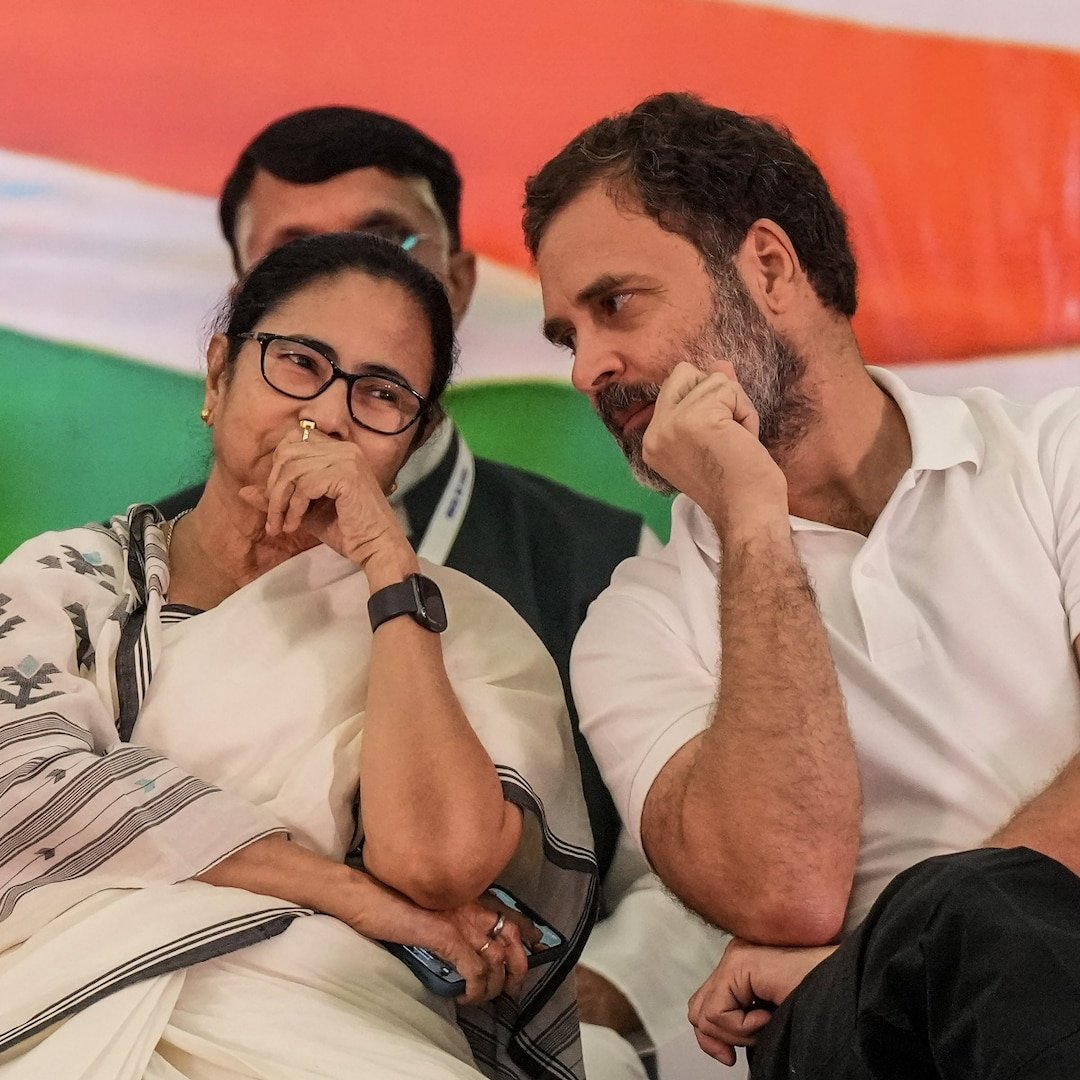
Both Rahul Gandhi and Mamta Banerjee all in shock. Read the entire post to know the whole story Image
Image
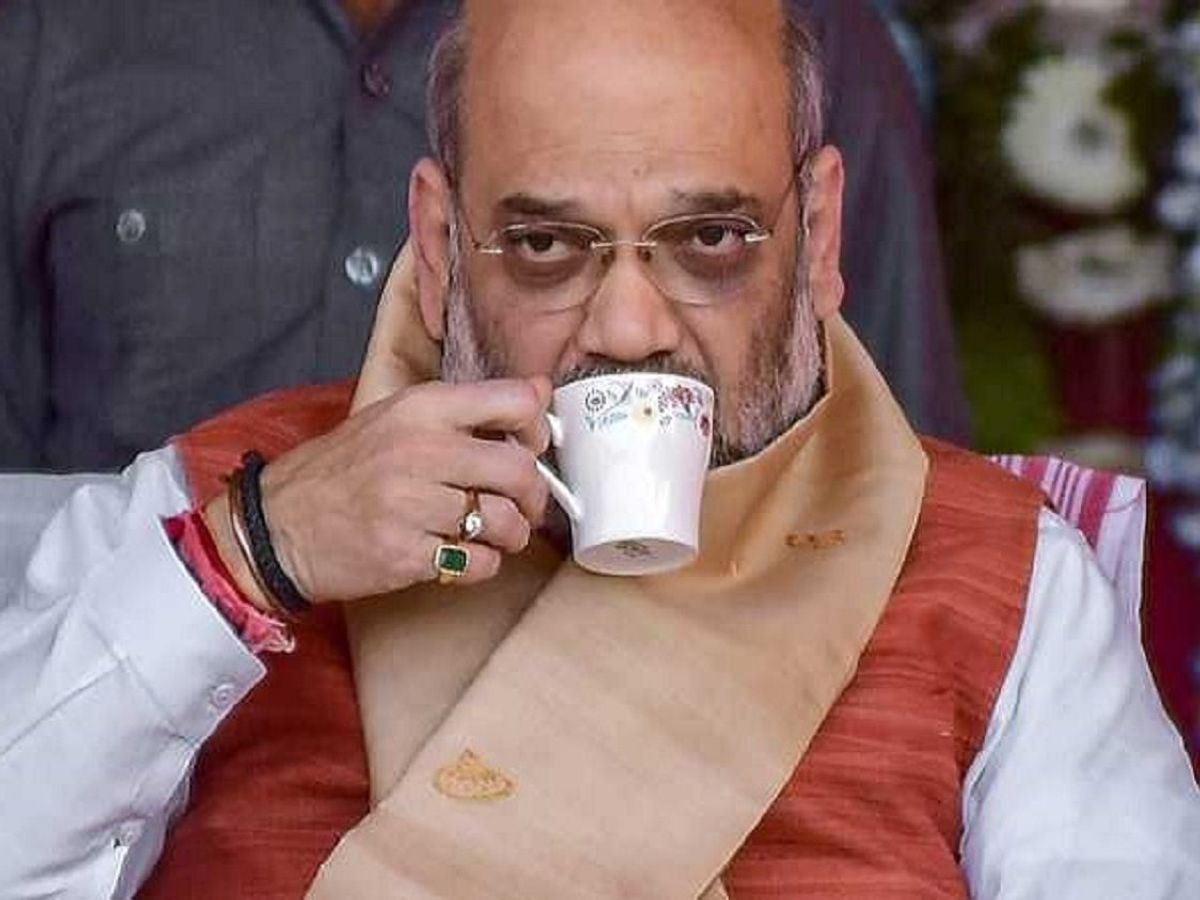
The Monsoon Session of Parliament is nearing its conclusion, but on August 20th, an extraordinary development unfolded in the Lok Sabha—one that will likely be remembered in India’s political history for years to come. For weeks, the Opposition had been disrupting proceedings over issues ranging from the Election Commission to various political controversies. Yet, on this day, the Modi government, led by Union Home Minister Amit Shah, introduced a constitutional amendment that directly targets the deep-rooted problem of political corruption.
A Landmark Move: The 130th Constitutional Amendment

Amit Shah introduced the 130th Constitutional Amendment Bill, accompanied by two other related legislations. At its core, the amendment proposes a radical reform:

Any elected official—including the Prime Minister, Chief Ministers, Union or State Ministers—who is arrested and remains in custody for 30 consecutive days in a case where the potential punishment is five years or more, will be compelled to resign.
Read 7 tweets
Aug 20
A Double Jackpot for India: Russia and China have given BIG TRADE OFFERS.
.
.
.
.
.
.
.
.
.
.
.
.
.
.
.
.
Read the entire post to know the whole context Image
In a single day, India has hit what can only be described as a double jackpot on the geopolitical and economic front. As Washington continues to tighten tariff barriers against Indian exports, both Russia and China have made dramatic moves to reassure New Delhi that alternatives exist—and that India will not stand isolated.
Russia’s Big Assurance

The first development came directly from the Russian Embassy in New Delhi. In a statement just hours ago, Moscow confirmed that President Vladimir Putin will visit India later this year, with an additional bilateral meeting scheduled on the sidelines of the upcoming Shanghai Cooperation Organization (SCO) summit in Tianjin.
Read 9 tweets
Aug 20
MASSIVE! India–China Boundary Breakthrough: A Gamechanger in Asian Geopolitics
.
.
.
.
.
.
.
.
.
.
.
.
Read the entire post to know its importance and the latest developments Image
Image
The single most contentious issue between India and China has always been the boundary. Stretching over 4,000 kilometers, vast stretches of this frontier remain disputed, with both sides laying claims. For decades, this unresolved question has been the root cause of friction, clashes, and mistrust between the two Asian giants.
Now, in a significant breakthrough, India and China have agreed to establish a new mechanism for boundary demarcation, raising hopes of a “piecemeal approach” to resolution. Under this framework, less contentious sectors—where differences are minor—will be resolved first, paving the way for step-by-step progress. If successful, this initiative could address the very core of India–China tensions and bring the two nations closer than ever before.
Read 12 tweets
Aug 19
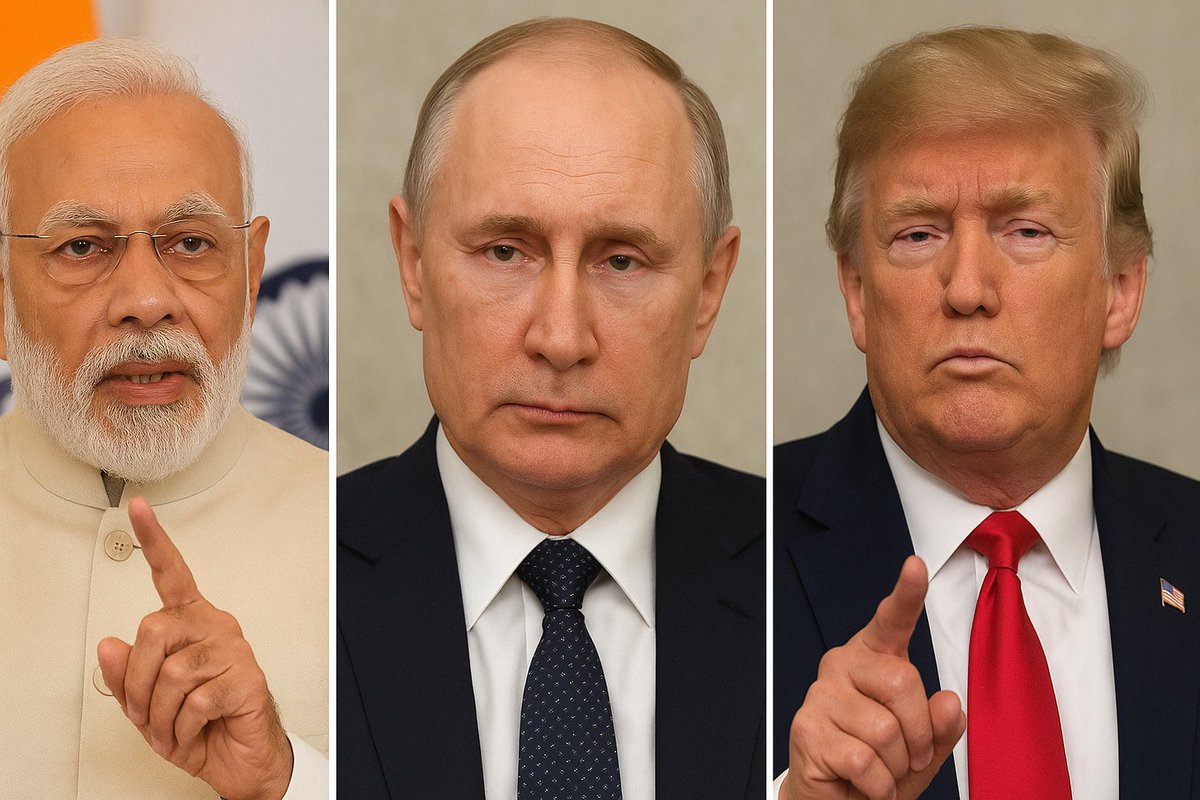
Putin’s Call to Narendra Modi was a ASSURANCE, U.S. in deep deep Pressure.
.
.
.
.
.
.
.
.
.
.
.
.
.
.
.
.
.
Read the entire post to the latest developments on battle over russian oil. Image
Following the Alaska meeting with Trump, PRESIDENT PUTIN’S FIRST CALL WAS TO PRIME MINISTER NARENDRA MODI. 🔥

He not only briefed Modi on the Alaska discussions, covering peace talks, NATO concerns, and the Ukraine war, but also gave a DIRECT ASSURANCE: India should continue buying Russian oil without fear.

This single gesture has rattled Washington. 👇
America’s Growing Panic

At the White House, panic is visible. Trade adviser Peter Navarro, nicknamed the “Mad Man” in India’s geopolitical circles, has issued an extraordinary warning.

According to him, if India continues importing discounted Russian crude, Washington may withhold technology transfers in key defense deals.
Read 8 tweets

Did Thread Reader help you today?

Support us! We are indie developers!


This site is made by just two indie developers on a laptop doing marketing, support and development! Read more about the story.

Become a Premium Member ($3/month or $30/year) and get exclusive features!

Become Premium

Don't want to be a Premium member but still want to support us?

Make a small donation by buying us coffee ($5) or help with server cost ($10)

Donate via Paypal

Or Donate anonymously using crypto!

Ethereum

0xfe58350B80634f60Fa6Dc149a72b4DFbc17D341E copy

Bitcoin

3ATGMxNzCUFzxpMCHL5sWSt4DVtS8UqXpi copy

Thank you for your support!

Follow Us!

:(