This man convinced France to let him print unlimited money.
In 2 years, he printed 2 billion livres (worth $400B today).
The entire economy was in his hands.
Then ONE mistake left the country in ruins...
Here's the full story (and how Central Banks are doing the same): 🧵
In 2 years, he printed 2 billion livres (worth $400B today).
The entire economy was in his hands.
Then ONE mistake left the country in ruins...
Here's the full story (and how Central Banks are doing the same): 🧵

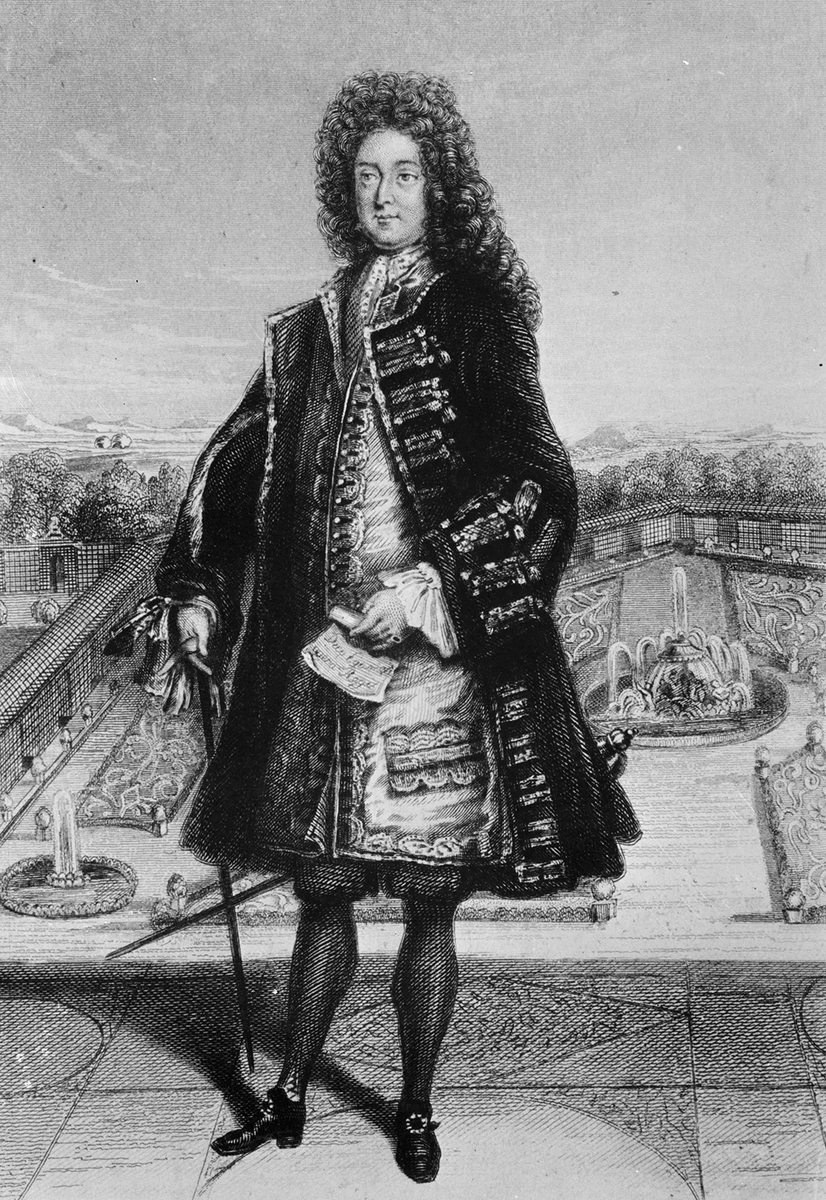
Meet John Law.
A Scottish gambler who talked his way into controlling France's entire economy.
1716: He founded the Banque Générale and convinced the French government to try something revolutionary.
Paper money backed by land instead of gold.
Law's pitch was simple:
A Scottish gambler who talked his way into controlling France's entire economy.
1716: He founded the Banque Générale and convinced the French government to try something revolutionary.
Paper money backed by land instead of gold.
Law's pitch was simple:
"Why limit money to gold reserves? Land has value too."
The French regent bought it completely.
By 1719, Law controlled France's taxes, currency, and trading companies.
One man. Total economic power.
The French regent bought it completely.
By 1719, Law controlled France's taxes, currency, and trading companies.
One man. Total economic power.
Law's bank started printing money like crazy.
1716: Modest paper money circulation
1720: Paper money increased fifty-fold
2 billion livres in circulation. Double all the gold and silver in France.
But there was more:
1716: Modest paper money circulation
1720: Paper money increased fifty-fold
2 billion livres in circulation. Double all the gold and silver in France.
But there was more:
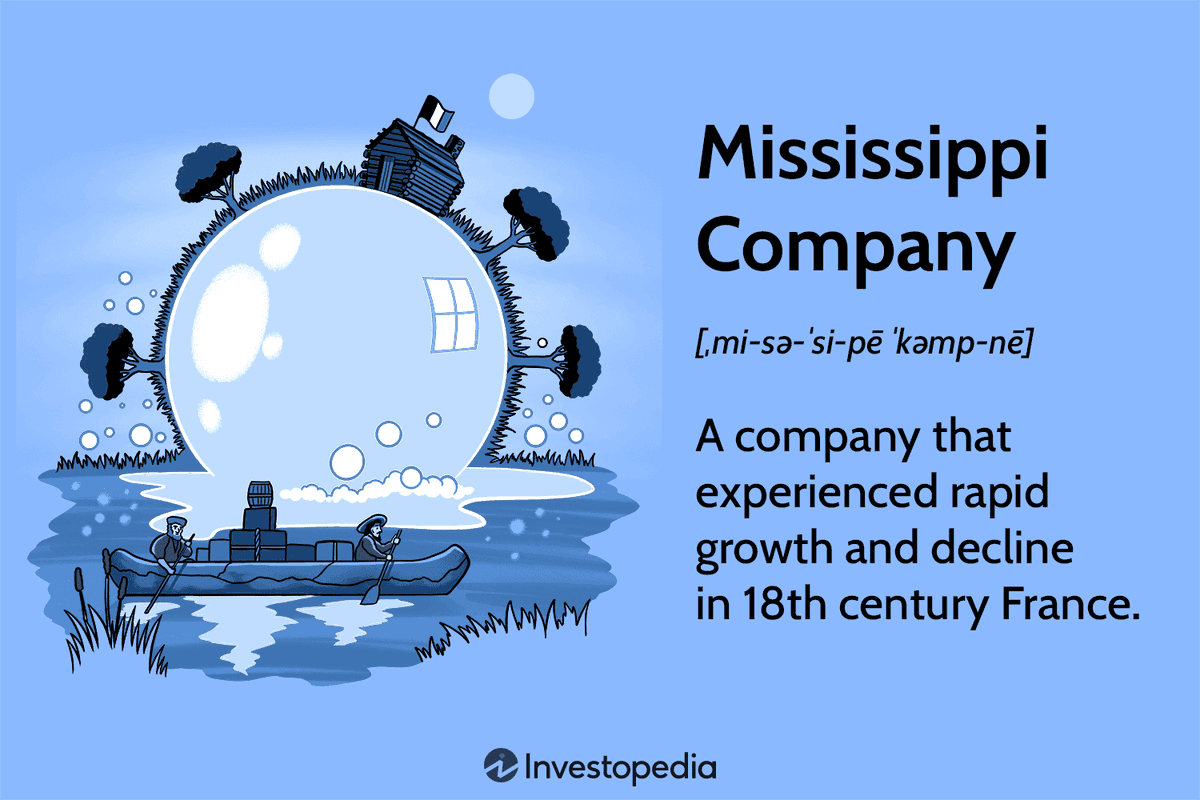
Meanwhile, Law created the Mississippi Company.
It got exclusive trading rights to all of France's North American territories.
Louisiana, Mississippi River, and beyond.
Law promised these colonies were filled with gold and endless riches.
The crazy part?
It got exclusive trading rights to all of France's North American territories.
Louisiana, Mississippi River, and beyond.
Law promised these colonies were filled with gold and endless riches.
The crazy part?
Law's company controlled all trade, mining, and development in these lands.
Law painted pictures of massive wealth just waiting to be extracted.
Share prices exploded from 500 to 10,000 livres.
Everyone wanted in. The first true speculative bubble.
Law painted pictures of massive wealth just waiting to be extracted.
Share prices exploded from 500 to 10,000 livres.
Everyone wanted in. The first true speculative bubble.
People sold everything to buy Mississippi shares to profit from the monopoly build on lies.
The word "millionaire" was literally invented during this frenzy.
Servants became richer than their masters overnight.
Pure madness fueled by printed money.
The word "millionaire" was literally invented during this frenzy.
Servants became richer than their masters overnight.
Pure madness fueled by printed money.
Early 1720: Smart money started cashing out.
People rushed to convert paper money back to gold at Law's bank.
But Law didn't have enough reserves to cover the paper he'd printed.
The result?
People rushed to convert paper money back to gold at Law's bank.
But Law didn't have enough reserves to cover the paper he'd printed.
The result?
Law became so desperate he banned private gold ownership entirely.
Citizens had to surrender their gold to the government.
Only paper money was allowed.
Anyone caught with gold faced severe punishment.
But it was too late...
Citizens had to surrender their gold to the government.
Only paper money was allowed.
Anyone caught with gold faced severe punishment.
But it was too late...
Shares collapsed from 10,000 to 1,000 livres.
Inflation hit 23% monthly.
Food prices up 60%.
People literally died in stampedes trying to exchange paper for gold.
Law fled France in disgrace.
The aftermath?
Inflation hit 23% monthly.
Food prices up 60%.
People literally died in stampedes trying to exchange paper for gold.
Law fled France in disgrace.
The aftermath?
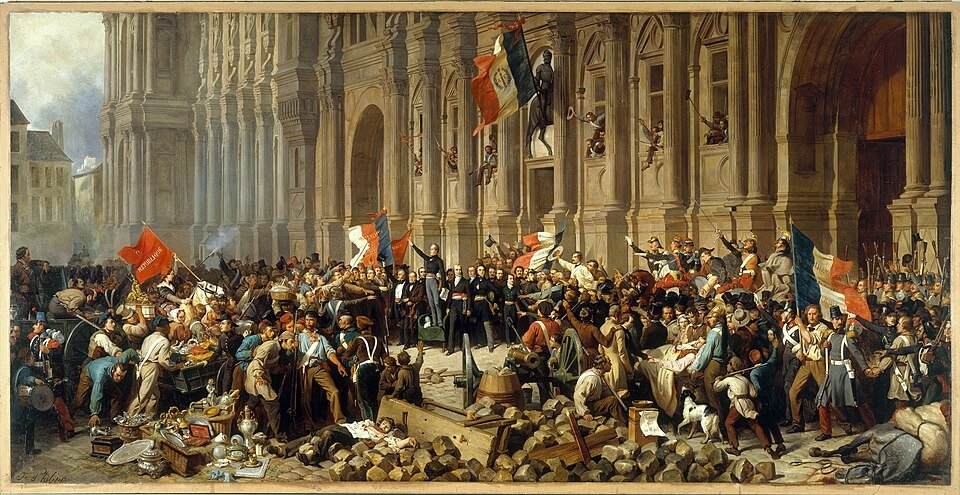
France's economy was destroyed for decades.
Social unrest everywhere.
The financial chaos contributed to conditions that led to the French Revolution.
One man's monetary experiment nearly destroyed a nation.
Now here's the scary part:
Social unrest everywhere.
The financial chaos contributed to conditions that led to the French Revolution.
One man's monetary experiment nearly destroyed a nation.
Now here's the scary part:
Central banks today are doing the same thing.
- Printing money backed by nothing.
- Buying assets to prop up markets.
- Creating bubbles everywhere.
The lesson?
- Printing money backed by nothing.
- Buying assets to prop up markets.
- Creating bubbles everywhere.
The lesson?
1. When governments promise unlimited prosperity through money printing, run.
2. Protect your wealth before the crash.
3. The insiders always cash out first while regular people lose everything.
History repeats, but smart investors learn:
2. Protect your wealth before the crash.
3. The insiders always cash out first while regular people lose everything.
History repeats, but smart investors learn:
The solution isn't timing the market or picking individual stocks.
It's building automated investment systems.
Let data drive decisions, not emotions or government promises:
It's building automated investment systems.
Let data drive decisions, not emotions or government promises:
Investors: Tired of timing the market and second-guessing trades only to buy high and sell low?
Our platforms have already helped over 40,000 investors automate their investments.
We have over $150M in assets under management.
Sign up for FREE here: surmount.ai
Our platforms have already helped over 40,000 investors automate their investments.
We have over $150M in assets under management.
Sign up for FREE here: surmount.ai
That's it. Thanks for reading.
Follow me @LogWeaver, for more stories like this.
Follow me @LogWeaver, for more stories like this.
• • •
Missing some Tweet in this thread? You can try to
force a refresh