The East India Company was the most powerful corporation of all time.
It had an army larger than Great Britain's, and its influence shaped the borders of nations.
So how did a company become stronger than most countries?🧵
It had an army larger than Great Britain's, and its influence shaped the borders of nations.
So how did a company become stronger than most countries?🧵

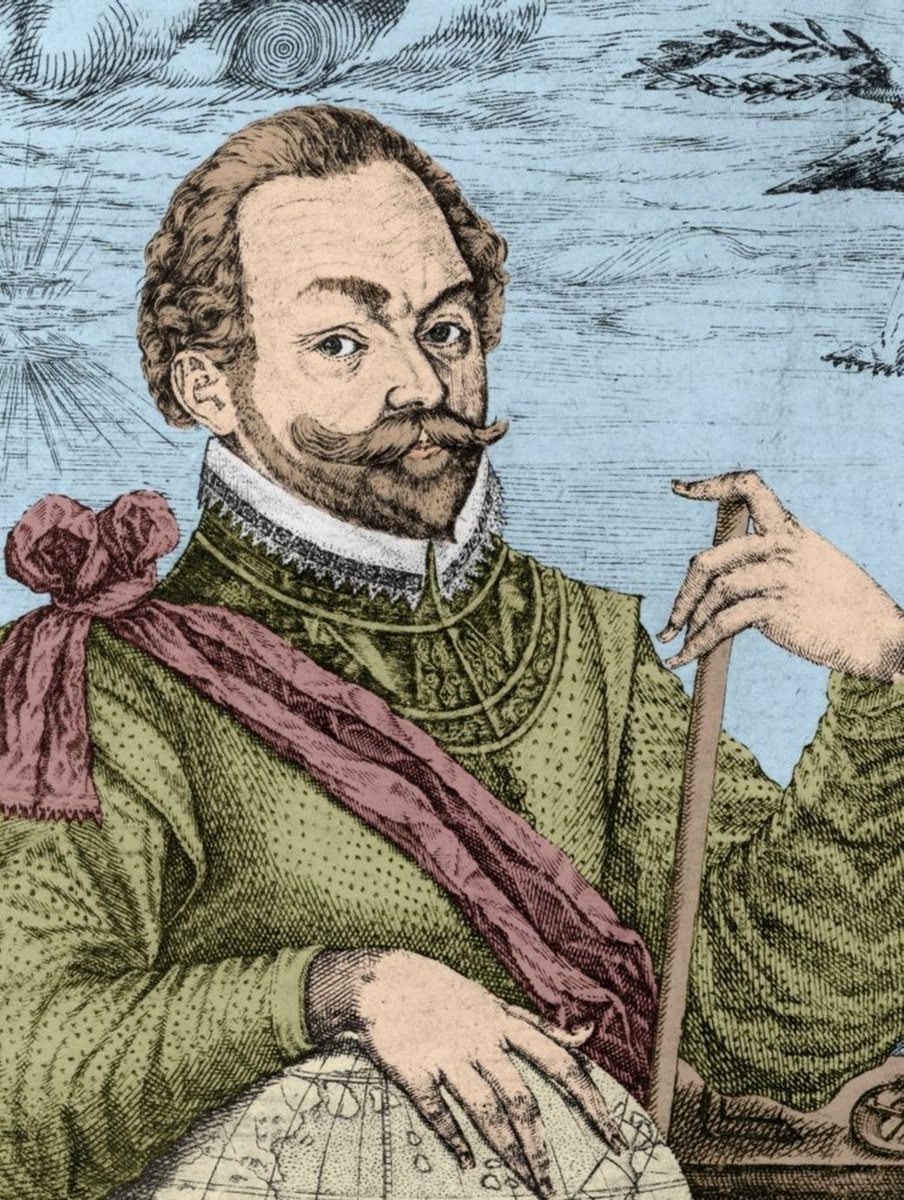
The East India Company's origins started with famed explorer Francis Drake.
His voyage in 1577 opened the world to the East Indies, and when he returned to England in 1580, he brought exotic spices from the Spice Islands that investors believed could be a lucrative venture.
His voyage in 1577 opened the world to the East Indies, and when he returned to England in 1580, he brought exotic spices from the Spice Islands that investors believed could be a lucrative venture.
Soon after, the Queen granted a charter to a group of wealthy merchants and explorers for the region. The new corporation was called “Governor and Company of Merchants of London trading into the East Indies” or more commonly the “East India Company.”
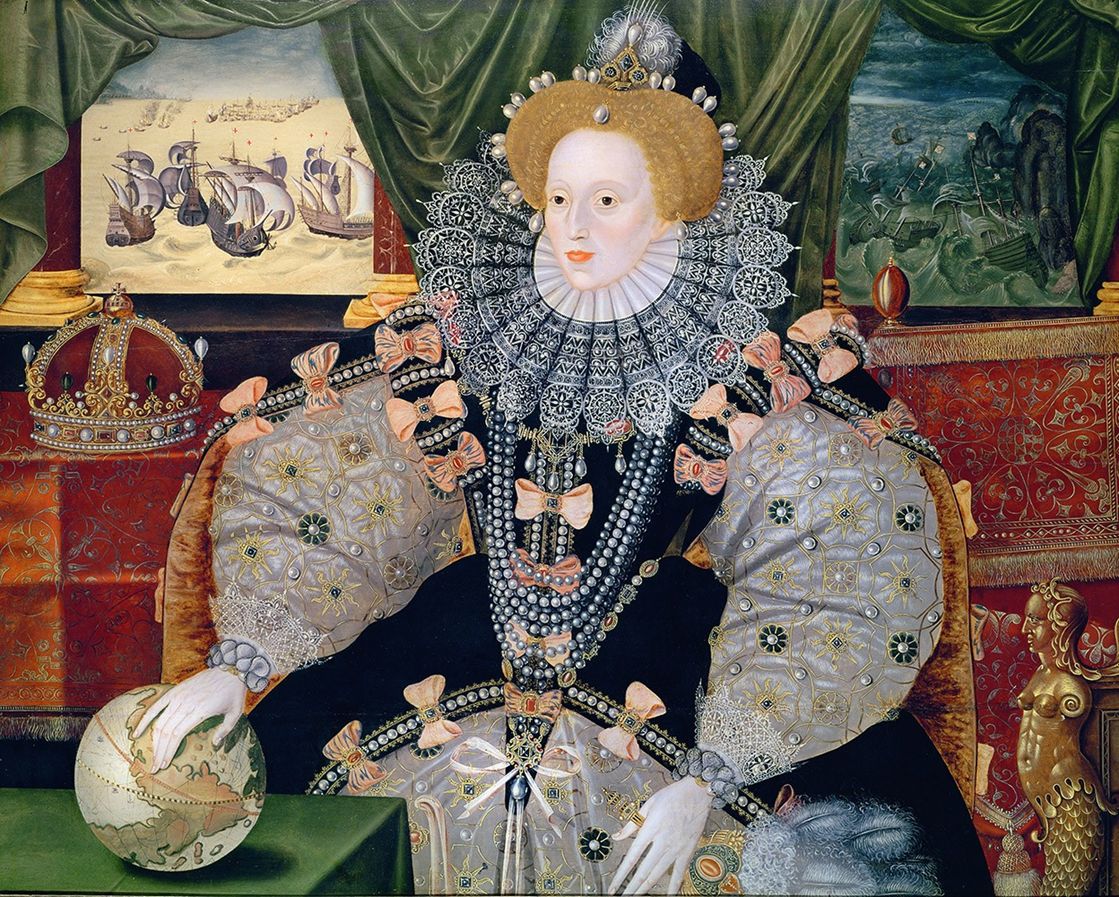
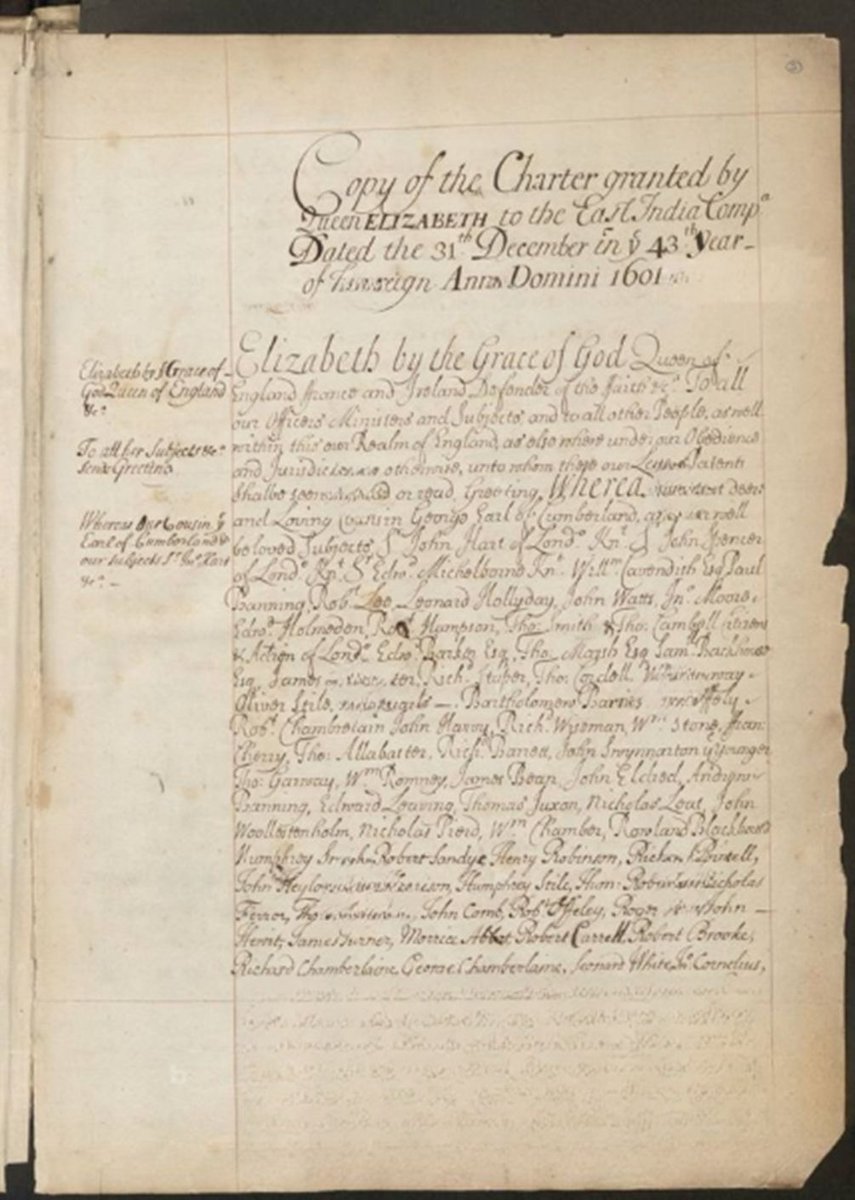
The charter basically granted them a monopoly, and anyone else trading in the area without a license was subject to imprisonment.
But the charter also did something else—it gave the East India Company (EIC) the right to use arms to protect its interests.
But the charter also did something else—it gave the East India Company (EIC) the right to use arms to protect its interests.
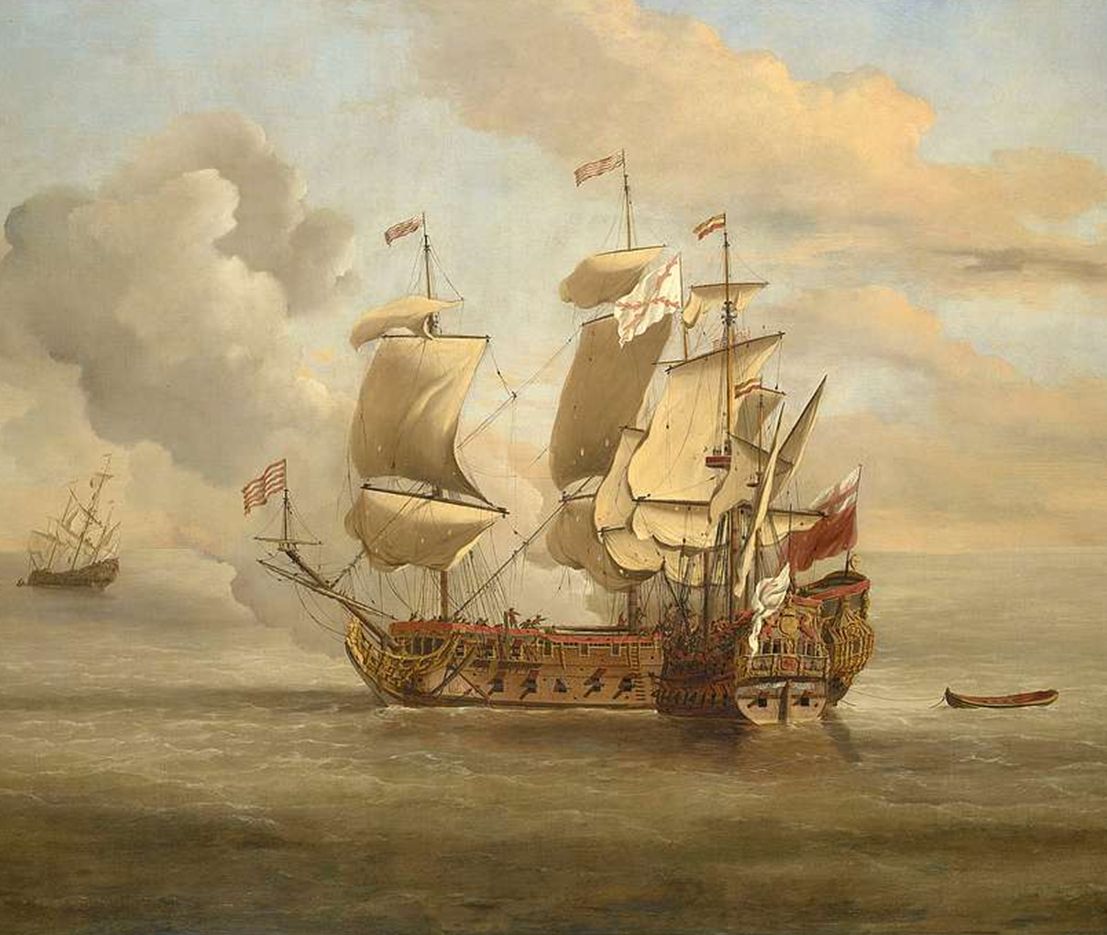
Shortly after the company's founding, privateer Sir James Lancaster commanded the first company voyage on a ship called the Red Dragon. He set up two trading posts—one in Indonesia and the other on the Spice Islands.
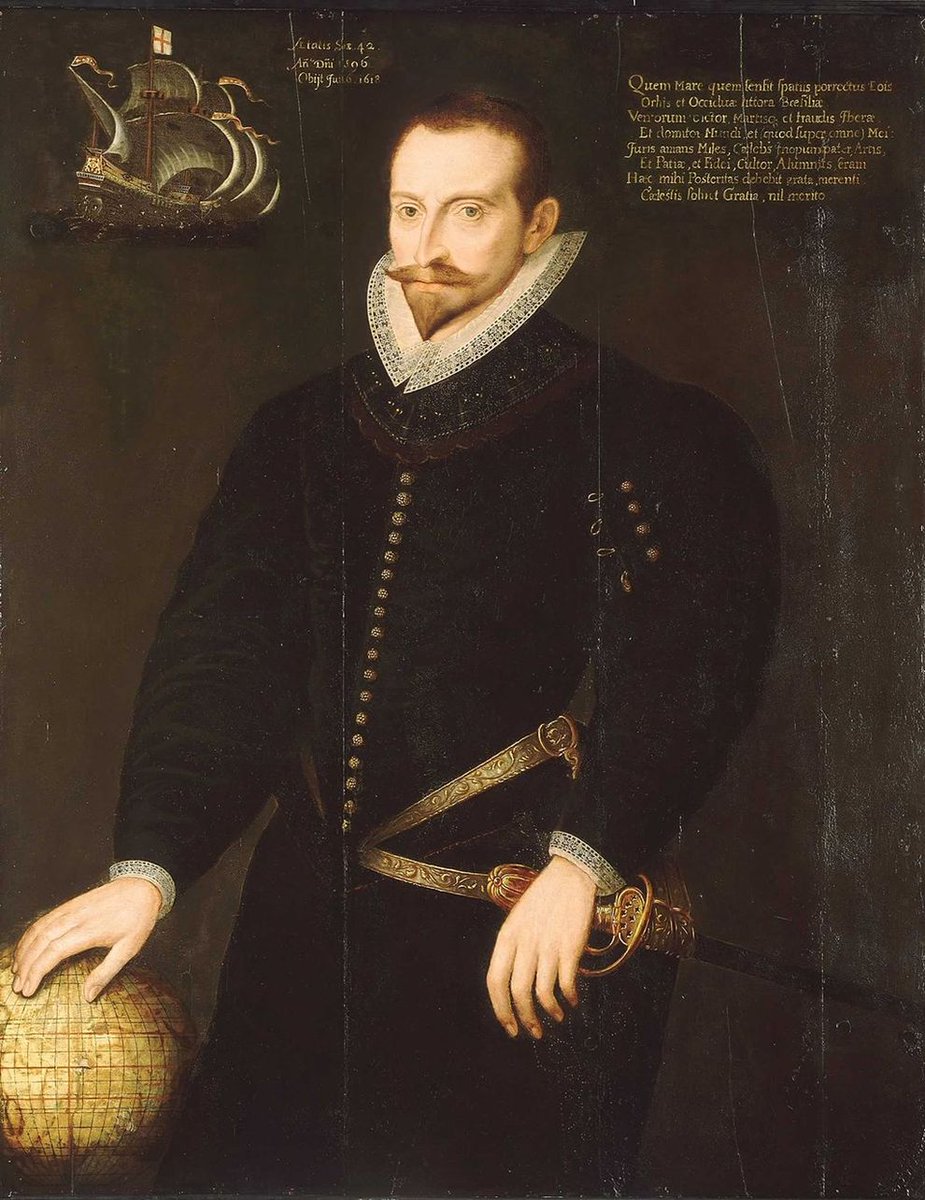
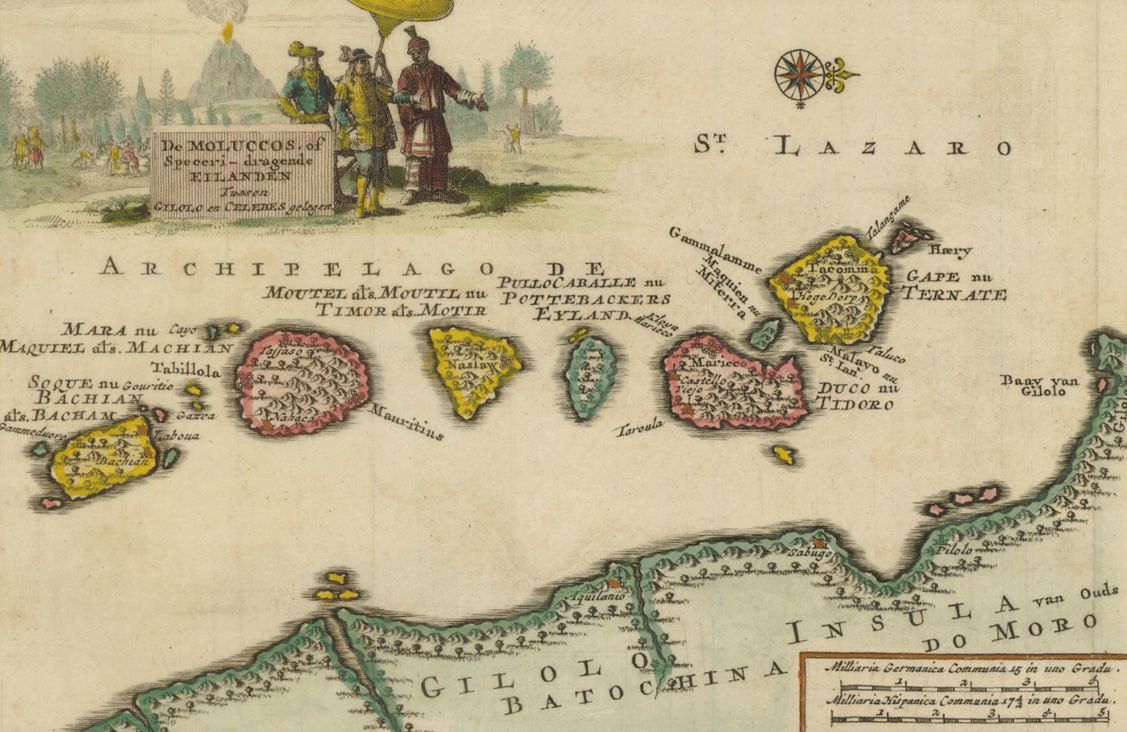
The company struggled initially, as the more established Dutch East India Company along with Portuguese traders already traded in the area.
But the competition in the East Indies wasn’t just economic—remember, the EIC had the authority to use military action when needed…
But the competition in the East Indies wasn’t just economic—remember, the EIC had the authority to use military action when needed…
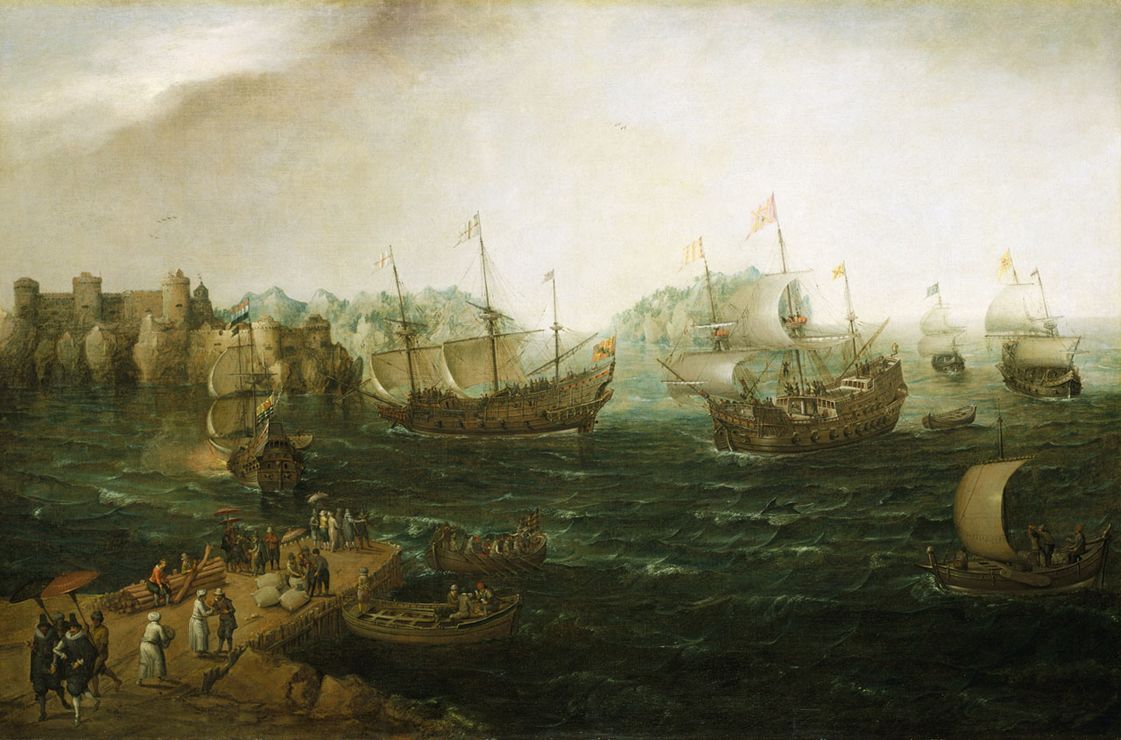
English traders frequently clashed with their Dutch and Portuguese counterparts.
One of the biggest turning points for the company was the Battle of Swally in 1612, where an outnumbered EIC fleet defeated Portuguese galleons and rowing vessels.
One of the biggest turning points for the company was the Battle of Swally in 1612, where an outnumbered EIC fleet defeated Portuguese galleons and rowing vessels.
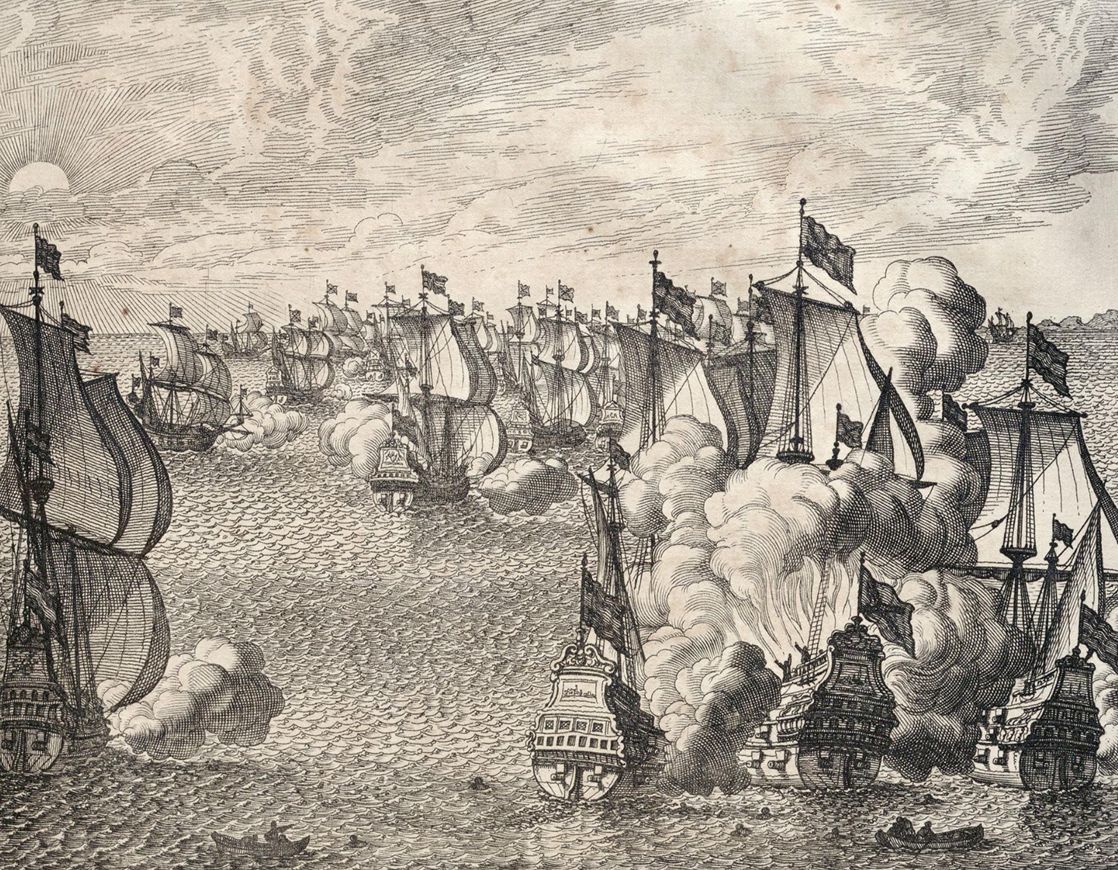
After the battle, the company’s aspirations grew beyond the East Indies—the corporation now looked toward the mainland Indian subcontinent as a potential hub of trade.
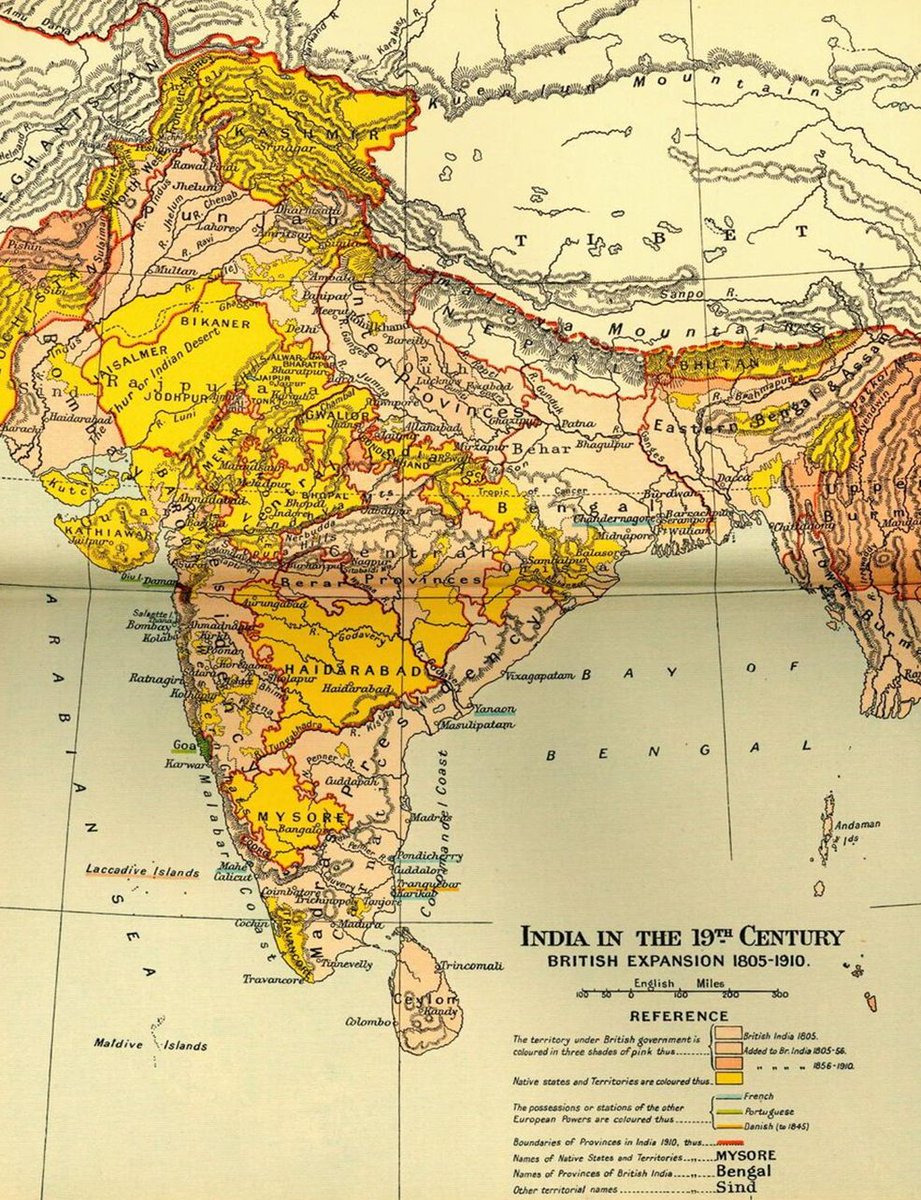
With the backing of the British Empire, the company gradually increased its influence in India and became involved in the government of the Mughal Empire—the center of wealth in India whose cities were described as “the megacities of their time.”
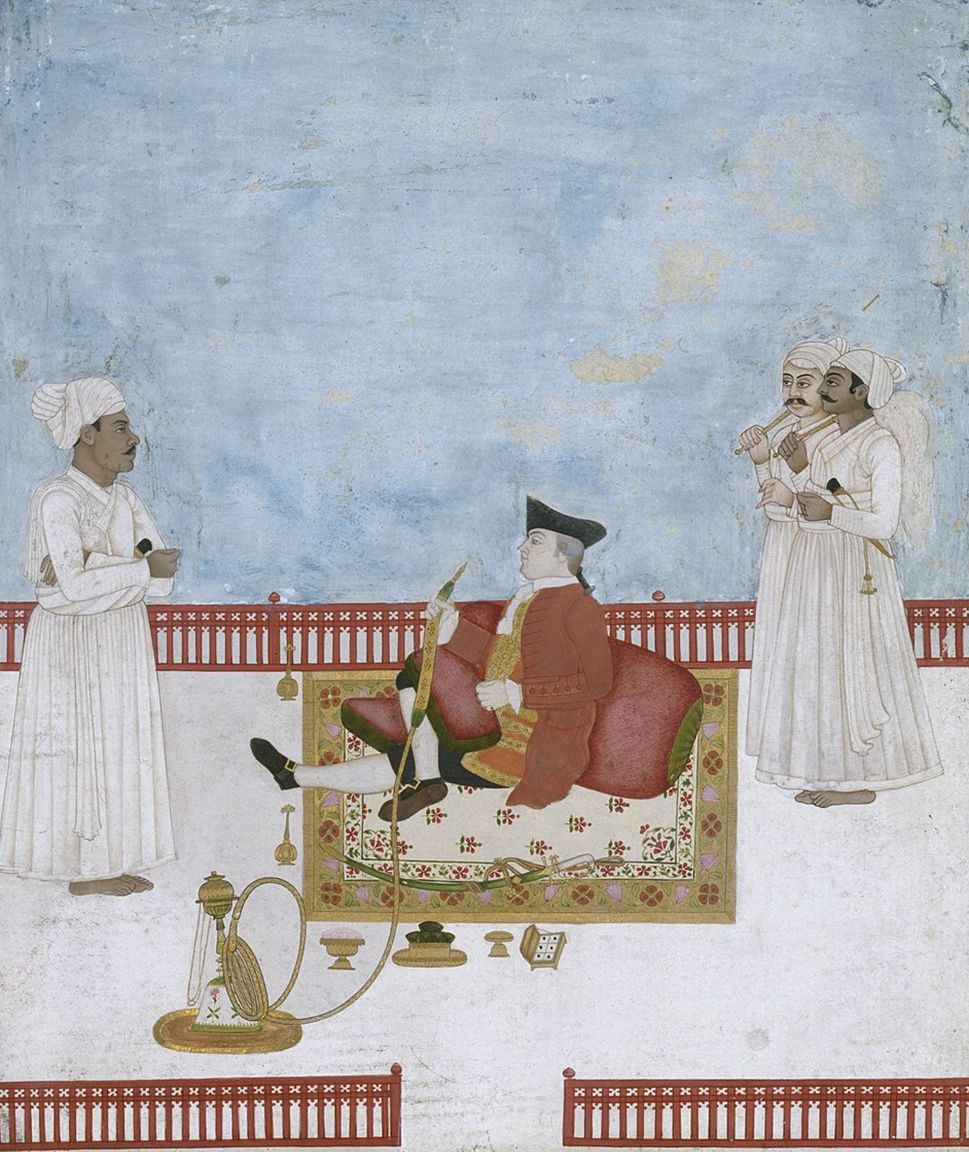
The powerful patronage of the Mughals allowed the EIC to expand its factories around the subcontinent.
What started as simple trading posts developed into massive industrial complexes with hundreds of workers.
What started as simple trading posts developed into massive industrial complexes with hundreds of workers.
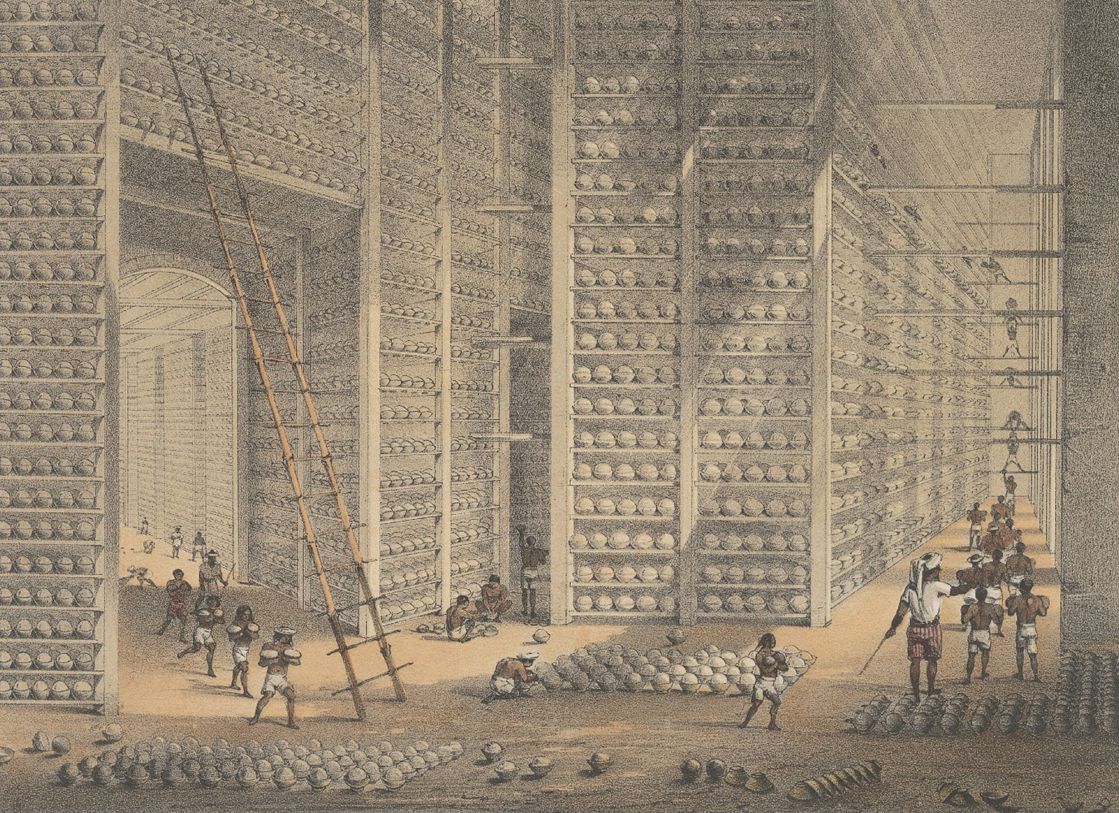
These complexes needed protection, so the EIC’s private army and navy grew to support these efforts.
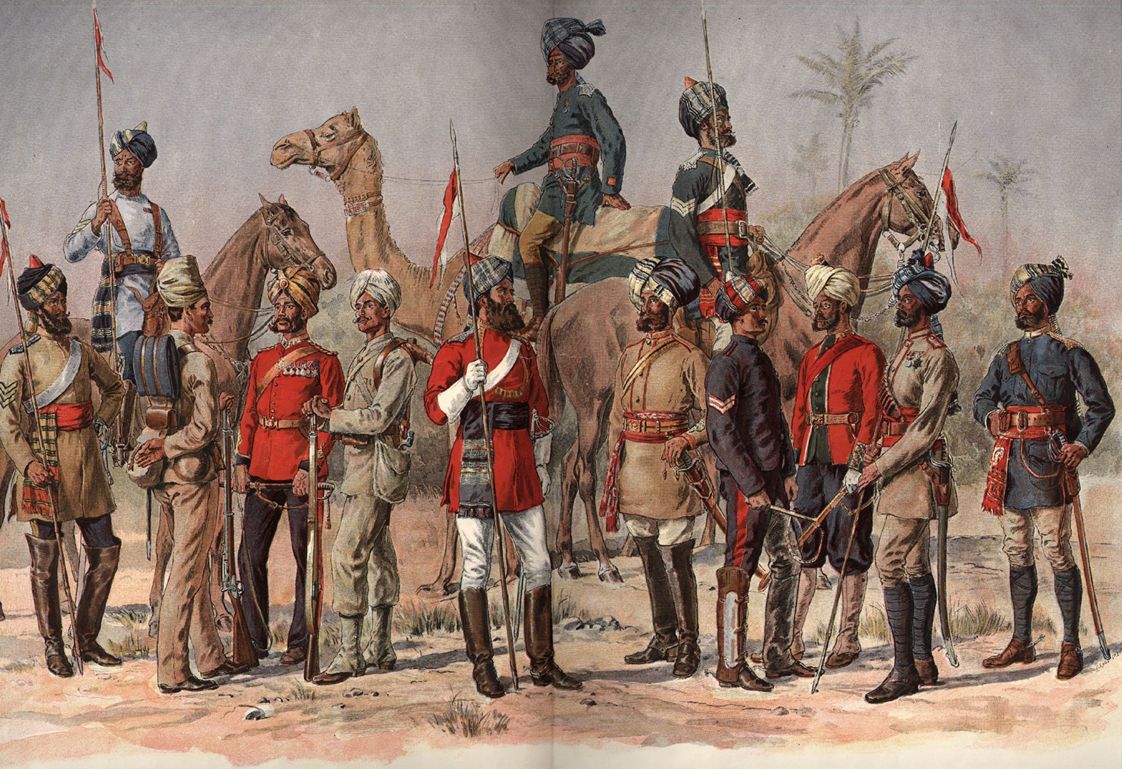
The three “Presidencies” (provinces)—Bengal, Bombay and Madras—each had their own corporate-led army.
The three “Presidencies” (provinces)—Bengal, Bombay and Madras—each had their own corporate-led army.
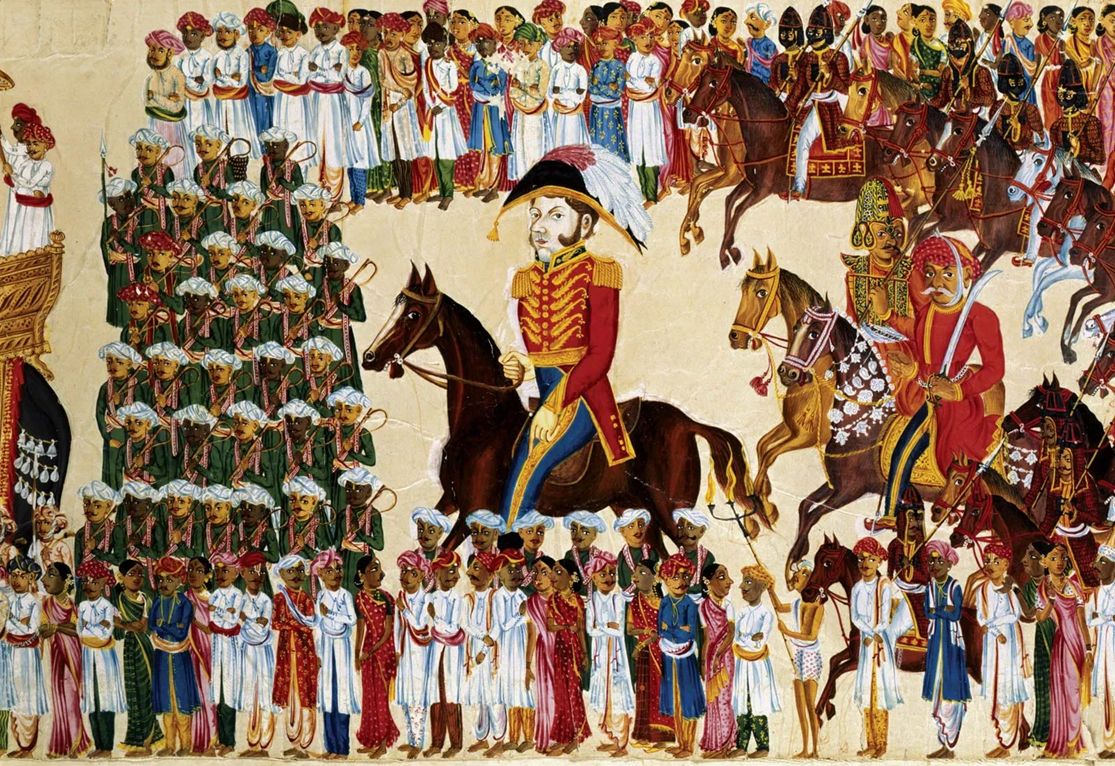
Though a large portion was recruited locally, the EIC’s military had superior training and access to European weaponry, which put them at an advantage over their regional adversaries—they often defeated armies much larger in size.
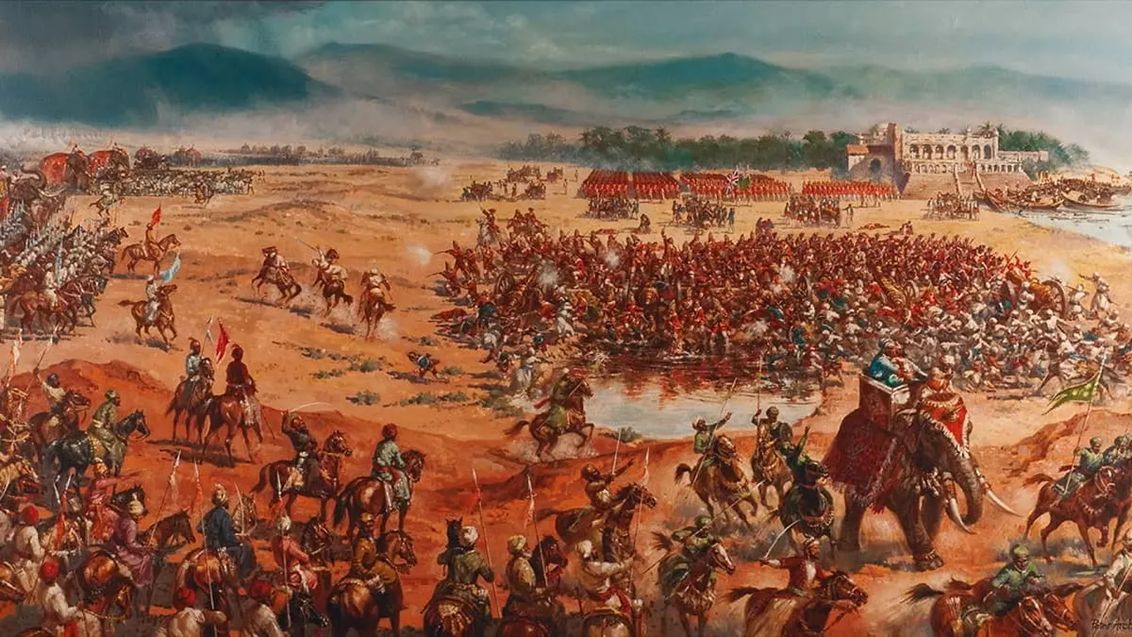
At Plassey in 1757, for example, the EIC defeated an army of nearly 50,000 with only about 3,000 men.
And at Buxar in 1764, around 7,000 company troops defeated 40,000 enemy soldiers.
And at Buxar in 1764, around 7,000 company troops defeated 40,000 enemy soldiers.
The EIC’s success wasn’t confined to just India. They had influence on the greater Asian continent, Africa, and Australia.
They were an international corporation that propelled the world toward globalization.
They were an international corporation that propelled the world toward globalization.
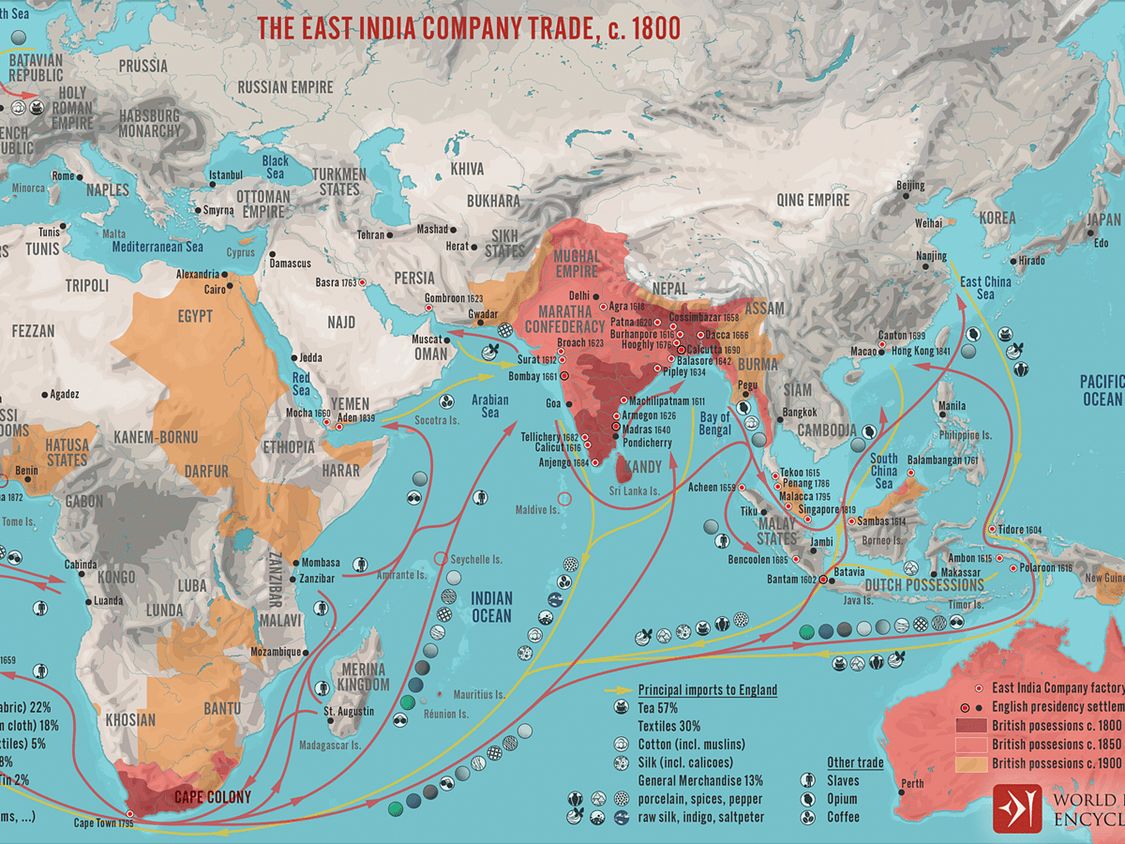
With high demand for resources spurred on by the Industrial Revolution in the 18th and 19th centuries, the EIC became an undisputed monopoly.
But their downfall came as a result of endemic corruption that coincided with their centuries of success…
But their downfall came as a result of endemic corruption that coincided with their centuries of success…
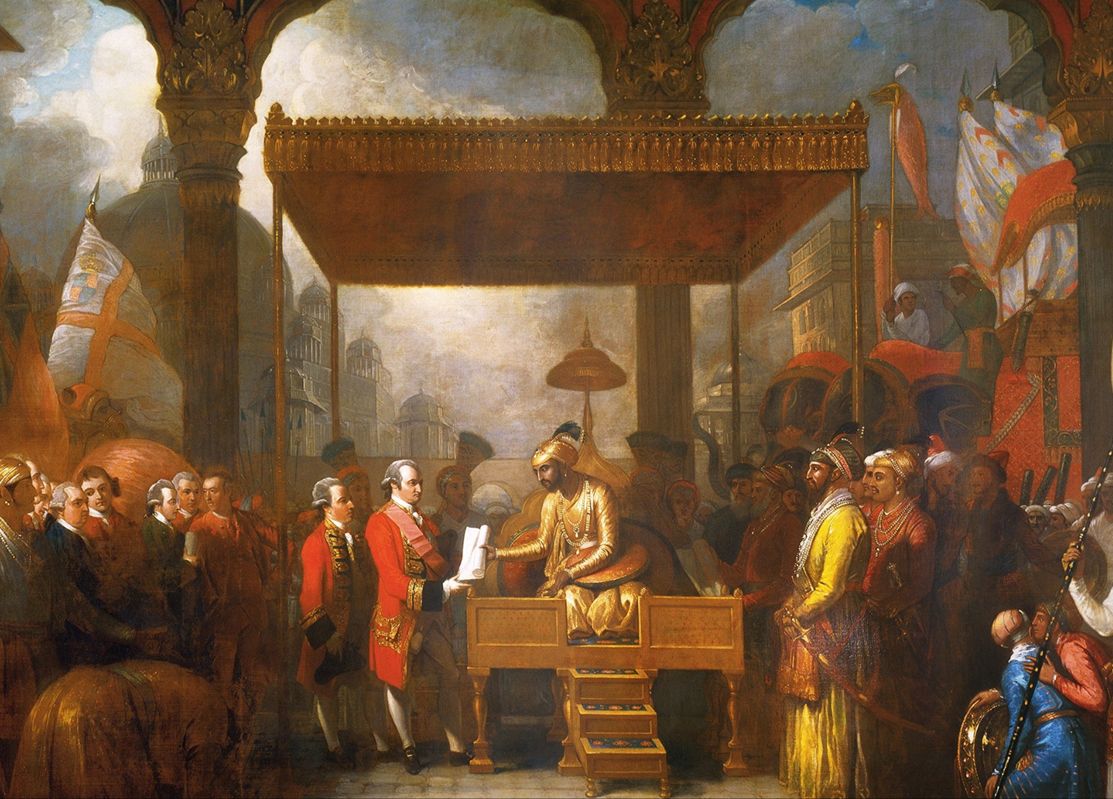
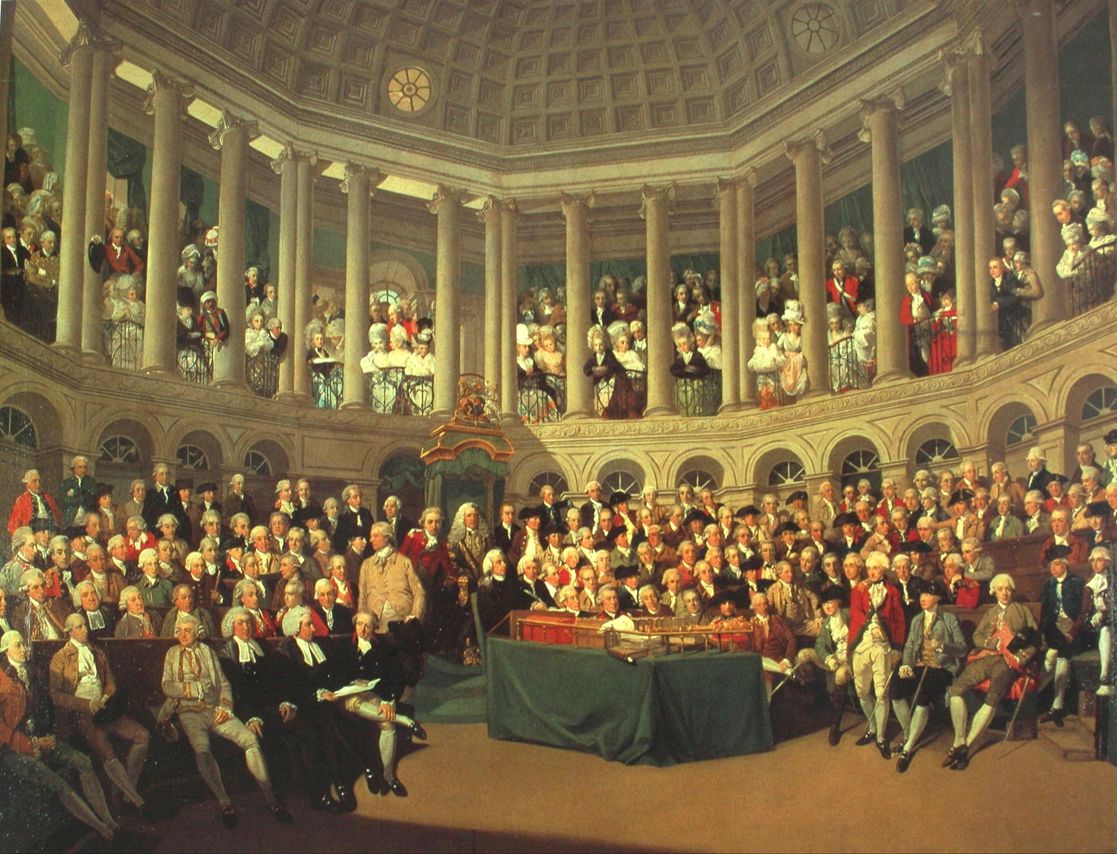
Widespread corruption led parliament to enact a series of regulations that restricted the EIC’s freedom. The 1784 India Act, the 1813 Charter Act, and the 1833 Charter Act all gradually gave parliament control over the corporation.
Finally, the 1857 Sepoy Mutiny in India left the EIC scrambling for control, and Britain realized that such an important colony could not be left in the hands of a private company.
A London News article wrote:
“Our house in India is on fire. We are not insured.”
A London News article wrote:
“Our house in India is on fire. We are not insured.”
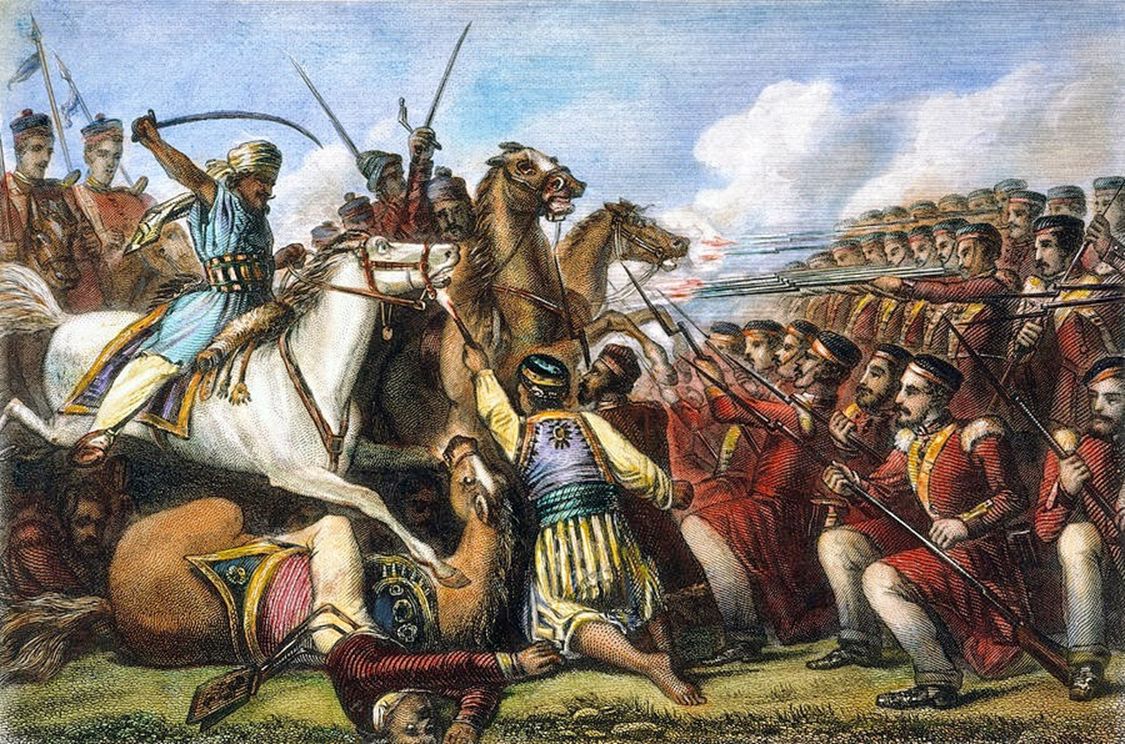
Afterward, the Crown took full possession of EIC territories in India and nationalized the corporation—the most aggressive and ruthless private company ever created had been neutered by the government.
The EIC’s legacy was recognized in a Times article from 8 April 1873:
“It accomplished a work such as in the whole history of the human race no other trading Company ever attempted, and such as none, surely, is likely to attempt in the years to come.”
“It accomplished a work such as in the whole history of the human race no other trading Company ever attempted, and such as none, surely, is likely to attempt in the years to come.”
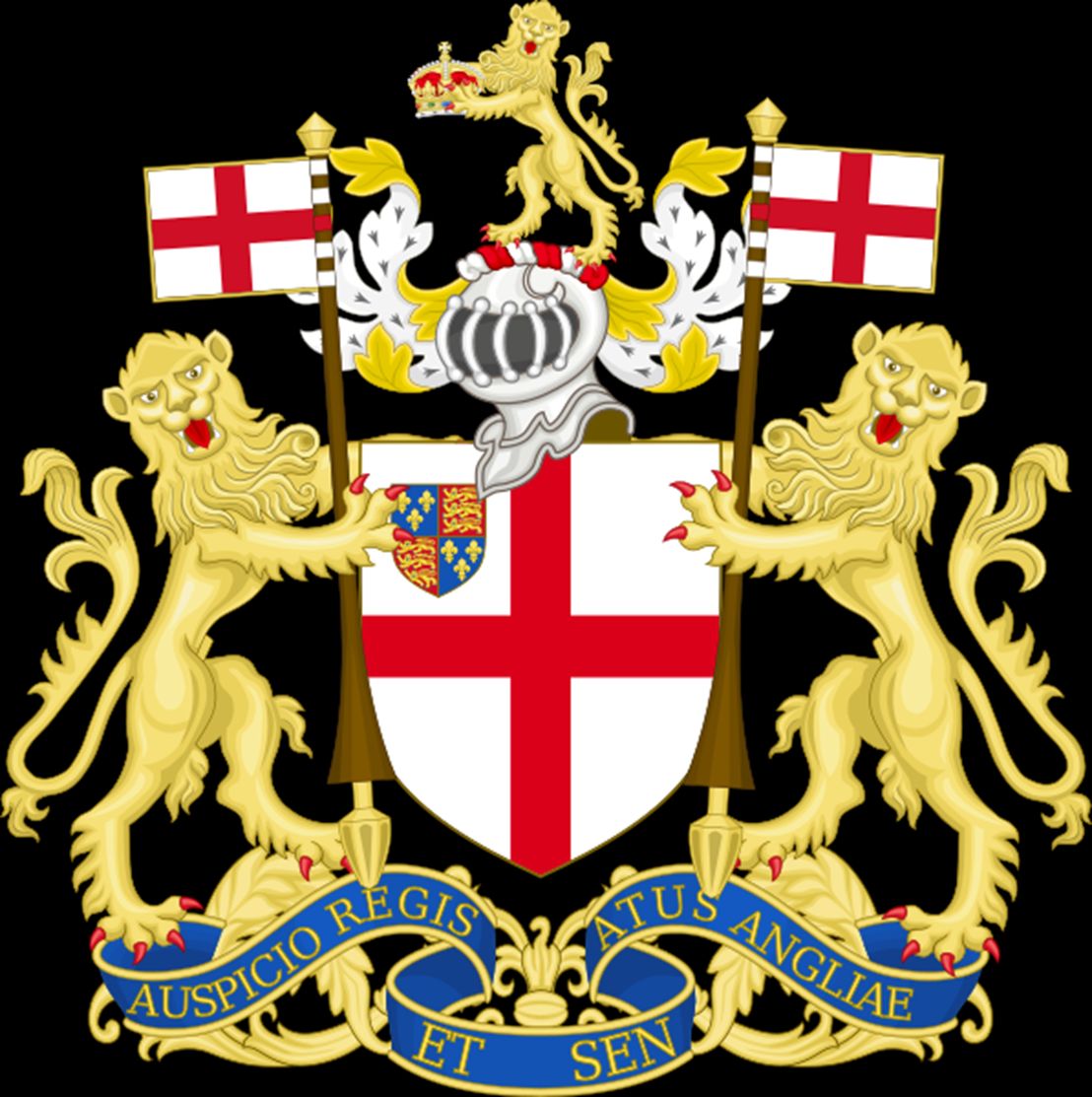
Ultimately, the East India Company was a harbinger of a new world to come—a world where companies might become more powerful than nations.
As corporations grow in influence in our modern world, one wonders where the extent of their power will end.
As corporations grow in influence in our modern world, one wonders where the extent of their power will end.
We dive deeper into topics like this in our newsletter.
In-depth articles straight to your inbox every week (free)👇
thinkingwest.substack.com
In-depth articles straight to your inbox every week (free)👇
thinkingwest.substack.com
• • •
Missing some Tweet in this thread? You can try to
force a refresh