1/10
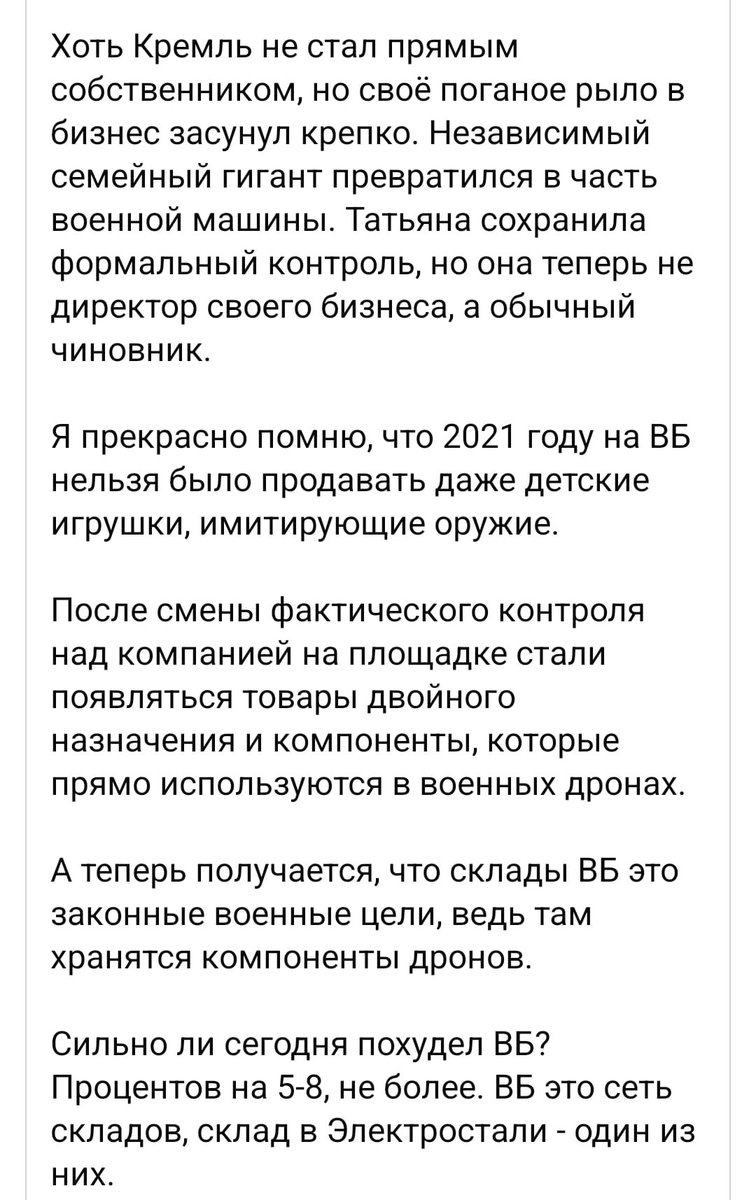
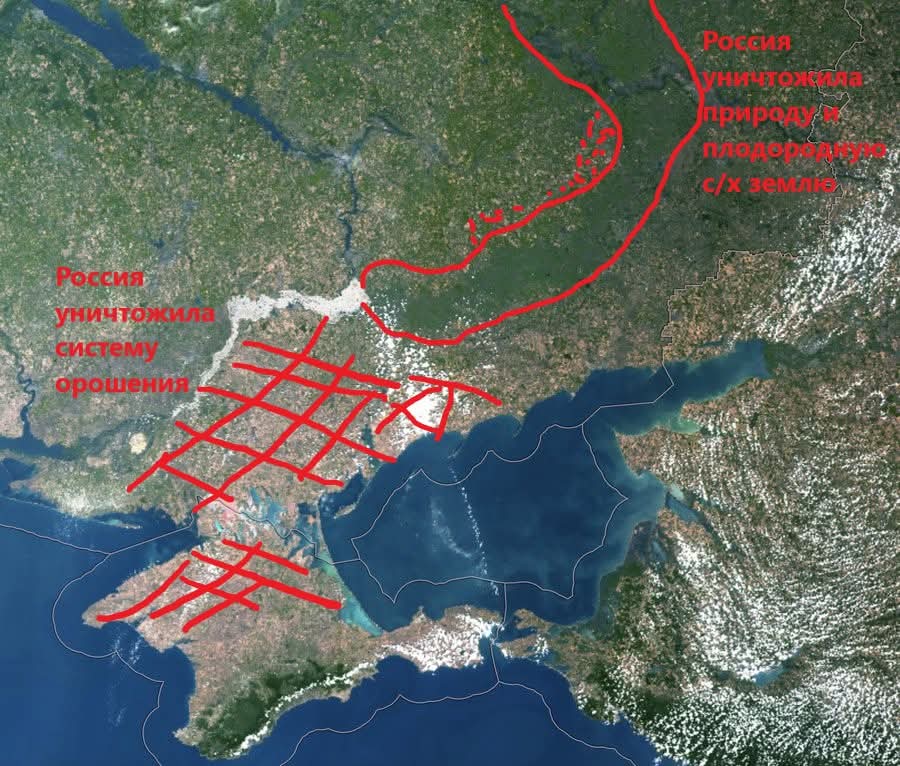
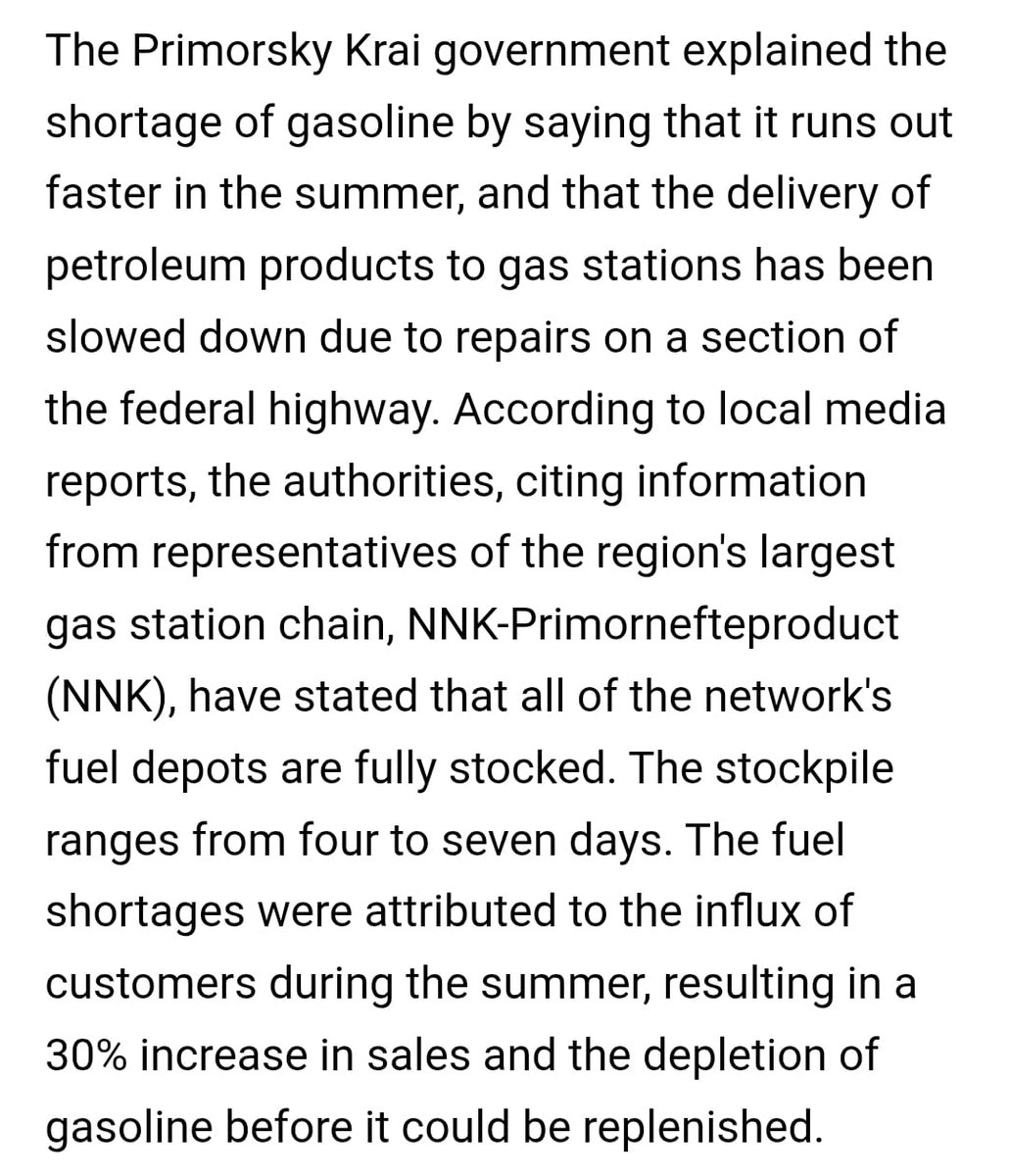
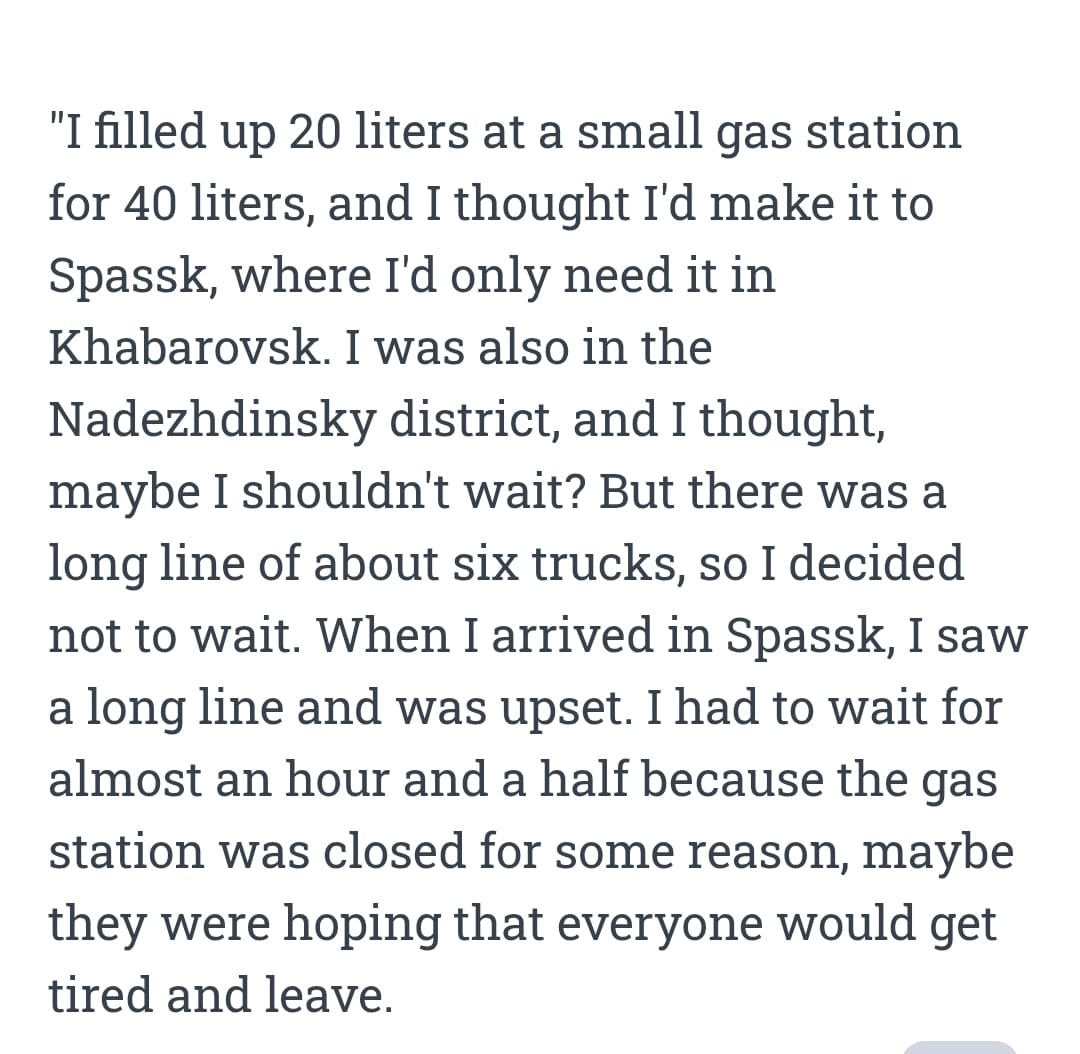
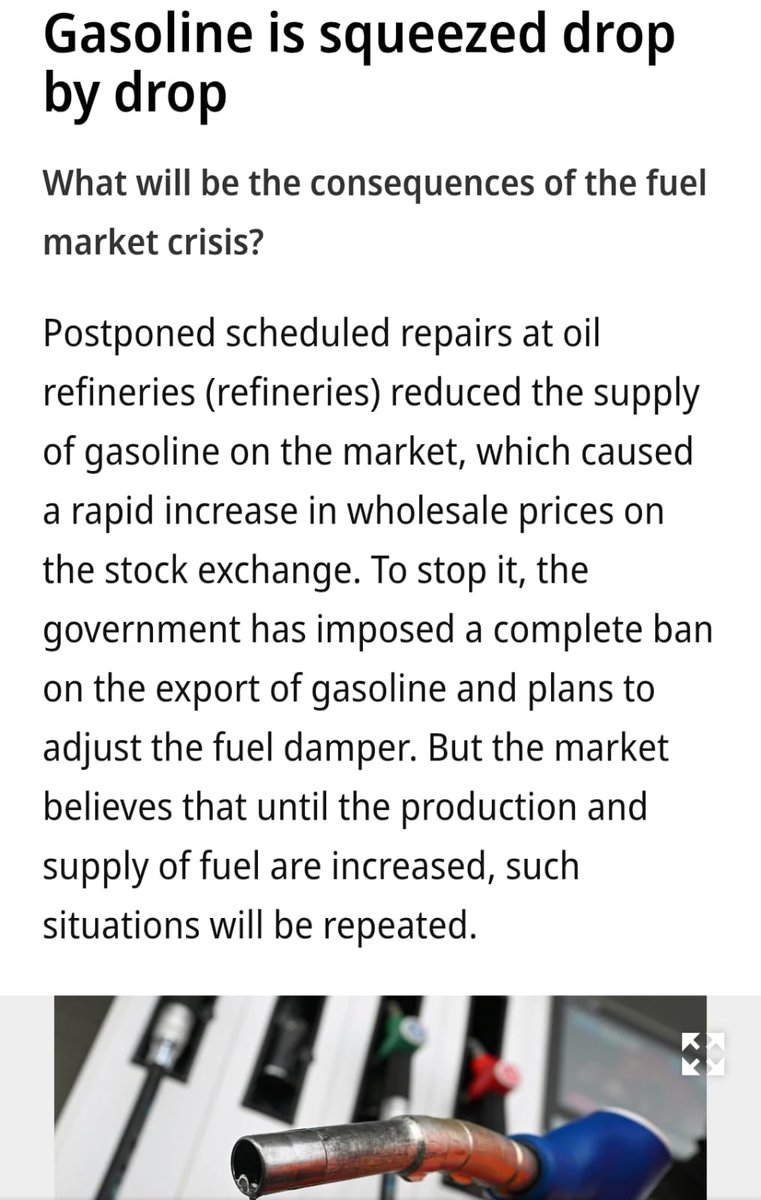
Several Russian regions are facing fuel shortages at gas stations. Local authorities give different reasons for the shortage: from the summer holiday season to road repairs or repairs to oil refineries (refineries).
Several Russian regions are facing fuel shortages at gas stations. Local authorities give different reasons for the shortage: from the summer holiday season to road repairs or repairs to oil refineries (refineries).

2/10
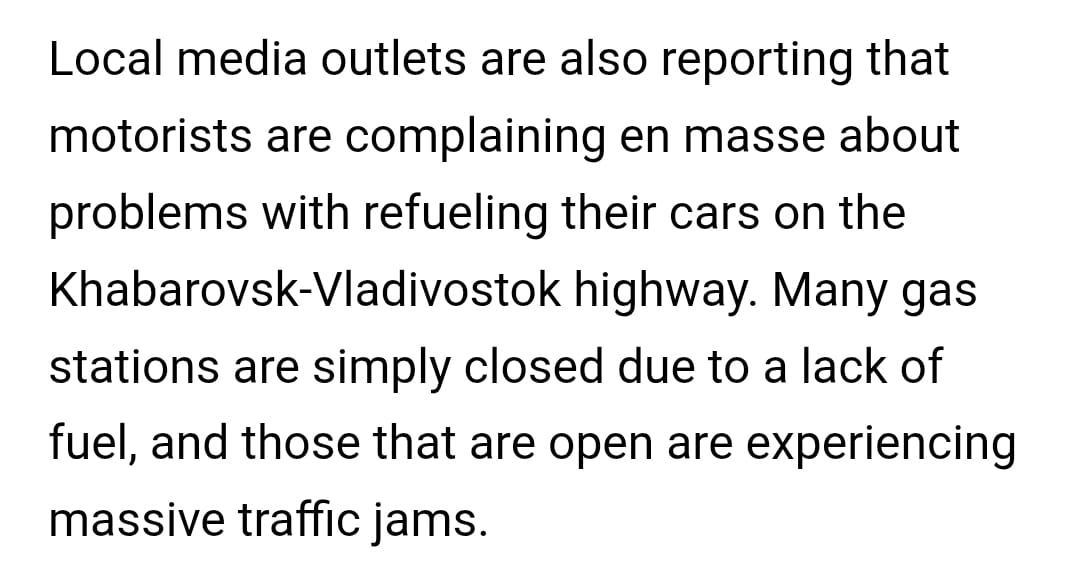
Experts do not rule out new interruptions in the supply of gasoline and rising prices in the regions. The situation may return to normal by the end of September, when the refineries will complete their unscheduled repairs.
ng.ru/economics/2025…
Experts do not rule out new interruptions in the supply of gasoline and rising prices in the regions. The situation may return to normal by the end of September, when the refineries will complete their unscheduled repairs.
ng.ru/economics/2025…
3/10
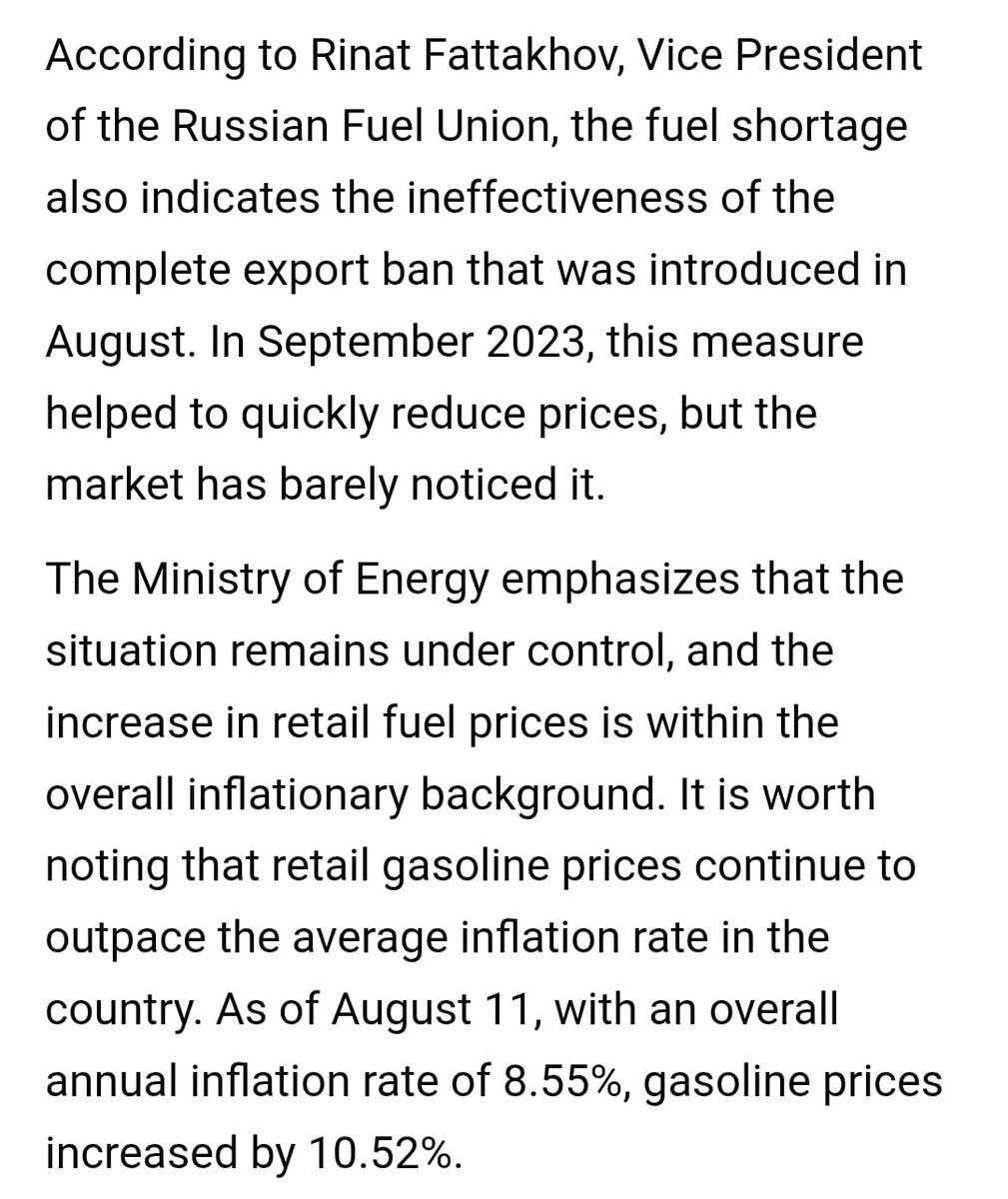
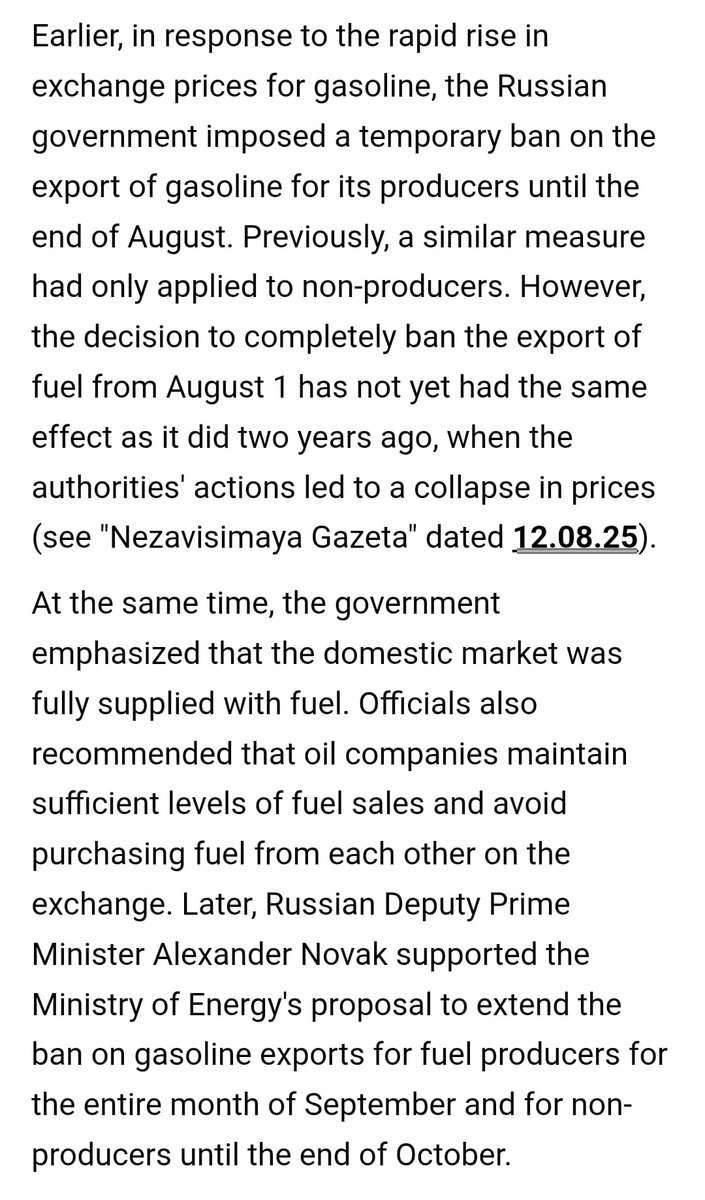
In the meantime, wholesale gasoline prices, despite the measures taken by the federal authorities, continue to update the next highs.
On Wednesday, the exchange price of gasoline continued to rise, and the prices of AI-92 and AI-95 grades set new records.
In the meantime, wholesale gasoline prices, despite the measures taken by the federal authorities, continue to update the next highs.
On Wednesday, the exchange price of gasoline continued to rise, and the prices of AI-92 and AI-95 grades set new records.
4/10
For example, AI-92 gasoline increased in price by 0.76% to 72,510 rubles per ton, surpassing the previous record of 71,970 rubles per ton set on August 19.
For example, AI-92 gasoline increased in price by 0.76% to 72,510 rubles per ton, surpassing the previous record of 71,970 rubles per ton set on August 19.
5/10
The price of AI-95 gasoline increased by 1.13% per day, to 82,253 thousand rubles per ton, and reached a new price high, according to data from the St. Petersburg International Commodity Exchange (SPIMEX).
The price of AI-95 gasoline increased by 1.13% per day, to 82,253 thousand rubles per ton, and reached a new price high, according to data from the St. Petersburg International Commodity Exchange (SPIMEX).
6/10
The cost of summer diesel fuel increased by 1.25%, to 61,01 thousand rubles per ton, exceeding the 61 thousand ruble mark.
rbc.ru/society/21/08/…
The cost of summer diesel fuel increased by 1.25%, to 61,01 thousand rubles per ton, exceeding the 61 thousand ruble mark.
rbc.ru/society/21/08/…
7/10
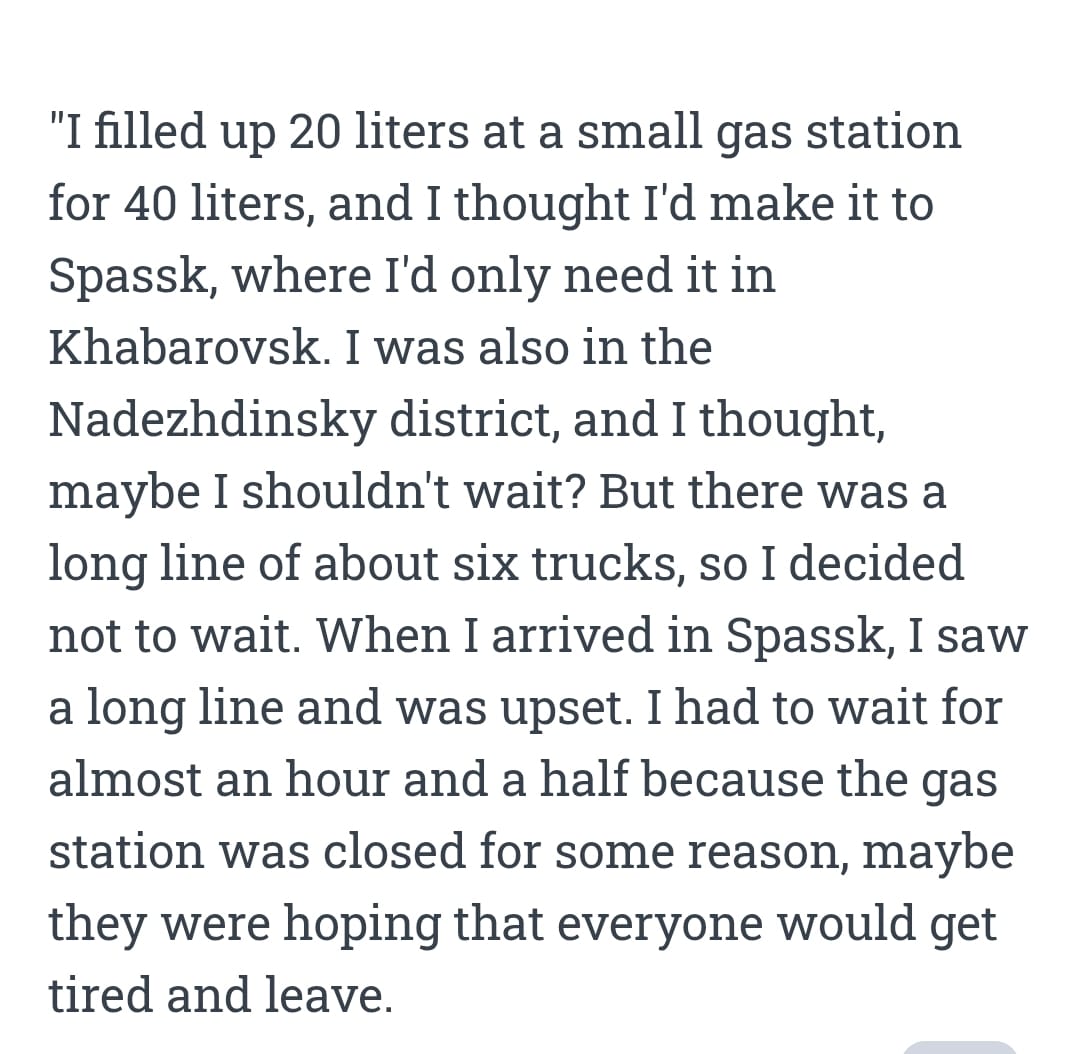
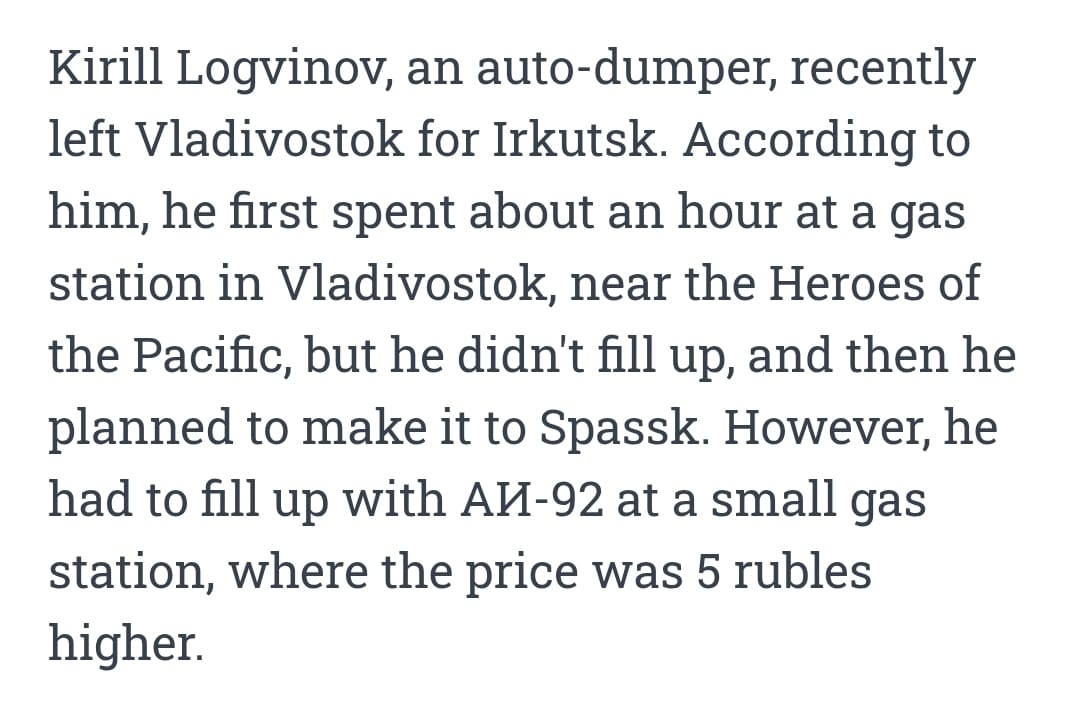
In a number of Russian regions, there are even interruptions in the supply of gasoline at gas stations. Such a problem, for example, is recognized in the Crimea.
vladivostok1.ru/text/transport…
In a number of Russian regions, there are even interruptions in the supply of gasoline at gas stations. Such a problem, for example, is recognized in the Crimea.
vladivostok1.ru/text/transport…
8/10
The head of the Republic of Crimea Sergey Aksenov called them "interruptions in certain types of fuel" and explained it with logistical difficulties. "The issue concerns logistics. A significant part of the fuel is delivered (to Crimea. - "NG") by road...
The head of the Republic of Crimea Sergey Aksenov called them "interruptions in certain types of fuel" and explained it with logistical difficulties. "The issue concerns logistics. A significant part of the fuel is delivered (to Crimea. - "NG") by road...
9/10
I ask both Crimeans and guests of the peninsula to understand this situation. This is an objective situation, which may still last for a maximum of a month, " he said.
I ask both Crimeans and guests of the peninsula to understand this situation. This is an objective situation, which may still last for a maximum of a month, " he said.

10/10
The official also noted that last year, during the resort season, the republic sold 700 tons of gasoline per day, while this year it has already sold 1,100 tons.
kommersant.ru/doc/7971552
The official also noted that last year, during the resort season, the republic sold 700 tons of gasoline per day, while this year it has already sold 1,100 tons.
kommersant.ru/doc/7971552
@threadreaderapp please unroll
• • •
Missing some Tweet in this thread? You can try to
force a refresh