Weightlifting is the heart hack no one ever told you about.
Two 20-minute sessions a week can slash your risk of heart attack and stroke by up to 70%—yet most people still skip it.
It doesn’t just build muscle, it literally reshapes your heart to grow stronger and more resilient under stress.
So why hasn’t this breakthrough become front-page news?
🧵 THREAD
Two 20-minute sessions a week can slash your risk of heart attack and stroke by up to 70%—yet most people still skip it.
It doesn’t just build muscle, it literally reshapes your heart to grow stronger and more resilient under stress.
So why hasn’t this breakthrough become front-page news?
🧵 THREAD

Aerobic workouts, or cardio, have long been viewed as key to heart health. However, weight or resistance training also delivers surprising heart benefits.
Clinical guidelines now recommend resistance training as part of both the prevention and management of cardiovascular disease.
“Even doing resistance training just twice a week, for 15 to 20 minutes a session, can make a big difference,” Amanda Paluch, a physical activity epidemiologist and kinesiologist, told The Epoch Times.
Yet fewer than a third of U.S. adults do enough.
Clinical guidelines now recommend resistance training as part of both the prevention and management of cardiovascular disease.
“Even doing resistance training just twice a week, for 15 to 20 minutes a session, can make a big difference,” Amanda Paluch, a physical activity epidemiologist and kinesiologist, told The Epoch Times.
Yet fewer than a third of U.S. adults do enough.

How Resistance Training Supports Your Heart
“Like skeletal muscles, the heart is also a muscle and can respond and adapt to resistance training,” Shannon Lennon, a professor of exercise physiology with expertise in cardiovascular health at the University of Delaware, told The Epoch Times.
When lifting heavy weights, chest pressure rises, and blood returning to the heart is temporarily reduced. This can cause a short-term drop in cardiac output.
Consequently, the heart adapts by thickening the walls of the left ventricle, the main pumping chamber. This thickening strengthens the heart, makes it more able to handle the stress of lifting, and helps it function well even under heavy strain.
“Like skeletal muscles, the heart is also a muscle and can respond and adapt to resistance training,” Shannon Lennon, a professor of exercise physiology with expertise in cardiovascular health at the University of Delaware, told The Epoch Times.
When lifting heavy weights, chest pressure rises, and blood returning to the heart is temporarily reduced. This can cause a short-term drop in cardiac output.
Consequently, the heart adapts by thickening the walls of the left ventricle, the main pumping chamber. This thickening strengthens the heart, makes it more able to handle the stress of lifting, and helps it function well even under heavy strain.
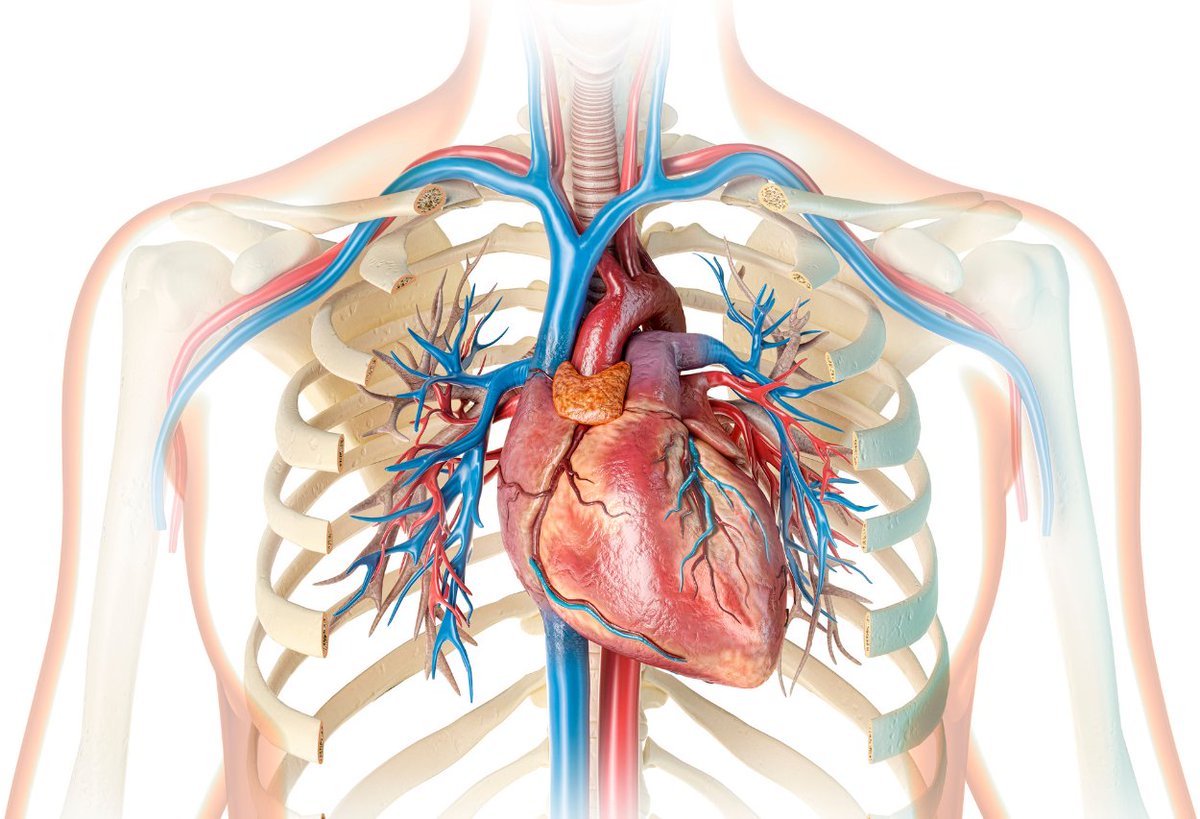
Research shows that resistance training can improve many cardiovascular risk factors, including blood pressure, cholesterol, and metabolic function.
theepochtimes.com/health/how-wei…
theepochtimes.com/health/how-wei…
Resistance training can lower resting blood pressure, especially in people with mild to moderate hypertension. Even a modest drop—such as 3 mmHg in systolic blood pressure—can reduce the risk of heart attack, stroke, and cardiovascular death.
Lennon added that resistance training also improves vascular function, enhancing the ability of blood vessels to dilate and improving blood flow.
Resistance training improves cholesterol by raising high-density lipoprotein (HDL) cholesterol by 8 percent to 21 percent, lowering low-density lipoprotein (LDL) cholesterol 13 percent to 23 percent, and reducing triglycerides 11 percent to 18 percent.
Lennon added that resistance training also improves vascular function, enhancing the ability of blood vessels to dilate and improving blood flow.
Resistance training improves cholesterol by raising high-density lipoprotein (HDL) cholesterol by 8 percent to 21 percent, lowering low-density lipoprotein (LDL) cholesterol 13 percent to 23 percent, and reducing triglycerides 11 percent to 18 percent.

While lifting weights may not lead to major weight loss on the scale, it helps preserve muscle, boost resting metabolic rate, and reduce visceral fat—an important factor in preventing metabolic syndrome. In fact, gaining just 1 kilogram of muscle increases resting energy expenditure by about 21 calories per day.
Low- to moderate-intensity resistance training also reduces oxidative stress and has anti-inflammatory effects—two processes deeply involved in the development of cardiovascular disease.
These heart benefits help explain why just one to three resistance training sessions per week, lasting under an hour, can lower the risk of cardiovascular events by 40 percent to 70 percent, even without additional aerobic exercise.
When combined with aerobic exercise, the benefits are even greater.
Low- to moderate-intensity resistance training also reduces oxidative stress and has anti-inflammatory effects—two processes deeply involved in the development of cardiovascular disease.
These heart benefits help explain why just one to three resistance training sessions per week, lasting under an hour, can lower the risk of cardiovascular events by 40 percent to 70 percent, even without additional aerobic exercise.
When combined with aerobic exercise, the benefits are even greater.

Cardio Versus Resistance Training
Resistance training doesn’t act on the heart and blood vessels in the same way as aerobic exercise.
With aerobic exercise, such as running or cycling, the heart chamber becomes larger rather than thicker. A larger chamber improves cardiovascular efficiency—the heart can pump more blood per beat.
Aerobic exercise burns more calories. During aerobic activity, blood is redirected from less active organs to the working muscles to meet rising oxygen demands. This boosts oxygen consumption and heart rate, resulting in greater energy expenditure.
Resistance training burns fewer calories in the moment but builds muscle, which raises long-term energy expenditure.
Resistance training doesn’t act on the heart and blood vessels in the same way as aerobic exercise.
With aerobic exercise, such as running or cycling, the heart chamber becomes larger rather than thicker. A larger chamber improves cardiovascular efficiency—the heart can pump more blood per beat.
Aerobic exercise burns more calories. During aerobic activity, blood is redirected from less active organs to the working muscles to meet rising oxygen demands. This boosts oxygen consumption and heart rate, resulting in greater energy expenditure.
Resistance training burns fewer calories in the moment but builds muscle, which raises long-term energy expenditure.

A little about us: We’re a team of journalists and researchers on a mission to give you REAL and honest information about your health.
Side effects of reading our posts may include: critical thinking.
Follow us for more daily threads—backed by hard data.
—> @EpochHealth
Side effects of reading our posts may include: critical thinking.
Follow us for more daily threads—backed by hard data.
—> @EpochHealth

Get the Prescription Right
Both types of exercise are effective in their own right, but when combined—known as combination training—they offer even greater advantages.
According to a 2023 American Heart Association statement on resistance training, combination training produces larger improvements in heart health and is linked to a 40 percent to 46 percent lower risk of all-cause and cardiovascular death, compared with 18 percent to 29 percent for resistance or aerobic training alone.
For optimal heart health, aim for at least 150 minutes of moderate-intensity aerobic activity or 75 minutes of vigorous activity each week, or a mix of both. Add in resistance training on at least two days per week.
To maximize resistance training’s cardiovascular benefits, it must be applied thoughtfully, taking into account the right intensity, frequency, and format for each person.
Both types of exercise are effective in their own right, but when combined—known as combination training—they offer even greater advantages.
According to a 2023 American Heart Association statement on resistance training, combination training produces larger improvements in heart health and is linked to a 40 percent to 46 percent lower risk of all-cause and cardiovascular death, compared with 18 percent to 29 percent for resistance or aerobic training alone.
For optimal heart health, aim for at least 150 minutes of moderate-intensity aerobic activity or 75 minutes of vigorous activity each week, or a mix of both. Add in resistance training on at least two days per week.
To maximize resistance training’s cardiovascular benefits, it must be applied thoughtfully, taking into account the right intensity, frequency, and format for each person.

The general guideline is to target all major muscle groups at least twice per week. Use 60 percent to 80 percent of one-repetition maximum—the heaviest weight you can lift once with proper form. Do eight to 12 repetitions for each exercise, completing one to three sets.
A variety of equipment can be used, including machines, free weights, resistance bands, or bodyweight. Training sessions may follow a station format (completing all sets of one exercise before moving on) or a circuit format (rotating through different exercises with one set per station).
Gradually increase training by adding sets or repetitions, raising the load, or shortening rest periods. This supports muscle growth and helps prevent injury, especially in people with cardiovascular disease.
A common rule of thumb is the 2-for-2 rule: If a person can complete two extra repetitions for two consecutive sessions, the load can be increased.
A variety of equipment can be used, including machines, free weights, resistance bands, or bodyweight. Training sessions may follow a station format (completing all sets of one exercise before moving on) or a circuit format (rotating through different exercises with one set per station).
Gradually increase training by adding sets or repetitions, raising the load, or shortening rest periods. This supports muscle growth and helps prevent injury, especially in people with cardiovascular disease.
A common rule of thumb is the 2-for-2 rule: If a person can complete two extra repetitions for two consecutive sessions, the load can be increased.

Not Just for the Young
It’s a common misconception that resistance training is only suitable for young or physically fit people, or that it’s risky for those with heart problems. That’s not the case.
“Resistance training becomes even more important as we age and begin to lose muscle,” said Paluch, lead author of the 2023 American Heart Association statement on resistance training.
Although resistance training was once discouraged for patients with heart failure—due to concerns about its effect on heart remodeling—it has now been shown not to cause adverse structural changes. As a result, it is routinely included in cardiac rehabilitation programs.
It’s a common misconception that resistance training is only suitable for young or physically fit people, or that it’s risky for those with heart problems. That’s not the case.
“Resistance training becomes even more important as we age and begin to lose muscle,” said Paluch, lead author of the 2023 American Heart Association statement on resistance training.
Although resistance training was once discouraged for patients with heart failure—due to concerns about its effect on heart remodeling—it has now been shown not to cause adverse structural changes. As a result, it is routinely included in cardiac rehabilitation programs.

That said, speaking with your physician is essential before beginning a resistance training program.
High-intensity training should be avoided in those with unstable coronary syndromes, such as unstable angina or recent heart attacks, decompensated heart failure, uncontrolled arrhythmias, severe hypertension, or aortic dissection—a life-threatening tear in the wall of the body’s main artery.
Overall, for people with heart conditions, starting with low intensities, using proper technique, and progressing gradually is key. Monitoring for symptoms and avoiding breath-holding during lifts—which can spike blood pressure—are also important for exercising safely, Paluch said.
High-intensity training should be avoided in those with unstable coronary syndromes, such as unstable angina or recent heart attacks, decompensated heart failure, uncontrolled arrhythmias, severe hypertension, or aortic dissection—a life-threatening tear in the wall of the body’s main artery.
Overall, for people with heart conditions, starting with low intensities, using proper technique, and progressing gradually is key. Monitoring for symptoms and avoiding breath-holding during lifts—which can spike blood pressure—are also important for exercising safely, Paluch said.

Thanks for reading! If you found this valuable, here's a special deal:
Unlock our ENTIRE library of @EpochHealth articles for just $1/week—plus unlimited access to everything else on our site.
Claim it here:
on.theepochtimes.com/vfox/health?ut…
Unlock our ENTIRE library of @EpochHealth articles for just $1/week—plus unlimited access to everything else on our site.
Claim it here:
on.theepochtimes.com/vfox/health?ut…

• • •
Missing some Tweet in this thread? You can try to
force a refresh