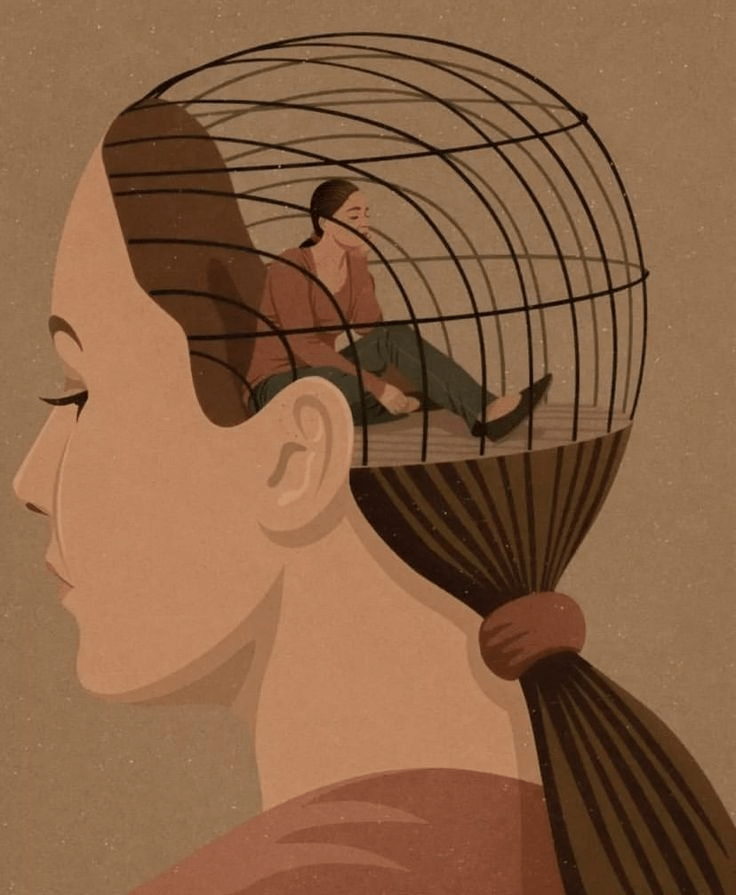
If you think you have Trauma, science says it didn't start with you.
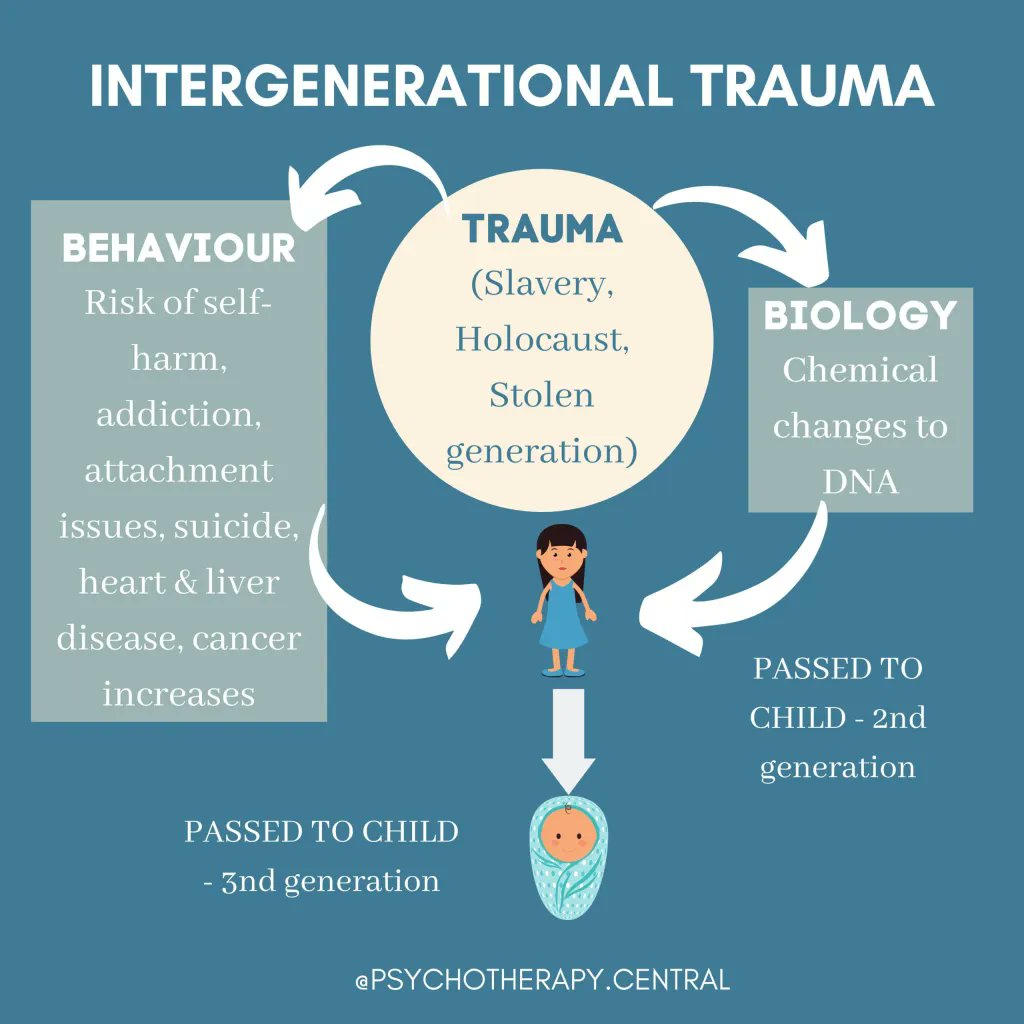
Unhealed trauma doesn't just disappear—it gets passed down through DNA as self-sabotage, cycles of failure, and toxic relationships.
Here's what science says about generational trauma (and how to break the cycle):
Unhealed trauma doesn't just disappear—it gets passed down through DNA as self-sabotage, cycles of failure, and toxic relationships.
Here's what science says about generational trauma (and how to break the cycle):


First, what is inherited trauma?
It’s the psychological and biological footprint of your family’s unresolved trauma.
It's passed down through generations as unexplained health issues, anxiety, and emotional stuckness.
Here's where it gets interesting...
It’s the psychological and biological footprint of your family’s unresolved trauma.
It's passed down through generations as unexplained health issues, anxiety, and emotional stuckness.
Here's where it gets interesting...

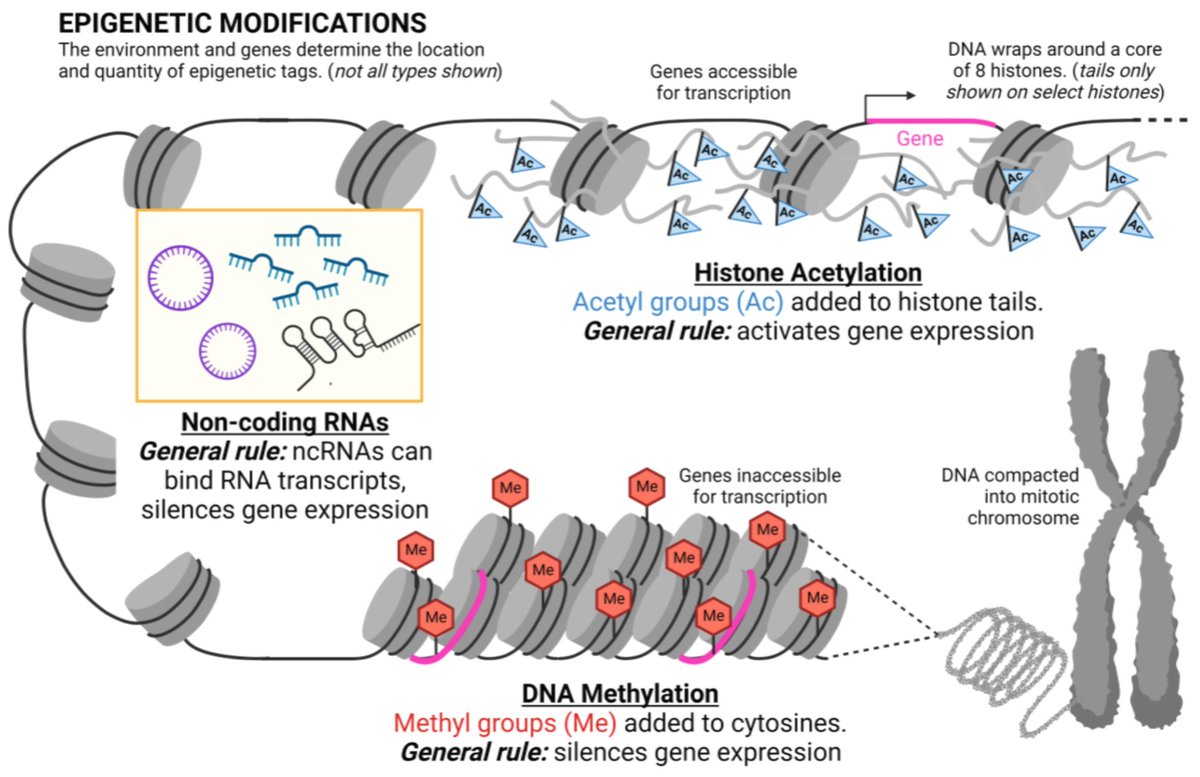
Scientists have discovered that trauma ACTUALLY changes your genes.
When your ancestors experienced war, poverty, or sexual abuse, their bodies adapted to survive.
These changes—called epigenetic tags—alter how our genes are expressed. When you are born, you carry these epigenetic tags.
You may think you inherited your grandmother's hair color or height, but you also inherit her emotional trauma.
When your ancestors experienced war, poverty, or sexual abuse, their bodies adapted to survive.
These changes—called epigenetic tags—alter how our genes are expressed. When you are born, you carry these epigenetic tags.
You may think you inherited your grandmother's hair color or height, but you also inherit her emotional trauma.
Take, for instance, the holocaust descendants.
They report persistent anxiety, even when their external circumstances were safe.
This anxiety is linked to inherited patterns of scanning for danger. It's rooted in their parents’ survival experiences.
Studies show that holocaust survivors avoided speaking about their suffering to their children.
Consequently, "avoidance coping" was passed down from generation to generation.
This “conspiracy of silence” left their children with a sense of darkness and doom they couldn't explain.
They report persistent anxiety, even when their external circumstances were safe.
This anxiety is linked to inherited patterns of scanning for danger. It's rooted in their parents’ survival experiences.
Studies show that holocaust survivors avoided speaking about their suffering to their children.
Consequently, "avoidance coping" was passed down from generation to generation.
This “conspiracy of silence” left their children with a sense of darkness and doom they couldn't explain.

Take, too, the Native American descendants who've experienced record levels of alcoholism and depression.
These are enduring marks of cultural loss, family abuse and identity struggles that plague American Indians to this day.
These are enduring marks of cultural loss, family abuse and identity struggles that plague American Indians to this day.
A fact: Trauma never entirely leaves our nervous system.
Even if we don't experience the actual event, our bodies hold onto an ancesteral memory.
For instance:
We inherit fear. What happens? We see threats everywhere in our environment.
We inherit grief. What happens? We shutdown emotionally and go numb.
And it’s not just our emotions that suffer.
Transgenerational trauma leads to real physical health issues too.
Even if we don't experience the actual event, our bodies hold onto an ancesteral memory.
For instance:
We inherit fear. What happens? We see threats everywhere in our environment.
We inherit grief. What happens? We shutdown emotionally and go numb.
And it’s not just our emotions that suffer.
Transgenerational trauma leads to real physical health issues too.
How do you know if you’re carrying inherited trauma?
Here are common signs:
1. Recurring family patterns (addiction, conflict, failure).
2. Fears or beliefs that feel irrational.
3. Chronic stress or illness with no clear cause.
These patterns will persist until you've consciously addressed them.
Here are common signs:
1. Recurring family patterns (addiction, conflict, failure).
2. Fears or beliefs that feel irrational.
3. Chronic stress or illness with no clear cause.
These patterns will persist until you've consciously addressed them.
But here’s the good news:
You can break this cycle.
You can heal inherited trauma.
When you heal, it doesn't just change your life.
It has a ripple effect on all those around you.
Everyone benefits from you healing intergenerational trauma.
Here are 4 ways to reverse intergenerational trauma.
You can break this cycle.
You can heal inherited trauma.
When you heal, it doesn't just change your life.
It has a ripple effect on all those around you.
Everyone benefits from you healing intergenerational trauma.
Here are 4 ways to reverse intergenerational trauma.
1/ Explore your family history.
What unspoken events shaped your family? Was it loss, war, migration, abuse, or betrayal?
What secrets lie in your family tree? What "taboo" topics were you aware of?
Understanding past legacies is essential to your healing.
What unspoken events shaped your family? Was it loss, war, migration, abuse, or betrayal?
What secrets lie in your family tree? What "taboo" topics were you aware of?
Understanding past legacies is essential to your healing.
2/ Identify and become aware of inherited language.
Listen for repeated family phrases such as "We never get ahead" or "no one in our family succeeds."
Or, "never trust anyone, especially around love."
These beliefs reflect unhealed trauma, generationally passed down.
Listen for repeated family phrases such as "We never get ahead" or "no one in our family succeeds."
Or, "never trust anyone, especially around love."
These beliefs reflect unhealed trauma, generationally passed down.
3/ Work with a therapist to balance your neural networks.
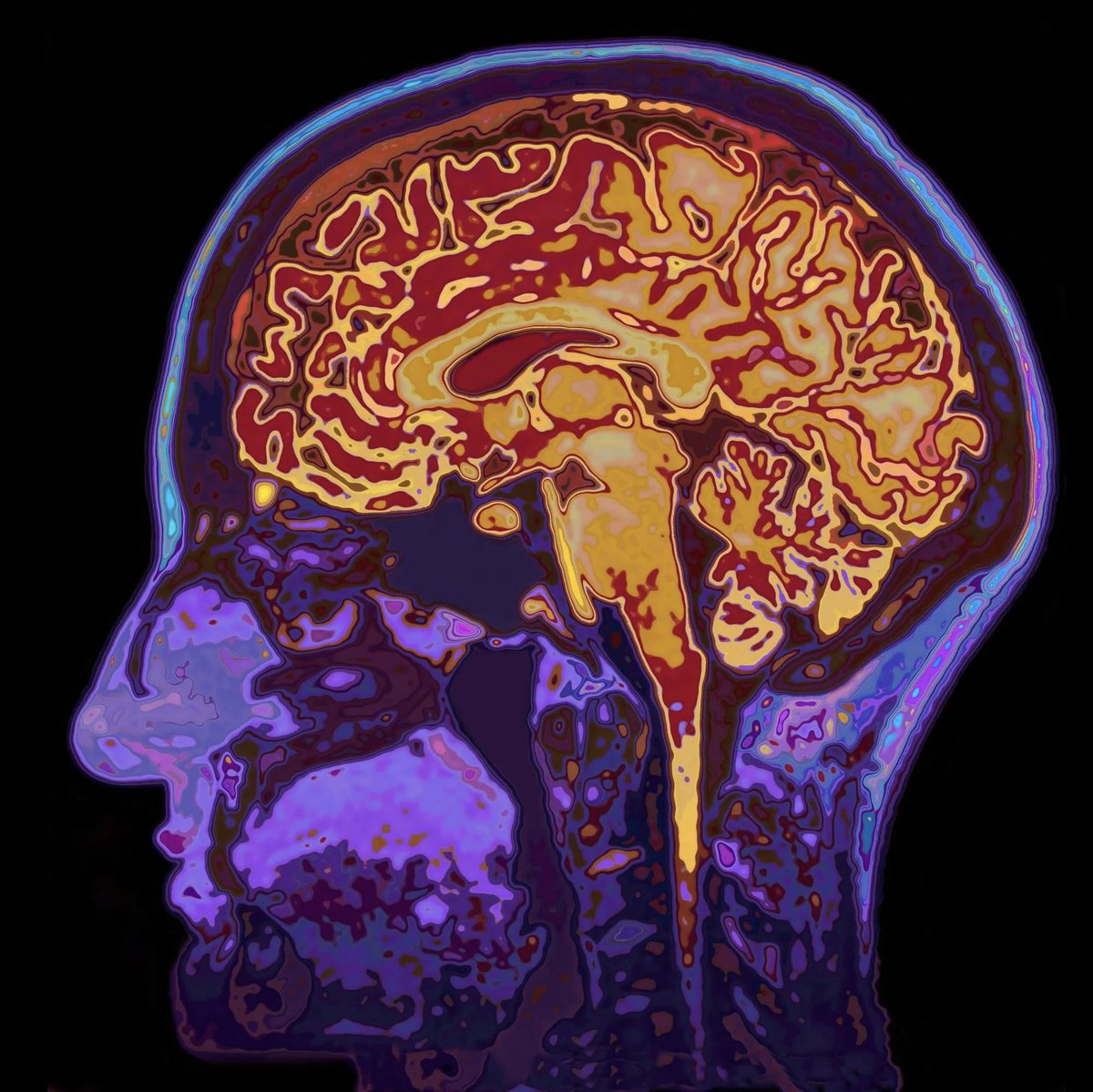
Inherited trauma isn’t just emotional—it’s stored in your body and nervous system.
It's somatic.
Here’s what really works ↓
Inherited trauma isn’t just emotional—it’s stored in your body and nervous system.
It's somatic.
Here’s what really works ↓
Proven Neuroscience tools for healing:
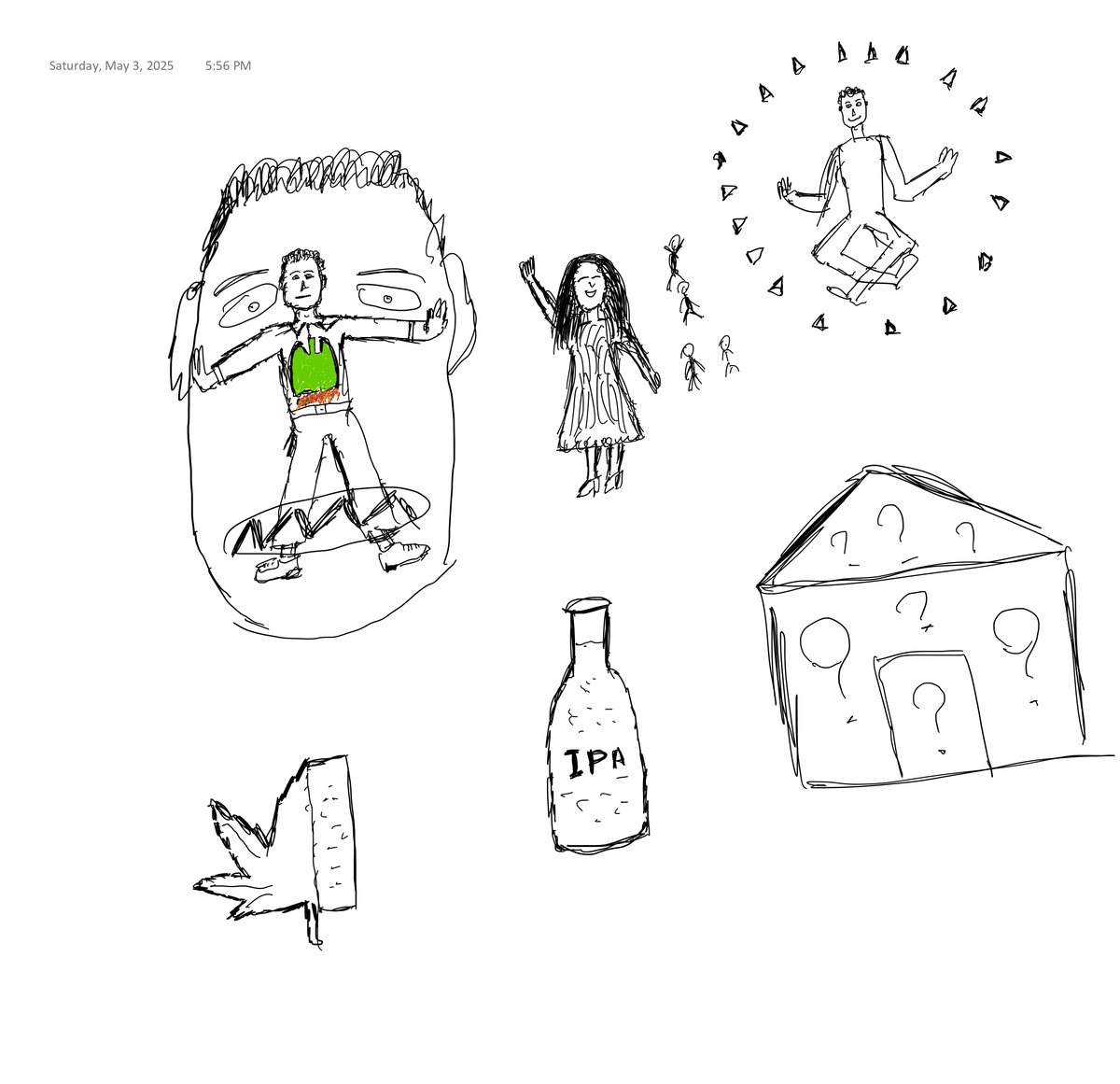
• Somatic therapies: Walking without devices outdoors in nature.
• Breathwork: Polyvagal breathing to calm the nervous system.
• Drawing: Rewire emotional responses.
These tools directly reset your body’s stress responses and create lasting change.
• Somatic therapies: Walking without devices outdoors in nature.
• Breathwork: Polyvagal breathing to calm the nervous system.
• Drawing: Rewire emotional responses.
These tools directly reset your body’s stress responses and create lasting change.
4/ Reimagine your narrative and rewrite your story.
Trauma may have shaped your family's story, but it doesn’t define you.
Altering your default mode network (DMN) from ruminating to imagining will break your intergenerational patterns.
Trauma may have shaped your family's story, but it doesn’t define you.
Altering your default mode network (DMN) from ruminating to imagining will break your intergenerational patterns.
You’re not broken. Inherited trauma isn’t a life sentence—it’s a calling to heal what others couldn’t.
When you do the work, you don’t just free yourself.
You free your family’s past and future.
When you do the work, you don’t just free yourself.
You free your family’s past and future.
If you are looking for guidance around breaking your intergenerational patterns, book a free discovery call with me and we can sort it out.
calendly.com/lorwen_consult…
calendly.com/lorwen_consult…
• • •
Missing some Tweet in this thread? You can try to
force a refresh