TLC was the biggest girl group on Earth.
"Waterfalls" dominated MTV. "CrazySexyCool" sold 11 million copies.
Yet they filed for bankruptcy owing $3.5 million.
Here's how ONE sneaky trick destroyed three superstars: 🧵
"Waterfalls" dominated MTV. "CrazySexyCool" sold 11 million copies.
Yet they filed for bankruptcy owing $3.5 million.
Here's how ONE sneaky trick destroyed three superstars: 🧵
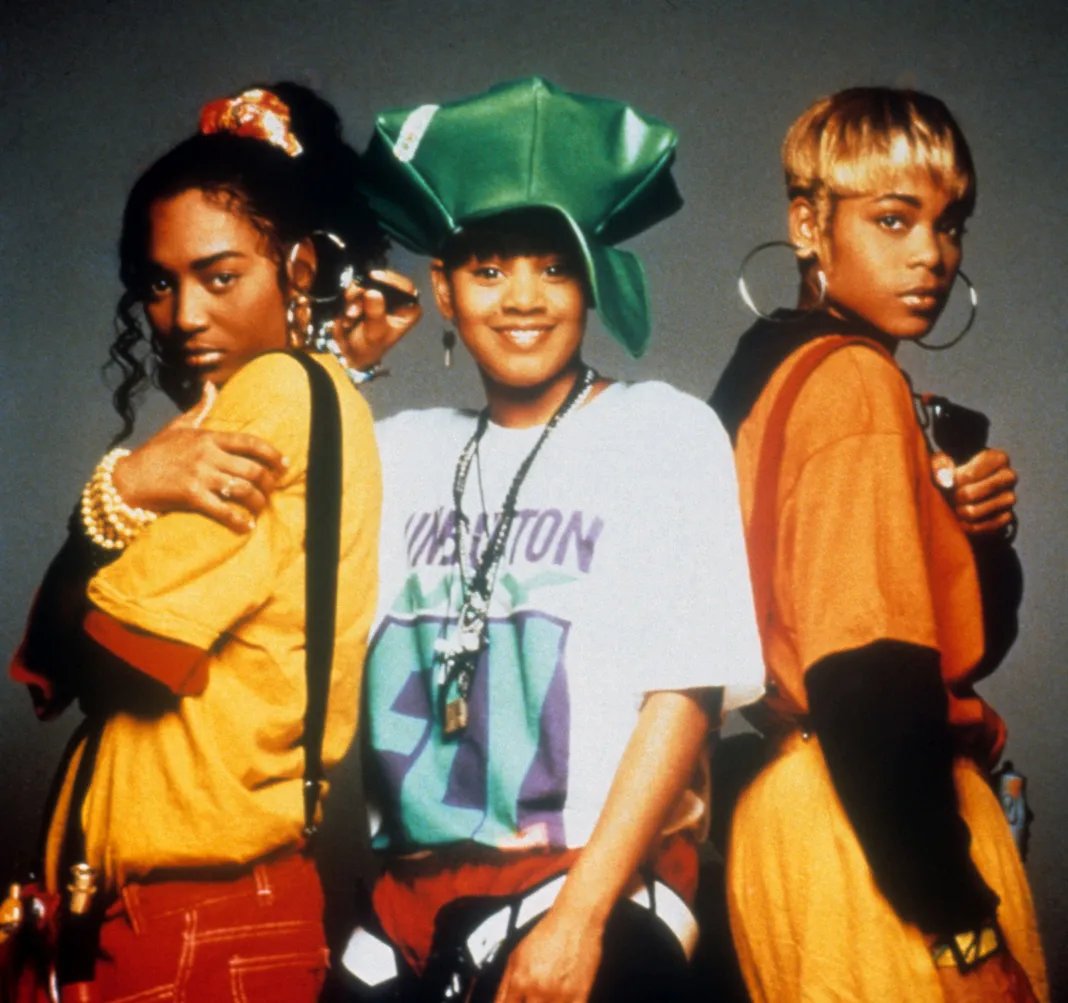
The numbers seemed impossible.
TLC had sold 65+ million records worldwide by 1995.
"CrazySexyCool" alone generated over $175 million in revenue.
Yet T-Boz, Left Eye, and Chilli were each making roughly $35,000 per year.
Something was very, very wrong.
TLC had sold 65+ million records worldwide by 1995.
"CrazySexyCool" alone generated over $175 million in revenue.
Yet T-Boz, Left Eye, and Chilli were each making roughly $35,000 per year.
Something was very, very wrong.
The contract was a masterclass in legal manipulation;
- TLC received 7% royalty rate (industry standard was 10-15%)
- BUT royalties only kicked in after "recoupment"
- Every expense was charged against their earnings
The trap was set from day one.
- TLC received 7% royalty rate (industry standard was 10-15%)
- BUT royalties only kicked in after "recoupment"
- Every expense was charged against their earnings
The trap was set from day one.
What "recoupment" actually meant:
- Studio time: $1.2 million
- Music video production: $800k+ per video
- Marketing/promotion: $2 million+
- Tour support: $500k+
All charged TO TLC.
By industry accounting, TLC "owed" millions despite massive sales.
- Studio time: $1.2 million
- Music video production: $800k+ per video
- Marketing/promotion: $2 million+
- Tour support: $500k+
All charged TO TLC.
By industry accounting, TLC "owed" millions despite massive sales.
The psychology was brutal.
While the label LaFace celebrated platinum plaques, TLC was borrowing money for rent.
"We were told we were successful," T-Boz later revealed. "But we couldn't afford groceries."
Success became a prison of debt disguised as achievement.
While the label LaFace celebrated platinum plaques, TLC was borrowing money for rent.
"We were told we were successful," T-Boz later revealed. "But we couldn't afford groceries."
Success became a prison of debt disguised as achievement.
Then came the individual financial pressure.
Left Eye purchased Converse for $1.3 million - but had to take out loans.
T-Boz was diagnosed with sickle cell disease, medical bills mounting.
Chilli was supporting her family.
They were trapped with no escape route.
Left Eye purchased Converse for $1.3 million - but had to take out loans.
T-Boz was diagnosed with sickle cell disease, medical bills mounting.
Chilli was supporting her family.
They were trapped with no escape route.
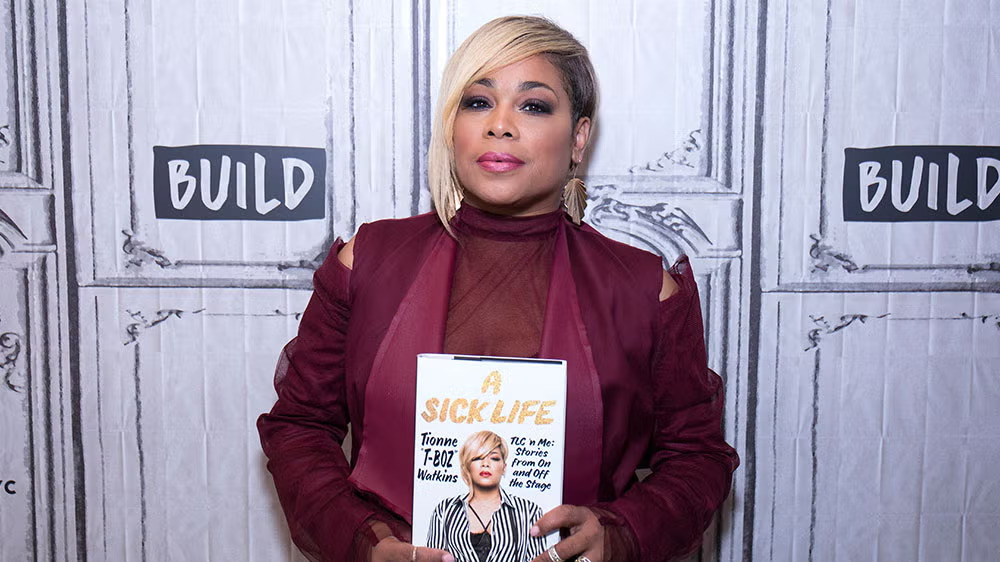

July 3, 1995: The breaking point.
Despite "CrazySexyCool" selling 11 million copies, TLC filed for Chapter 11 bankruptcy.
Each member listed assets under $50,000.
Debts? Over $3.5 million each.
The industry was shocked. Fans were confused. The label? Silent.
Despite "CrazySexyCool" selling 11 million copies, TLC filed for Chapter 11 bankruptcy.
Each member listed assets under $50,000.
Debts? Over $3.5 million each.
The industry was shocked. Fans were confused. The label? Silent.
But here's what the bankruptcy revealed:
TLC's total earnings from 65 million records sold: $300,000 each.
LaFace/Arista's estimated profit from the same records: $75+ million.
The artists got 0.4% while the label kept 99.6%.
That's not a partnership - that's exploitation.
TLC's total earnings from 65 million records sold: $300,000 each.
LaFace/Arista's estimated profit from the same records: $75+ million.
The artists got 0.4% while the label kept 99.6%.
That's not a partnership - that's exploitation.
The "expenses" were the real scam:
- $75k for a single music video - but LaFace billed TLC $300k+
- Studio time marked up 300% above actual costs
- "Promotion" included label employees' salaries and office rent charged to the artist
Creative accounting destroyed them.
- $75k for a single music video - but LaFace billed TLC $300k+
- Studio time marked up 300% above actual costs
- "Promotion" included label employees' salaries and office rent charged to the artist
Creative accounting destroyed them.
The legal battle that followed exposed everything.
TLC's bankruptcy filing forced full financial disclosure.
Suddenly, every shady practice was public record:
- Inflated production costs
- Hidden cross-collateralization
- Unfair publishing splits
- Royalty rate manipulation
TLC's bankruptcy filing forced full financial disclosure.
Suddenly, every shady practice was public record:
- Inflated production costs
- Hidden cross-collateralization
- Unfair publishing splits
- Royalty rate manipulation
But TLC fought back strategically.
They used bankruptcy protection to renegotiate their entire deal.
New contract with LaFace;
- Higher royalty rates
- Reduced recoupment terms
- More creative control
- Caps on chargeable expenses
They turned their lowest point into leverage.
They used bankruptcy protection to renegotiate their entire deal.
New contract with LaFace;
- Higher royalty rates
- Reduced recoupment terms
- More creative control
- Caps on chargeable expenses
They turned their lowest point into leverage.
The comeback was unprecedented.
"FanMail" (1999) debuted at #1 and sold 6M+ copies.
This time, each member earned actual money from their success.
T-Boz, Left Eye, and Chilli finally got paid like the superstars they'd always been.
Justice served, but the damage was done.
"FanMail" (1999) debuted at #1 and sold 6M+ copies.
This time, each member earned actual money from their success.
T-Boz, Left Eye, and Chilli finally got paid like the superstars they'd always been.
Justice served, but the damage was done.
The playbook evolved, but the exploitation continues:
- 360 deals that capture touring/merch revenue
- Streaming royalties with impossible recoupment terms
- Publishing grabs disguised as "development deals"
- Cross-collateralization across multiple projects
- 360 deals that capture touring/merch revenue
- Streaming royalties with impossible recoupment terms
- Publishing grabs disguised as "development deals"
- Cross-collateralization across multiple projects
What TLC's story teaches every artist:
1. Understand EVERY line in your contract
2. Get independent legal review
3. Question inflated "expenses" - demand itemized accounting
4. Negotiate recoupment caps upfront
5. Own your publishing whenever possible
1. Understand EVERY line in your contract
2. Get independent legal review
3. Question inflated "expenses" - demand itemized accounting
4. Negotiate recoupment caps upfront
5. Own your publishing whenever possible
The brutal truth?
TLC's bankruptcy wasn't about bad financial decisions.
It was about an industry designed to keep artists financially dependent while generating massive profits for executives.
The system worked exactly as intended - just not for the artists.
TLC's bankruptcy wasn't about bad financial decisions.
It was about an industry designed to keep artists financially dependent while generating massive profits for executives.
The system worked exactly as intended - just not for the artists.
The modern application:
Streaming has created new ways to hide artist earnings.
But the principle remains: If you don't understand the money flow, you don't control your career.
TLC's bankruptcy saved countless artists by exposing these practices.
Learn from their sacrifice.
Streaming has created new ways to hide artist earnings.
But the principle remains: If you don't understand the money flow, you don't control your career.
TLC's bankruptcy saved countless artists by exposing these practices.
Learn from their sacrifice.
My biggest takeaway from TLC's case:
Talent doesn't guarantee fair treatment.
Success doesn't guarantee fair payment.
Only knowledge and good representation protect artists from industry predators.
Don't sign anything you don't fully understand.
Your career depends on it.
Talent doesn't guarantee fair treatment.
Success doesn't guarantee fair payment.
Only knowledge and good representation protect artists from industry predators.
Don't sign anything you don't fully understand.
Your career depends on it.
We've helped 100+ artists achieve an average growth of 127%.
How?
Through our psychology-based, data-driven $1M playbook, we unlock consistent growth and virality.
If you're an upcoming artist tired of beginner's hell, grab a free demo:
oddlysimpl.xyz/services/
How?
Through our psychology-based, data-driven $1M playbook, we unlock consistent growth and virality.
If you're an upcoming artist tired of beginner's hell, grab a free demo:
oddlysimpl.xyz/services/
A bit about me:
I'm Anthony, ex-artist who signed to a label, charted Billboard, & worked with Sony Music.
Now I run Simpl, helping 100+ artists grow fanbases with proven strategies.
Follow @oddlysimpl for music marketing tips & success stories.
Big wins ahead.
I'm Anthony, ex-artist who signed to a label, charted Billboard, & worked with Sony Music.
Now I run Simpl, helping 100+ artists grow fanbases with proven strategies.
Follow @oddlysimpl for music marketing tips & success stories.
Big wins ahead.
• • •
Missing some Tweet in this thread? You can try to
force a refresh