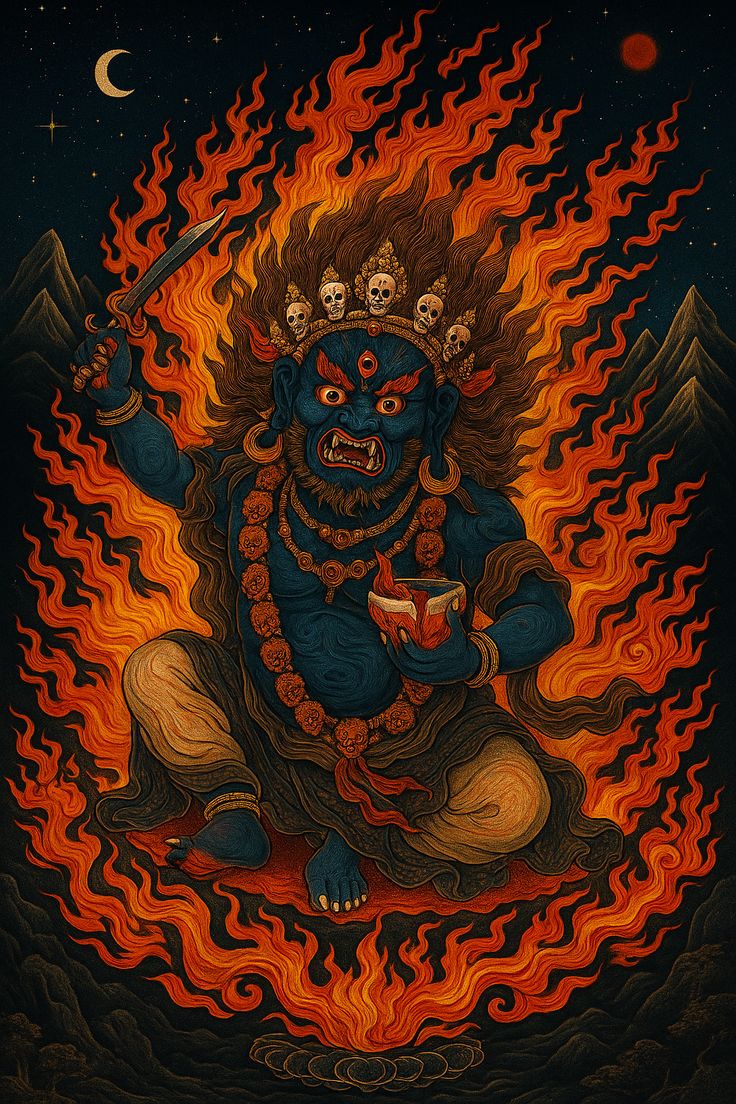
Bhagavad Gītā: The divine knowledge of Parābhairava 💗🌹
In Kashmiri Śaivism, the Bhagavad Gītā is not just a story from a distant battlefield but a living dialogue that unfolds within the heart of every human being.
Here, Kṛṣṇa is understood not as a separate deity but as the very voice of Parābhaírava, the supreme Śiva, who speaks from the depths of universal consciousness itself. Parābhaírava reveals the gita through Kṛṣṇa.
When Arjuna trembles in confusion, due to doubt & despair, he represents all of us. He is every soul caught in the struggles of life, torn between duty, fear, love, and attachment.
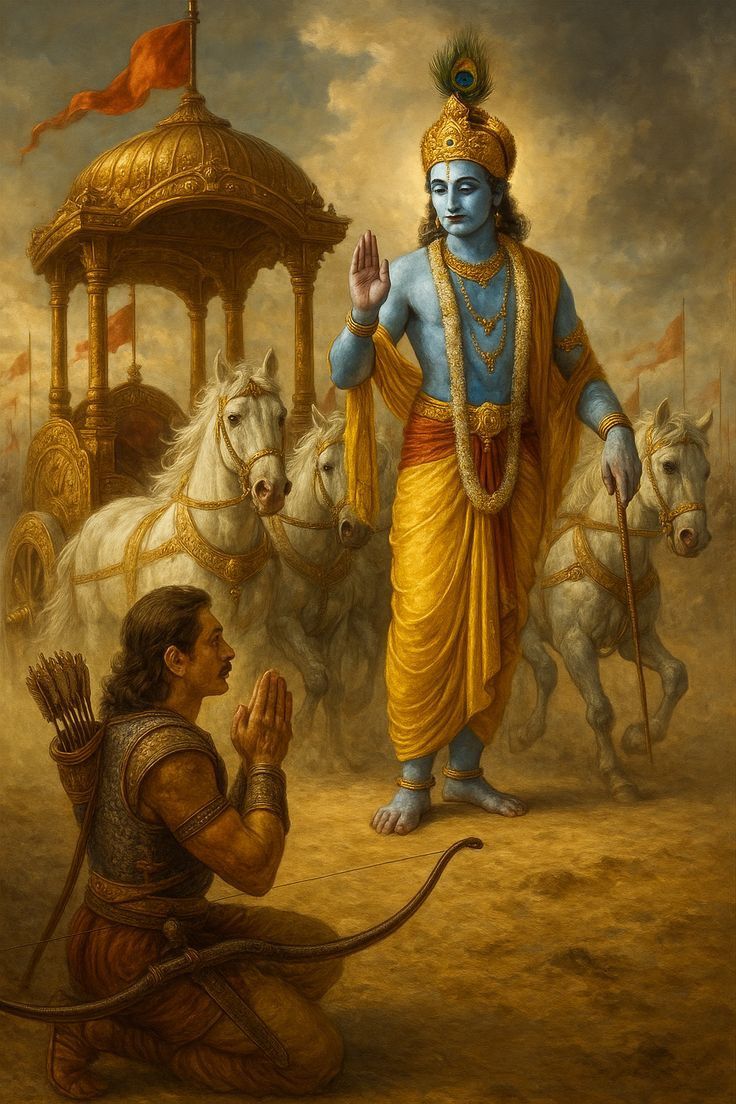
The war of Kurukṣetra is not only fought with armies & weapons but is reimagined as the battlefield of our own awareness, where ignorance and wisdom, bondage and freedom, stand face to face.
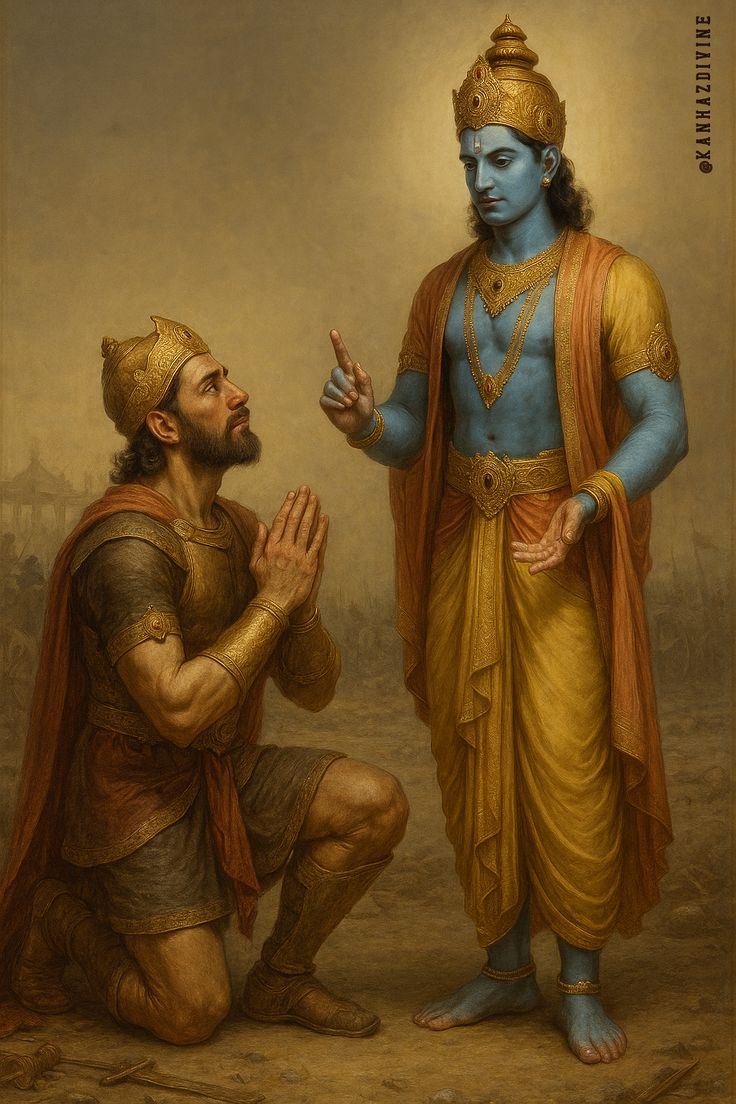
In this vision, the Gītā’s message is not abstract philosophy but a compassionate hand extended by Śiva through Kṛṣṇa, leading the weary soul back to the recognition (pratyabhijñā) of its true nature.
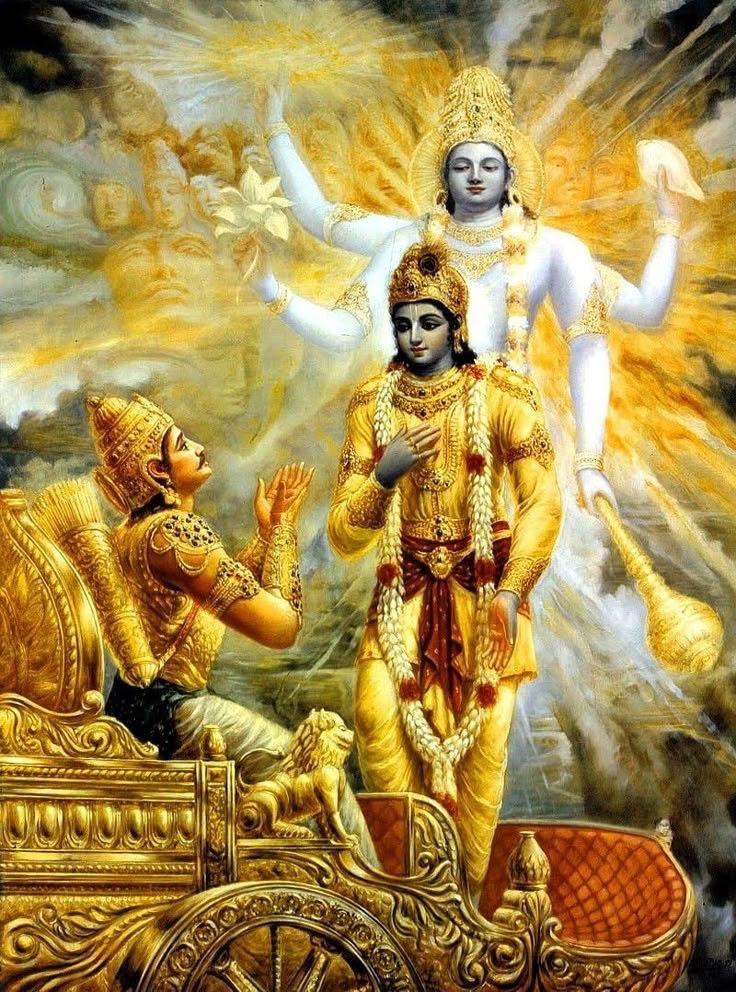
The teachings on action, devotion, meditation, and knowledge are all different ways of dissolving the illusion of separation and rediscovering the self as one with the supreme Śiva.
As Abhinavagupta explains in his Gitā Samgraha, the Gītā’s heart is unbroken awareness of the self; nothing less than Śiva’s timeless instruction whispering within us, turning despair into awakening.
🔺Oṁ Bhairavāya Namaḥ 🔺
• • •
Missing some Tweet in this thread? You can try to
force a refresh

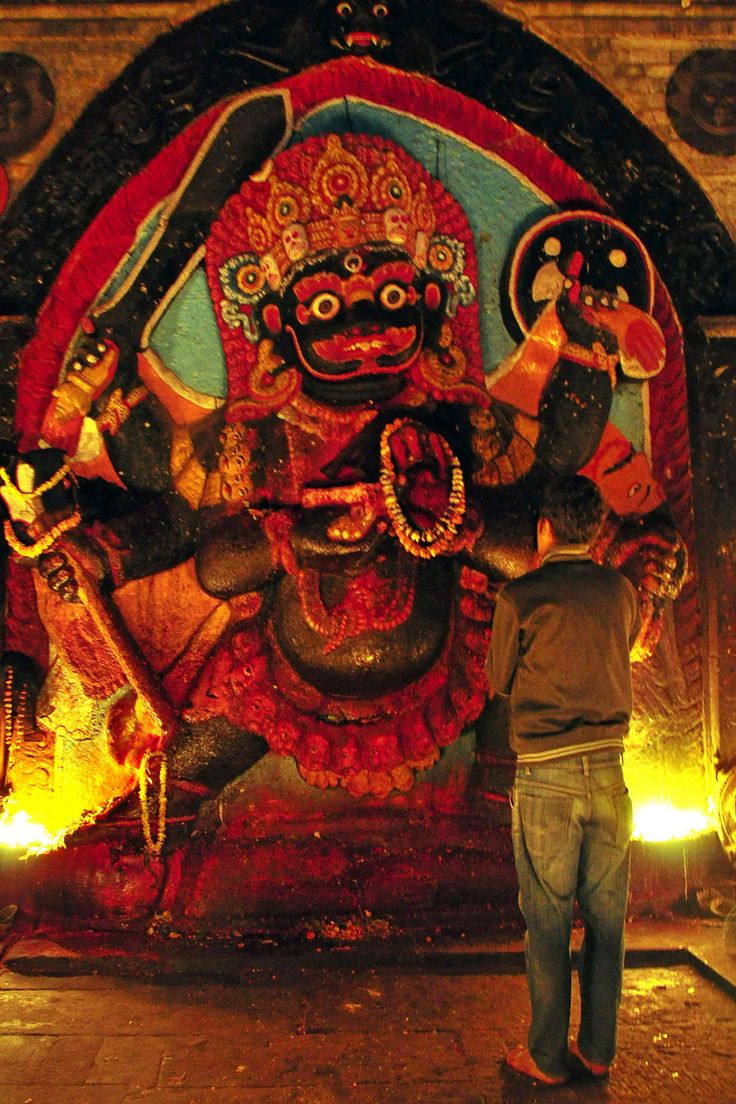
Beyond the Guardian: The Supreme Mysticism of Bhairava 🔱
The popular understanding of Bhairava in Hindu practice is that he is a Kṣetrapāla, the fierce guardian of sacred spaces, protecting temples, cremation grounds, and devotees from negative forces.
In this role, Bhairava is often portrayed as a terrifying yet benevolent deity. His worship in this form is deeply rooted in folk and temple traditions, where he is revered as the vigilant protector who ensures the sanctity of the spiritual field (kṣetra).
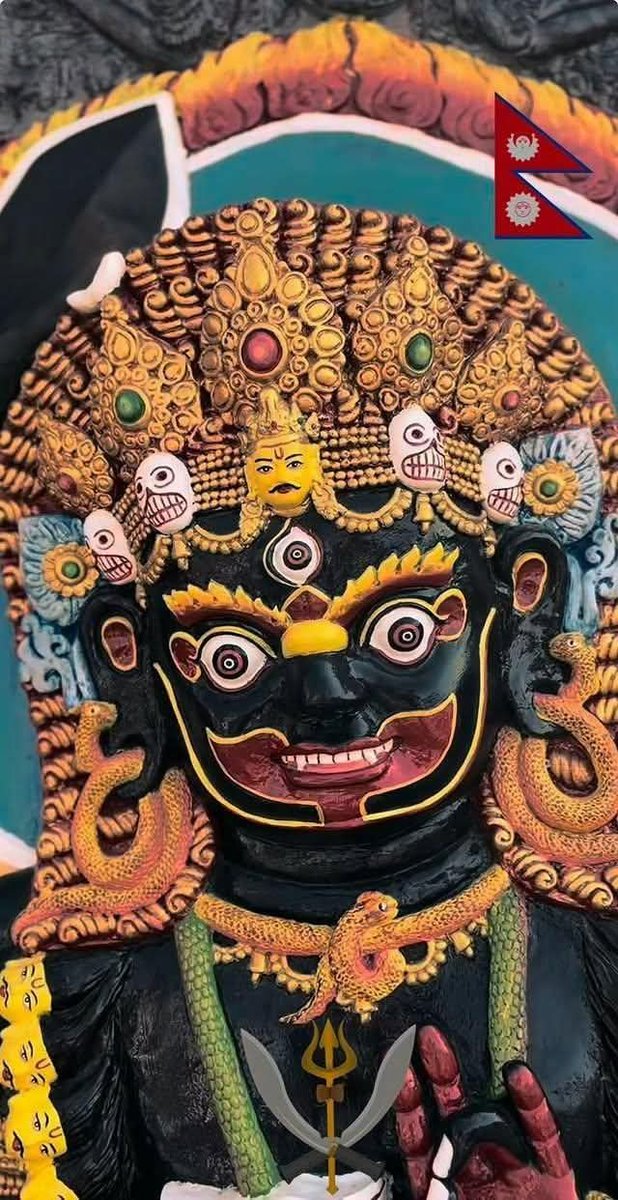
However, beyond this guardian aspect lies a profound philosophical and mystical interpretation of Bhairava, especially within the Kashmiri Trika Saiva tradition.
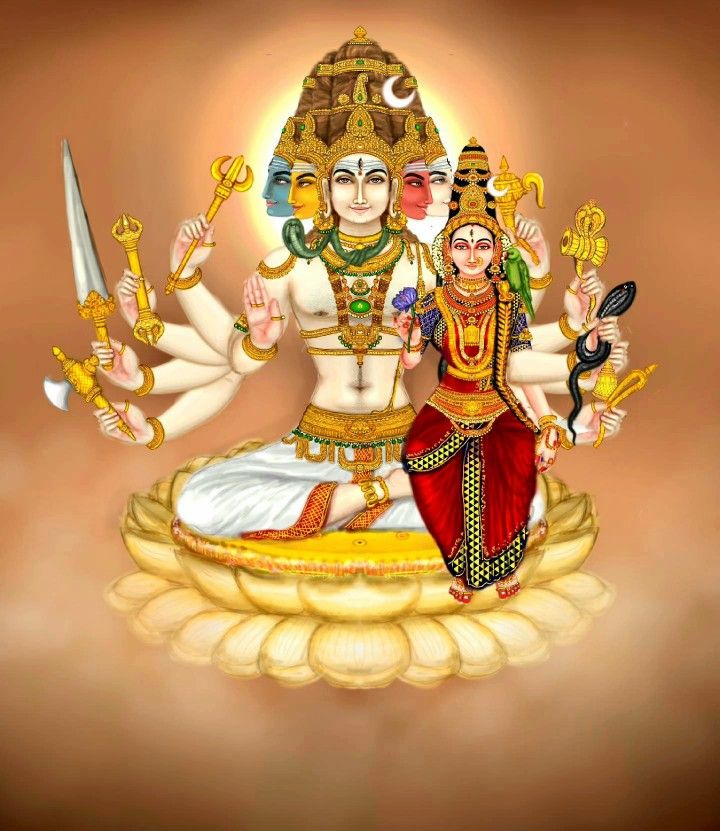
In Trika Śaivism, Bhairava is not merely a deity among many, but he is the Supreme Consciousness itself.
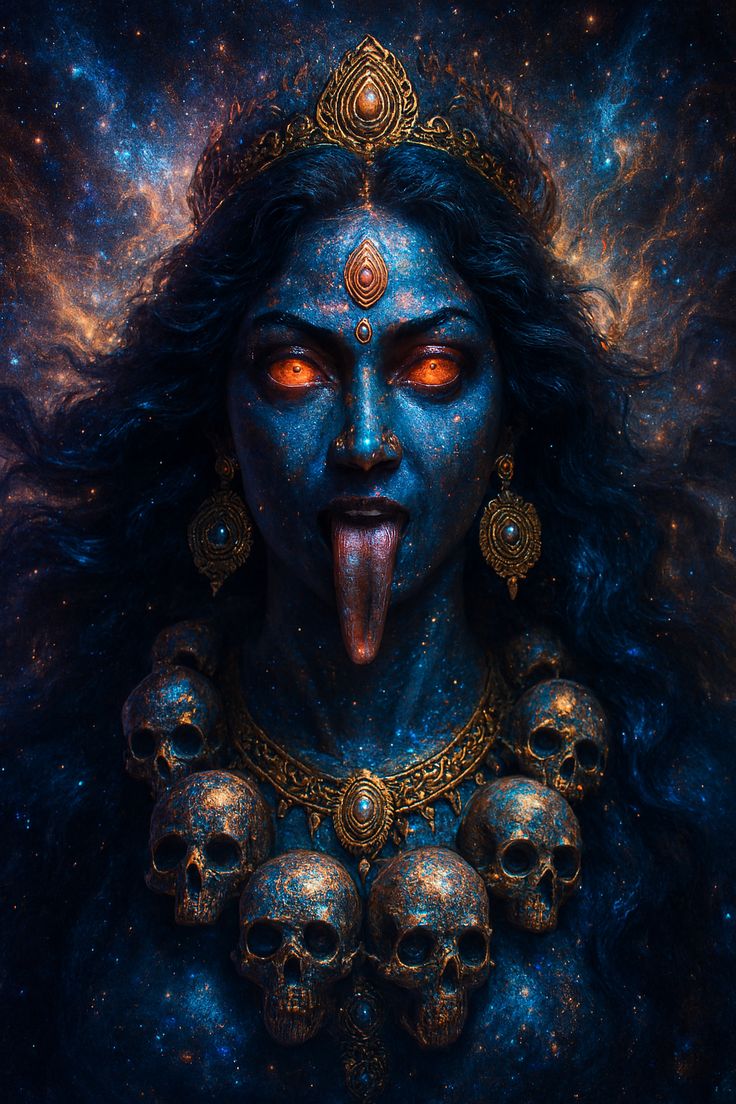
Why Kālī terrifies the western Christian conservative wignats?
Because she shatters their limited idea "how a God should be" i.e, male and soothing looking, compassionate in their way etc, but Kali shatters it for a incel like deeply fed up society.
She embodies the fierce rage of divine femininity and is the destroyer of all negativity, which is why she appears fearsome and all-powerful. Though deeply compassionate, her way of teaching is rough and intense, much like a real mother who disciplines out of love.
And ultimately her guidance leads towards liberation.
For a faith that believes a woman was born from the “crooked rib” of a man, it’s naturally hard for them to digest the idea of the God as the feminine, as Śakti.
Kāli is the destroyer of Asuras and is also simultaneously their Mother. This is understood through the doctrine of Spanda (vibrational pulsation) and Prakāśa–Vimarśa (the unity of pure consciousness and its self-awareness).
Kāli is not a moral (morals as per society) figure who “takes sides”; she is the absolute Śakti, the dynamic face of Śiva who manifests, sustains, and dissolves all beings as part of her cosmic play (līlā).
Asuras, Devas, humans—everything arises from her freedom (svātantrya) and moves within her energy; thus even those she destroys worship her because she is the very ground of their existence. Her “devouring” is simply the reabsorption of forms back into pure consciousness.
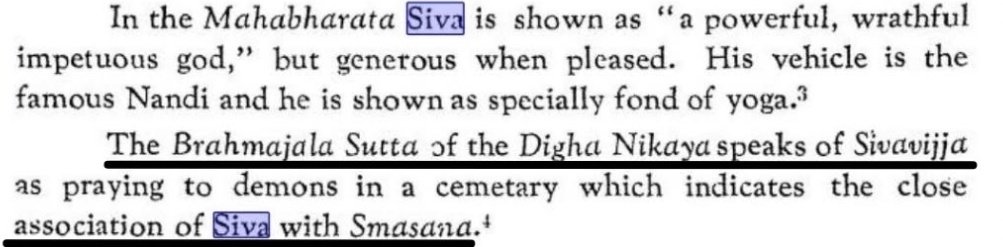
Even Hieun Tsang, 7th century Buddhist traveller says that Suddhodhana, father of Siddharta, took him to temple of Isvara, a common epithet of Lord Siva.
Buddhist commentator Buddhaghosha mentions that Siddharta Gautama knew about Tantric Saivism also Siva Vijja/Bhutta Vijja, which included exorcisms.
Even Buddhist texts mentions Siva Vijja, by obviously portraying them in a negative light.
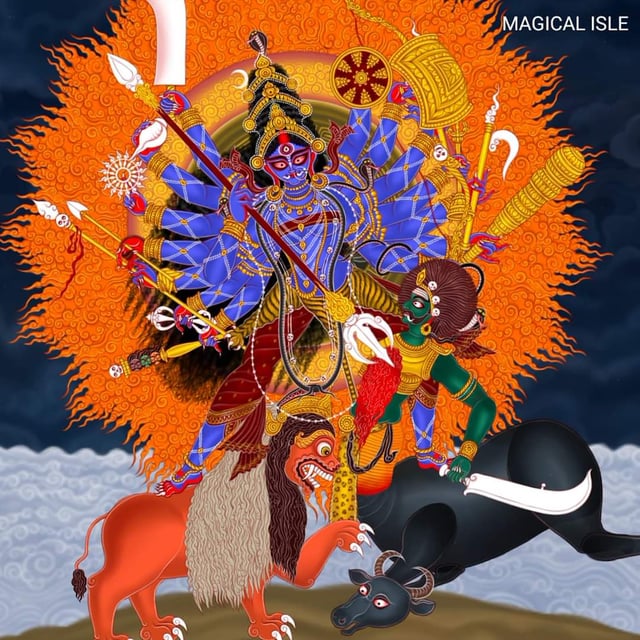
Across the cycles of creation, Mahīṣāsura rose again and again, and each time the Supreme Goddess manifested in a new form to protect the worlds.
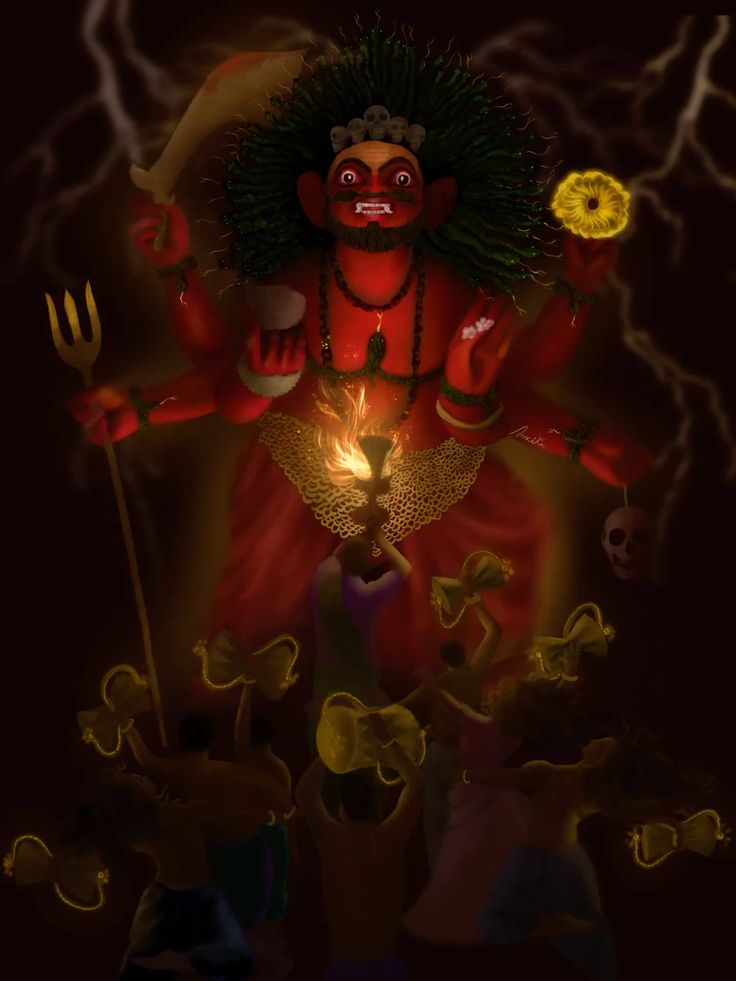
In the Rambha Kalpa, She appeared as Ugrachanda Durgā, blazing red, with eighteen arms radiating fierce energy. For sixteen days the battle raged until She crushed Mahīṣāsura, establishing the eternal truth that adharma cannot prevail before the Mother’s might.
In Nīlalohita Kalpa, She manifested as Bhadrakālī, dark-blue, armed with sixteen weapons. For nine days she fought, Her form both terrifying and compassionate, embodying the mystery of destruction that guards creation. To this day, Bhadrakālī is adored across Western India.
The tale of Devī Durgā slaying Mahīṣāsura is often seen as good triumphing over evil. This is correct, yet beneath lies a deeper esoteric truth: Śiva himself manifests as Mahishasura.
Yes you read it right Lord Shiva himself manifests as Mahishasura.
According to the Kālika Purana, Mahīṣāsura was none other than an amśa (partial manifestation) of Lord Sadāśiva himself.
The Purāṇa records that Mahīṣāsura’s father, through deep austerities and prayer, requested Śiva to be born as his son. Out of compassion and līlā, Sadāśiva agreed and manifested as Mahīṣāsura. Thus, Mahīṣāsura is not a separate being but an emanation of Śiva himself.