I will tell you why I think the split-toe derby is the greatest dress shoe of all time. 🧵 
https://twitter.com/MJKauz/status/1960184128071958586

Let's first start with some terms. The term oxford refers to a footwear style where the facings have been sewn into the vamp. By contrast, the term derby refers to a style where the facings sit on top of the vamp.
On the left, we see an oxford. On the right, we see a derby.
On the left, we see an oxford. On the right, we see a derby.


I believe that men wore tailored clothing best from the 1930s through '80s. If you share this premise, there are certain ideas about how an outfit should be put together, such as how oxfords look best with suits, while derbies go with suits or sport coats
https://x.com/dieworkwear/status/1950404520594592035
Thus, when people say my preferences make men look "old," I don't take it as an insult. I think older men have a more intimate connection with the period in which men looked best in tailoring, so it's great if something looks like a style only an old man would wear.


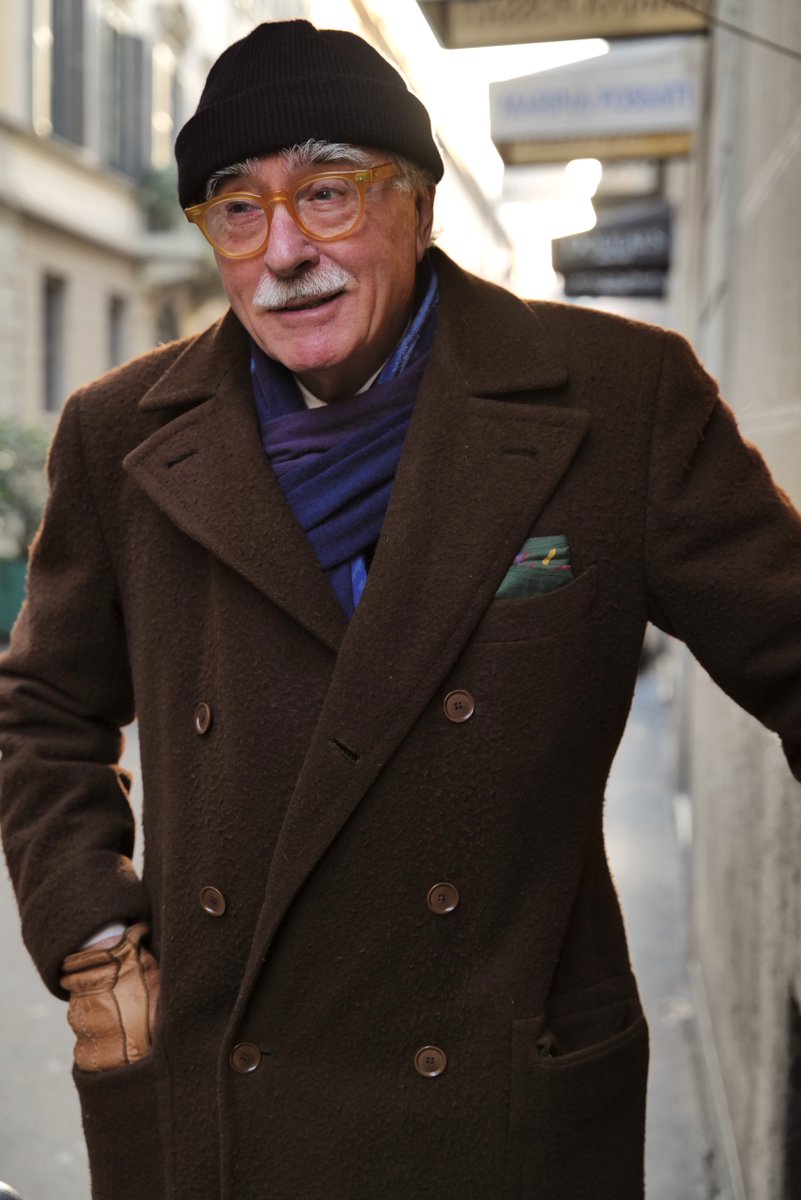

My favorite shoes tend to be the sort of thing associated with older men, such as tassel loafers. They look great with suits or sport coats, especially garments in fusty materials such as tweed and flannel. Oxford cloth button-downs + tweed jackets + tassel loafers = great.



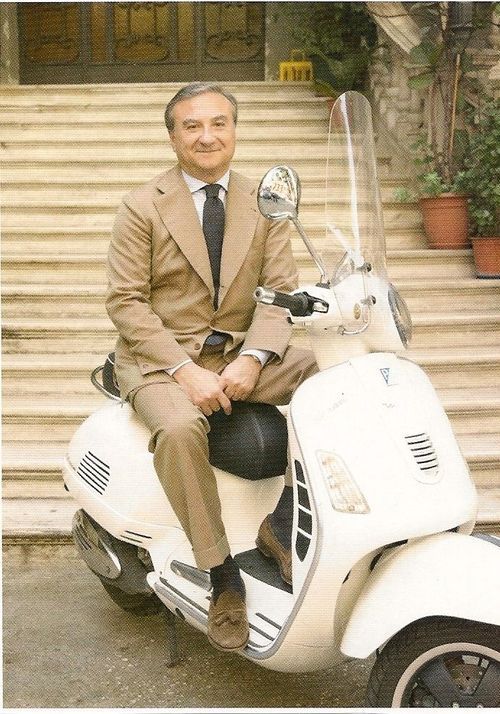
I like derbies for the same reason: they don't have the sleek formality of oxfords, but they're more versatile, which makes them useful in a dressed down world, where you might want to tone down your tailoring. But derbies come in many flavors: plain, cap toe, wingtip, etc.
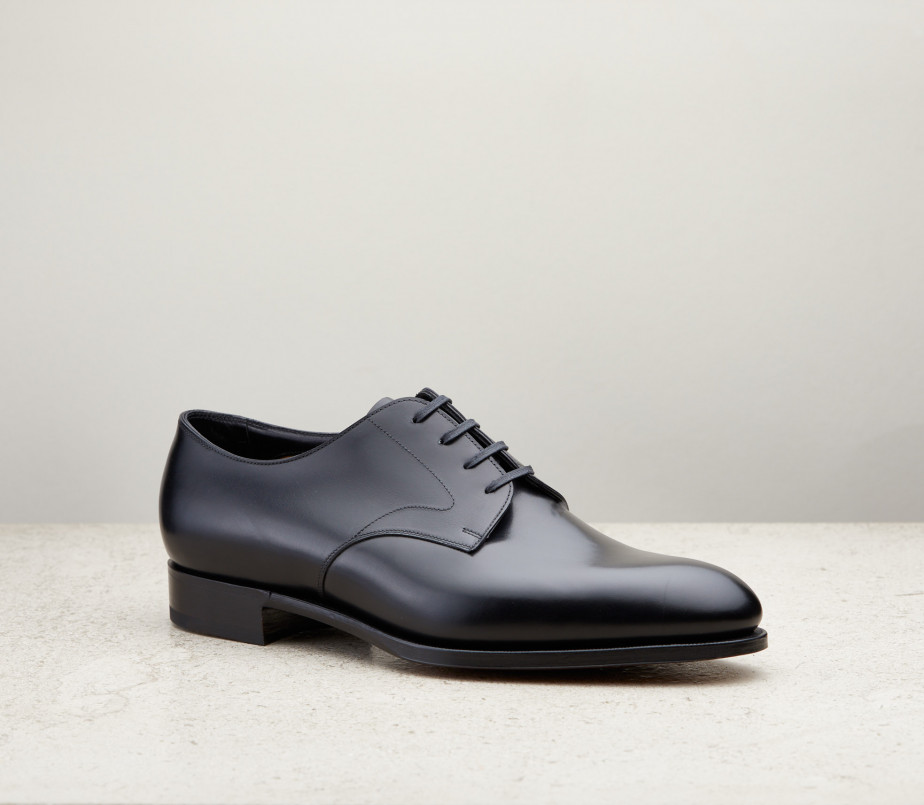
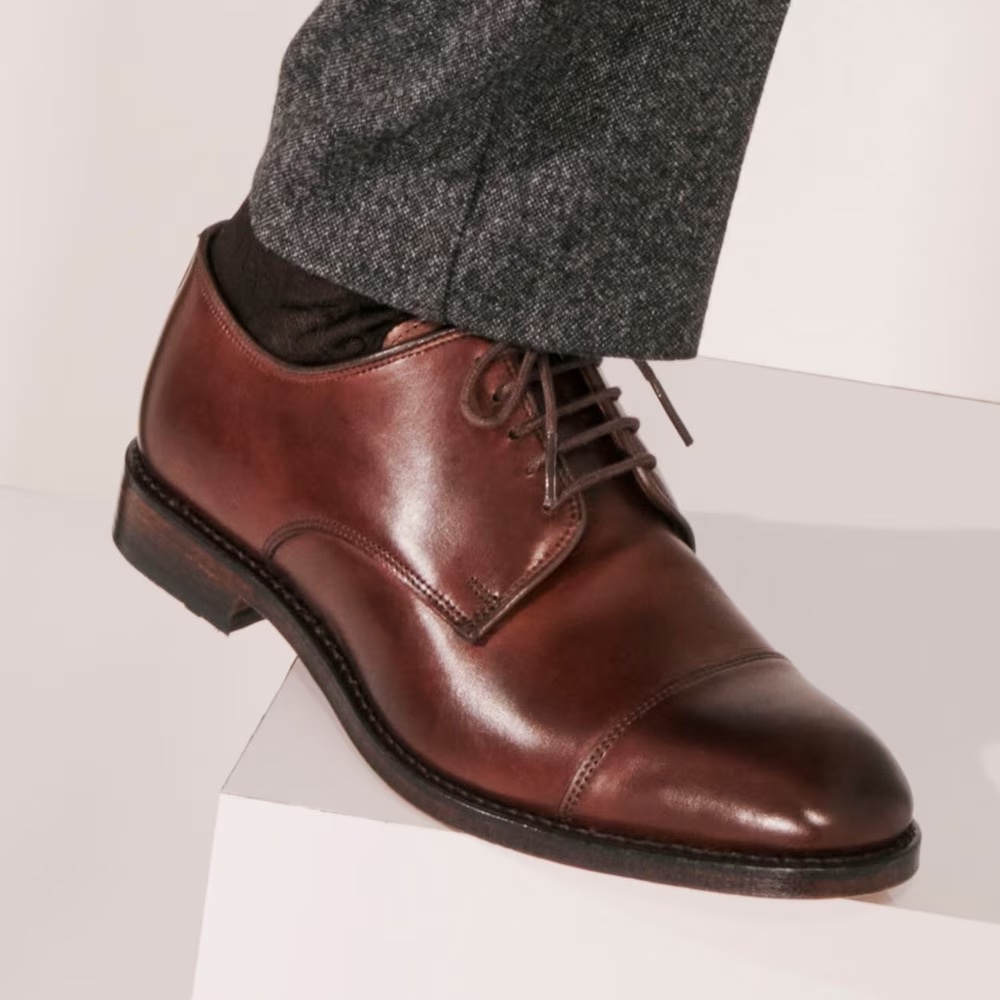

IMO, plain is too plain. Cap toe is equally boring. And a wingtip is too gentlemanly.
This leaves the split toe, which I like partly because they are favored by men whose style I admire, such as Bruce Boyer and Yukio Akamine.
This leaves the split toe, which I like partly because they are favored by men whose style I admire, such as Bruce Boyer and Yukio Akamine.
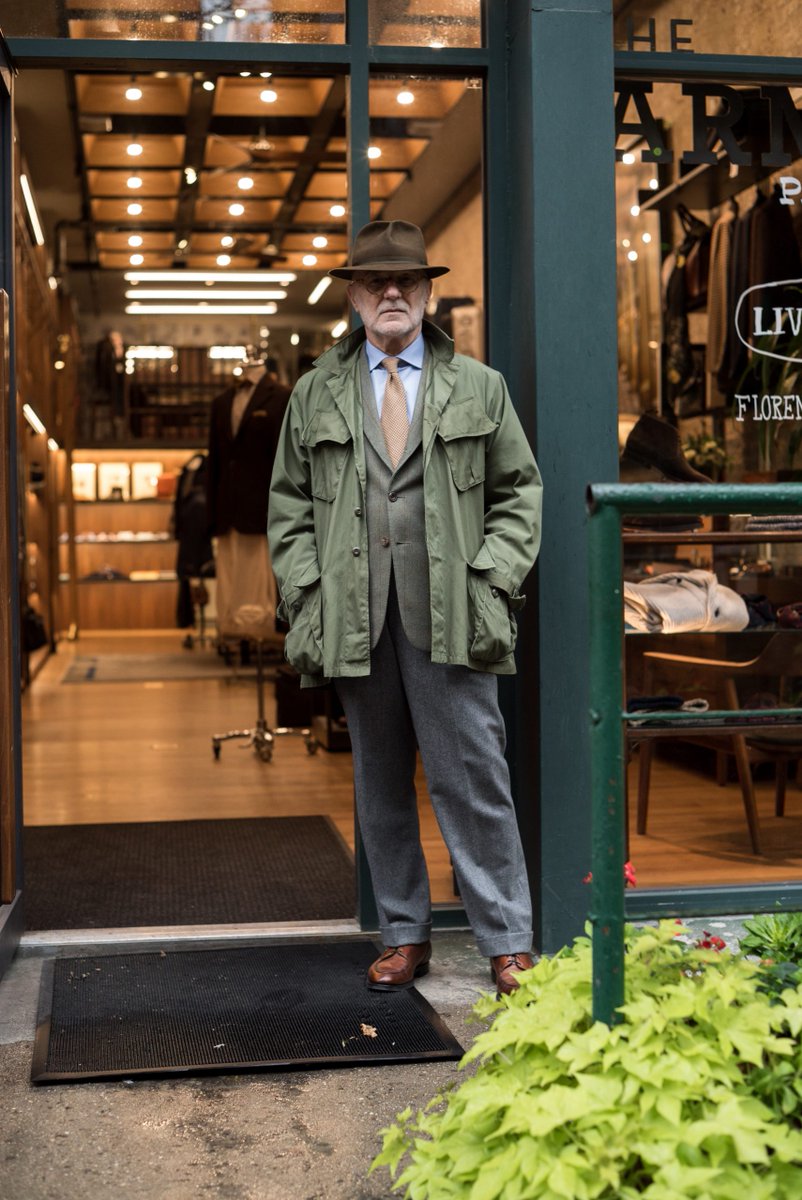

What is a split toe?
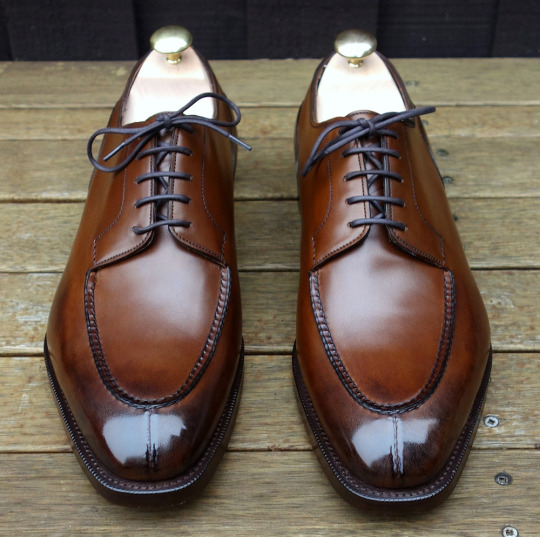
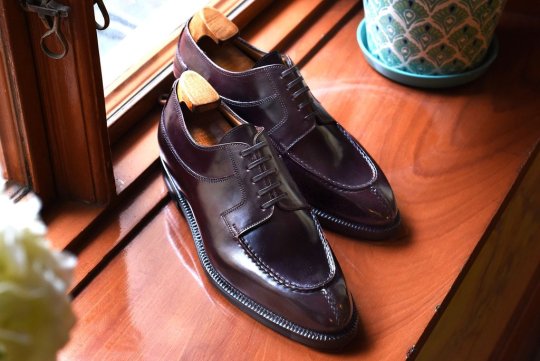
A split toe is simply a derby with an apron front (sometimes called a lake). And going down the middle of the toe is a seam, giving the style its name. Today, this is considered a dress shoe, most often worn by older men in "dress clothes."
A split toe is simply a derby with an apron front (sometimes called a lake). And going down the middle of the toe is a seam, giving the style its name. Today, this is considered a dress shoe, most often worn by older men in "dress clothes."
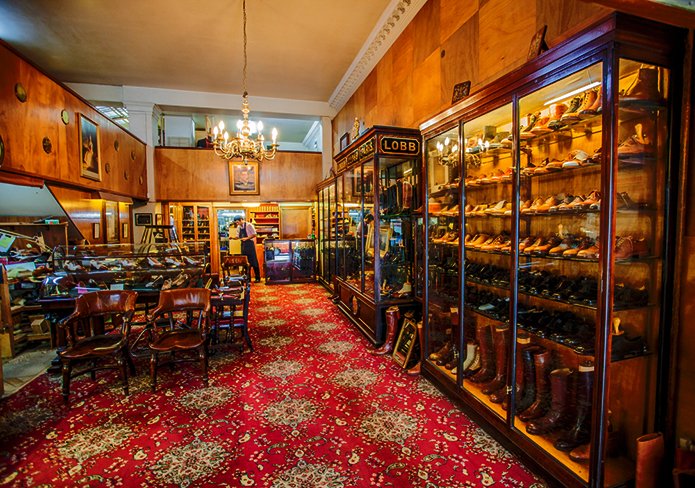
But this was not always so. At the famous John Lobb of St. James in London, you'll find bespoke shoemakers referring to this style as the "navvy cut." The term navvy refers to a kind of navigational worker who built the infrastructure that made the Industrial Revolution possible

Starting in the 18th cent, Britain began building big canals, which allowed for the cheaper transport of goods and coal. The actual work of building these canals fell on navvys (navigators), who were often recruited from the rural poor: displaced peasants, farm workers, etc.
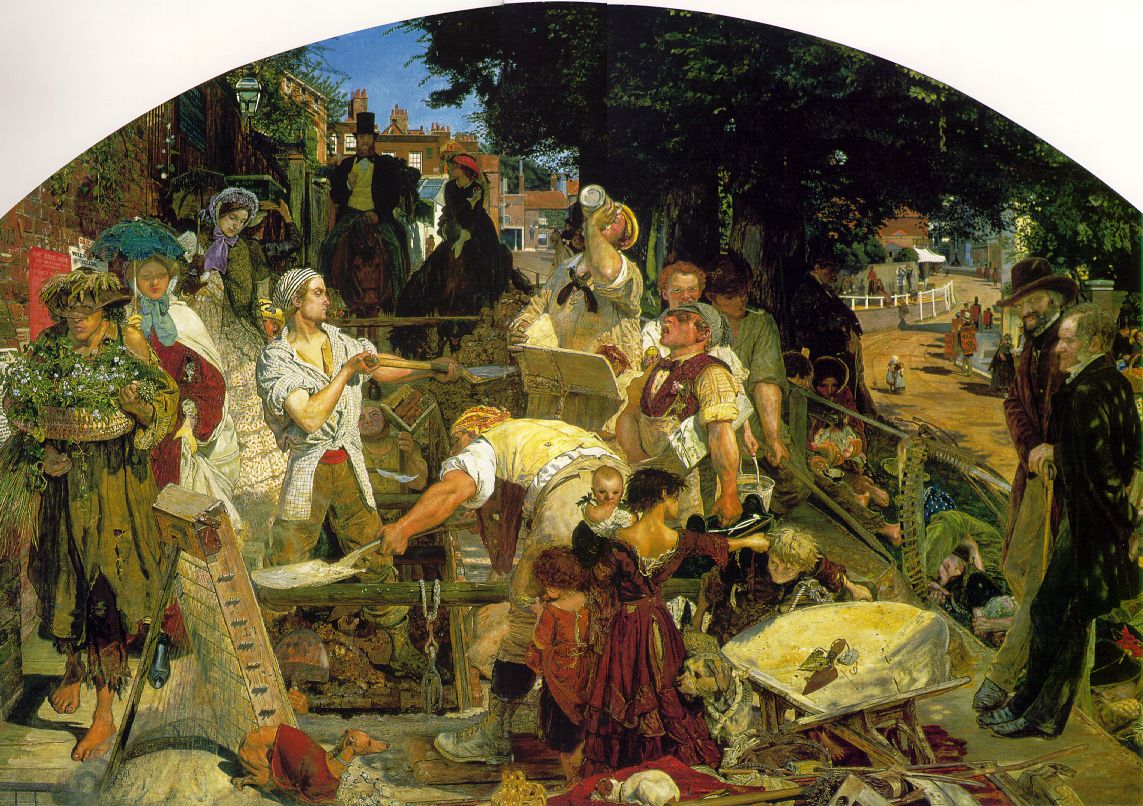
These navvys built much of the nation's infrastructure, such as railways, roads, canals, tunnels, and sewers. When London's population swelled from one to seven million in the 19th century, the city struggled with overflowing sewage in the Thames River. The navvys solved this.
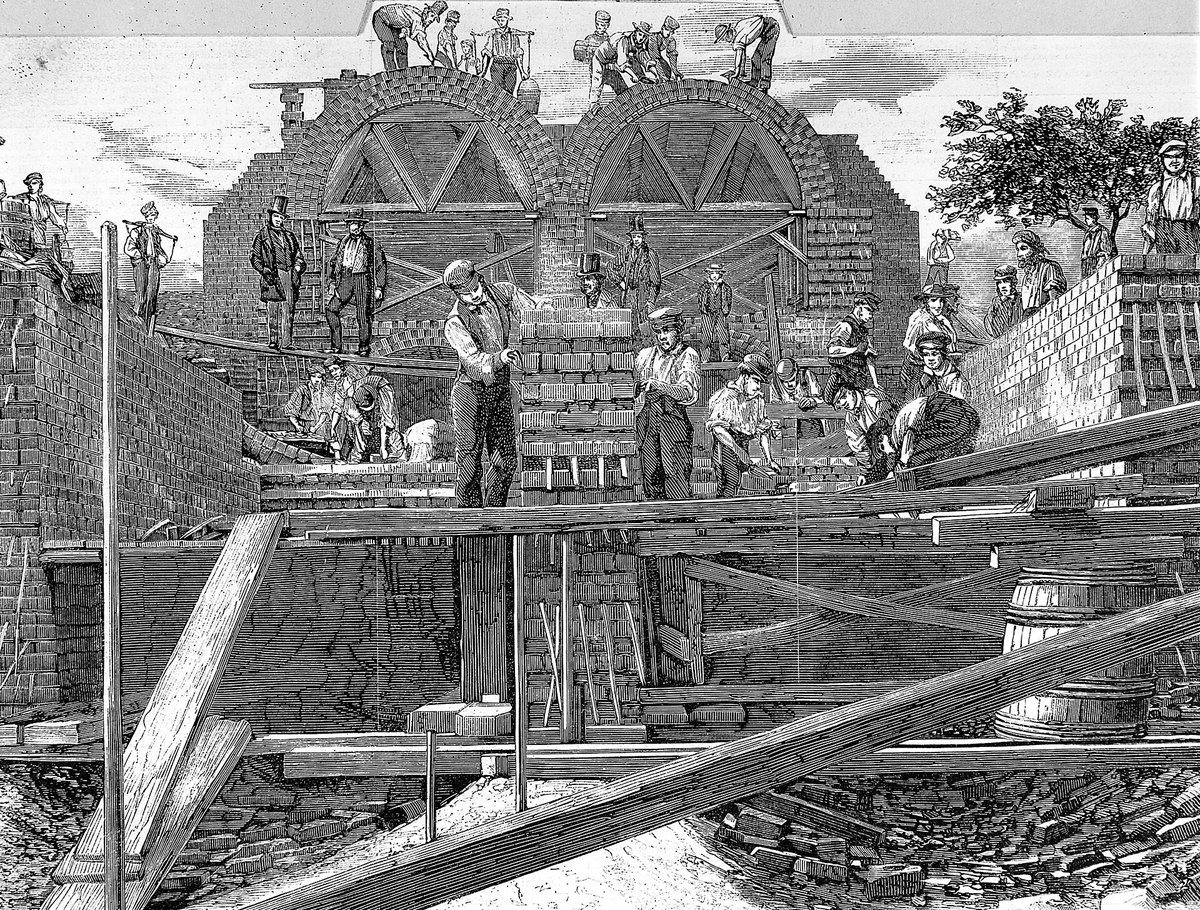
These navvys wore split-toe derbies because the open facings allowed for a more comfortable and forgiving fit. The seam going down the middle of the toe also allowed the shoemaker to save material by creatively cutting the pattern, resulting in cheaper footwear.
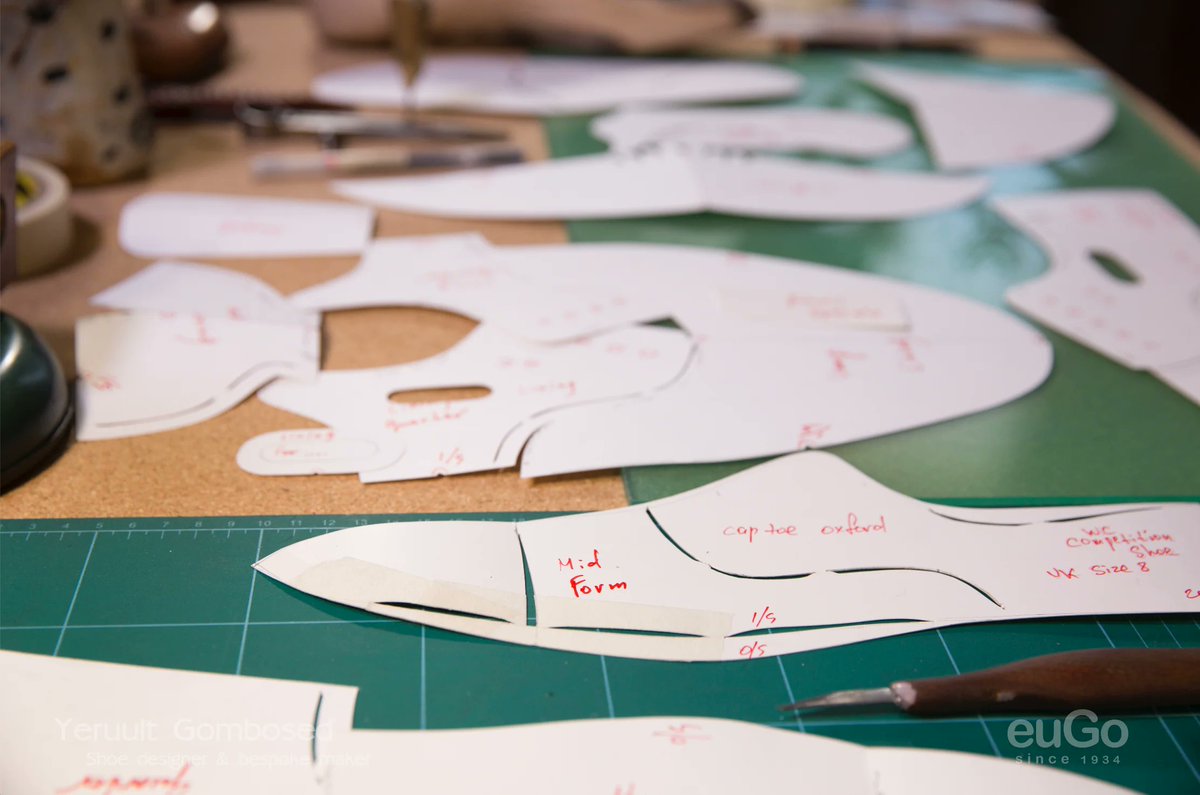
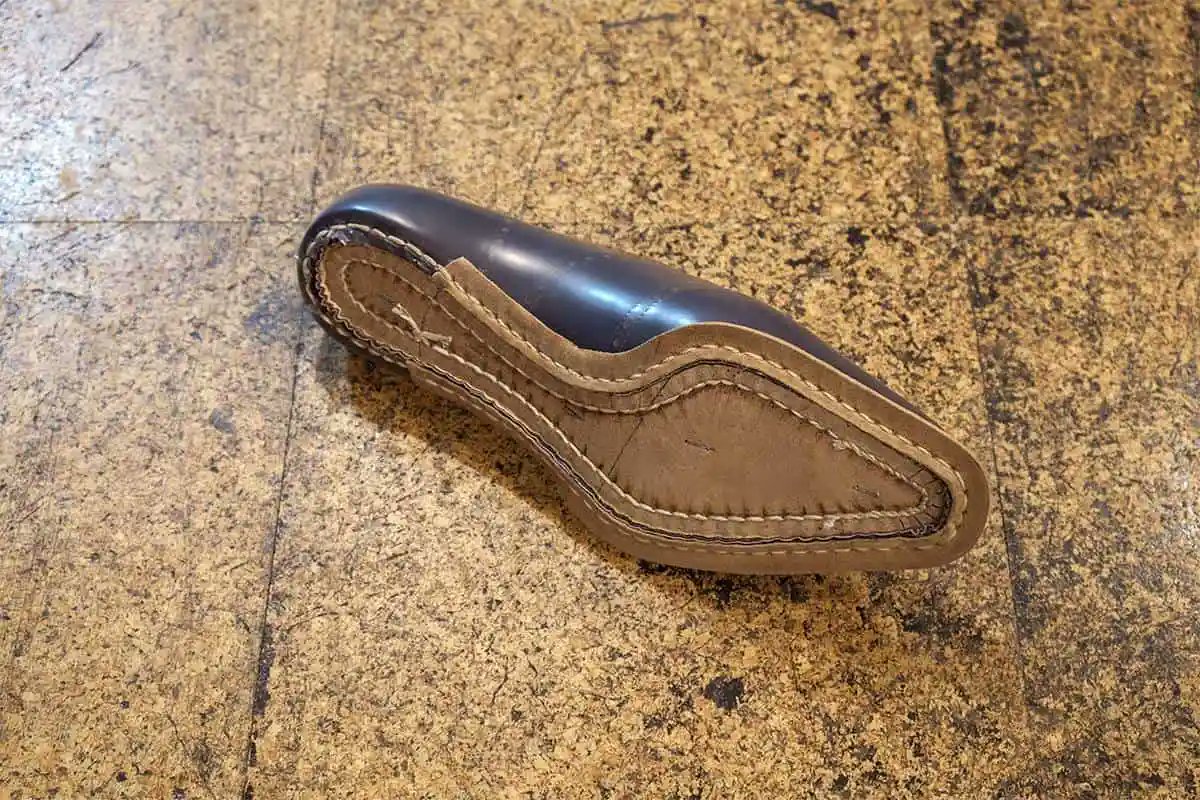
Modern split-toes are unique in that they often show a bit of craftsmanship. On the left, we see what's colloquially known as a "pie crust apron," which can only be made by hand. On the right, we see a machine-sewn apron. IMO, the handmade version is much better looking.
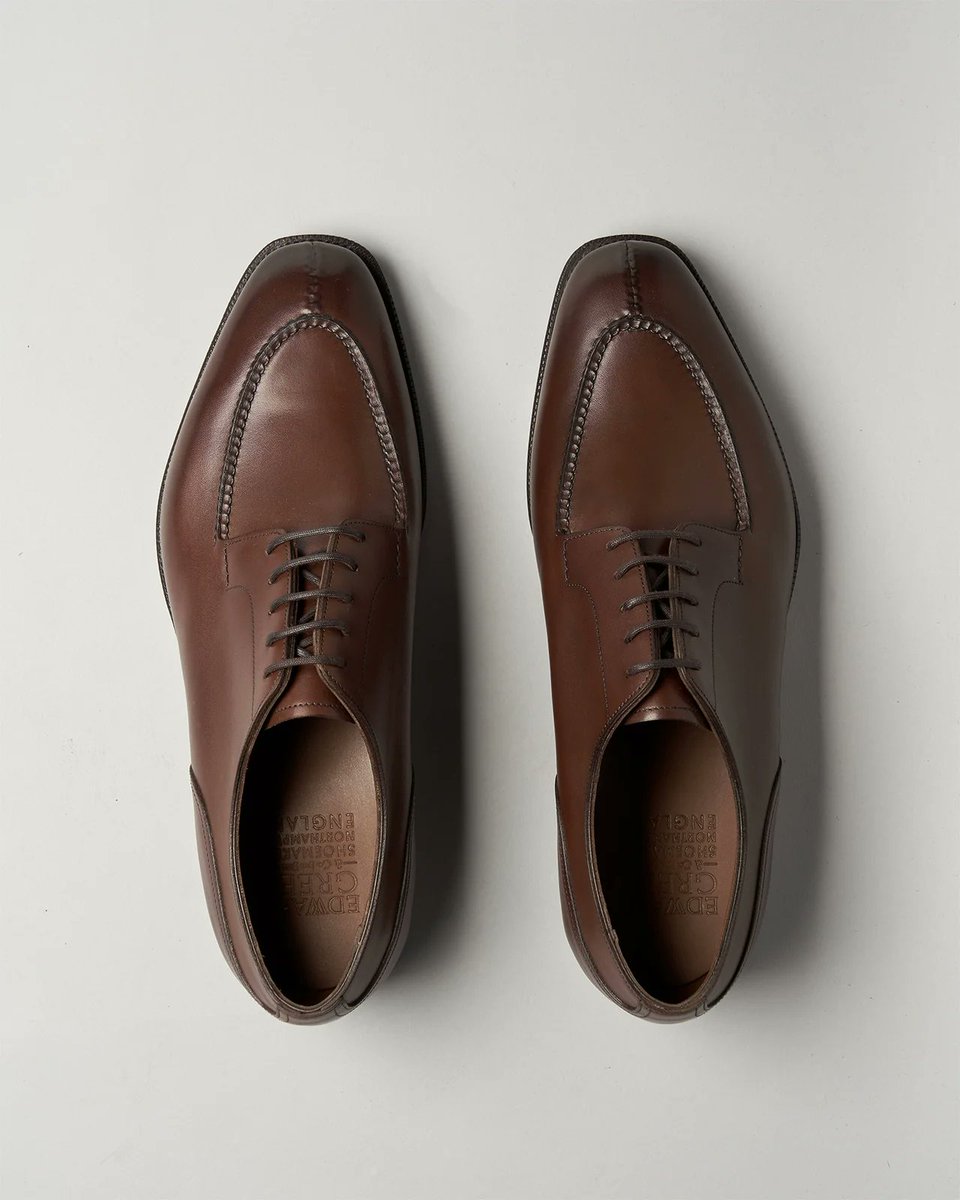
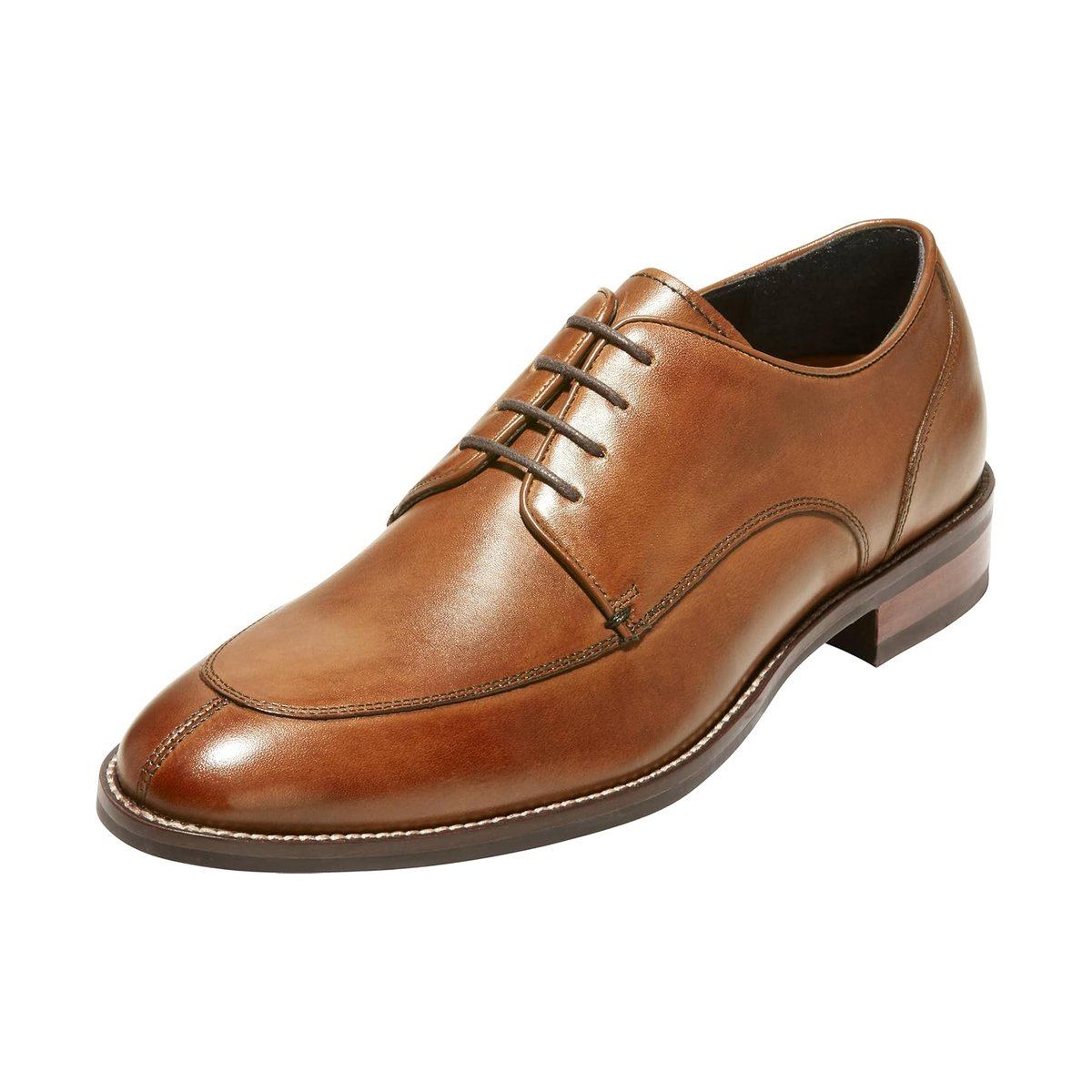
This wavy, crimped seam is made by attaching a bit of waxed thread to a flexible boar bristle. The shoemaker tunnels the thin bristle about halfway through the leather, pushing it out to the other side, and then repeating the process. Hence the name "split and lift" stitch.

The actual split toe seam is done with the same technique, only on the reverse side.
In bespoke, some makers will offer a braided stitched apron, as you see here. These are not split toes, just derbies, but the technique can be applied to any apron. Shoes by Nicholas Templeman:
In bespoke, some makers will offer a braided stitched apron, as you see here. These are not split toes, just derbies, but the technique can be applied to any apron. Shoes by Nicholas Templeman:
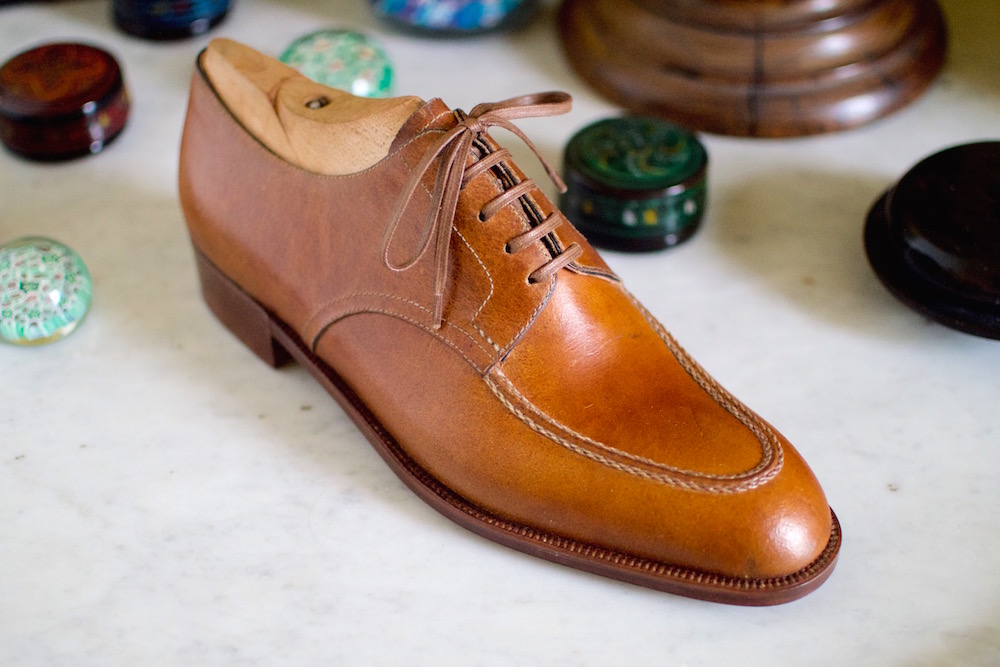
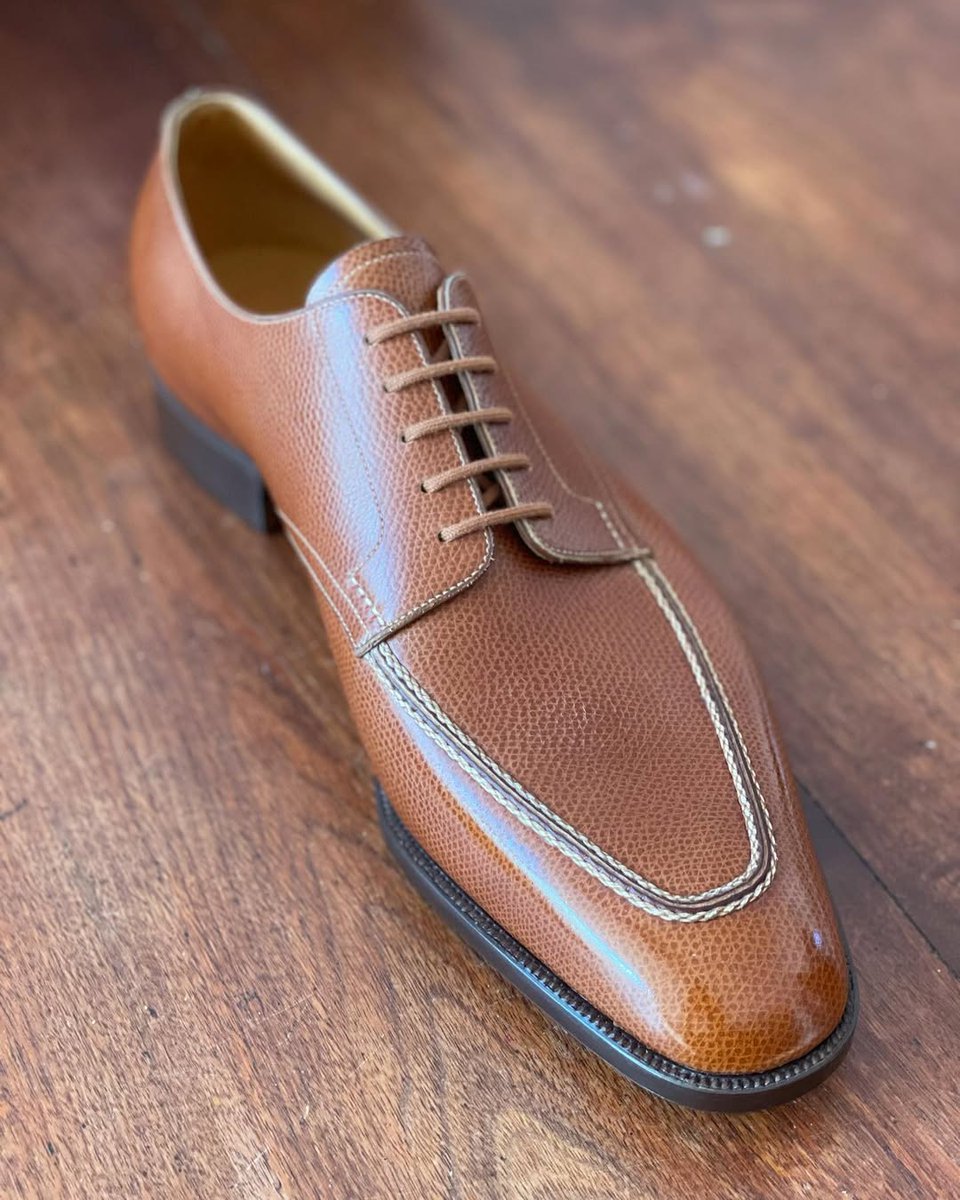
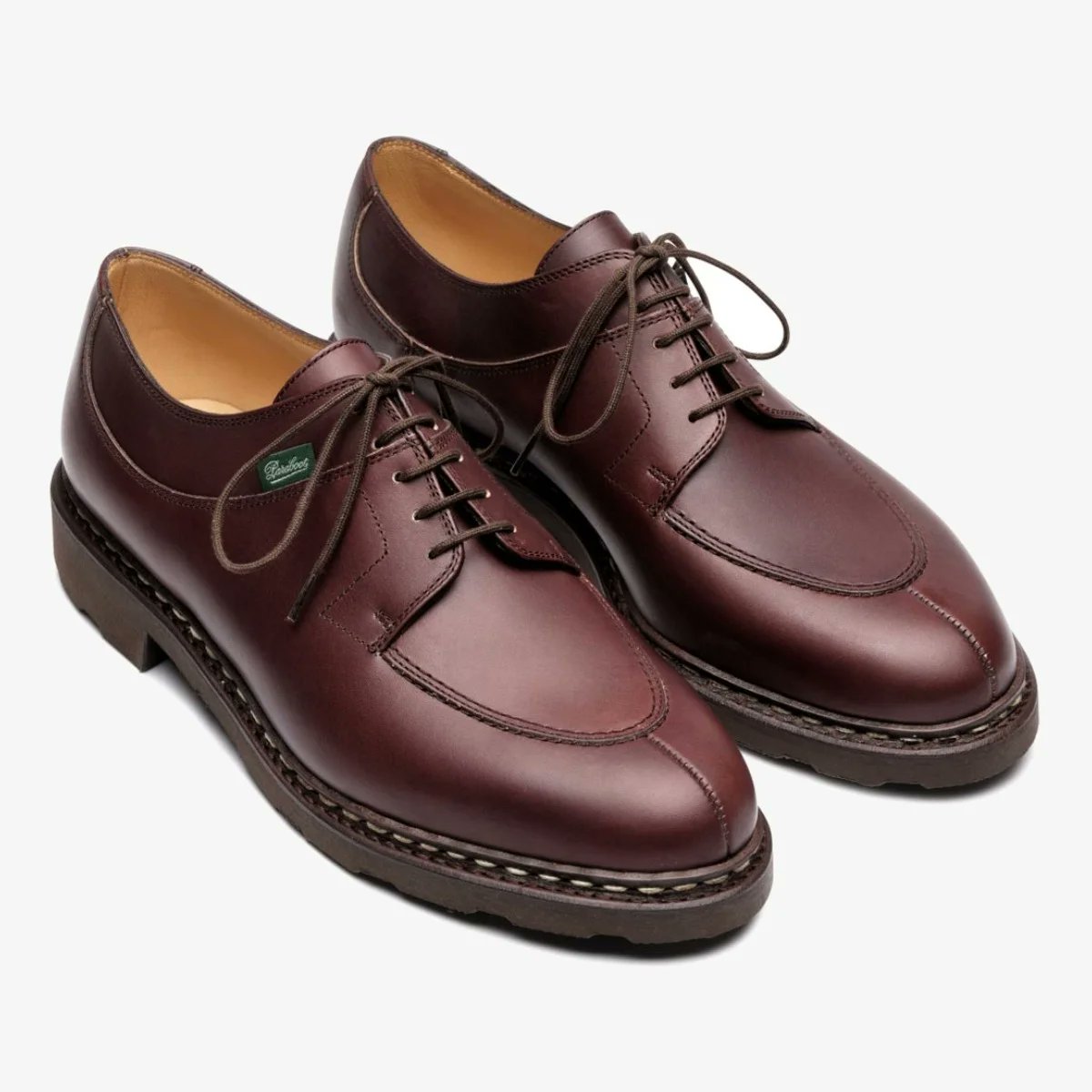
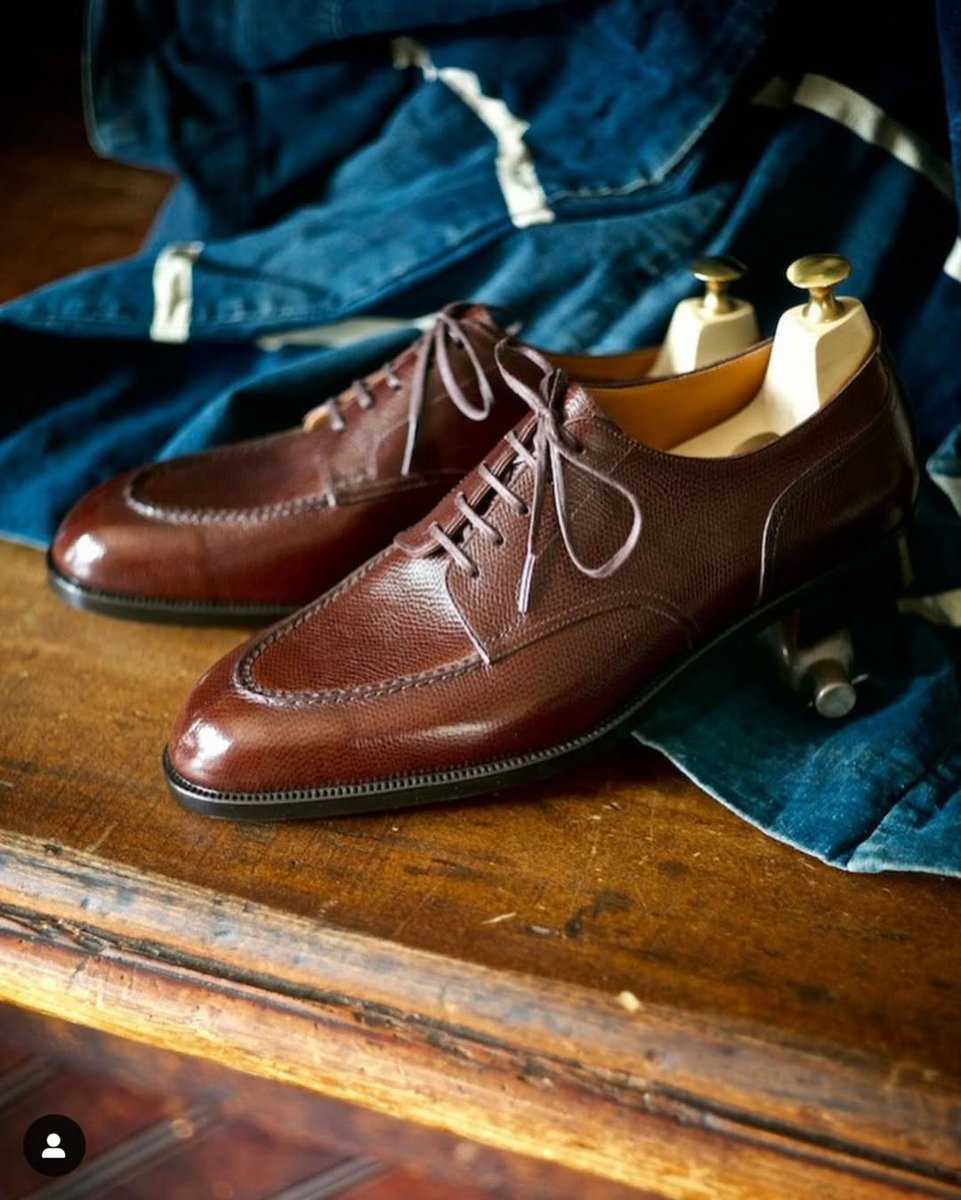
Details can make a split toe more or less formal: material (smooth calf, grained calf, suede), color (black, dark brown, tan), and shape (sleek vs rounded). Here are two split toes, but considerably different in vibe. Second is easier to wear with jeans.
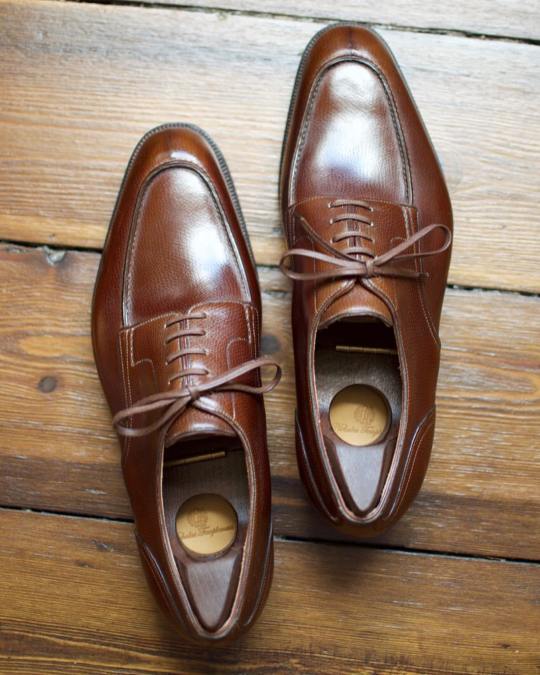
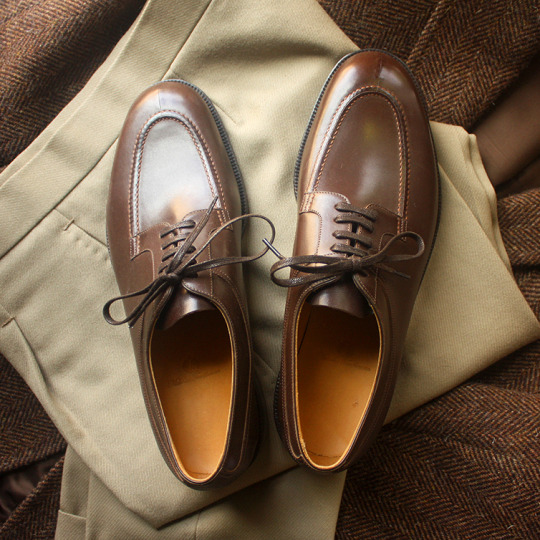
In fact, there are plenty of split toes that would not look out of place with something as causal as a chore coat, which is not something you can say about an oxford. The chunky, rounded silhouette here with a thicker sole throws the design back to its workwear origins.

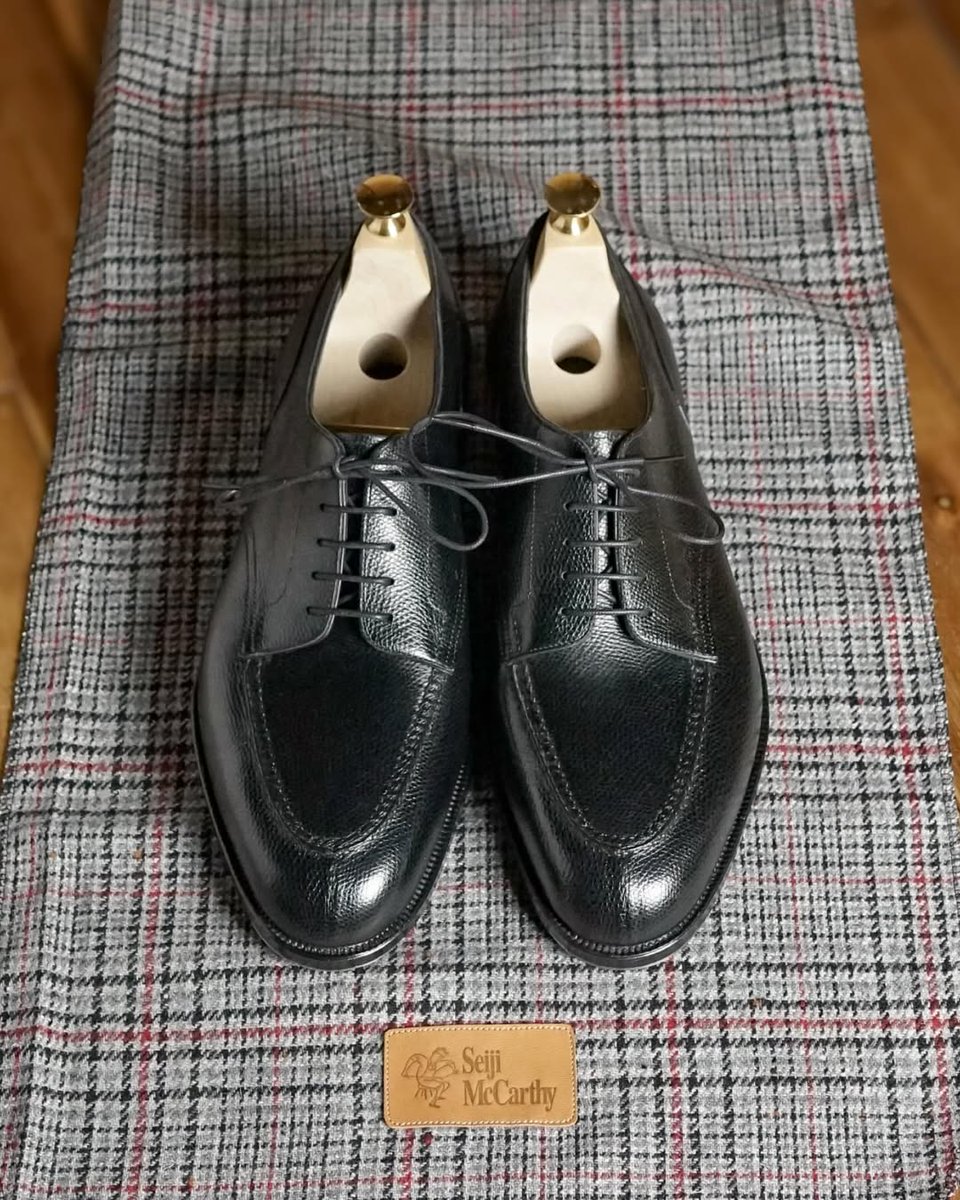
To me, Seiji McCarthy in Tokyo makes particularly handsome split toes. They are casual enough to be teamed with jeans, but wouldn't look out of place with gray flannel trousers and a tweed sport coat. Or even many suits.
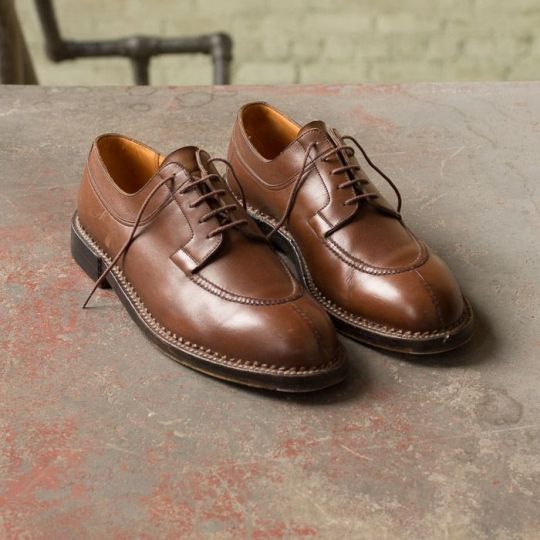
There are so many variations of this design. Ultimately, the toe seam will read as "old man" to some, a mark of connoisseurship to others (meaning, menswear nerds). I love them bc I associate them with men whose style I admire. And a beautiful working class history.


• • •
Missing some Tweet in this thread? You can try to
force a refresh