Foods That Lower Tinnitus Risk—and Those That Trigger It
If you’ve ever heard ringing in your ears when everything is quiet… you’re not alone.
Tinnitus doesn’t just mess with your hearing—it can wreck your focus, sleep, and even mental health.
A major new study just found diet plays a bigger role than anyone thought.
🧵 THREAD
If you’ve ever heard ringing in your ears when everything is quiet… you’re not alone.
Tinnitus doesn’t just mess with your hearing—it can wreck your focus, sleep, and even mental health.
A major new study just found diet plays a bigger role than anyone thought.
🧵 THREAD
Tinnitus, ringing or buzzing in the ears, affects about 14 percent of adults, with 2 percent experiencing a severe form.
The condition is associated with stress and depression and significantly affects quality of life. In severe cases, it can lead to suicide.
Recent research investigated the links between various food groups and tinnitus and found that certain healthy foods, such as fruits and those containing fiber, may reduce the risk.
Nondietary lifestyle factors may also contribute.
The condition is associated with stress and depression and significantly affects quality of life. In severe cases, it can lead to suicide.
Recent research investigated the links between various food groups and tinnitus and found that certain healthy foods, such as fruits and those containing fiber, may reduce the risk.
Nondietary lifestyle factors may also contribute.

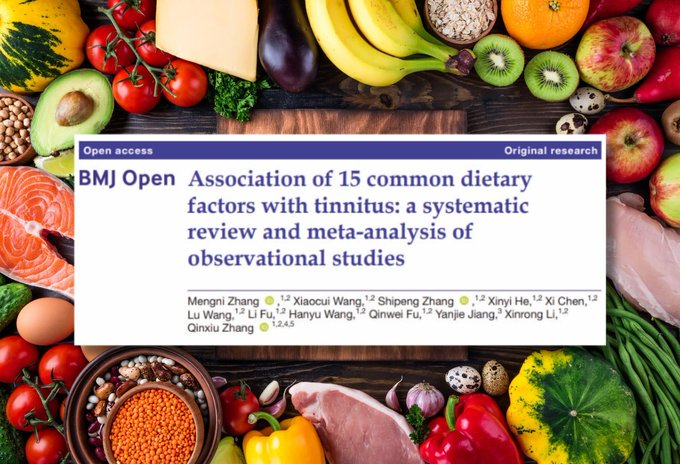
The systematic review and meta-analysis published in BMJ Open evaluated eight studies involving 301,533 people to determine if various dietary constituents were associated with tinnitus risk.
theepochtimes.com/health/foods-t…
theepochtimes.com/health/foods-t…
Foods That Lower Tinnitus Risk
The constituents included fruits, fiber, vegetables, carbohydrates, caffeine, eggs, fish, meat, fat, protein, sugar, and dairy.
After looking at data on food intake and tinnitus incidence, the authors found that the higher the intake of fruit, dairy products, caffeine, and dietary fiber, the lower the incidence of tinnitus.
The reduced risk was 35 percent for fruit, 17 percent for dairy products, 10 percent for caffeine, and 9 percent for dietary fiber.
Unexpectedly, no associations to tinnitus were noted among the other dietary factors, including vegetables and eggs. While vegetables and eggs are widely viewed as healthy foods, the authors felt the lack of association stemmed from the small number of studies. They said larger-scale studies are needed to determine their effect.
The constituents included fruits, fiber, vegetables, carbohydrates, caffeine, eggs, fish, meat, fat, protein, sugar, and dairy.
After looking at data on food intake and tinnitus incidence, the authors found that the higher the intake of fruit, dairy products, caffeine, and dietary fiber, the lower the incidence of tinnitus.
The reduced risk was 35 percent for fruit, 17 percent for dairy products, 10 percent for caffeine, and 9 percent for dietary fiber.
Unexpectedly, no associations to tinnitus were noted among the other dietary factors, including vegetables and eggs. While vegetables and eggs are widely viewed as healthy foods, the authors felt the lack of association stemmed from the small number of studies. They said larger-scale studies are needed to determine their effect.
According to the authors, anti-inflammatory and antioxidant properties, along with the following mechanisms, may underlie the benefit of the four protective dietary constituents:
Fruits and vegetables: Rich in an array of vitamins and minerals important in maintaining health, they can improve circulation around the ear and alleviate tinnitus.
Fruits and vegetables: Rich in an array of vitamins and minerals important in maintaining health, they can improve circulation around the ear and alleviate tinnitus.

Fiber: Foods rich in fiber may help because they are associated with increased sensitivity to insulin, the hormone that regulates blood sugar.
Low insulin sensitivity can lead to too much insulin in the blood, which may disturb the inner ear environment.
Low insulin sensitivity can lead to too much insulin in the blood, which may disturb the inner ear environment.

Fiber and dairy products: These may improve blood vessel function, a benefit that affects tinnitus.
Abnormal blood circulation contributes to a sustained decrease in blood flow to the ear, which can result in inner ear damage and tinnitus.
Abnormal blood circulation contributes to a sustained decrease in blood flow to the ear, which can result in inner ear damage and tinnitus.

Caffeine: The authors stated that the caffeine finding is contentious.
Although caffeine may decrease tinnitus incidence due to its anxiety-reducing action, some scientists feel that it may worsen tinnitus by potentially causing insomnia.
Although caffeine may decrease tinnitus incidence due to its anxiety-reducing action, some scientists feel that it may worsen tinnitus by potentially causing insomnia.

A little about us: We’re a team of journalists and researchers on a mission to give you REAL and honest information about your health.
Side effects of reading our posts may include: critical thinking.
Follow us for more daily threads—backed by hard data.
—> @EpochHealth
Side effects of reading our posts may include: critical thinking.
Follow us for more daily threads—backed by hard data.
—> @EpochHealth

Nutrition, Hydration, and Triggers
1. Nutrition
Deficiencies in certain nutrients can worsen tinnitus, Catherine Gervacio, a registered nutritionist and diet consultant for WOWMD, a dietary supplement company, told The Epoch Times in an email.
“For example, a B12 deficiency, usually seen in vegetarians and older adults, may have an effect on the auditory nerve, which may aggravate an already-present tinnitus,” she said.
Animal-based foods are sources of B12. “Also, antioxidants, such as vitamin A, protect ear cells from oxidative stress, so low amounts in the diet may play a role.
On the other hand, excess intake of vitamins may be detrimental for tinnitus, especially the fat-soluble vitamins, such as vitamin A, Gervacio said.
She pointed out that vitamin A doesn’t necessarily and directly worsen tinnitus, but it may potentially cause nerve damage or circulation issues that contribute to it when used in excess.
Overdosing may happen by taking high doses of supplements over time, but it doesn’t occur from eating foods rich in fat-soluble vitamins.
Examples of foods rich in vitamin A include carrots and sweet potatoes.
1. Nutrition
Deficiencies in certain nutrients can worsen tinnitus, Catherine Gervacio, a registered nutritionist and diet consultant for WOWMD, a dietary supplement company, told The Epoch Times in an email.
“For example, a B12 deficiency, usually seen in vegetarians and older adults, may have an effect on the auditory nerve, which may aggravate an already-present tinnitus,” she said.
Animal-based foods are sources of B12. “Also, antioxidants, such as vitamin A, protect ear cells from oxidative stress, so low amounts in the diet may play a role.
On the other hand, excess intake of vitamins may be detrimental for tinnitus, especially the fat-soluble vitamins, such as vitamin A, Gervacio said.
She pointed out that vitamin A doesn’t necessarily and directly worsen tinnitus, but it may potentially cause nerve damage or circulation issues that contribute to it when used in excess.
Overdosing may happen by taking high doses of supplements over time, but it doesn’t occur from eating foods rich in fat-soluble vitamins.
Examples of foods rich in vitamin A include carrots and sweet potatoes.

Studies indicate that magnesium deficiency may increase the risk of noise-induced hearing damage and could be particularly beneficial for individuals with circulatory-related tinnitus, such as those with high blood pressure or poor vascular health, said Madison Reeder, a registered dietitian and director of clinical operations at ModifyHealth.
“Magnesium is essential for cochlear [inner ear] blood flow and helps regulate glutamate, a neurotransmitter involved in nerve signaling,” she told The Epoch Times in an email.
“When glutamate is overactive, it can overstimulate auditory nerve cells, leading to excitotoxicity, a process believed to contribute to tinnitus.”
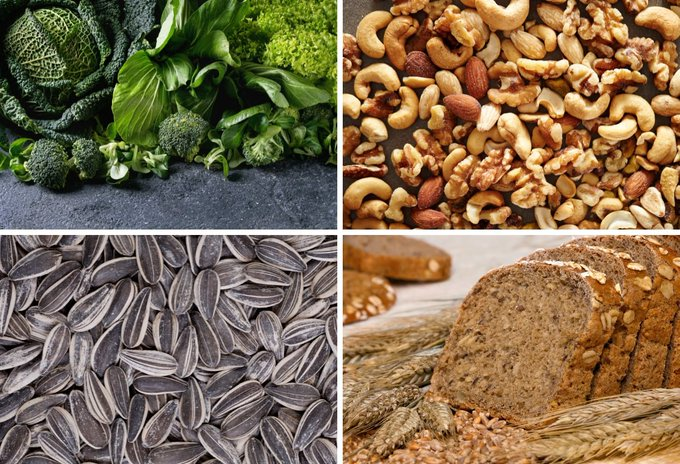
Food sources rich in magnesium include leafy greens, nuts, seeds, and whole grains.
“Magnesium is essential for cochlear [inner ear] blood flow and helps regulate glutamate, a neurotransmitter involved in nerve signaling,” she told The Epoch Times in an email.
“When glutamate is overactive, it can overstimulate auditory nerve cells, leading to excitotoxicity, a process believed to contribute to tinnitus.”
Food sources rich in magnesium include leafy greens, nuts, seeds, and whole grains.
2. Hydration
Drinking enough liquids is vital, as dehydration can worsen symptoms and conditions that trigger tinnitus, such as ear infections and high blood pressure, noted a review published in Cureus.
Adequate hydration is necessary for optimal hearing since the ears depend on fluid for functioning.
Experts recommend 15.5 cups of fluid daily for men and 11.5 cups for women. This can come from water, other beverages, or food.
Drinking enough liquids is vital, as dehydration can worsen symptoms and conditions that trigger tinnitus, such as ear infections and high blood pressure, noted a review published in Cureus.
Adequate hydration is necessary for optimal hearing since the ears depend on fluid for functioning.
Experts recommend 15.5 cups of fluid daily for men and 11.5 cups for women. This can come from water, other beverages, or food.

3. Triggers
The review in Cureus found that the following dietary constituents can trigger tinnitus:
• Sodium (salt): A common ingredient in processed and snack foods, sodium constricts blood vessels and raises blood pressure, which worsens tinnitus symptoms.
• Aspartame: This artificial sweetener is potentially toxic to the brain and inner ear—particularly in hot environments and with prolonged use.
• Sugar: Issues with sugar metabolism, such as high insulin levels in the blood, can worsen symptoms, while following a diabetic diet may reduce symptoms in some people.
• Unhealthy fats: Trans and saturated fats can decrease circulation and blood flow, potentially increasing tinnitus severity. Food sources of healthy fat include avocados, nuts, and fatty fish, such as salmon.
“The bottom line is that diet alone won’t cure tinnitus, but improving nutrient intake and reducing triggers will help manage symptoms,” said Gervacio.
The review in Cureus found that the following dietary constituents can trigger tinnitus:
• Sodium (salt): A common ingredient in processed and snack foods, sodium constricts blood vessels and raises blood pressure, which worsens tinnitus symptoms.
• Aspartame: This artificial sweetener is potentially toxic to the brain and inner ear—particularly in hot environments and with prolonged use.
• Sugar: Issues with sugar metabolism, such as high insulin levels in the blood, can worsen symptoms, while following a diabetic diet may reduce symptoms in some people.
• Unhealthy fats: Trans and saturated fats can decrease circulation and blood flow, potentially increasing tinnitus severity. Food sources of healthy fat include avocados, nuts, and fatty fish, such as salmon.
“The bottom line is that diet alone won’t cure tinnitus, but improving nutrient intake and reducing triggers will help manage symptoms,” said Gervacio.

Obesity and Tinnitus
Obesity is usually accompanied by systemic inflammation, and excess weight contributes to conditions like high blood pressure and diabetes, according to Ross Cushing, clinical audiologist and CEO of Live Better Hearing + Balance.
“This can impair circulation to the ears and potentially make tinnitus worse,” he told The Epoch Times in an email. “Weight loss through balanced diet and regular physical activity may reduce tinnitus severity by generally improving a person’s health and circulation.”
A clinical trial published in Clinical Nutrition ESPEN noted that excess fat tissue increases tinnitus symptoms and severity. Researchers assessed the impact of weight loss on the condition by dividing a group of 46 people with obesity and tinnitus into three groups.
One group engaged in exercise and dietary interventions for weight loss, another group engaged in dietary interventions but not exercise, and a third (control) group engaged in neither.
Tinnitus severity scores declined more in those who lost 5 percent or more weight than in those who lost less than 5 percent. The combination exercise and diet group experienced a reduction in tinnitus severity and improvement in quality of life.
Obesity is usually accompanied by systemic inflammation, and excess weight contributes to conditions like high blood pressure and diabetes, according to Ross Cushing, clinical audiologist and CEO of Live Better Hearing + Balance.
“This can impair circulation to the ears and potentially make tinnitus worse,” he told The Epoch Times in an email. “Weight loss through balanced diet and regular physical activity may reduce tinnitus severity by generally improving a person’s health and circulation.”
A clinical trial published in Clinical Nutrition ESPEN noted that excess fat tissue increases tinnitus symptoms and severity. Researchers assessed the impact of weight loss on the condition by dividing a group of 46 people with obesity and tinnitus into three groups.
One group engaged in exercise and dietary interventions for weight loss, another group engaged in dietary interventions but not exercise, and a third (control) group engaged in neither.
Tinnitus severity scores declined more in those who lost 5 percent or more weight than in those who lost less than 5 percent. The combination exercise and diet group experienced a reduction in tinnitus severity and improvement in quality of life.

Nondietary Lifestyle Factors
The following nondietary lifestyle factors can influence the severity and prevalence of tinnitus:
Substance and Medication Use
“Both current and past smokers are at increased risk for developing tinnitus,” said Todd Nichols, ear, nose, and throat physician at Virginia Commonwealth University Health Community Memorial Hospital.
“In addition, certain prescription medications, including antibiotics, cancer drugs, diuretics, antimalarial drugs, and some antidepressants, can cause tinnitus or increase its severity. Recreational marijuana use has also been associated with increased prevalence of tinnitus.”
The following nondietary lifestyle factors can influence the severity and prevalence of tinnitus:
Substance and Medication Use
“Both current and past smokers are at increased risk for developing tinnitus,” said Todd Nichols, ear, nose, and throat physician at Virginia Commonwealth University Health Community Memorial Hospital.
“In addition, certain prescription medications, including antibiotics, cancer drugs, diuretics, antimalarial drugs, and some antidepressants, can cause tinnitus or increase its severity. Recreational marijuana use has also been associated with increased prevalence of tinnitus.”

Stress
“Stress can significantly influence tinnitus because it triggers the body’s fight-or-flight response, which can elevate adrenaline, one of the stress hormones, and make your auditory system hypersensitive,” said Cushing.
The fight-or-flight response refers to physiological effects that occur when a person encounters a perceived threat.
He recommended interventions like mindfulness meditation, relaxation techniques, and cognitive behavioral therapy (CBT) to help manage stress and reduce the disruptive impact that tinnitus can have on daily life.
Mindfulness involves being fully present in the moment and not overly reactive to happenings in the environment. Relaxation techniques may consist of deep breathing or visualization, such as creating mental pictures of peaceful scenes. CBT focuses on changing negative or dysfunctional thoughts and behaviors.
“Stress can significantly influence tinnitus because it triggers the body’s fight-or-flight response, which can elevate adrenaline, one of the stress hormones, and make your auditory system hypersensitive,” said Cushing.
The fight-or-flight response refers to physiological effects that occur when a person encounters a perceived threat.
He recommended interventions like mindfulness meditation, relaxation techniques, and cognitive behavioral therapy (CBT) to help manage stress and reduce the disruptive impact that tinnitus can have on daily life.
Mindfulness involves being fully present in the moment and not overly reactive to happenings in the environment. Relaxation techniques may consist of deep breathing or visualization, such as creating mental pictures of peaceful scenes. CBT focuses on changing negative or dysfunctional thoughts and behaviors.

Exercise
“Exercise is important for two reasons,” said Cushing. “It improves cardiovascular health, which enhances blood flow to the inner ear and potentially reduces tinnitus intensity.
Exercise also increases endorphin productions, a benefit that improves mood and reduces the perceived severity of tinnitus.”
However, he warned that activities causing excessive strain, especially in the neck or jaw, such as heavy weightlifting, might temporarily amplify tinnitus due to muscle tension or pressure changes.
People with tinnitus should also avoid high-impact aerobics, such as basketball, football, and running, because they can dislodge crystals within the ear and worsen symptoms, according to the review in Cureus.
“Exercise is important for two reasons,” said Cushing. “It improves cardiovascular health, which enhances blood flow to the inner ear and potentially reduces tinnitus intensity.
Exercise also increases endorphin productions, a benefit that improves mood and reduces the perceived severity of tinnitus.”
However, he warned that activities causing excessive strain, especially in the neck or jaw, such as heavy weightlifting, might temporarily amplify tinnitus due to muscle tension or pressure changes.
People with tinnitus should also avoid high-impact aerobics, such as basketball, football, and running, because they can dislodge crystals within the ear and worsen symptoms, according to the review in Cureus.

Sleep
“Sleep quality is a factor because poor sleep intensifies stress, which can make tinnitus feel even more intrusive,” said Cushing. “Also, intrusive tinnitus itself can disrupt sleep, creating a challenging cycle.”
Implementing good sleep practices like consistent sleep schedules and white noise can be helpful, he said. Noise machines play calming sounds from nature, such as wind blowing through the trees.
“Lifestyle factors don’t directly cause or cure tinnitus, but they can significantly affect its severity and manageability, so adopting healthy habits can help improve symptoms and overall quality of life,” said Cushing.
“If someone is struggling with tinnitus, a consultation with an audiologist is recommended. They can triage with other healthcare professionals to provide the best management solutions.”
“Sleep quality is a factor because poor sleep intensifies stress, which can make tinnitus feel even more intrusive,” said Cushing. “Also, intrusive tinnitus itself can disrupt sleep, creating a challenging cycle.”
Implementing good sleep practices like consistent sleep schedules and white noise can be helpful, he said. Noise machines play calming sounds from nature, such as wind blowing through the trees.
“Lifestyle factors don’t directly cause or cure tinnitus, but they can significantly affect its severity and manageability, so adopting healthy habits can help improve symptoms and overall quality of life,” said Cushing.
“If someone is struggling with tinnitus, a consultation with an audiologist is recommended. They can triage with other healthcare professionals to provide the best management solutions.”

Thanks for reading! If you found this valuable, here's a special deal:
Unlock our ENTIRE library of @EpochHealth articles for just $1/week—plus unlimited access to everything else on our site.
Claim it here:
on.theepochtimes.com/vfox/health?ut…
Unlock our ENTIRE library of @EpochHealth articles for just $1/week—plus unlimited access to everything else on our site.
Claim it here:
on.theepochtimes.com/vfox/health?ut…

• • •
Missing some Tweet in this thread? You can try to
force a refresh