Cholesterol-Lowering Drugs: What You’re Not Being Told
You’ve heard it for years: lower your cholesterol, protect your heart.
But what if that advice left out something important?
A massive 10-year study tracking over 12 million people found that when cholesterol drops below a certain point the risk of death actually goes up.
🧵 THREAD
You’ve heard it for years: lower your cholesterol, protect your heart.
But what if that advice left out something important?
A massive 10-year study tracking over 12 million people found that when cholesterol drops below a certain point the risk of death actually goes up.
🧵 THREAD
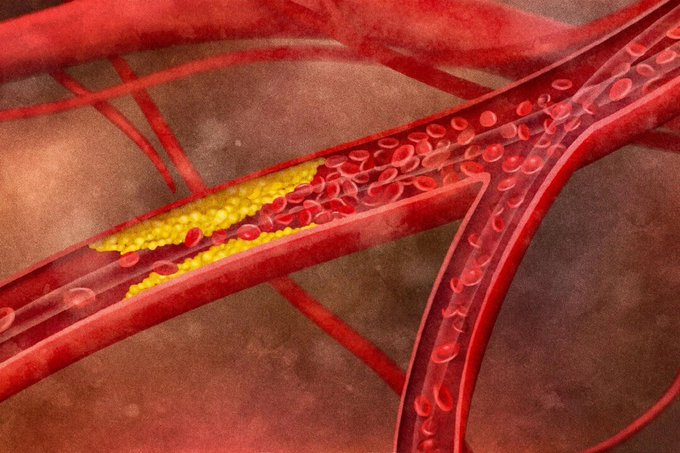
Can lowering cholesterol levels reduce the risk of heart disease? Is it worth taking statins to lower cholesterol?
Cai Kaizhou, president of Taiwan Natural Orthopedics Institute and attending physician of the Department of Orthopedics at National Taiwan University Hospital, recently spoke about the cholesterol myth in NTDTV’s Health 1+1 program and revealed the real key to cardiovascular health.
Cai Kaizhou, president of Taiwan Natural Orthopedics Institute and attending physician of the Department of Orthopedics at National Taiwan University Hospital, recently spoke about the cholesterol myth in NTDTV’s Health 1+1 program and revealed the real key to cardiovascular health.
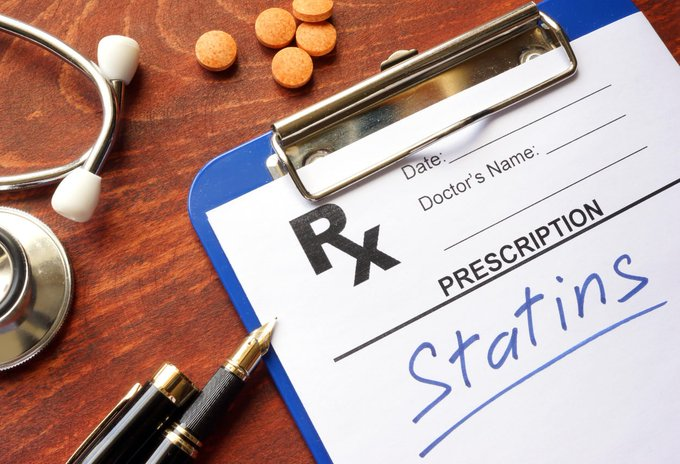
Cholesterol is a key substance for body repair, but it’s been demonized in the past 50 years, according to Cai. People’s fear of cholesterol mainly stems from concerns about heart disease but cholesterol is not the only or main cause of it. While the intention of lowering cholesterol is to prevent heart disease, that alone does not mean its incidence will decrease proportionally.
A 2019 study published in Scientific Reports tracked 12.8 million Koreans for 10 years. The results showed that below a certain level (< 200 mg/dL), the lower the total cholesterol level, the higher the all-cause mortality rate. The all-cause mortality and total cholesterol levels were exhibited in a U-shaped curve, with the negative correlation at the lower end being more evident than the positive correlation at the upper end, and the correlation is exactly the same for all age groups.
Cai said that the results are contrary to the common belief that lowering cholesterol can reduce mortality, and as everyone’s cholesterol level is different, we should not blindly pursue lowering cholesterol but instead focus on other factors that cause heart disease, such as vascular inflammation.
A 2019 study published in Scientific Reports tracked 12.8 million Koreans for 10 years. The results showed that below a certain level (< 200 mg/dL), the lower the total cholesterol level, the higher the all-cause mortality rate. The all-cause mortality and total cholesterol levels were exhibited in a U-shaped curve, with the negative correlation at the lower end being more evident than the positive correlation at the upper end, and the correlation is exactly the same for all age groups.
Cai said that the results are contrary to the common belief that lowering cholesterol can reduce mortality, and as everyone’s cholesterol level is different, we should not blindly pursue lowering cholesterol but instead focus on other factors that cause heart disease, such as vascular inflammation.

Cholesterol–An Essential Nutrient
Cai said cholesterol is not a harmful substance but an essential nutrient for the body. Most of our cholesterol comes mainly from the liver and is then transported to all parts of the body. The exception is the brain, which can synthesize cholesterol on its own, storing 25 percent of the body’s cholesterol.
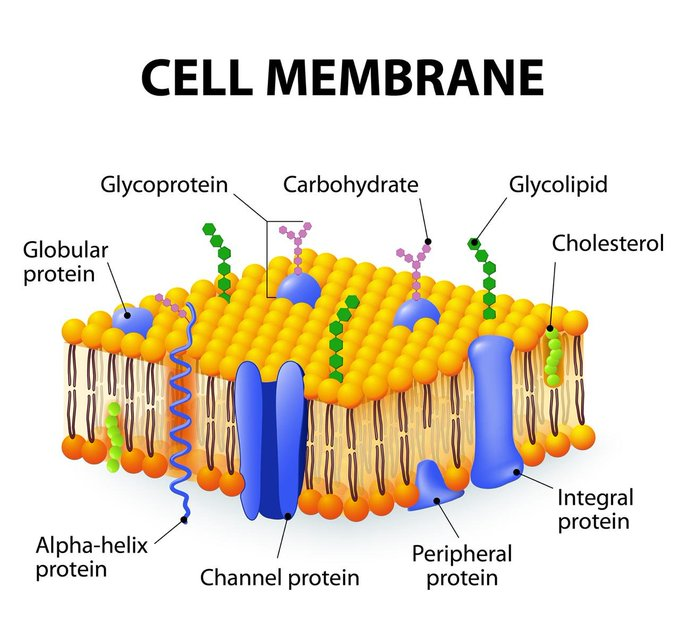
Cholesterol is a vital component of cell membranes and an element in signal transduction, neural transduction, and signal pathways. It synthesizes vitamin D and sex hormones and is one of the components of bile salts, which can promote the absorption of fat-soluble vitamins A, D, E, and K.
Cai said cholesterol is not a harmful substance but an essential nutrient for the body. Most of our cholesterol comes mainly from the liver and is then transported to all parts of the body. The exception is the brain, which can synthesize cholesterol on its own, storing 25 percent of the body’s cholesterol.
Cholesterol is a vital component of cell membranes and an element in signal transduction, neural transduction, and signal pathways. It synthesizes vitamin D and sex hormones and is one of the components of bile salts, which can promote the absorption of fat-soluble vitamins A, D, E, and K.
Clinical Cases: Serious Side Effects From Cholesterol-Lowering Drugs
Cai said he had come across too many clinical cases in which patients took statins and later developed arthritis and muscle pain.
These cases aroused his interest in focusing on the side effects of cholesterol-lowering drugs and finding out whether it is necessary to emphasize lowering cholesterol levels.
Cai said he had come across too many clinical cases in which patients took statins and later developed arthritis and muscle pain.
These cases aroused his interest in focusing on the side effects of cholesterol-lowering drugs and finding out whether it is necessary to emphasize lowering cholesterol levels.

A little about us: We’re a team of journalists and researchers on a mission to give you REAL and honest information about your health.
Side effects of reading our posts may include: critical thinking.
Follow us for more daily threads—backed by hard data.
—> @EpochHealth
Side effects of reading our posts may include: critical thinking.
Follow us for more daily threads—backed by hard data.
—> @EpochHealth

Cai Kaizhou made the following observations on side effects that have occurred in his clinical practice:
Muscle Frailty
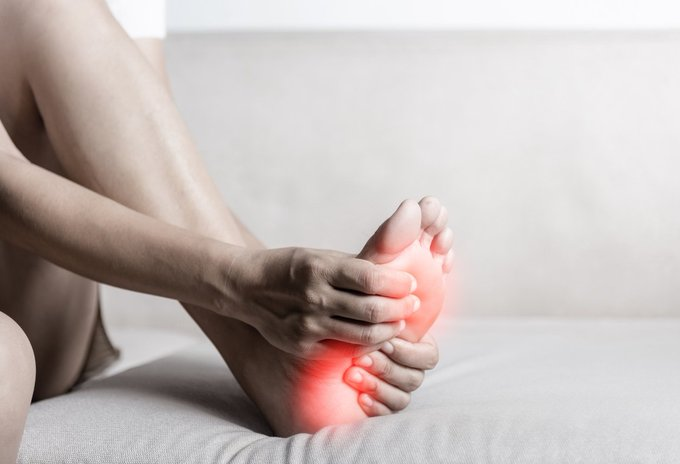
Muscle frailty is the most obvious side effect. His patients could not stand on tiptoes, developed plantar fasciitis, and walked unsteadily, and even fell easily.
One patient in his 50s who took cholesterol-lowering drugs for only a few weeks developed an unsteady gait and susceptibility to falls.
Muscle Frailty
Muscle frailty is the most obvious side effect. His patients could not stand on tiptoes, developed plantar fasciitis, and walked unsteadily, and even fell easily.
One patient in his 50s who took cholesterol-lowering drugs for only a few weeks developed an unsteady gait and susceptibility to falls.
Arthritis and Muscle Pain
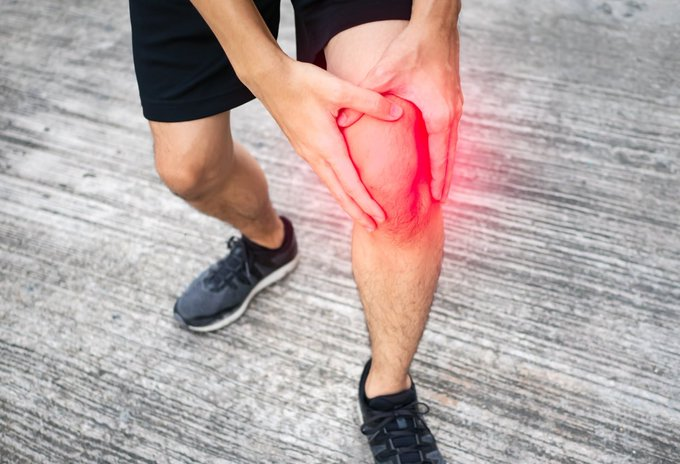
Many patients who took cholesterol-lowering drugs experienced symptoms such as knee pain and inability to exercise. Some people also had bone inflammation, muscle inflammation, osteoporosis, sarcopenia, and their memory affected.
Cai said that when taking cholesterol-lowering drugs, apart from knowing their efficacy, we should also be aware of their side effects. Always use cholesterol-lowering medications with caution and do not take them indefinitely.
For example, statins, the most commonly used cholesterol-lowering drugs, inhibit the synthesis of cholesterol in the liver and important substances such as coenzyme Q10. This can damage mitochondrial function and lead to insufficient cell energy supply, resulting in symptoms such as muscle pain and weakness.
Statins can also cause other side effects, including liver damage, cognitive dysfunction, and male sexual dysfunction, he said.
Many patients who took cholesterol-lowering drugs experienced symptoms such as knee pain and inability to exercise. Some people also had bone inflammation, muscle inflammation, osteoporosis, sarcopenia, and their memory affected.
Cai said that when taking cholesterol-lowering drugs, apart from knowing their efficacy, we should also be aware of their side effects. Always use cholesterol-lowering medications with caution and do not take them indefinitely.
For example, statins, the most commonly used cholesterol-lowering drugs, inhibit the synthesis of cholesterol in the liver and important substances such as coenzyme Q10. This can damage mitochondrial function and lead to insufficient cell energy supply, resulting in symptoms such as muscle pain and weakness.
Statins can also cause other side effects, including liver damage, cognitive dysfunction, and male sexual dysfunction, he said.
Keep Your Heart Healthy
Many people wrongly presume that lowering cholesterol levels is always safe, said Cai, but as people’s cholesterol levels are different, the effect will vary depending on the time of application and individual body needs. And that the liver can regulate cholesterol production by itself.
To prevent heart disease and stroke, we should consider other causes, such as the body’s inflammation index, he said. Inflammation is known to cause the liver to produce more ultra low-density lipoprotein (LDL) cholesterol, we must find out what is causing the body’s inflammation and treat it accordingly.
He suggested that the inflammation index CRP value should ideally be less than 0.1 or even less than 0.02. In these cases, with little or no inflammation, you are less likely to develop heart disease.
The main causes of inflammation of endothelial cells are sugar and refined starch. Heavy metal pollution will also increase the risk of heart disease.
Many people wrongly presume that lowering cholesterol levels is always safe, said Cai, but as people’s cholesterol levels are different, the effect will vary depending on the time of application and individual body needs. And that the liver can regulate cholesterol production by itself.
To prevent heart disease and stroke, we should consider other causes, such as the body’s inflammation index, he said. Inflammation is known to cause the liver to produce more ultra low-density lipoprotein (LDL) cholesterol, we must find out what is causing the body’s inflammation and treat it accordingly.
He suggested that the inflammation index CRP value should ideally be less than 0.1 or even less than 0.02. In these cases, with little or no inflammation, you are less likely to develop heart disease.
The main causes of inflammation of endothelial cells are sugar and refined starch. Heavy metal pollution will also increase the risk of heart disease.

Key Examination Indicators
Cai recommends regular blood tests and paying attention to the following key metrics:
Triglycerides: Any value below 150 indicates good health. This is an easily achievable target by following a low-carb diet.
High-density lipoprotein (HDL) cholesterol: HDL is known as “good cholesterol.” It helps absorb cholesterol in the blood and take it back to the liver, from where it is excreted from the body, which can reduce the risk of heart disease and stroke. Levels of HDL over 60 are considered optimal. Eating fish oil rich in Omega-3 can contribute to healthy levels.
Waist circumference: More telling than body mass index, waist circumference should be less than half your height.
Dense LDL cholesterol: The higher the concentration of LDL, the higher the risk of cardiovascular disease. It should be less than 50, or better still if it is below 35.
Homocysteine: Excessive levels of homocysteine increase the risk of dementia, heart disease, and stroke. Try to keep it below 8.
Vitamin D: Supplementing vitamin D may reduce the incidence of major cardiovascular misfortunes. The value should be greater than 80 during treatment and, at normal times, greater than 50.
Cai recommends regular blood tests and paying attention to the following key metrics:
Triglycerides: Any value below 150 indicates good health. This is an easily achievable target by following a low-carb diet.
High-density lipoprotein (HDL) cholesterol: HDL is known as “good cholesterol.” It helps absorb cholesterol in the blood and take it back to the liver, from where it is excreted from the body, which can reduce the risk of heart disease and stroke. Levels of HDL over 60 are considered optimal. Eating fish oil rich in Omega-3 can contribute to healthy levels.
Waist circumference: More telling than body mass index, waist circumference should be less than half your height.
Dense LDL cholesterol: The higher the concentration of LDL, the higher the risk of cardiovascular disease. It should be less than 50, or better still if it is below 35.
Homocysteine: Excessive levels of homocysteine increase the risk of dementia, heart disease, and stroke. Try to keep it below 8.
Vitamin D: Supplementing vitamin D may reduce the incidence of major cardiovascular misfortunes. The value should be greater than 80 during treatment and, at normal times, greater than 50.

Lowering cholesterol does not necessarily reduce the risk of heart disease and stroke. It is impossible to improve health by simply taking medicine without changing lifestyle habits.
In fact, those drugs may even reduce the quality of life, he said.
theepochtimes.com/health/cholest…
In fact, those drugs may even reduce the quality of life, he said.
theepochtimes.com/health/cholest…
Emphasis should be on a low-carb diet, intermittent fasting, and eating only when you are hungry.

Thanks for reading! If you found this valuable, here's a special deal:
Unlock our ENTIRE library of @EpochHealth articles for just $1/week—plus unlimited access to everything else on our site.
Claim it here:
on.theepochtimes.com/vfox/health?ut…
Unlock our ENTIRE library of @EpochHealth articles for just $1/week—plus unlimited access to everything else on our site.
Claim it here:
on.theepochtimes.com/vfox/health?ut…

• • •
Missing some Tweet in this thread? You can try to
force a refresh