Most People Use Turmeric Wrong: How to Activate Its Full Benefits
Adding turmeric to your diet? Smart move.
But the real magic only happens when you pair it with one common spice—and a little fat.
Without that combo, turmeric barely works. It’s like sprinkling dust on your food.
This might be the best-kept secret in your kitchen.
🧵 THREAD
Adding turmeric to your diet? Smart move.
But the real magic only happens when you pair it with one common spice—and a little fat.
Without that combo, turmeric barely works. It’s like sprinkling dust on your food.
This might be the best-kept secret in your kitchen.
🧵 THREAD

If you’ve cut salt, eased up on caffeine, and tried to stress less, and your blood pressure still won’t budge, perhaps a golden spice in your kitchen cabinet can ease your efforts.
Curcumin is found in the root of the turmeric plant, giving it its distinctive golden hue and earthy flavor. It belongs to a group of plant-based substances called polyphenols, known for their antioxidant and anti-inflammatory effects.
These effects may help explain why curcumin—turmeric’s most active compound—is being studied for its potential to support healthy blood pressure.
Curcumin is found in the root of the turmeric plant, giving it its distinctive golden hue and earthy flavor. It belongs to a group of plant-based substances called polyphenols, known for their antioxidant and anti-inflammatory effects.
These effects may help explain why curcumin—turmeric’s most active compound—is being studied for its potential to support healthy blood pressure.

A Natural Ally for Blood Pressure Control
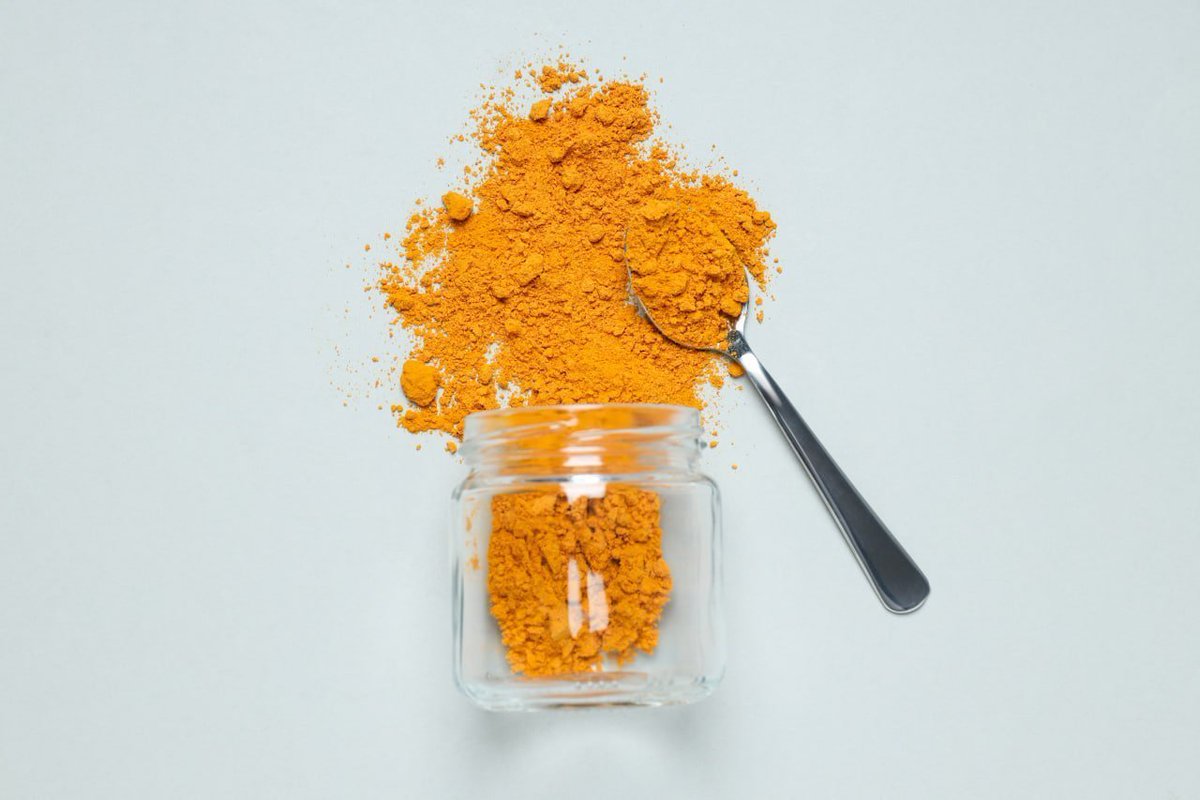
The most convenient and widely available source of curcumin is turmeric powder, a pantry staple that adds color and flavor to a variety of dishes.
Curcumin may help lower blood pressure and improve blood vessel function by reducing the thickening and stiffness of arterial walls, a common issue in chronic hypertension.
Based mostly on animal studies, in some cases, curcumin has also reversed damage—such as thickening and scarring—to blood vessels, especially in pulmonary arterial hypertension, which causes blood vessels to narrow and blood pressure in the lungs to increase.
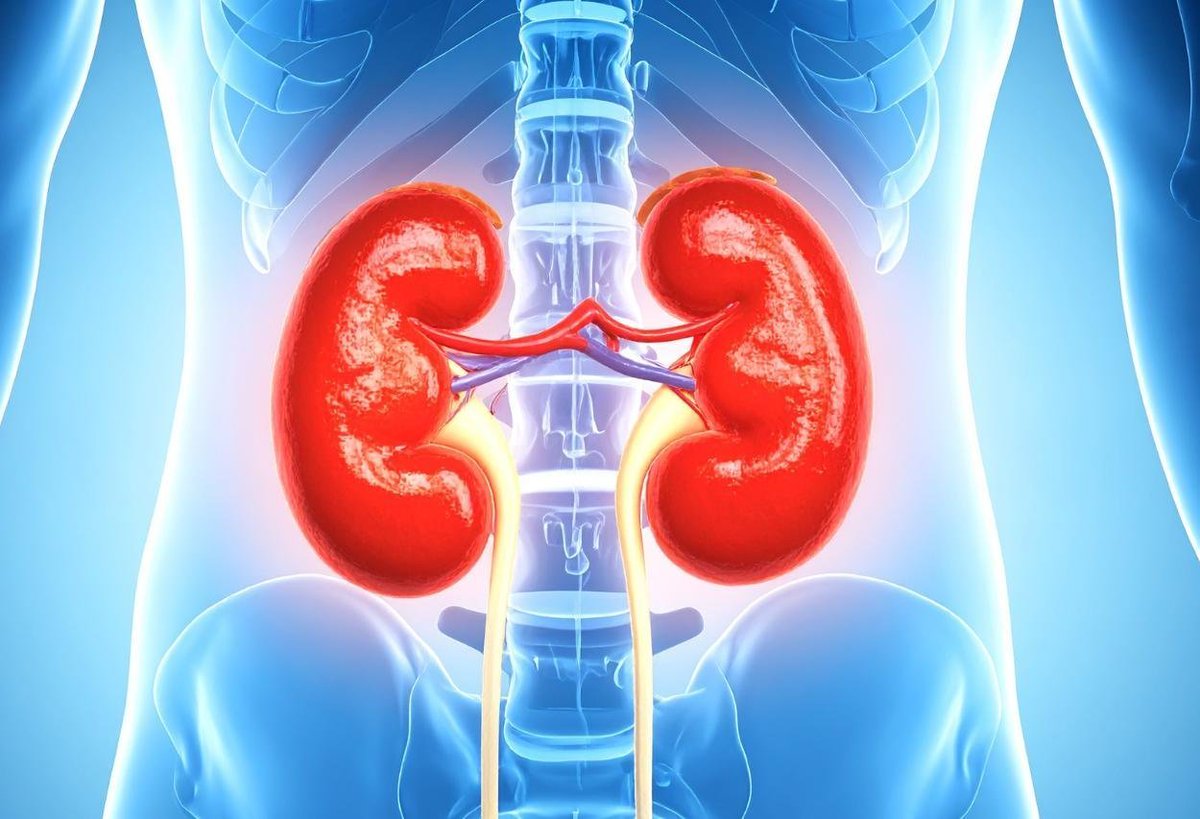
Curcumin may also protect the kidneys and heart, which are key to keeping blood pressure in check.
In animal studies, curcumin has also been found to relax blood vessels by increasing nitric oxide levels, which helps improve blood flow and reduce resistance in the arteries.
The most convenient and widely available source of curcumin is turmeric powder, a pantry staple that adds color and flavor to a variety of dishes.
Curcumin may help lower blood pressure and improve blood vessel function by reducing the thickening and stiffness of arterial walls, a common issue in chronic hypertension.
Based mostly on animal studies, in some cases, curcumin has also reversed damage—such as thickening and scarring—to blood vessels, especially in pulmonary arterial hypertension, which causes blood vessels to narrow and blood pressure in the lungs to increase.
Curcumin may also protect the kidneys and heart, which are key to keeping blood pressure in check.
In animal studies, curcumin has also been found to relax blood vessels by increasing nitric oxide levels, which helps improve blood flow and reduce resistance in the arteries.
Although curcumin offers many health benefits, its bioavailability is poor, meaning the body doesn’t easily absorb it.
theepochtimes.com/health/turmeri…
theepochtimes.com/health/turmeri…
Get the Most Out of Turmeric
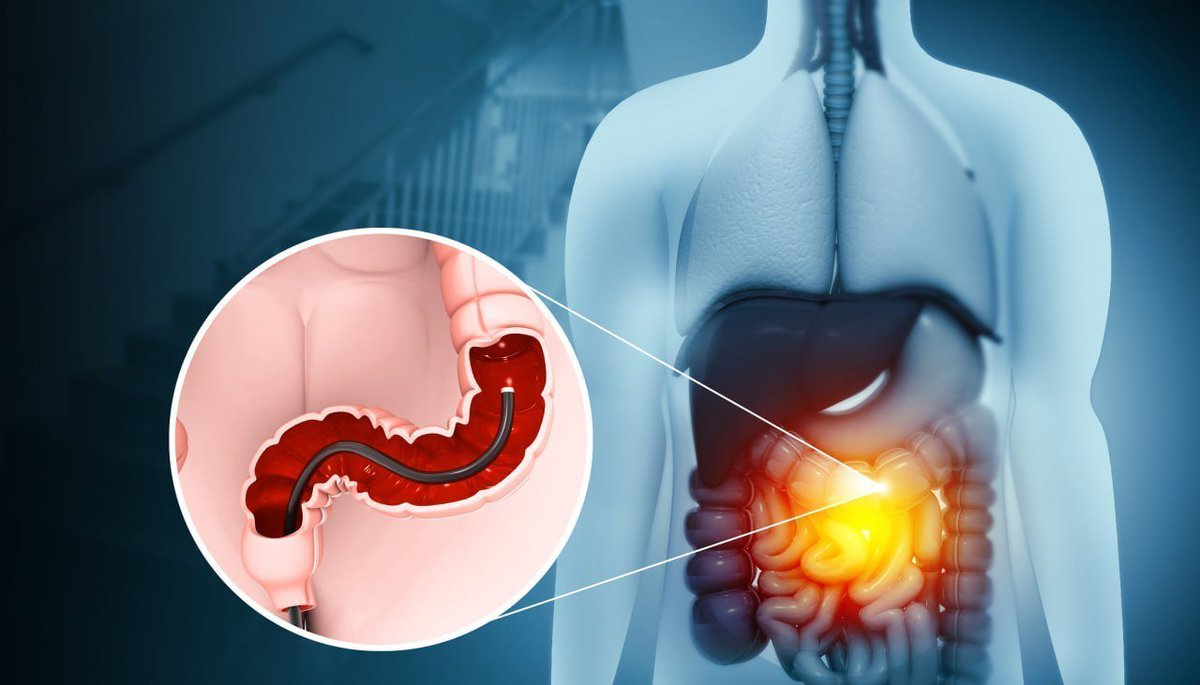
“After being consumed, only a small amount is absorbed through the small intestine, and much of it is quickly broken down by the liver,” Chantelle van der Merwe, a registered dietitian, explained. Very little curcumin actually makes it into the bloodstream to have an effect, she added.
To overcome this challenge, researchers have explored ways to improve curcumin’s absorption and effectiveness. One method includes adding ingredients such as black pepper, which helps slow the breakdown and enhance the absorption and retention of curcumin, according to van der Merwe.
“After being consumed, only a small amount is absorbed through the small intestine, and much of it is quickly broken down by the liver,” Chantelle van der Merwe, a registered dietitian, explained. Very little curcumin actually makes it into the bloodstream to have an effect, she added.
To overcome this challenge, researchers have explored ways to improve curcumin’s absorption and effectiveness. One method includes adding ingredients such as black pepper, which helps slow the breakdown and enhance the absorption and retention of curcumin, according to van der Merwe.
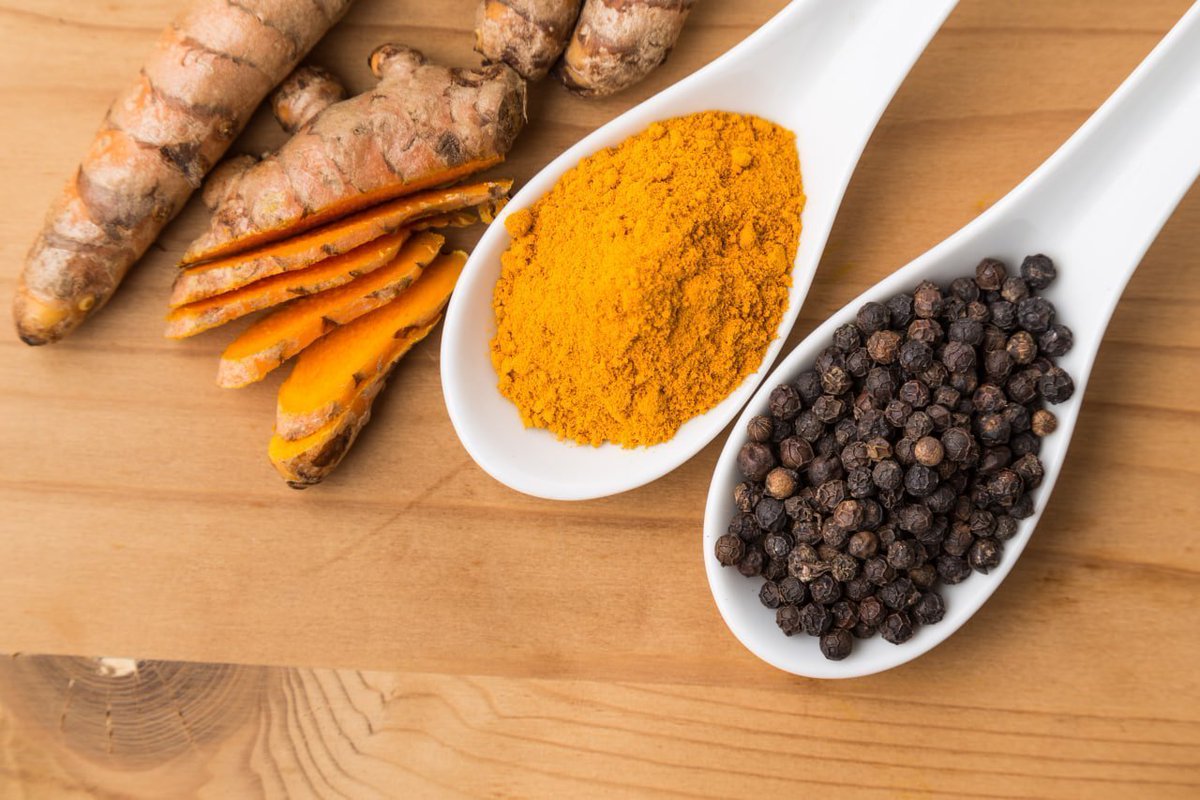
Piperine, the active compound in black pepper, blocks certain liver enzymes that would typically break down curcumin.
Piperine may also help by stimulating the release of digestive enzymes from the pancreas, improving overall digestion and nutrient absorption, and increasing blood supply to the digestive system, van der Merwe said.
Piperine may also help by stimulating the release of digestive enzymes from the pancreas, improving overall digestion and nutrient absorption, and increasing blood supply to the digestive system, van der Merwe said.
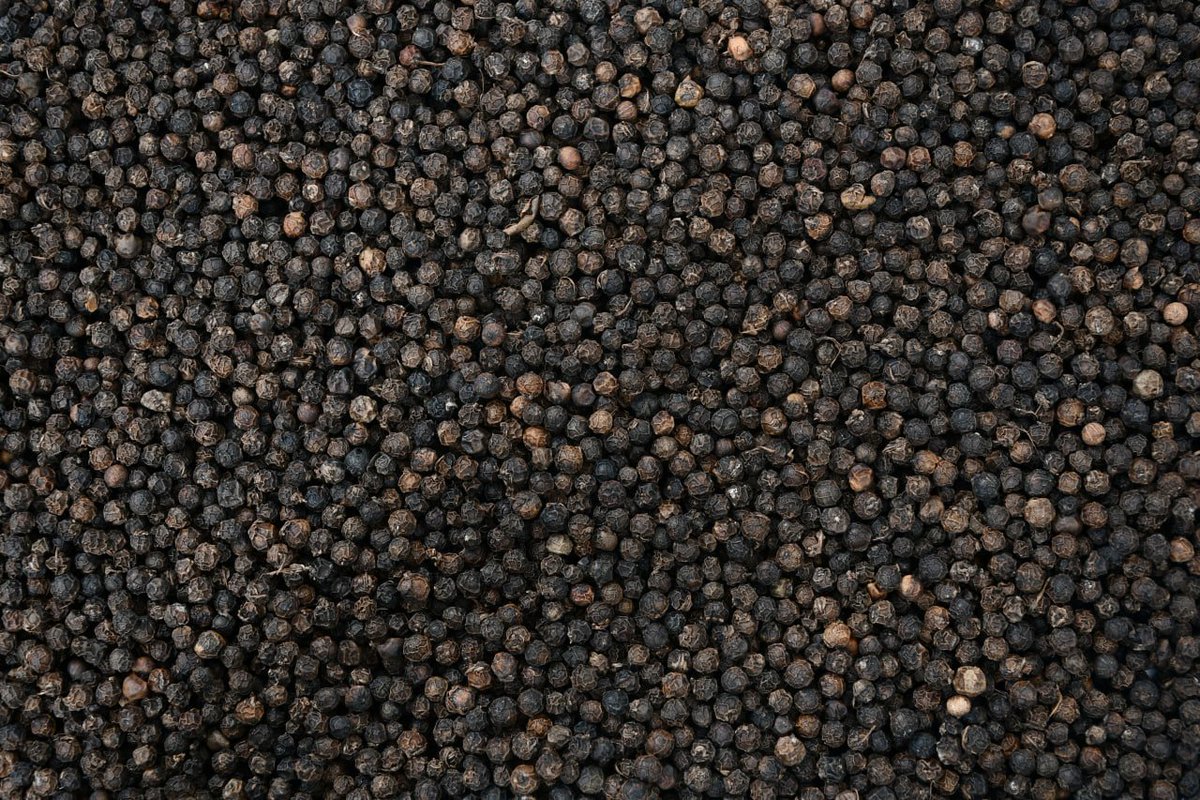
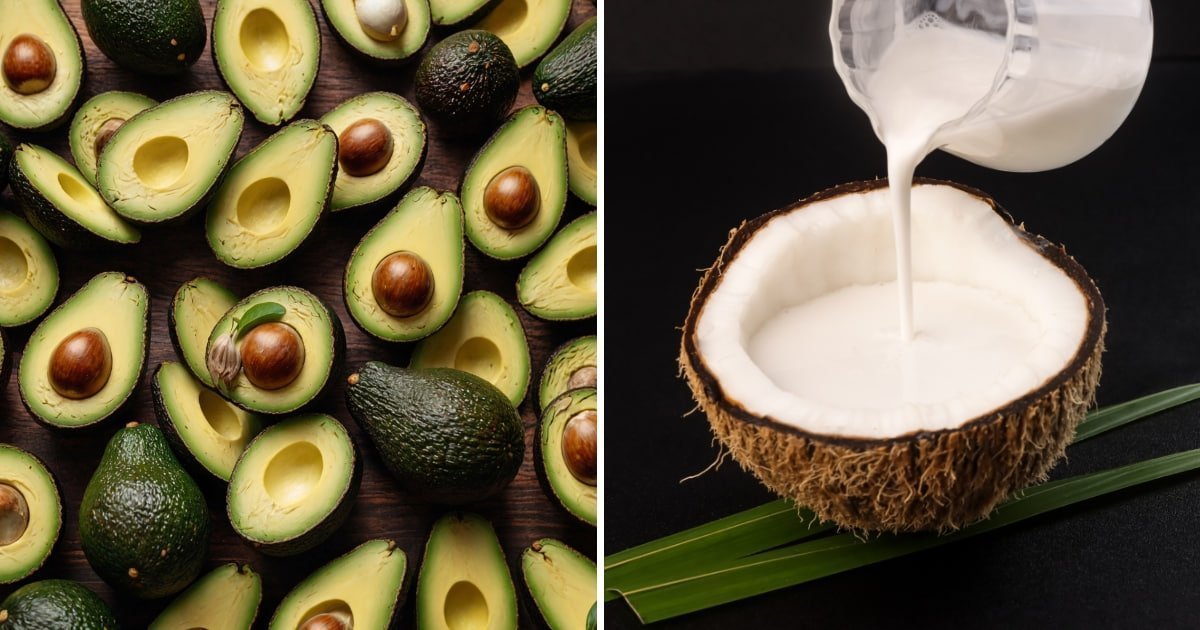
Since curcumin is also fat-soluble, meaning it requires fat to be absorbed, eating turmeric with a fat source—such as avocado, olive oil, or coconut milk—can help the body absorb it better, van der Merwe said.
Without fat, curcumin has a harder time transporting across the gut wall and into the body, limiting its effectiveness, she said.
Without fat, curcumin has a harder time transporting across the gut wall and into the body, limiting its effectiveness, she said.
A little about us: We’re a team of journalists and researchers on a mission to give you REAL and honest information about your health.
Side effects of reading our posts may include: critical thinking.
Follow us for more daily threads—backed by hard data.
—> @EpochHealth
Side effects of reading our posts may include: critical thinking.
Follow us for more daily threads—backed by hard data.
—> @EpochHealth

How to Incorporate Curcumin Into Meals
Beyond how we pair turmeric to boost absorption, it’s a versatile ingredient that can be easily added to a variety of dishes and snacks.
Turmeric is traditionally used in curries and enhances the flavor of soups, marinades, and rice dishes, van der Merwe said. In baking, turmeric can add a unique twist to cookies and breads. It also blends beautifully into herbal teas, smoothies, or milk.
“My personal favorite ways to enjoy turmeric include spicy, savory muffins packed with vegetables, a soothing blend of rooibos tea with ginger and turmeric, and the classic pairing of a curry served with savory yellow rice,” van der Merwe said.
“I personally love it in my overnight oats,” Mary Curristin, nutritionist at ART Health Solutions, told The Epoch Times. Her other options include stirring it into scrambled eggs or roasted vegetables.
Remember that a small amount goes a long way—typically, one-fourth to one-half teaspoon of turmeric powder per serving delivers ample flavor and color, depending on personal taste and intensity preferences.
Van der Merwe said turmeric also works well with spices such as cumin, coriander, ginger, cinnamon, and cardamom, creating aromatic and flavorful combinations in a variety of cuisines.
Beyond how we pair turmeric to boost absorption, it’s a versatile ingredient that can be easily added to a variety of dishes and snacks.
Turmeric is traditionally used in curries and enhances the flavor of soups, marinades, and rice dishes, van der Merwe said. In baking, turmeric can add a unique twist to cookies and breads. It also blends beautifully into herbal teas, smoothies, or milk.
“My personal favorite ways to enjoy turmeric include spicy, savory muffins packed with vegetables, a soothing blend of rooibos tea with ginger and turmeric, and the classic pairing of a curry served with savory yellow rice,” van der Merwe said.
“I personally love it in my overnight oats,” Mary Curristin, nutritionist at ART Health Solutions, told The Epoch Times. Her other options include stirring it into scrambled eggs or roasted vegetables.
Remember that a small amount goes a long way—typically, one-fourth to one-half teaspoon of turmeric powder per serving delivers ample flavor and color, depending on personal taste and intensity preferences.
Van der Merwe said turmeric also works well with spices such as cumin, coriander, ginger, cinnamon, and cardamom, creating aromatic and flavorful combinations in a variety of cuisines.
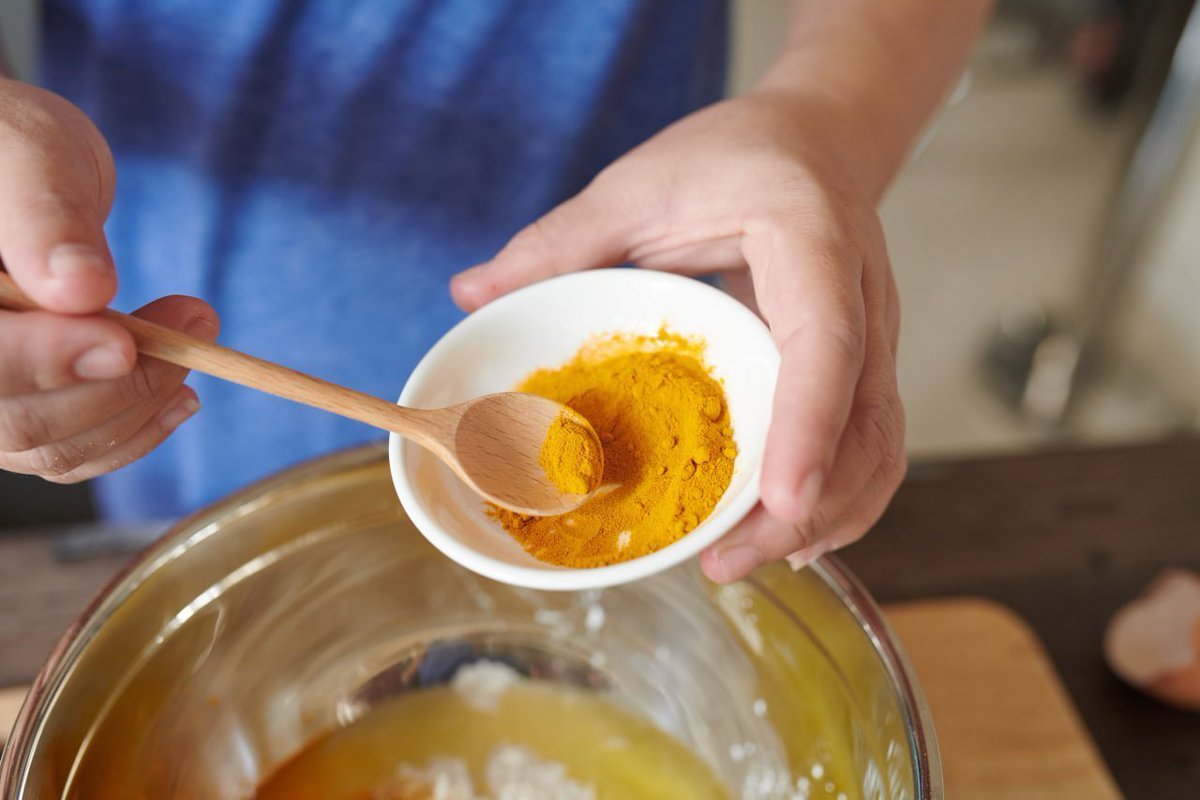
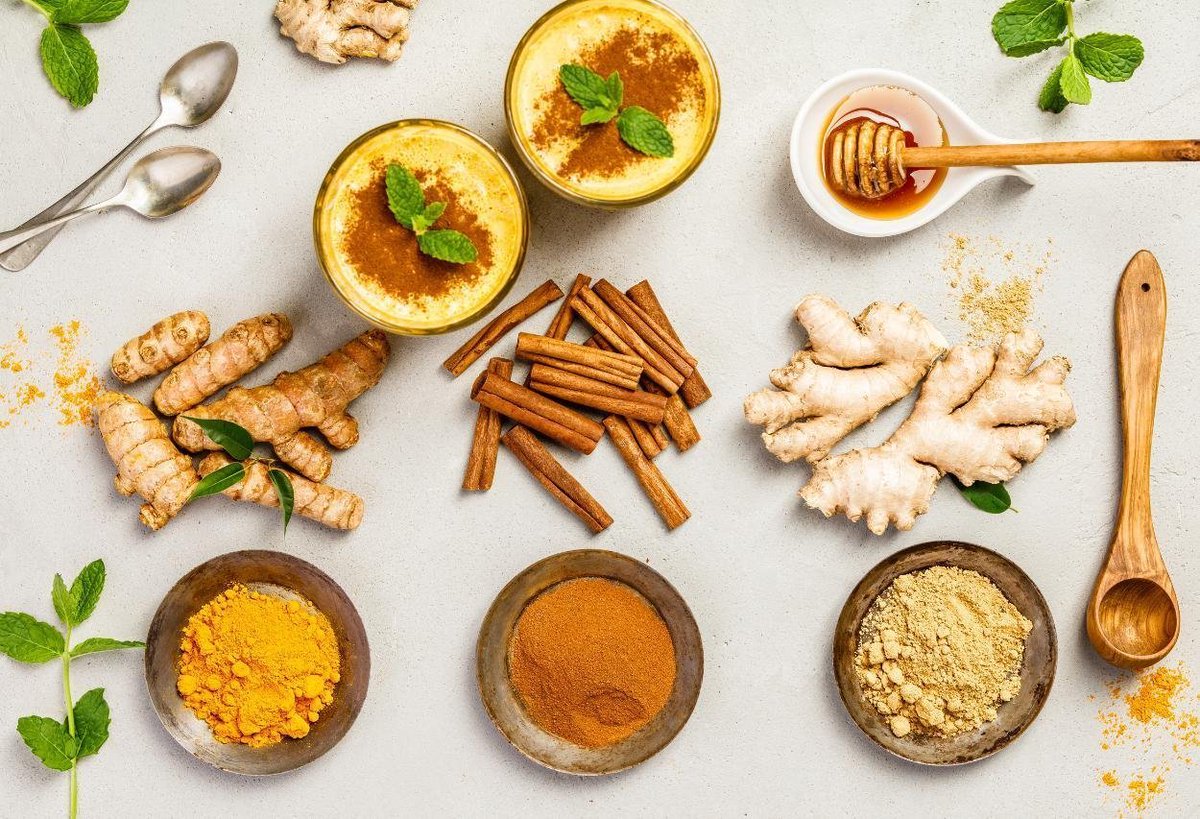
Golden Latte Recipe
One of the best ways to enjoy turmeric is in a cozy golden milk latte. This drink tastes great and brings those health benefits right to your cup—especially when paired with a pinch of black pepper for optimal absorption.
Ingredients
• 350 ml milk of choice
• ¼ teaspoon ground turmeric
• ¼ teaspoon ground ginger
• ½ teaspoon ground cinnamon
• 1 teaspoon raw honey or maple syrup
• ½ teaspoon vanilla extract
• Grind of black pepper
Instructions
Combine all the ingredients in a saucepan and whisk continuously over low heat or using a milk frother if you have one. Once heated, pour into mugs and top with a sprinkle of cinnamon before serving.
To make this golden milk latte truly your own, feel free to tweak the recipe based on your taste preferences:
• Customize the spice mix to your liking. If you’re a fan of a spicier kick, try adding extra black pepper, ginger, or even a pinch of cayenne pepper.
• For a creamier texture, use a richer milk, like full-fat coconut milk, or add a spoonful of coconut oil or ghee.
One of the best ways to enjoy turmeric is in a cozy golden milk latte. This drink tastes great and brings those health benefits right to your cup—especially when paired with a pinch of black pepper for optimal absorption.
Ingredients
• 350 ml milk of choice
• ¼ teaspoon ground turmeric
• ¼ teaspoon ground ginger
• ½ teaspoon ground cinnamon
• 1 teaspoon raw honey or maple syrup
• ½ teaspoon vanilla extract
• Grind of black pepper
Instructions
Combine all the ingredients in a saucepan and whisk continuously over low heat or using a milk frother if you have one. Once heated, pour into mugs and top with a sprinkle of cinnamon before serving.
To make this golden milk latte truly your own, feel free to tweak the recipe based on your taste preferences:
• Customize the spice mix to your liking. If you’re a fan of a spicier kick, try adding extra black pepper, ginger, or even a pinch of cayenne pepper.
• For a creamier texture, use a richer milk, like full-fat coconut milk, or add a spoonful of coconut oil or ghee.
Thanks for reading! If you found this valuable, here's a special deal:
Unlock our ENTIRE library of @EpochHealth articles for just $1/week—plus unlimited access to everything else on our site.
Claim it here:
on.theepochtimes.com/vfox/health?ut…
Unlock our ENTIRE library of @EpochHealth articles for just $1/week—plus unlimited access to everything else on our site.
Claim it here:
on.theepochtimes.com/vfox/health?ut…

• • •
Missing some Tweet in this thread? You can try to
force a refresh