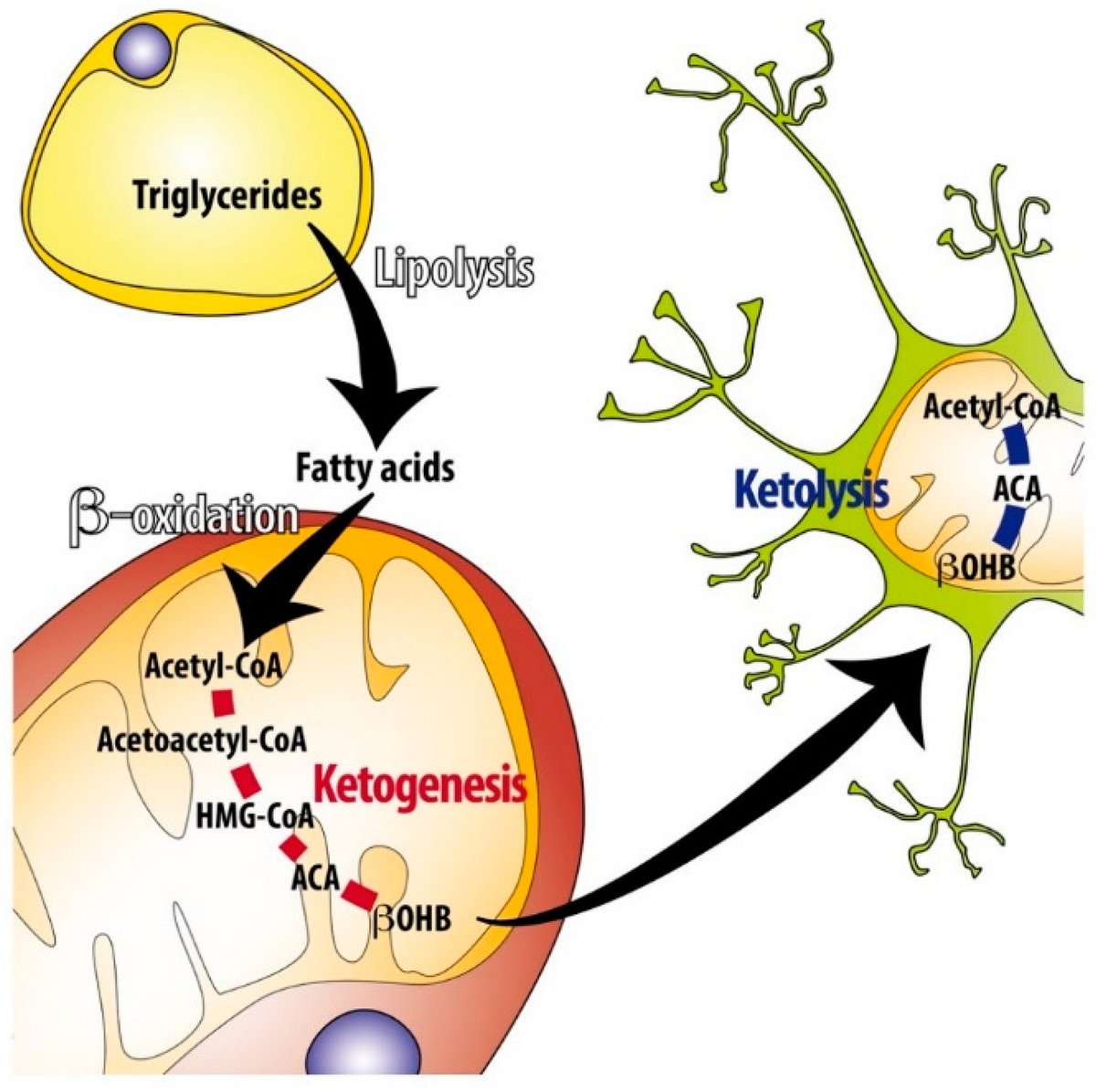
Misaligned clocks = higher infection rates and impaired cancer protection.
Here's how to use temperature, meal timing, and exercise to optimize your cellular timekeepers 🧵1/8
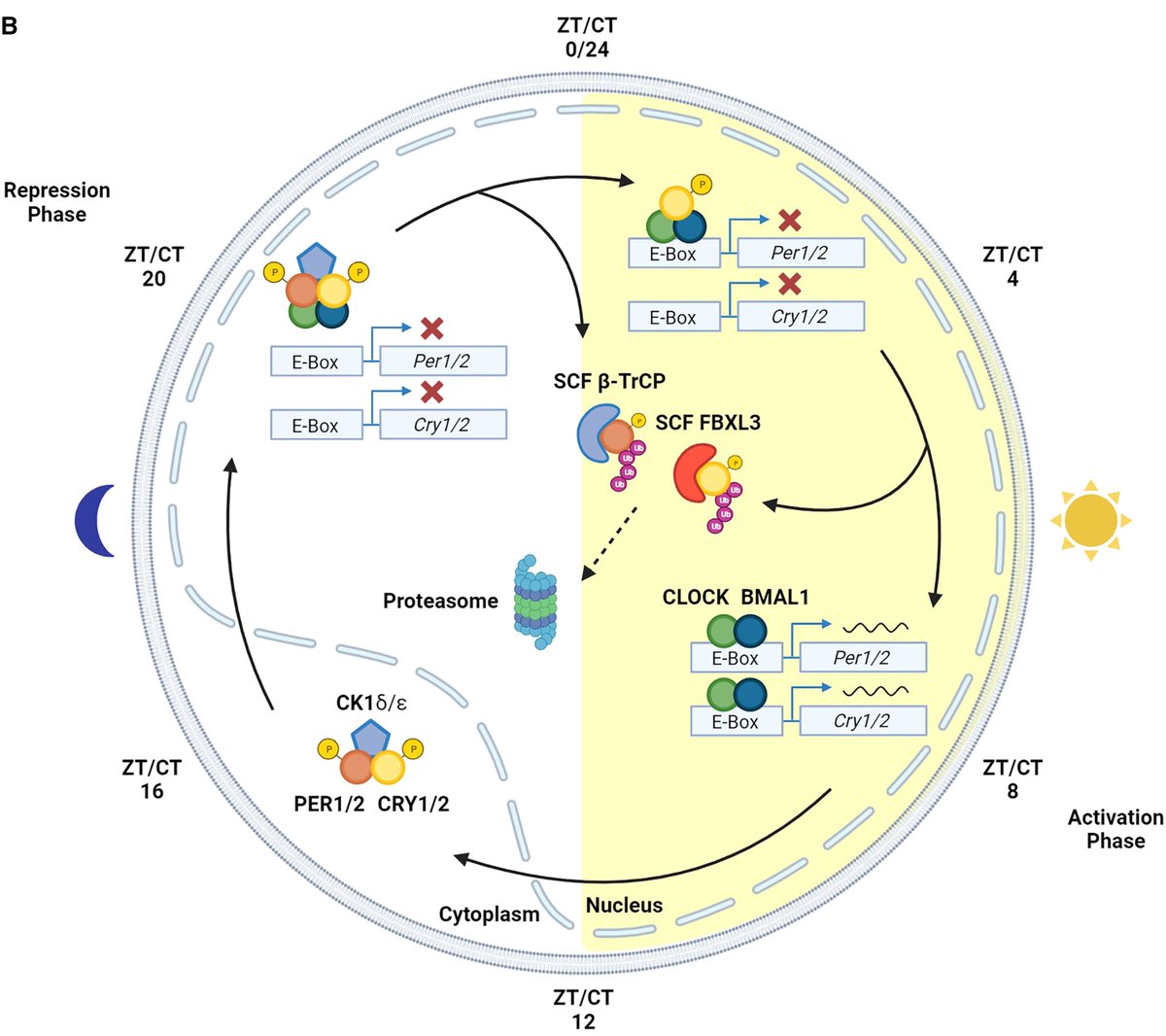
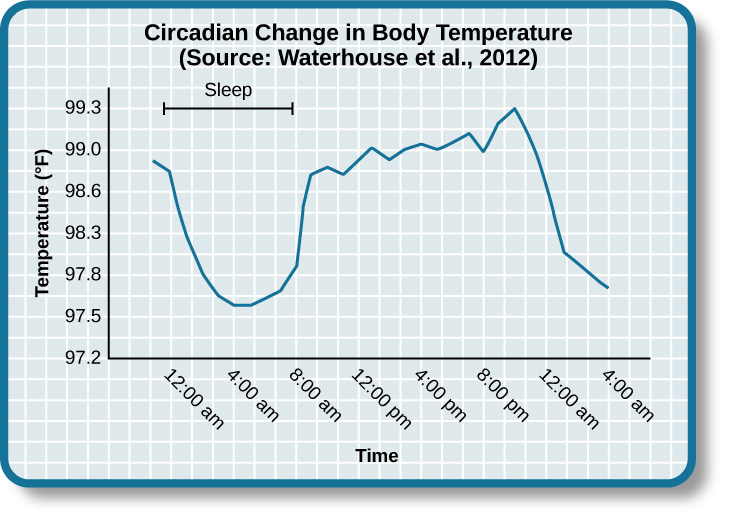
Morning eating amplifies your natural temperature rise through diet-induced thermogenesis. Evening fasting lets it drop naturally. Plus, timing glucose spikes when baseline glucose is already high (daytime) helps keep your immune cell clocks aligned /2
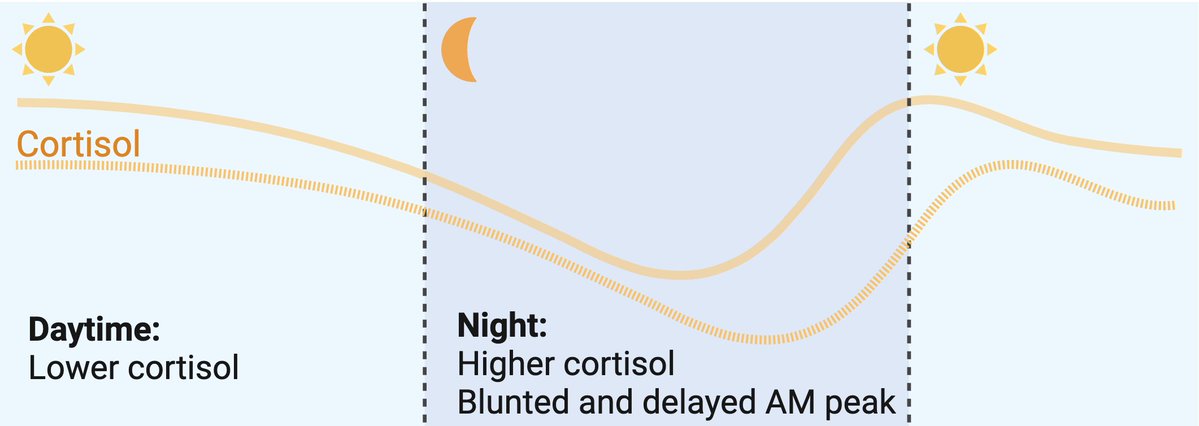
Cortisol isn't just stress, it's a critical immune timekeeper. Natural pattern: sharp rise before waking, peak within an hour, gradual decline to bedtime. This rhythm controls T cell migration and viral response. Morning exercise stacks perfectly onto this natural cortisol spike /3
Exercise also increases core body temperature, which can enhance natural rise in body temperature. This could be a reason to avoid exercise late at night, as you benefit from a nice natural temperature drop in the evening to help fall into deep sleep /4
Adrenaline rhythms control where immune cells can migrate. Lowest during deep sleep, elevated during day. Late-night gaming or Twitter/X arguments? That's adrenaline binding to immune cell receptors when it shouldn't be. Save the excitement for daylight hours /5
Temperature hacks:
Morning cold plunge → compensatory temperature rise (especially with exercise after).
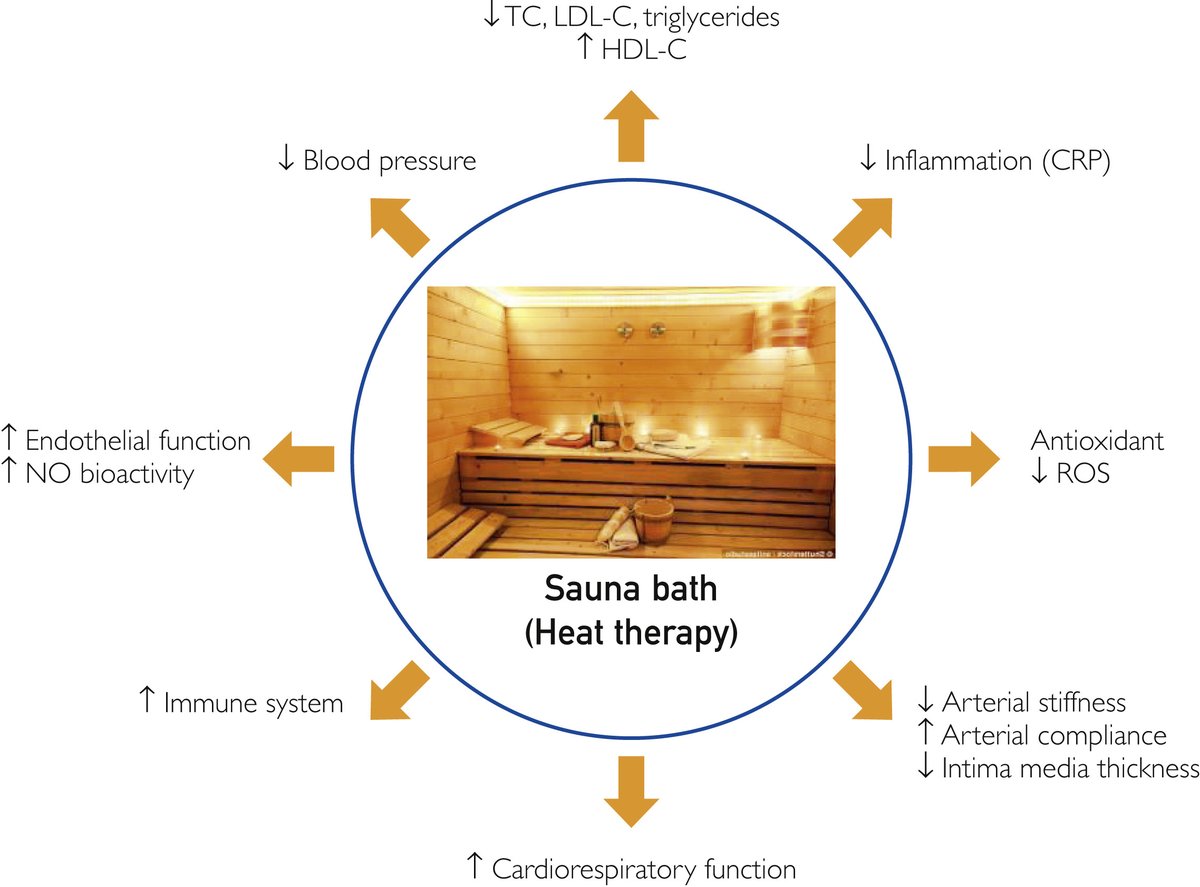
Evening sauna → allow hours before bed for temperature to drop /6
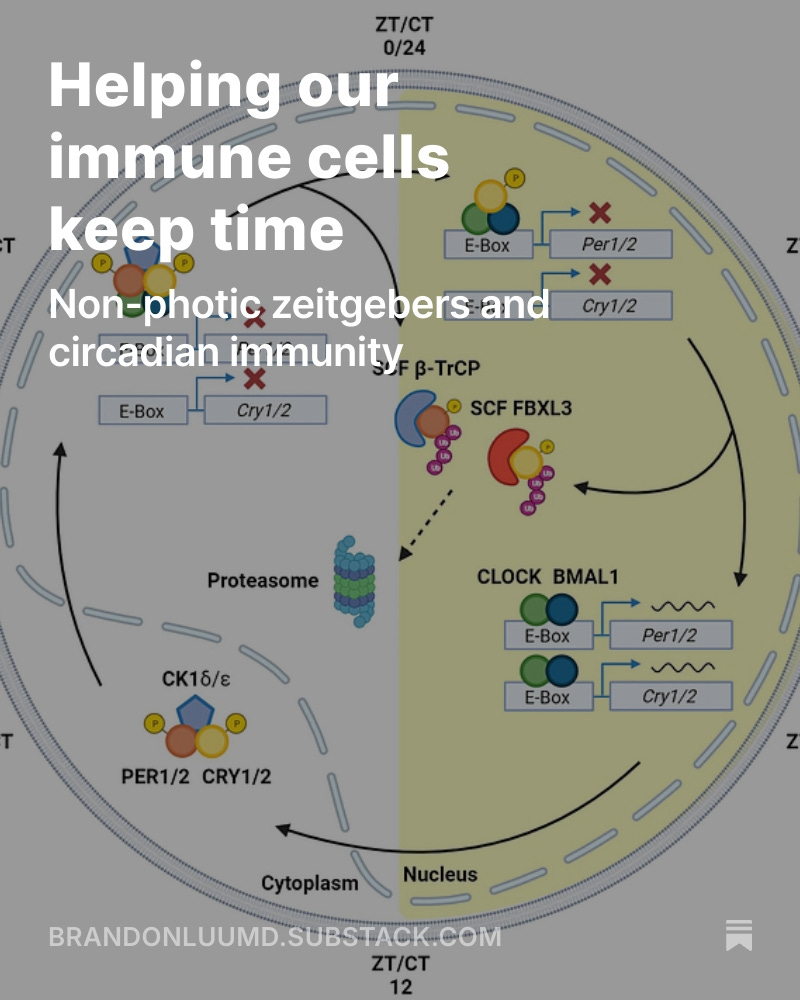
Bottom line: Light sets your master clock, but temperature, glucose, cortisol, and adrenaline tell your immune cells what time it is. Align these signals through meal timing, exercise, stress management, and temperature exposure. Your immune system will thank you /7
These are all master insights from @AdamRochussen, who is a post-doc working at the frontier of circadian biology. Check out this week’s newsletter for the full article /8
• • •
Missing some Tweet in this thread? You can try to
force a refresh

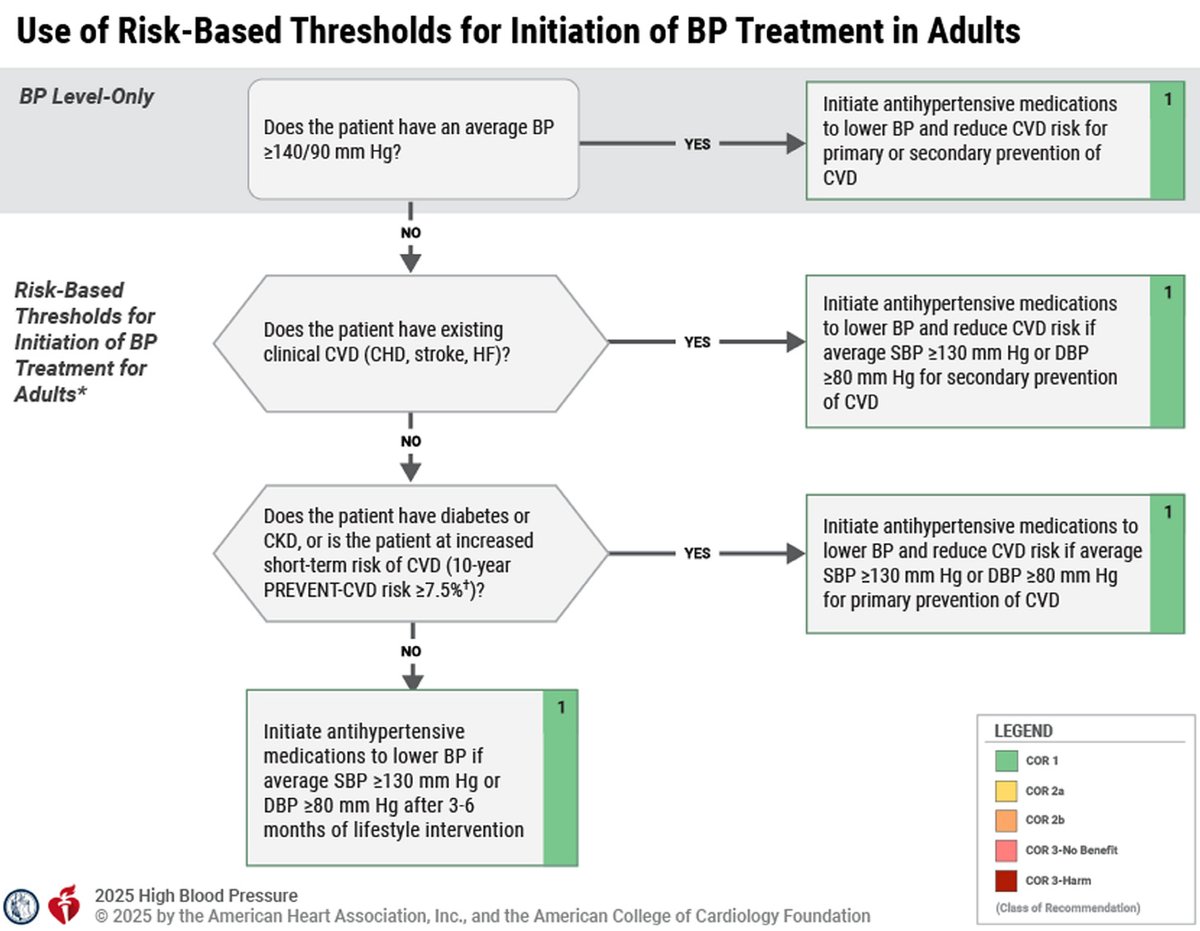
BP: 135/85
Doctor: “Let’s try lifestyle changes before medication”
Success depends on implementing these right.
Here are 10 protocols that give the best shot at lowering blood pressure naturally, backed by the 2025 AHA guidelines 🧵1/13
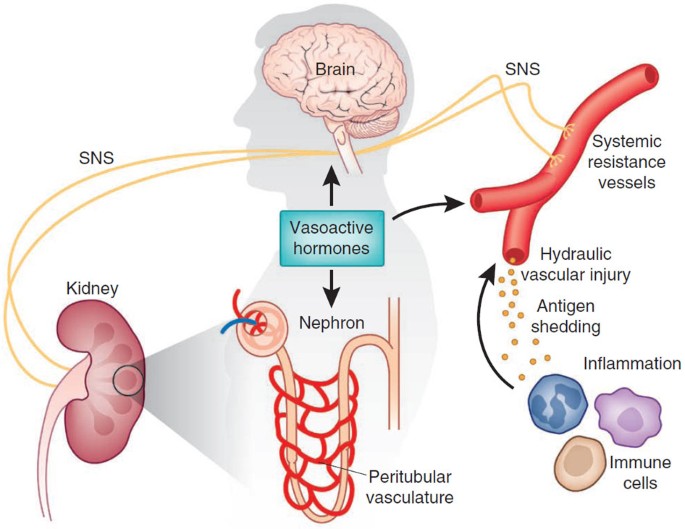
High blood pressure often causes zero symptoms for years while quietly damaging the heart, brain, kidneys, eyes, and more.
Thankfully, the 2025 AHA/ACC guidelines emphasize and clearly outline lifestyle interventions as powerful first-line treatments. /2
For the entire deep-dive, check out my newsletter here:
Can’t fall asleep before 2 AM.
Hit snooze five times.
Wide awake at midnight.
This is likely a delayed circadian rhythm.
Morning light helps, but only if the timing, intensity, and delivery are right. Get it wrong and you delay your clock further.
Here’s what to do🧵1/13
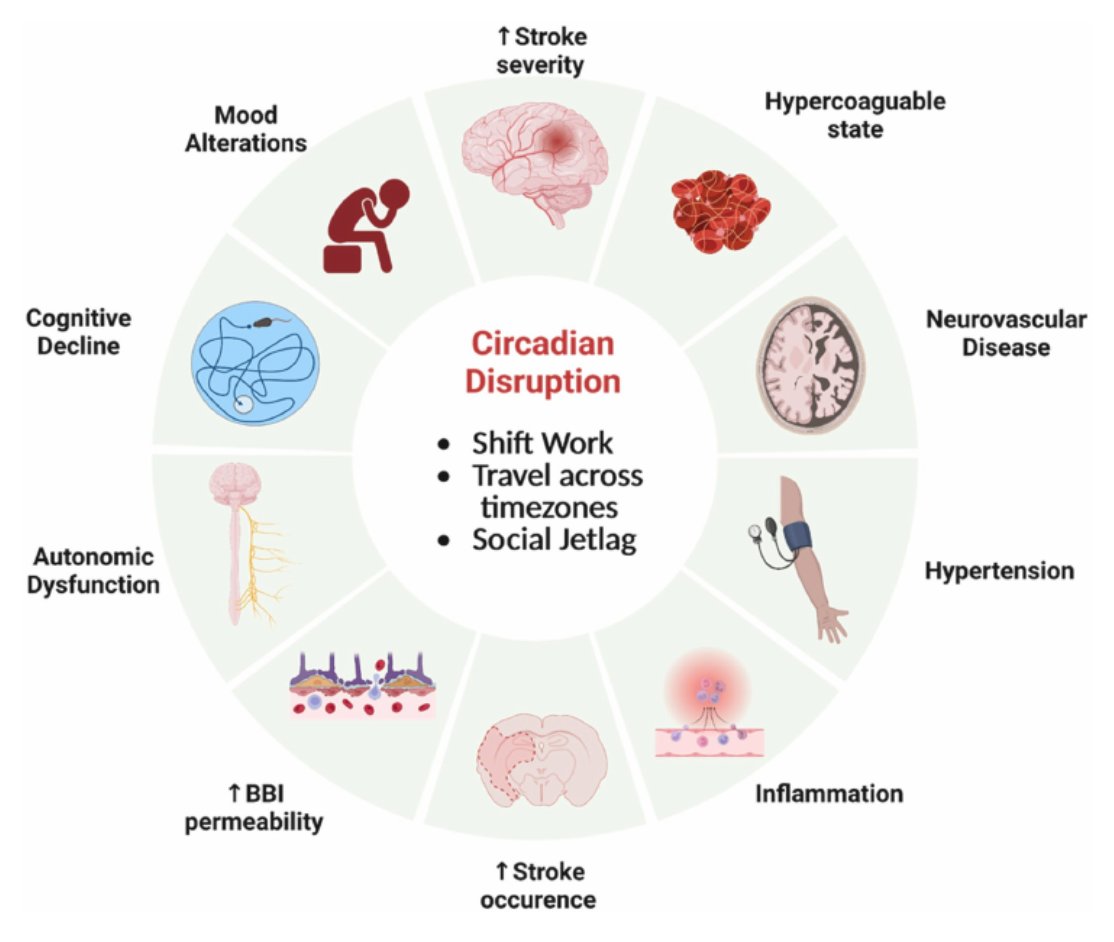
Delayed circadian rhythms are linked to impaired concentration, mood disturbances, increased metabolic and cardiovascular risk, and weakened immune function.
The good news: properly timed light can rapidly and effectively shift your internal clock.
Timing is everything.
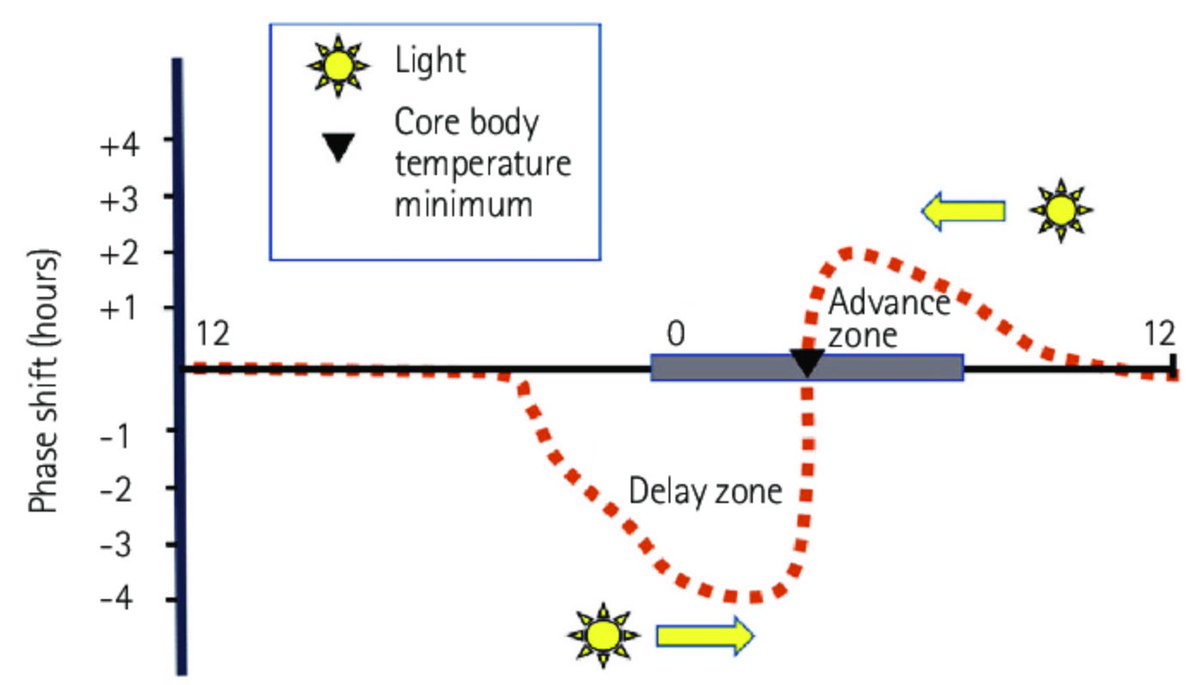
Light after your core body temperature minimum (~last third of sleep) causes phase advance.
Light before it causes phase delay, making things worse.
Bright light should only be done at least 2-3 hours past your sleep midpoint.
For example, if you usually sleep midnight-8 AM and suddenly force a 5 AM wake time, you may wake before your core body temperature minimum.
Early light at that point can delay your circadian clock, not advance it, and push your sleep even later. /3
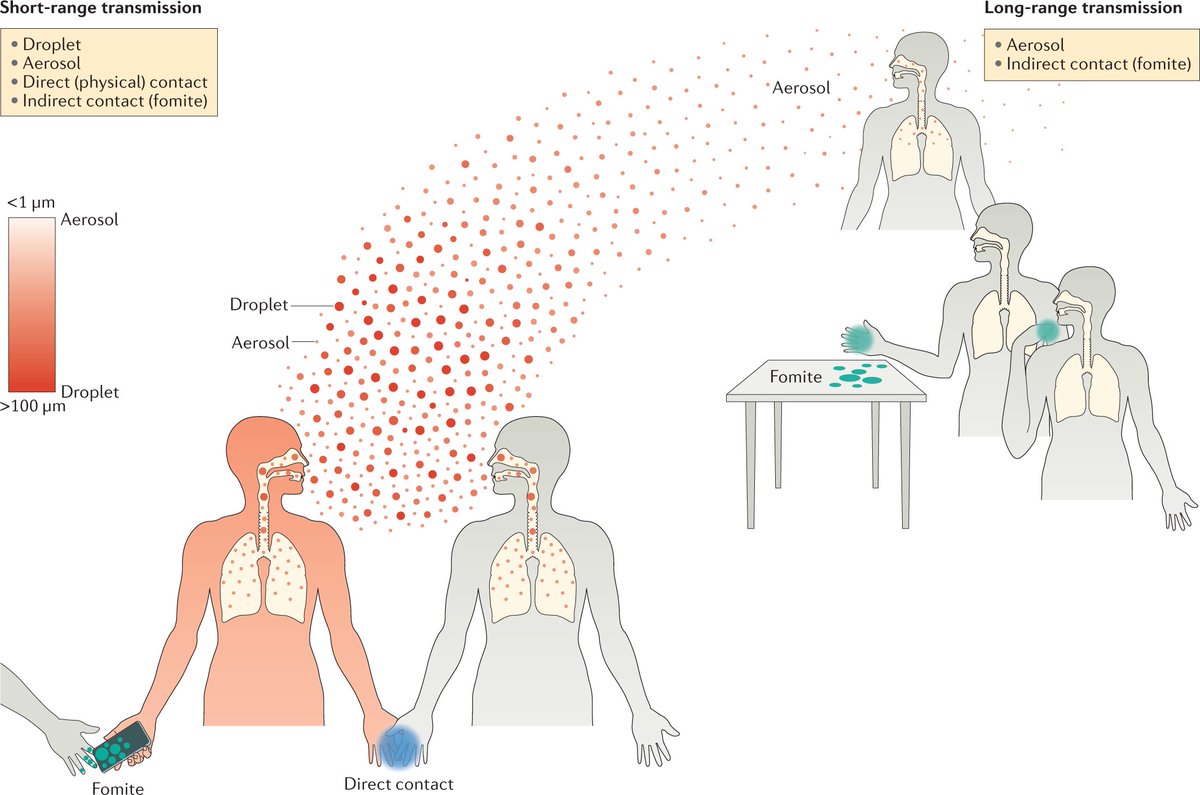
Someone just coughed on you.
You were on a crowded flight.
Now your coworker is sick.
The window to prevent infection is narrow.
Here’s exactly what to do in the critical hours after a high-risk exposure 🧵1/13
The sooner you act the better. Respiratory viruses attach to cells and begin replicating within hours of exposure. Most interventions work best when started immediately and continued for 3-5 days (the typical incubation period) /2 brandonluumd.substack.com/p/doctors-guid…
Green tea gargling is possibly most effective:
↓ Overall infection risk by 26% vs control
↓ Influenza infection by 31%
↓ Acute upper respiratory infections by 22%
Protocol: Gargle with brewed green tea for 20 seconds, 3 rounds. Repeat up to 3x/day for 5 d after exposure. /3
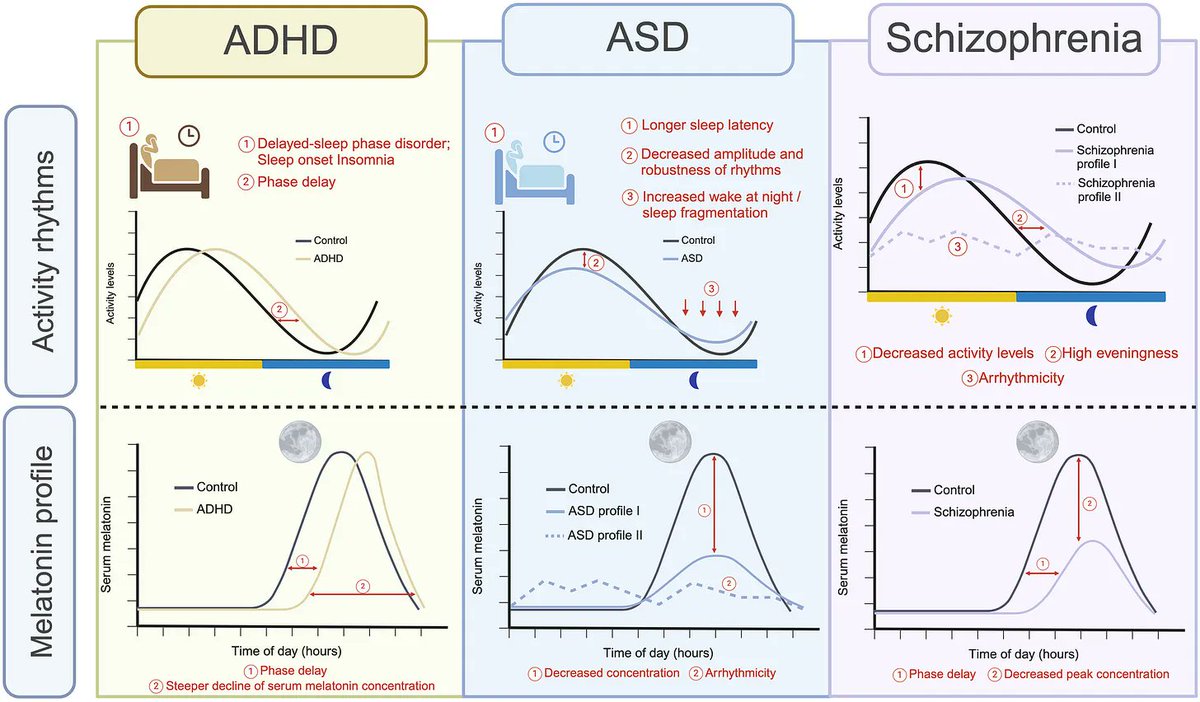
Circadian rhythm dysfunction is highly prevalent in ADHD
Up to ~75% of patients have delayed sleep and wake timing, and shifting the clock earlier is linked to symptom improvement
I just published a paper on what this means for treatment. Here’s what we found 🧵1/12
The circadian system is fundamentally disrupted in many with ADHD:
-73-78% of people with ADHD have delayed sleep/wake cycles
-80% experience insomnia
-Dim-light melatonin onset has been found to occur ~90 minutes later in adults with ADHD compared to controls /2
Changes in biological markers corroborate this: cortisol rhythms are blunted and delayed and core clock genes (BMAL1/PER2) show attenuated rhythms. /3
Sleep deprivation impairs memory by up to 40%, glucose tolerance by 22%, and mitochondrial respiration by 18%
But strategic interventions (HIIT, creatine, caffeine, bright light) can help prevent/reverse this damage when sleep isn't an option
Here's what you need to know🧵1/13
For the full deep dive with all the studies and protocols, listen to a full podcast I recently joined and read the full protocols here: brandonluumd.substack.com/p/if-youre-sle…
HIIT: Metabolic Protection
Just 10 intervals of 60s at 90% max effort protects you from sleep restriction metabolic damage. Without exercise, glucose tolerance worsens +22% and mitochondrial function drops -18%. HIIT completely prevented these metabolic impairments. /3
Could restricting carbs for one day lead to the same benefits as fasting?
A new study suggests yes: carb restriction alone (same calories) produces similar fat-burning shifts and reduced triglycerides as calorie restriction… but there is a catch.
Let's break it down 🧵1/9
Intermittent fasting and keto promise similar metabolic benefits: enhanced fat burning, weight loss, better blood lipids (in some cases)
But fasting days are brutal. Keto requires constant vigilance
Researchers asked: What if it's the carb restriction, not calorie restriction, driving the benefits? /2
The study: 12 healthy adults (avg age 27) tested 3 interventions in random order:
-Normal diet: 55% carbs, normal calories
-Low-carb normal calories: 50g carbs, same total calories
-Low-carb restricted: 50g carbs, 75% fewer calories
Then tracked metabolic response to high-fat meal /3