Here are ways to dress up in the summer if you wear menswear. 🧵
https://twitter.com/LinkofSunshine/status/1961619137404576034
We will start with the most formal and work our way down, so that you can adjust things in ways that make sense for you.
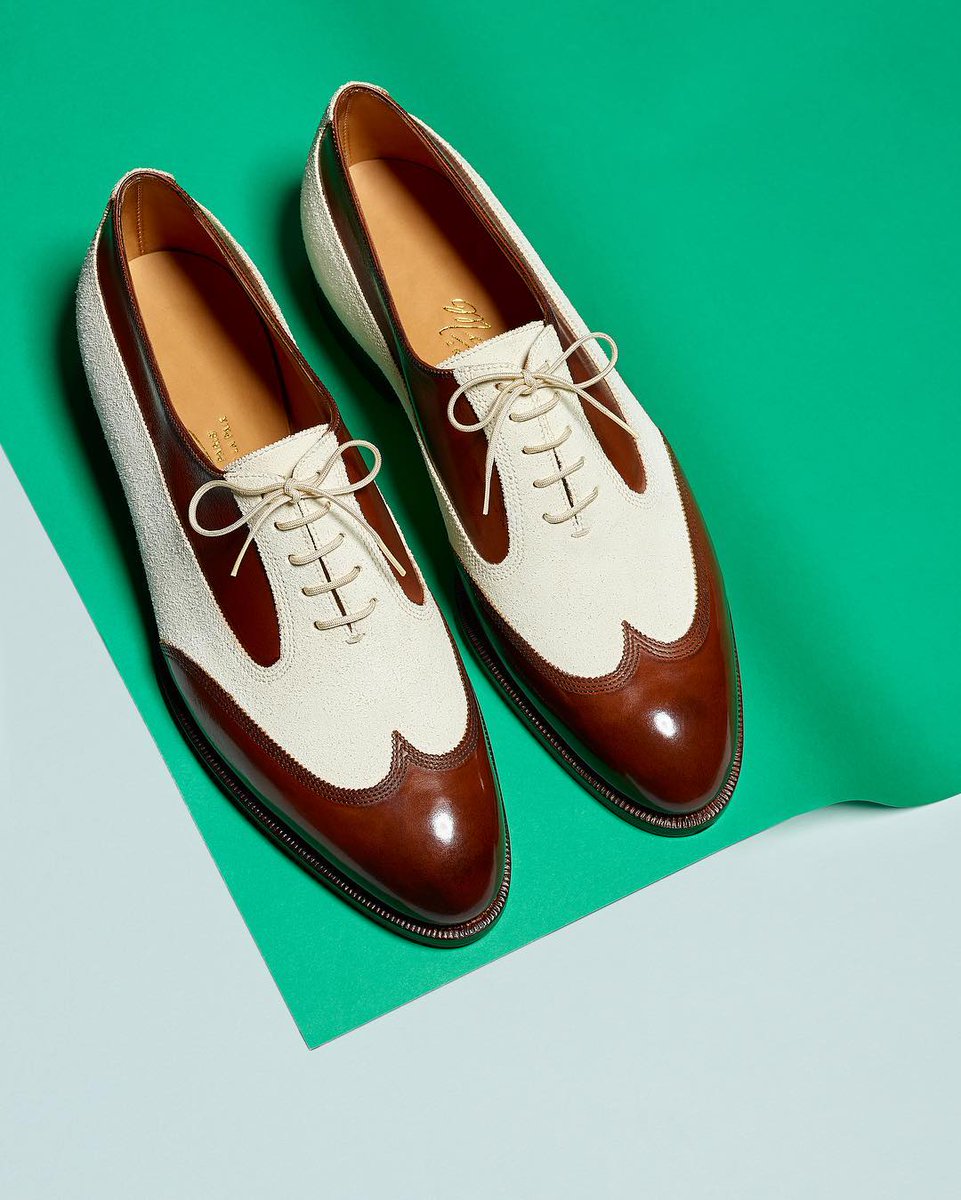
The first and most obvious choice is to wear a soft-shouldered suit rendered in a material such as linen or seersucker. Seersucker can even be tonal (pic 4)
The first and most obvious choice is to wear a soft-shouldered suit rendered in a material such as linen or seersucker. Seersucker can even be tonal (pic 4)


However, when it comes to dressing for the heat, it's important to remember that the fabric's weight and weave are more important than fiber. A 10oz tropical wool — known for its open weave — will wear cooler than a densely woven 14 oz linen because it allows air to pass through
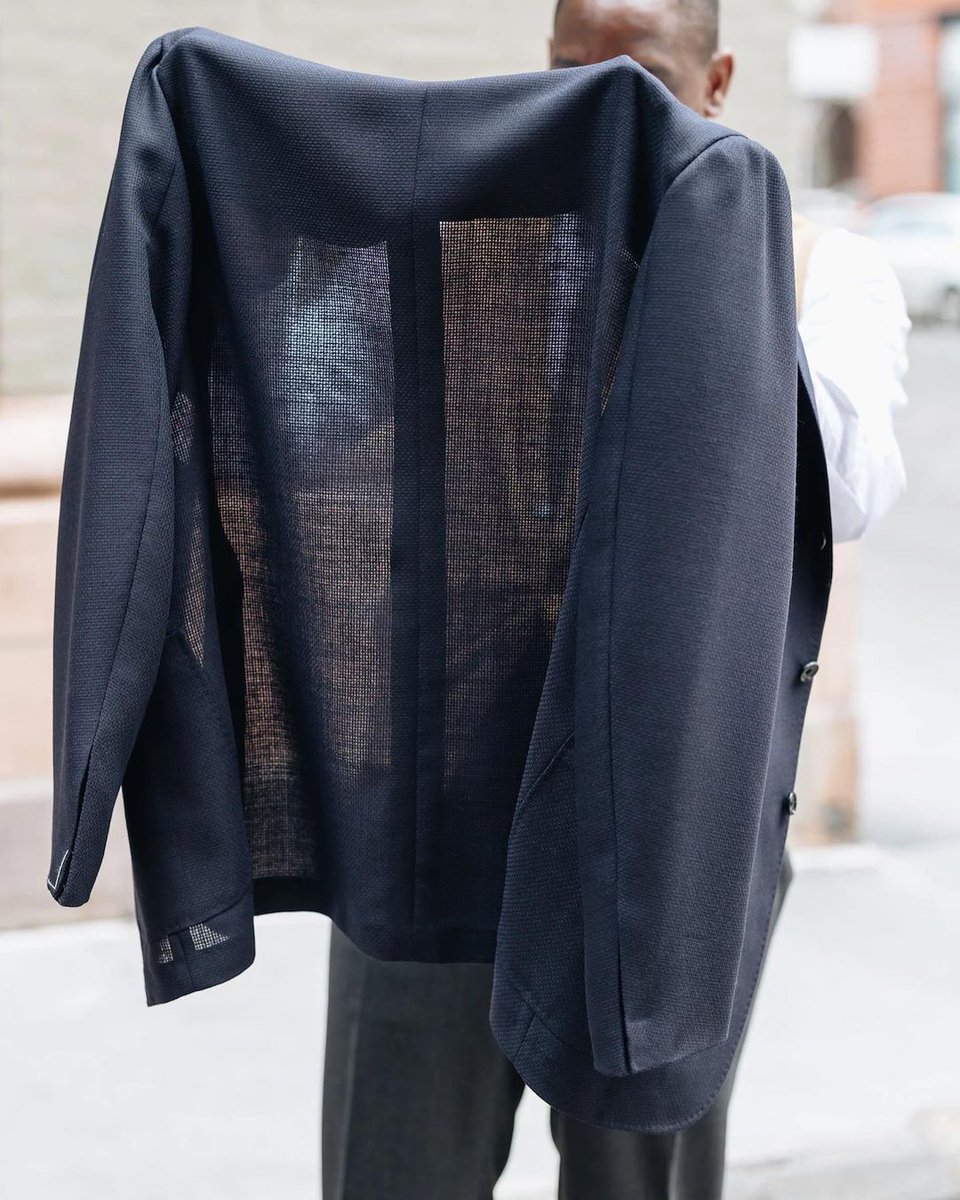
For instance, here's a double-breasted suit made by Assisi in South Korea. The fabric is from Draper's Ascot book, specifically their four-ply, which is a 13oz open-weave wool. When combined with minimal structure and no lining, it can be quite breathable on hot days.

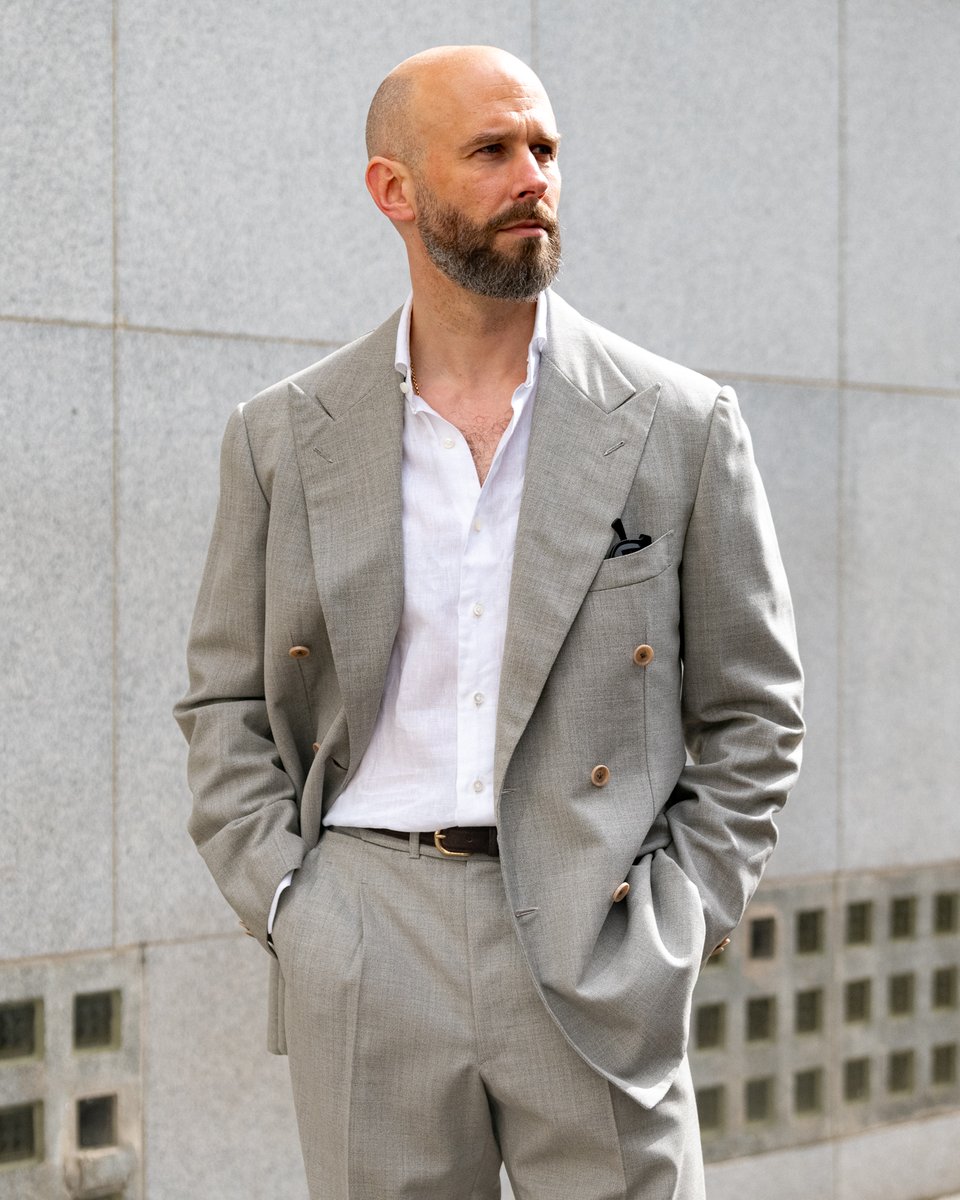
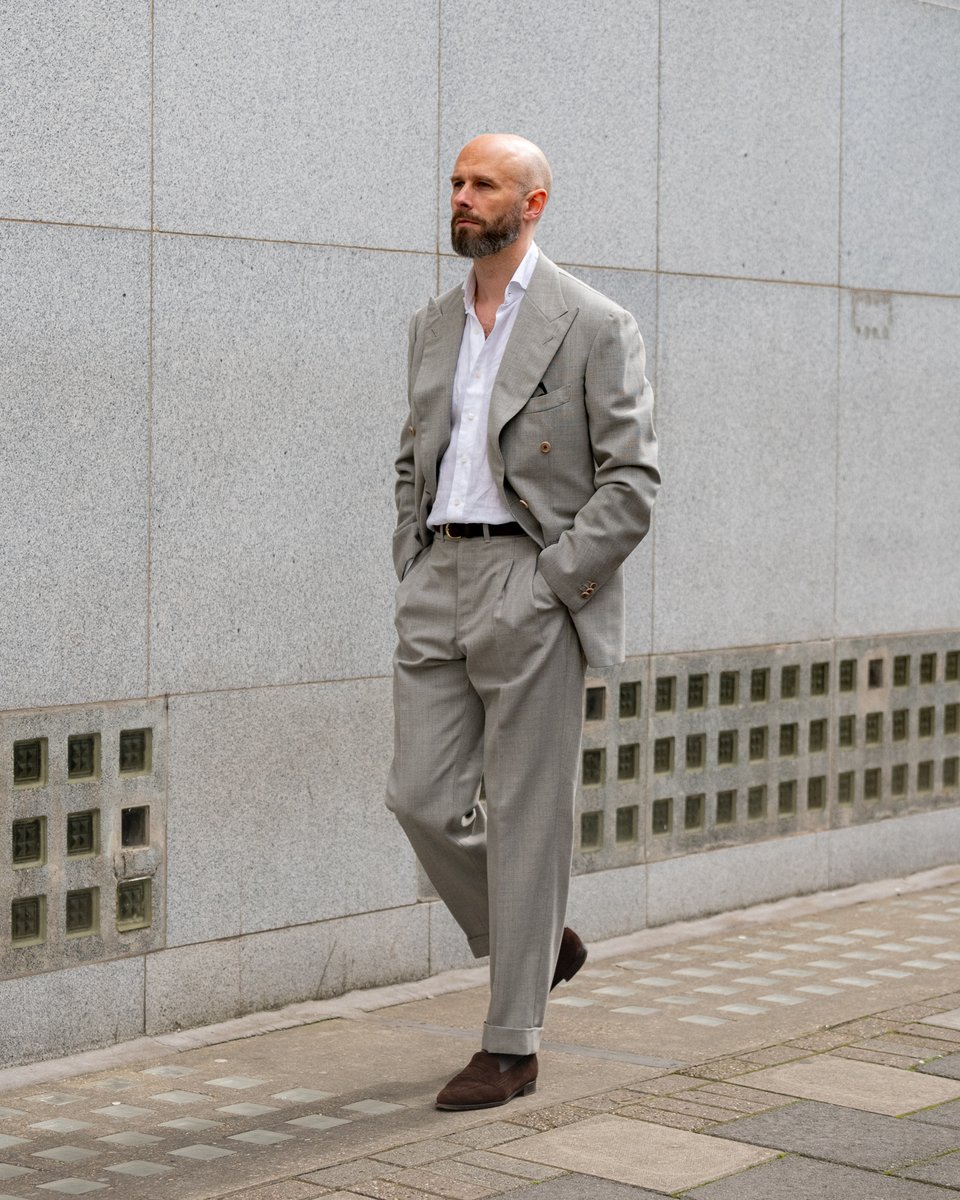
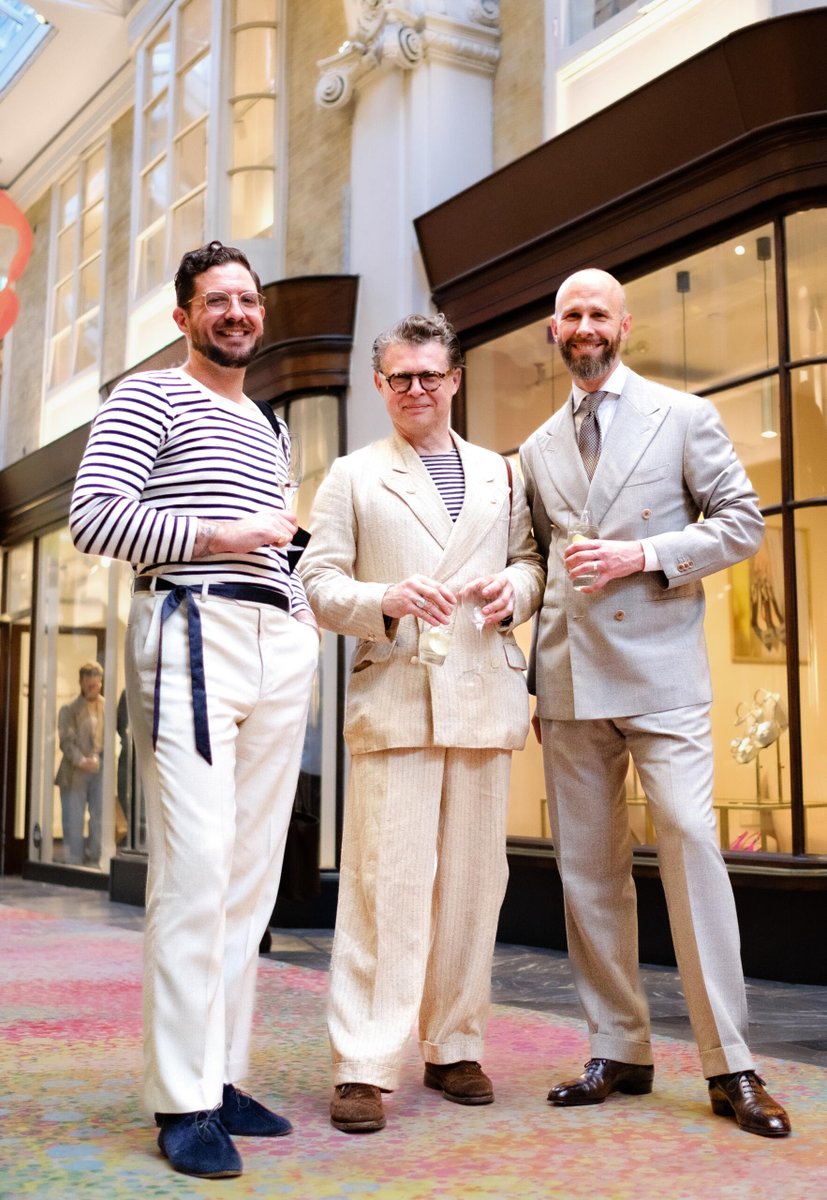
You can dress a suit down in a few ways. First, choose a more casual material or color (e.g. linen vs wool, olive instead of navy). Or team it with casual things. Here's an unusual black linen suit (formal color, casual material) but with a t-shirt. Looks great.
IG aimeleondad
IG aimeleondad
When you do tailoring in this way, you get what I call "happy suits," which are suits that are too casual for business, but things you wear when you want to feel good. They are perfect for going out to a nice restaurant or bar. See all the fun colors here:


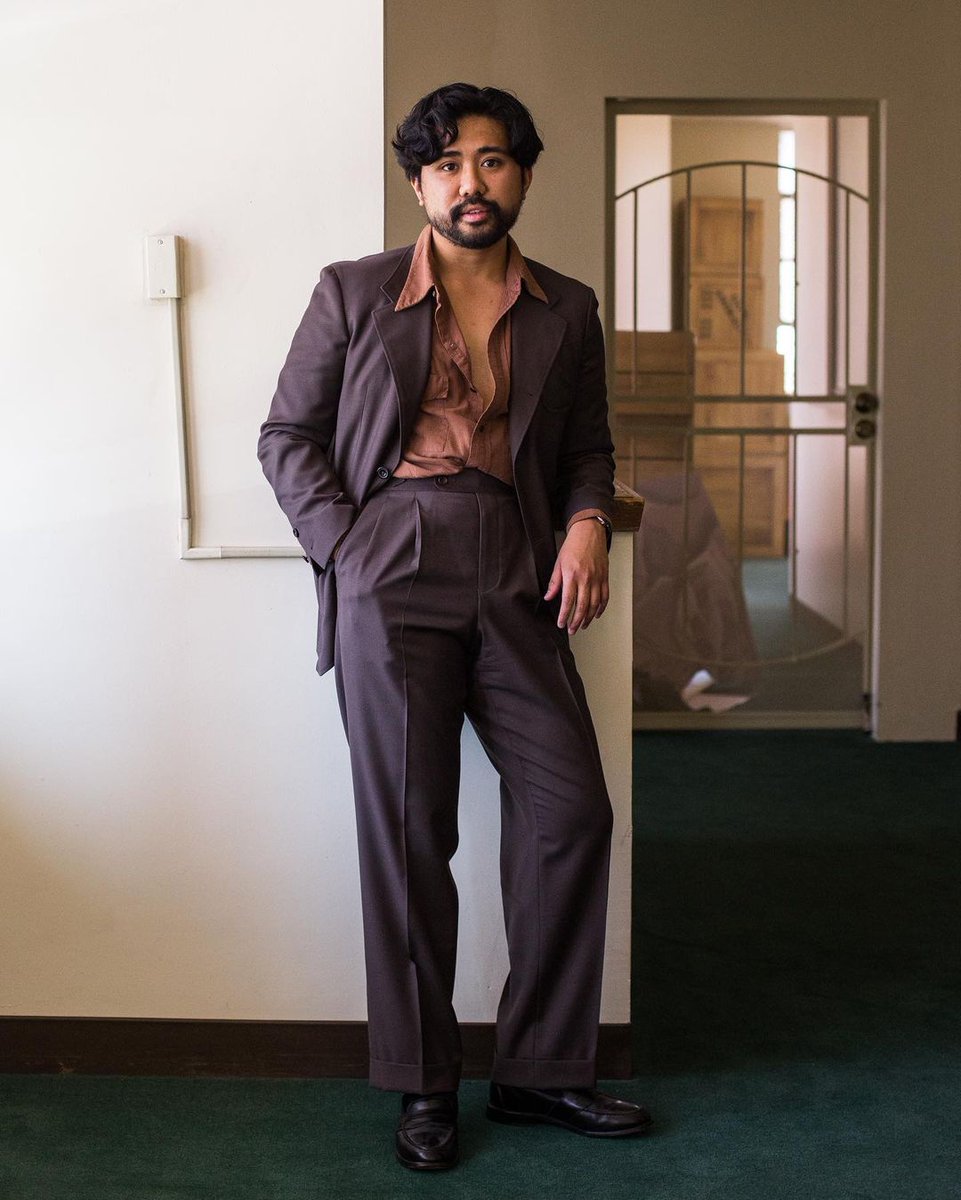
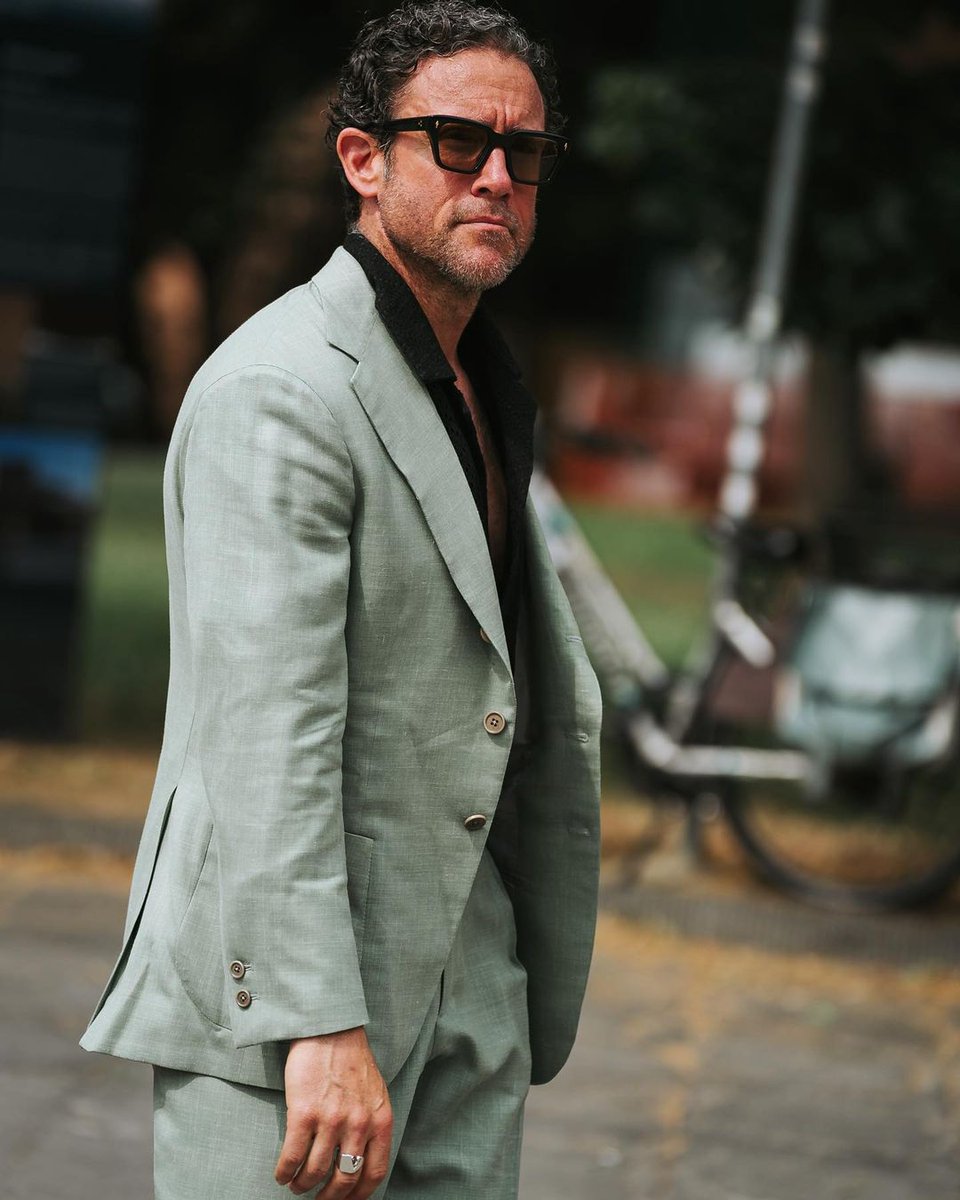
If a suit feels too formal, then you can do a sport coat, which is basically the same as a suit but a step down in formality. If this is your first jacket, start with navy in a summer material like Mock Leno. But thereafter, feel free to have fun with material and color.
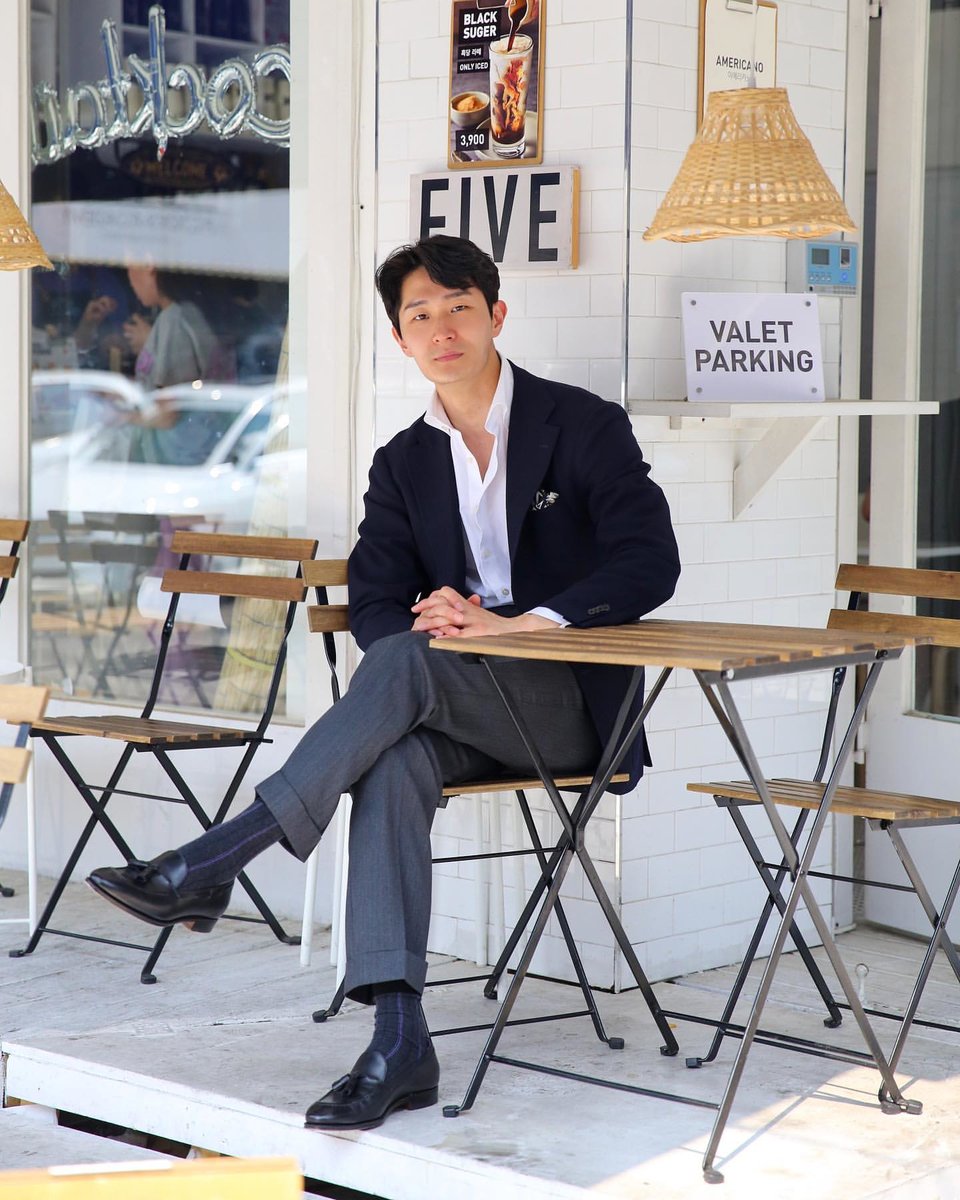
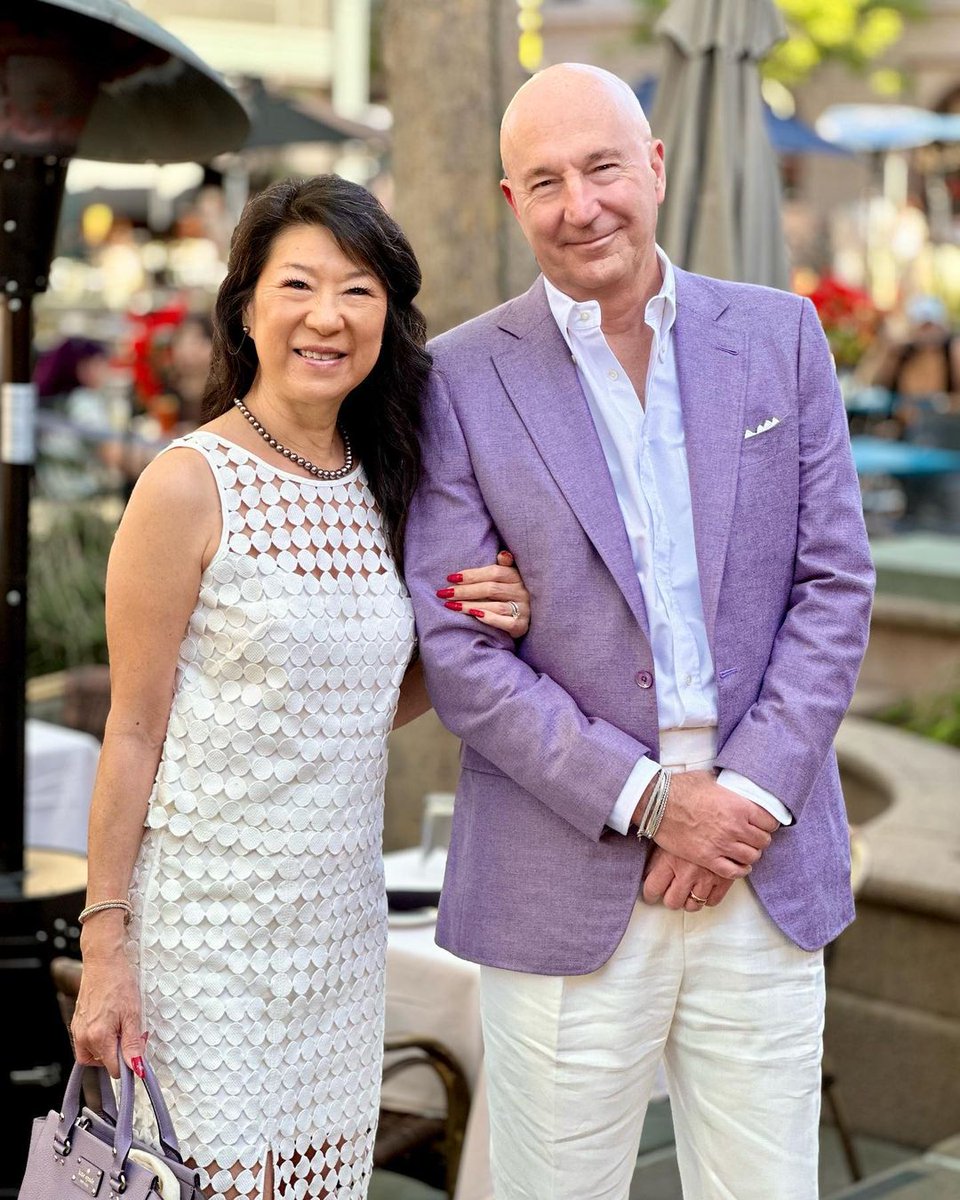
Silk and silk-blends (e.g., wool-silk-linen) work particularly well in the summer. But if you're afraid of the sheen that silk brings, consider wool-linen. The upside to sport coats is that they can be more easily teamed with casual pants, such as jeans (not possible with suits)
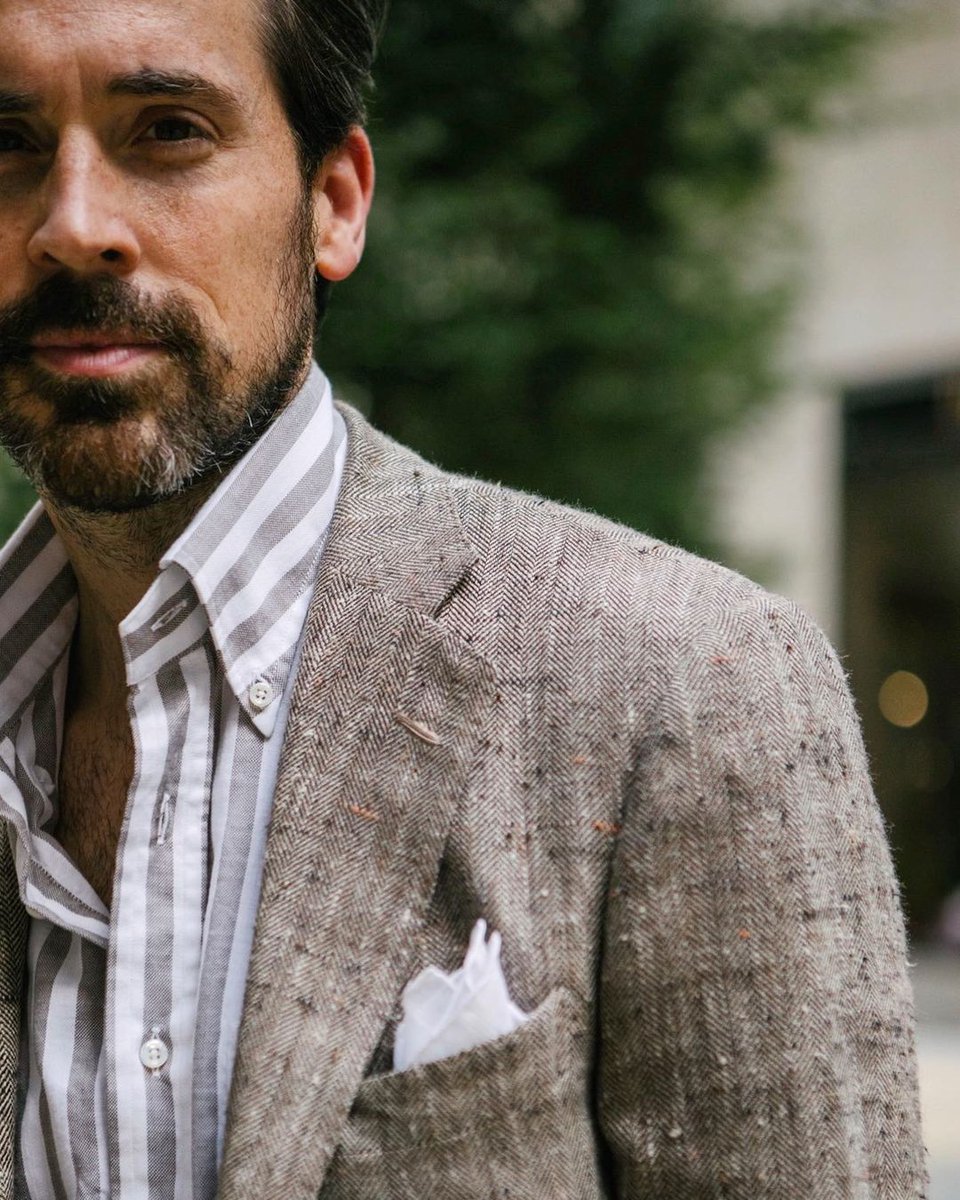
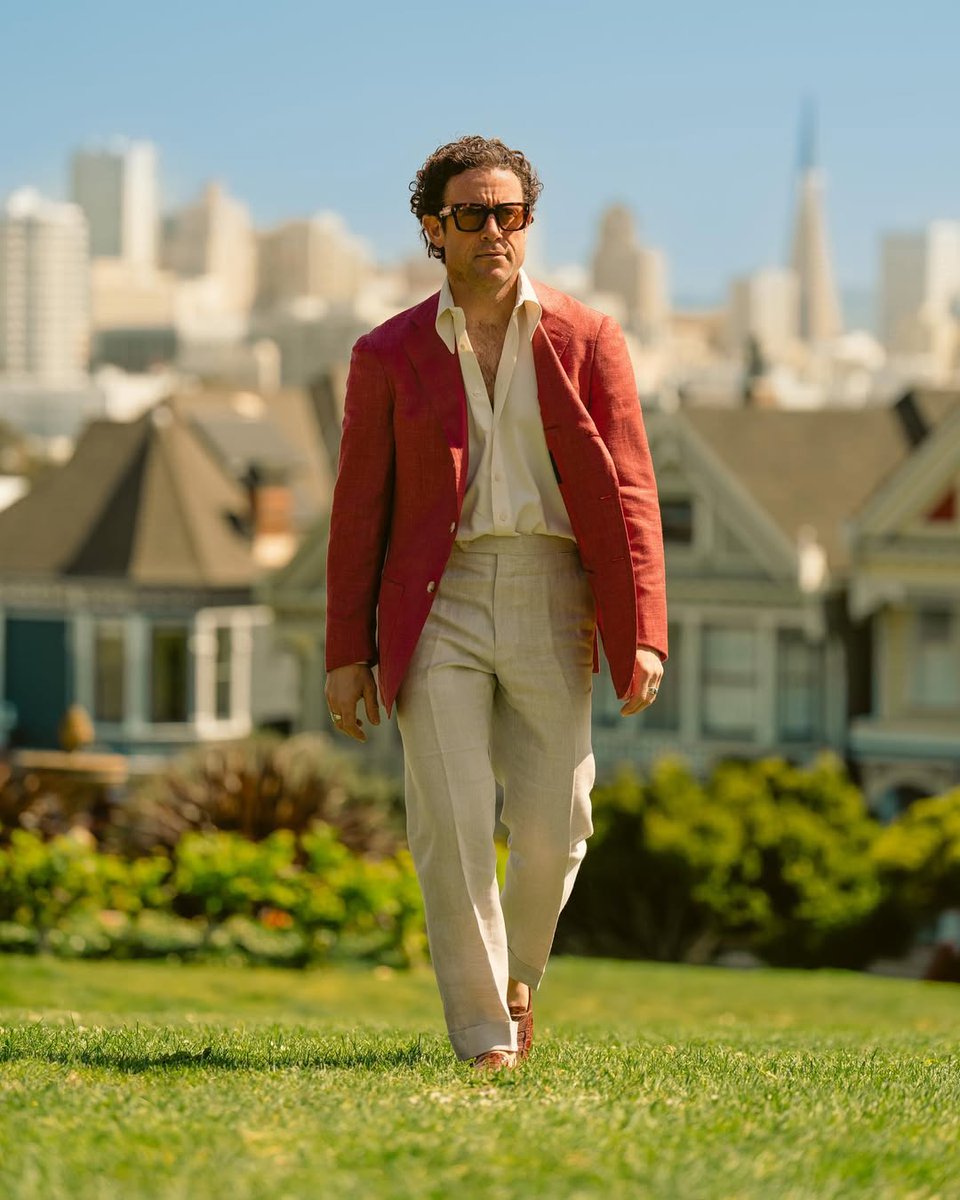
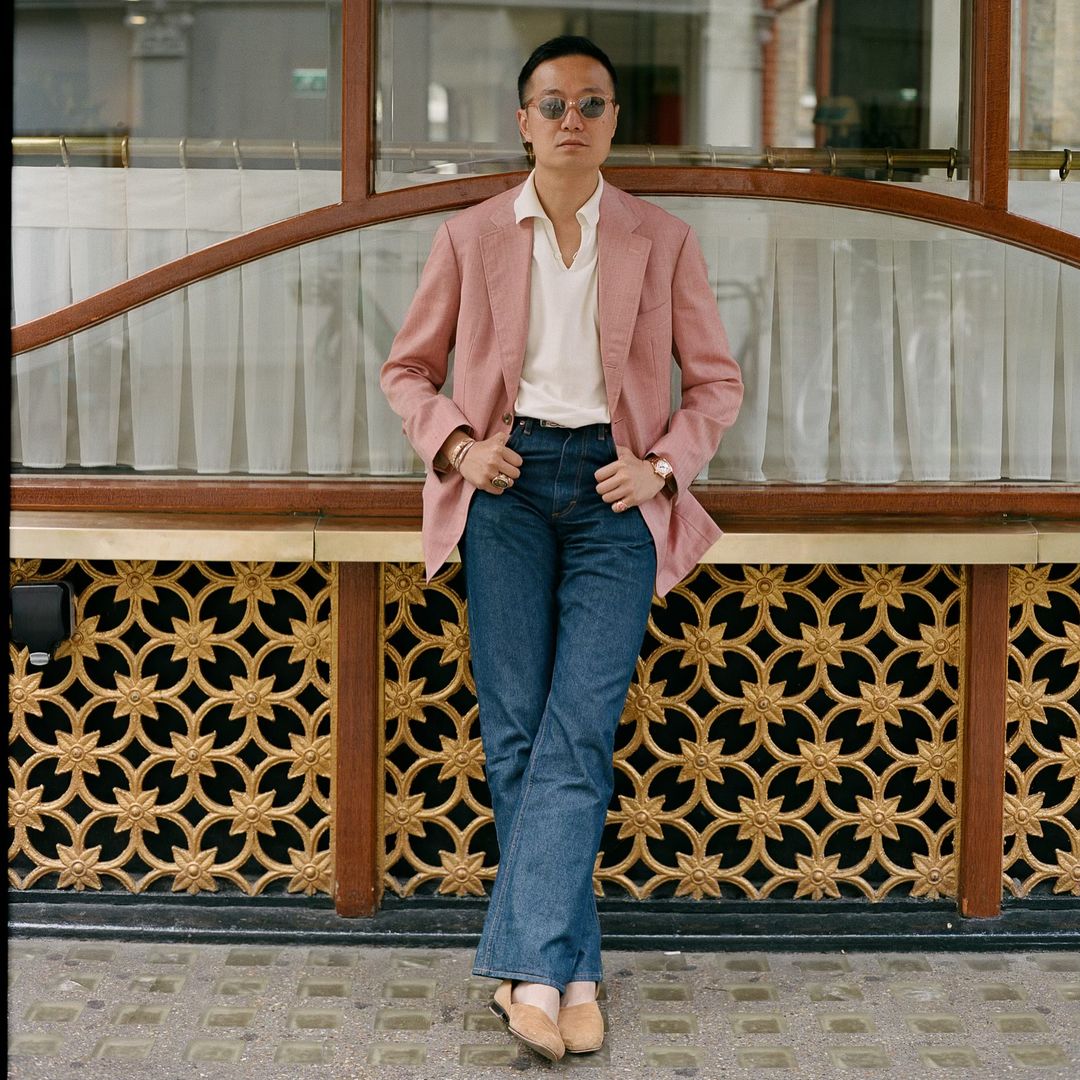
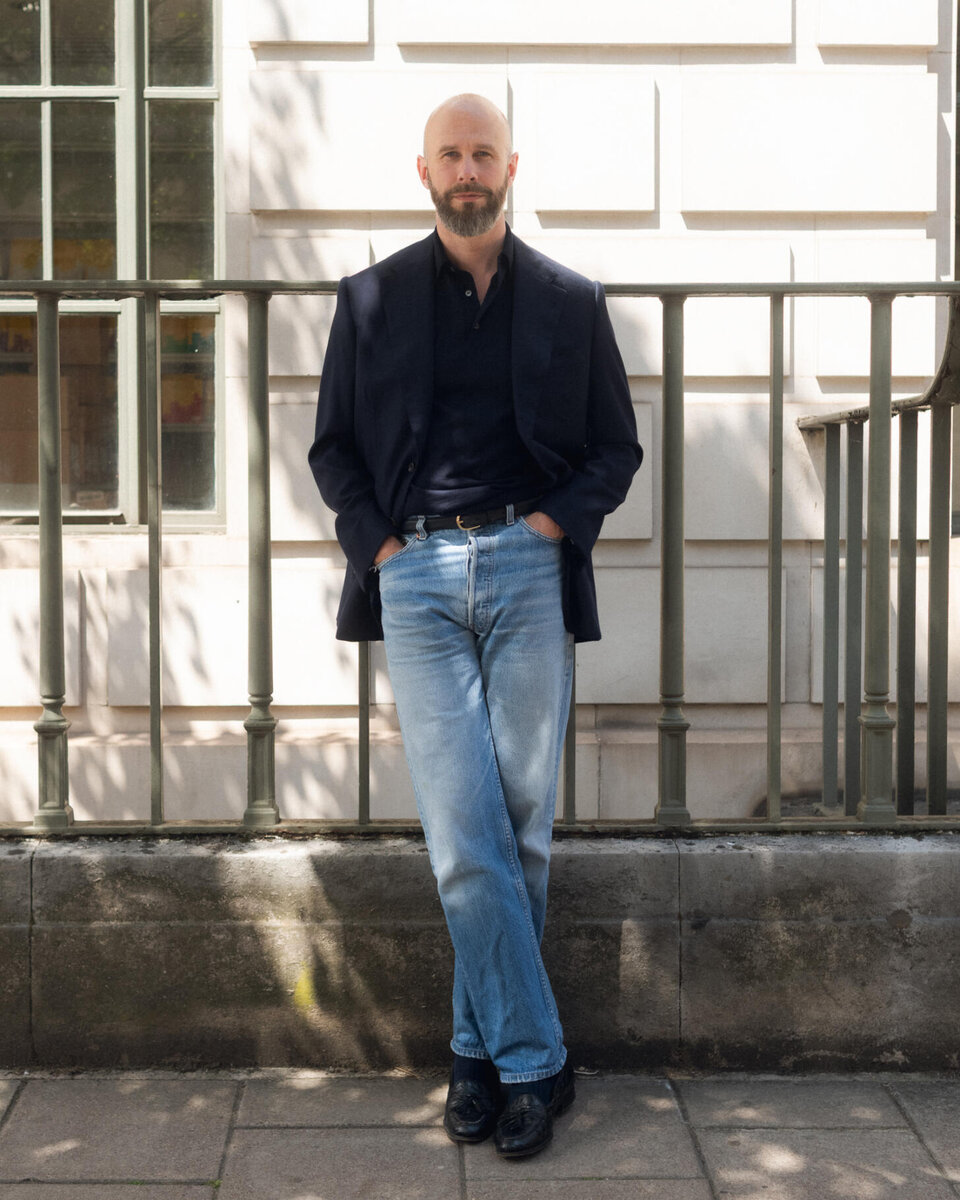
Tailoring is the easiest way to dress up because there's a formula. If it's a suit, the jacket and pants will have been decided for you. You then just choose the shirt, shoes, and tie (if you want to wear one). Sport coat only changes equation a little. Construction can be airy.
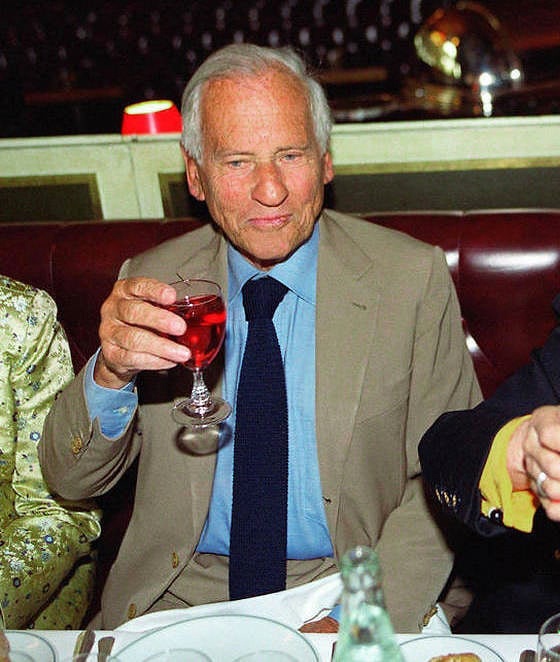
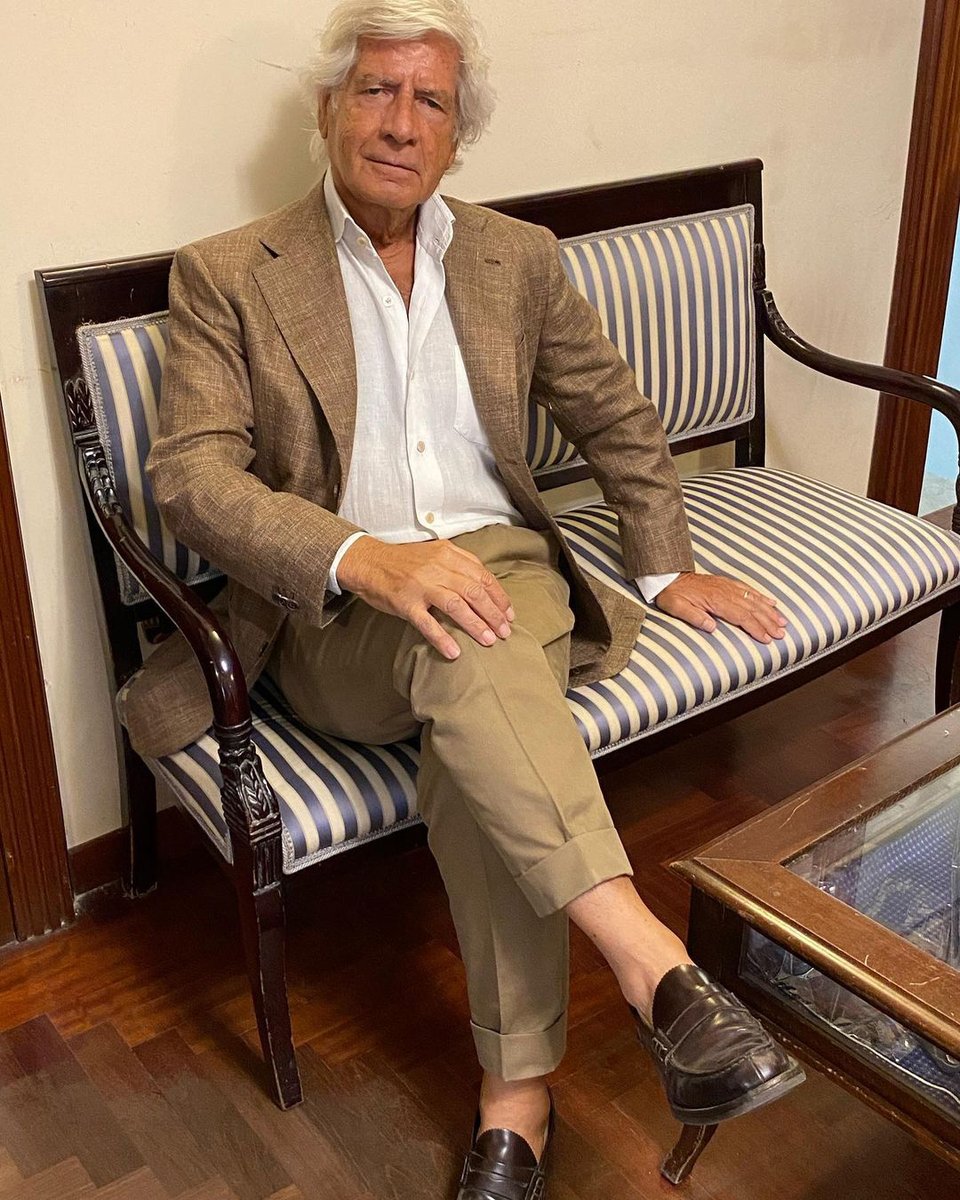
But let's say a tailored jacket is out of the question. We can then move on to shirt + pants. Consider something more tailored for your pants — tailored trousers instead of jeans or chinos. Again, if it's made from tropical wool, this can be very breathable.

Ignore people who say that men shouldn't wear high rise trousers. Skinny, low rise pants work with certain styles, such as the rock 'n roll aesthetic of Lou Reed. But you're probably not dressing like this if you're trying to "dress up." So consider the historical language.
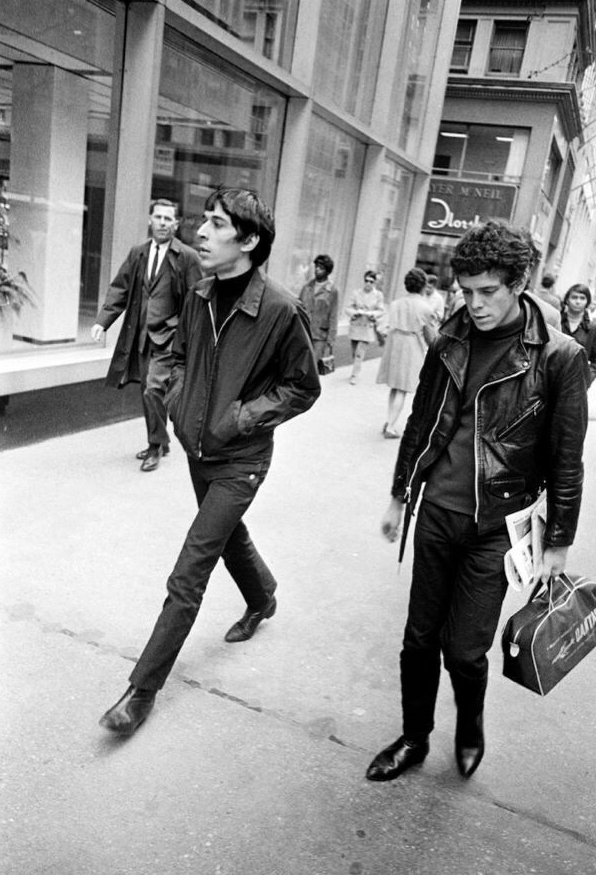
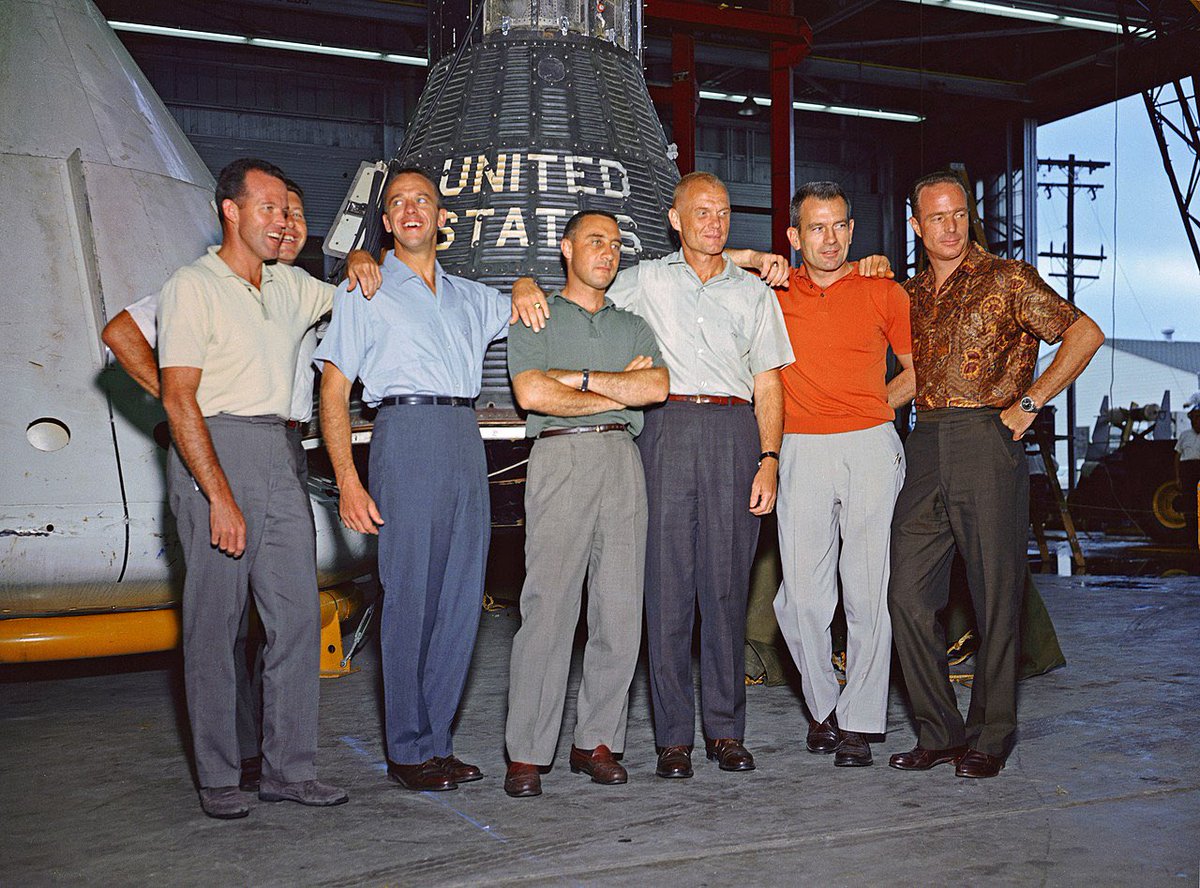
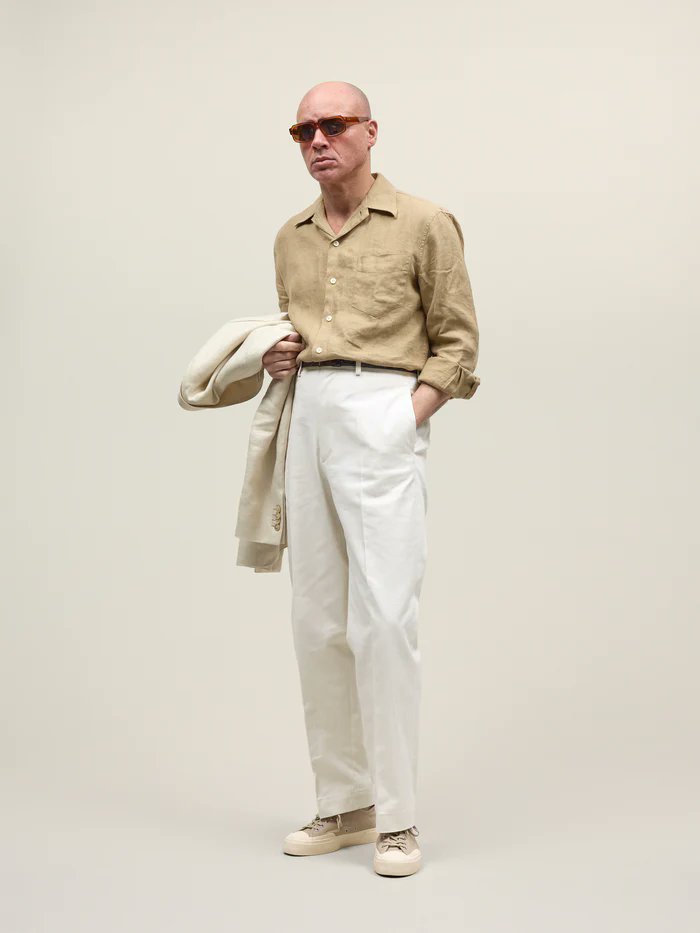
A high-rise, fuller cut pant works best with slightly dressier looks, such as tailoring (or styles that are adjacent to tailoring). This is true for any body type. See how these two sets of men compare:
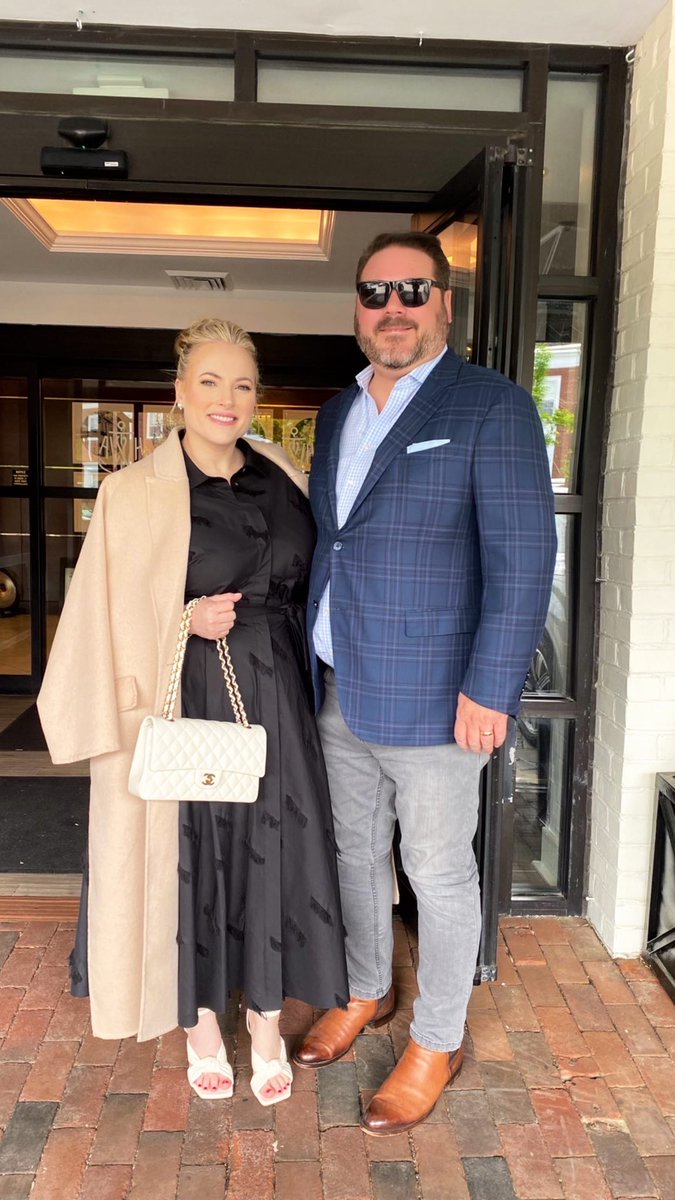
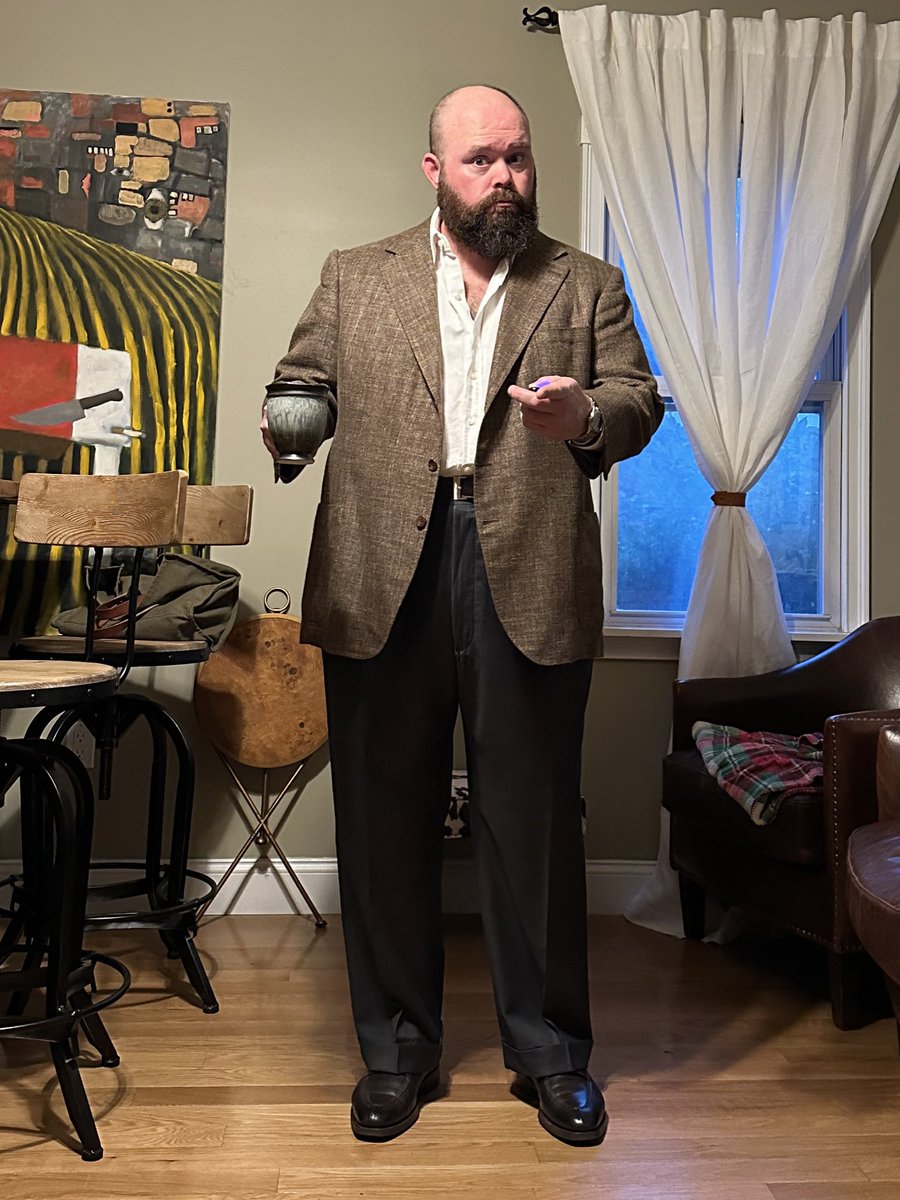
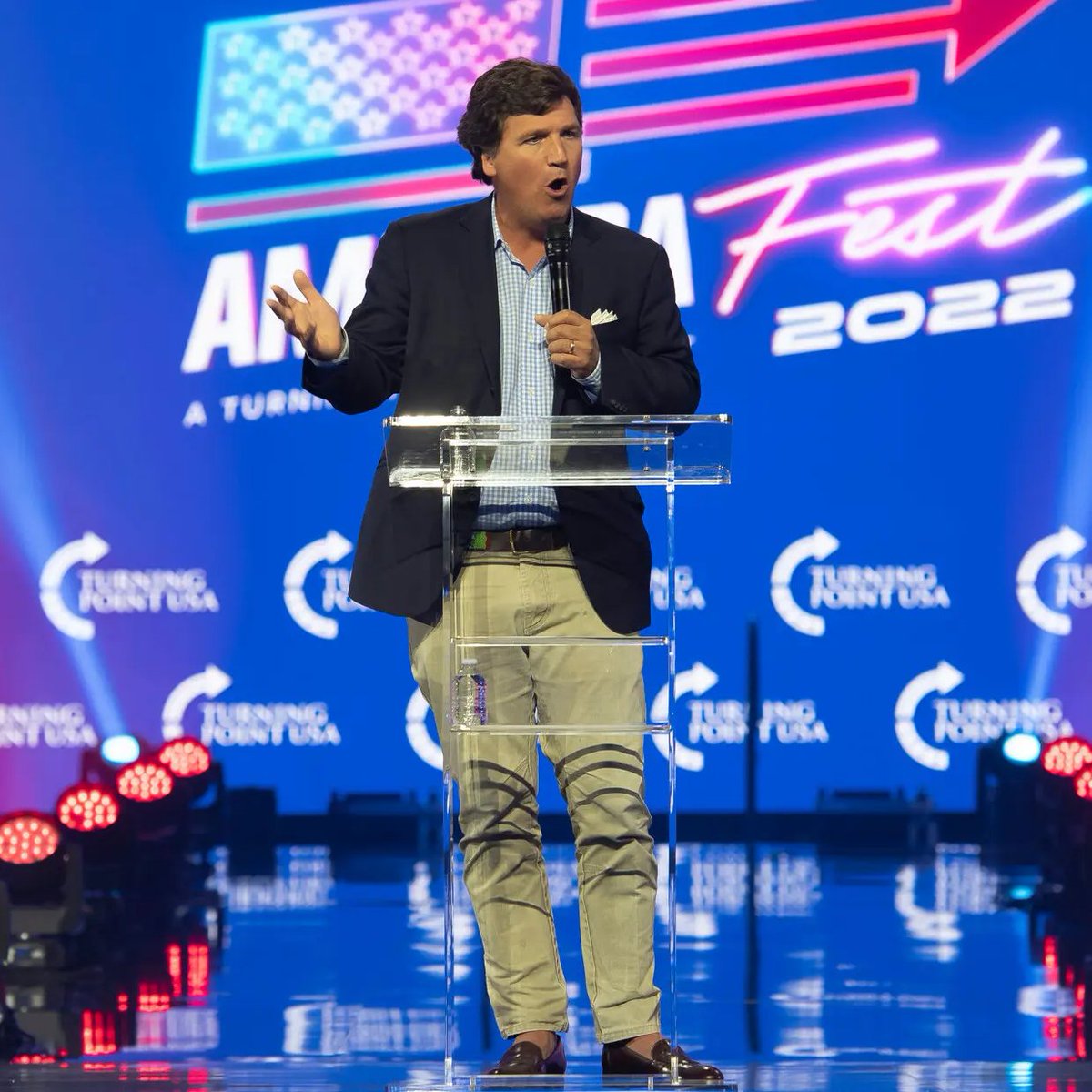

So one step is to get a higher-rise, slightly fuller leg trouser. Ideally in a dressier material, such as tropical wool. But if you want, linen and certain types of cotton pants can work too.
However, if you go with cotton, you'll have to pay more attention to the details.
However, if you go with cotton, you'll have to pay more attention to the details.
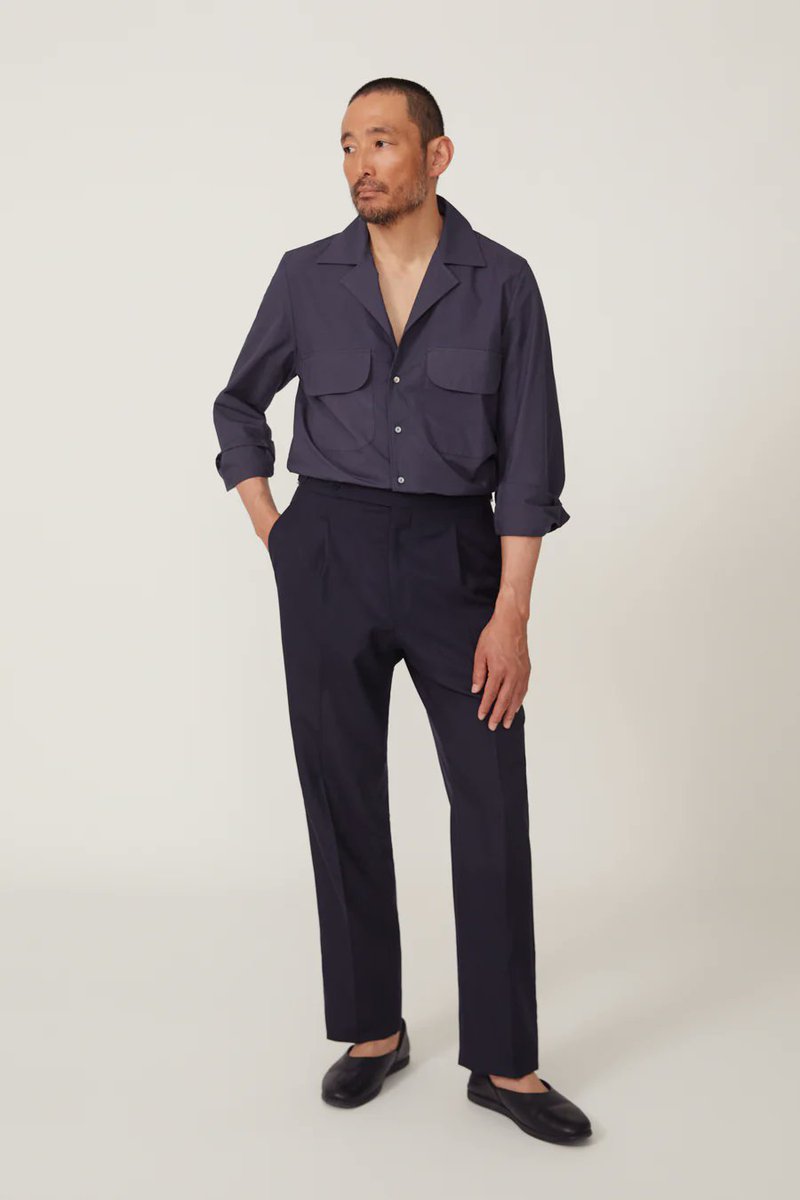
Everything is in the details. In the first two photos, we see J. Crew's double-needle chinos, which have a more rumpled, casual look. In the second two photos, we see The Refinement's chinos (available in Bangkok), which are made like tailored trousers.

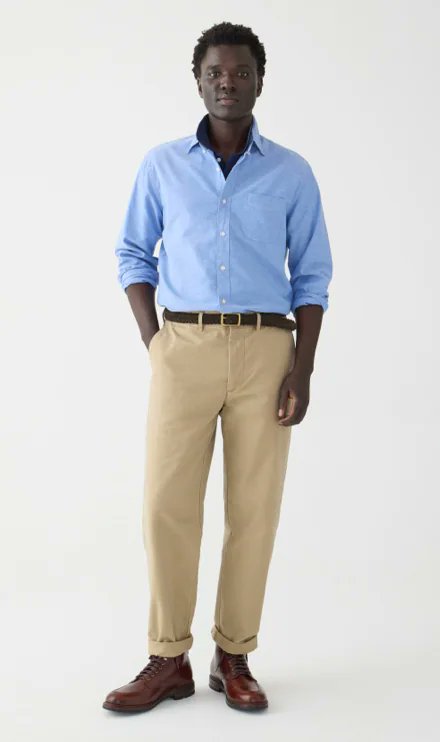
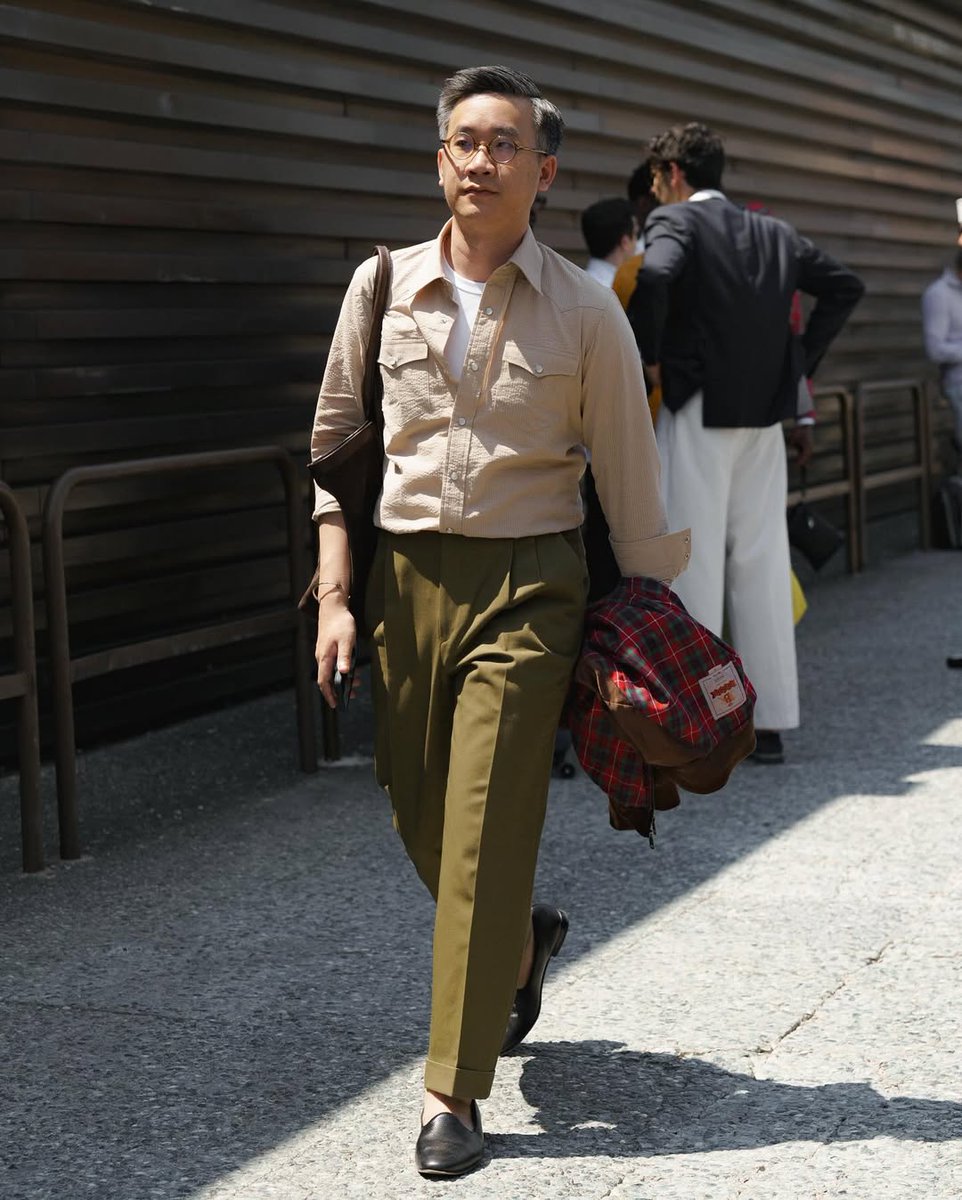

The difference is in the construction. Casual chinos have double-needle seams, giving the side seam a more puckered look. Tailored chinos have a cleaner single needle seam and will have a waistband interlining like wool trousers. They usually have to be dry-cleaned.
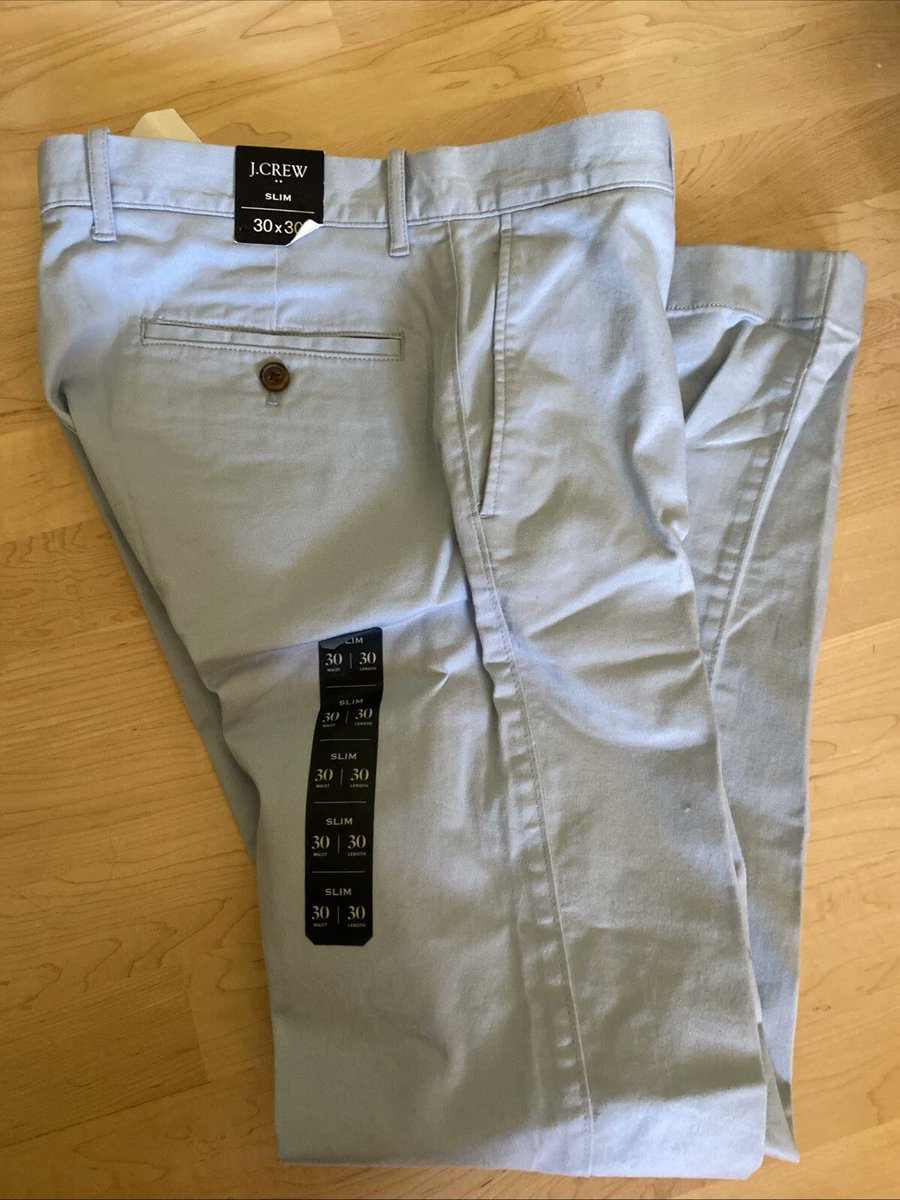
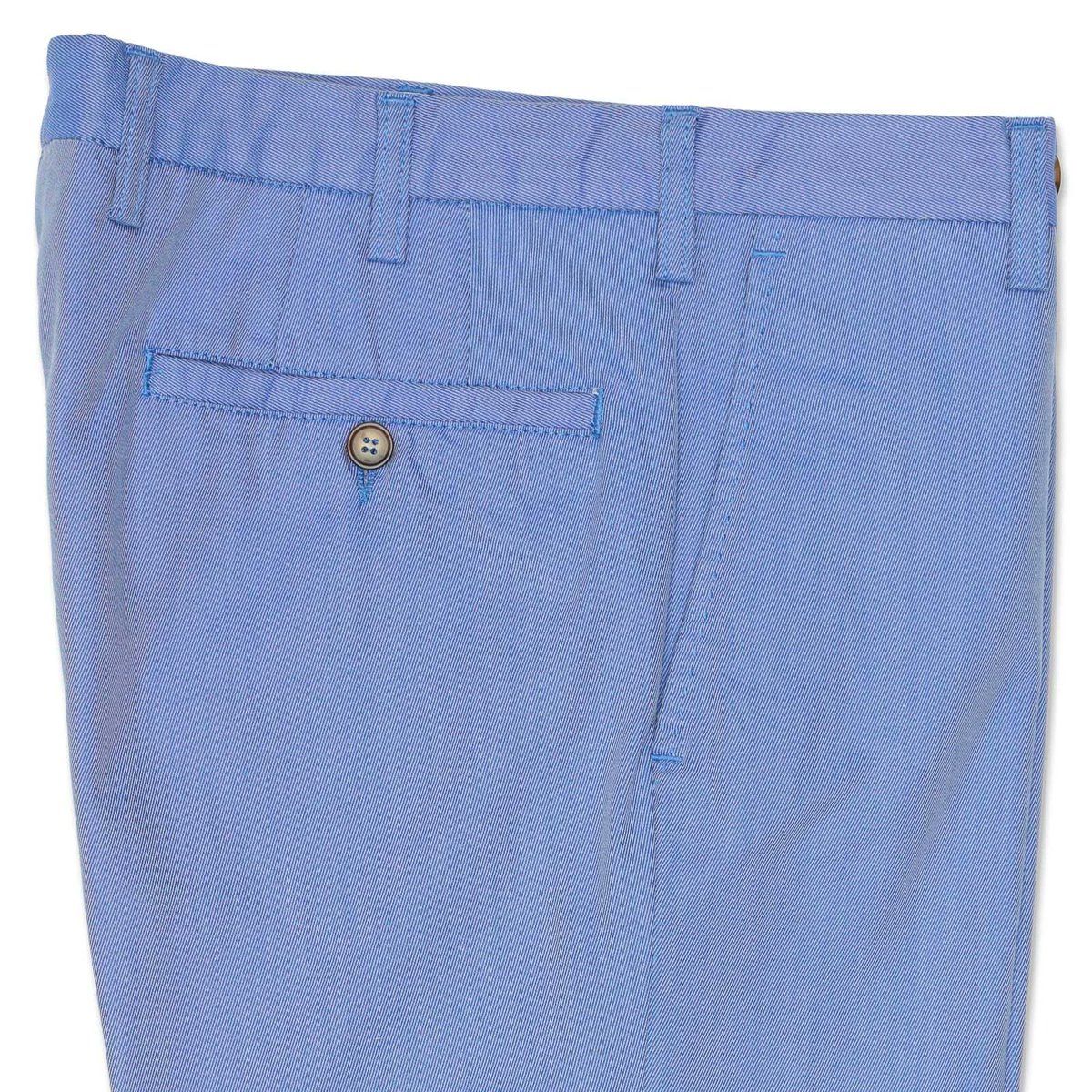
Personally think you should just go for wool. If the trousers are made with an open weave, they will feel cooler than cotton. The pants will also hang better and resist wrinkles. Takes out a lot of guesswork if you're new to tailoring.
IG therefinement.official
IG therefinement.official
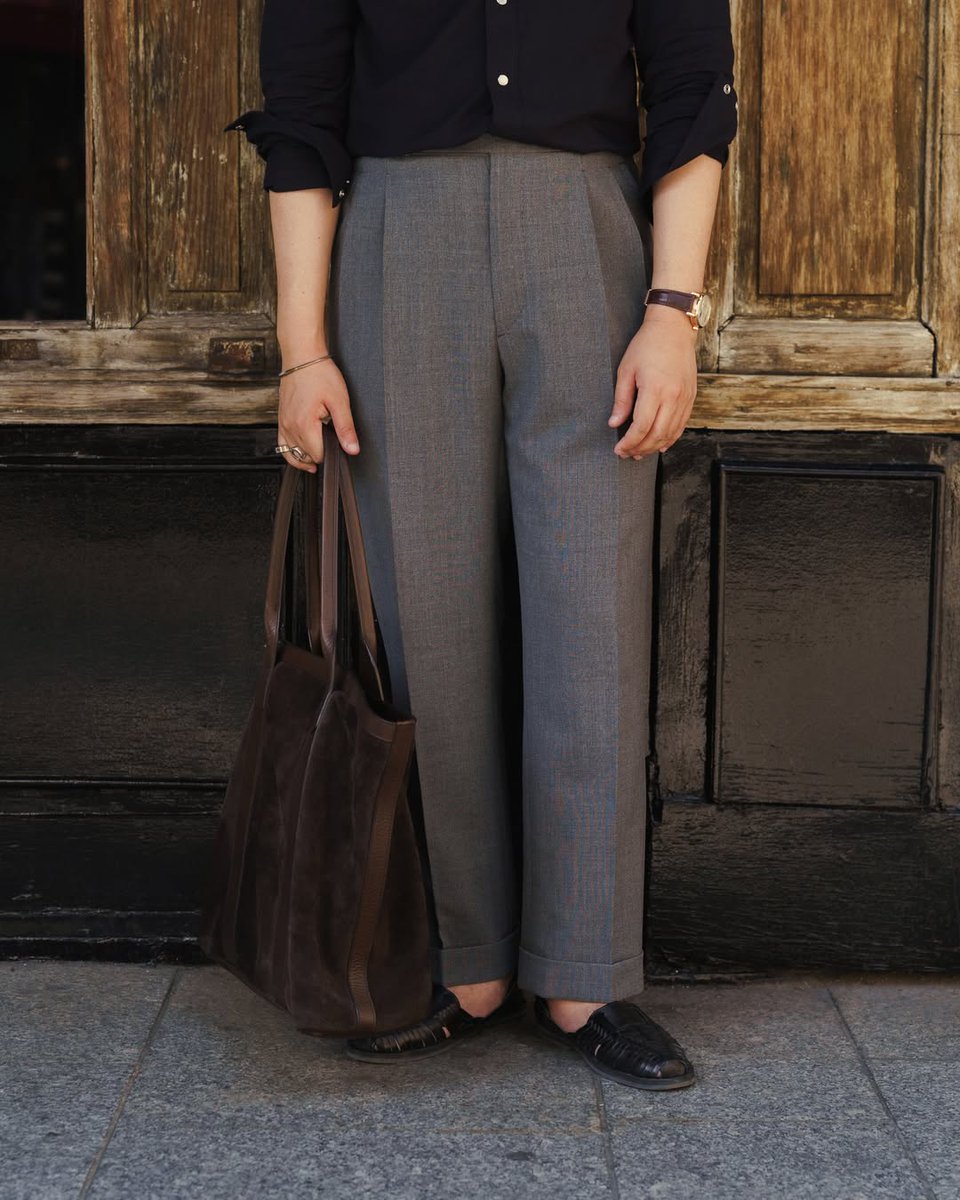
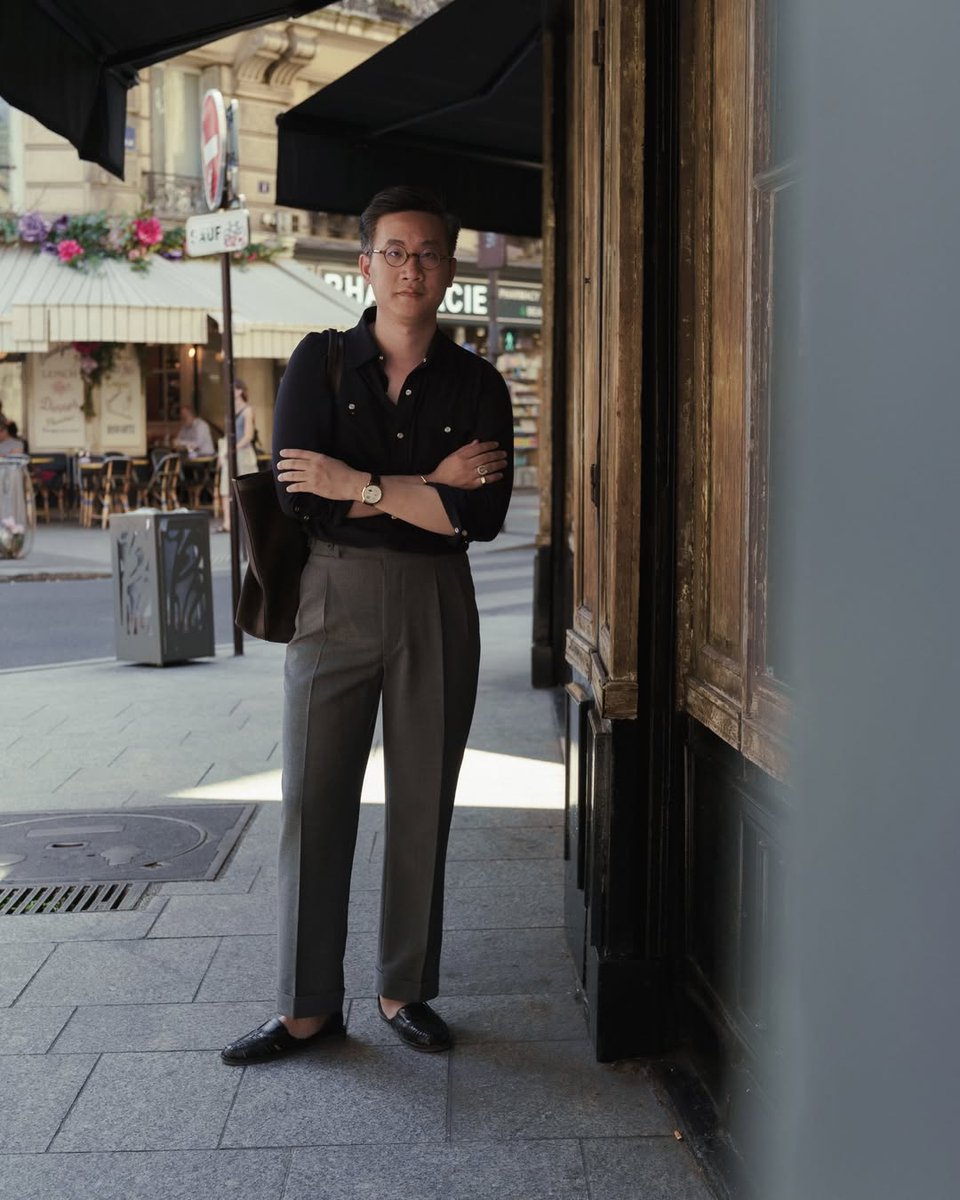
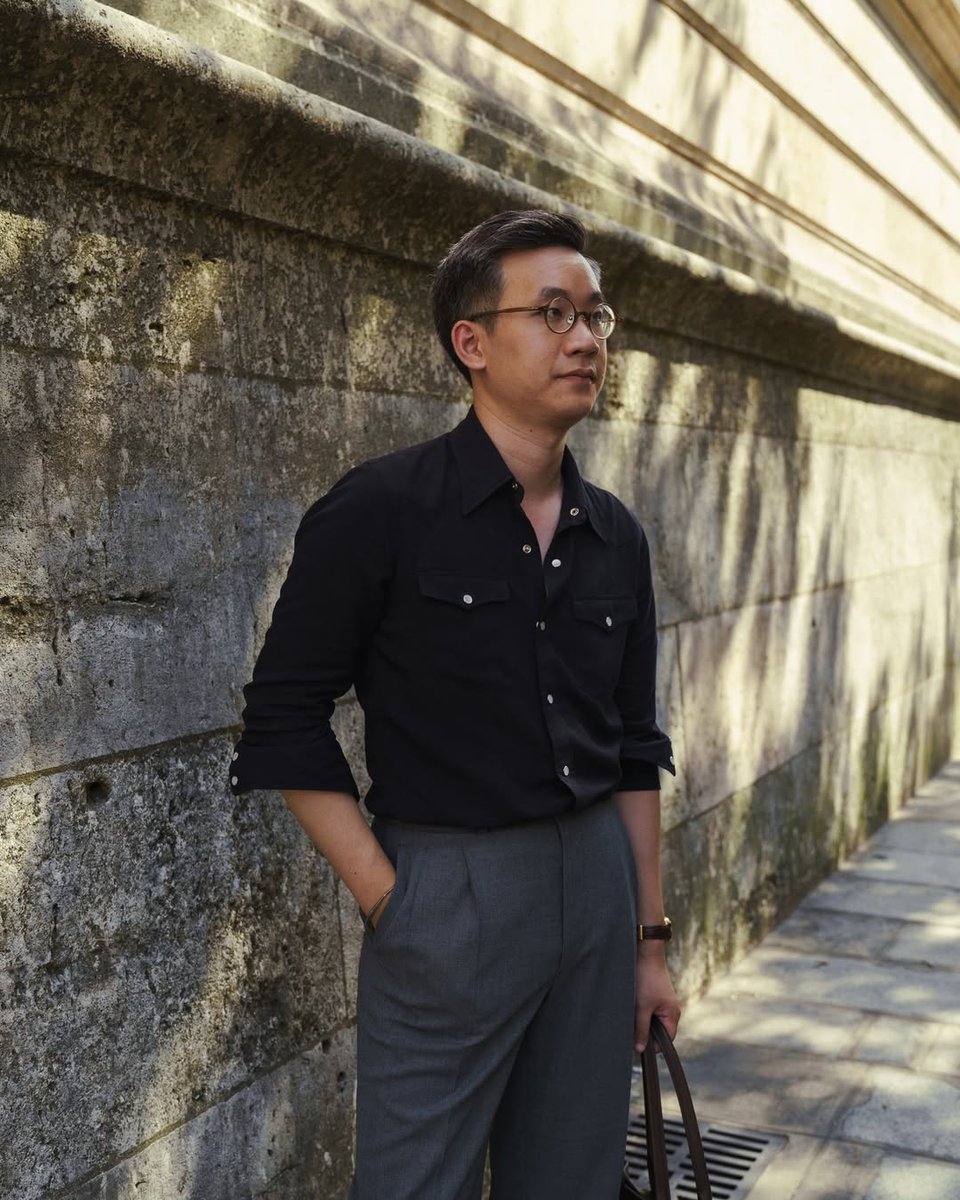
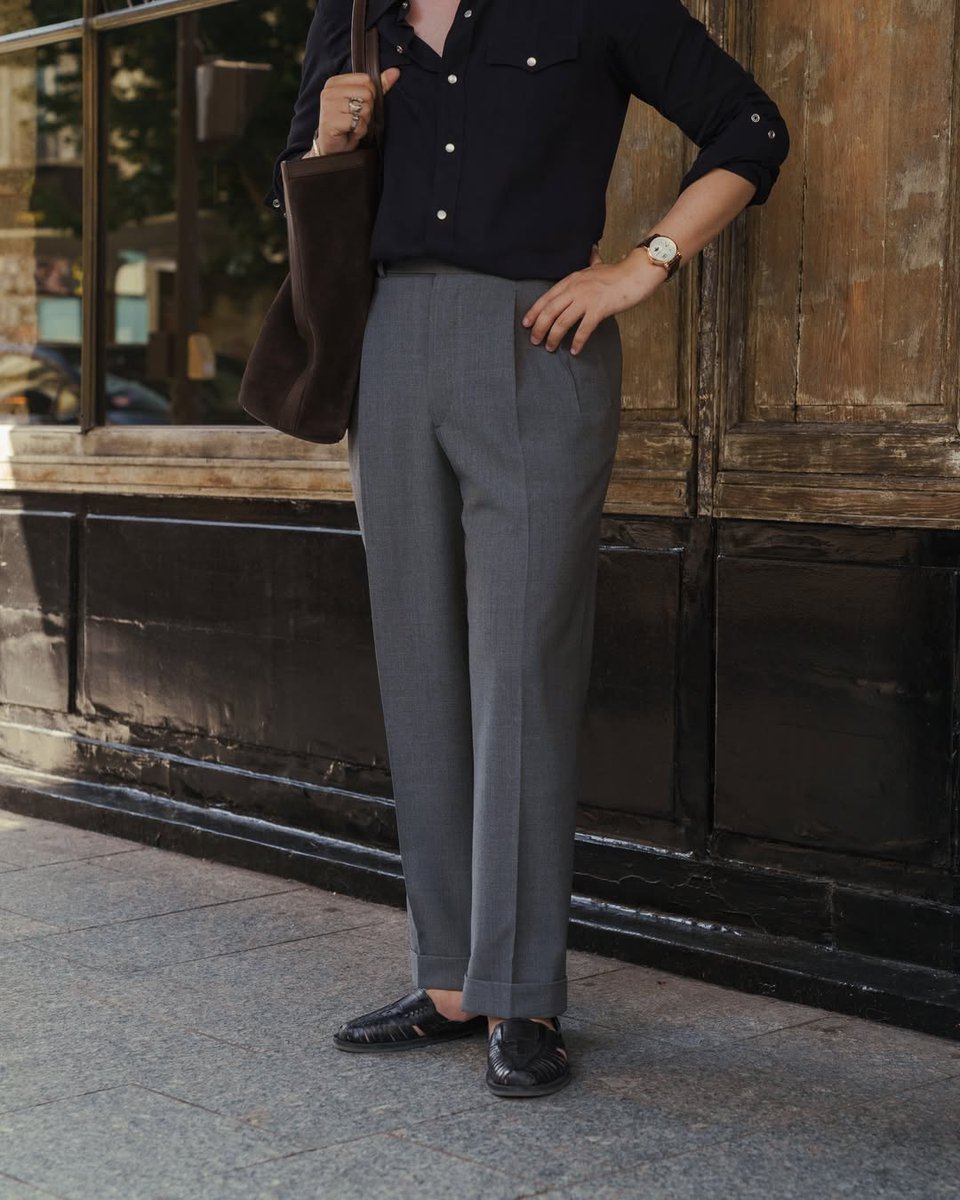
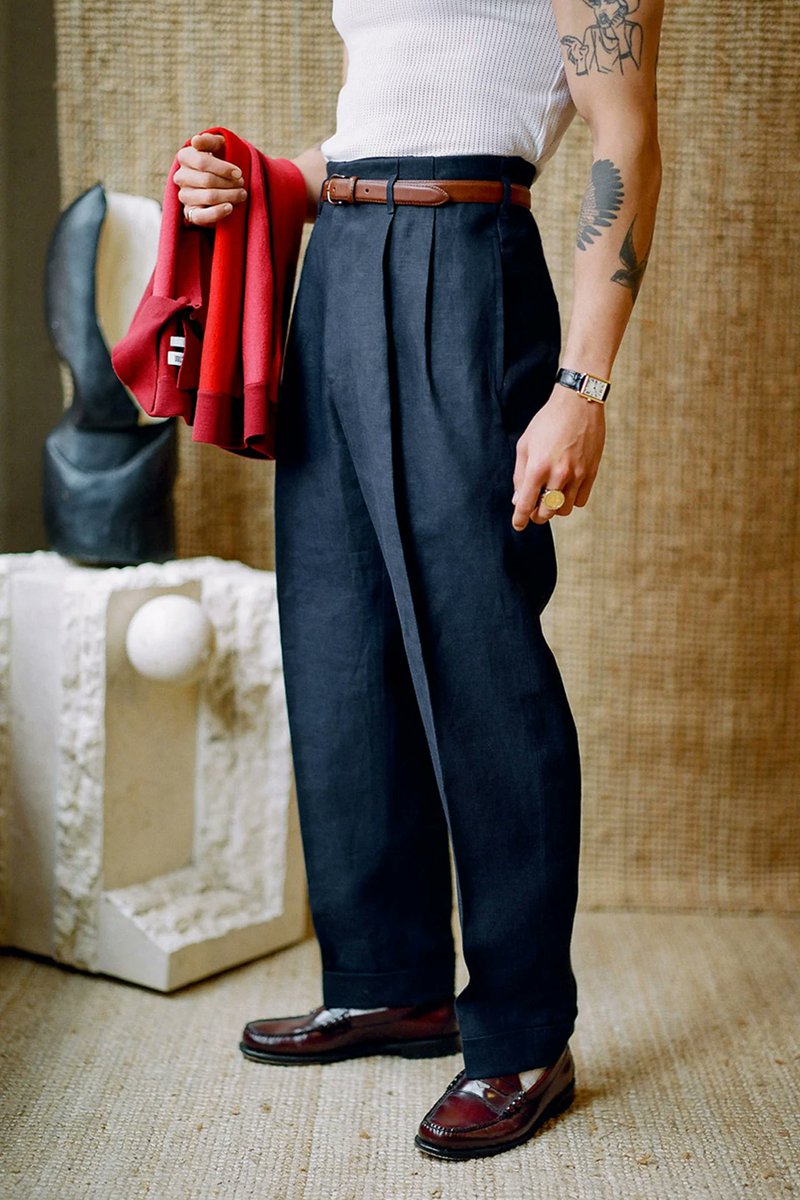
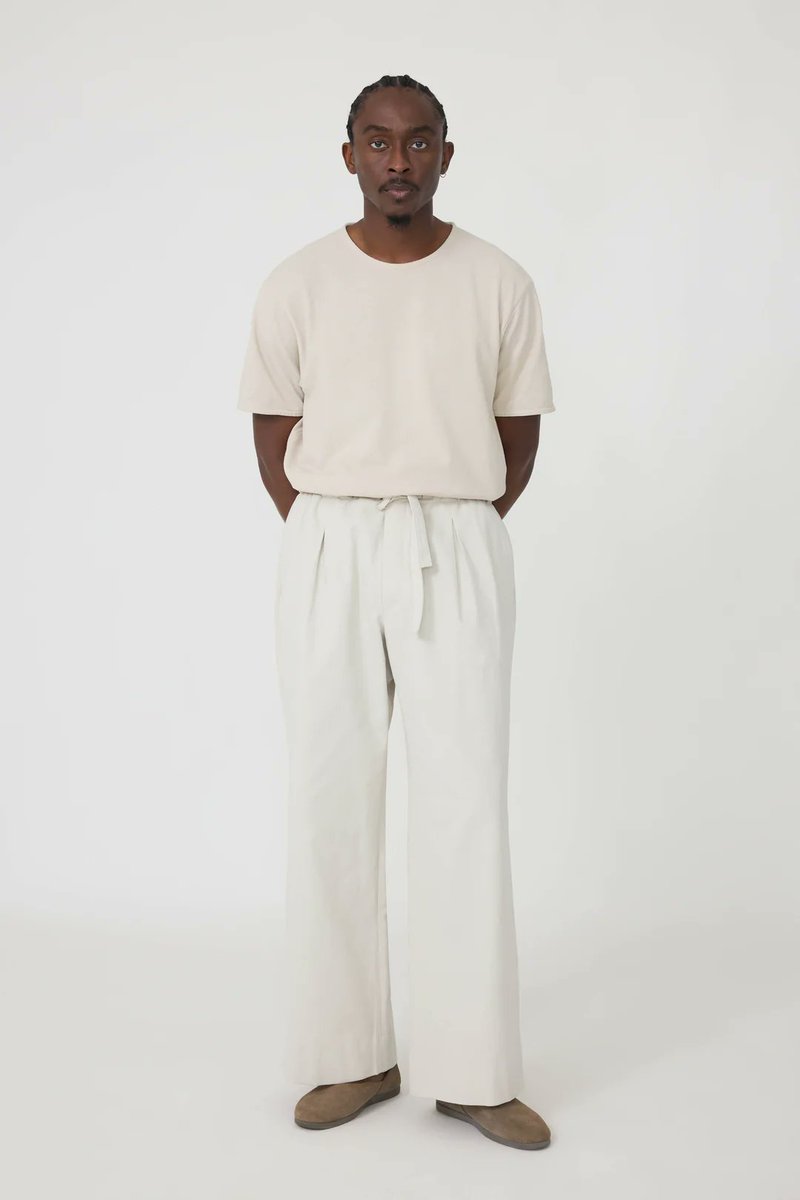
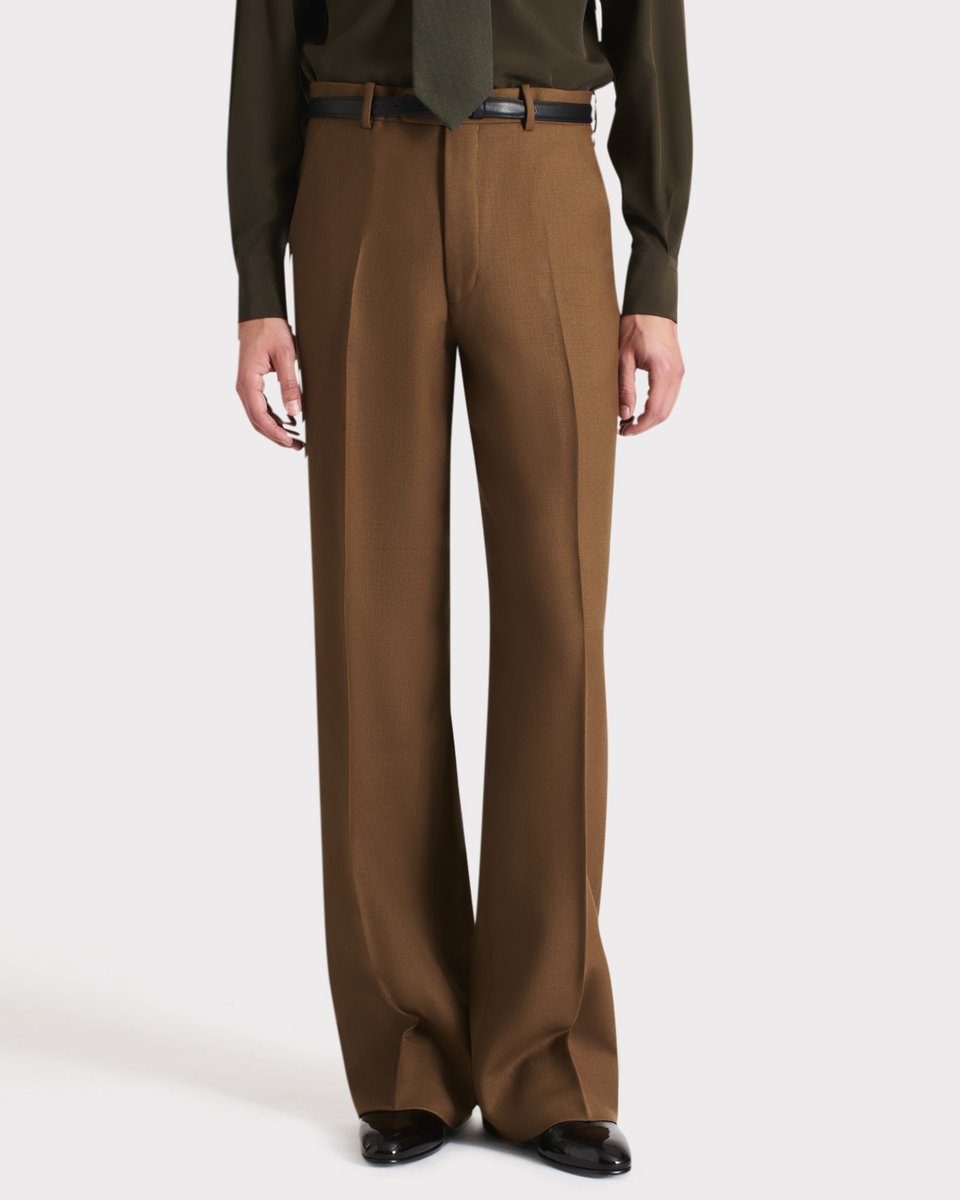
If you're not wearing a jacket, consider playing around more with the cut of your trousers. Don't just do low-rise, slim fit. Consider higher waist, balloon cut, Hollywood waist, flares, etc. Look at these fun pants from Scott Fraser Simpson, Stoffa, Husbands Paris, and Lemaire.
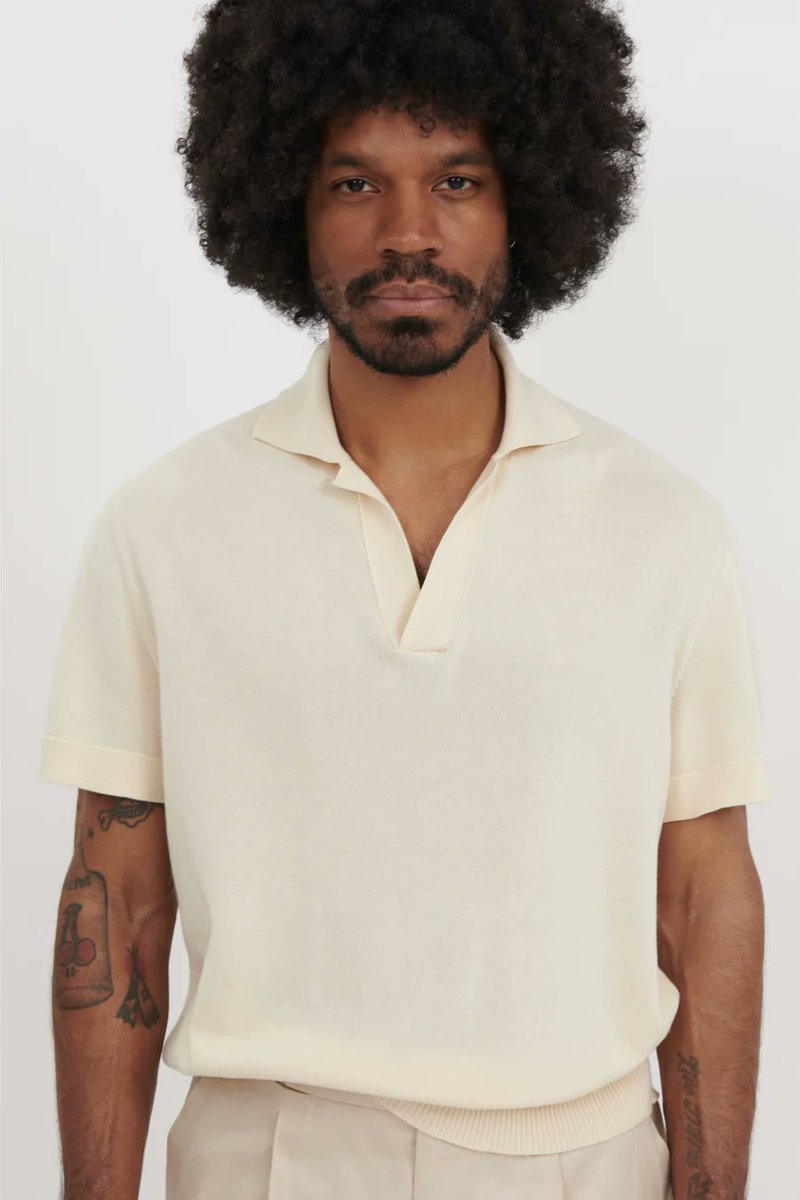
And then consider a more interesting top. Don't wear those technical golf polos. Consider a two-pocketed rayon sport shirt, denim Western shirt, or a Johnny collar polo (sometimes called a skipper collar).
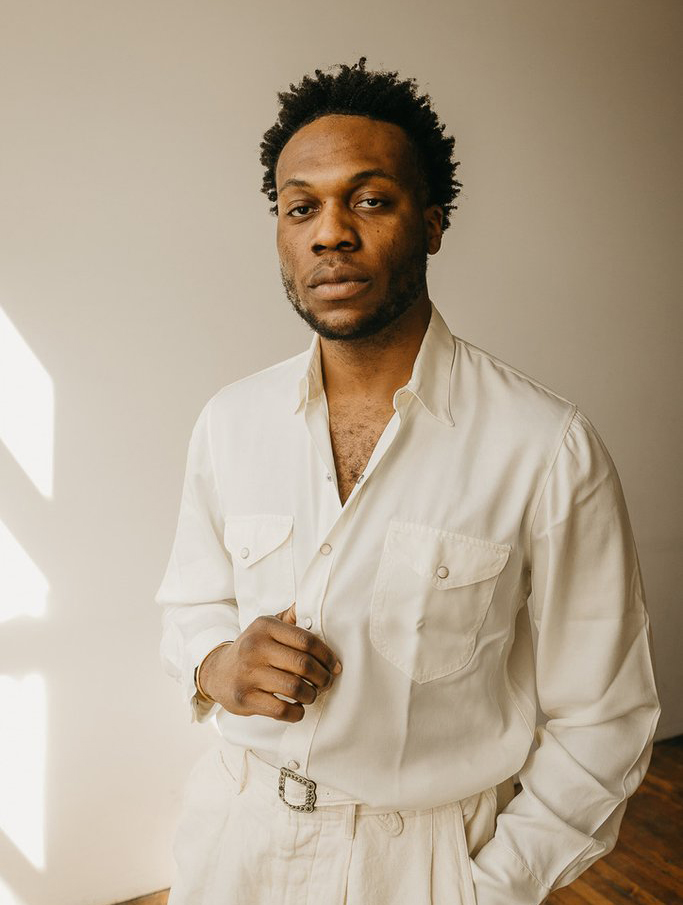
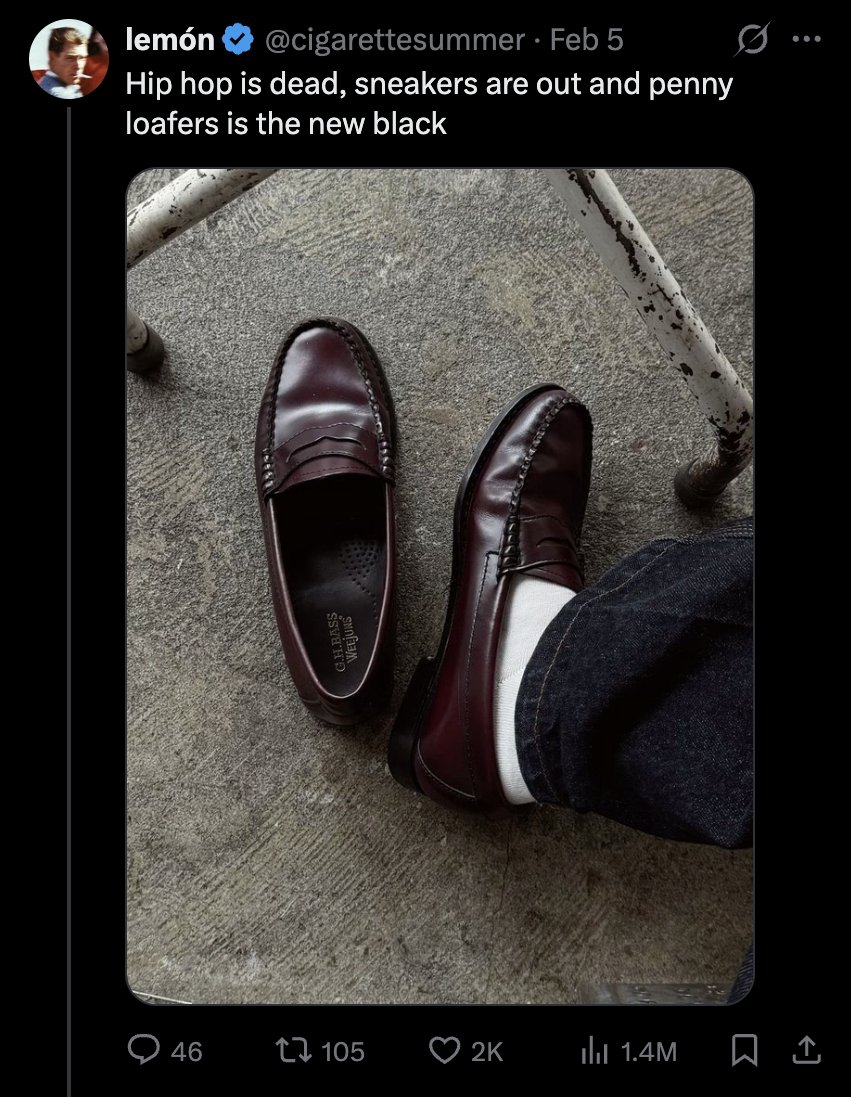
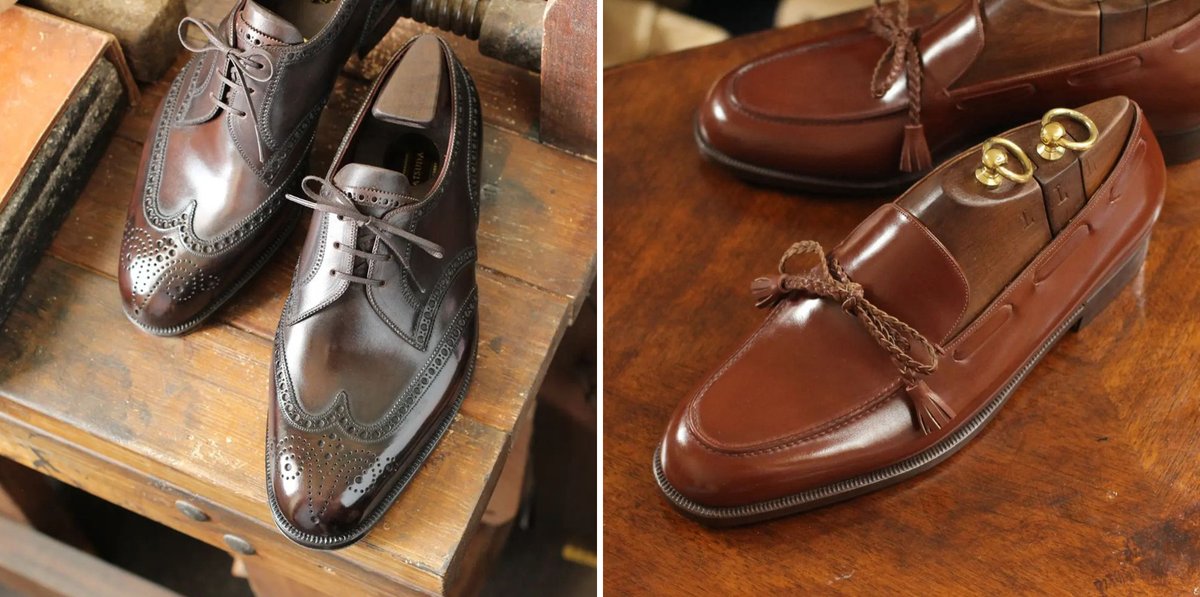
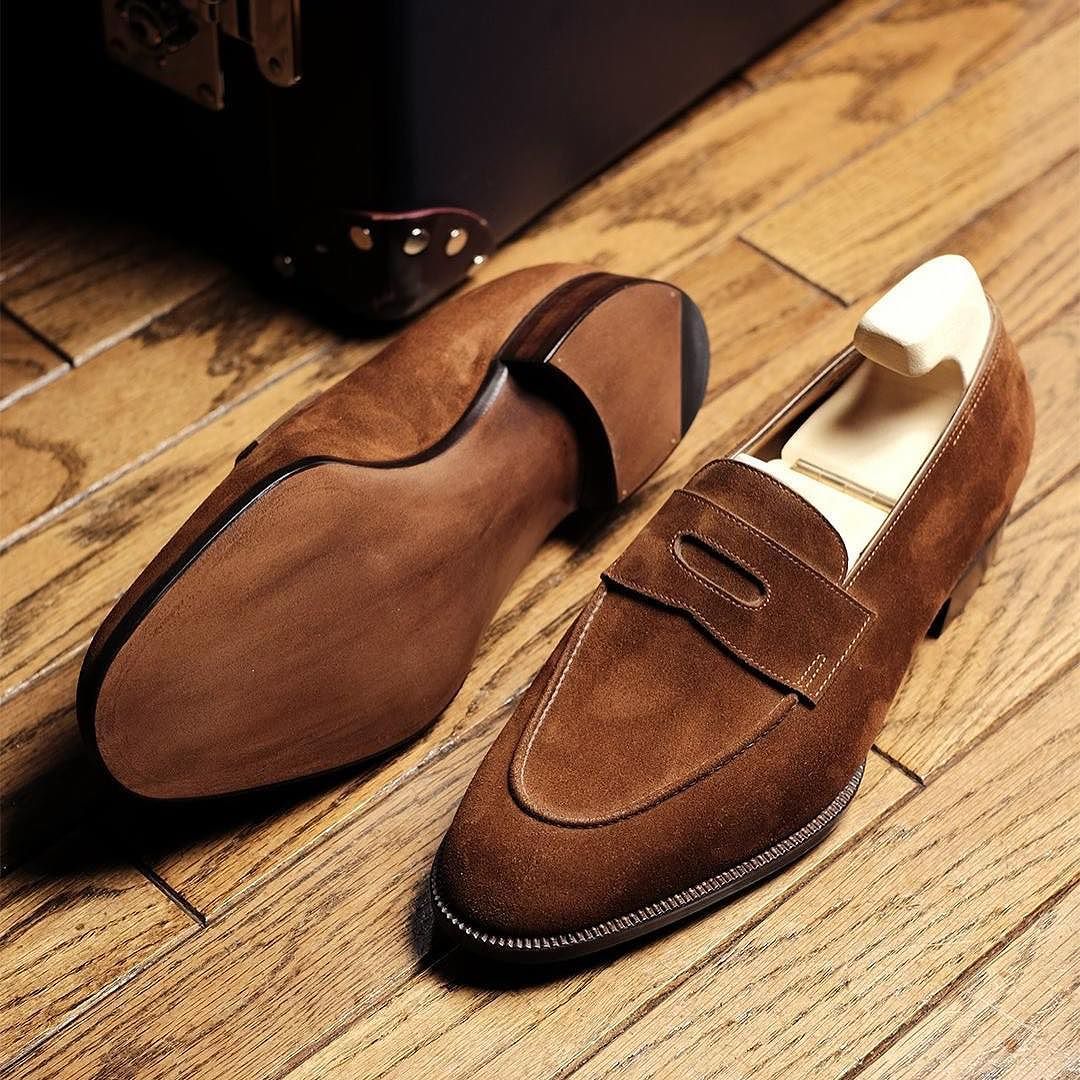
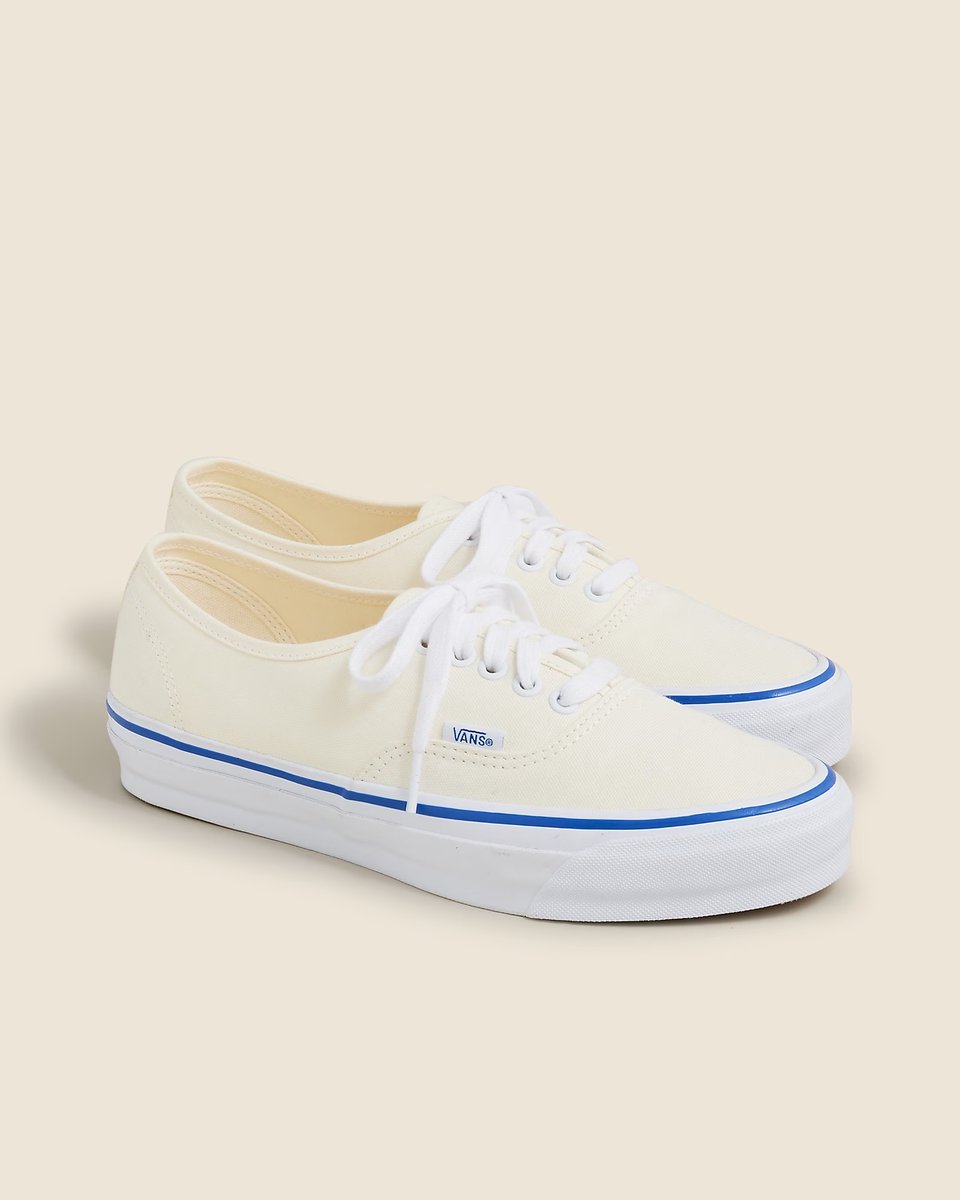
Finally, consider a slightly dressier pair of shoes, such as leather-soled loafers. If you want to wear sneakers, go for any of the classics, such as Vans Authentics, not dress sneakers (those are neither here nor there, like a t-shirt with a tuxedo print on it).
Once you get some of these things, you can mix and match, such as pairing the skipper collar polo with a casual suit or a sport coat. The casual suit can also be more easily broken into separates, expanding your options. Or you can lose the jacket for a more casual look.

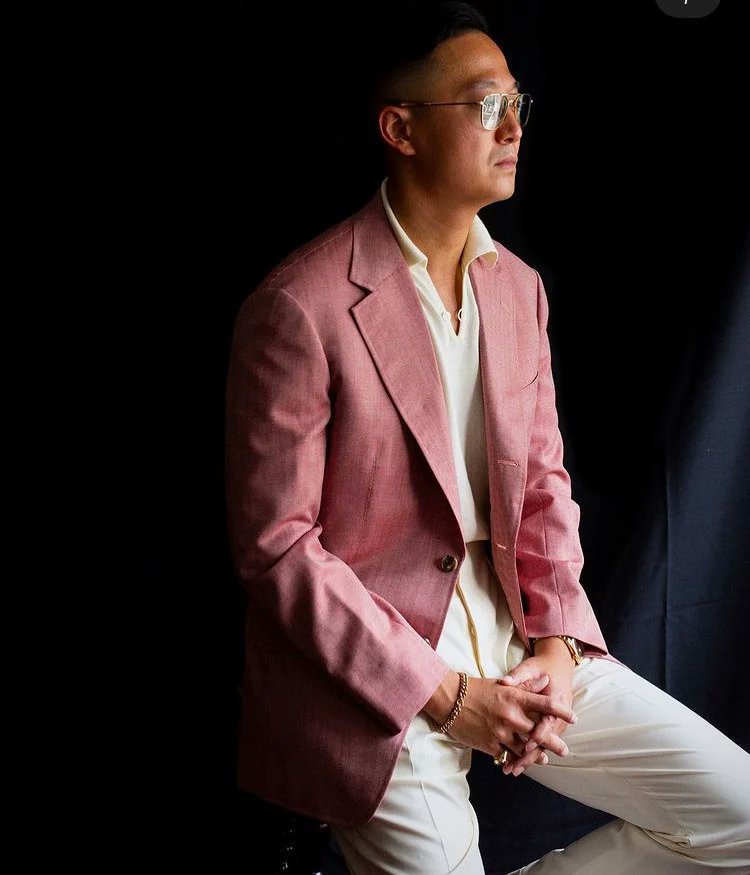
The thing is: this problem was solved long time ago. In the 1930s, the leading men's style publication was called Apparel Arts (which later turned into Esquire). And if you flip through some of their summer issues, you will see these same recommendations.

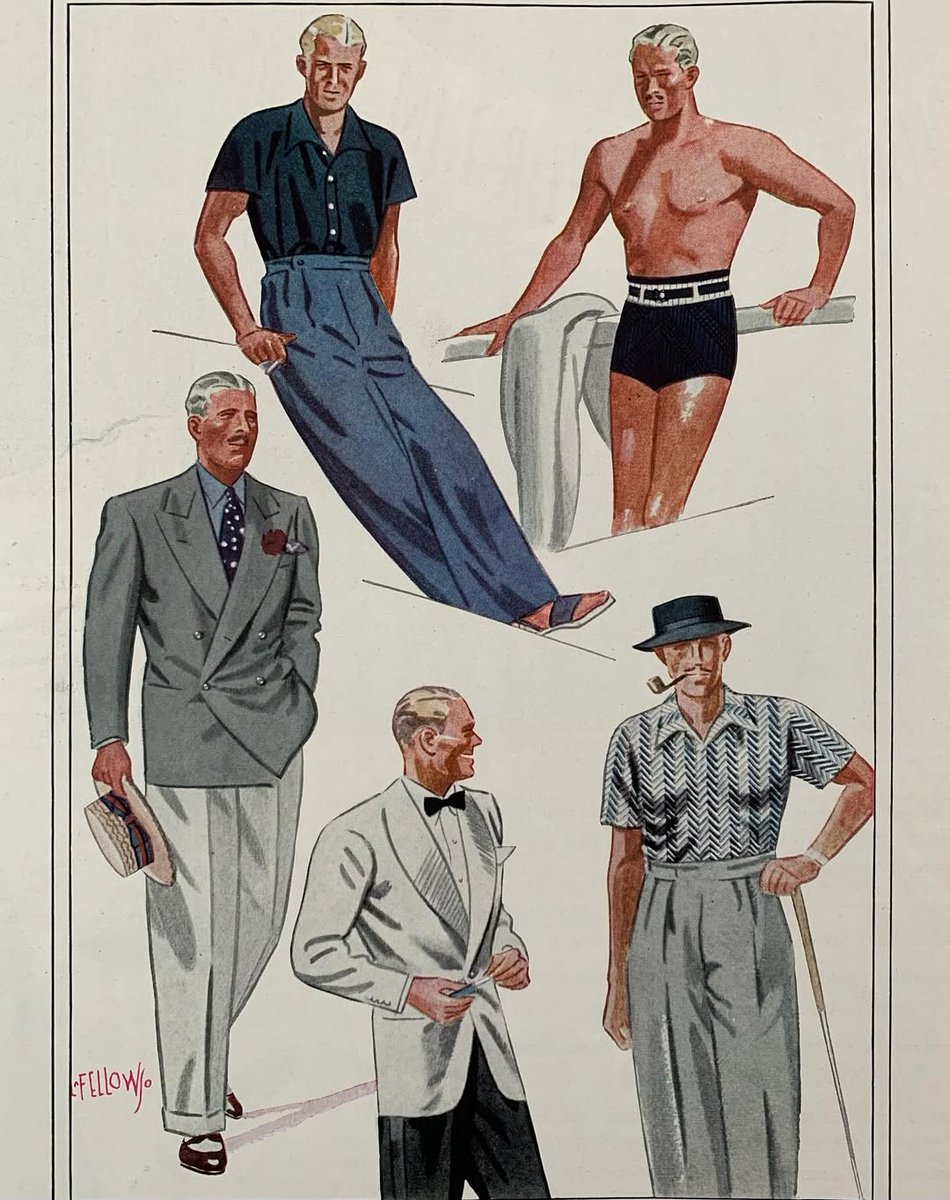
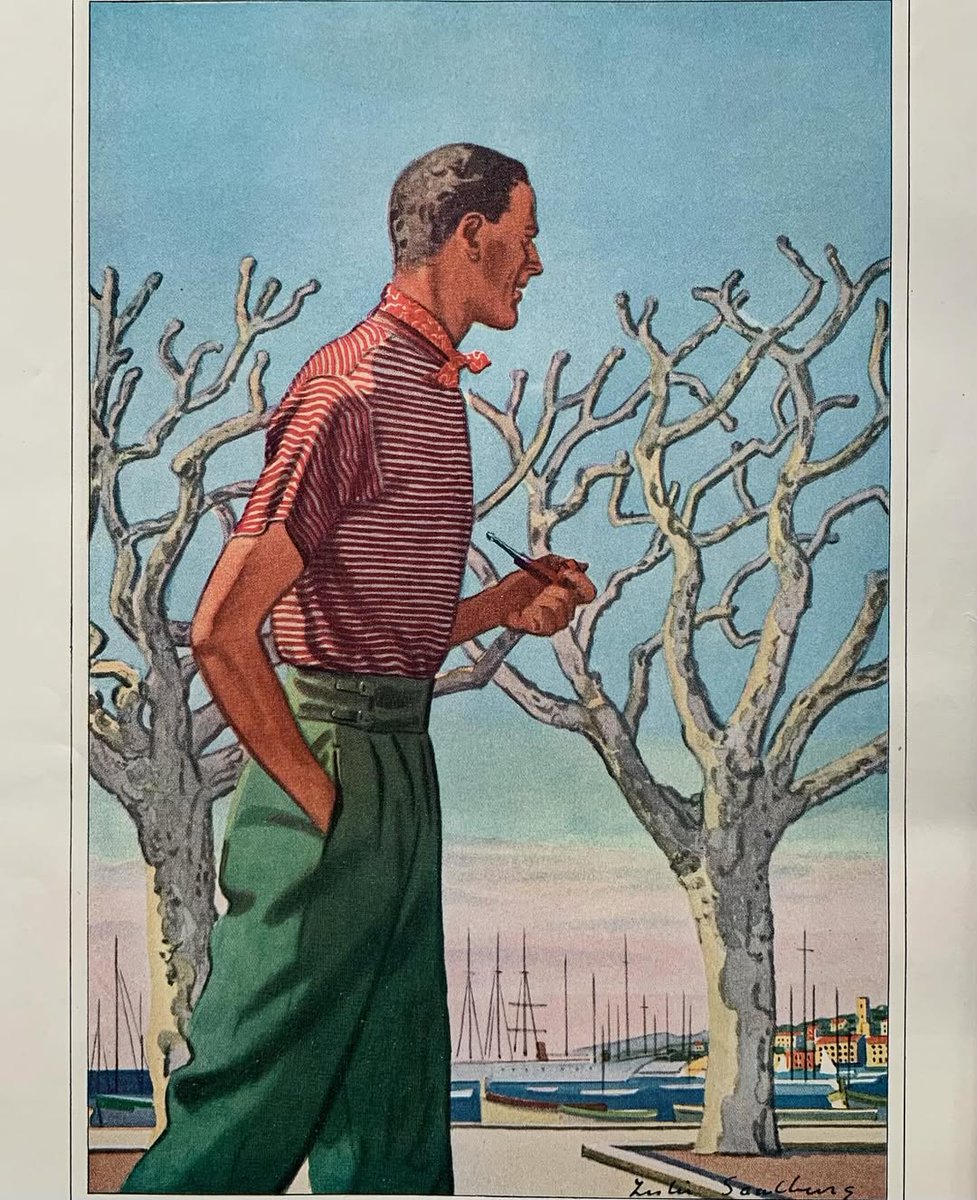

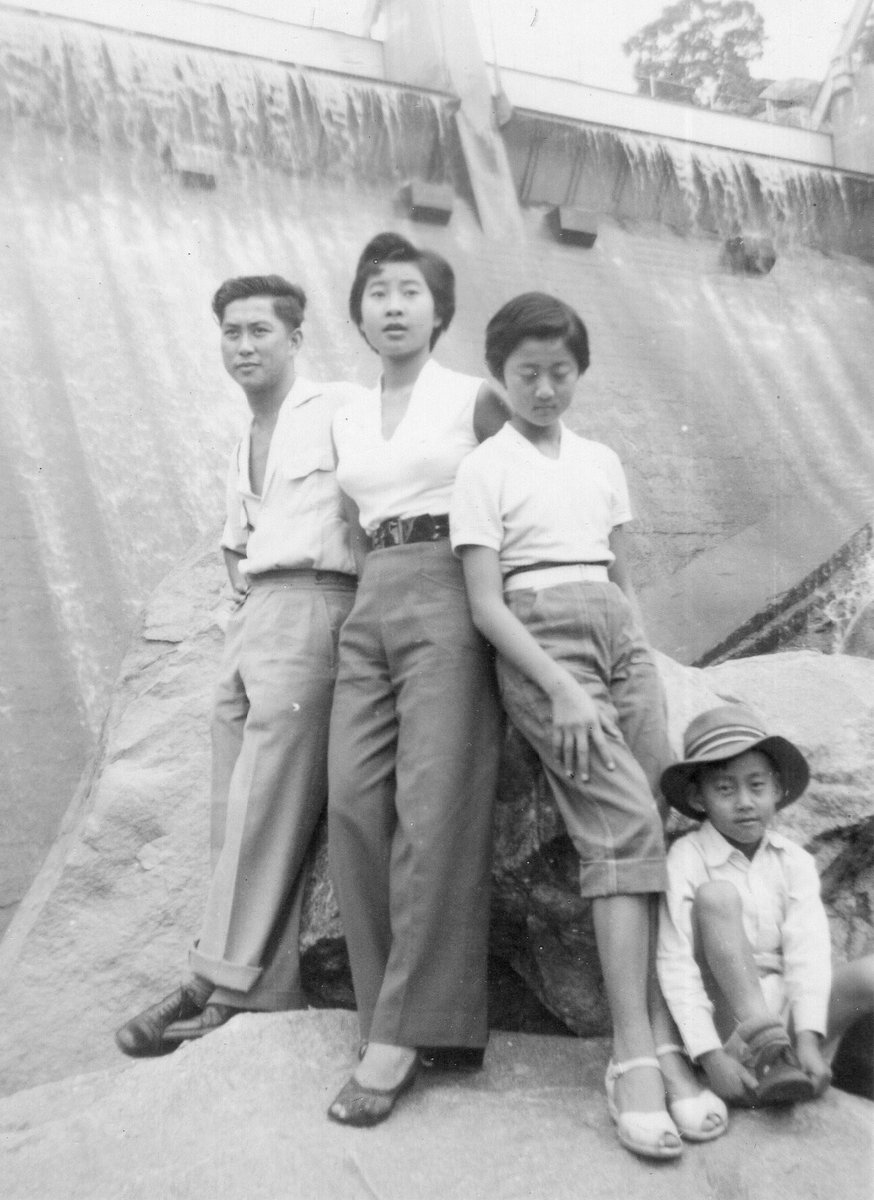
And if you look at photos of well-dressed men during the 20th century, they also follow the same formula. This is true for any body type, not just slim people.

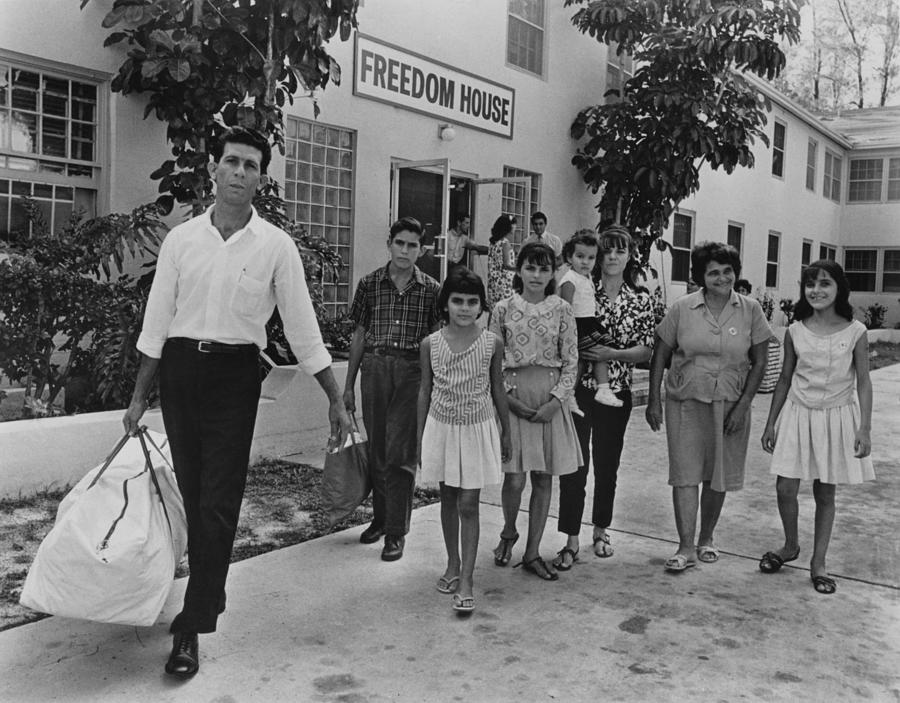
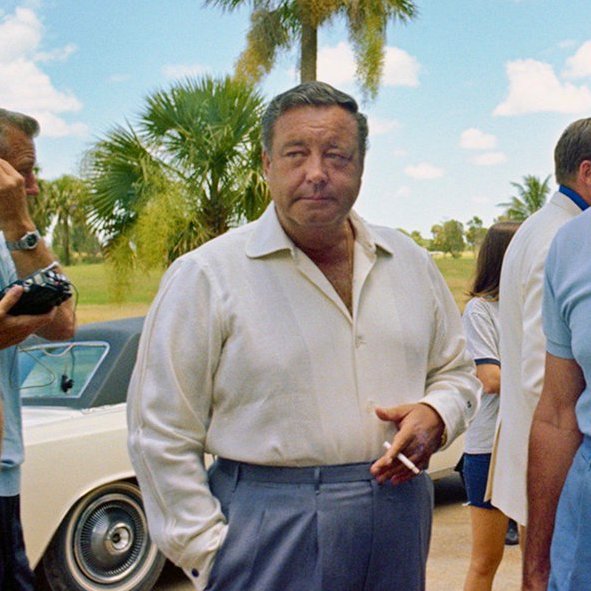
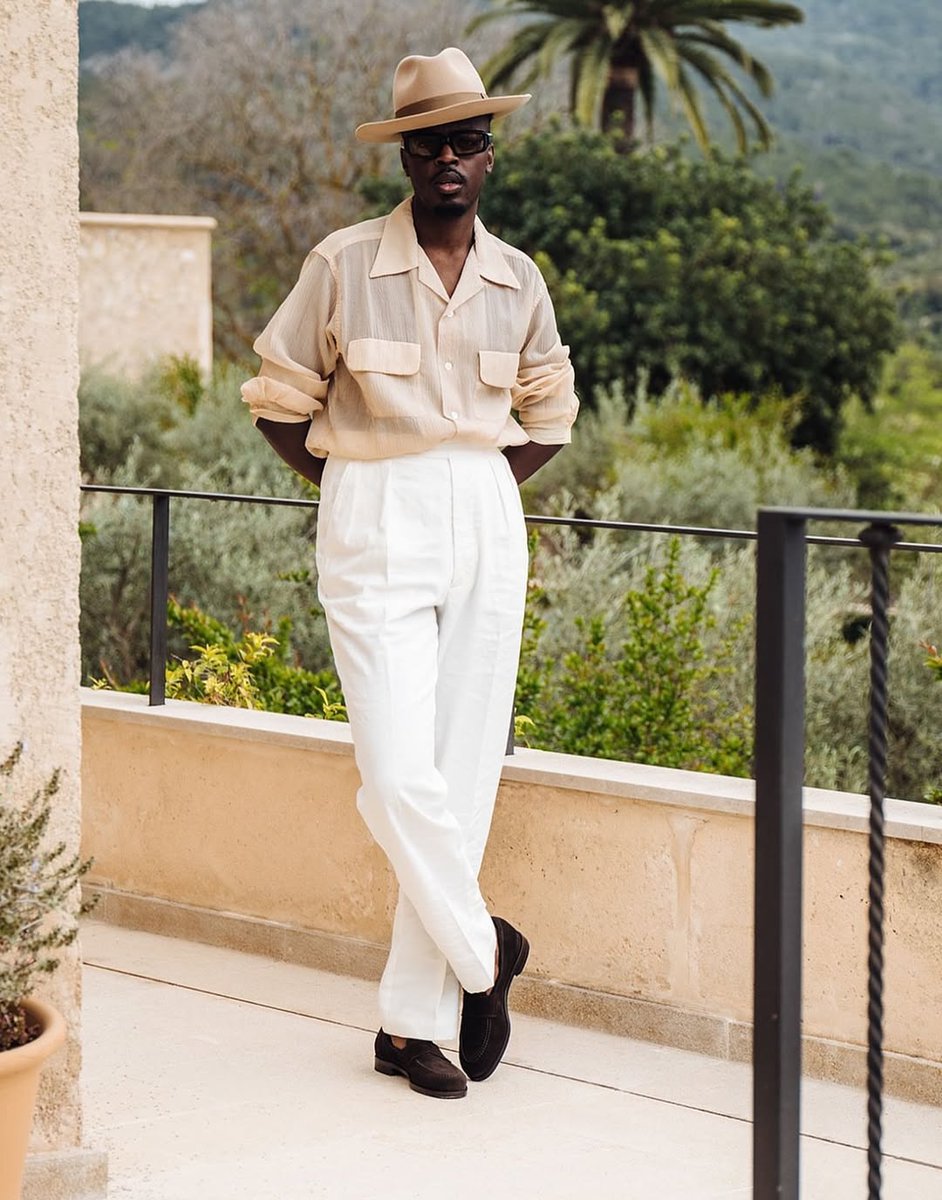
And the same formula works today. It can be endlessly remixed to express the level of formality you want. And be personalized in ways to make the outfit look more or less traditional.
IG assisibespokehouse, kevismanzi, joekenneth_, kamauhosten, and shaungordonstyle
IG assisibespokehouse, kevismanzi, joekenneth_, kamauhosten, and shaungordonstyle
• • •
Missing some Tweet in this thread? You can try to
force a refresh