The Roman siege of Jerusalem ended with the sack of the city and destruction the Second Temple.
Calamity and slaughter followed.
[Thread]π§΅
The roots of the revolt lay in the deadly mix of religious tension between polytheistic Romans & monotheistic Jews, and as discontent over the oppressive rule of the governors of Judea which caused anti-taxation protests which turned into riots which were violently crushed
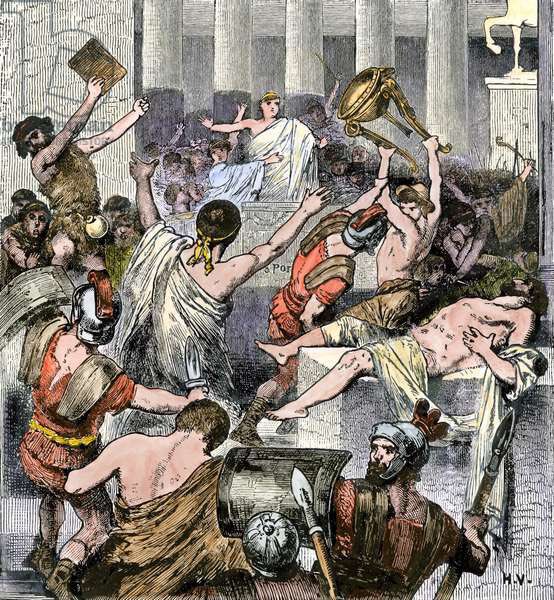
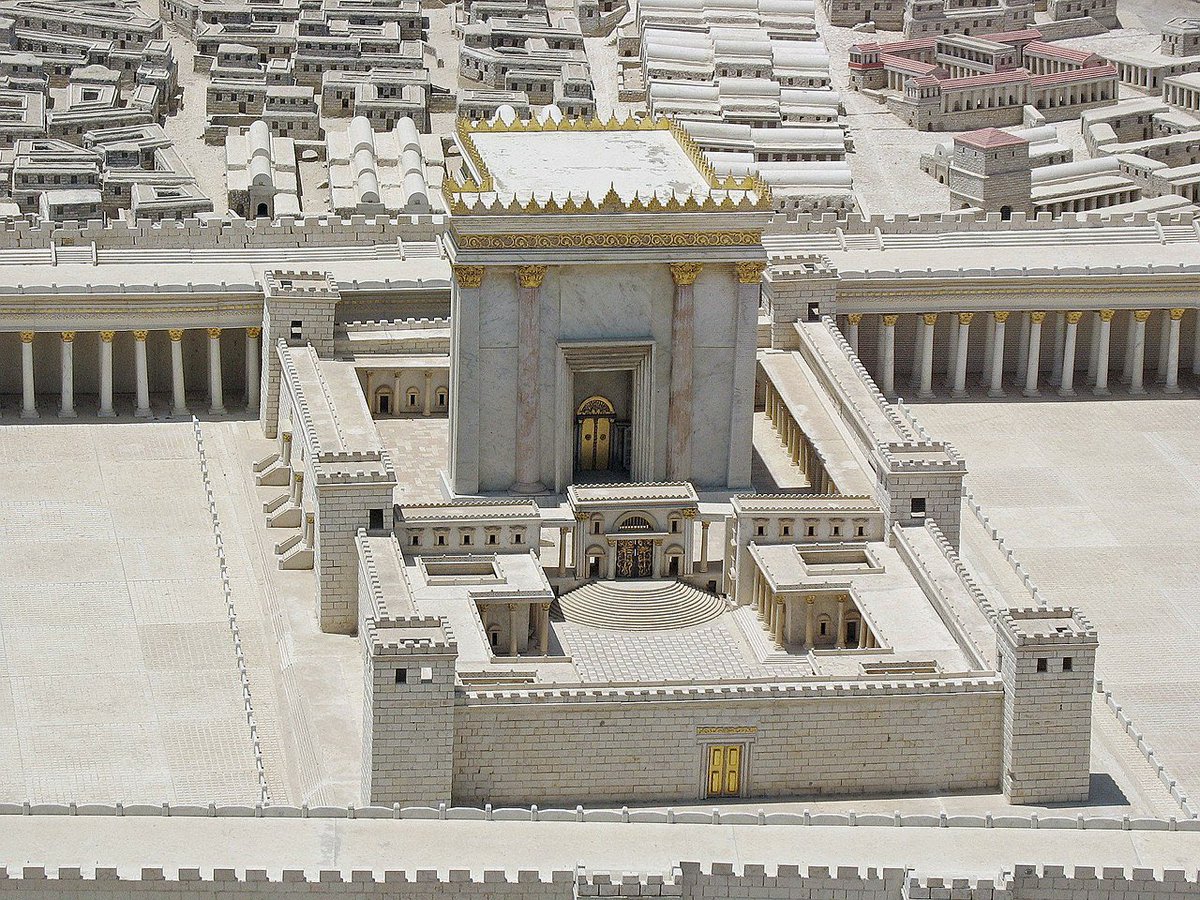
The Roman governor arrested several leading Jewish figures and seized money from the Second Temple, the most important temple in the Jewish world, built around 516 BC to replace Solomonβs Temple.
This caused outrage amongst the Jews and led to widespread rebellion.
The Roman garrison was captured and the governor and other leading figures escaped.
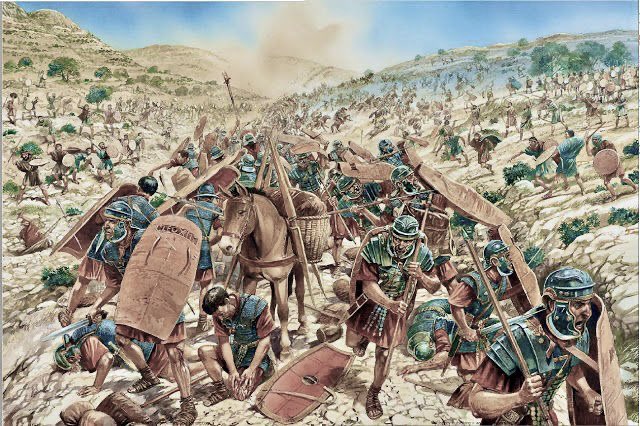
The governor of Syria, Cestius Gallus took the XII legion & auxiliaries into Judea to crush the rebellion but the force was massacred at the Battle of Beth Horon in AD 66 with 6000 Romans dead
A provisional government was formed with the Jewish military led by Flavius Josephus, an important historical source for the conflict
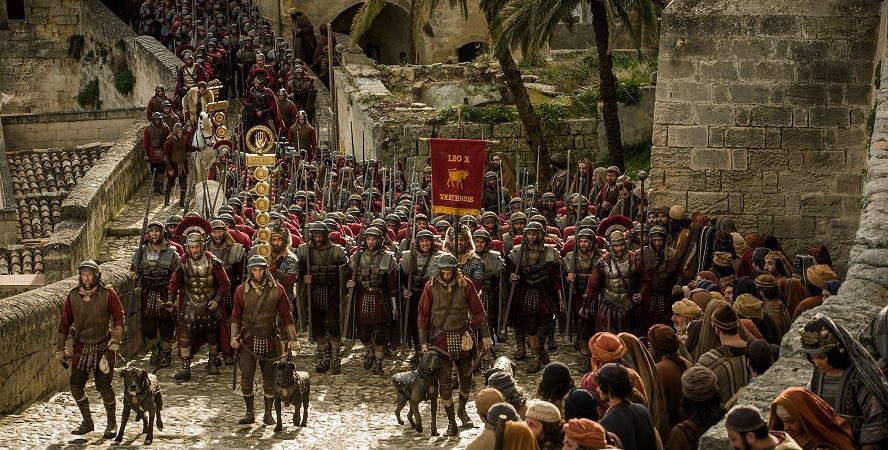
The emperor Nero ordered Vespasian to invade with four legions in AD 67. After a few months he had already taken Galilee, Jodapatha and Tarichaea.
There were several factions among the Jewish rebels. Two of which were the Zealots and Sadducees. After the loss of Galilee thousands of Zealots and other Jews fled to Jerusalem where they came into conflict with the Sadducees.
In AD 69 Vespasian became emperor and left for Rome.
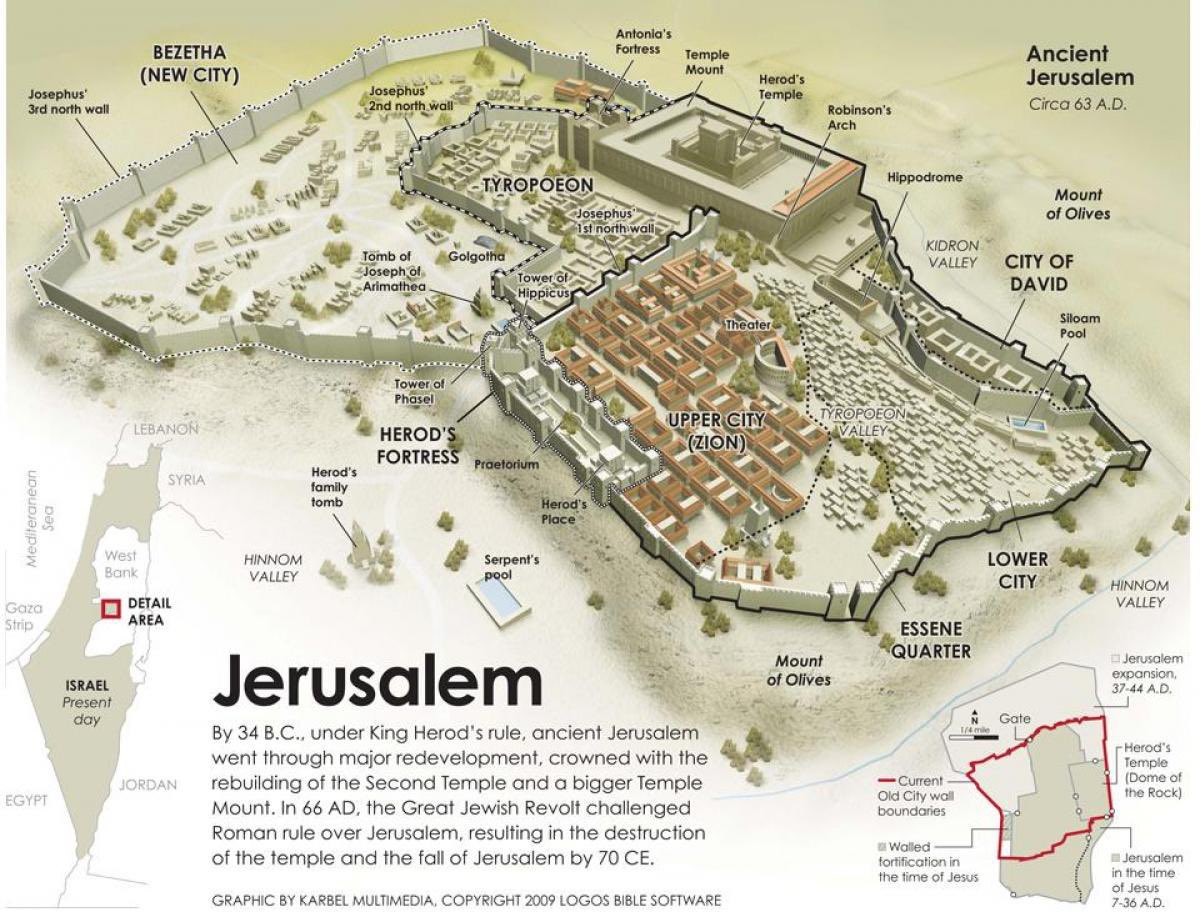
He left his son Titus to besiege Jerusalem.
During the seven month siege, infighting between the Zealots and Sedducees resulted in the cityβs food supply being burned. Leaving the defenders with no real hope of victory.
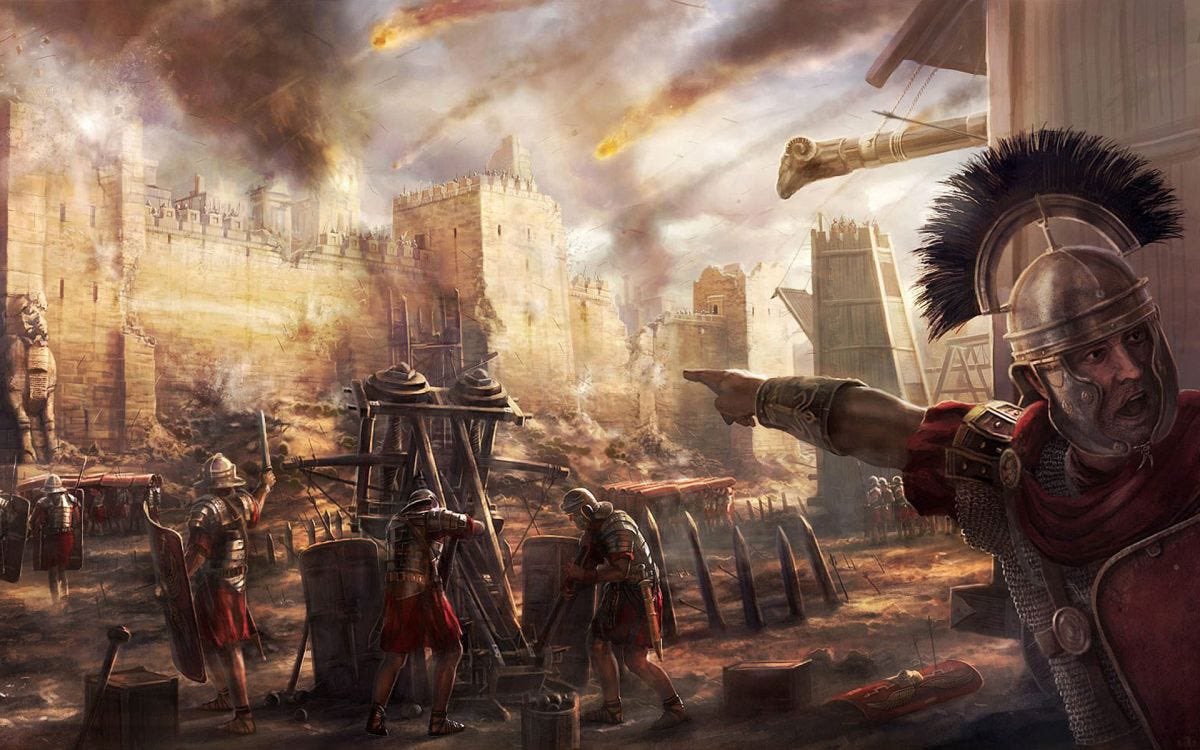
In July of AD 70, after a brutal seven month siege, the Romans breached the walls and poured into the city.
All of the defenders died. Josephus wrote of great number of deaths that the Romans enslaved 97,000.
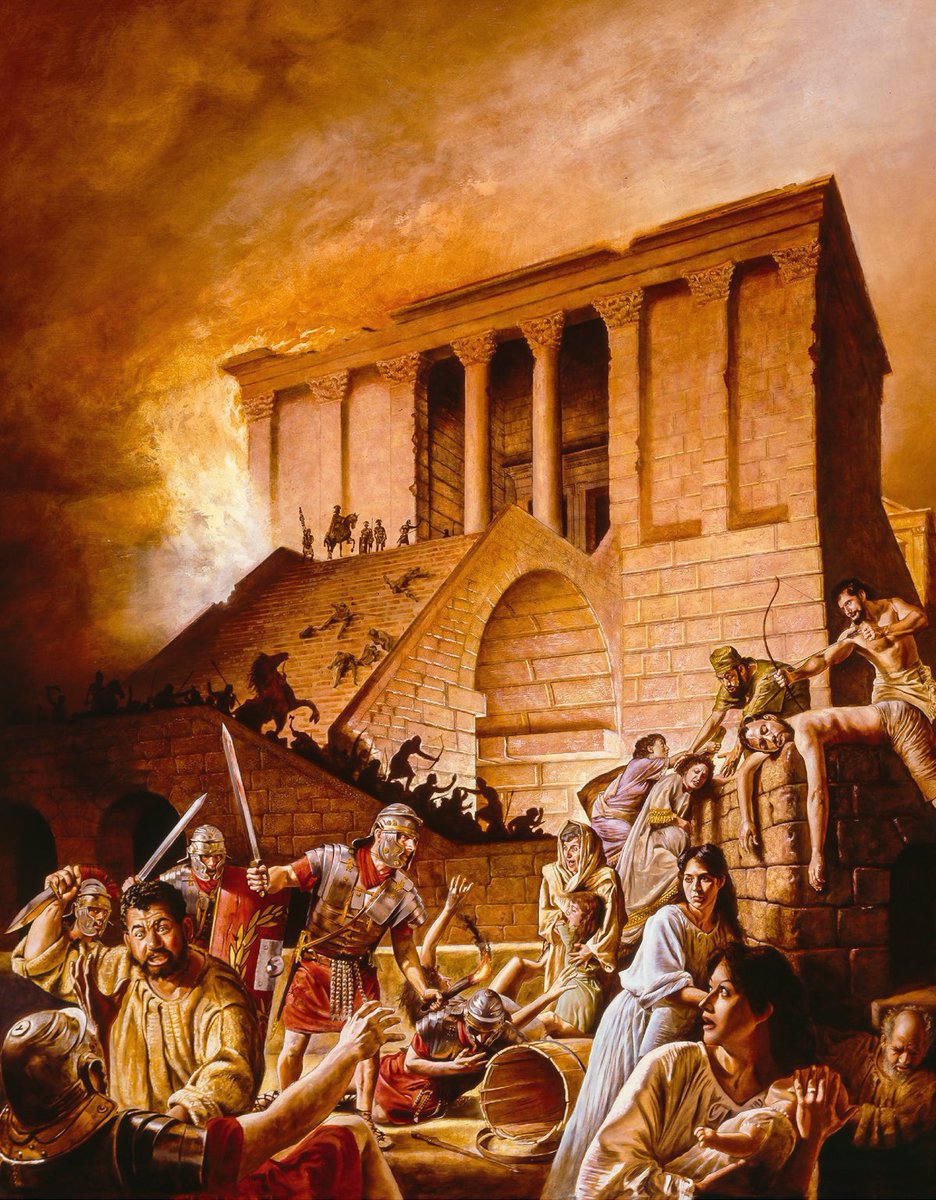
Titus was initially moderate in attacking the city. He decided that the 500 year old temple would be spared. Josephus writes that it was Jews who first used fire to halt the Roman progress through the city and only then did the Romans themselves burn the city.
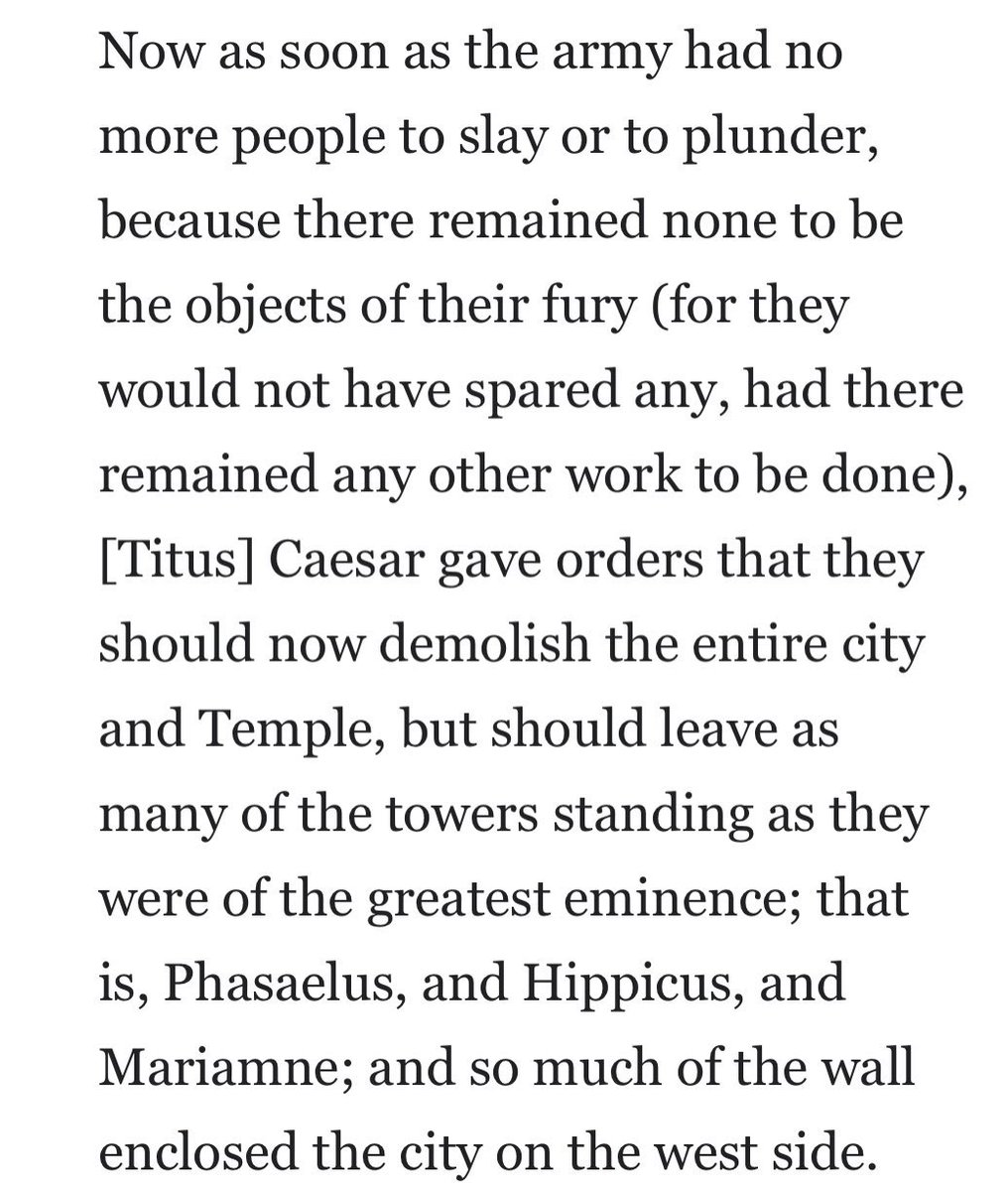
Josephus, who was far from impartial, wrote:
The Jews were killed or enslaved.
The city was looted.
A few strongholds remained but those were soon crushed too.
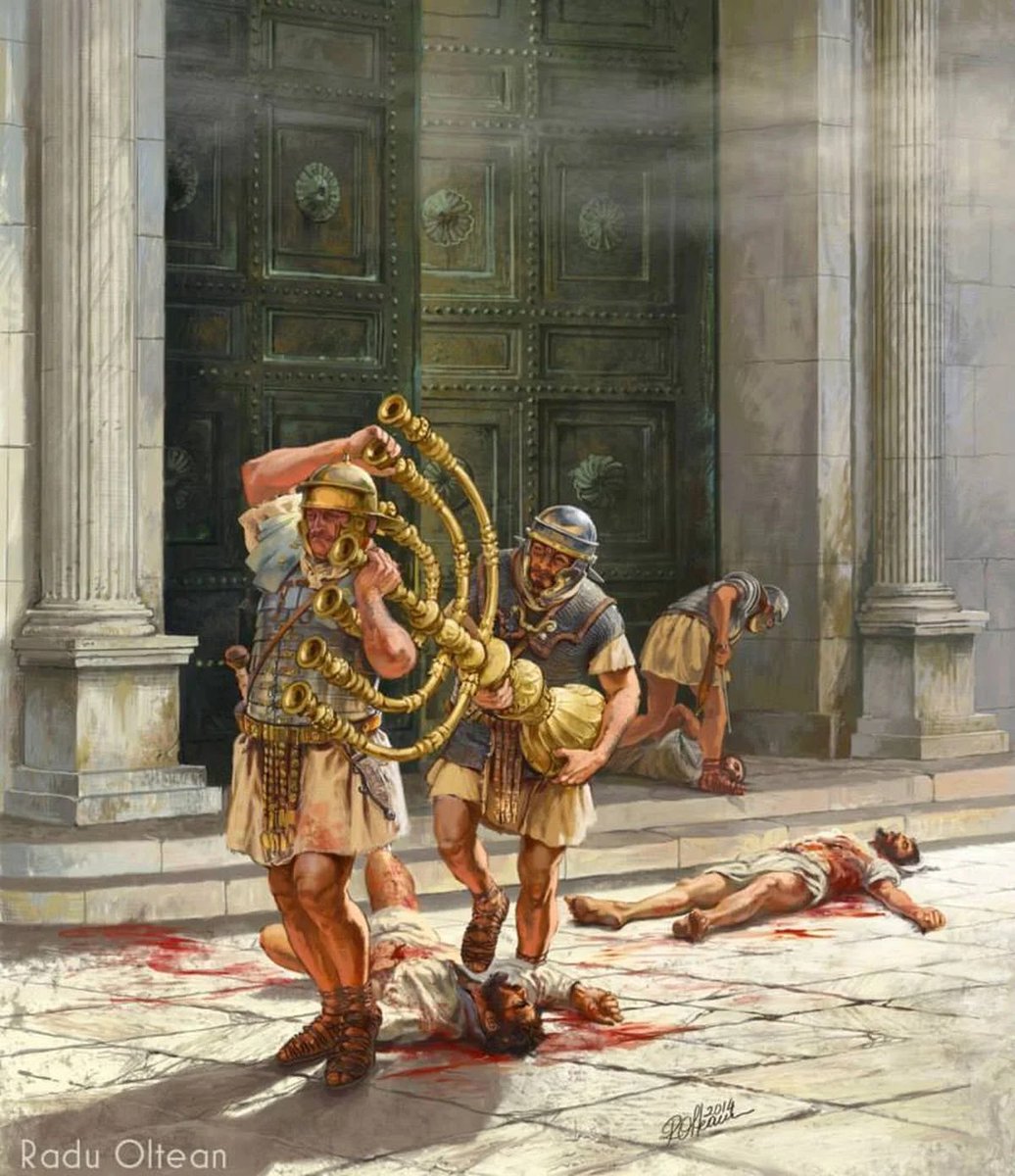
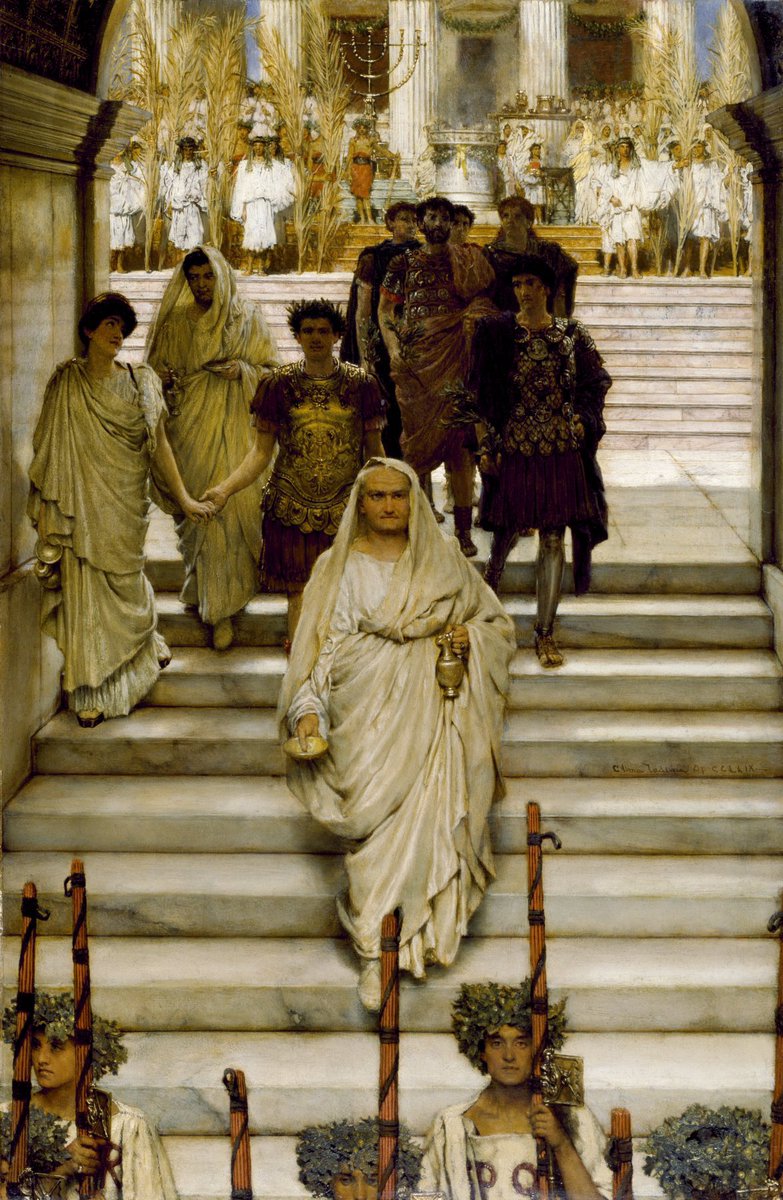
Titus was granted a triumph in Rom for his victory and became emperor nine years later.
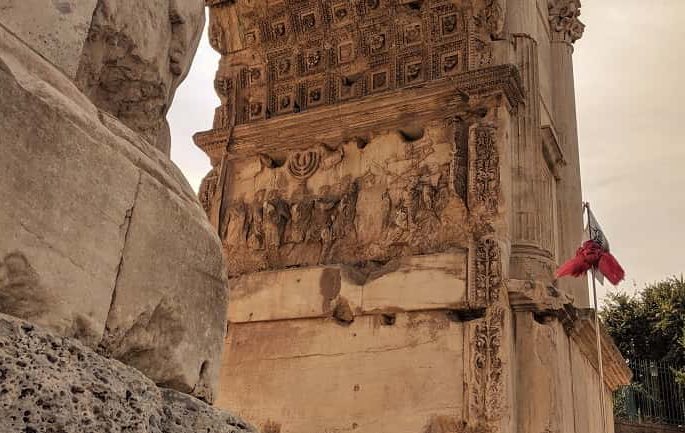
Today his victory arch still stands in Rome, greeting all visitors to the Forum with a scene from the looting of Jerusalem
β’ β’ β’
Missing some Tweet in this thread? You can try to
force a refresh

Bohemond of Antioch was one of the most charismatic figures in the Middle-Ages!
He was a disinherited son, a bold warrior, and a crusading legend.
This is a timeline of his life and deeds!
[Thread]π§΅
β’ c. AD 1054:
Birth of Bohemond, whose baptismal name was Mark, to Robert Guiscard, the Norman conqueror of Southern Italy, and Alberada of Buonalbergo, in Italy.
β’ AD 1058:
- Robert Guiscard repudiated Bohemondβs mother when their marriage was annulled due to new rules on the degrees of kinship allowed in married.
- Guiscard marries Sikelgaita. Bohemond is now technically a bastard.
β’ AD 1073:
Robert Guiscard falls ill and Sikelgaita holds a council and persuades Robertβs vassals that her son Roger Borsa and not Bohemond, should be his heir.
β’ AD 1079:
Bohemond fights alongside his father against rebel barons in Italy.
β’ AD 1081:
Bohemond invades the Balkan territory of the Roman Empire and fights at the battle of Dyrrachium where the emperor Alexios Komnenos was severely defeated.
β’ AD 1082:
- Capture of Ioannina.
- Alexios Komnenos induces the Germans to attack Robert Guiscardβs territory in Italy and he returns and leaves Bohemond in charge.
- Bohemond captures Ioannina.
- Bohemond defeats Alexios outside of Ioannina.
β’ Bohemond besieged Arta and defeats Alexios in battle again.
One of the greatest adventures of the Middle Ages was the crusade led by Prince Edward Longshanks!
Outnumbered and hoping against hope to rescue the Holy Land from the Muslims, he befriended the Mongols and faced off against assassins and Mamluk warriors!
[Thread]π§΅
In 1260 the Mamluks won a startling victory over the invading Mongols and the Mamluk general Baibars seized power and began conquering the Christian cities of the Holy Land.
In 1268 he captured Antioch and a crusade was called in response. This was to be the Eighth Crusade led by Louis IX of France who diverted it to Tunis.
The Eighth Crusade to Tunis was an unmitigated disaster. Louis IX died in Tunis, as did his son John Tristam who was born in Damietta during the seventh crusade.
Prince Edward of England, also called Edward Longshanks, was supposed to join the crusade with his brother Edmund but they arrived after the crusade already failed.
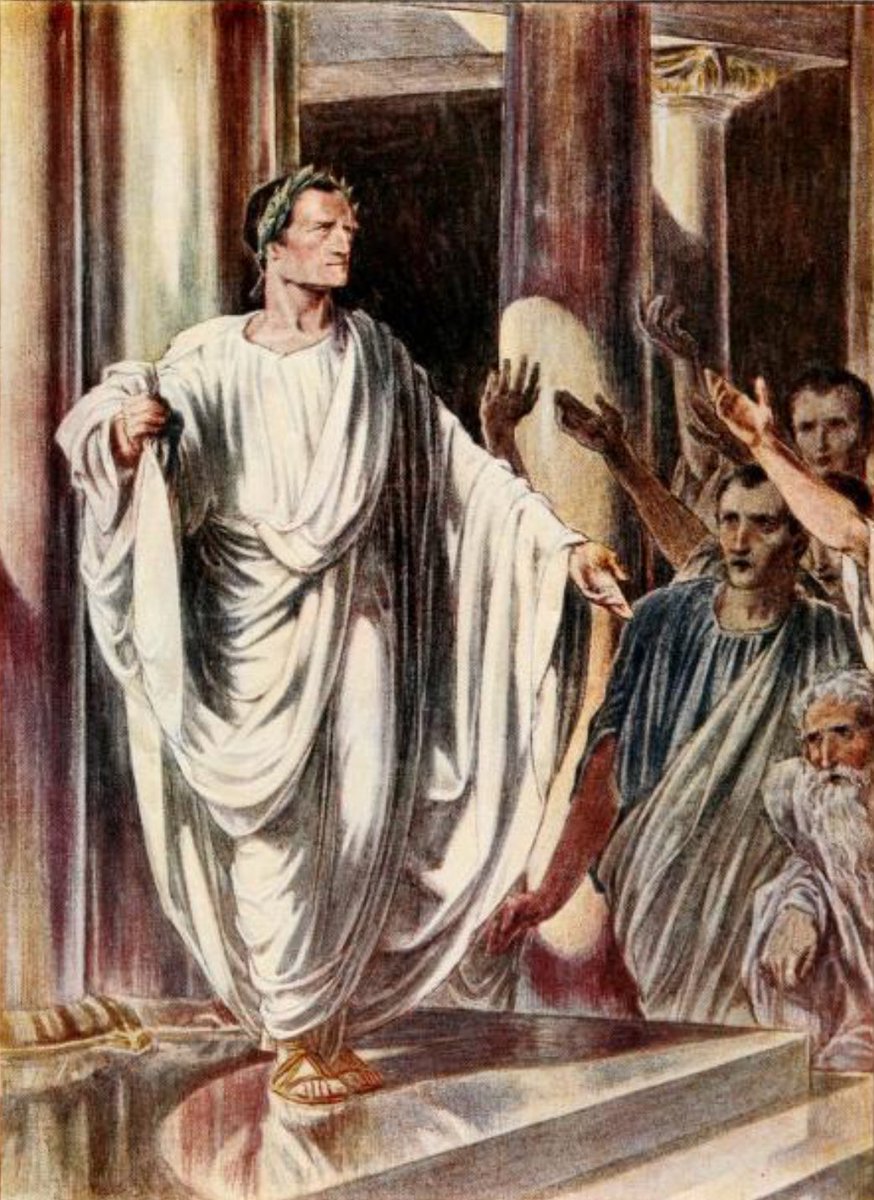
Cicero is a famed Roman politician, writer, and orator.
But what about Cicero the general?
This is the tale of Ciceroβs Cilician adventure when was hailed as imperator by his troops!
[Thread]π§΅
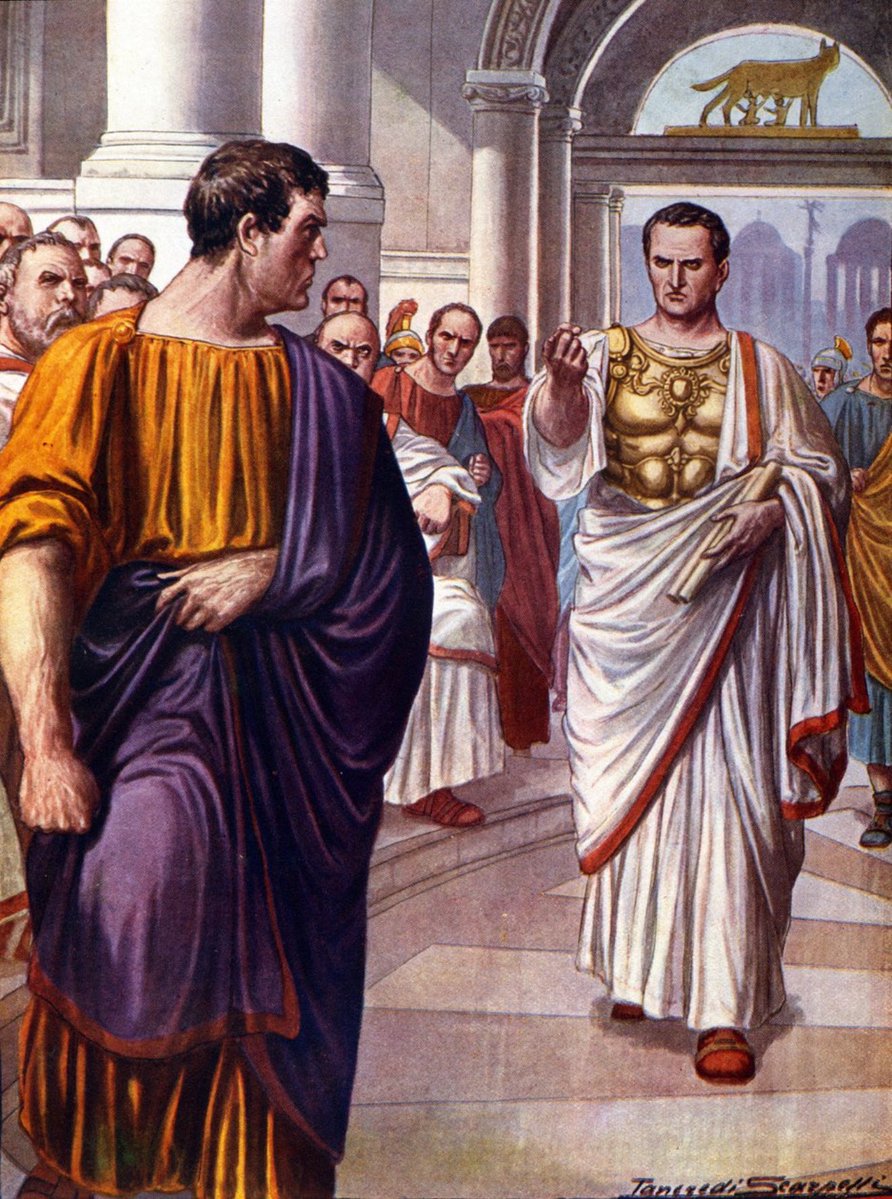
When he was consul in 63 BC, Cicero famously foiled a conspiracy by Lucius Sergius Catilina to seize power in Rome.
When he discovered the plot, he put on armour and made his way to the senate to deliver a series of speeches against Cataline. The conspiracy was thwarted but Cicero remained unpopular with some for having some of the conspirators executed.
Cicero was eventually exiled when his enemies gained power in Rome. During this exile, and thanks to certain legislative requirements, he was made governor of Cilicia in 51 BC. It was not a position he wanted.
In 53 BC, Crassus led his doomed expedition against the Parthians. He was enticed into a trap and his exhausted army was savaged by Parthians horse archers at the battle of Carrhae.
Crassus died and Cassius led what was left of the army back to safety.
But then Pacorus, son of the Shah Orodes, invaded Roman territory and besieged Cassius in Antioch.
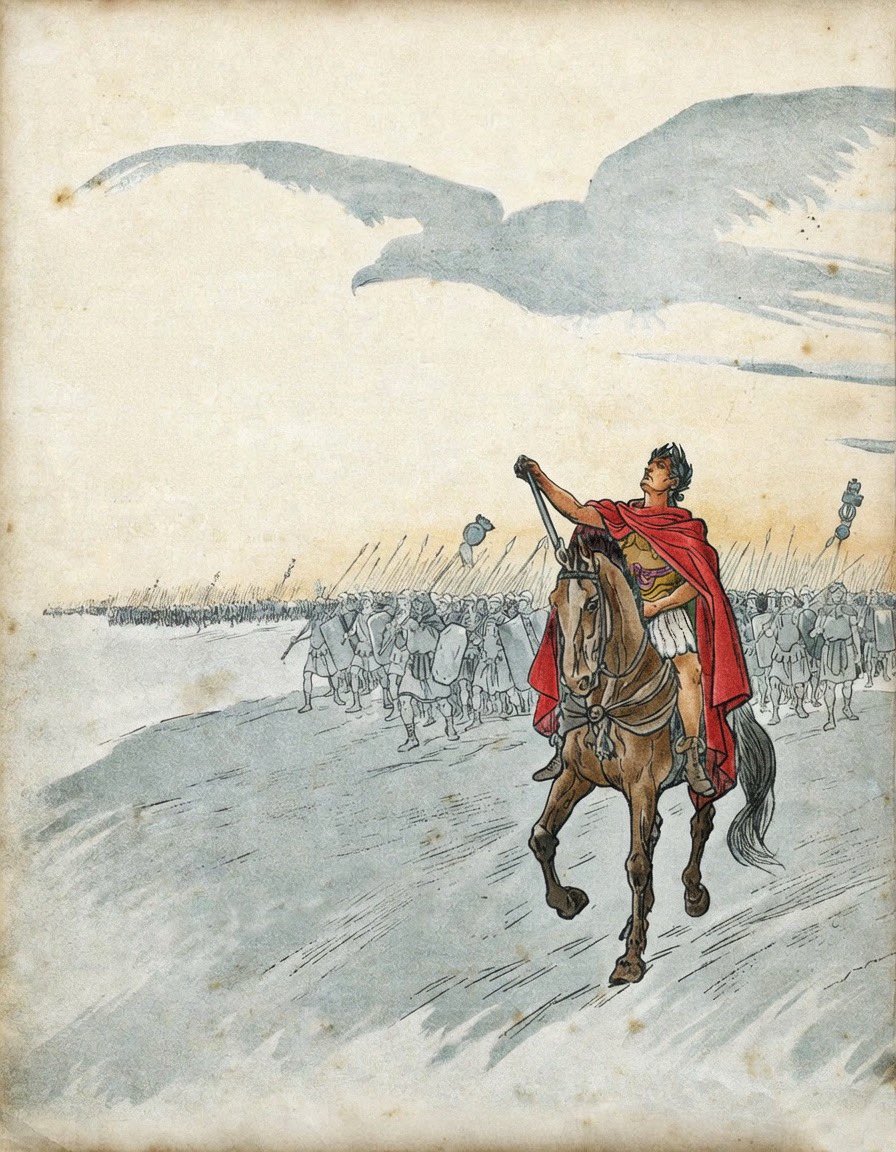
After the Roman Senate threatened to declare him a public enemy, Gaius Julius Caesar changed the history of the world foreverβ¦
And crossed the Rubicon!
[Thread]π§΅
The Roman Republic had fallen into vicious cycle of corruption, violence, and political instability. In the mid-1st century BC the three most powerful men were Julius Caesar, Pompey Magnus, and Marcus Licinius Crassus.
But Crassusβ death ended this coalition between them, and the short-lived marriage of Caesarβs daughter to Pompey could not stop either man from scheming. Pompey remained in Rome and governed his provinces from a distance while Caesar was conquering Gaul.
Plutarch tells us that βCaesar had long ago resolved upon the overthrow of Pompey, as had Pompey, for that matter, upon his. For Crassus, the fear of whom had hitherto kept them in peace, had now been killed in Parthia.β
βCaesar had entertained this design from the beginning against his rivals, and had retired, like an expert wrestler, to prepare himself apart for the combat. Making the Gallic wars his exercise-ground, he had at once improved the strength of his soldiery, and had heightened his own glory by his great actions, so that he was looked on as one who might challenge comparison with Pompeyβ
There was great tension in Rome over Caesarβs conquest of Gaul, which ended with the victorious siege of Alesia, and the end of his appointment there. Perceiving the threat, Cato persuaded the senate to make Pompey sole consul - βa more legal sort of monarchy he might be withheld from demanding the dictatorship.β
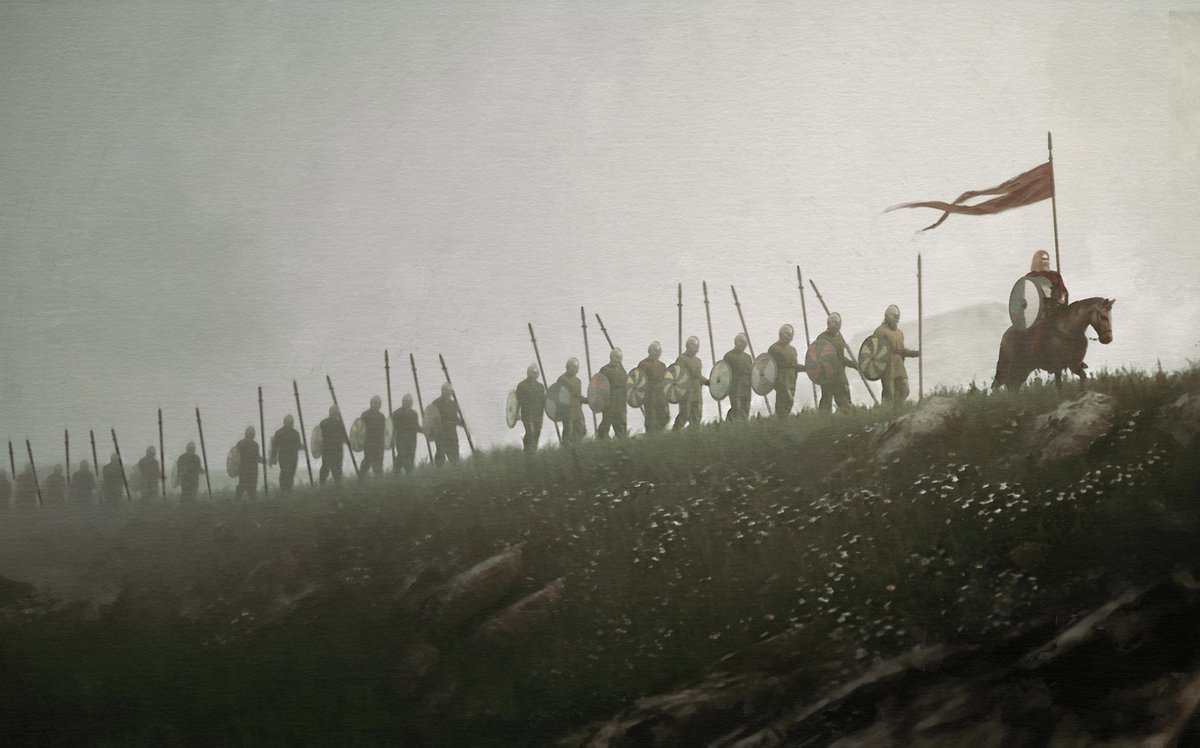
Alfred the Great and Γthelred the King fought βfor life, loved ones, and countryβ and thrashed the Vikings atβ¦
The Battle of Ashdown!
[Thread]π§΅
By 870 the Vikings βof hateful memoryβ had stormed into England and conquered Northumbria and East-Anglia!
On the 31st of December 870, after invading Wessex, a force of Vikings led from the main host was defeated at the Battle of Englefield by the Ealdorman of Berkshire, Γthelwulf, and his levies.
However, King Γthelred and his brother Alfred, having tried to capitalise on this victory were defeated by the Vikings just a few days later at the battle of Reading.
But they were βroused by grief and shameβ and rallied at Windsor.
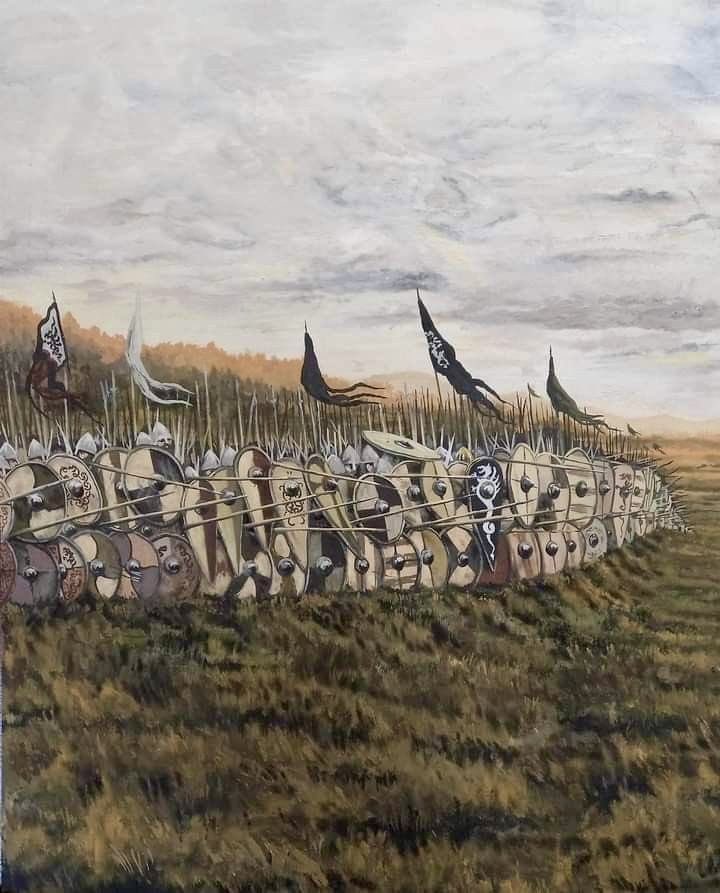
The Saxons then marched to face the Vikings again with βall their might and in a determined frame of mindβ and met them at Ashdown.
The Vikings divided their army into two contingents. One was led by kings Bagsecg and Halfdan, and the other was led by the Vikings earls.
The English did the same with Alfred facing the earls and Γthelred facing the kings.