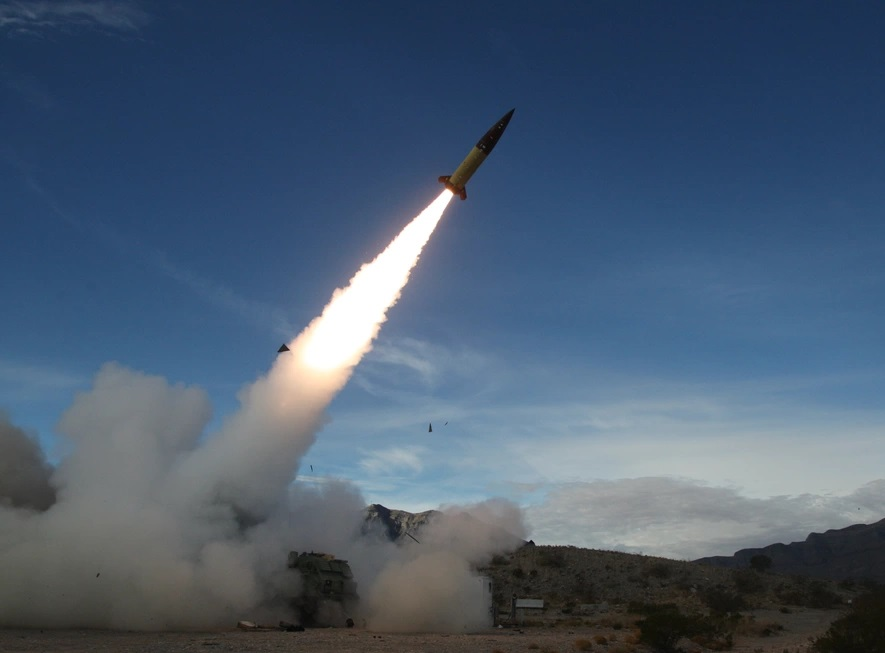
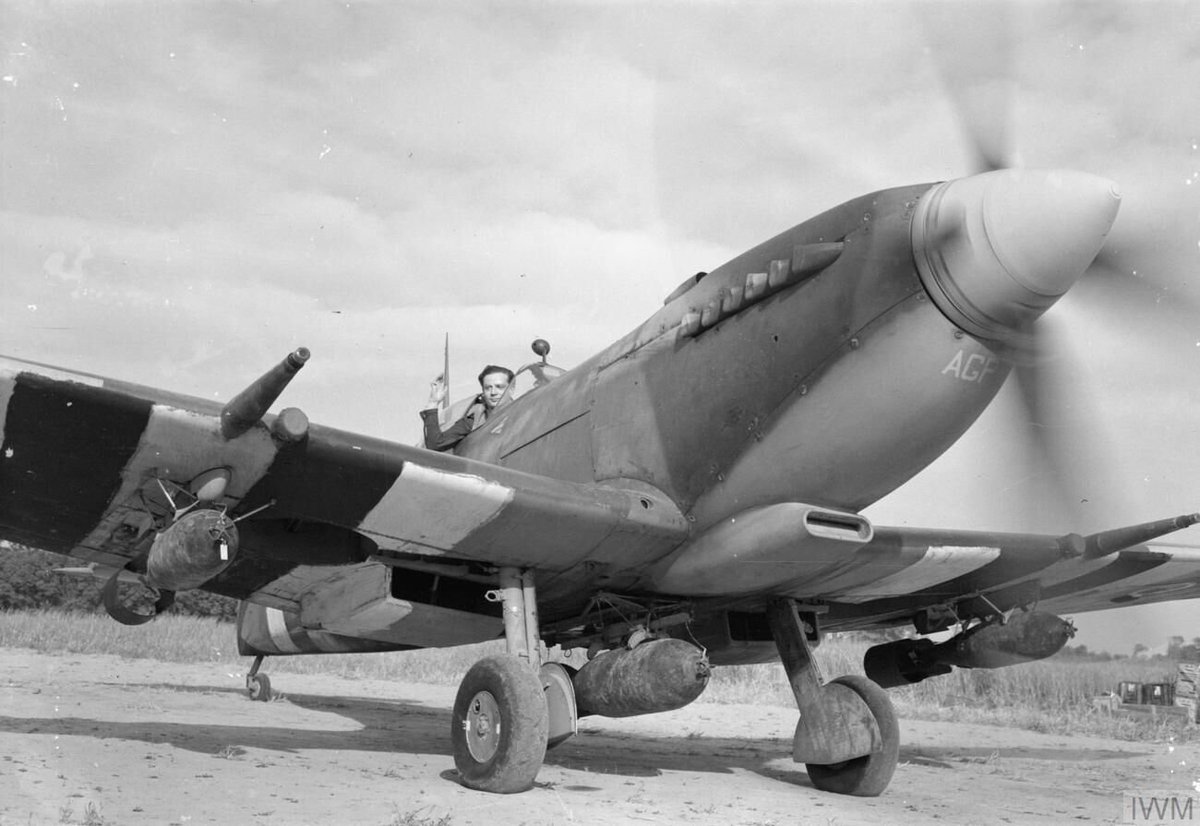
The UK's plan to aquire 7,000 long range weapons is becoming clearer. In addition to the FC/ASW 1,000km TP15 and RJ10 subsonic stealth and supersonic cruise missiles for the RAF and RN, the Army will deploy 600km BRAKESTOP OWEs and NIGHTFALL tactical ballistic missiles.
Both BRAKESTOP and NIGHTFALL are sovereign developed, ITAR-free and domestically produced capabilities, like FC/ASW, but unlike the Anglo-French-Italian MBDA missile programme and to be low cost and rapidly developed for fielding before 2030.
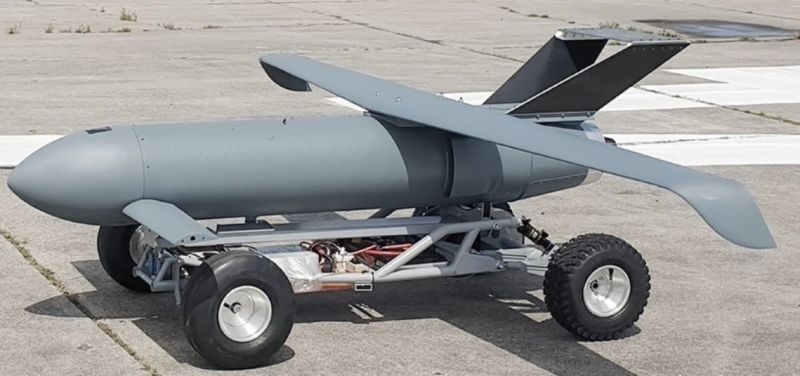
The one programme that is less clear is ELSA, a pan-European plan to aquire a 2,000km cruise or ballistic missile. Whether this will be a new weapon programme or a development of another weapon under development or procurment of an existing weapon is unknown.
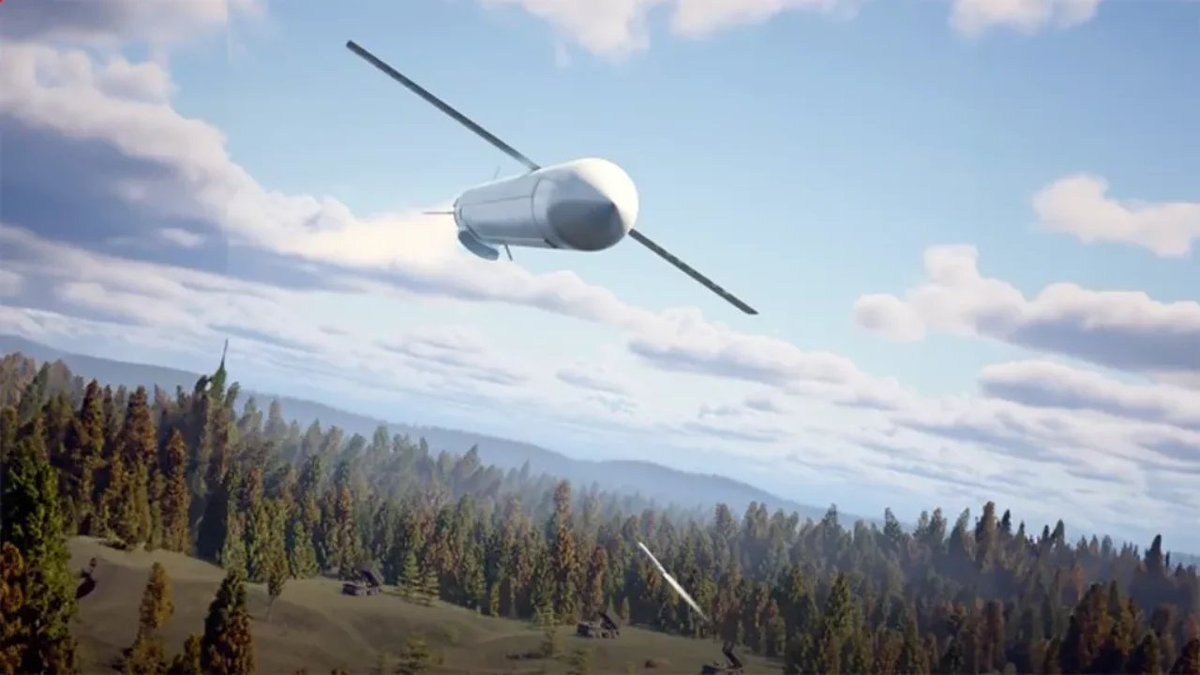
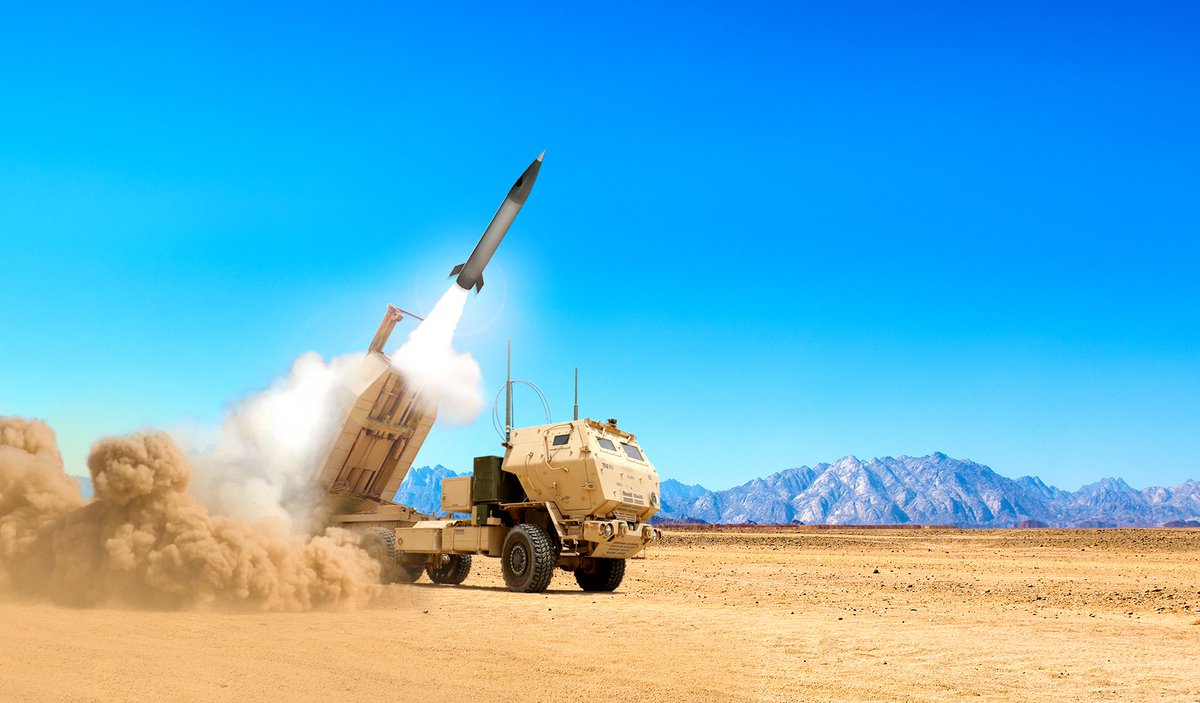
Its also unclear if NIGHTFALL signals the deathknell for the Army's plan to aquire PrSM for M270. NIGHTFALL has a larger warhead than PrSM, but is less suitable against moving or well defended targets unless fired in large barrages, so a smaller purchase of PrSM remains possible.
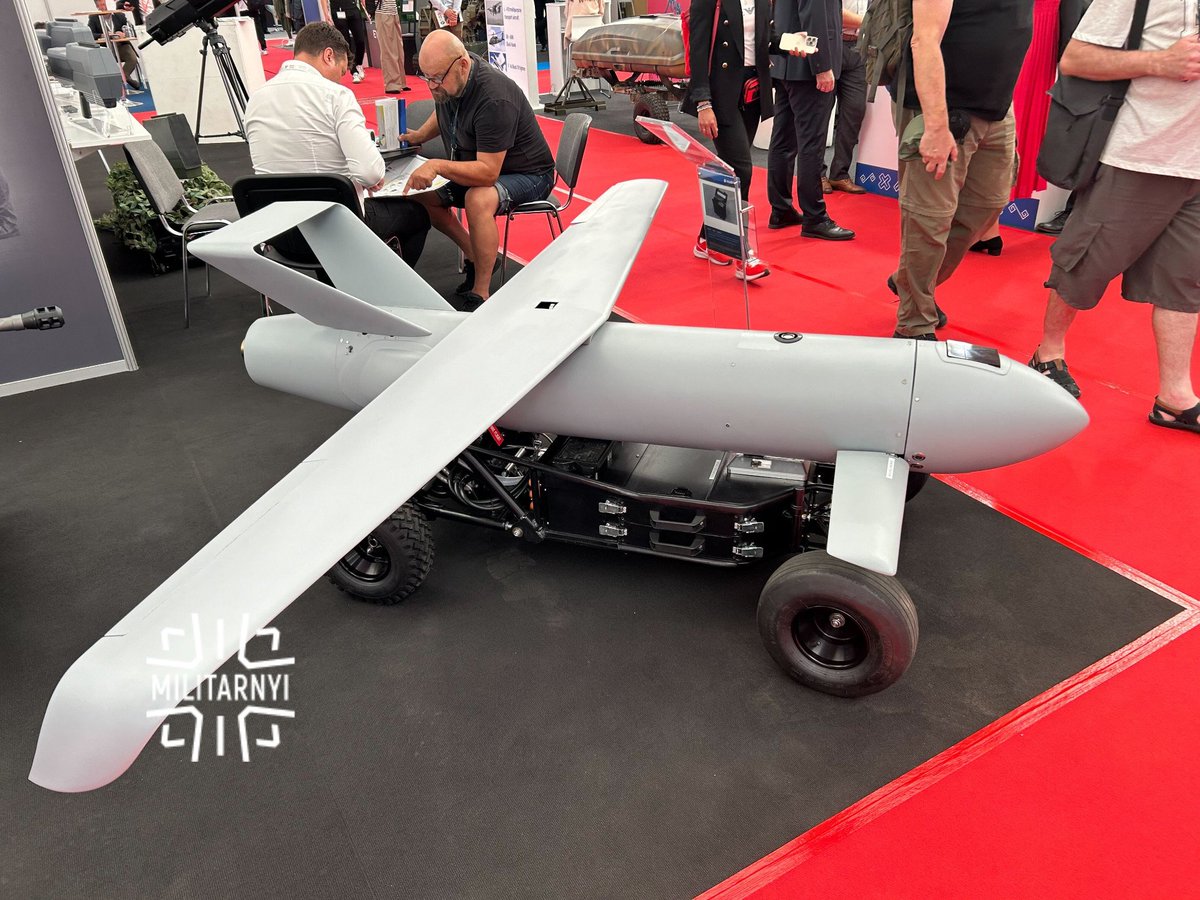
The Army has already aquired 400 Modini Dart 250 EW drones for use in SEAD/DEAD against adversary SHORAD. These UK-Ukrainian developed 250km range OWEs are currently deployed with Operation CABRIT in Estonia. Whether more will be aquired is not yet known.
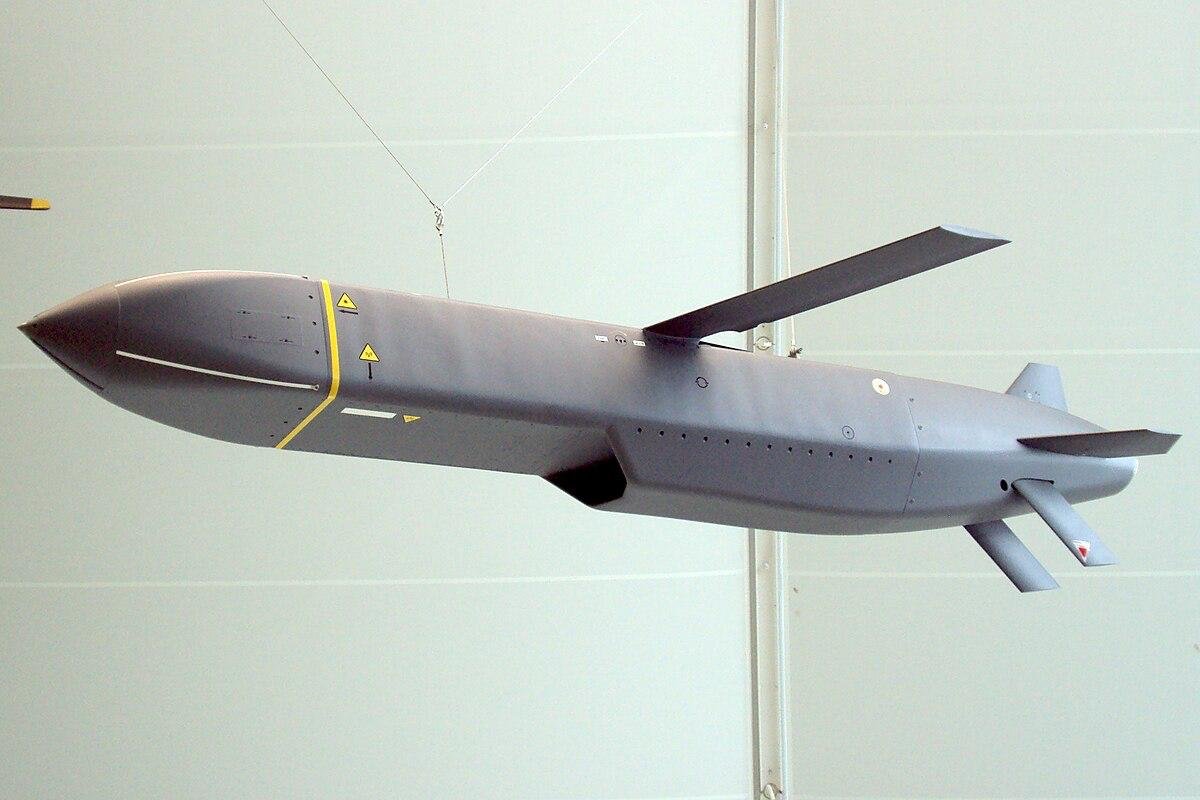
Last but not least, production of the upgraded Storm Shadow 550km range cruise missile has been restarted in both the UK and France, and more will be aquired for use by the RAF before FC/ASW enters service. Its unclear how many more, but UK's inventory of 900 is depleted.
@threadreaderapp unroll
• • •
Missing some Tweet in this thread? You can try to
force a refresh

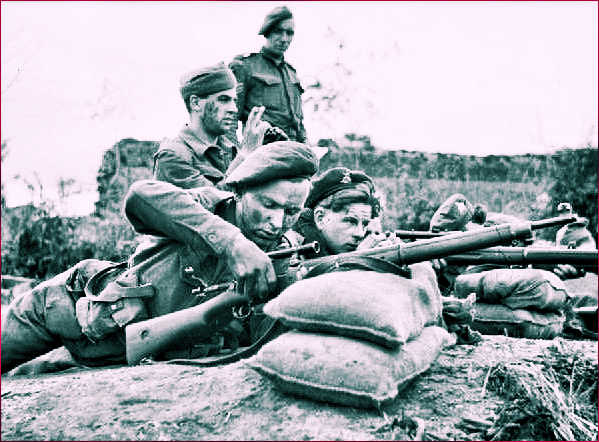
The Enfield P14 was the planned replacement for the Lee-Enfield SMLE in 1914. Designed from experience in the Boer War, it was intended to combine perceived advantages of the German Mauser cartridge and acton (greater accuracy and durability) with that of the SMLE (rapid fire).
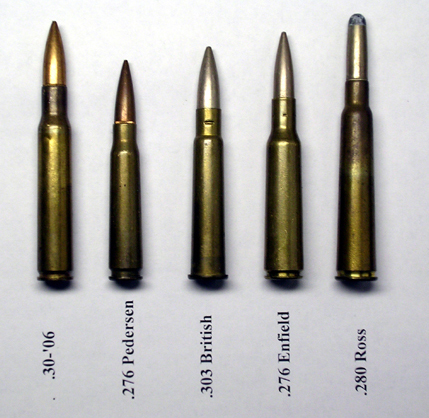
The rifle was adapted from the P12-13 prototypes, which had been designed around the powerful Enfield .276 cartridge. Due to developmental problems with the cartridge and the onset of war in 1914, the rifle was adapted to fire the in-service .303 round as the P14.
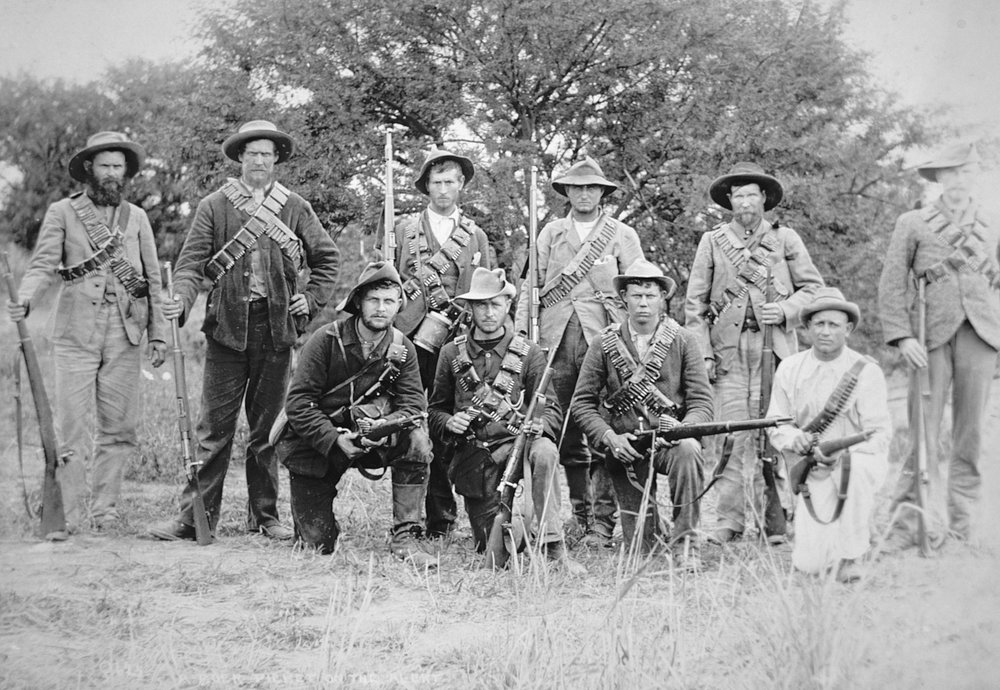
During the Boer War, soldiers had noted the greater range and accuracy of the Mauser model 1895 used by Boer sharpshooters. Enfield decided to combine the more powerful Mauser-type round and action (used by both the Mauser and the US 1903 Springfield rifle) with the Lee-Enfield.
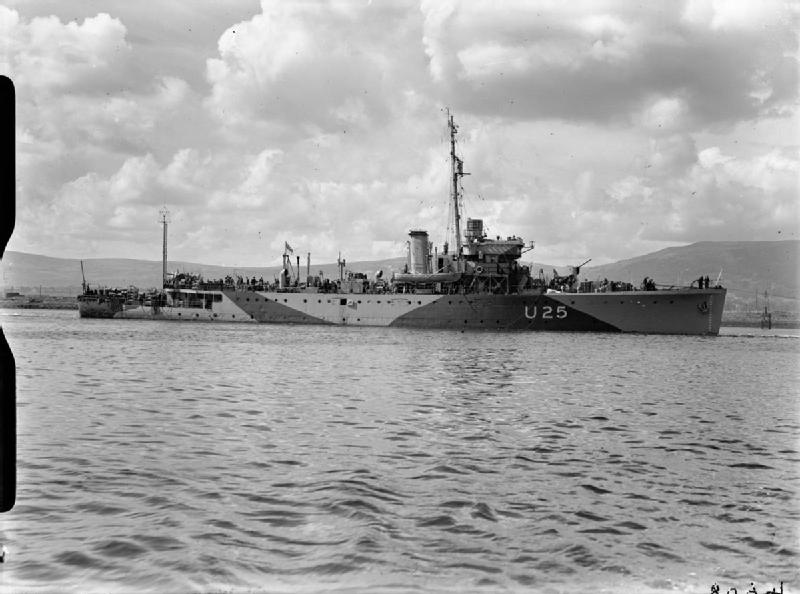
Convoys from South Africa, India, Australia and South America to the UK formed up in Freetown's vast natural harbour before proceeding under escort to Gibraltar and Britain. These Defiant target-tugs were used to drill the merchantmen in anti aricraft fire before they departed.
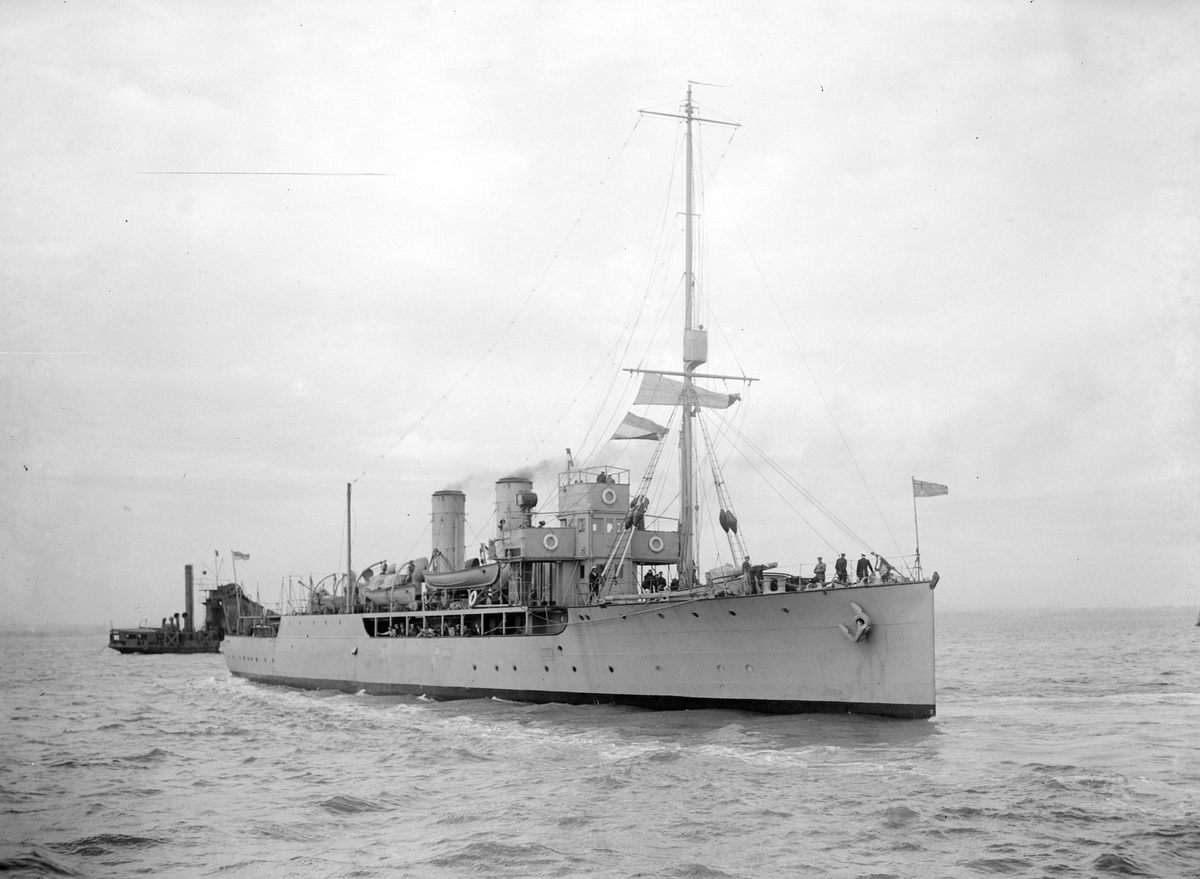
Sloops carried out day-to-day flag waving and policing duties from all of the major colonial ports, and from 1916 had been built with a secondary capability for use as convoy escorts. This included the fitting of depth charge racks and the earliest form of sonar - ASDIC.
Convoy escort sloops had been built in large numbers during the Great War to a standard 'Flower-class' design based on a fleet minesweeper hull. But by 1939 most of these ships were worn out and had been scrapped, sold off or converted for RNR harbour duties.
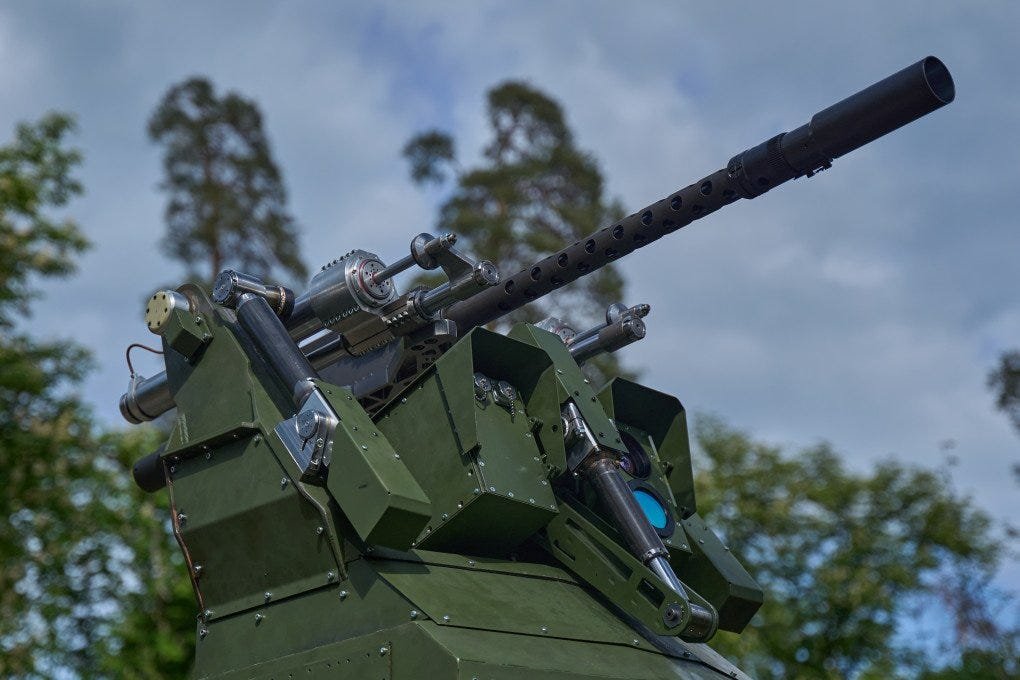
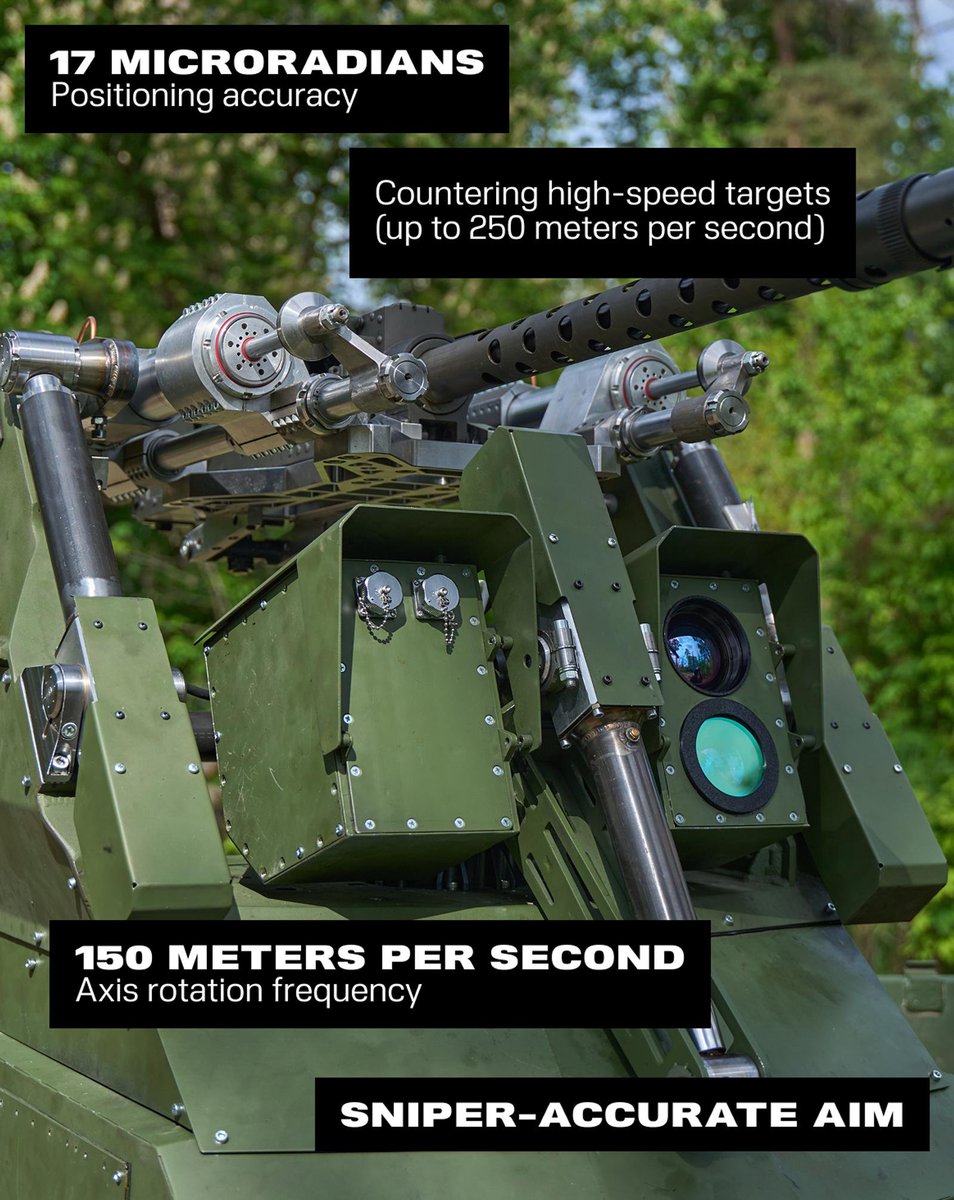
Britain is buying Sky Sentinel AI controlled C-UAS turrets for Ukraine. These Ukrainian systems use EW and a 12.7mm Browning M2 HMG and are extremely effective against subsonic drones like Shahed. 10-30 of the $150K turrets are needed to protect a city. militarnyi.com/en/news/sky-se…
Sky Sentinel uses 'foreign components' which suggests a UK-UKR collaboration in design and manufacture. AI controlled, they do not require indivdual operatators, but can be integrated with and operated as part of an IAMD systems from remote command posts.
Billed as the world's first full automated AI controlled air defence turret, it fills a gap to counter cheap $10-$30 drones where sophisticated longer-ranged systems like Sky Sabre, IRIS-T or NASAMS are overkill, and can be optimsied for use against more complex threats.
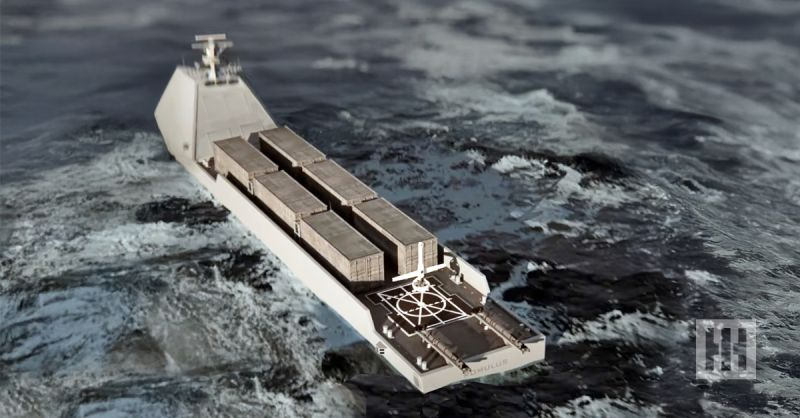
A thread on rapid scaling of the Royal Navy using quick-build autonomous systems:
1SL Gen Gwyn Jenkins has endorsed this approach, following his 'uncrewed where possible' mantra, but understanding that uncrewed will augment rather than replace crewed capabilities.
This means building low-cost, attritibel uncrewed systems to the current technology levels, rather than high-risk bleeding edge capabilities. So using proven remote control and AI autonomy on fast-build platforms for escort, ISR, picket dury/outer layers and magazine depth.
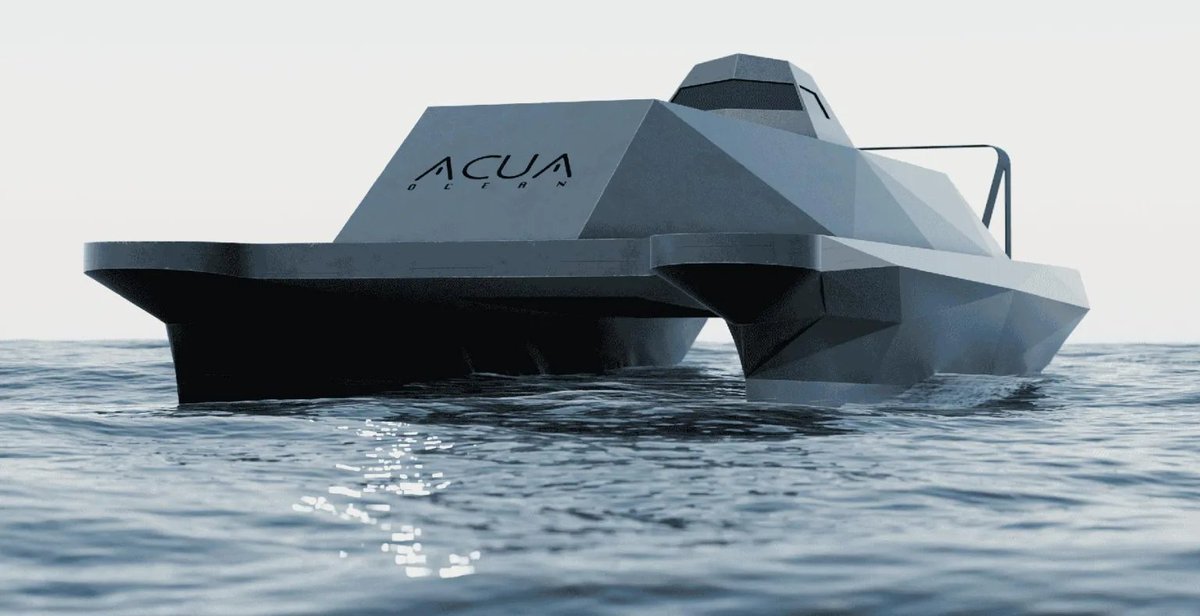
Work is already proceeding on many of these capabilities, much of it funded by industry, but little has been fielded operationally. In the UK this includes the M-Subs Excailbur and BAES Herne XLUUVs, Helsing Fathom SG-1 ASW Wave Glider, ACUA 43m ASW MUSV & Leonardo Proteus RUAS.
In 1940 Britain only porduced the heavy and complex Lanchester SMG, a copy of the 1920s German MP28. The Lanchester was designed for use by naval boarding parties and also issued to the the RAF Regiment. It was made of high quailty materials and expensive to produce.
Large numbers of Thompson SMGs were ordered from the United States in 1939, but supply could never meet demand, especially after the US entered the war in 1941. The Thompson was also expensive to produce and relatively complex.
In 1940 the Design Department at the Royal Arsenal at Woolwich and the Royal Small Arms Factory at Enfield worked tegether to develop a simplified mass-production weapon, based the the Lanchester's action, compatable with the Lanchester/MP 28 magazine and 9x19mm Parabellum round.
Lets look at the Second Tactical Air Force (2 TAF) and how RAF air support for 21st Army Group was organised and delivered.
2TAF was built on lessons in close air support learned in the Mediterranean with the Desert Air Force (later renamed the First Tactical Air Force).
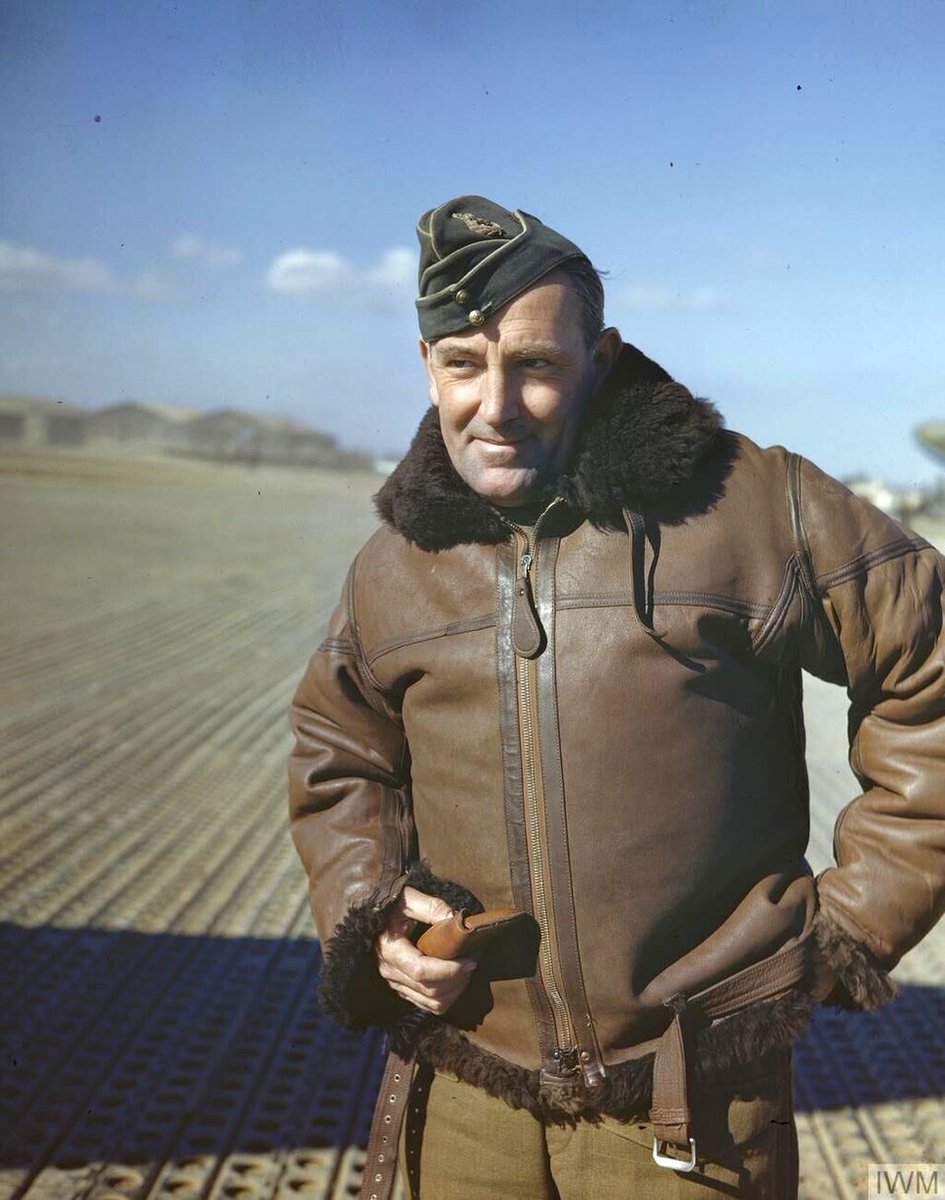
Formed in July 1943, command passed to Arthur Coningham in January 1944, the New Zelander who had led the Desert Air Force from 1941-43 and pioneered the use of forward air control, 'cab ranks' and the rapid construction of forward air strips behind advancing ground forces.
Three RAF 'Groups' were assigned to 2TAF. These were the equivalent of USAAF 'Conmands'. 83 Group and 84 Group were newly formed Fighter Groups, containing units detached from Fighter Command, and 2 Group comprised tactical light ad medium bombers detached from Bomber Command.