Everyone studies Warren Buffett for wealth.
But if you want both wealth and happiness—study Naval Ravikant.
He recently laid it all out in one of his best interviews yet.
Here are 7 powerful lessons that will make you think twice: 🧵
But if you want both wealth and happiness—study Naval Ravikant.
He recently laid it all out in one of his best interviews yet.
Here are 7 powerful lessons that will make you think twice: 🧵

1. Play Wealth, Not Status Games
Status is a ladder: someone has to fall for you to rise.
But wealth is like building a house: everyone who helps can live better inside it.
It's built on value, scales with leverage, and creates freedom.
Status is a ladder: someone has to fall for you to rise.
But wealth is like building a house: everyone who helps can live better inside it.
It's built on value, scales with leverage, and creates freedom.
2. Trim Your Desires
The fastest path to peace isn't getting more.
It's wanting fewer, more important things.
Every new want adds another weight.
Instead of hustling to carry more, put some of it down.
Simplicity is wealth you can feel today.
The fastest path to peace isn't getting more.
It's wanting fewer, more important things.
Every new want adds another weight.
Instead of hustling to carry more, put some of it down.
Simplicity is wealth you can feel today.
One way I apply this rule by limiting time on social media.
Less time scrolling = less noise, less desire, less comparison.
I limit social media to 30 minutes a day.
Here's the app I use to enforce the rule:
getroots.link/aNqv9fK
Less time scrolling = less noise, less desire, less comparison.
I limit social media to 30 minutes a day.
Here's the app I use to enforce the rule:
getroots.link/aNqv9fK
3. Guard Your Private Reputation
Self-esteem comes from how you act when no one's looking.
If you're always cutting corners or making excuses, deep down you'll know.
Live in a way you’d be okay watching back on tape.
That’s a kind of peace no praise can buy.
Self-esteem comes from how you act when no one's looking.
If you're always cutting corners or making excuses, deep down you'll know.
Live in a way you’d be okay watching back on tape.
That’s a kind of peace no praise can buy.
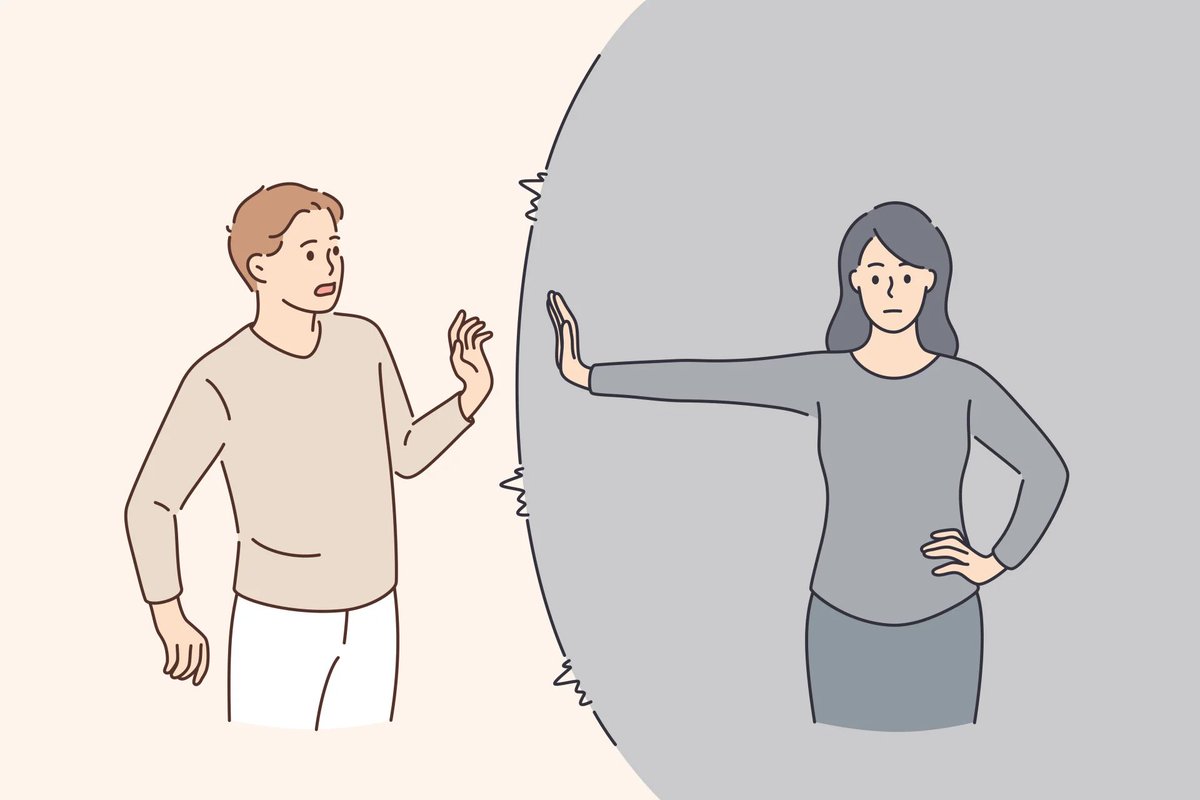
4. Default to “No”
Saying yes to everything spreads you thin.
Early on, say yes to learn.
But as you grow, protect your time by saying no.
It’s like planting fewer seeds, each grows stronger because it gets more care.
Focused energy beats scattered effort every time.
Saying yes to everything spreads you thin.
Early on, say yes to learn.
But as you grow, protect your time by saying no.
It’s like planting fewer seeds, each grows stronger because it gets more care.
Focused energy beats scattered effort every time.
5. Make Work Feel Like Play
Your edge exists where others burn out.
Find tasks that feel fun to you but look like chores to others.
That’s your secret weapon: you’ll do more, feel less tired, and blow past the competition.
Your edge exists where others burn out.
Find tasks that feel fun to you but look like chores to others.
That’s your secret weapon: you’ll do more, feel less tired, and blow past the competition.
6. Drop the Pride, Start Over
Pride loves to cling to what used to work:
• It slows you down
• It creates blindspots
• It burns you out
People who never let go of who they were never become who they could be.
There is nothing wrong with starting over.
Pride loves to cling to what used to work:
• It slows you down
• It creates blindspots
• It burns you out
People who never let go of who they were never become who they could be.
There is nothing wrong with starting over.
7. Treat Learning as Error Correction
Think of learning like steering a bike:
Tiny corrections keep you moving forward.
Ignoring mistakes just means crashing later.
Most people don't give themselves permission to fail, and that's why most people don't win.
Think of learning like steering a bike:
Tiny corrections keep you moving forward.
Ignoring mistakes just means crashing later.
Most people don't give themselves permission to fail, and that's why most people don't win.
P.S.
The path to wealth and happiness does not include mindlessly scrolling on your phone 5+ hours a day.
Setting boundaries is key to building a good foundation.
Here's a link to the screen time app I use:
getroots.link/aNqv9fK
The path to wealth and happiness does not include mindlessly scrolling on your phone 5+ hours a day.
Setting boundaries is key to building a good foundation.
Here's a link to the screen time app I use:
getroots.link/aNqv9fK
P.P.S. For the full conversation:
Check out Chris Williamson "44 Harsh Truths About The Game Of Life - Naval Ravikant" on YouTube.
Check out Chris Williamson "44 Harsh Truths About The Game Of Life - Naval Ravikant" on YouTube.
• • •
Missing some Tweet in this thread? You can try to
force a refresh