1/ As Moldova approaches a crucial parliamentary election, the Russian official responsible for election interference has reportedly been sacked and replaced. An investigation is said to have been opened into the theft of funds designated for vote-rigging. ⬇️
2/ The VChK-OGPU Telegram channel reports that Dmitry Milyutin, the deputy head of the Fifth Service of the FSB, has been removed "based on the results of an organisational inspection," but in reality for failing to rig the Moldovan presidential election in Russia's favour.
3/ The election, which was held in two rounds concluding on 3 November 2024, was won by incumbent Maia Sandu, with a pro-Russian candidate winning 44.65% of the votes.
4/ The election was marred by overt and obvious Russian interference, including Russia paying to fly in Moldovan passport-holders to vote against Sandu. The FSB's Fifth Service is responsible for covert Russian activities in former Soviet republics.
5/ According to VChK-OGPU, Milyutin was responsible for covert activities, including interference campaigns, in Belarus, Moldova and the Baltic States. However, it appears that money that was meant to have been used in this campaign may have been stolen.
6/ The channel reports:
"Dmitry Milyutin is considered to be completely under the control of the former head of the Fifth Service, Sergey Beseda, who left his post in the summer of 2024."
7/ "The new head of the Fifth Service, Alexei Komkov, immediately launched an internal investigation into the misuse of funds by employees of the Fifth Service in Moldova."
8/ "[Milyutin's] post has been taken by Albert Stepygin, who previously headed the Second Service of the FSB's Internal Security Directorate (which develops FSB Central Administration employees; it was previously headed by Alexei Komkov, the current head of the Fifth Service)."
9/ According to VChK-OGPU, "Stepygin is a long-time friend of Komkov, which explains his appointment. In recent years, Stepygin has been involved in a number of scandals."
10/ "He was implicated in the redistribution of the funeral market, in the case of journalist Ivan Golunov, who was framed for drug possession, and was suspected of having ties to the Taganka organised crime group and of helping lawyer Yaroslav Bogdanov,…
11/ …who was involved in illegal dealings, flee Russia."
(The reference to "the redistribution of the funeral market" likely concerns Russia's highly lucrative cemetery mafia, which is booming due to the war in Ukraine.) /end
1/ A Russian commander denounces the Russian way of war as "rot, greed, and hypocrisy", typified by rampant theft, corruption and greed among those providing goods and services to the soldiers, and among the soldiers themselves. ⬇️
2/ The 'Vyaly' Telegram channel recounts the comments of "a Combat Commander who is currently working in the immediate vicinity":
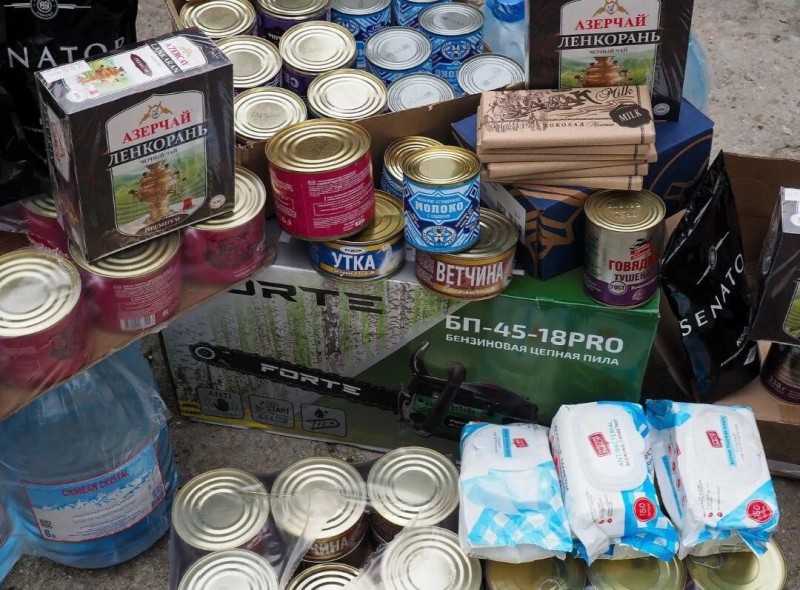
3/ "Our way of war: rot, greed and hypocrisy
Here, on our section of the front, the real enemies sometimes sit not behind the grey line, but right next to us. With automatic rifles, the same uniforms, the same flag on their chevrons. Only with zero honour in their souls.
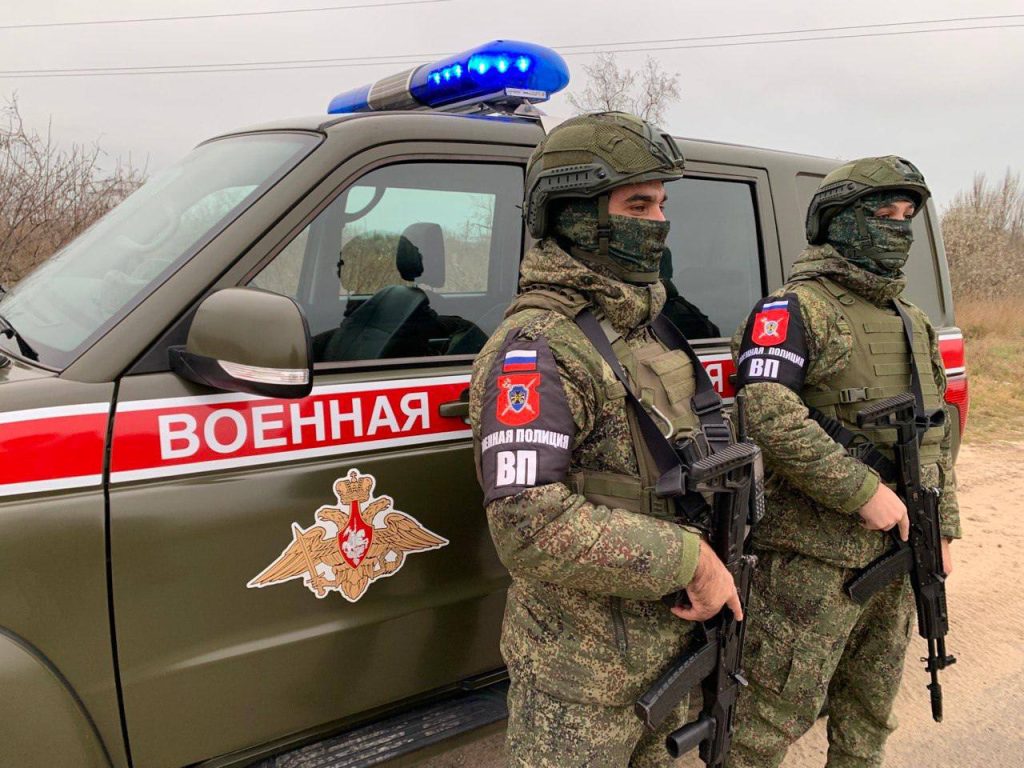
1/ Russia's infamously corrupt military police (VP) are continuing to make friends and influence people in occupied areas of Ukraine. Russian soldiers are infuriated to be receiving fines for, among other things, smoking in vehicles (on the grounds that 'smoking kills'). ⬇️
2/ The VPs have a deserved reputation for corruption and abuse, and are universally loathed by soldiers: "the bane of the Russian army" and a "garden of corrupt scum", as one warblogger puts it.
3/ Their propensity for issuing on-the-spot fines (which they likely pocket themselves) for trivial infractions is discussed by two Russian warbloggers. Andrey Filatov writes:
"You can think whatever you want about the military police, but they are certainly not lazy."
1/ Russian warbloggers continue to be furious that, as one puts it, "our oil refineries continue to leave the chat". They are turning their anger on "oil barons" who, they suspect, are happy to see refineries exploding if it boosts their profits. ⬇️
2/ As the Russian government appears powerless to stop an intensive Ukrainian campaign against the country's refineries, warbloggers are now shifting to blaming the country's oil producers for failing to protect their own facilities.
"The enemy continues to systematically attack Russia's oil and gas infrastructure. According to experts, about 21% of all oil and gas refineries and stations have already been damaged or destroyed.
1/ The Russian army has experienced a 20-fold increase in HIV cases compared to pre-war figures, according to Russian military doctors. Soldiers who have been infected with HIV and hepatitis C blame drug abuse and a widespread disregard for basic medical hygiene. ⬇️
2/ An article in the Russian Ministry of Defence's Military Medical Journal reports a huge increase in the number of soldiers with detected cases of HIV, and the likelihood of a much larger number of undetected cases.
3/ The vast majority of infections have happened among contract servicemen (99.8% of the total), with 93.5% being regular soldiers and sailors (93.5%), and the rest comprised of officers (4.4%), warrant officers and midshipmen (1.8%), and cadets (0.1%).
1/ An alleged kingpin of Russia's infamous cemetery mafia has been arrested. The Mayor of Vladimir is suspected of links to organised crime groups that have taken over Russia's funeral business, which is enjoying a boom due to the Ukraine war. ⬇️
2/ Organised crime gangs have used violence and arson to drive legitimate funeral firms out of business and take over cemeteries and even entire hospitals, often fleecing relatives for things that are supposed to be free, such as burial plots.
3/ This has been done in conjunction with corrupt officials in local administrations, ranging from clerks to mayors. The latter have typically provided 'krysha' ('cover') to the cemetery mafia, protecting them from investigation in exchange for a share of the profits.
1/ The constant threat of Ukrainian drone strikes and tougher restrictions imposed by the Russian army on troop movements in the rear now mean that Russian soldiers in occupied Ukraine live "almost like [in] a penal colony", according to a serving Russian soldier. ⬇️
2/ Recent moves by the Russian military administration in occupied parts of Ukraine (known as "the Zone") have drastically reduced the freedom of Russian soldiers serving there, with infractions being punished by sending offenders into suicidal assaults.