LaurieWired Profile picture
Sep 2, 2025 5 tweets 3 min read Read on X
Much like humans, CPUs heal in their sleep.

CPUs are *technically* replaceable / wear items. They don’t last forever.

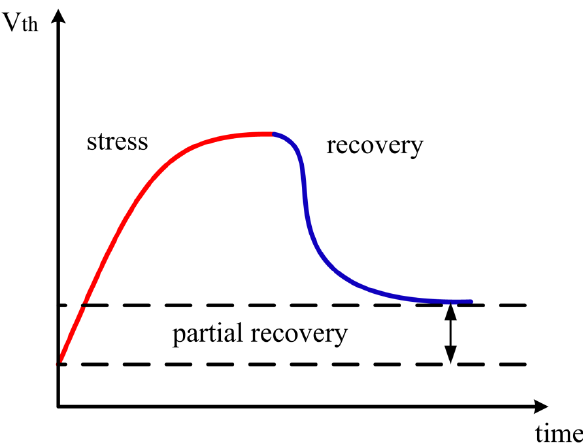
Yet, the moment stress is removed, transistor degradation (partially) reverses.

It's called Bias Temperature Instability (BTI) recovery: Image
Image
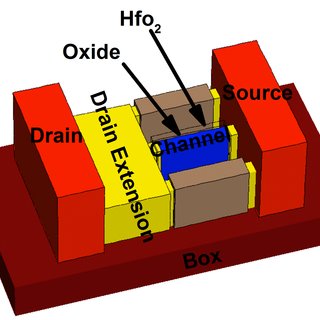
Transistors are little switches.

When you hold a switch on, especially when it’s hot, a bit of charge gets stuck where it shouldn’t.

Every time that happens, it gets a little bit harder to switch.

In other words, the transistor gets a little “lazier”. Image
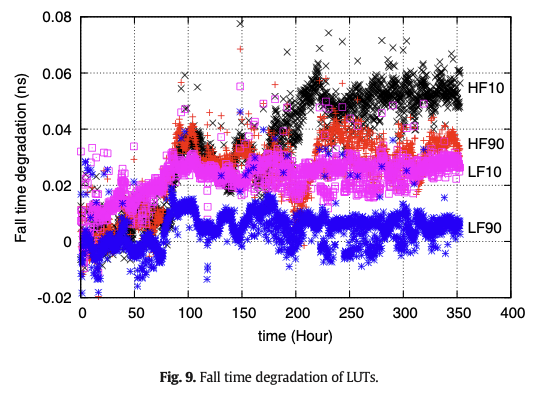
Over 10 years, in a modern processor, the ALU can slow down 6%!

FPGAs get hit even harder. Run it hard (slightly over-volted), and you’re looking at a few % a year of slowdown.

Not something the average user would notice, but definitely has to be accounted for. Image

Image
The neat part is that BTI damage can be (partially) recovered with…sleep!

Give the transistor a break, and degradation reduces ~40% or more; the longer the better.

CPU C states create lots of tiny idle windows (microsleeps), which drastically increase the lifespan. Image

Image
I’m not exaggerating. Some BTI recovery methods are literally inspired by the human sleep cycle.

“Circadian Rhythms for Future Resilient Electronic Systems” delves deeply into this topic, with real world examples and experiments.

That’s gotta be one of the best book titles I’ve ever seen.Image

• • •

Missing some Tweet in this thread? You can try to force a refresh

 

Keep Current with LaurieWired

LaurieWired Profile picture

Stay in touch and get notified when new unrolls are available from this author!

Read all threads

This Thread may be Removed Anytime!

PDF

Twitter may remove this content at anytime! Save it as PDF for later use!

Try unrolling a thread yourself!

how to unroll video
  1. Follow @ThreadReaderApp to mention us!

  2. From a Twitter thread mention us with a keyword "unroll"
@threadreaderapp unroll

Practice here first or read more on our help page!

More from @lauriewired

Mar 23
The way SD cards fail is…gross.

Anyone that does heavy photography or video work knows they’ll gradually get slow; often without outright failing.

I blame the SD association.

The storage controller isn't required to report *any* health information to the host! Image
Image
There’s nothing hugely different about SD cards compared to eMMC, and to some extent SSDs.

The onboard controller *knows* the card is going bad, and the spare pool of reserved blocks is shrinking.

It just doesn’t tell you. Image
In camera land this is really annoying, because most bodies have a write speed cutoff.

Like, ~60MB/s for 4K video or so.

Your SD card might have started out at 125MB/s, slowly degrading over months, until suddenly you’re below the ~60MB/s spec and dropping frames. Image
Read 4 tweets
Feb 23
The human heart is a Turing Machine.

Researchers figured it out with an Xbox 360.

I realize how fake that sounds...but it’s real research published in Elsevier's Computational Biology and Chemistry journal in 2009.

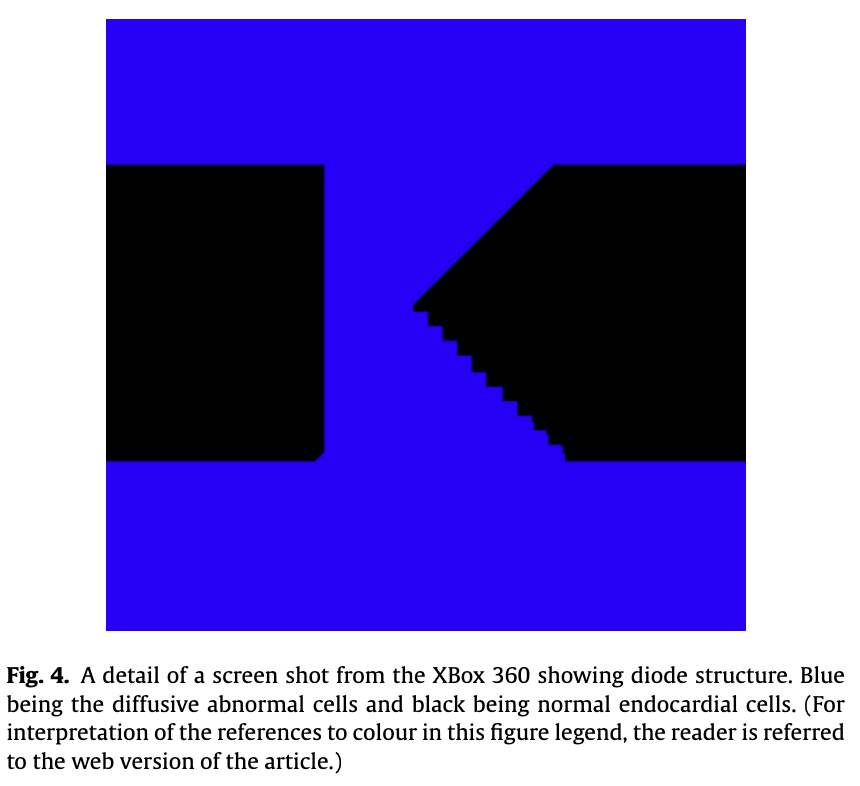
Hearts are electrically excitable media. Image
Image
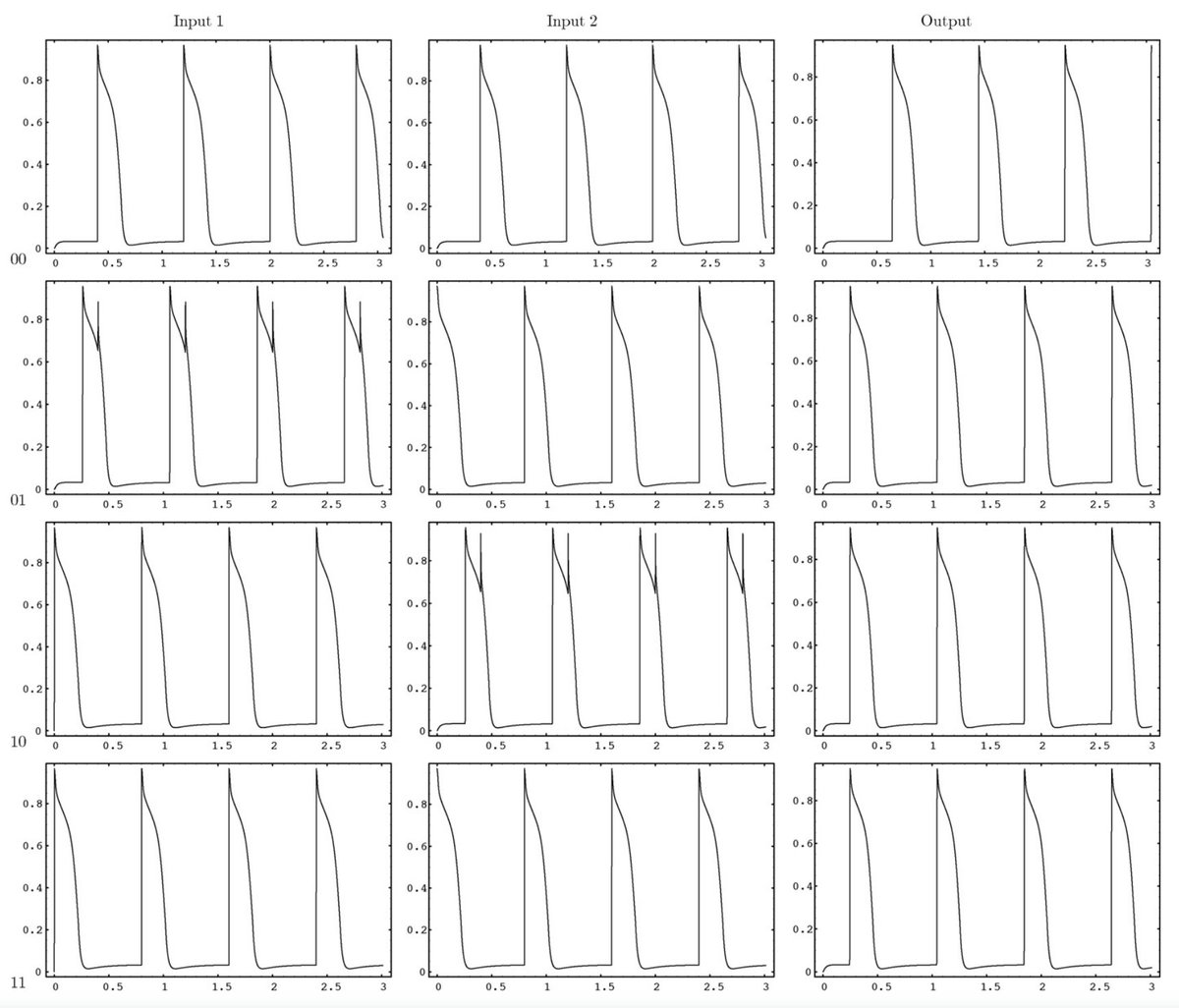
The author figured out you can build a NOR gate from heart cells.

NOR is a universal gate, so you can build all the other gates out of NORs.

Thus, arbitrary logic circuits, plus time…boom you have a computer.

But wait! Computers have interesting properties: Image
Image
Now that you’ve proven cardiac tissue is Turing complete, uh oh, it’s vulnerable to the Halting problem.

Thus, there is no general algorithm that can look at the state of cardiac tissue and decide if it will ever stop.

Arrhythmias are fundamentally uncomputable! Image
Image
Read 4 tweets
Feb 19
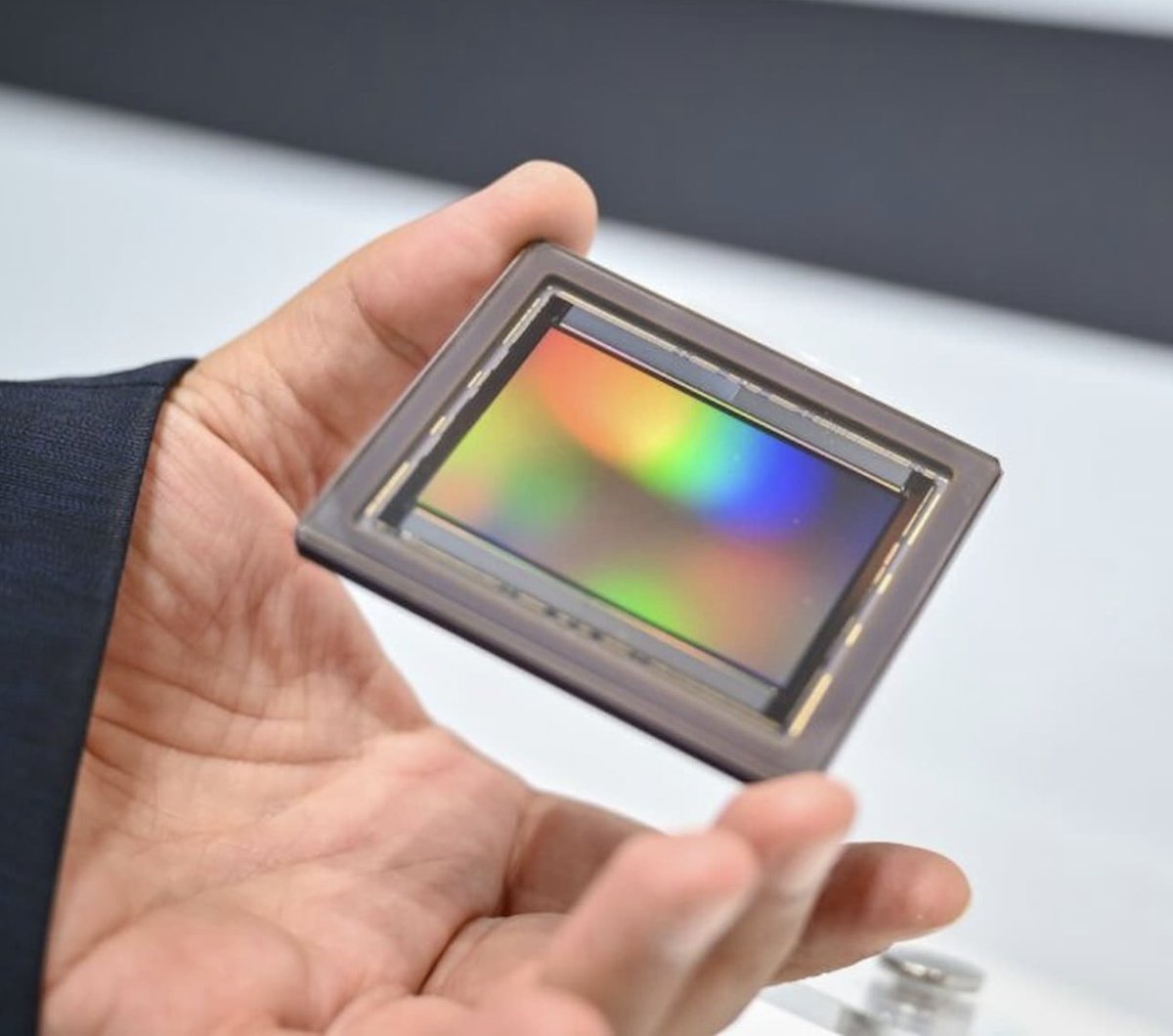
A open secret is that all cameras are basically the same. Just look at the sensor.

Leica SL2-S? IMX410
Sony a7 III? IMX410
Lumix S5II? IMX410
BMCC6k? IMX410

Same photosites…but they still manage different feels.

The processing pipeline is where it gets interesting. Image
Image
Much of it comes down to company taste.

Sony produces the majority of sensors; ironically I think they do the worst job with the signal chain.

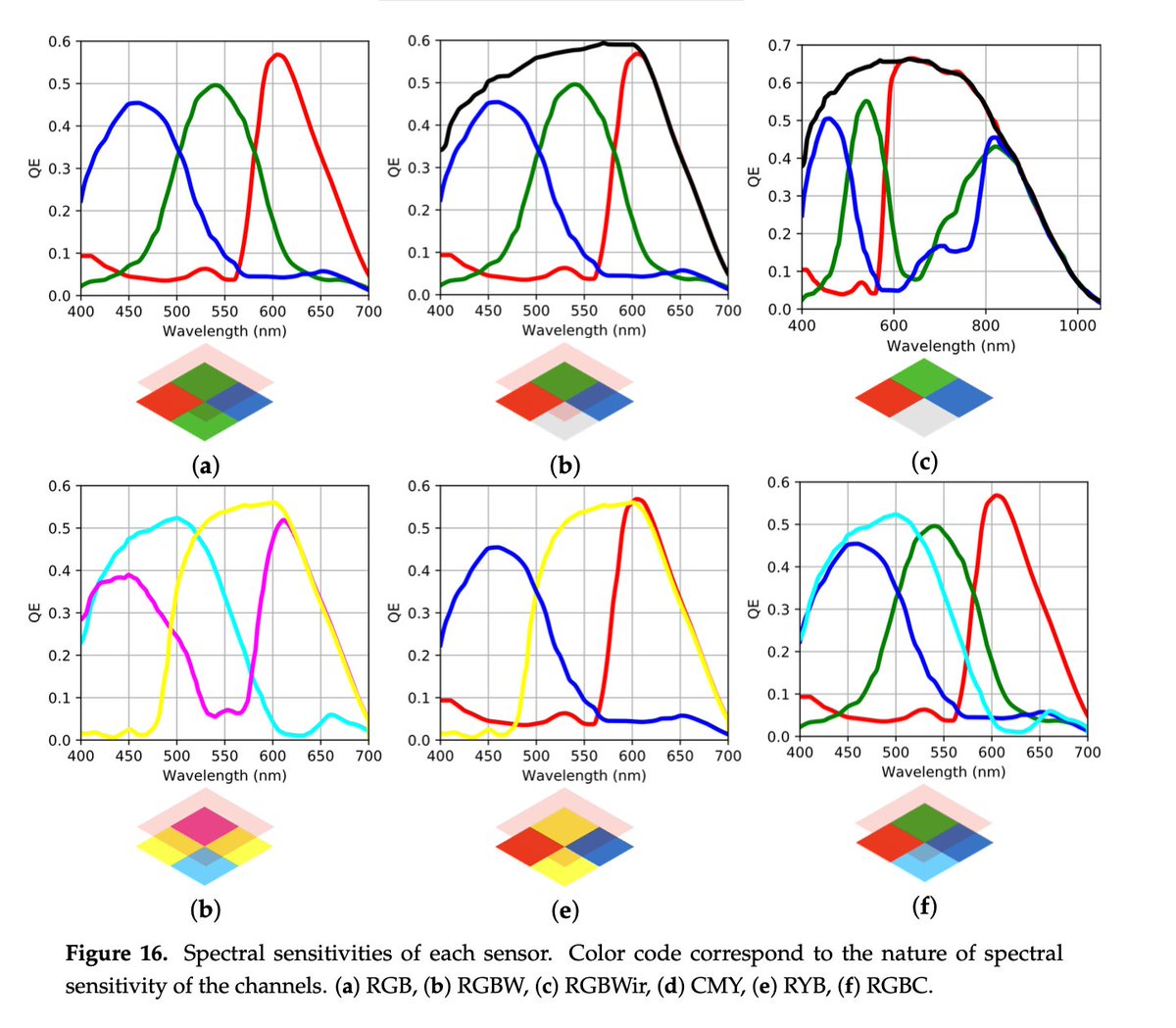
First, you start with the color correction matrix (CCM).

The catch is punchy colors start to mathematically multiply noise. Image
You end up with a non-linear distribution of noisy data. Tricky.

Thus begins the NR pipeline…and this is where I start to have a real problem with Sony.

They bake spatial NR directly into the RAW path.

It's a sneaky trick to cheat on dynamic range benchmarks. Image
Read 4 tweets
Feb 13
CPUs are getting worse.

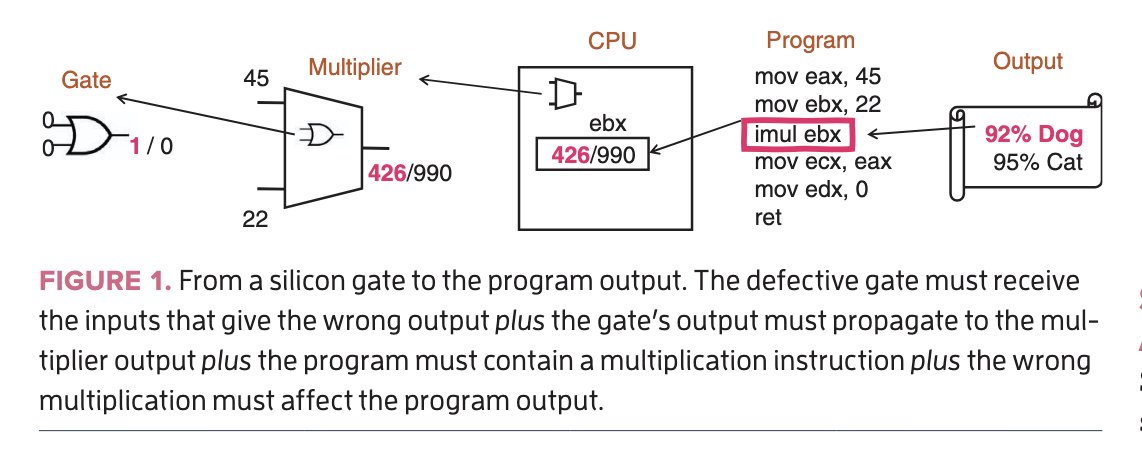
We’ve pushed the silicon so hard that silent data corruptions (SDCs) are no longer a theoretical problem.

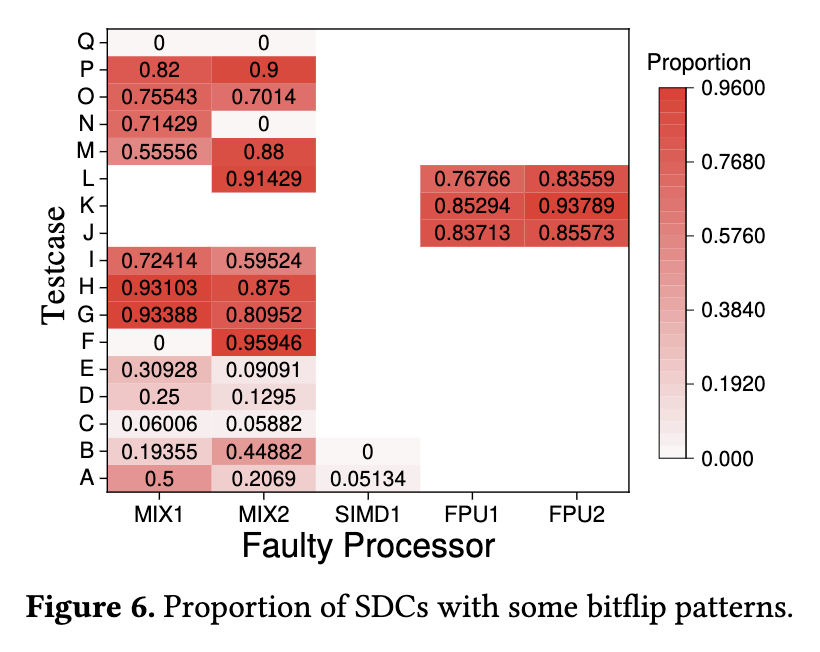
Mercurial Cores are terrifying because they don’t hard-fail; they produce rare, but *incorrect* computations! Image
*When* exactly the problem occurred is hard to pinpoint.

The possibility was brought up at the Dependable Systems and Networks conference in 2008.

The first real SDC disclosure happened in 2021 with Meta. Google and Alibaba also confirmed later. Image
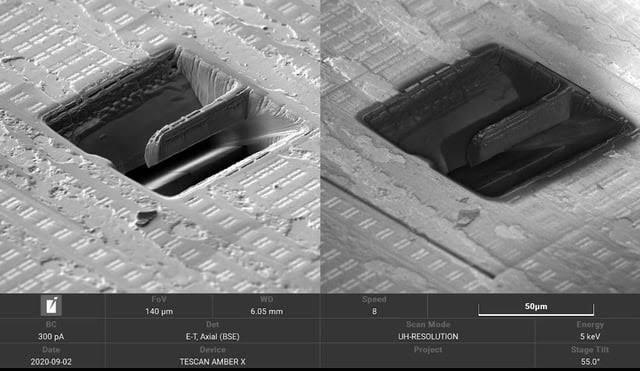
Perhaps more terrifying is that cores can *become* mercurial over time.

Chips are pushed so hard that electromigration aging can make compute “more wrong”.

No one knows for sure what process node started the phenomenon...but it's statically likely to be 14nm or 7nm. Image
Read 4 tweets
Feb 12
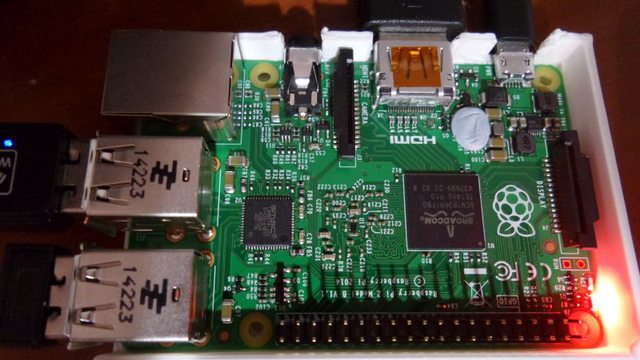
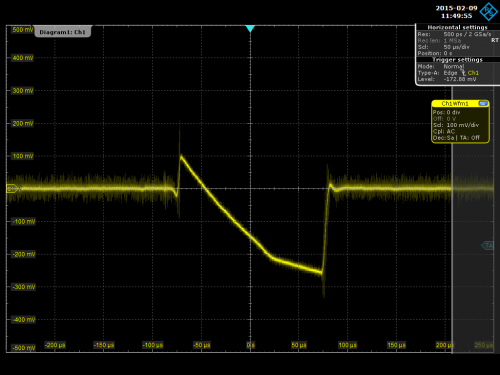
If you take a picture of a Raspberry Pi 2 with a strong flash it will reboot.

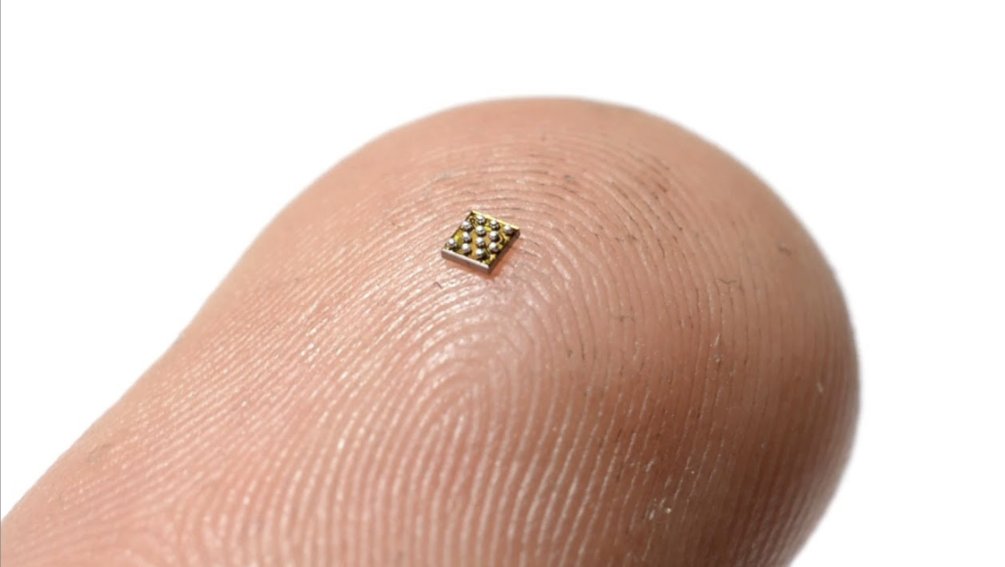
A specific power regulator (U16) was chip-scale packaged to save on cost and die space.

Since the silicon is basically naked, a xeon flash can cause a massive (but very short) current spike. Image
Image
Naked silicon (specifically, WLCSP) isn’t “bad” per se; it’s heavily used in mobile phones.

The thing is…phones are usually sealed. The Pi is an exposed development board.

Don't blame the engineers too hard, Apple actually had a similar issue with the iPhone 4 (back glass). Image
Image
The fix for the RPi is a bit obvious of course.

either:

1. don’t do that (take pictures with high powered flash inches away)
2. if you must…put a little blu-tak, nail polish, or other opaque inert substance on U16
Read 4 tweets
Jan 12
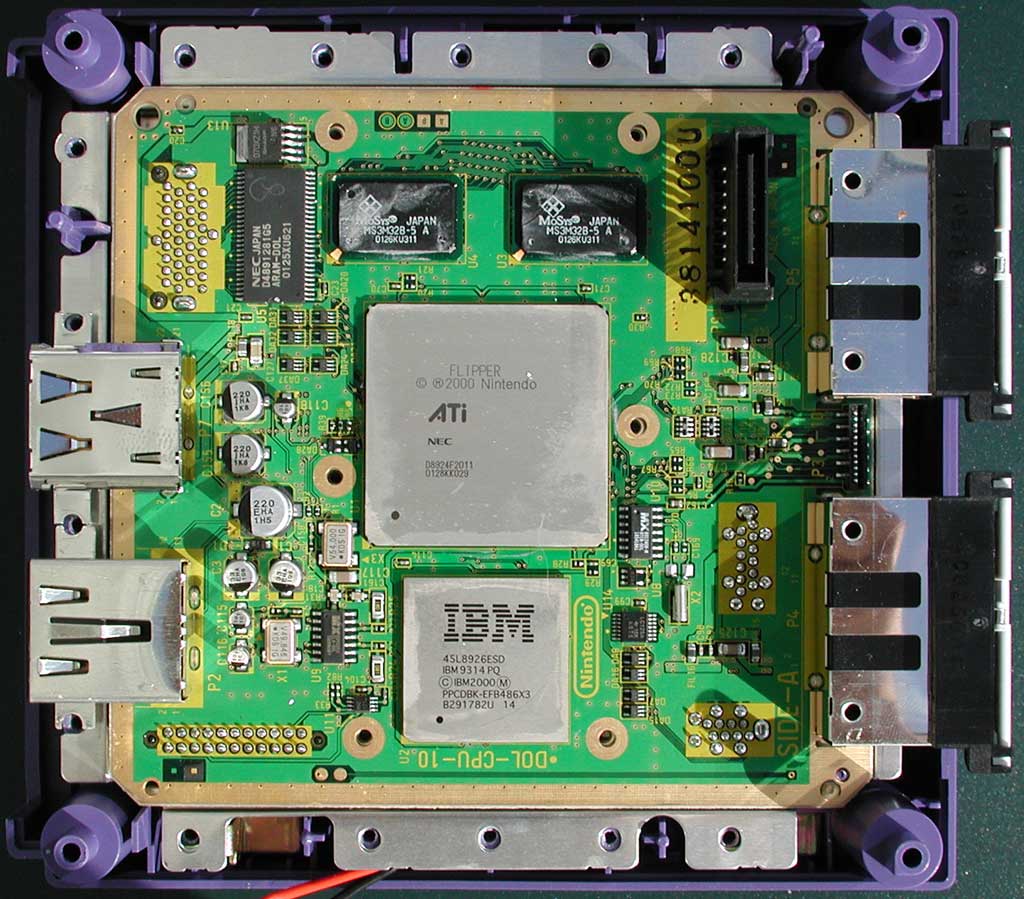
Dolphin’s dev blogs are some of the best technical writing on internet and not enough people read them.

My favorite is their “Ridiculous Ubershader”.

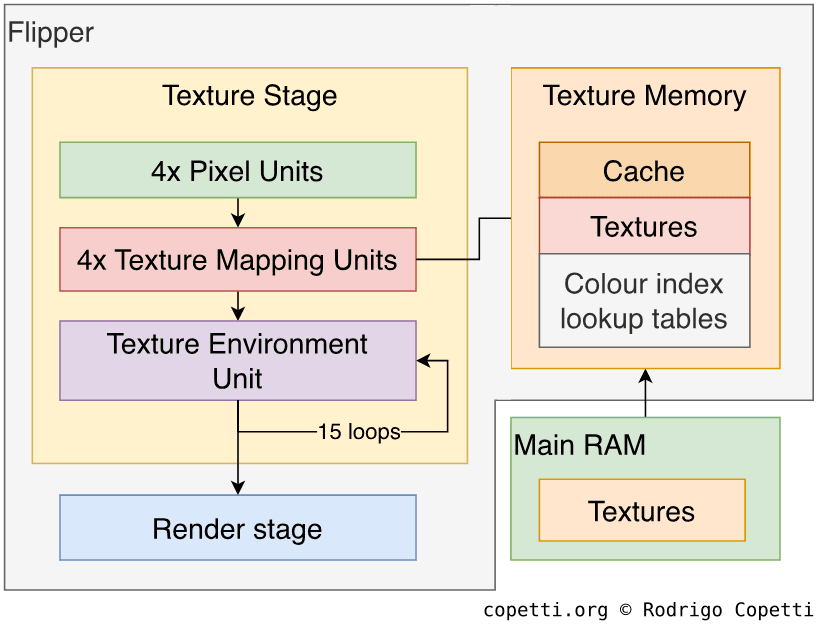
Pre-Compilation of the GameCube’s graphical effects is impossible:

5.64 x 10^511 possible states! So what do you do? Image
Image
Just-In-Time compilation *sucked*.

I mean, it “worked”…but every time a new graphical effect appeared, you had to:

Translate into shader code
Ask Driver to Compile
PAUSE the game to finish compilation
Resume and draw frame
The solution they developed was insane.

Emulate the Gamecube’s rendering pipeline (as in, the actual hardware circuits) *inside* of a pixel shader.

Turns out, it’s easier to just “pretend” to be a real GameCube GPU.

It took 2+ years, and a massive amount of effort. Image
Image
Read 4 tweets

Did Thread Reader help you today?

Support us! We are indie developers!


This site is made by just two indie developers on a laptop doing marketing, support and development! Read more about the story.

Become a Premium Member ($3/month or $30/year) and get exclusive features!

Become Premium

Don't want to be a Premium member but still want to support us?

Make a small donation by buying us coffee ($5) or help with server cost ($10)

Donate via Paypal

Or Donate anonymously using crypto!

Ethereum

0xfe58350B80634f60Fa6Dc149a72b4DFbc17D341E copy

Bitcoin

3ATGMxNzCUFzxpMCHL5sWSt4DVtS8UqXpi copy

Thank you for your support!

Follow Us!

:(