I promised a steelman of Liberalism, and here it is.
Liberalism is the political philosophy that defends the freedom of the individual against tyranny, whether in the form of kings or the mob.
There are four essential principles that make up Liberalism:
1) Individual Liberty
Every person is born with rights that are not allotted by the state, but are rather self-evident and granted by God or Nature. These include freedom of speech, the right to worship however they please (if at all), to own property, and to associate freely with others in a system of voluntary contract without coercion from the state.
The role of the state is not to define the good life, but to protect the individual's right to Life, Liberty, and the Pursuit of Happiness, provided they are not infringing on the rights of others.
Nor is this a comprehensive list of individual freedoms, either. There are others that our founding documents recognize under the 9th and 10th amendments. The lack of a codified freedom does not mean the lack of freedom itself.
2) The Rule of Law
Power must not be arbitrarily wielded by tyrants. No one wants to live under a Caligula or a Stalin. Accordingly, authority has to be bound by a codified list of rules that even the powerful must respect and obey.
We call this codification a Constitution, a system of Checks and Balances, and an institutional framework that protects the rights of all minorities, even the individual, against both the power of the state as well as the will of the majority.
Ultimately, the Law itself must rule over society, not the will of a single powerful individual or faction.
3) Equality Before the Law
Liberalism does not promise equality of outcomes, but equality of treatment. No one is born into a higher or lower legal status. Whether rich or poor, man or woman, young or old, citizen or immigrant, each person deserves equal protection and due process under the law.
Justice is blind, and in place of the old aristocracy of blood, liberals recognize a meritocracy of talent and skill.
4) Political Pluralism and Tolerance
A liberal society is a marketplace of ideas, not the gulag of totalitarian states or the throne and altar of absolute monarchies. Disagreement is not a threat to be crushed, but a means to test out new ideas and discover what works.
And instead of adjudicating those disagreements by the sword, Liberalism promotes a republican or democratic form of government that allows all citizens to engage in a process of open debate and dialogue, and to live peacefully alongside others with different worldviews.
Liberalism holds that the state should not impose a single moral or religious doctrine or worldview, but should instead protect the rights of all. This is what it means to have a truly pluralistic and tolerant society. "Tolerance" does not imply approval. It means resisting the urge to coerce those whom you cannot convince.
---
As a former Classical Liberal myself, I believe this faithfully articulates the Liberal worldview in a way that does not constitute a strawman. And it doesn’t end with these four principles either. Liberalism has been the most successful engine of human freedom and flourishing in history.
It overthrew monarchy, built constitutional governments, ended slavery, expanded civil rights for millions who never enjoyed a say in how their own government works, raised billions out of poverty through free markets, created societies where political dissent isn’t punished with prison or death, and outlasted the twin totalitarian ideologies of the 20th century (Fascism and Communism).
If there is any ideology that deserves to claim the mantle as humanity’s final stage of political development, it is Liberalism.
So how could I and millions of others possibly oppose any of this? And not just oppose it out of habit or birth, but walk away from it after once proudly calling ourselves Liberals?
I will do my best to explain why in this thread below. This is by no means a comprehensive set of objections (that would take an entire book), but the summary is this:
"The Postliberal Right does not deny that Liberalism was born as a revolt against tyranny. We reject it because it has become a new and more nefarious form of tyranny that wears the mask of human rights and freedom while dissolving the necessary foundations for the very freedom and prosperity that Liberalism claims to cherish."
Liberalism is the political philosophy that defends the freedom of the individual against tyranny, whether in the form of kings or the mob.
There are four essential principles that make up Liberalism:
1) Individual Liberty
Every person is born with rights that are not allotted by the state, but are rather self-evident and granted by God or Nature. These include freedom of speech, the right to worship however they please (if at all), to own property, and to associate freely with others in a system of voluntary contract without coercion from the state.
The role of the state is not to define the good life, but to protect the individual's right to Life, Liberty, and the Pursuit of Happiness, provided they are not infringing on the rights of others.
Nor is this a comprehensive list of individual freedoms, either. There are others that our founding documents recognize under the 9th and 10th amendments. The lack of a codified freedom does not mean the lack of freedom itself.
2) The Rule of Law
Power must not be arbitrarily wielded by tyrants. No one wants to live under a Caligula or a Stalin. Accordingly, authority has to be bound by a codified list of rules that even the powerful must respect and obey.
We call this codification a Constitution, a system of Checks and Balances, and an institutional framework that protects the rights of all minorities, even the individual, against both the power of the state as well as the will of the majority.
Ultimately, the Law itself must rule over society, not the will of a single powerful individual or faction.
3) Equality Before the Law
Liberalism does not promise equality of outcomes, but equality of treatment. No one is born into a higher or lower legal status. Whether rich or poor, man or woman, young or old, citizen or immigrant, each person deserves equal protection and due process under the law.
Justice is blind, and in place of the old aristocracy of blood, liberals recognize a meritocracy of talent and skill.
4) Political Pluralism and Tolerance
A liberal society is a marketplace of ideas, not the gulag of totalitarian states or the throne and altar of absolute monarchies. Disagreement is not a threat to be crushed, but a means to test out new ideas and discover what works.
And instead of adjudicating those disagreements by the sword, Liberalism promotes a republican or democratic form of government that allows all citizens to engage in a process of open debate and dialogue, and to live peacefully alongside others with different worldviews.
Liberalism holds that the state should not impose a single moral or religious doctrine or worldview, but should instead protect the rights of all. This is what it means to have a truly pluralistic and tolerant society. "Tolerance" does not imply approval. It means resisting the urge to coerce those whom you cannot convince.
---
As a former Classical Liberal myself, I believe this faithfully articulates the Liberal worldview in a way that does not constitute a strawman. And it doesn’t end with these four principles either. Liberalism has been the most successful engine of human freedom and flourishing in history.
It overthrew monarchy, built constitutional governments, ended slavery, expanded civil rights for millions who never enjoyed a say in how their own government works, raised billions out of poverty through free markets, created societies where political dissent isn’t punished with prison or death, and outlasted the twin totalitarian ideologies of the 20th century (Fascism and Communism).
If there is any ideology that deserves to claim the mantle as humanity’s final stage of political development, it is Liberalism.
So how could I and millions of others possibly oppose any of this? And not just oppose it out of habit or birth, but walk away from it after once proudly calling ourselves Liberals?
I will do my best to explain why in this thread below. This is by no means a comprehensive set of objections (that would take an entire book), but the summary is this:
"The Postliberal Right does not deny that Liberalism was born as a revolt against tyranny. We reject it because it has become a new and more nefarious form of tyranny that wears the mask of human rights and freedom while dissolving the necessary foundations for the very freedom and prosperity that Liberalism claims to cherish."
There are a lot of Classical Liberals who will likely still say, "You're setting up a strawman because I'm a Classical Liberal and I do not agree with Progressivism."
These people are further up the mountain, and because they themselves haven't fallen down the slope that lies in front of them, they believe it doesn't exist.
But it does. Just because they personally haven't embraced Progressivism does not mean their worldview doesn't logically lead to Progressivism.
So how does this happen?
Let's start with the first principle.
Liberalism begins with the idea that the individual is the fundamental unit of society. He is sovereign. He may speak, believe, act, and live however he chooses, just as long as he doesn't violate another person's rights to do the same.
But what happens when two fully liberated individuals fundamentally disagree about the nature of truth? Or of morality? Or of reality itself? What happens when it's more than just two people, but instead millions? Or tens of millions? Or half of the entire country?
Liberalism has no metaphysical foundation to adjudicate those disputes. It doesn't recognize any higher truths that cannot justify themselves in liberal terms. This means it has no telos beyond individual self-actualization and no moral framework to appeal to beyond consent as defined by contract law.
And so, over time, it MUST expand the definition of rights and liberty to include not only freedom from coercion, but also freedom from ALL forms of arbitrary power and unchosen obligations imposed upon them.
This is how we got the litany of Progressive "positive rights". Women's Rights, Worker's Rights, LGBTQ Rights, Immigrant Rights, the Right to Housing, the Right to Healthcare, a man's "Right" to be called a woman, a child's "Right" to mutilate themselves, a refugee's "Right" to enter our country and be put up in a hotel by the taxpayer, and so on.
Not all Classical Liberals, or even a majority of them for that matter, voted for these things. Few still will have a problem with inherited traditions, families, religions, nations, or biological realities...but someone else eventually will. And they will appeal to the Classical Liberal's own moral logic to demand liberation from the very things Liberalism itself cannot fully justify.
Liberalism began by rebelling against very legitimate and blatant examples of tyranny, such as a cruel king or vicious dictator, but it eventually ended in a rebellion against the "tyranny" of "assigned sex at birth."
These people are further up the mountain, and because they themselves haven't fallen down the slope that lies in front of them, they believe it doesn't exist.
But it does. Just because they personally haven't embraced Progressivism does not mean their worldview doesn't logically lead to Progressivism.
So how does this happen?
Let's start with the first principle.
Liberalism begins with the idea that the individual is the fundamental unit of society. He is sovereign. He may speak, believe, act, and live however he chooses, just as long as he doesn't violate another person's rights to do the same.
But what happens when two fully liberated individuals fundamentally disagree about the nature of truth? Or of morality? Or of reality itself? What happens when it's more than just two people, but instead millions? Or tens of millions? Or half of the entire country?
Liberalism has no metaphysical foundation to adjudicate those disputes. It doesn't recognize any higher truths that cannot justify themselves in liberal terms. This means it has no telos beyond individual self-actualization and no moral framework to appeal to beyond consent as defined by contract law.
And so, over time, it MUST expand the definition of rights and liberty to include not only freedom from coercion, but also freedom from ALL forms of arbitrary power and unchosen obligations imposed upon them.
This is how we got the litany of Progressive "positive rights". Women's Rights, Worker's Rights, LGBTQ Rights, Immigrant Rights, the Right to Housing, the Right to Healthcare, a man's "Right" to be called a woman, a child's "Right" to mutilate themselves, a refugee's "Right" to enter our country and be put up in a hotel by the taxpayer, and so on.
Not all Classical Liberals, or even a majority of them for that matter, voted for these things. Few still will have a problem with inherited traditions, families, religions, nations, or biological realities...but someone else eventually will. And they will appeal to the Classical Liberal's own moral logic to demand liberation from the very things Liberalism itself cannot fully justify.
Liberalism began by rebelling against very legitimate and blatant examples of tyranny, such as a cruel king or vicious dictator, but it eventually ended in a rebellion against the "tyranny" of "assigned sex at birth."
Many Classical Liberals (especially ones that are personally socially conservative) object to this and say they don't support the Progressive insanity of the Great Awokening. Granted. But Liberalism itself cannot say "No" to these things, which is precisely why they all happened.
And Liberalism can't say "No" because it has rejected the authority to even appeal to anything that might answer to Progressive demands in the negative. There is no God, no moral or natural law, no telos, no higher purpose larger than mankind's appetites.
And when someone's liberty runs into conflict with another person's "identity", the state has to step in to resolve the dispute, usually with a series of legal opinions and laws over the decades that eventually boil down to "if it's not affecting you personally, why do you care?"
Even worse, the state actually turns against social conservatives for upholding "arbitrary social constructs" that hold back people's ability to pursue happiness according to their own personal definition, in which case the social conservatives are themselves accused of being the tyrants that infringe on the rights of others.
This is how you get Progressives arguing that "gender is a social construct", or that no "human is illegal". Eventually, Liberalism creates a therapeutic state that compels people to respect the individual liberty of others to define their own pursuit of happiness in a way that might be morally repugnant to many Classical Liberals themselves.
But the Classical Liberals are constrained from pushing back against this insanity due to the fact that it was all done within the framework of their own ideology.
This brings me to my second point...
And Liberalism can't say "No" because it has rejected the authority to even appeal to anything that might answer to Progressive demands in the negative. There is no God, no moral or natural law, no telos, no higher purpose larger than mankind's appetites.
And when someone's liberty runs into conflict with another person's "identity", the state has to step in to resolve the dispute, usually with a series of legal opinions and laws over the decades that eventually boil down to "if it's not affecting you personally, why do you care?"
Even worse, the state actually turns against social conservatives for upholding "arbitrary social constructs" that hold back people's ability to pursue happiness according to their own personal definition, in which case the social conservatives are themselves accused of being the tyrants that infringe on the rights of others.
This is how you get Progressives arguing that "gender is a social construct", or that no "human is illegal". Eventually, Liberalism creates a therapeutic state that compels people to respect the individual liberty of others to define their own pursuit of happiness in a way that might be morally repugnant to many Classical Liberals themselves.
But the Classical Liberals are constrained from pushing back against this insanity due to the fact that it was all done within the framework of their own ideology.
This brings me to my second point...
Liberalism prides itself on the Rule of Law as a check against arbitrary power, but who gets to define what's arbitrary? And who enforces the law? One of the greatest revelations of the last five years is that laws are written and ultimately enforced by men, and men are not neutral.
The Classical Liberal will counter by arguing that events like COVID prove their point. It's because men are not neutral that the law itself must reign supreme rather than the personal desires of a sovereign. And they have good reason to argue this. History is filled with no shortage of examples where the vast powers of the state were wielded for chaotic or evil ends by chaotic or evil men.
As a result, Liberalism argues that the law must be neutral because no single man or even group of men can ever be trusted to be neutral themselves.
But the problem is not with the Rule of Law itself, it's with the fact that neutrality is a lie. And that applies to the Law just as much as it applies to men themselves. No law is ever neutral. How could it be? The very concept of law itself carries with it a vision of the good.
For example, when a Libertarian objects to the income tax, they are arguing that personal property is sacred and must be protected by the state.
And when a Progressive argues in defense of trans surgeries for minors, they are arguing that individual choice and gender fluidity are sacred and must be protected by the state.
These are not neutral policy positions. They're metaphysical (dare I say theological) claims that both sides try to smuggle into a legal framework that has been marketed as existing above the whims of any single man or even group of men.
But whichever side is better at disguising its own vision of the good as simply the neutral application of the Rule of Law ultimately wins.
This is how we get a system where:
>Killing an unborn child is legal while misgendering someone is not.
>Prayer is banned in the very public schools where porn is displayed in the library.
>The Trans Pride Progress flag or the Palestinian flag gets to be celebrated on almost every street in downtown London, while flying the English flag in England is labeled as Fascism.
These are the rules of law we live under in the West, because all of these laws were written and enforced by men who had their own personal desires.
The Classical Liberal will counter by arguing that events like COVID prove their point. It's because men are not neutral that the law itself must reign supreme rather than the personal desires of a sovereign. And they have good reason to argue this. History is filled with no shortage of examples where the vast powers of the state were wielded for chaotic or evil ends by chaotic or evil men.
As a result, Liberalism argues that the law must be neutral because no single man or even group of men can ever be trusted to be neutral themselves.
But the problem is not with the Rule of Law itself, it's with the fact that neutrality is a lie. And that applies to the Law just as much as it applies to men themselves. No law is ever neutral. How could it be? The very concept of law itself carries with it a vision of the good.
For example, when a Libertarian objects to the income tax, they are arguing that personal property is sacred and must be protected by the state.
And when a Progressive argues in defense of trans surgeries for minors, they are arguing that individual choice and gender fluidity are sacred and must be protected by the state.
These are not neutral policy positions. They're metaphysical (dare I say theological) claims that both sides try to smuggle into a legal framework that has been marketed as existing above the whims of any single man or even group of men.
But whichever side is better at disguising its own vision of the good as simply the neutral application of the Rule of Law ultimately wins.
This is how we get a system where:
>Killing an unborn child is legal while misgendering someone is not.
>Prayer is banned in the very public schools where porn is displayed in the library.
>The Trans Pride Progress flag or the Palestinian flag gets to be celebrated on almost every street in downtown London, while flying the English flag in England is labeled as Fascism.
These are the rules of law we live under in the West, because all of these laws were written and enforced by men who had their own personal desires.
In their desire to be free from the tyranny of a personal sovereign, Classical Liberals forgot that someone still has to actually write and enforce the law. And if it isn't them, it'll be someone else.
What they forgot is that the law is fundamentally a moral teacher, not merely a procedural framework for adjudicating disputes between people in a pluralistic manner.
Perhaps the most absurd rebuttal I have ever heard from some Classical Liberals on this issue is "How do you not know you're the bad guy?" If you've abdicated your own ability to partake in the crafting of a moral order through the Law, do you think everyone else will unilaterally disarm themselves and do the same thing?
They can argue that what has happened isn't what Classical Liberalism envisioned or intended, but if there is no higher truth or vision of the Good that they are willing to enforce through the law, people will eventually ask why Classical Liberalism should be privileged at all?
Classical Liberalism's hesitancy to wield power through the application of the law means that every traditional social norm or value comes to be seen as "just a social construct" or as an example of an arbitrary preference that's holding back someone's individual self-actualization.
Eventually, Liberalism loses the ability to justify even itself. It just becomes another personal preference that's no more legitimate than the ideologies it defeated. As I've said before, it becomes a solvent that dissolves its own beaker.
And when that happens, the third principle comes under assault.
What they forgot is that the law is fundamentally a moral teacher, not merely a procedural framework for adjudicating disputes between people in a pluralistic manner.
Perhaps the most absurd rebuttal I have ever heard from some Classical Liberals on this issue is "How do you not know you're the bad guy?" If you've abdicated your own ability to partake in the crafting of a moral order through the Law, do you think everyone else will unilaterally disarm themselves and do the same thing?
They can argue that what has happened isn't what Classical Liberalism envisioned or intended, but if there is no higher truth or vision of the Good that they are willing to enforce through the law, people will eventually ask why Classical Liberalism should be privileged at all?
Classical Liberalism's hesitancy to wield power through the application of the law means that every traditional social norm or value comes to be seen as "just a social construct" or as an example of an arbitrary preference that's holding back someone's individual self-actualization.
Eventually, Liberalism loses the ability to justify even itself. It just becomes another personal preference that's no more legitimate than the ideologies it defeated. As I've said before, it becomes a solvent that dissolves its own beaker.
And when that happens, the third principle comes under assault.
Liberalism's third principle, equality before the law, began as a moral claim to equal dignity. But in a world divorced from any metaphysical foundation by Liberalism's own assault on anyone and anything that claimed divine truth, it couldn't merely maintain the principle of equality before the law. It had to inevitably give way to demands for equality of outcome. And then equity. And finally, ideological enforcement.
This happened because Liberalism abolished the aristocracy of blood in the name of equality, but maintained the aristocracy of wealth and of "privilege". As a result, some Liberals took the moral framework of Classical Liberalism and asked the quiet part out loud:
"If all men were created equal, why is there so much inequality?"
The early Classical Liberals wanted "freedom and equality" but only for men or landed property owners. Many of them in Britain or France created a monarchy that lacked sovereign power and a democracy that didn't have universal suffrage.
The result was a hypocrisy so blatant that even Marx and Engels called it out as a violation of Liberalism's own epistemology.
Liberalism defends property as a "natural right", but it no longer asserts nature's God as the highest principle to appeal to, only voluntary consent and contract. So once these older religious concepts start to fray (including the ancient Christian conception of Imago Dei), Marxism steps in and argues that property and wealth are forms of theft and that labor is a form of slavery.
And Liberalism has very little answer to these claims because it's trying to defend the outcomes of hierarchy while denying the legitimacy of hierarchy itself. So Liberals meekly respond to the Marxists' arguments with "Communism sounds good in theory, but it doesn't work in practice".
This happened because Liberalism abolished the aristocracy of blood in the name of equality, but maintained the aristocracy of wealth and of "privilege". As a result, some Liberals took the moral framework of Classical Liberalism and asked the quiet part out loud:
"If all men were created equal, why is there so much inequality?"
The early Classical Liberals wanted "freedom and equality" but only for men or landed property owners. Many of them in Britain or France created a monarchy that lacked sovereign power and a democracy that didn't have universal suffrage.
The result was a hypocrisy so blatant that even Marx and Engels called it out as a violation of Liberalism's own epistemology.
Liberalism defends property as a "natural right", but it no longer asserts nature's God as the highest principle to appeal to, only voluntary consent and contract. So once these older religious concepts start to fray (including the ancient Christian conception of Imago Dei), Marxism steps in and argues that property and wealth are forms of theft and that labor is a form of slavery.
And Liberalism has very little answer to these claims because it's trying to defend the outcomes of hierarchy while denying the legitimacy of hierarchy itself. So Liberals meekly respond to the Marxists' arguments with "Communism sounds good in theory, but it doesn't work in practice".
What is someone who falls on the losing side of Liberalism's "natural aristocracy" going to do? Meekly accept their own inferiority and the word of those who hold all the world's talent and wealth for themselves? Is he going to see the wild divergence between people as the result of free choices or personal behavior, or as proof of systemic injustice?
We already know the answer. This is why we have been told that the criminal is the real victim because he had his criminality imposed upon him by society. Or that the underachiever didn't fail himself, but was rather failed by society. Or that society picks winners and losers, and thus, equality under the law is a myth because the promise of equality was never actually delivered upon.
Society has issued a promissory note, and Progressives are simply Classical Liberals who are cashing it in.
Classical Liberals who aren't willing to go all the way respond that this is a false dichotomy because men were created morally equal, not physically or materially equal. But this moral equality appeals to an older religious tradition that pre-dates the emergence of Liberalism, and it cannot defend itself in liberal terms. Their successors argue that it is immoral to leave people without equal access to housing, or to welfare, or to DEI seats on the board of Apple.
The result is we got a regime where the state must actively intervene to correct every disparity by redistributing power and wealth to do so. And each new push towards equity is a good first step that sets the stage for the next social revolution to do the same thing.
Ironically, this new enforcement regime creates the very permanent aristocracy that Liberalism claimed to abolish. It's just that rather than having one based on blood or even merit, we have an aristocracy of the oppressed based on ideology.
This is our current professional managerial class, and they have enemies...
We already know the answer. This is why we have been told that the criminal is the real victim because he had his criminality imposed upon him by society. Or that the underachiever didn't fail himself, but was rather failed by society. Or that society picks winners and losers, and thus, equality under the law is a myth because the promise of equality was never actually delivered upon.
Society has issued a promissory note, and Progressives are simply Classical Liberals who are cashing it in.
Classical Liberals who aren't willing to go all the way respond that this is a false dichotomy because men were created morally equal, not physically or materially equal. But this moral equality appeals to an older religious tradition that pre-dates the emergence of Liberalism, and it cannot defend itself in liberal terms. Their successors argue that it is immoral to leave people without equal access to housing, or to welfare, or to DEI seats on the board of Apple.
The result is we got a regime where the state must actively intervene to correct every disparity by redistributing power and wealth to do so. And each new push towards equity is a good first step that sets the stage for the next social revolution to do the same thing.
Ironically, this new enforcement regime creates the very permanent aristocracy that Liberalism claimed to abolish. It's just that rather than having one based on blood or even merit, we have an aristocracy of the oppressed based on ideology.
This is our current professional managerial class, and they have enemies...
Every time the Right points out the "hypocrisy" of modern Liberal regimes doing illiberal things like trying to ban the AfD in Germany, arresting right-wing presidential candidates in Romania, shutting down the bank accounts of Canadian truckers, trying to imprison Trump, or arresting Englishmen for waving their own country's flag to protest mass migration, modern Liberals respond with the same unflinching argument: "Liberal democracy has the right to defend itself against Fascists."
Classical Liberalism claimed to tolerate all perspectives and uphold the Rule of Law, but we are now being presented with a raw assertion of power: "We will use force to protect our democracy because we believe it's the best order there is."
And in many ways, this is a very strong argument, but this argument comes at a price. By openly admitting that Liberalism is not a neutral system but rather a hegemonic political order, its defenders have unwittingly shattered its moral authority.
Liberalism's legitimacy was built on the claim that it was different from every other regime, that it ruled through pluralism and consensus rather than coercion and violence.
But the moment Liberalism surrenders its claim to neutrality, it stops being a framework for political coexistence and becomes something else. It's now an ideology being moralized to justify the power and status of a specific type of managerial ruling class. And like all regimes throughout history, it now operates according to the ancient political logic of friend vs enemy.
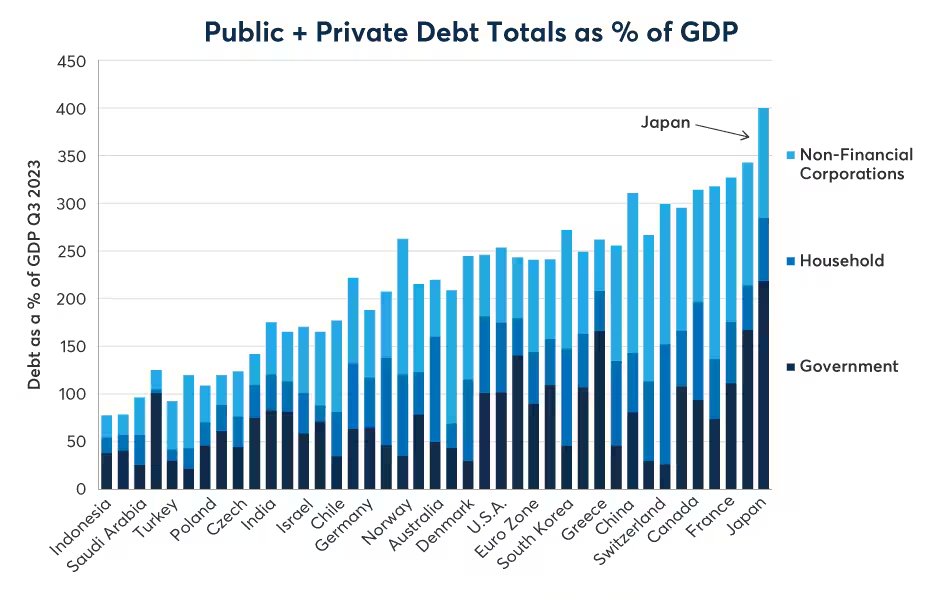
This marks the beginning of the end for the liberal myth that it alone could govern without enemies. That illusion is now collapsing, which is why Right-wing populism has exploded over the last 15 years. Tens of millions of people can now sense that something is broken. They know the game is rigged. They feel powerless. They can't afford homes or families. They're drowning in debt and living in low-trust societies where institutions are increasingly ideological and hostile to the traditions that once bound their society together.
And when they speak up, what happens? They are crushed by the very system that claims to have freed them from tyranny.
Classical Liberalism claimed to tolerate all perspectives and uphold the Rule of Law, but we are now being presented with a raw assertion of power: "We will use force to protect our democracy because we believe it's the best order there is."
And in many ways, this is a very strong argument, but this argument comes at a price. By openly admitting that Liberalism is not a neutral system but rather a hegemonic political order, its defenders have unwittingly shattered its moral authority.
Liberalism's legitimacy was built on the claim that it was different from every other regime, that it ruled through pluralism and consensus rather than coercion and violence.
But the moment Liberalism surrenders its claim to neutrality, it stops being a framework for political coexistence and becomes something else. It's now an ideology being moralized to justify the power and status of a specific type of managerial ruling class. And like all regimes throughout history, it now operates according to the ancient political logic of friend vs enemy.
This marks the beginning of the end for the liberal myth that it alone could govern without enemies. That illusion is now collapsing, which is why Right-wing populism has exploded over the last 15 years. Tens of millions of people can now sense that something is broken. They know the game is rigged. They feel powerless. They can't afford homes or families. They're drowning in debt and living in low-trust societies where institutions are increasingly ideological and hostile to the traditions that once bound their society together.
And when they speak up, what happens? They are crushed by the very system that claims to have freed them from tyranny.
Classical Liberals argue that Progressives hijacked the system and turned it into a form of managerial tyranny.
But Liberalism was not hijacked. And we know this because it's not just modern Liberalism that tolerates no dissent. Classical Liberalism is not neutral about itself either.
As I said in a previous tweet, you can spend your entire life being a Progressive Democrat that writes a half dozen books mocking God and criticizing religion as superstitious mumbo jumbo practiced by dumb uneducated rubes, and not only will Classical Liberals fight to the death to defend your actions every step of the way, but the minute you come out and say “Woke bad” a few years later, these people will fall over themselves to elevate you as one of their intellectual thought leaders.
But the moment a lifelong Conservative or Libertarian who has spent their entire career fighting against Progressivism through the electoral and legislative process offers any critique of the Liberal Enlightenment project, they are called Woke Right, which is essentially a stand-in for "dangerous and seditious heretic" and "literal traitor to your own nation."
How is this any different than what the Progressive Left does? The only difference between the two is that Progressives actually have power to wield, so when they cancel their enemies, the consequences are far more devastating than simply getting ratioed on X.
But Liberalism was not hijacked. And we know this because it's not just modern Liberalism that tolerates no dissent. Classical Liberalism is not neutral about itself either.
As I said in a previous tweet, you can spend your entire life being a Progressive Democrat that writes a half dozen books mocking God and criticizing religion as superstitious mumbo jumbo practiced by dumb uneducated rubes, and not only will Classical Liberals fight to the death to defend your actions every step of the way, but the minute you come out and say “Woke bad” a few years later, these people will fall over themselves to elevate you as one of their intellectual thought leaders.
But the moment a lifelong Conservative or Libertarian who has spent their entire career fighting against Progressivism through the electoral and legislative process offers any critique of the Liberal Enlightenment project, they are called Woke Right, which is essentially a stand-in for "dangerous and seditious heretic" and "literal traitor to your own nation."
How is this any different than what the Progressive Left does? The only difference between the two is that Progressives actually have power to wield, so when they cancel their enemies, the consequences are far more devastating than simply getting ratioed on X.
The moment Classical Liberals began to venture into the realm of openly applying the Friend-Enemy Distinction, they revealed which side they're truly on.
They're happy to defend Liberal apostates from the Left.
But they excommunicate dissidents from the Right with terms like "Woke Right", "Authoritarian", "Reactionary", "Fascist", etc.
They do this because Liberalism is not the antithesis of Progressivism any more than dusk is the antithesis of night. They are the harbingers of the night. They always have been, and I regrettably used to be one of them.
This is why you see so many of them taking the mask off entirely and explicitly aligning themselves with the Progressive Left. You see this with Project Liberal, or the Cato Institute, or with Reason Magazine. Have you ever asked why so many Classical Liberals were quietly supportive of open borders and mass migration? Or cheered the destruction of traditional marriage? Or voted to liberalize drug laws?
But this isn't anything new. They're doing what they've always done, generation after generation. You're allowed and even encouraged to attack God, nature, morality, the family, the nation-state, and even Western civilization at large, but you may not question the Enlightenment. It is their sacred cow.
After Liberalism finally burned through enough of its own inherited traditions to pave the way for Progressivism to emerge, "Classical Liberalism" has since functioned as a containment strategy for the Right. Its job was never to win, because it had already achieved that by handing the baton off to Progressivism. All that was left was to make sure nothing to its Right ever undid the revolution it long set in motion.
They're happy to defend Liberal apostates from the Left.
But they excommunicate dissidents from the Right with terms like "Woke Right", "Authoritarian", "Reactionary", "Fascist", etc.
They do this because Liberalism is not the antithesis of Progressivism any more than dusk is the antithesis of night. They are the harbingers of the night. They always have been, and I regrettably used to be one of them.
This is why you see so many of them taking the mask off entirely and explicitly aligning themselves with the Progressive Left. You see this with Project Liberal, or the Cato Institute, or with Reason Magazine. Have you ever asked why so many Classical Liberals were quietly supportive of open borders and mass migration? Or cheered the destruction of traditional marriage? Or voted to liberalize drug laws?
But this isn't anything new. They're doing what they've always done, generation after generation. You're allowed and even encouraged to attack God, nature, morality, the family, the nation-state, and even Western civilization at large, but you may not question the Enlightenment. It is their sacred cow.
After Liberalism finally burned through enough of its own inherited traditions to pave the way for Progressivism to emerge, "Classical Liberalism" has since functioned as a containment strategy for the Right. Its job was never to win, because it had already achieved that by handing the baton off to Progressivism. All that was left was to make sure nothing to its Right ever undid the revolution it long set in motion.
• • •
Missing some Tweet in this thread? You can try to
force a refresh