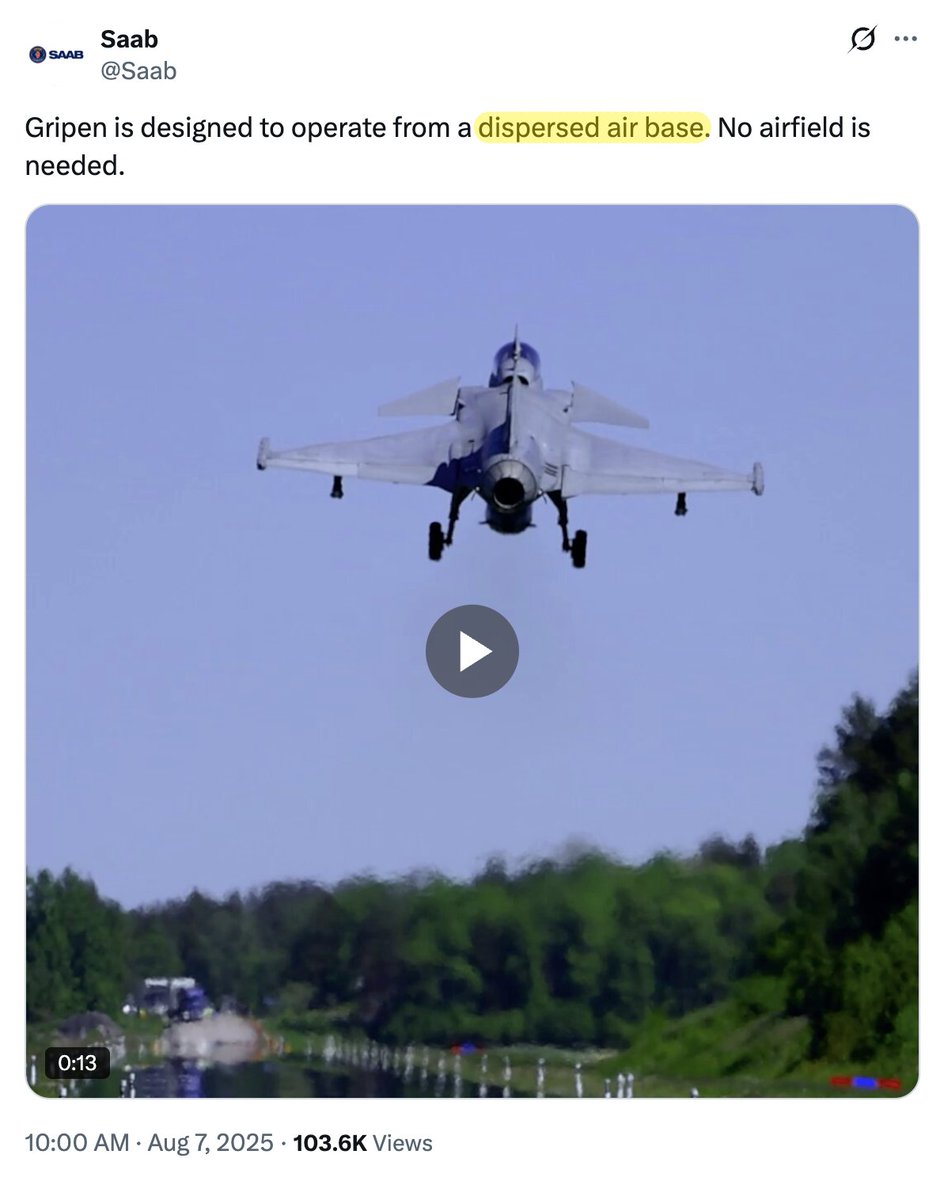
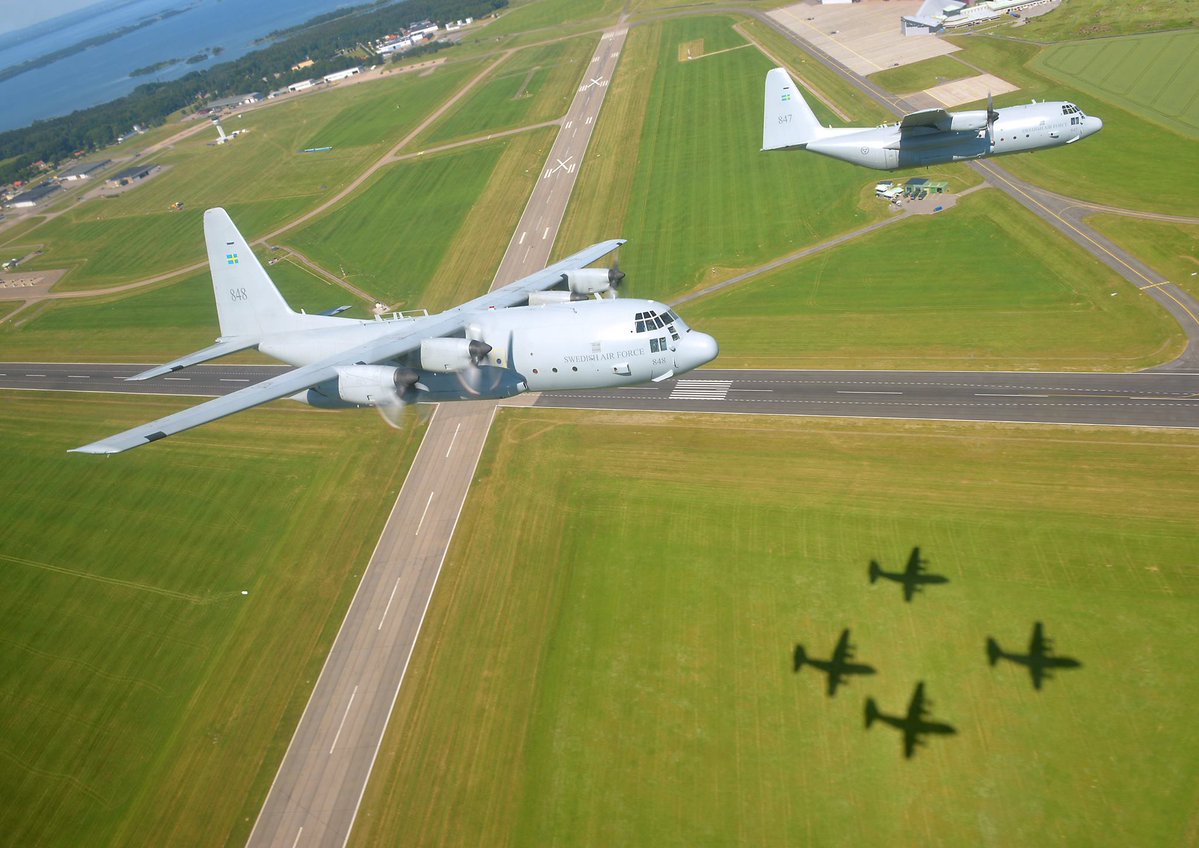
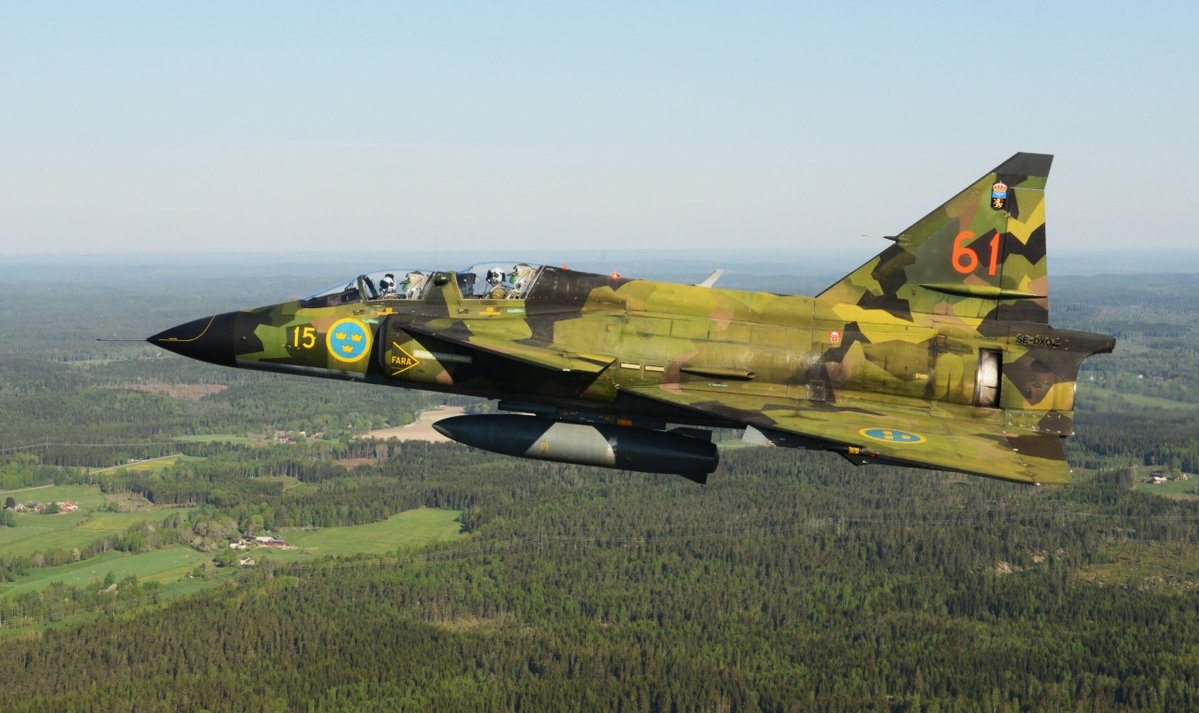
2 days ago I did a thread about the reasons russia can't defeat Ukraine and yet is still a deadly threat to Europe and NATO (link to the thread the next tweet).
Today I will talk about three of the fronts of a russia-Europe war:
1) Black Sea
2) Baltic Sea
3) North Atlantic
1/36
Today I will talk about three of the fronts of a russia-Europe war:
1) Black Sea
2) Baltic Sea
3) North Atlantic
1/36

These three fronts will be air and sea battles, while Finland and the Baltics will be air and land battles; about which I will talk in another thread in the coming days.
I do not believe the US under control of Trump or Vance would come to the aid
2/n
I do not believe the US under control of Trump or Vance would come to the aid
2/n
https://x.com/noclador/status/1962651802802770133
of Europe... we will be on our own, which will have very dire consequences for the battle in the North Atlantic and thus the UK.
First, let's look at the Black Sea, where russia's Black Sea Fleet has already been savaged by the Ukrainians (pic: the sinking cruiser Moskva).
3/n
First, let's look at the Black Sea, where russia's Black Sea Fleet has already been savaged by the Ukrainians (pic: the sinking cruiser Moskva).
3/n

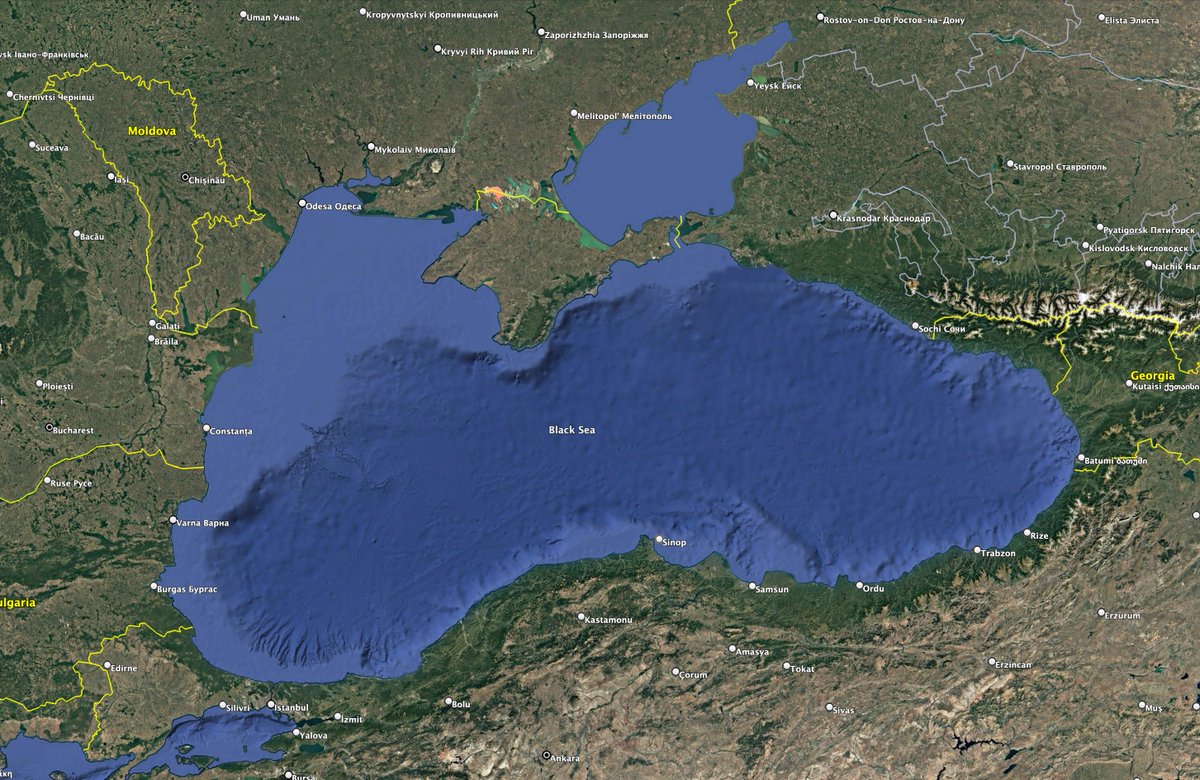
Across the Black Sea russia faces NATO members Romania, Bulgaria and Türkiye, the latter of which has one of the strongest NATO navies.
If russia should decide to remain idle in this theater, there is a chance that Türkiye will reciprocate and nothing will happen... but if
4/n
If russia should decide to remain idle in this theater, there is a chance that Türkiye will reciprocate and nothing will happen... but if
4/n
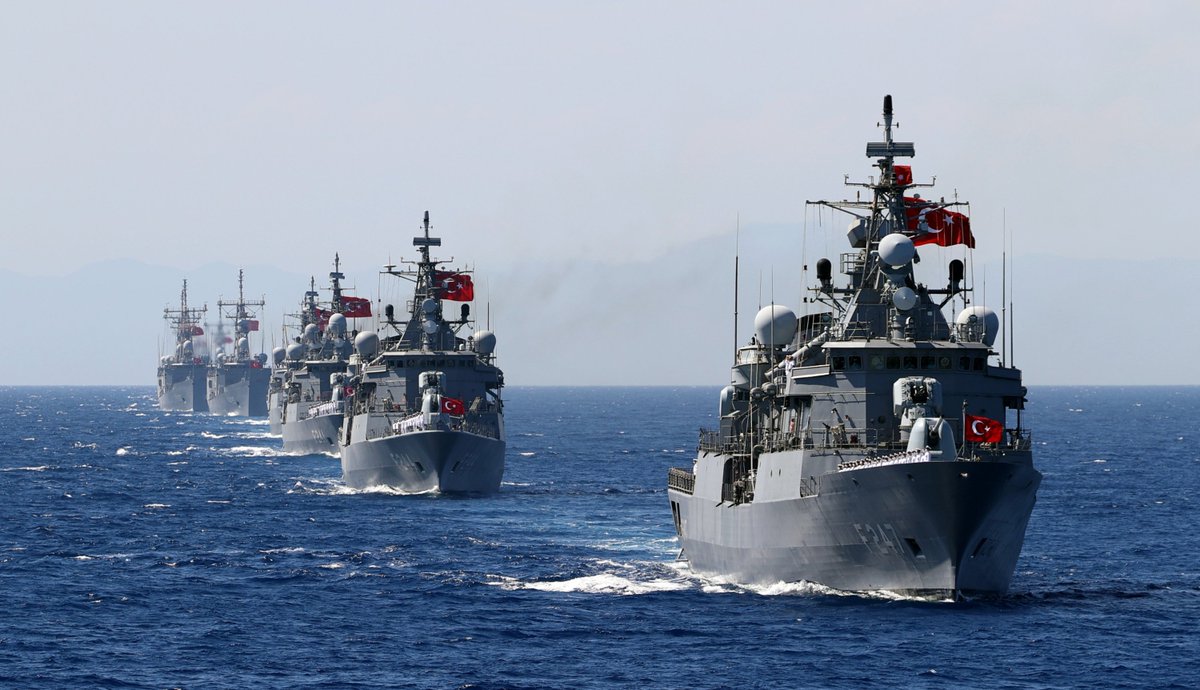
russia does attack Türkiye, then the its navy (pic: Turkish frigate squadron) and air force will annihilate the russian fleet.
To better understand the Battle of the Black Sea we need to look again at the region's map, but this time with anti-ship missile ranges and russia's
5/n
To better understand the Battle of the Black Sea we need to look again at the region's map, but this time with anti-ship missile ranges and russia's
5/n
naval bases Sevastopol in occupied Crimea and Novorossiysk marked on the map.
Romania's Naval Strike Missile (NSM) and Türkiye's Atmaca coastal missile batteries (green) will make it impossible for russia to approach NATO waters. Likewise russian Bastion-P batteries (red)
6/n
Romania's Naval Strike Missile (NSM) and Türkiye's Atmaca coastal missile batteries (green) will make it impossible for russia to approach NATO waters. Likewise russian Bastion-P batteries (red)
6/n
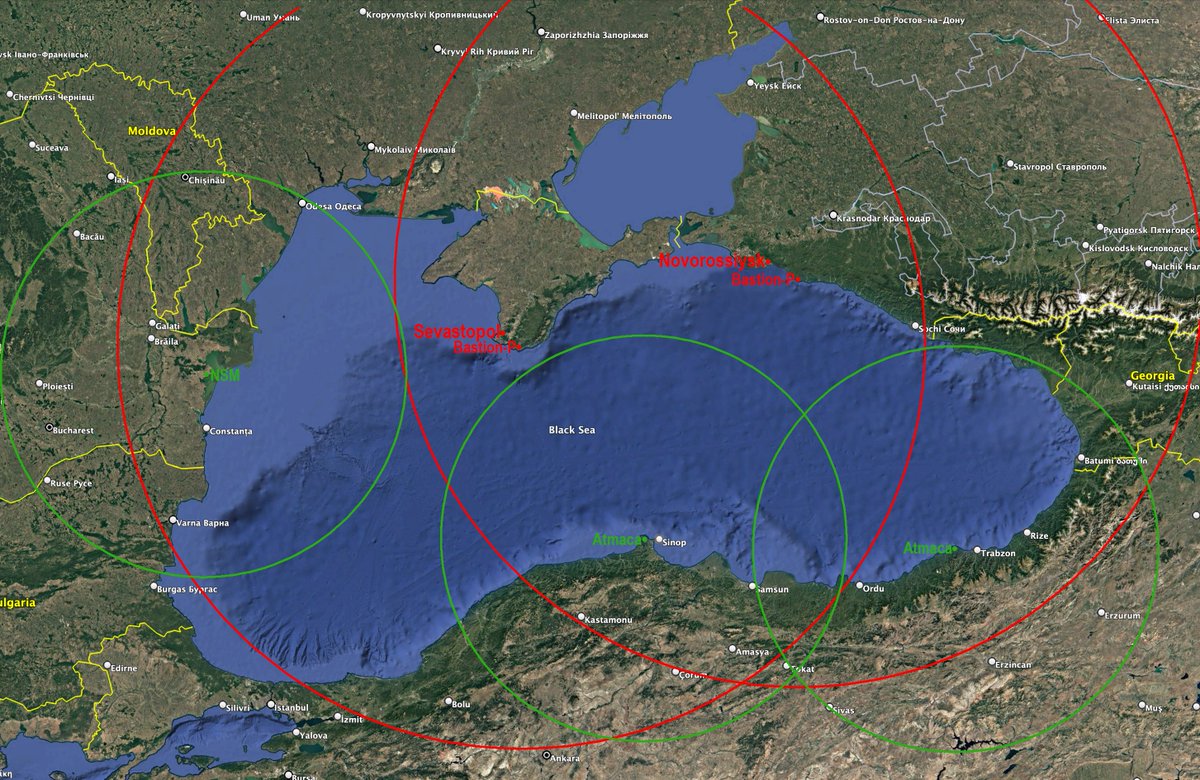
will make it impossible to sail in the northern Black Sea.
russian anti-ship missiles have more range than Western equivalents, but russia is garbage at recon and targeting and hasn't even managed to fire at Ukrainian Navy ships anchored for months in the Danube delta.
7/n
russian anti-ship missiles have more range than Western equivalents, but russia is garbage at recon and targeting and hasn't even managed to fire at Ukrainian Navy ships anchored for months in the Danube delta.
7/n
As missiles limit surface maneuvers in the Black Sea both sides will use submarines to sink enemy ships and lay sea mines in the other side's waters.
In this contest Türkiye with its 12 operational submarines, will easily defeat russia with its 4 submarines. And if a russian
8/n
In this contest Türkiye with its 12 operational submarines, will easily defeat russia with its 4 submarines. And if a russian
8/n
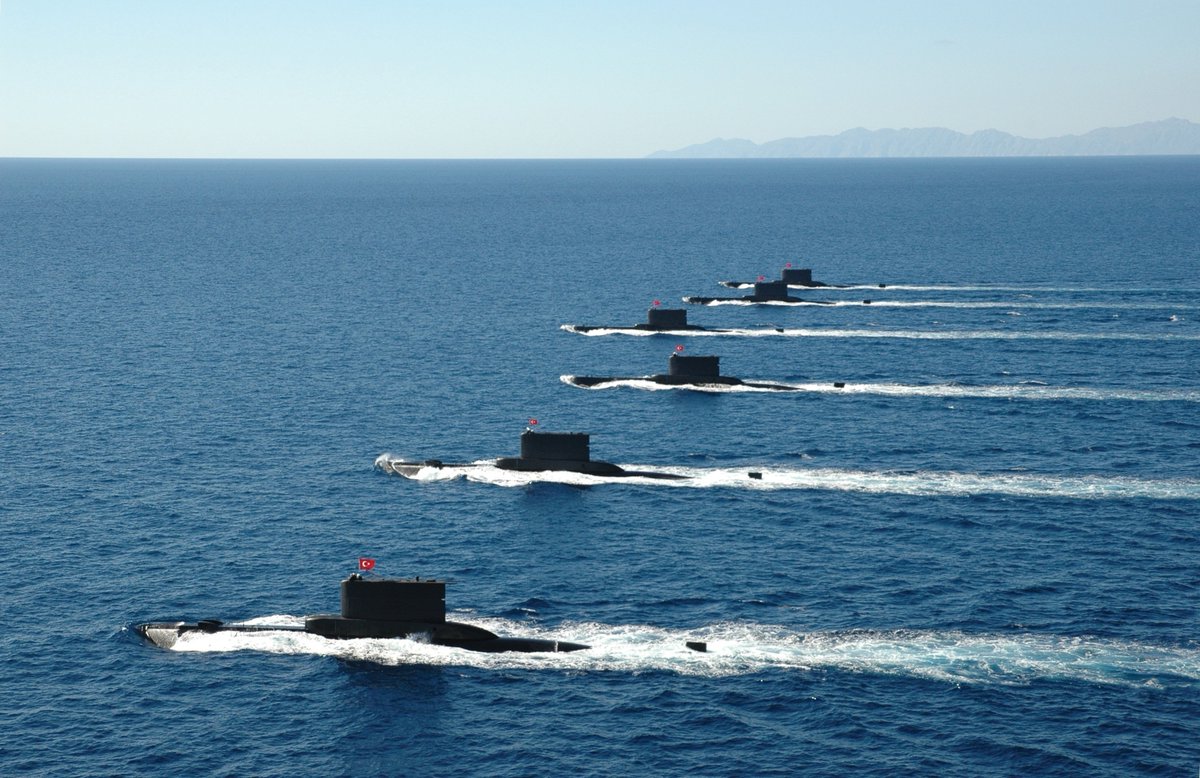
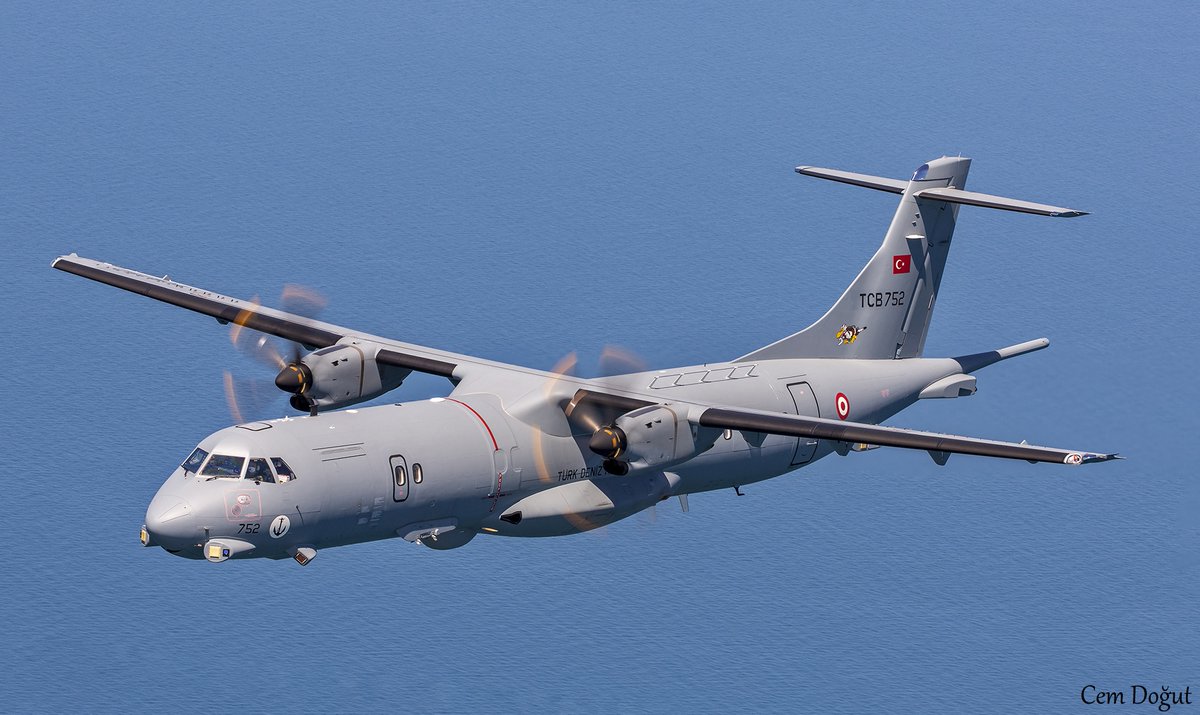
submarine should make it to Turkish waters, then Türkiye with its 20 submarine hunting frigates and corvettes, and submarine hunting Maritime Patrol Aircraft (MPA) will find and sink the russian submarines.
If a russian submarine should sail into Romanian or Bulgarian waters,
9/n
If a russian submarine should sail into Romanian or Bulgarian waters,
9/n
then the Bulgarian and Romanian navies, with their much older ships, will have a harder time sinking the russian submarine... but both navies operate modern anti-submarine helicopters with dipping sonar and lightweight torpedoes (pic: Bulgarian AS565MB Panther with torpedo)
10/n
10/n
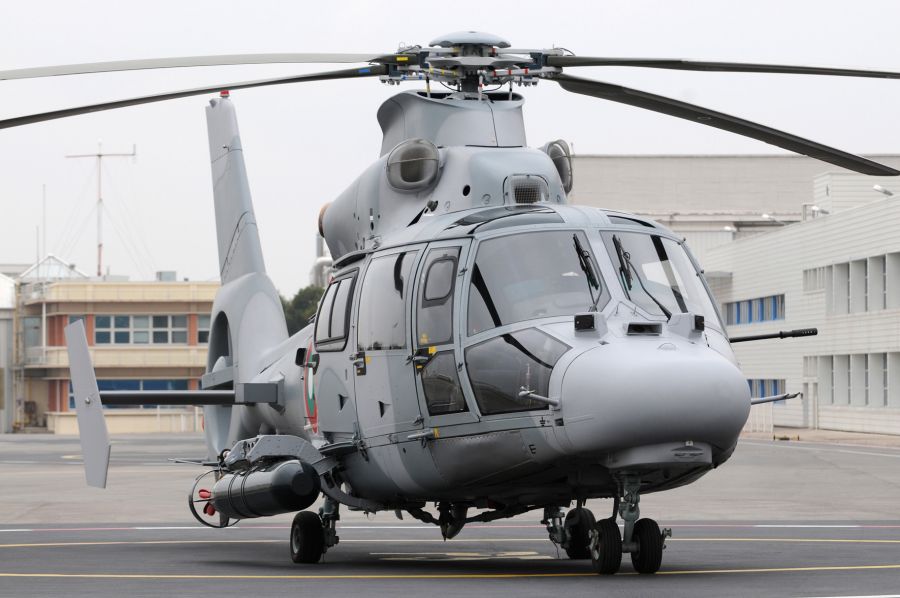
So far we have been talking about both sides acting defensive... but if either side would go on the offensive, then the Black Sea would turn into a cruise missile zone.
I am going into details here, because all of this will also be relevant for the Baltic Sea front.
11/n
I am going into details here, because all of this will also be relevant for the Baltic Sea front.
11/n
If either side wants to go on the offensive the key to victory is to annihilate the other side's coastal batteries and the air-defence batteries protecting them.
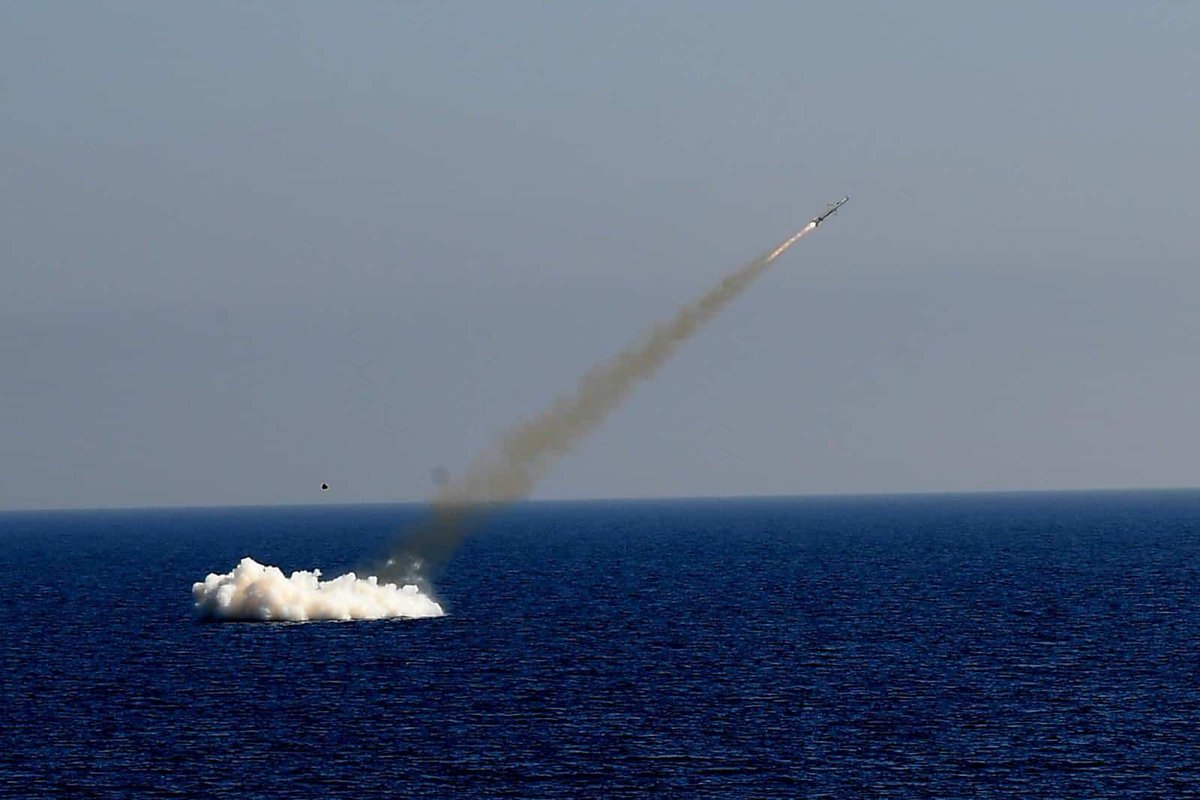
And the tool for that are cruise missiles. Türkiye has invested heavily in the development of its own cruise
12/n
And the tool for that are cruise missiles. Türkiye has invested heavily in the development of its own cruise
12/n
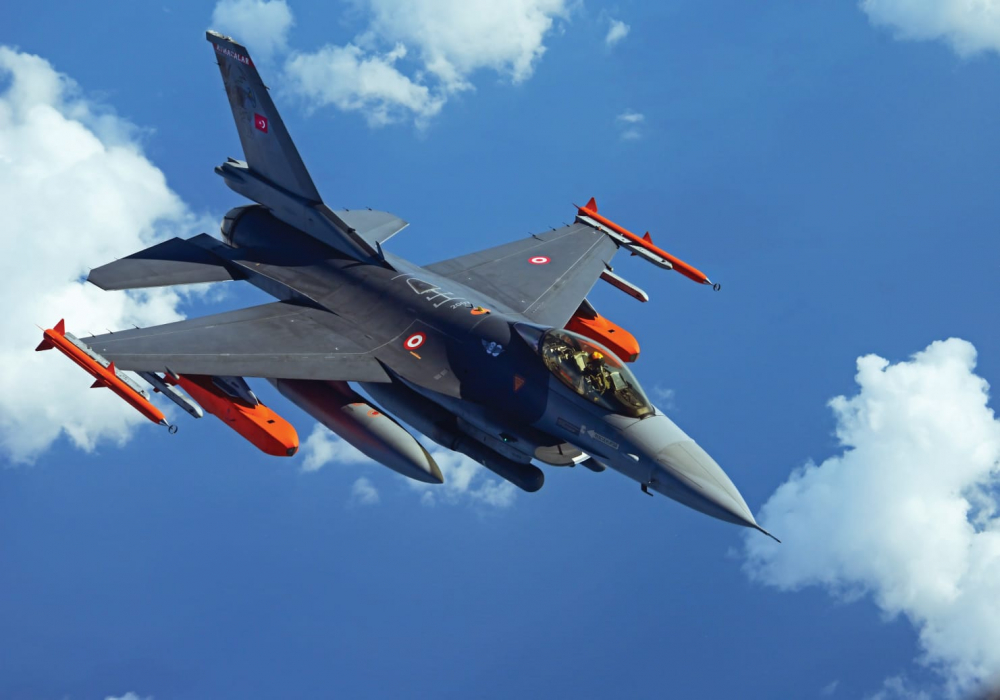
missiles, be it air-, ship-, land- or submarine-launched (pictured).
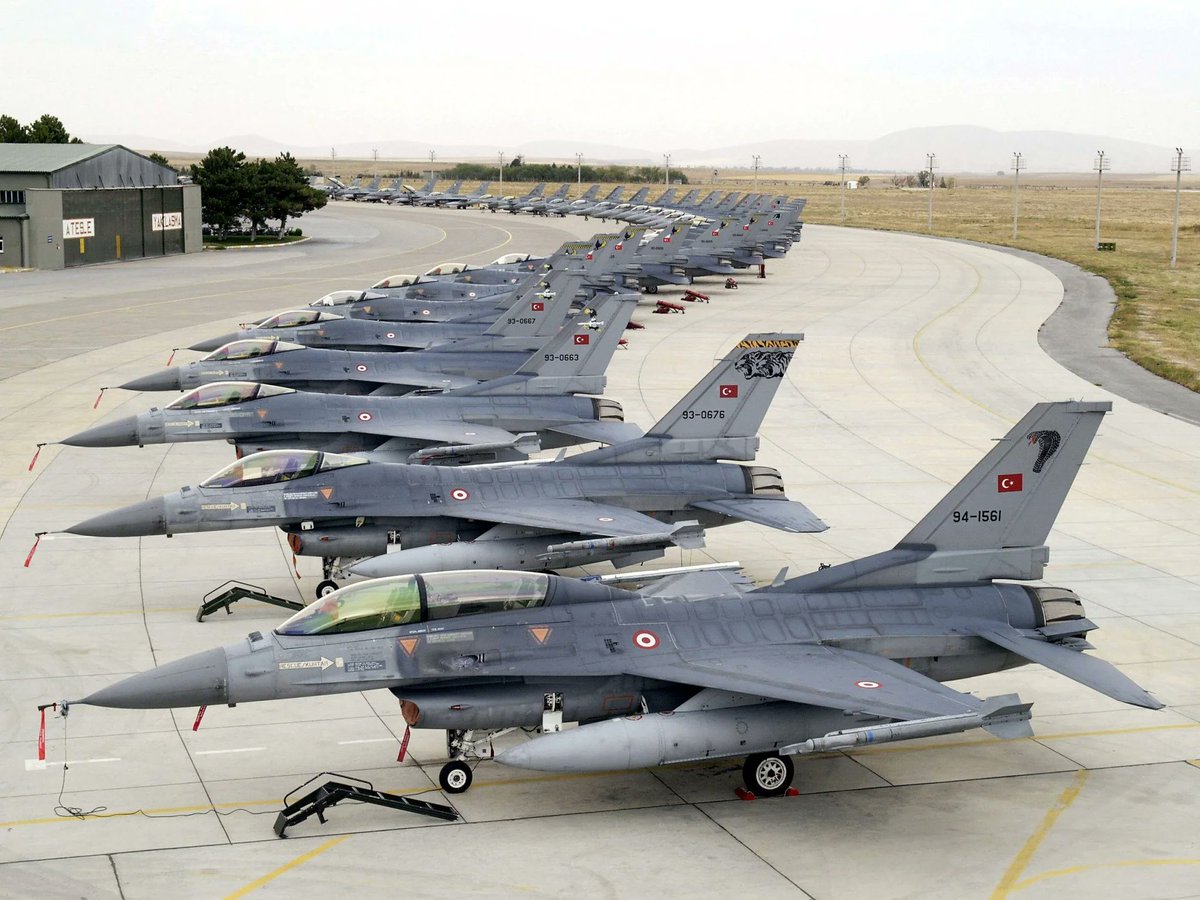
Romania and Bulgaria, which both also operate F-16 (with Bulgaria operating the most modern variant of the three) lack cruise missiles, so it falls to Türkiye's arsenal of AGM-84K SLAM-ER, SOM, and
13/n
Romania and Bulgaria, which both also operate F-16 (with Bulgaria operating the most modern variant of the three) lack cruise missiles, so it falls to Türkiye's arsenal of AGM-84K SLAM-ER, SOM, and
13/n
Kara Atmaca to destroy russia's Bastion-P batteries... and the Turkish Air Force has the numbers to do just that.
Of course the easiest way to destroy russian batteries in Crimea is by firing ballistic and cruise missiles from Ukraine... which would not be the first time
14/n
Of course the easiest way to destroy russian batteries in Crimea is by firing ballistic and cruise missiles from Ukraine... which would not be the first time
14/n
Türkiye quietly handed Ukraine ballistic missiles and told them to have fun hitting russian bases in Crimea.
Of course hitting batteries requires intelligence about the batteries' location... and almost all NATO intelligence about this comes from the US... however Türkiye
15/n
Of course hitting batteries requires intelligence about the batteries' location... and almost all NATO intelligence about this comes from the US... however Türkiye
15/n
has some 500+ drones (Anka, Akıncı, Aksungur, TB2, etc.) in service, which it can use for reconnaissance along the russian controlled coast... and as the russians already struggle with surface-to-air missiles they will sooner than later run out of missiles, which will allow
16/n
16/n
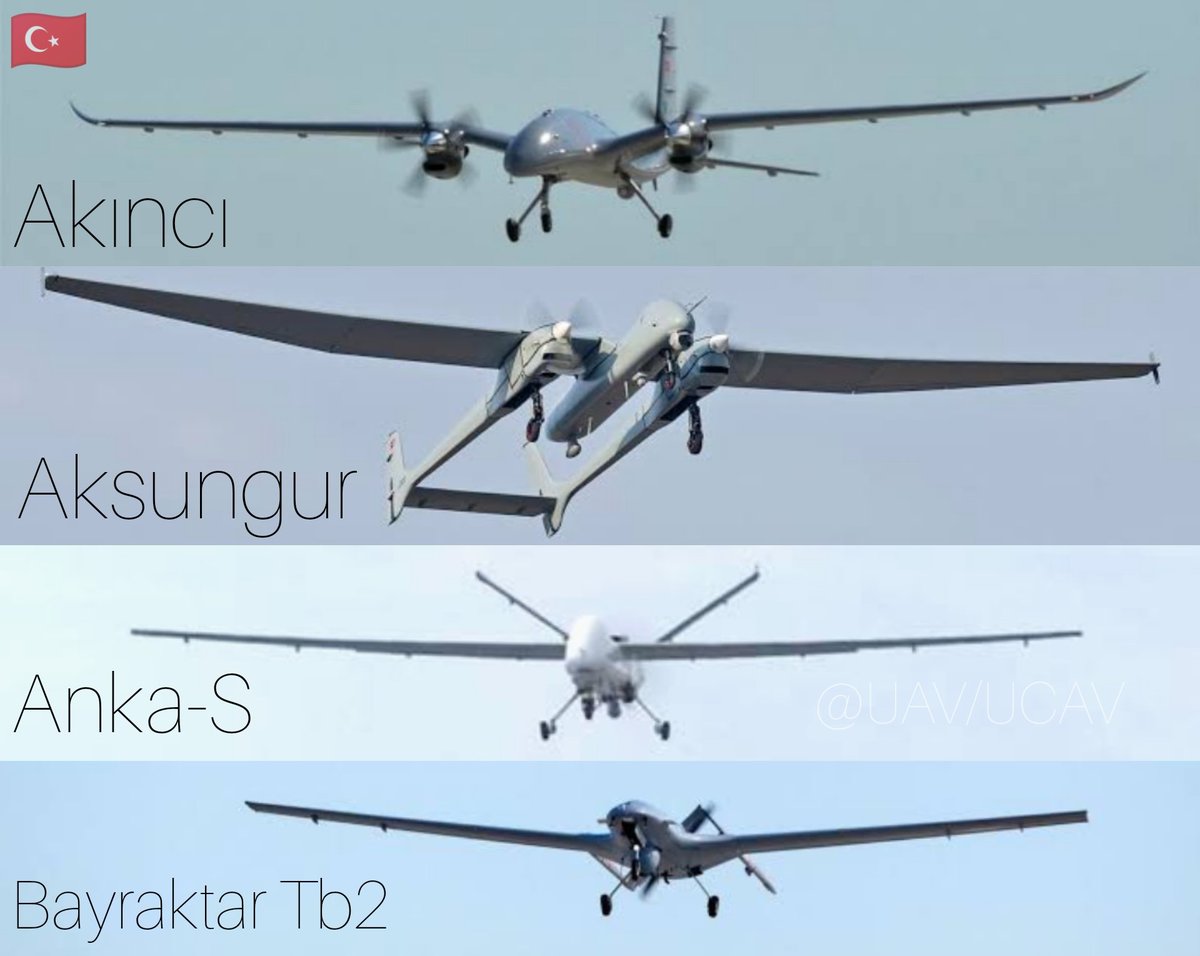
Turkish drones, cruise missiles, and at some point also F-16 free rein over the Black Sea theater.
What happens in the Black Sea theater depends on putin: if he attacks Türkiye, which fields the third biggest military in Europe (after russia and Ukraine), then Erdogan
17/n
What happens in the Black Sea theater depends on putin: if he attacks Türkiye, which fields the third biggest military in Europe (after russia and Ukraine), then Erdogan
17/n
will have russian forces in the Black Sea annihilated and driven out of Crimea.
If putin for once doesn't choose the most harebrained course of action, then Erdogan might be content to keep the russians bottled up in their bases... which would be very annoying, because
18/n
If putin for once doesn't choose the most harebrained course of action, then Erdogan might be content to keep the russians bottled up in their bases... which would be very annoying, because
18/n
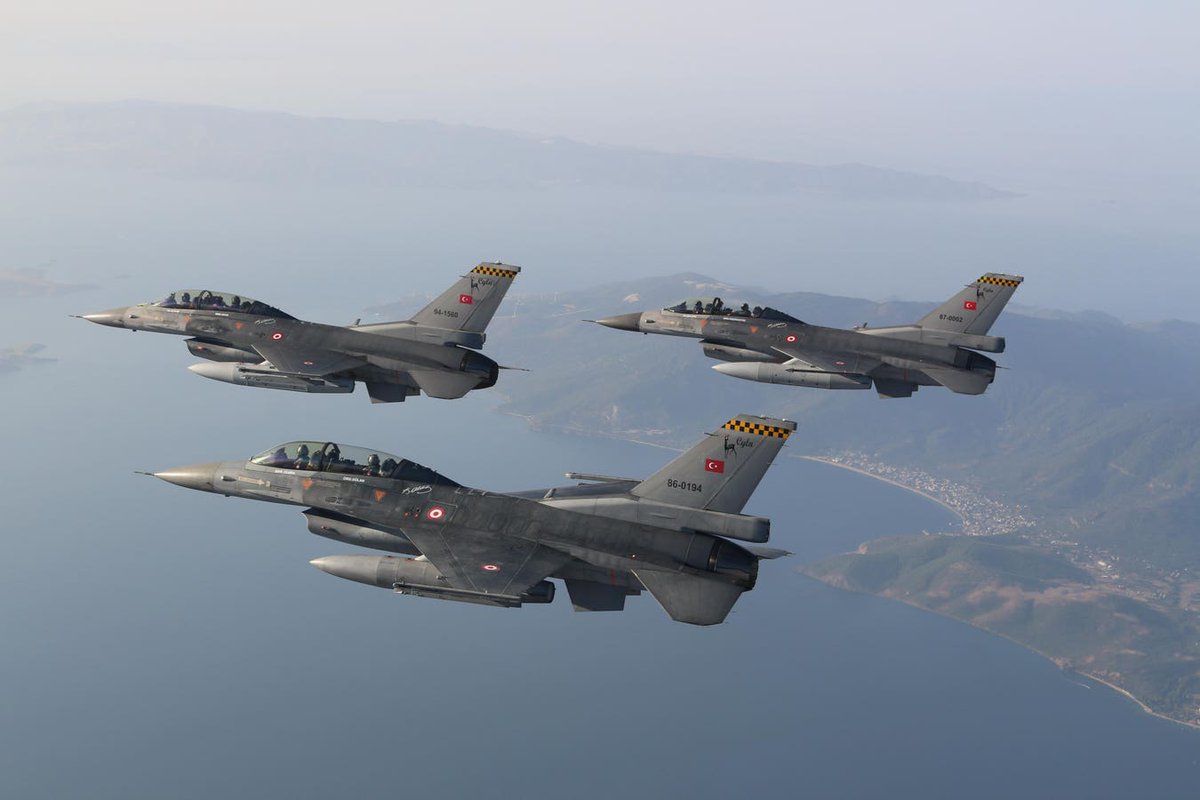
Türkiye is kept in NATO, because of its massive military (it fields more troops than Germany, the UK and Italy combined), and because the Turkish military on its own could devastate russian forces in the Black Sea and Caucasus and sweep the sea clean of all russian ships.
19/n
19/n
Now to the Baltic Sea... where russia has two main naval bases: Kronstadt near St. Petersburg and Baltiysk in occupied Königsberg.
russian Bastion-P coastal batteries would dominate the Baltic Sea... but luckily Baltiysk is in range of Polish 155mm howitzers and the rest of
20/n
russian Bastion-P coastal batteries would dominate the Baltic Sea... but luckily Baltiysk is in range of Polish 155mm howitzers and the rest of
20/n
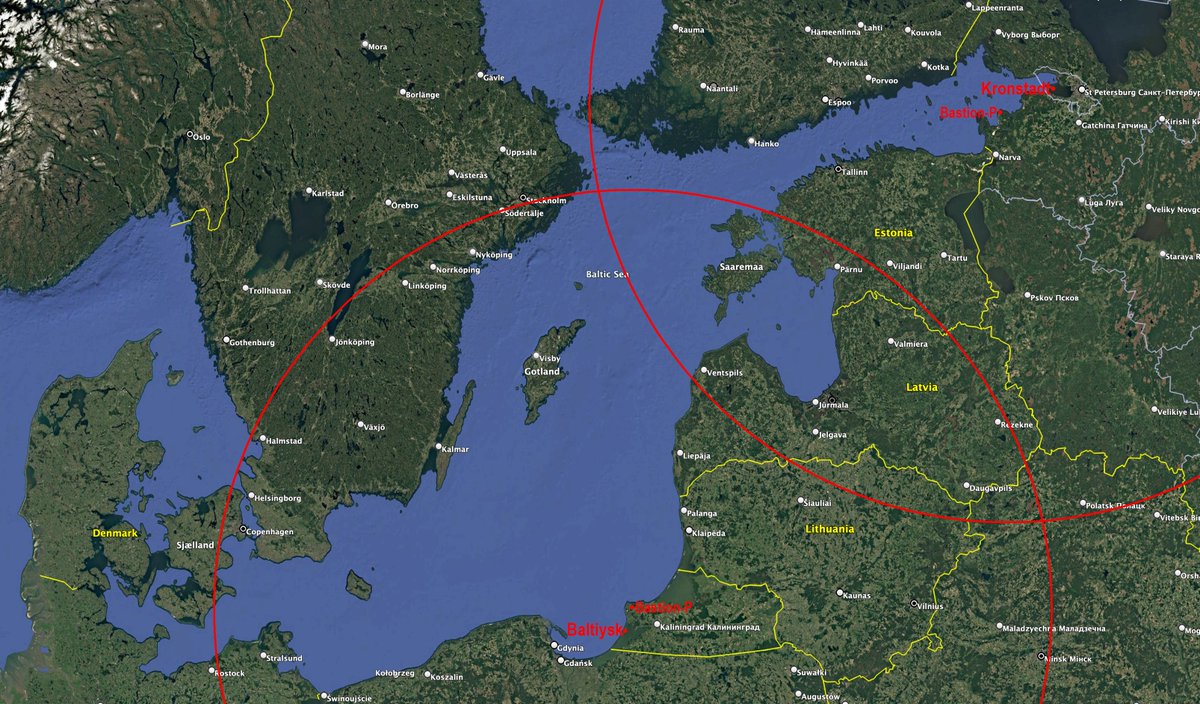
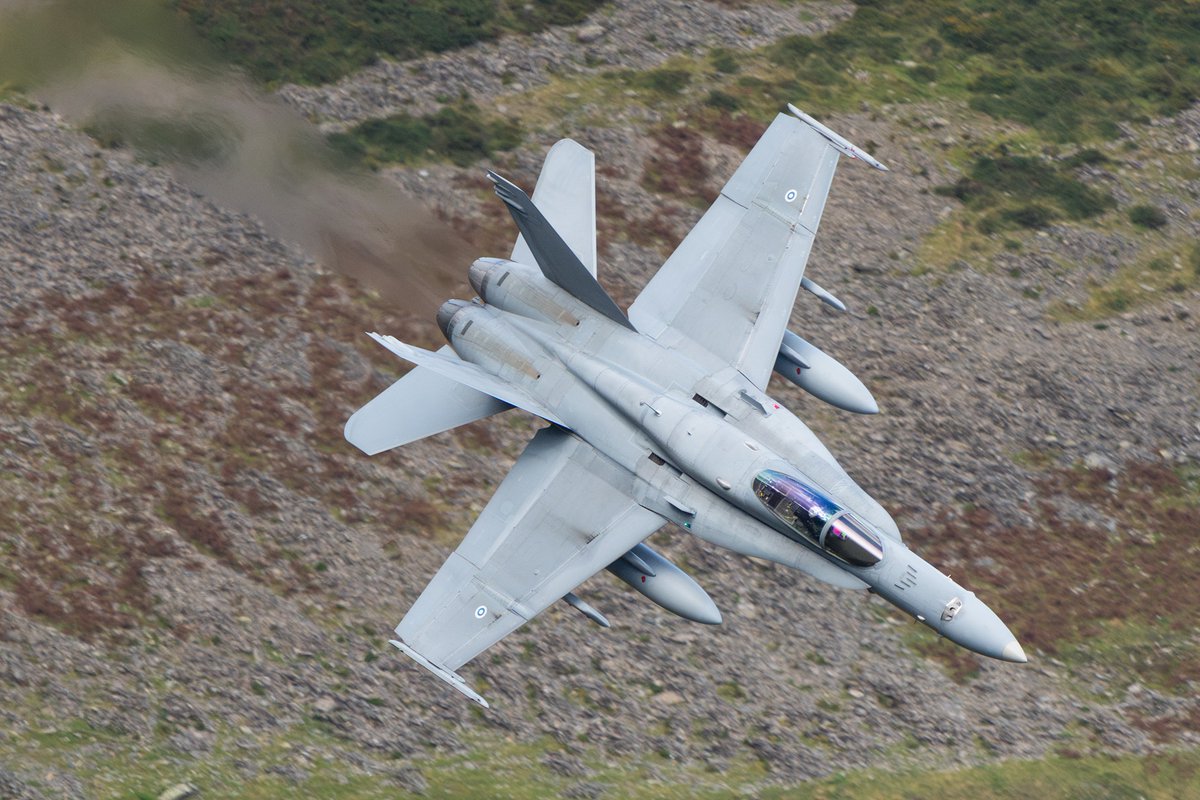
Königsberg in range of rocket artillery, while Kronstadt is in range of Finnish and Estonian launched ER GMLRS rockets, and also Finnish F/A-18C/D launched AGM-158B-2 JASSM cruise missiles.
In short russia's Baltic Fleet can either be sunk at its berth or set out into the
21/n
In short russia's Baltic Fleet can either be sunk at its berth or set out into the
21/n
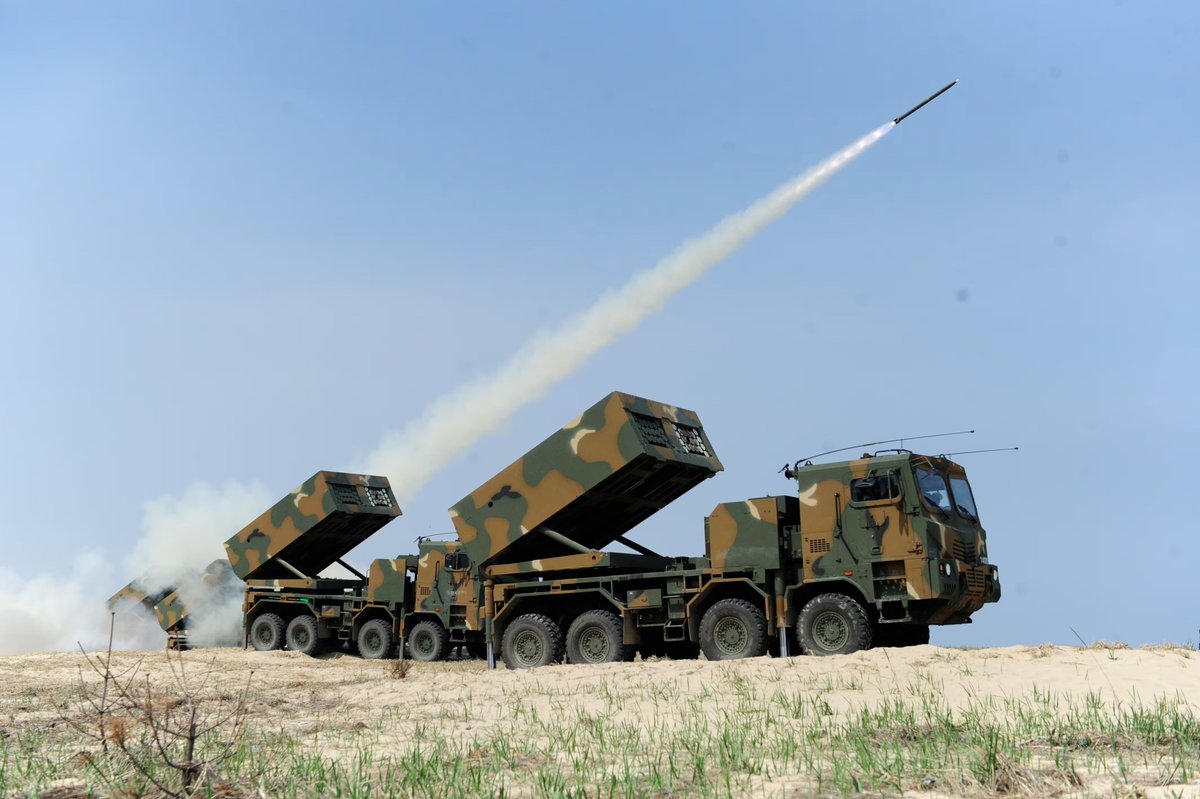
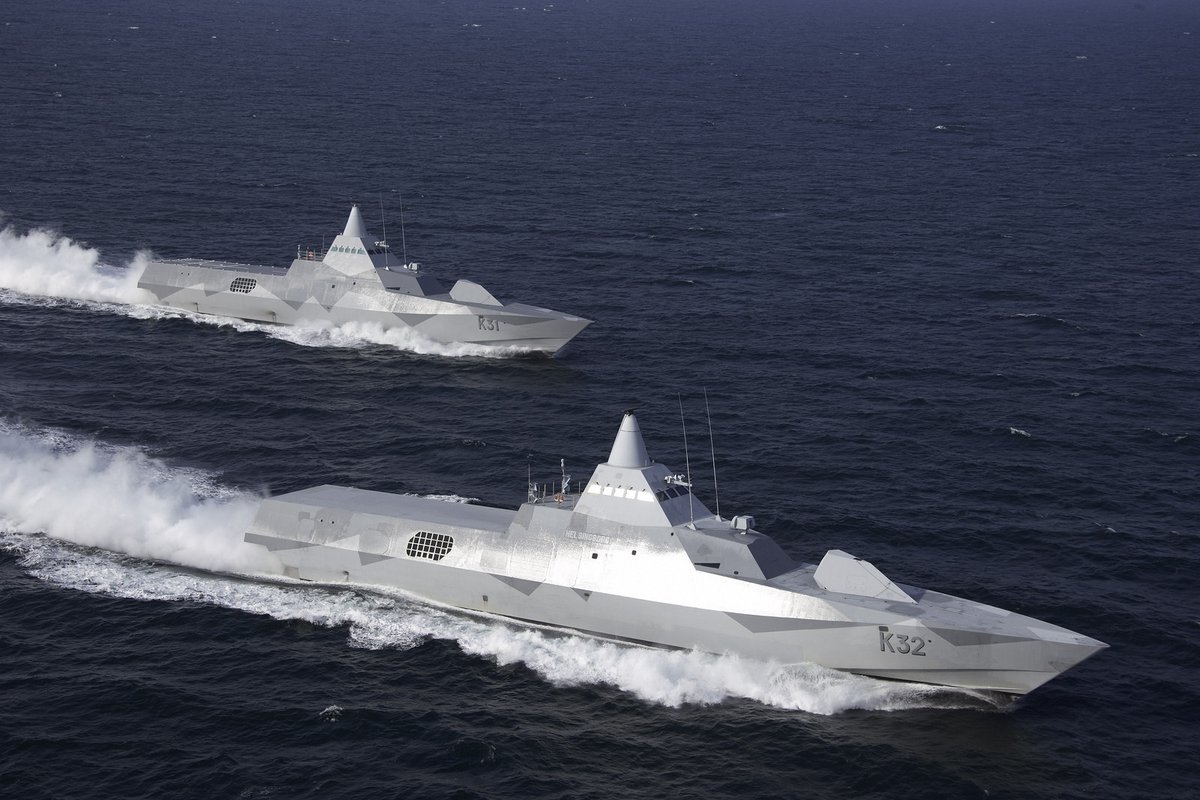
Baltic Sea dominated by Polish, Swedish, Finnish, Estonian and Latvian coastal batteries, which would sink every russian ship. Furthermore the navies of Sweden, Poland, Germany and Finland operate missile boats and corvettes, which would add to the barrage hitting the
22/n
22/n
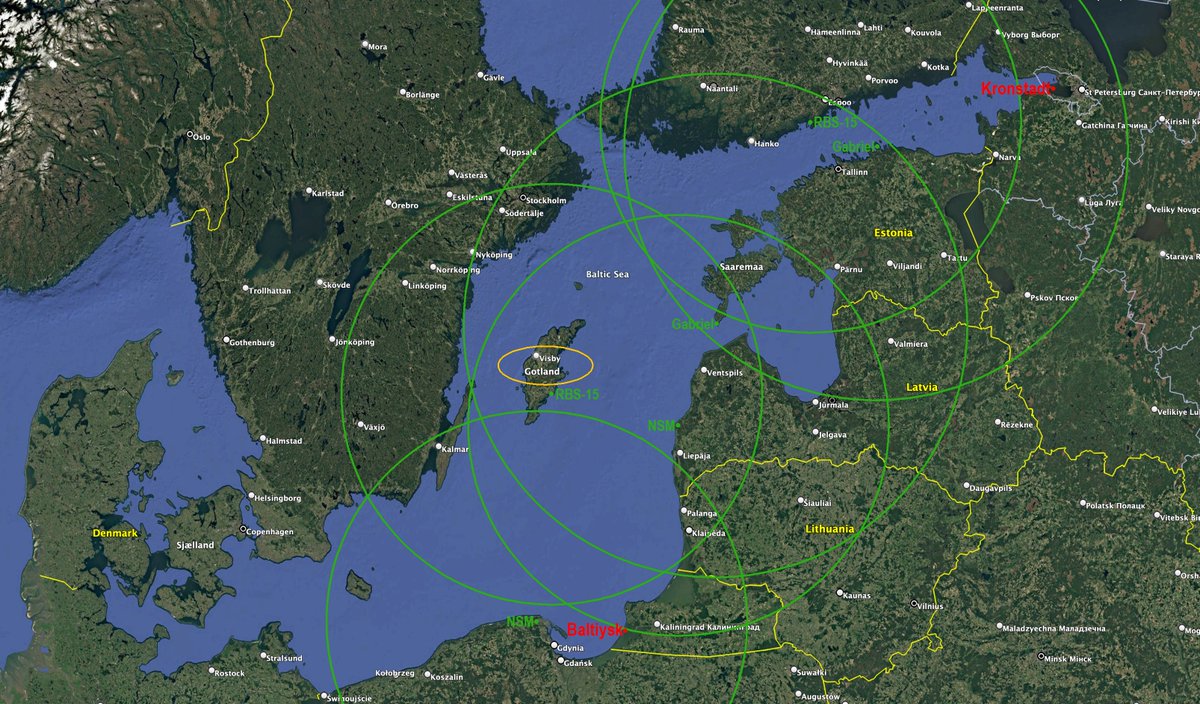
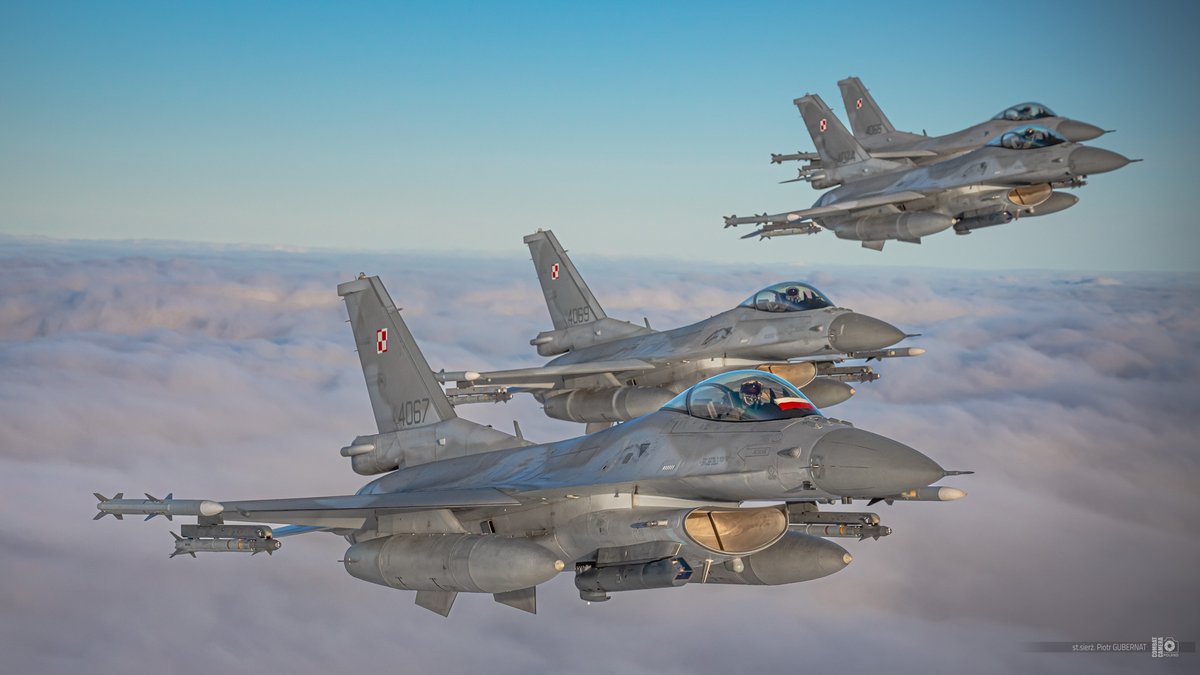
russian ships... while Swedish (and likely also German) submarines and the air forces of Finland, Sweden, Denmark, Germany and Poland would join the rapid annihilation of the russian Baltic Fleet.
This is why the Baltic Sea is called a NATO lake.
23/n
This is why the Baltic Sea is called a NATO lake.
23/n
russia's only option is to strike every Baltic Sea nation with cruise and ballistic missiles in a surprise first strike and hope to destroy as much of the NATO's capabilities in the region within the first hours of a russian invasion of the Baltic nations.
24/n
24/n
Of course the best defense would NATO preemptively striking all russian missile units... alas NATO as a defensive alliance will have to absorb the first russian salvo, before striking back... russia will also try to land marines and paratroopers on Sweden's Gotland island
25/n
25/n
in the center of the Baltic Sea and turn it into an anti-air and anti-ship missile base. That must not happen as I keep warning for now 10 years.
Control of the Baltics depends on NATO coastal missile units surviving the first russian missile strike
26/n
euromaidanpress.com/2015/03/22/got…
Control of the Baltics depends on NATO coastal missile units surviving the first russian missile strike
26/n
euromaidanpress.com/2015/03/22/got…
through dispersal, deception and camouflage, as russia's Baltic Sea Fleet fields way more missile boats and corvettes than Baltic NATO members and if russia should manage to control the sea and deploy its air defence frigates and destroyer into the central Baltic Sea, then
27/n
27/n
russia will be able occupy Gotland and thus shield its armored formations invading the Baltic nations from NATO air strikes.
Poland's example, which has ordered "several hundred" NSM missiles, and is building up formidable coastal defences, should be followed by Finland and
28/
Poland's example, which has ordered "several hundred" NSM missiles, and is building up formidable coastal defences, should be followed by Finland and
28/
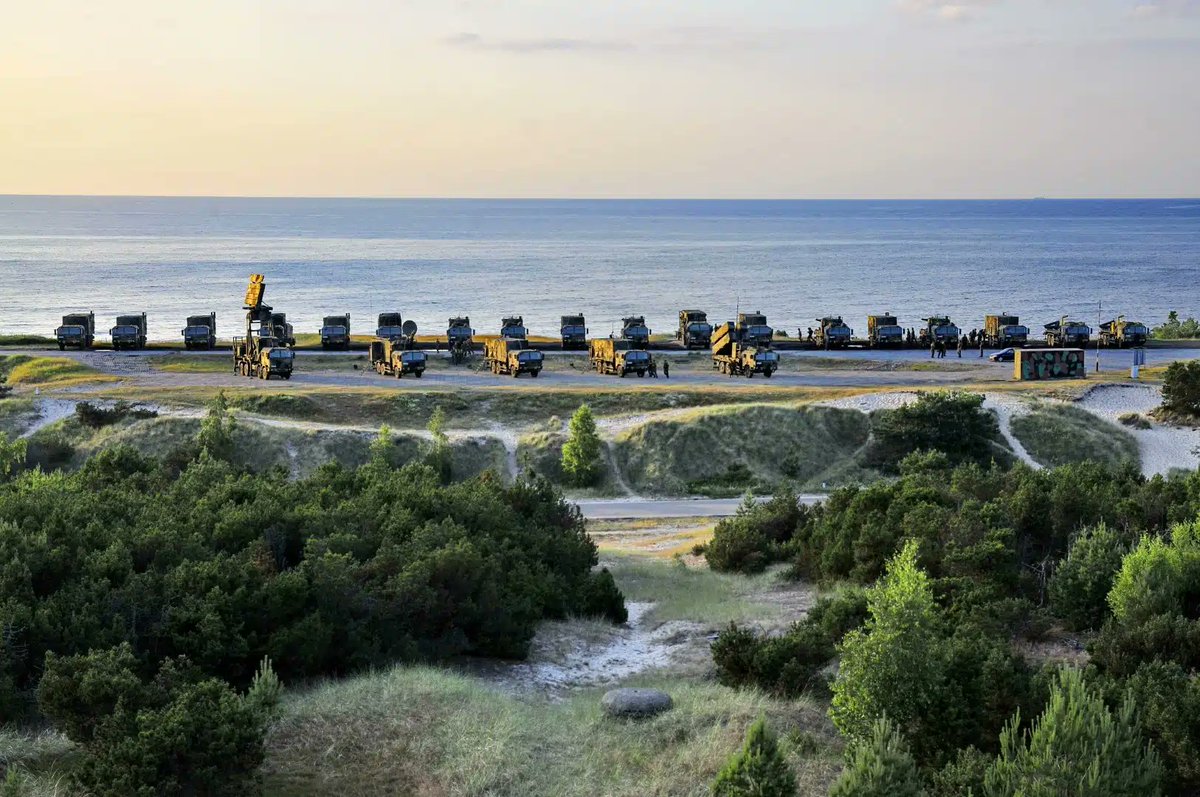
Sweden.
Victory in the Baltics hinges on control of the sea and the air space above it. NATO nations must strive to annihilate all russian ships and coastal defence batteries in the Baltics within days of the war's start
As for russian submarines: there are just two in the
29/n
Victory in the Baltics hinges on control of the sea and the air space above it. NATO nations must strive to annihilate all russian ships and coastal defence batteries in the Baltics within days of the war's start
As for russian submarines: there are just two in the
29/n
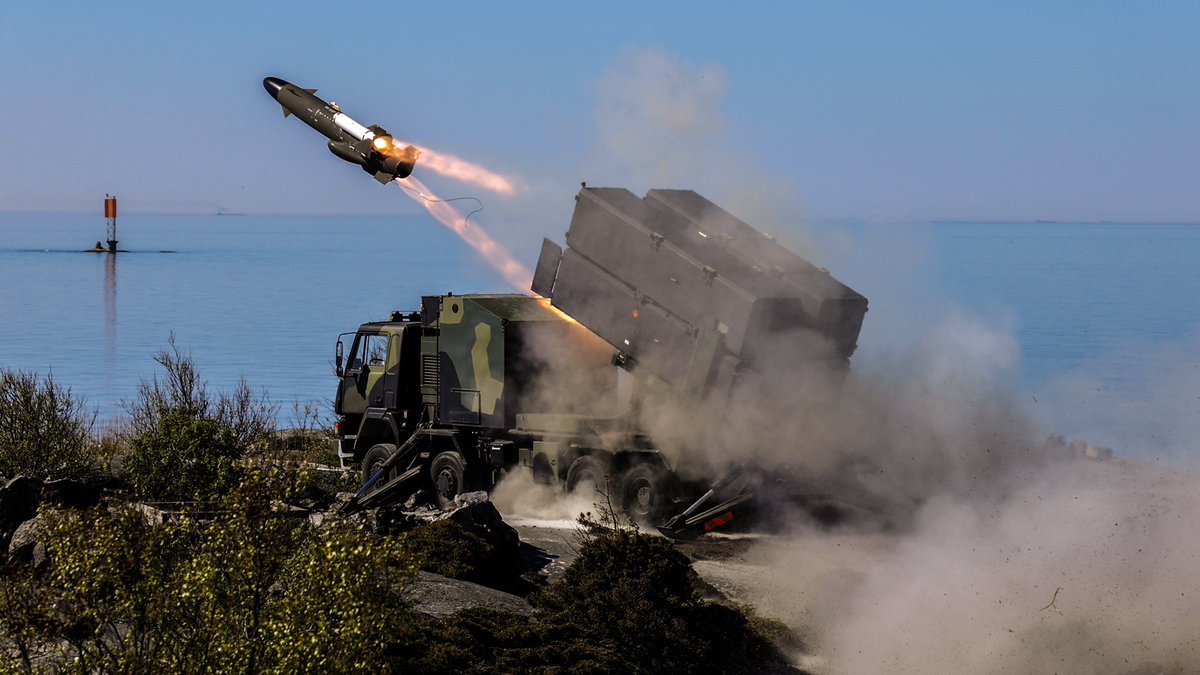
Baltic Sea and even though none of the Baltic NATO members fields Maritime Patrol Aircraft, Poland and Sweden field capable anti-submarine warfare helicopters, which combined with the Swedish submarine force and the 17 Finnish, Polish and Swedish corvettes and missile boats
30/n
30/n
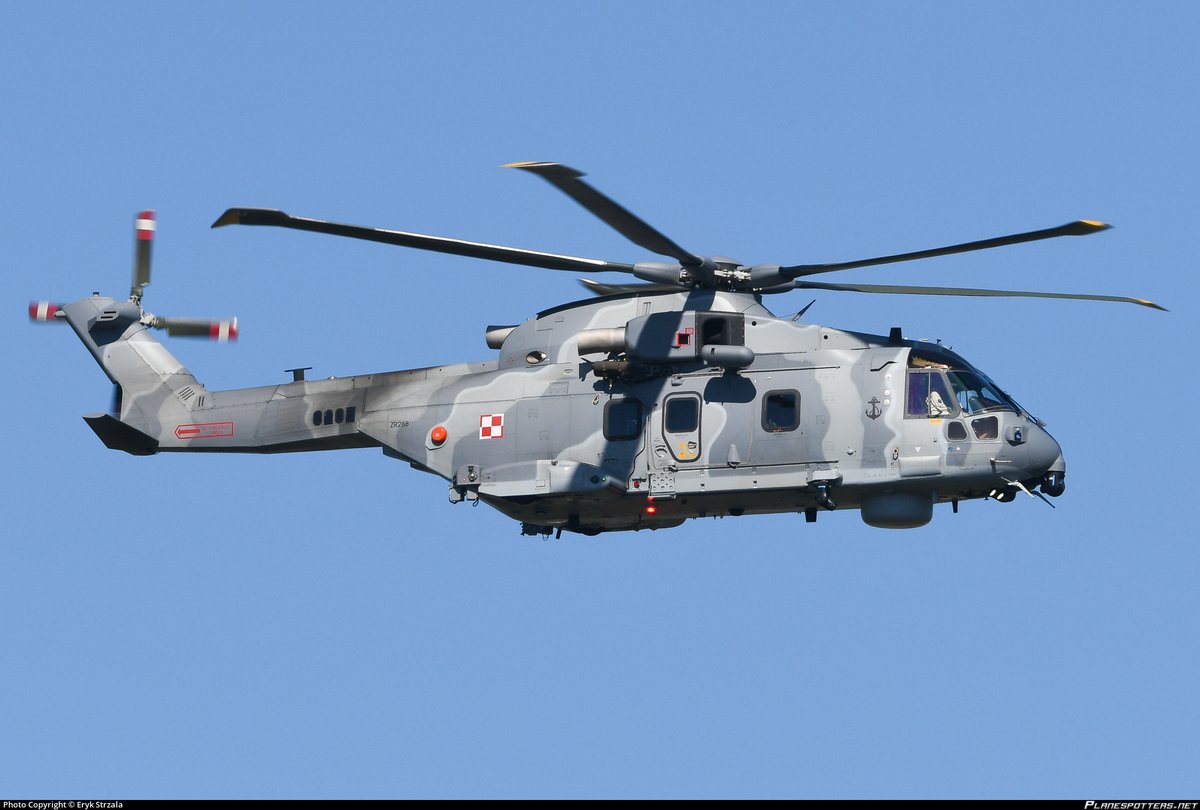
equipped with towed array sonars will find and sink these two submarines if they leave port.
The Baltic Sea will be the main theater of a NATO-russia war, because here russia will invade and attempt to extinguish three NATO nations. And victory depends on Sweden
31/n
The Baltic Sea will be the main theater of a NATO-russia war, because here russia will invade and attempt to extinguish three NATO nations. And victory depends on Sweden
31/n
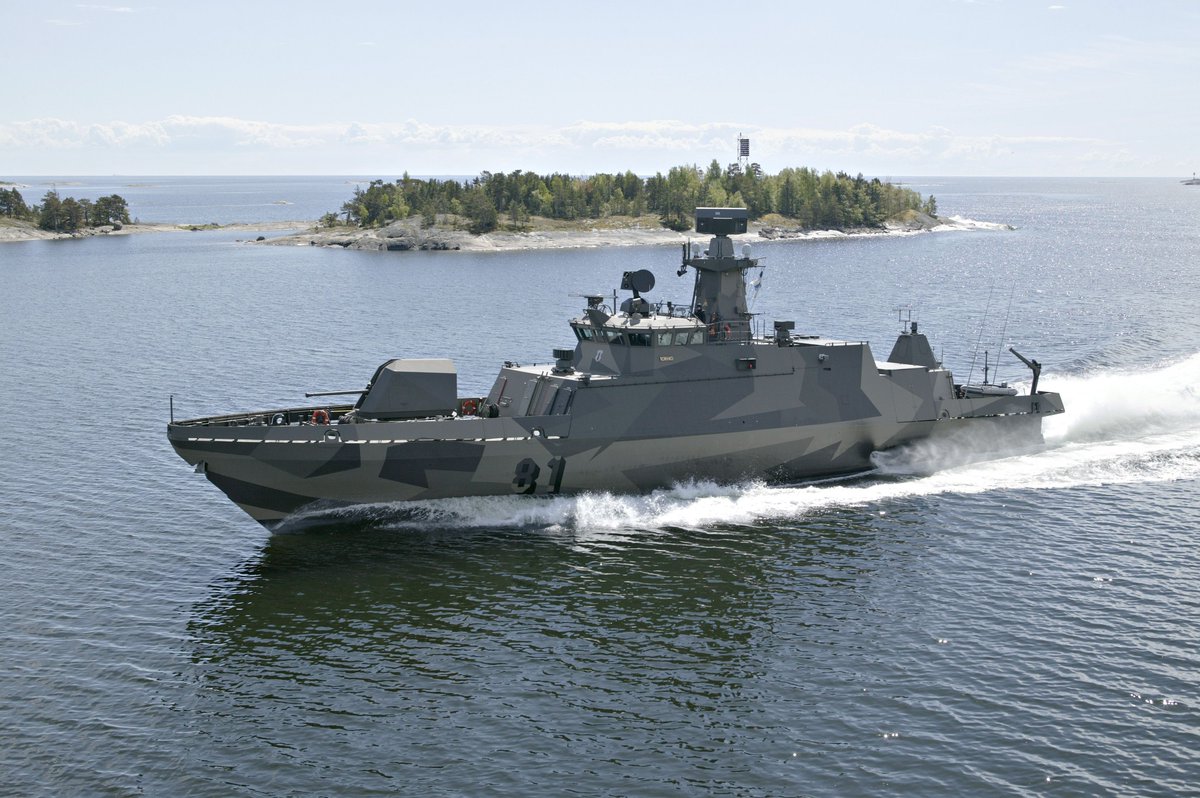
strengthening Gotland's defence (currently a russian airborne division could easily capture it), on Scandinavian nations adding coastal and air defence batteries, and everyone buying 100s of cruise missiles to hit russian air defence batteries inside russia and give European
32/n
32/n
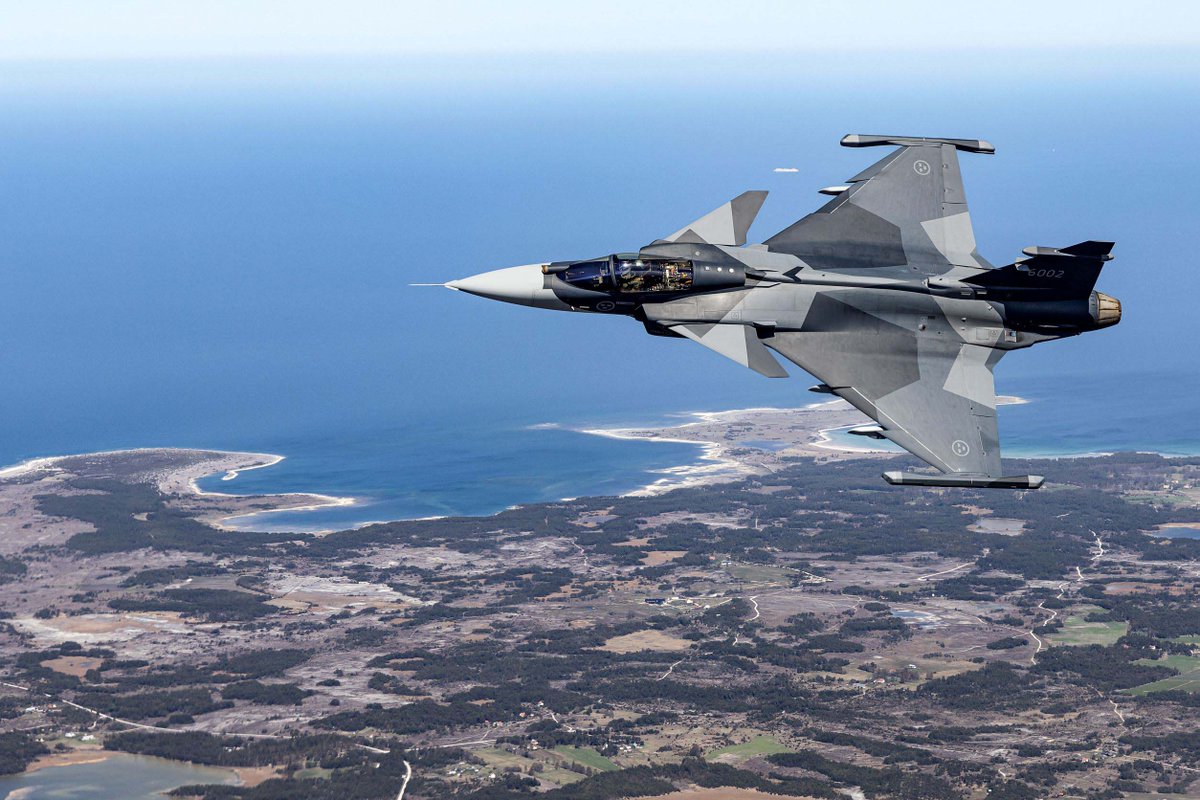
air forces air supremacy over the Baltic theater.
Can Europe stop a russian invasion of the Baltic nations with the currently deployed forces? No, but we can make it very costly if we control the Baltic Sea and our air forces can bomb the invading russian ground forces.
33/n
Can Europe stop a russian invasion of the Baltic nations with the currently deployed forces? No, but we can make it very costly if we control the Baltic Sea and our air forces can bomb the invading russian ground forces.
33/n

Can Europe drive russian forces out from the Baltics? Yes... but it will take months to assemble the necessary force and it can only succeed it European air forces can fly safely over the Baltic Sea and hit russian positions in Estonia, Latvia and Lithuania.
Without control
34/n
Without control
34/n
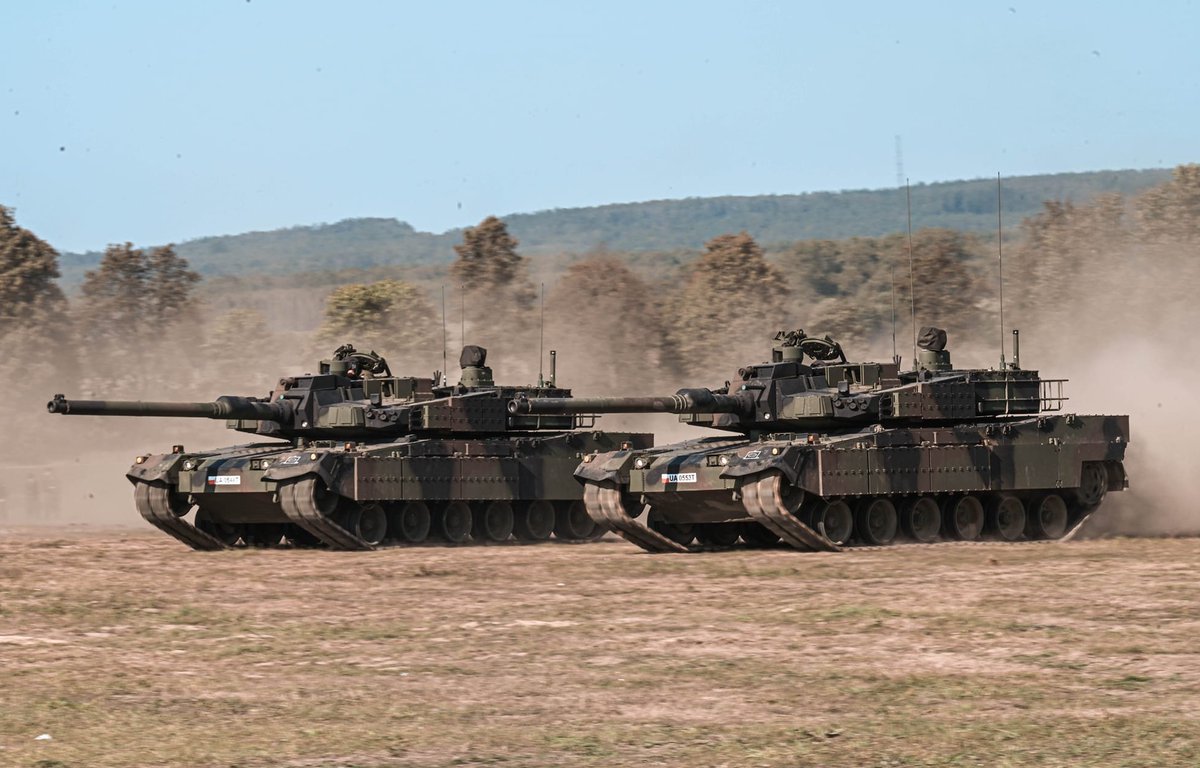
of the Baltic Sea (for which Gotland is the key) Europe will lose the war.
To ensure victory I would permanently base a multinational (Swedish, German, French, British, Italian) brigade on Gotland, and add Patriot or SAMP/T air-defence and NSM or RBS-15 coastal batteries.
35/n
To ensure victory I would permanently base a multinational (Swedish, German, French, British, Italian) brigade on Gotland, and add Patriot or SAMP/T air-defence and NSM or RBS-15 coastal batteries.
35/n
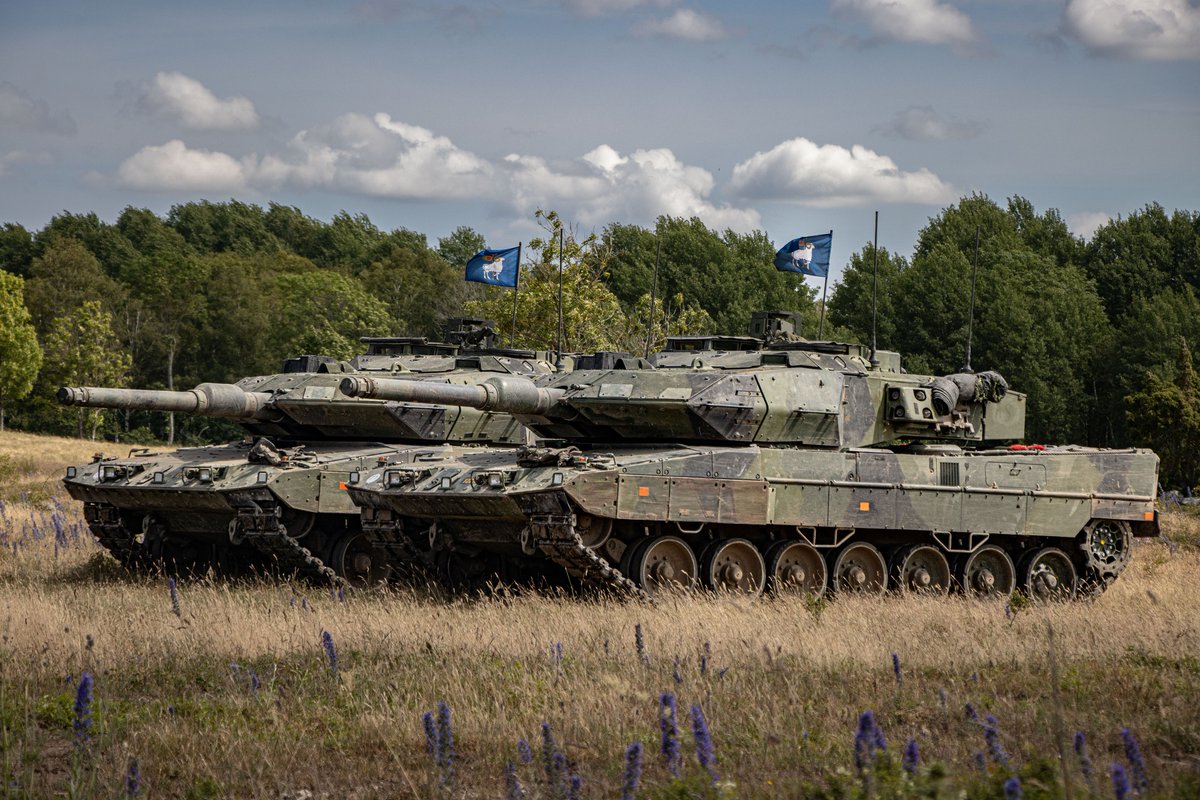
In the next thread I will talk about the North Atlantic... and the severe lack of maritime patrol aircraft, anti-submarine warfare frigates, and attack submarines Europe faces there if the US under Trump or Vance refuses to fight their beloved putin.
36/end
36/end
• • •
Missing some Tweet in this thread? You can try to
force a refresh