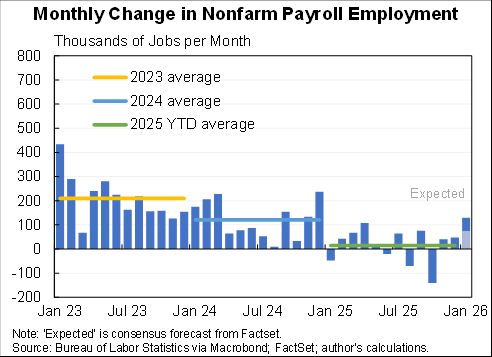
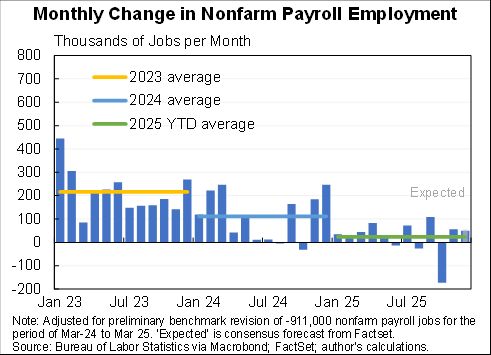
A market slowdown in the pace of job gains, with 22K added in August, bringing the three month average to 29K.
On a percentage basis have not seen job growth this slow outside of recessionary periods in more than sixty years.
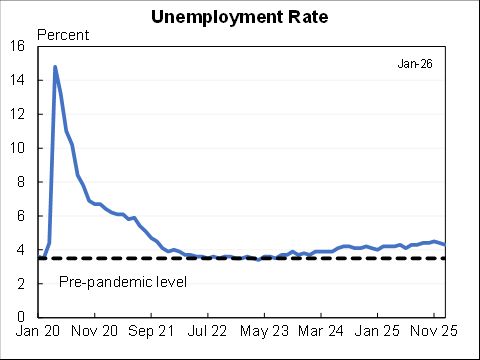
The unemployment rate rose from 4.2% to 4.3% (unrounded was a smaller increase).
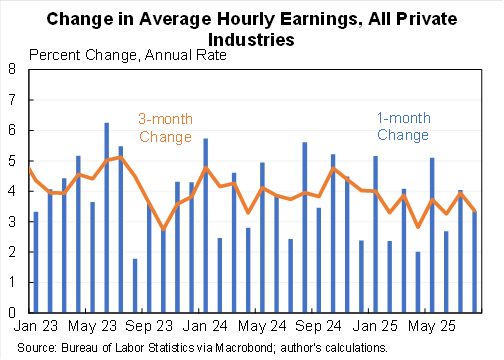
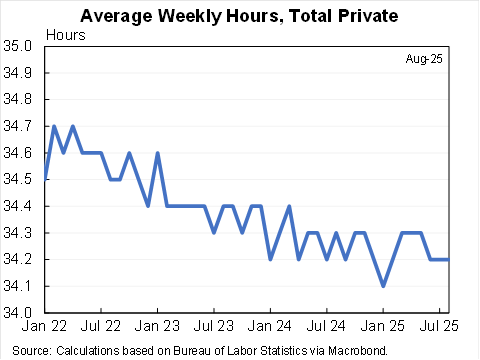
Wage growth was strong and average hours steady.
All of these are consistent with a marked slowdown in labor supply (due to immigration policy) combined with a continued slight softness in labor demand (as evidenced by the unemployment rate which has been steadily rising at about 0.03 percentage point per month for 2-1/2 years.
Here are the wage data which is another piece of evidence that the labor market is not markedly loosing but instead what is a "normal" labor market is much lower than the job growth we had been used to.
Also average weekly hours have been stable.
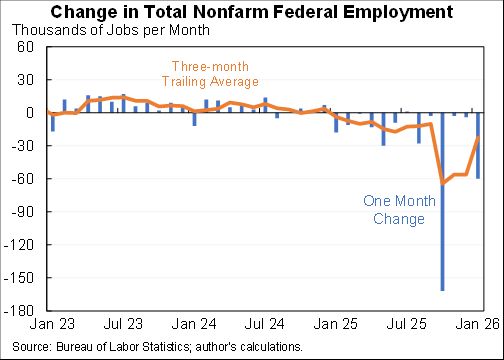
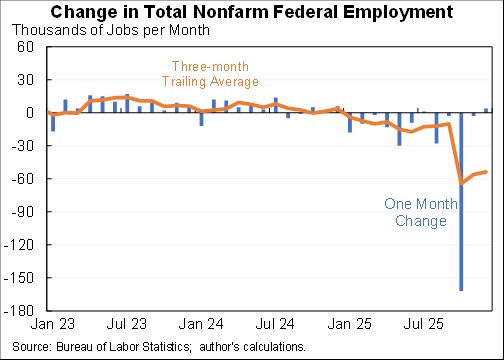
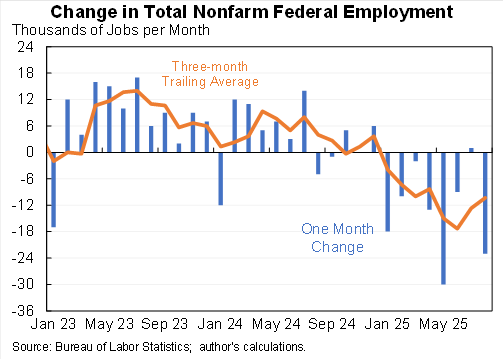
As an aside, a portion of what we're seeing is Federal job cuts. But the number is quite small compared to everything else.
In sum, we are seeing a big slowdown in labor supply and some weakness in labor demand. Not a whole lot the Fed can do when the biggest problem is not enough people. But it can and will cut rates, given inflation risks I would limit that to 25bp at the next meeting.
• • •
Missing some Tweet in this thread? You can try to
force a refresh

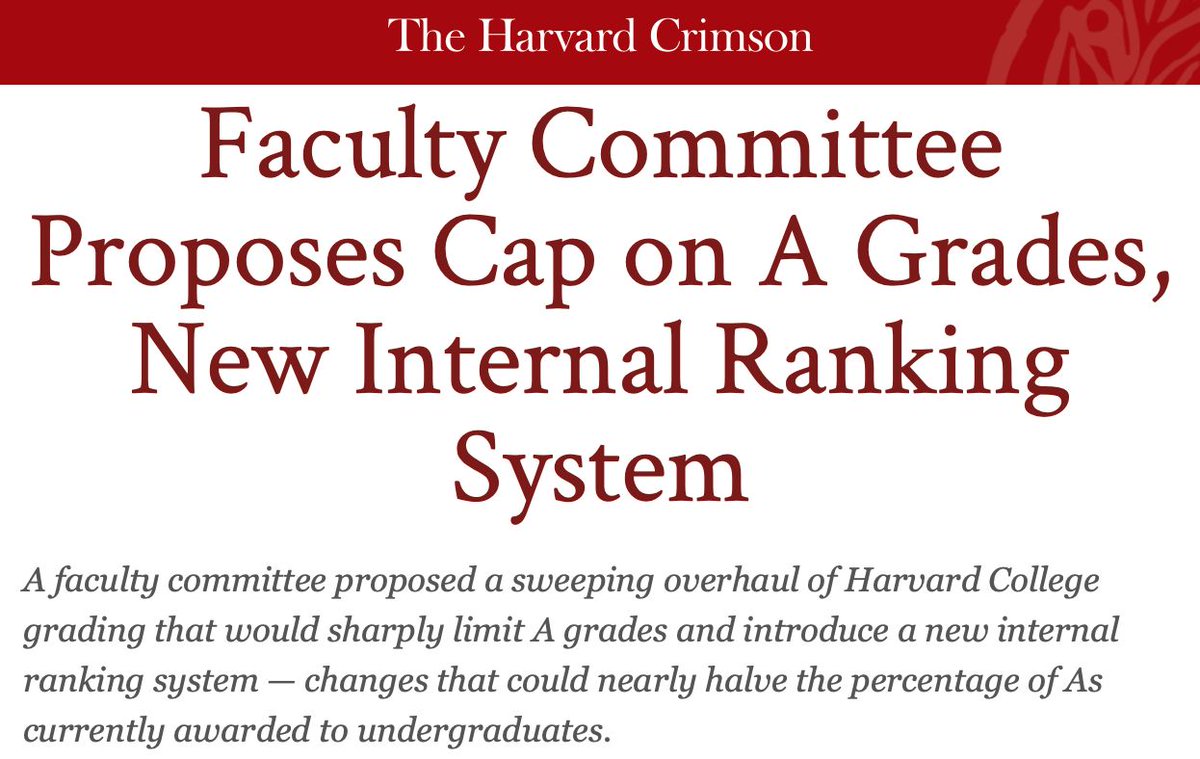
I will be enthusiastically supporting faculty legislation to cap the number of A's at Harvard at 20% (plus a bit). The collective action problem that has driven grades higher & higher over time is increasingly problematic. I hope other institutions consider similar steps.
I've talked to numerous colleagues & students about grade inflation. Almost all of them see it as a a problem. I've also heard about as many different ideas for solutions as I've had conversations. I would tweak this proposal in various ways. But would support it over nothing.
One place the current system fails--and it's not the only place--is honors. I'm on the Committee to recommend honors in the economics department. It's increasingly hard to distinguish excellence with so many A's. I believe that now even two A-'s makes you ineligible for Summa.
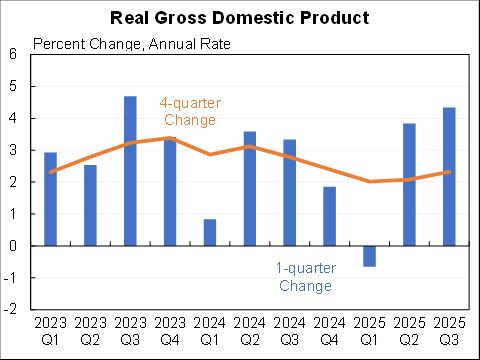
Depending on how you look at it growth in Q3 was very very strong or very strong or just possibly merely strong. Annual rates:
GDP: 4.3%
Real final sales to domestic purchasers: 2.9%
Average of GDP & GDI: 3.4%
GDI: 2.4%
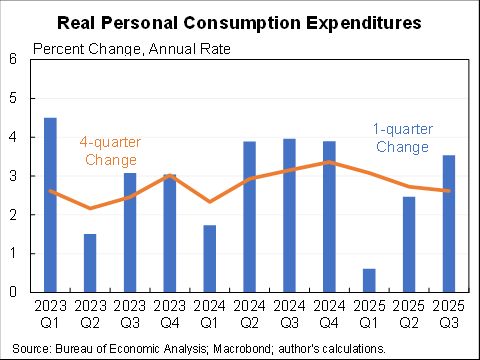
A big part of the story was consumer spending up at a 3.5% annual rate. Started the year looking weak but new data and revisions have made consumers very strong.
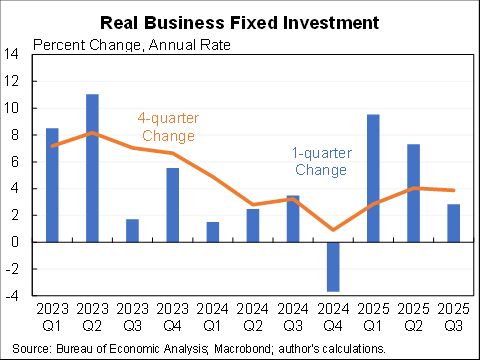
Business fixed investment a bit weaker but also very heterogenous. Equipment investment and IPP up but non-residential structures down for the seventh straight quarter.
Several thoughts on that piece by @nealemahoney & @BharatRamamurti in @nytopinion.
1. They claim price controls are good politically. I'm very open to this being true, I'm under no illusion that what I think is good policy is particularly well correlated with good politics. But I am genuinely interested in more evidence beyond the brief observations they make.
2. They claim that even if you think price controls are a bad idea they can help you pass supply-increasing legislation that is on balance good. Once again, I'm open to this. And in government I've often done 3rd, 7th or 12th best policies because of constraints.