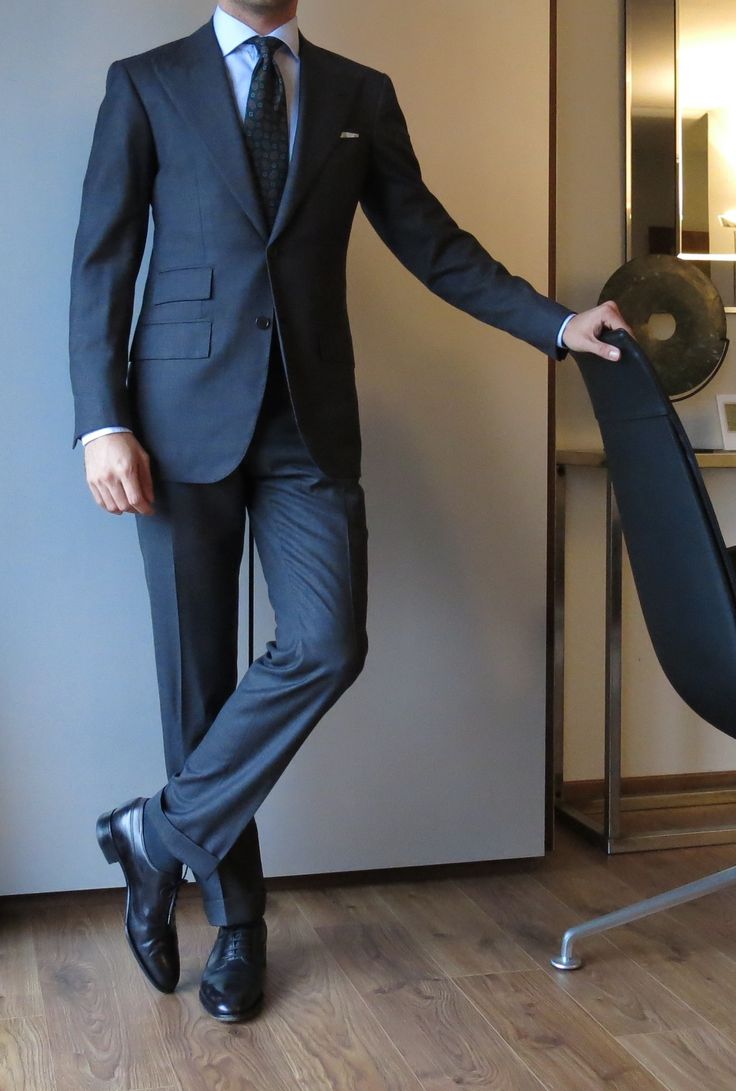
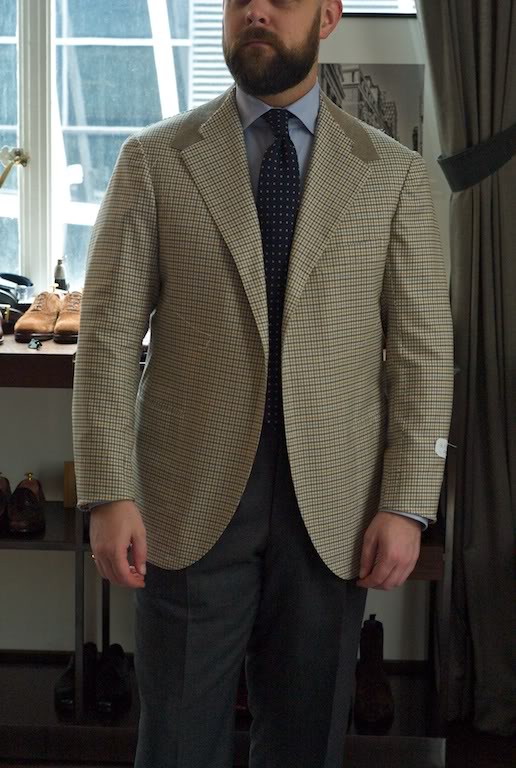
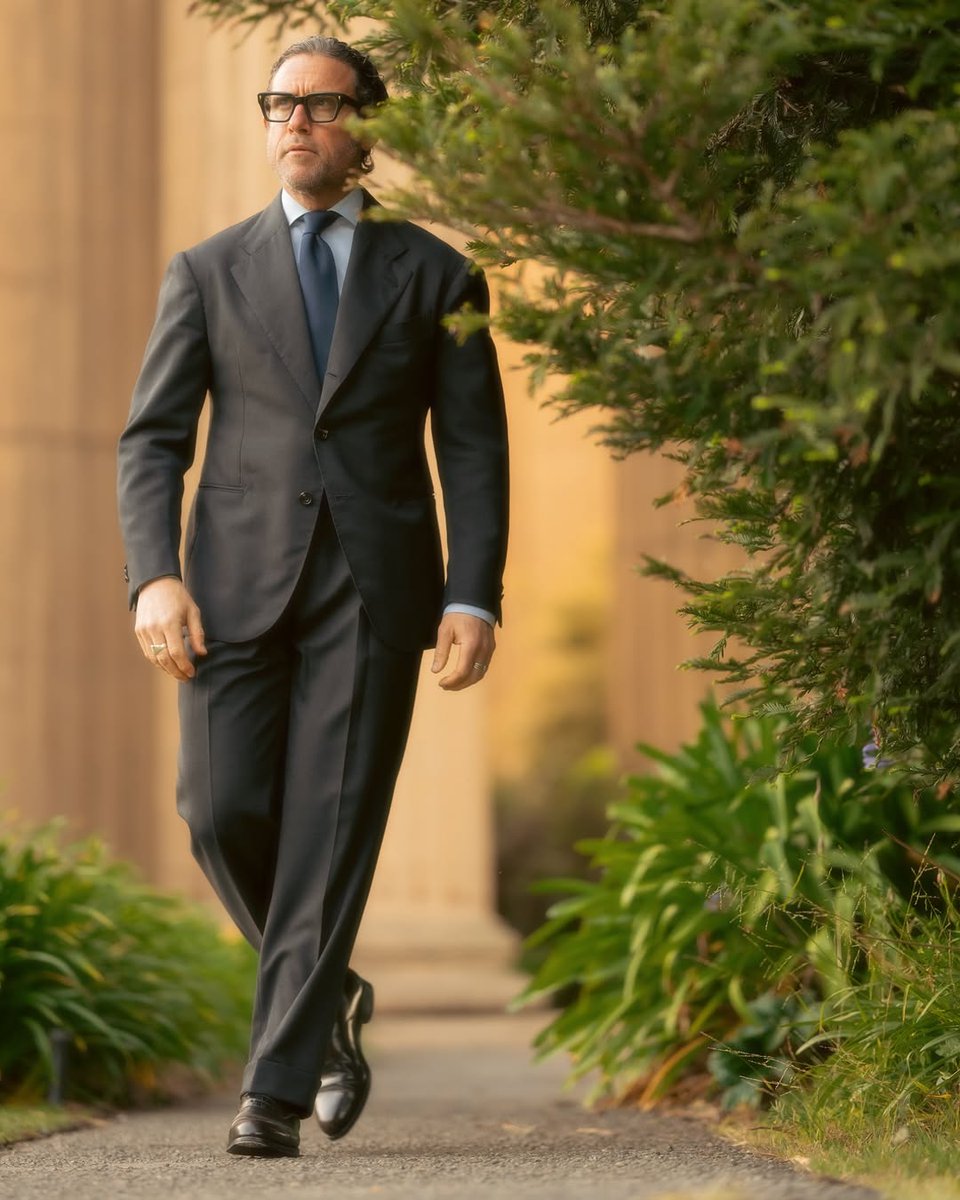
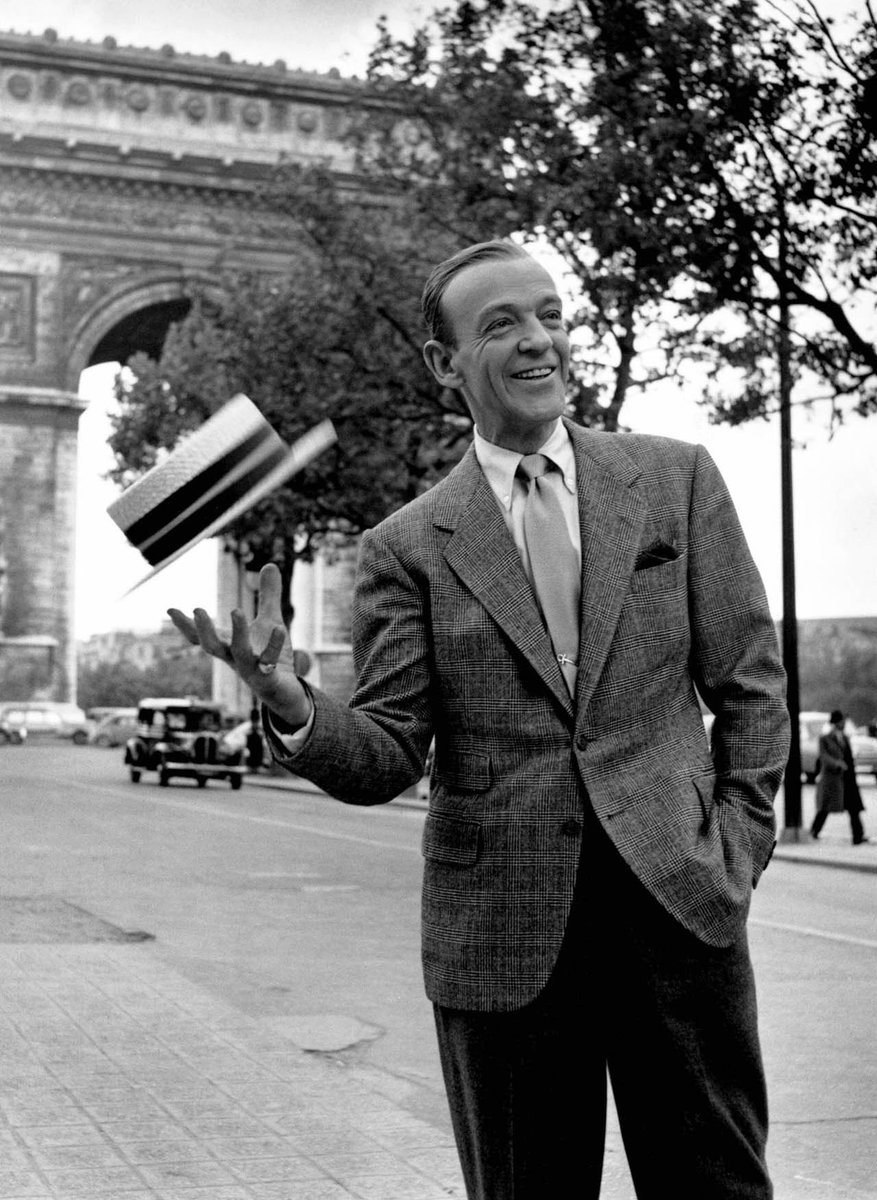
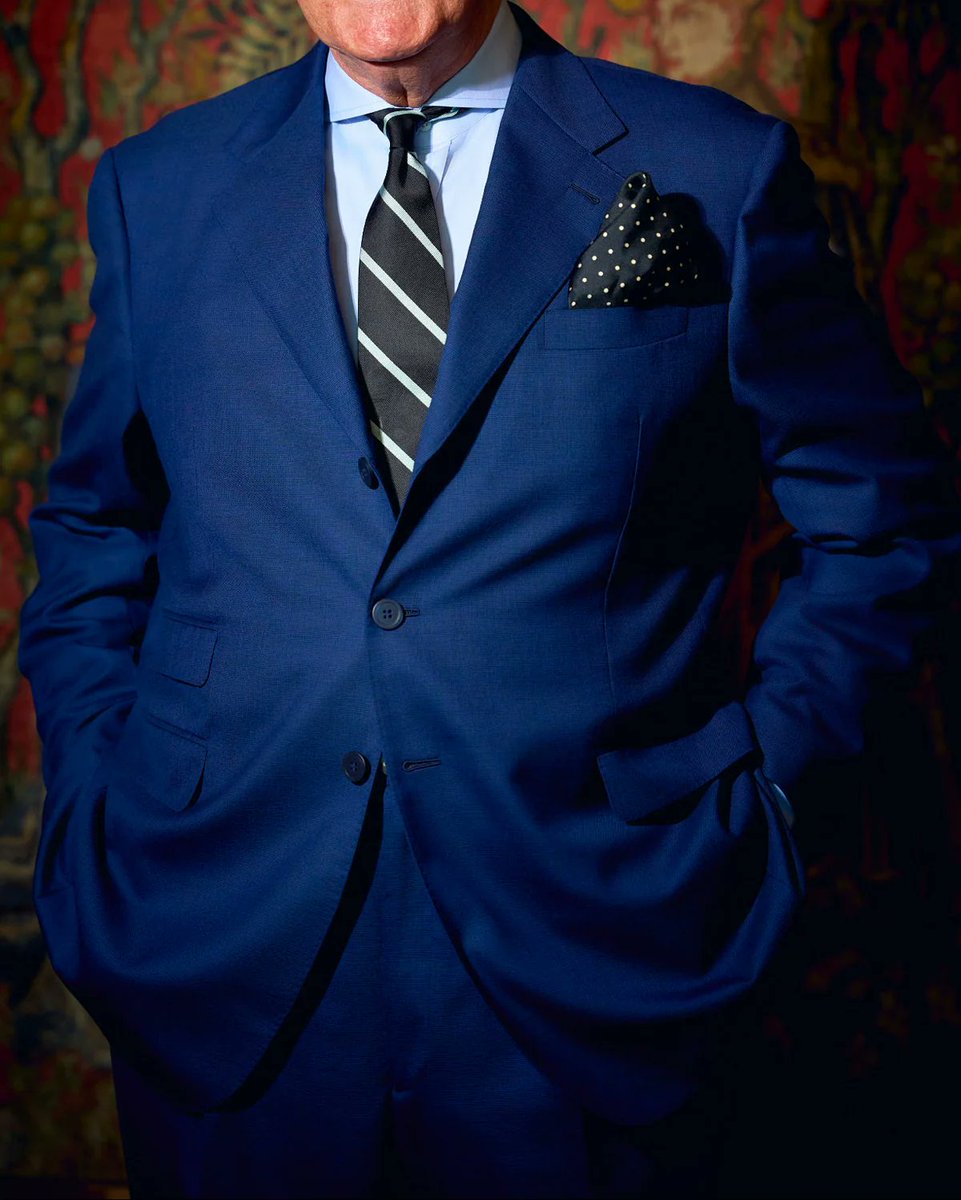
There's no "right" or "wrong" answer here, so feel free to go with your gut. I will then give you my views below. 🧵
In men's tailoring, the area below the jacket's buttoning point is colloquially known as the "quarters" among menswear enthusiasts. Or the "front edge" by actual tailors. These terms refer to the edge of the coat, connecting to lapels.
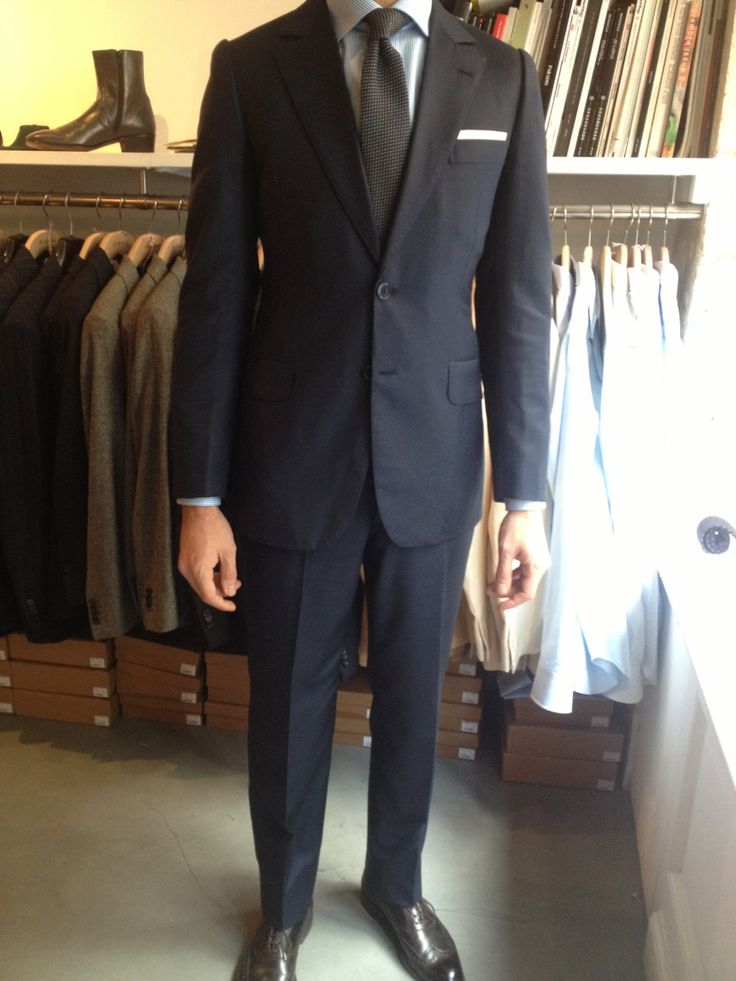
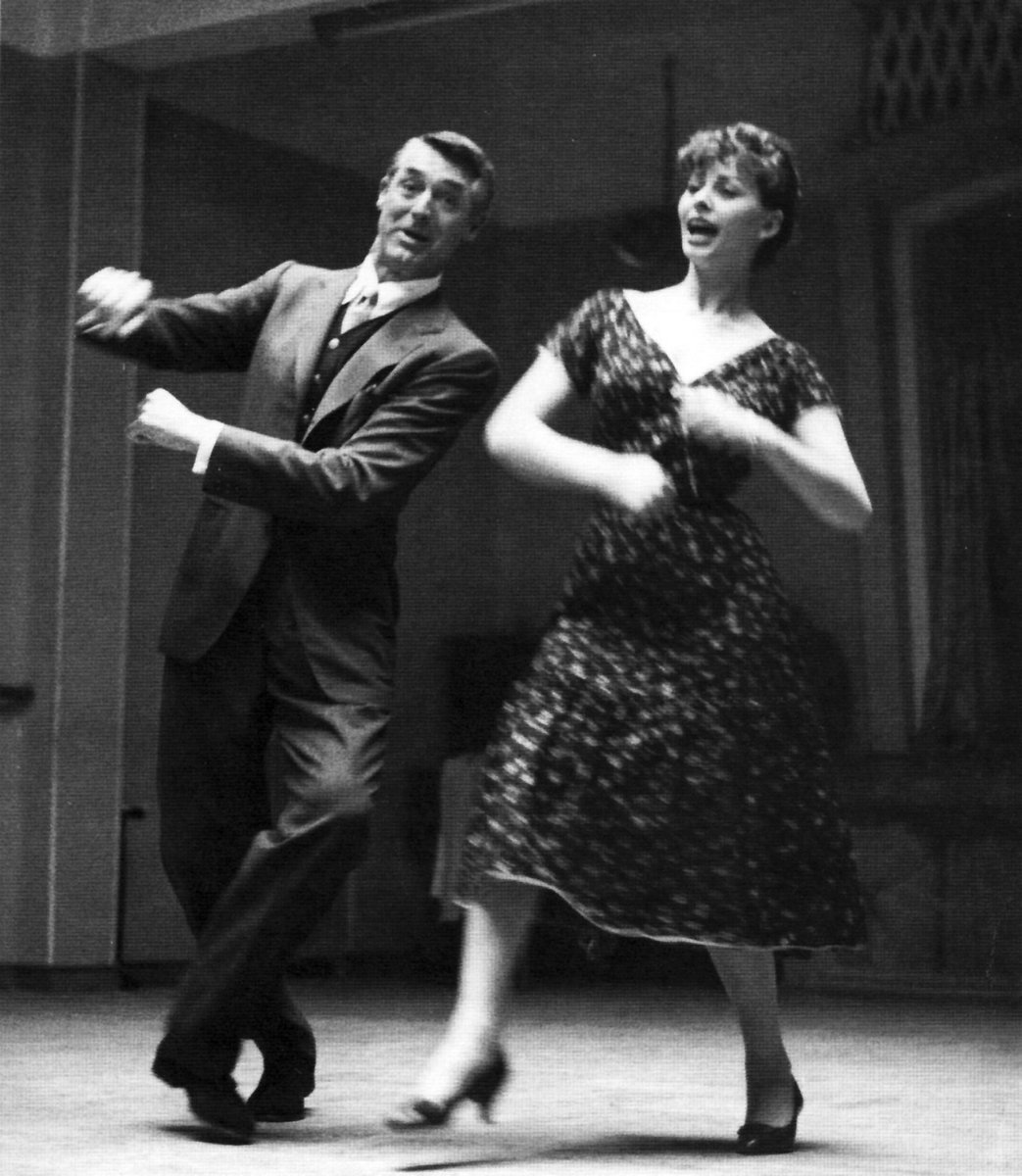
Some suit jackets have very closed quarters, such as you see on the left. In this way, the jacket forms a Y-shaped silhouette.
Other suits have open quarters, such that the front edge sweeps back on the hips, as you see on the right. This forms an X-shaped silhouette.
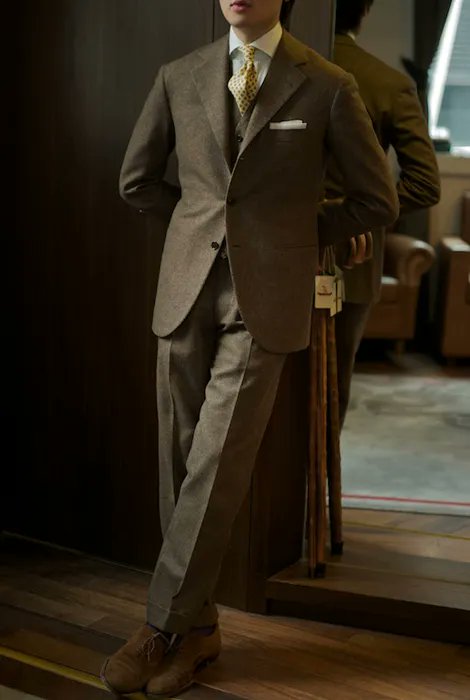
In Florence, Italy, some tailors cut a very curvy, open quarter. When combined with their signature lapels — which have such a straight edge, they almost appear concave — you get a very beautiful crescent shaped line going from the lapel to the hem. Sort of like half-moons
Neither closed nor open quarters are "right" or "wrong." They are simply different cuts. A jacket can be cut perfectly for the wearer, but not be to their taste.
But as a matter of taste, I prefer open quarters. IMO, it creates a more dynamic line; closed quarters look frumpy.

When you see an outfit you like, pay attention to the cut, fit, proportions, and silhouette. Notice the shape of the outfit and the direction of the lines. This will help you identify what you like or dislike about an outfit, which will make you a better shopper.
• • •
Missing some Tweet in this thread? You can try to
force a refresh

Let's first establish good vs bad ways to think about style. The first pic is correct — style is a kind of social language and you have to figure out what type of person you are. The second pic is stupid bc it takes style as disconnected objects ("this is in" vs "this is out").
I should also note here that I'm only talking about style. I'm not here to argue with you about ergonomics, water bottle holders, or whether something accommodates your Dell laptop. I'm am talking about aesthetics.
Watch these two videos. Then answer these two questions:
— Which of the two men is better dressed?
— How does each come off?
I think Carney is better dressed, partly because his clothes fit better. Notice that his jacket collar always hugs his neck, while Pierre Poilievre's jacket collar never touches him.
The level of craftsmanship that goes into a lot of Japanese menswear simply doesn't exist in the United States. You can do this for many categories — suits, jeans, hats, etc.
In this thread, I will show you just one category: men's shoes 🧵
For this comparison, I will focus on Japanese bespoke shoemaking vs. US ready-to-wear. The level of bespoke craftsmanship shown here simply doesn't exist in the US, so a Japanese bespoke vs. US bespoke comparison would be unfair. US bespoke is mostly about orthopedic work.
So instead, I will focus on the best that the US has to offer: ready-to-wear Alden.
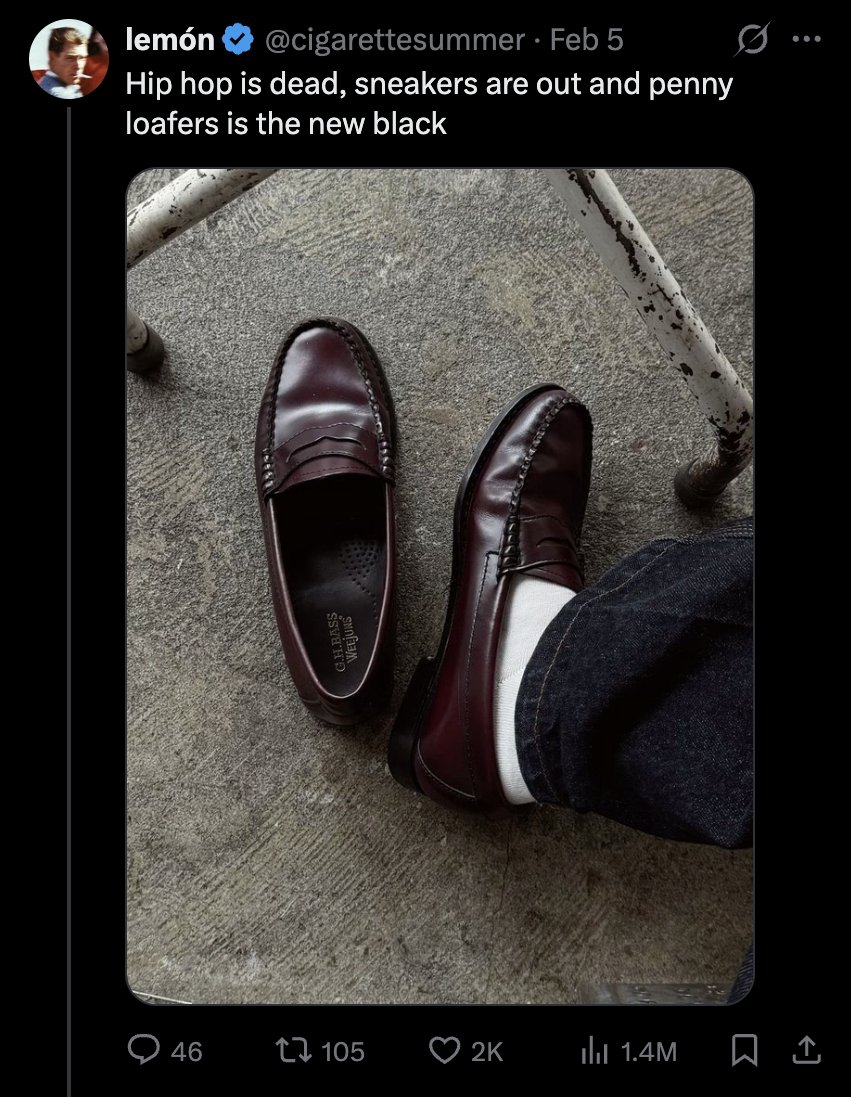
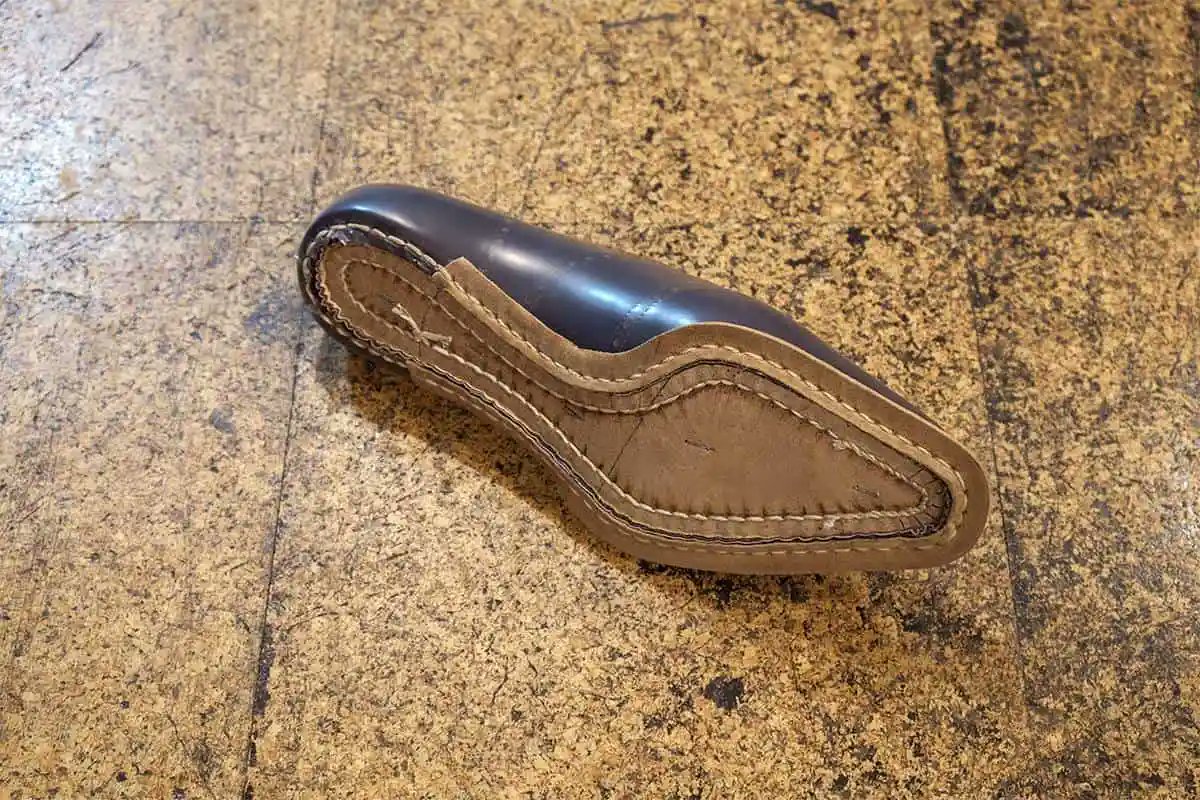
On a basic level, top-end Japanese shoes are better because they are handwelted, whereas Alden shoes are Goodyear welted. The first involves more handwork and can be resoled more often.
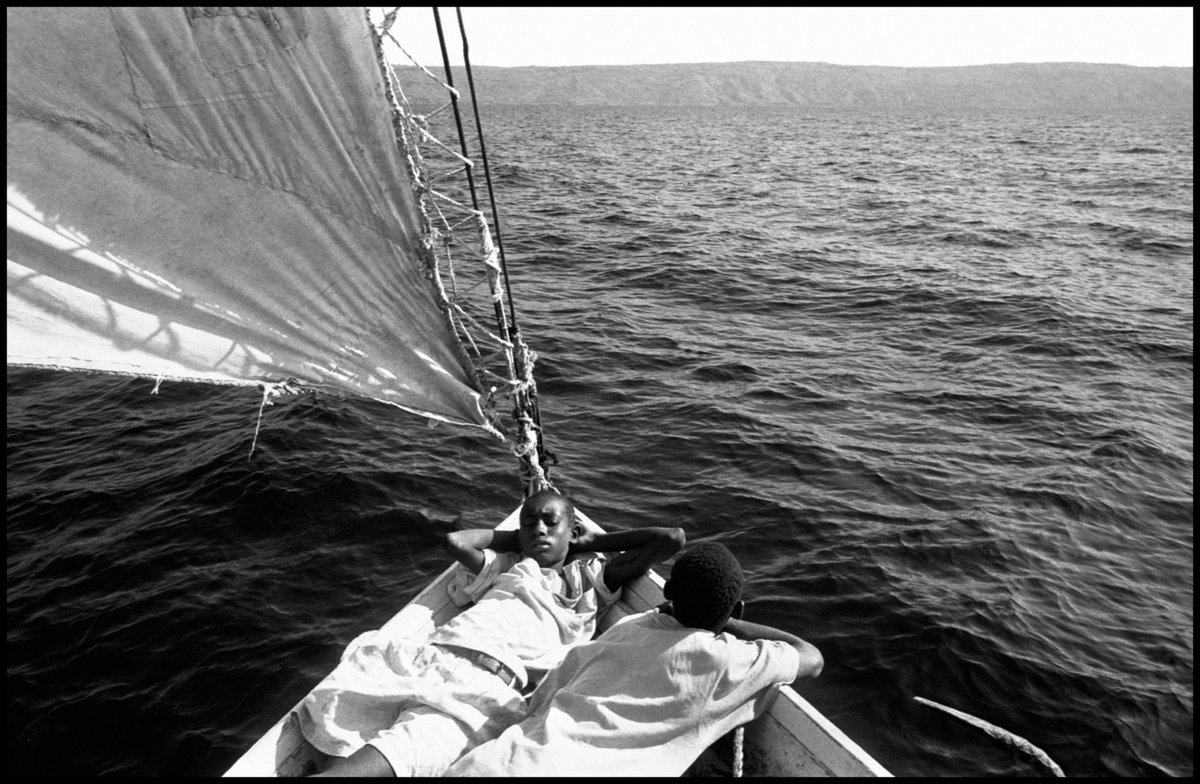
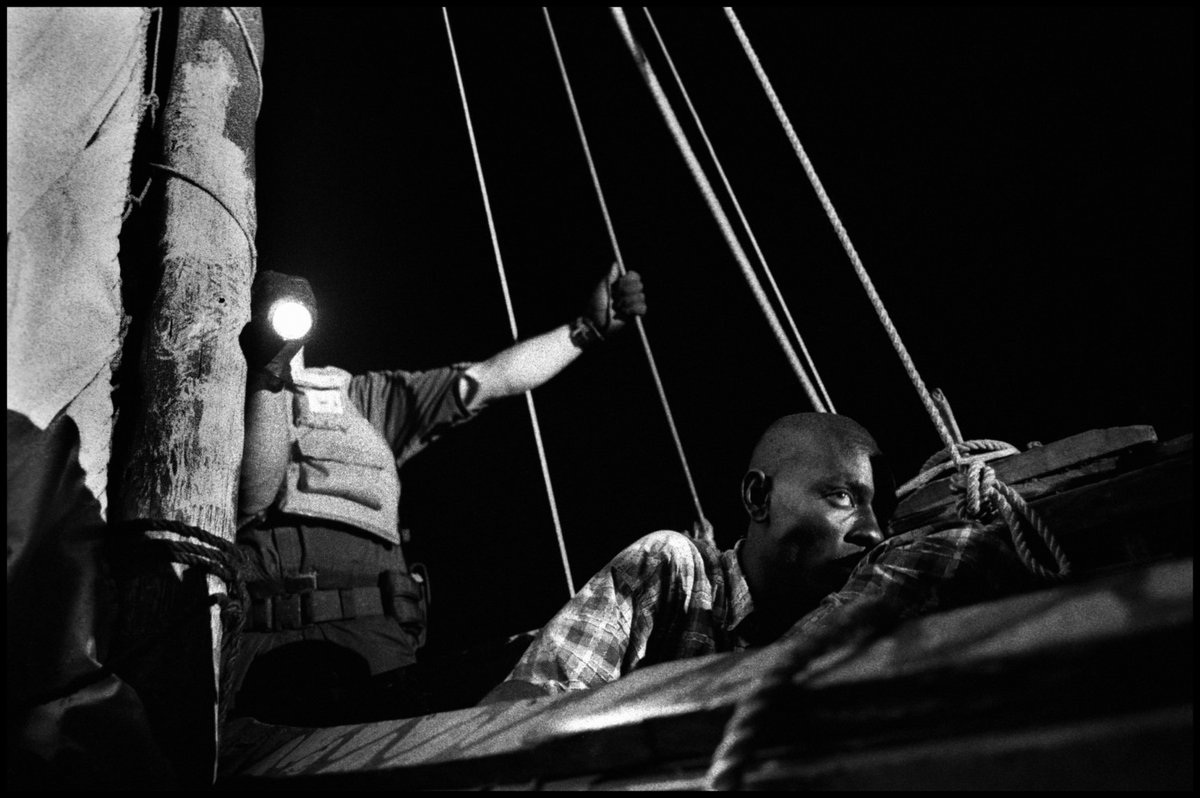
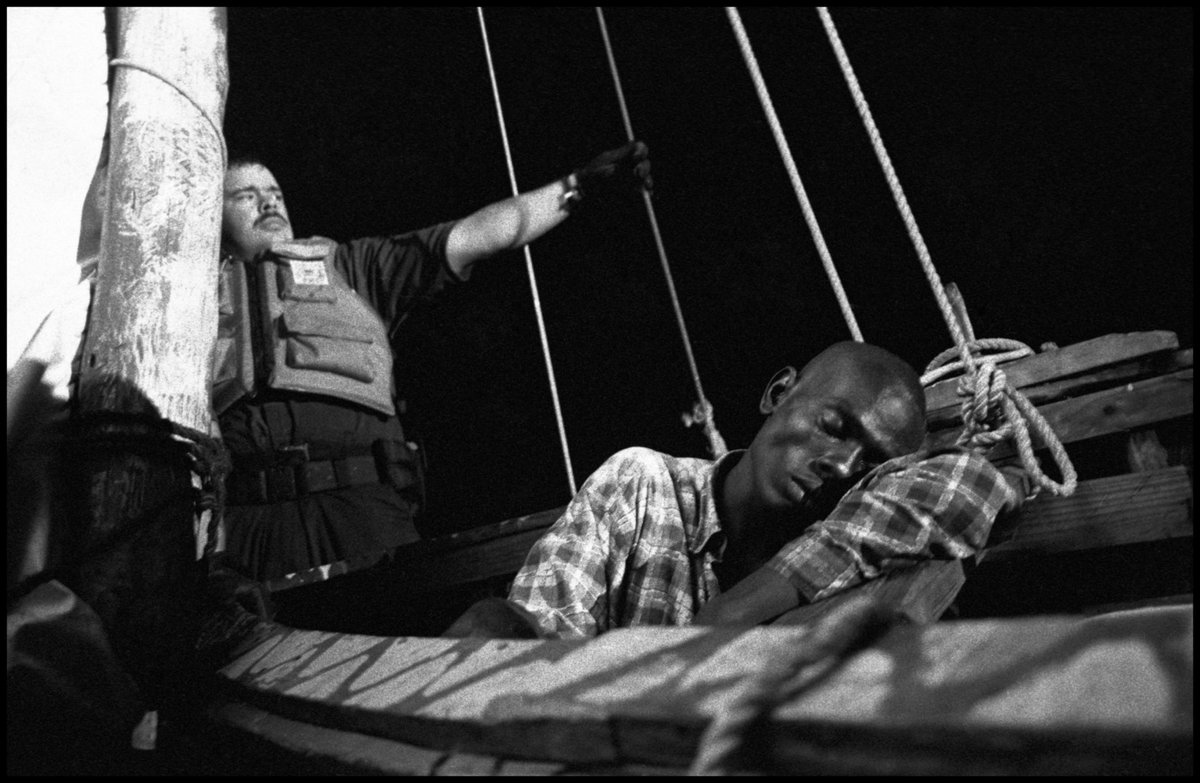
In 1999, a group of Haitians were tired of political disorder and dreamed of a better life in the United States. So they built a small, 23-foot boat by hand using pine trees, scrap wood, and used nails. They called the boat "Believe in God." 🧵
In a boat powered by nothing but a sail, they somehow made it from Tortuga Island to the Bahamas (about a 90 mile distance). Then from the Bahamas, they set sail again. But a few days and some hundred miles later, their makeshift boat began to sink.
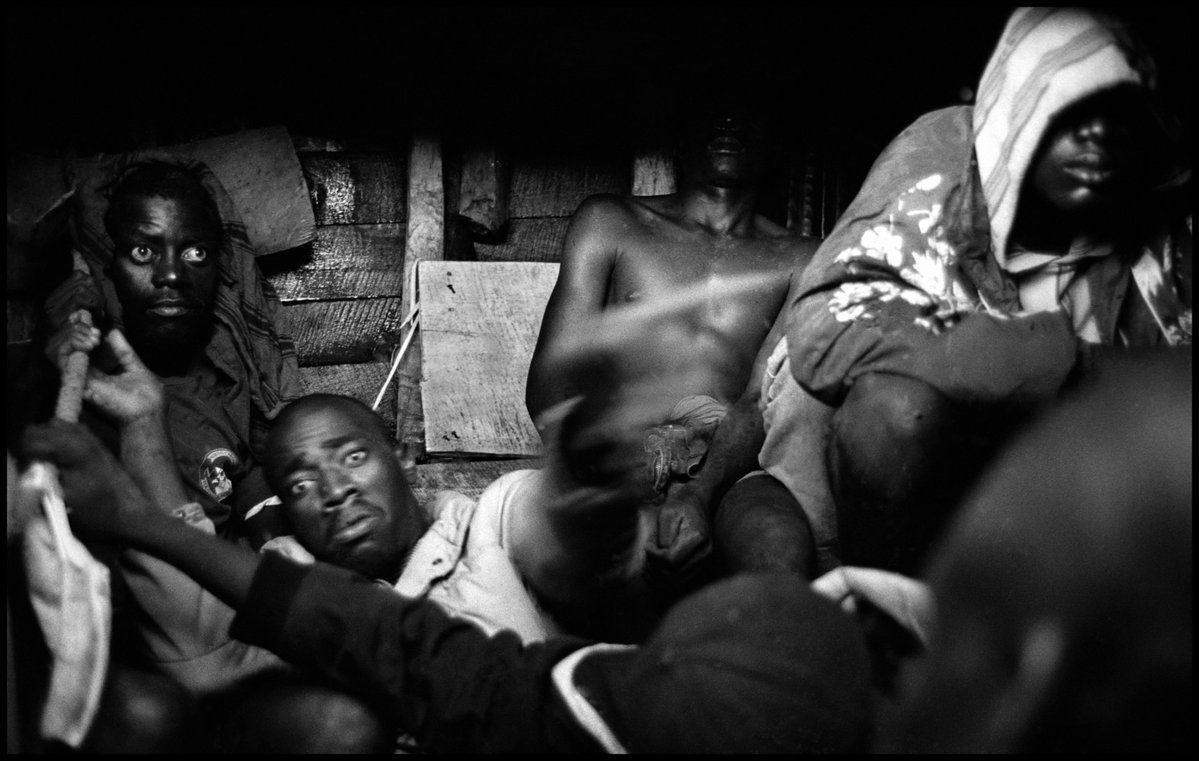
The men on the boat were so dehydrated this point, one slipped in and out of consciousness, unable to stand. They were all resigned to their death.
Luckily, they were rescued at the last minute by the US Coast Guard.
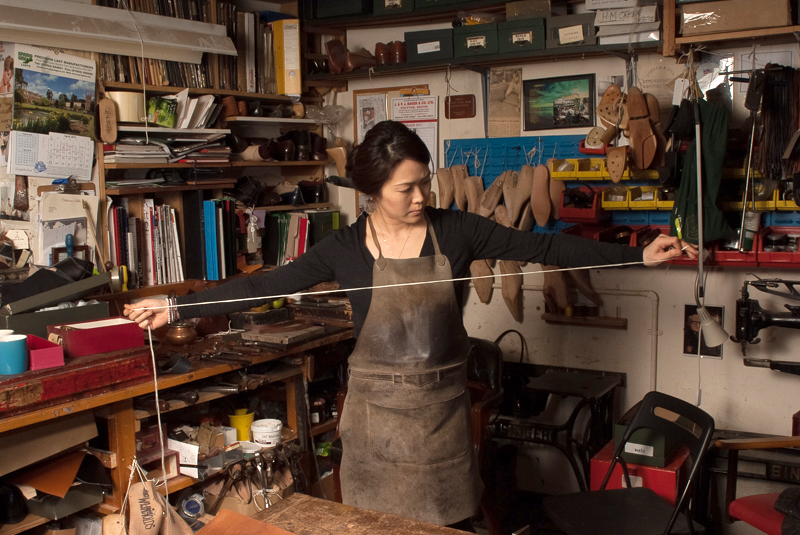
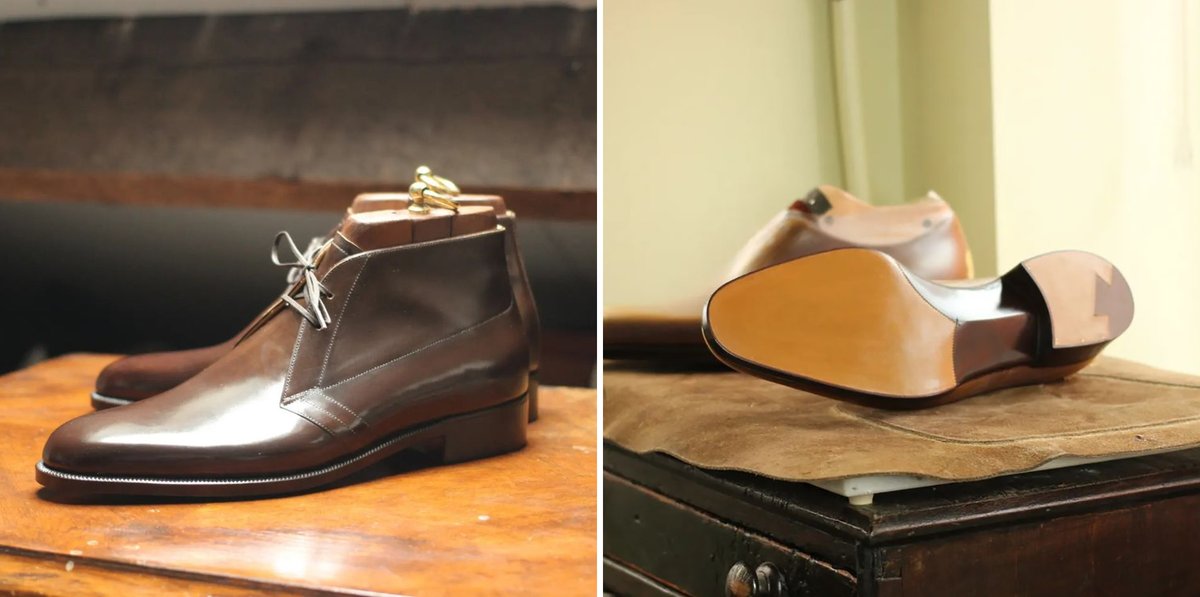
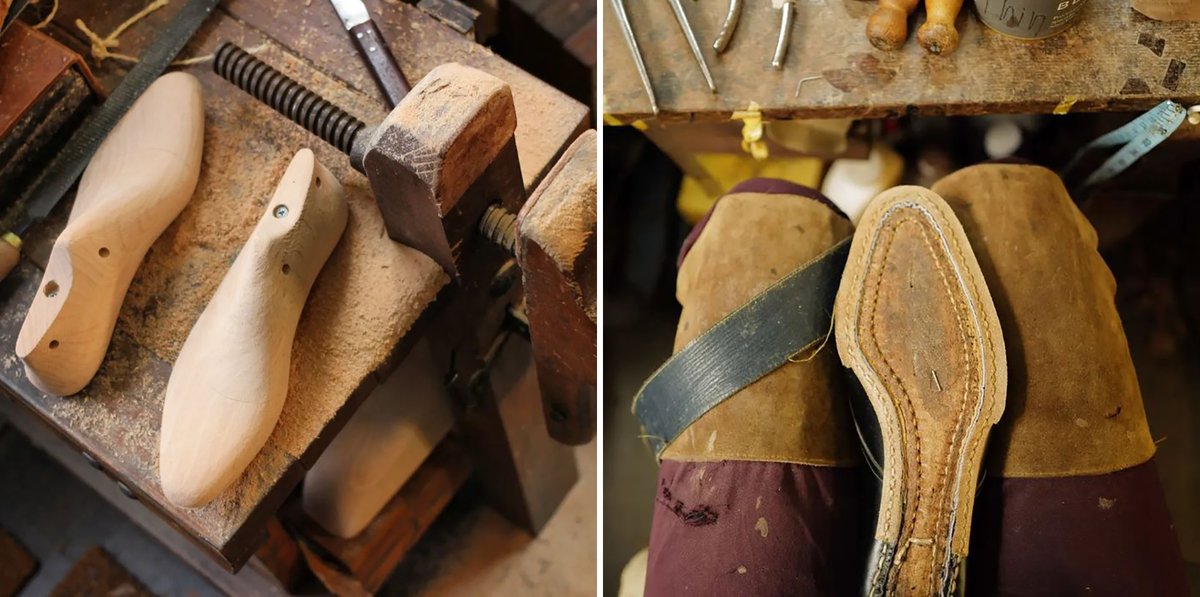
After this post went viral, I called Caroline Groves, a world-class bespoke shoemaker, to discuss how women's shoes are made. I normally don't talk about womenswear, but I found the information interesting, so I thought I would share what I learned here. 🧵
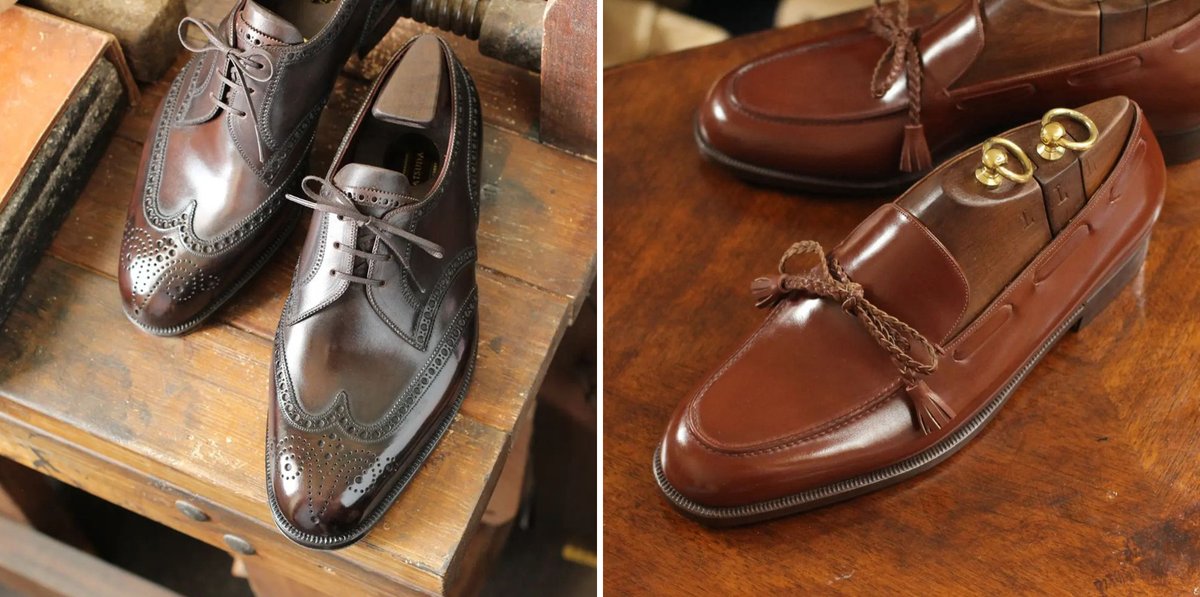
Footwear is broadly broken into two categories: bespoke and ready-to-wear. In London, bespoke makers, including those for women, are largely focused on traditional styles, such as wingtip derbies and loafers. Emiko Matsuda is great for this.
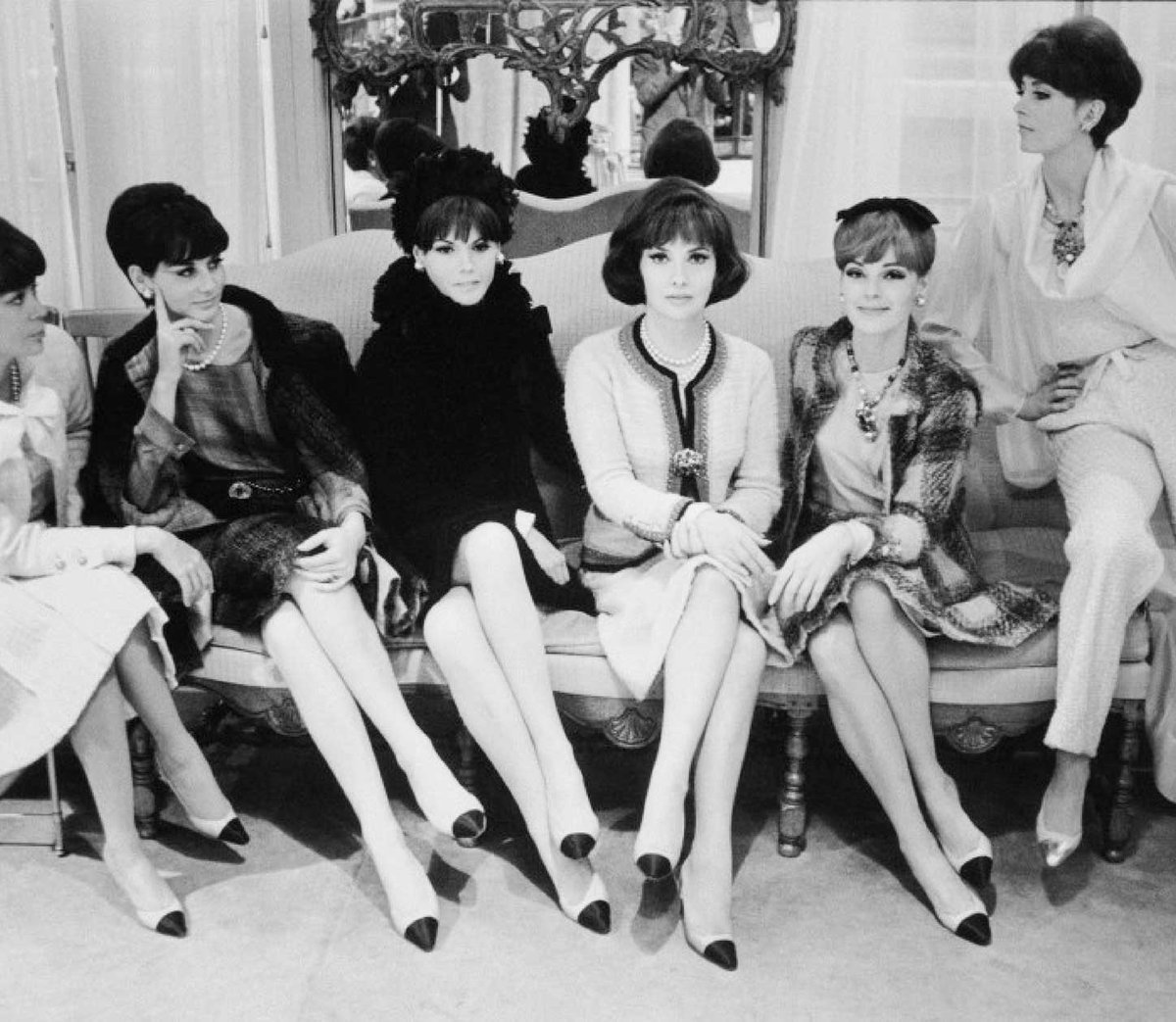
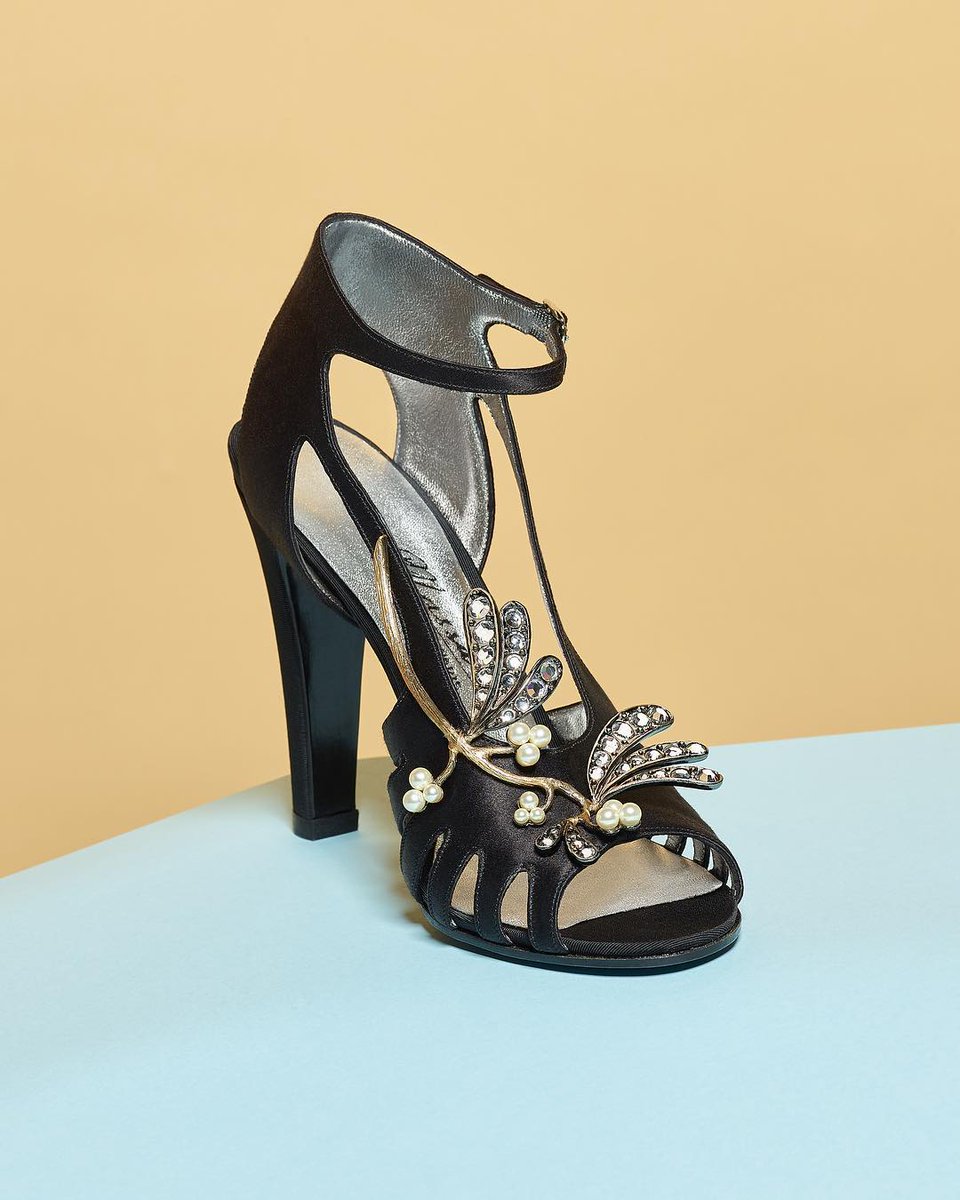
In Paris, there's Massaro, a historic firm that has been operating since 1894, now owned by Chanel. Their designs are less about creating the women's equivalent of traditional men's footwear and more about things such as heels or creative styles. Aesthetic is still "traditional."
Earlier today, Roger Stone announced his partnership with a menswear company, where together they've released a collection of tailored clothing items.
Here is my review of those pieces. 🧵
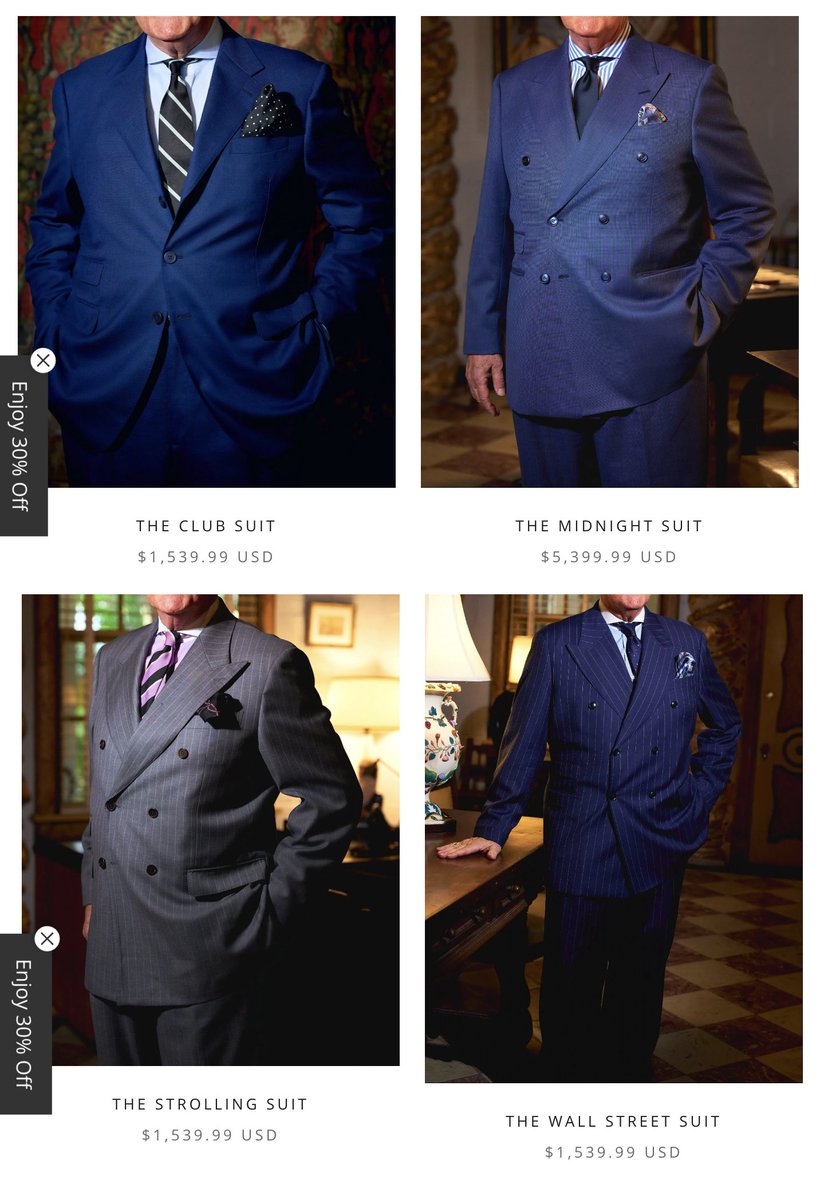
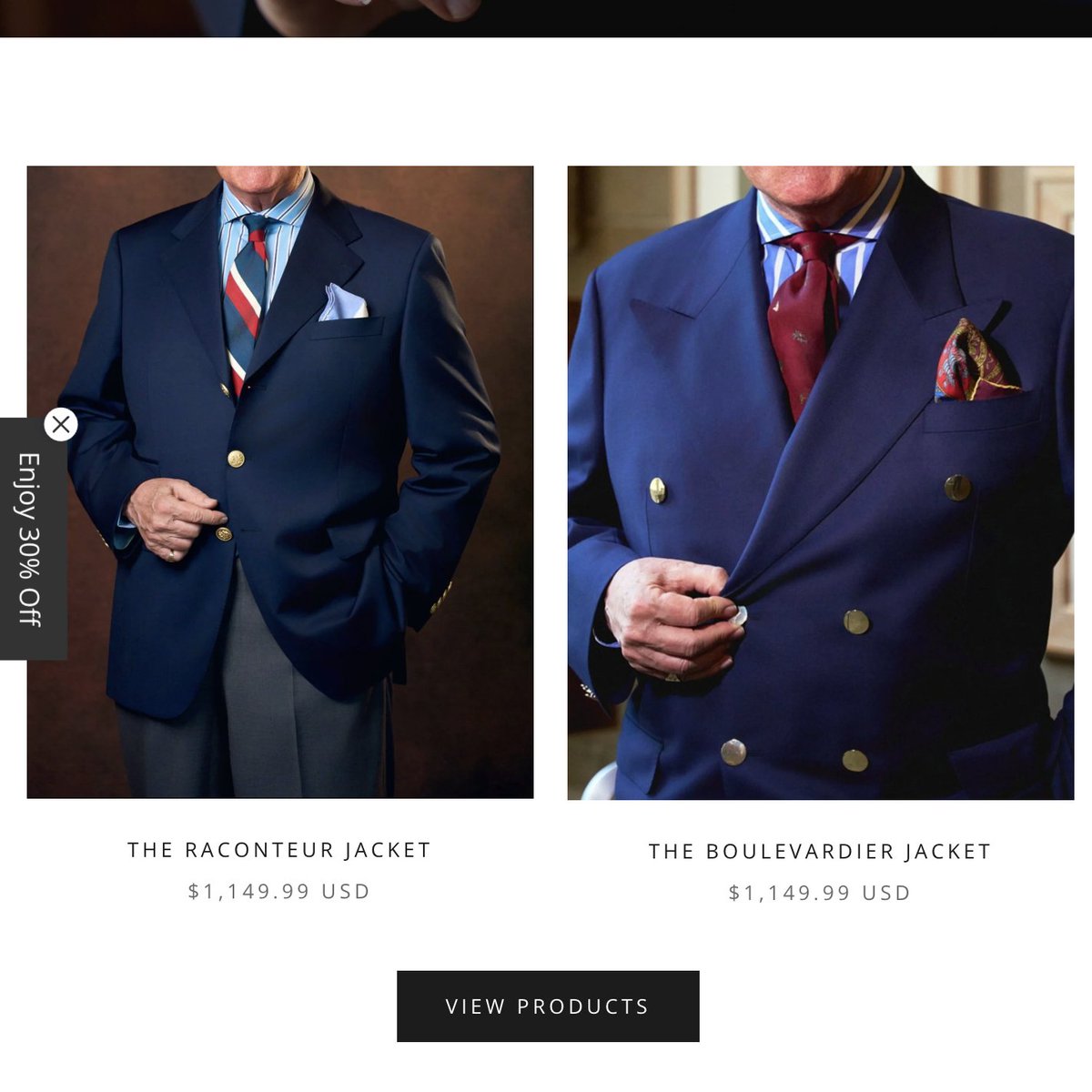
The line is mostly comprised of suits and sport coats, supplemented with dress shirts and one pair of odd trousers (tailor-speak for a pair of pants made without a matching jacket). Suits start at $1,540; sport coats are $1,150. One suit is $5,400 bc it's made from Scabal fabric
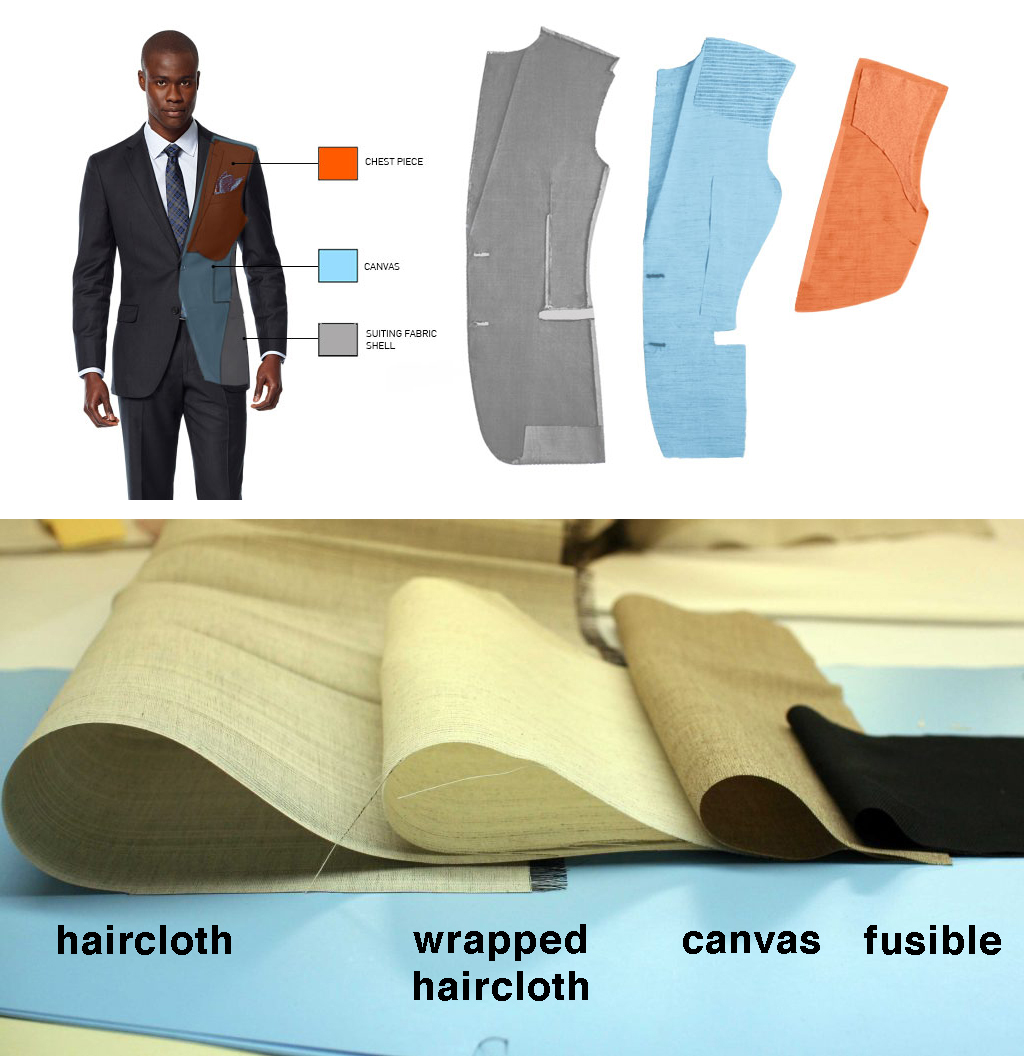
Let's start with the good points. These are fully canvassed jackets, meaning a free floating canvas has been tacked onto the face fabric to give it some weight and structure. This is better than a half-canvas and fully fused construction, but requires more time and labor.