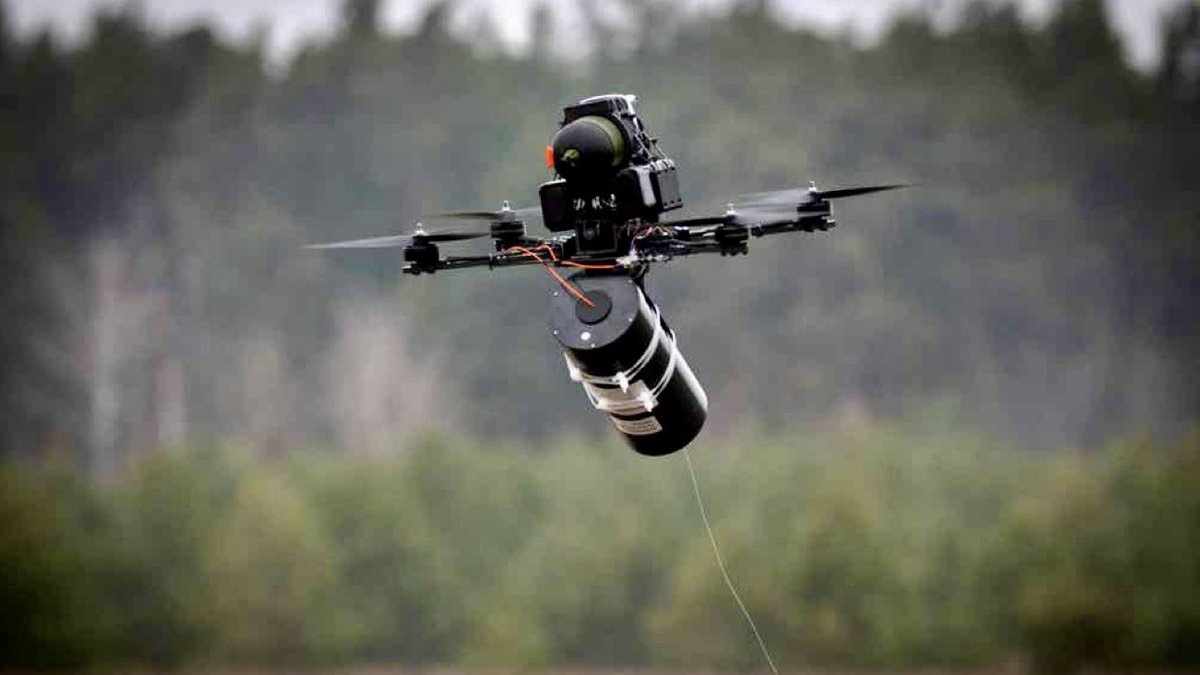
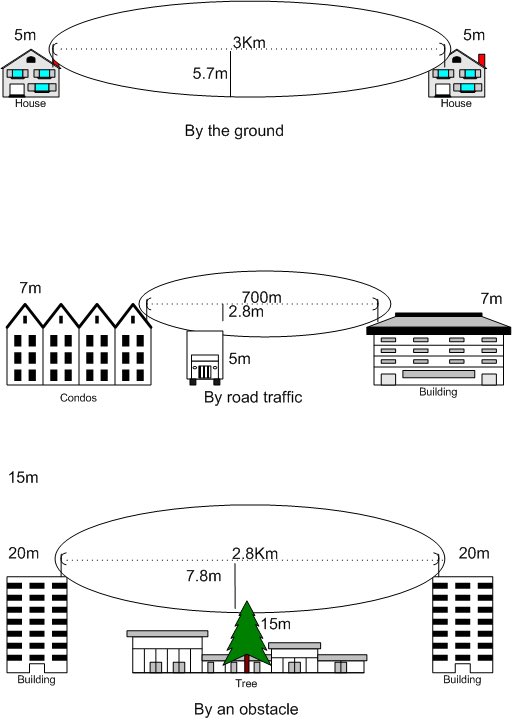
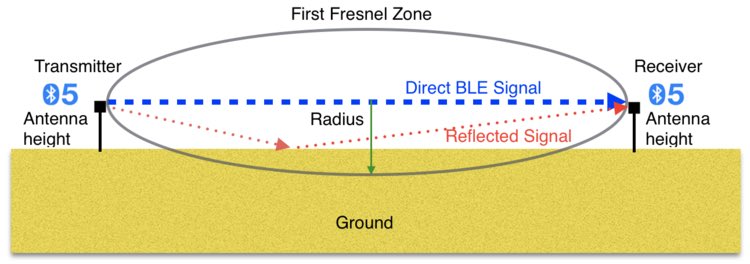
Batteries are the unsung heroes of FPV drones in Ukraine.
Motors and fiber optic control may get more attention, but it’s the chemistry inside lithium packs that sets limits on speed, payload, range, and battlefield effectiveness.
1/
Motors and fiber optic control may get more attention, but it’s the chemistry inside lithium packs that sets limits on speed, payload, range, and battlefield effectiveness.
1/
https://twitter.com/grandparoy2/status/1875562323118846411

FPVs in Ukraine use lithium-polymer (LiPo) batteries.
They’re lightweight, store a lot of energy for their size, and can discharge at very high rates.
That high “C rating” matters, because driving motors at full throttle demands extreme current in an instant.
2/
They’re lightweight, store a lot of energy for their size, and can discharge at very high rates.
That high “C rating” matters, because driving motors at full throttle demands extreme current in an instant.
2/

At its core, a LiPo battery is made of lithium-ion cells.
Each cell has a graphite anode, a lithium-metal-oxide cathode, and a liquid electrolyte.
When discharging, lithium ions flow from anode → cathode, releasing electrons through the circuit to power the motors.
3/
Each cell has a graphite anode, a lithium-metal-oxide cathode, and a liquid electrolyte.
When discharging, lithium ions flow from anode → cathode, releasing electrons through the circuit to power the motors.
3/
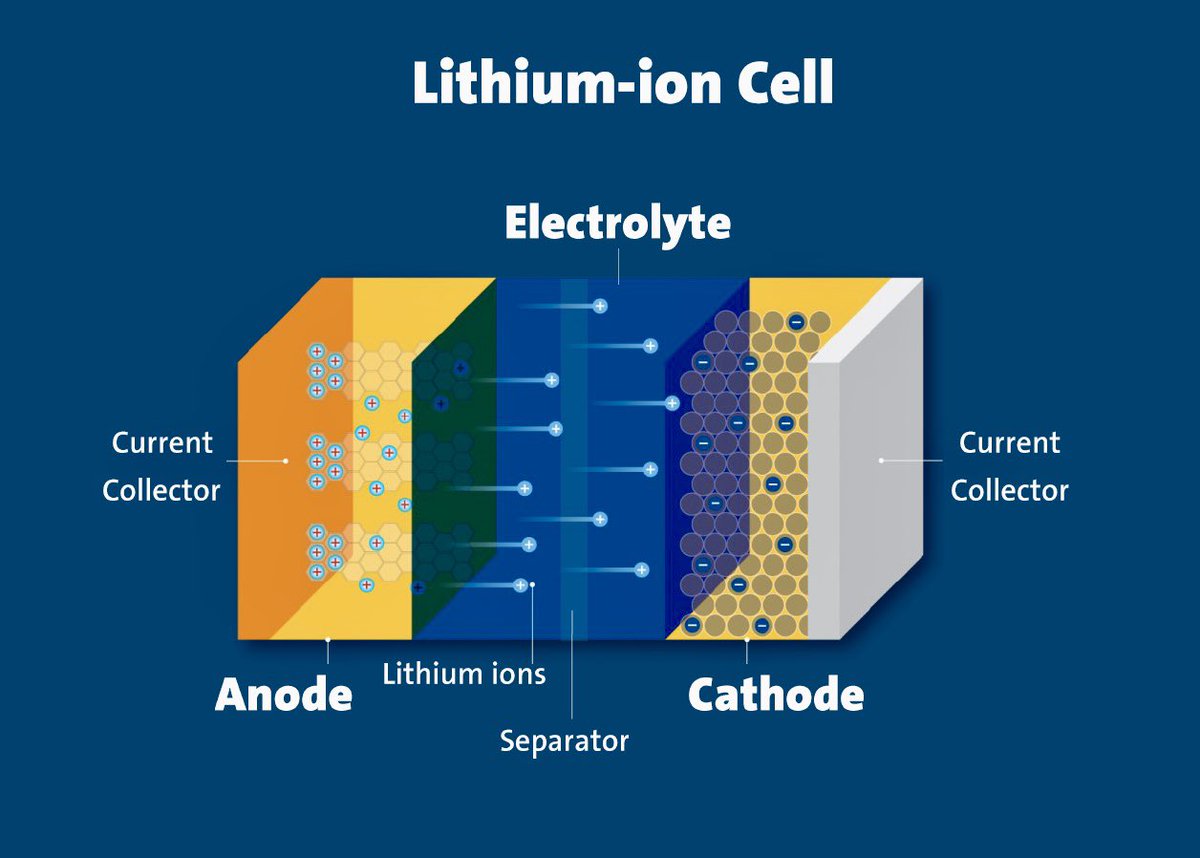
During charging, the process reverses: ions are forced back into the anode, storing energy.
The “polymer” in LiPo refers to the flexible pouch casing instead of a rigid cylinder.
This makes them lighter, but also more fragile and prone to swelling or fire if misused.
4/
The “polymer” in LiPo refers to the flexible pouch casing instead of a rigid cylinder.
This makes them lighter, but also more fragile and prone to swelling or fire if misused.
4/
Lithium cells pack far more energy per weight than older chemistries.
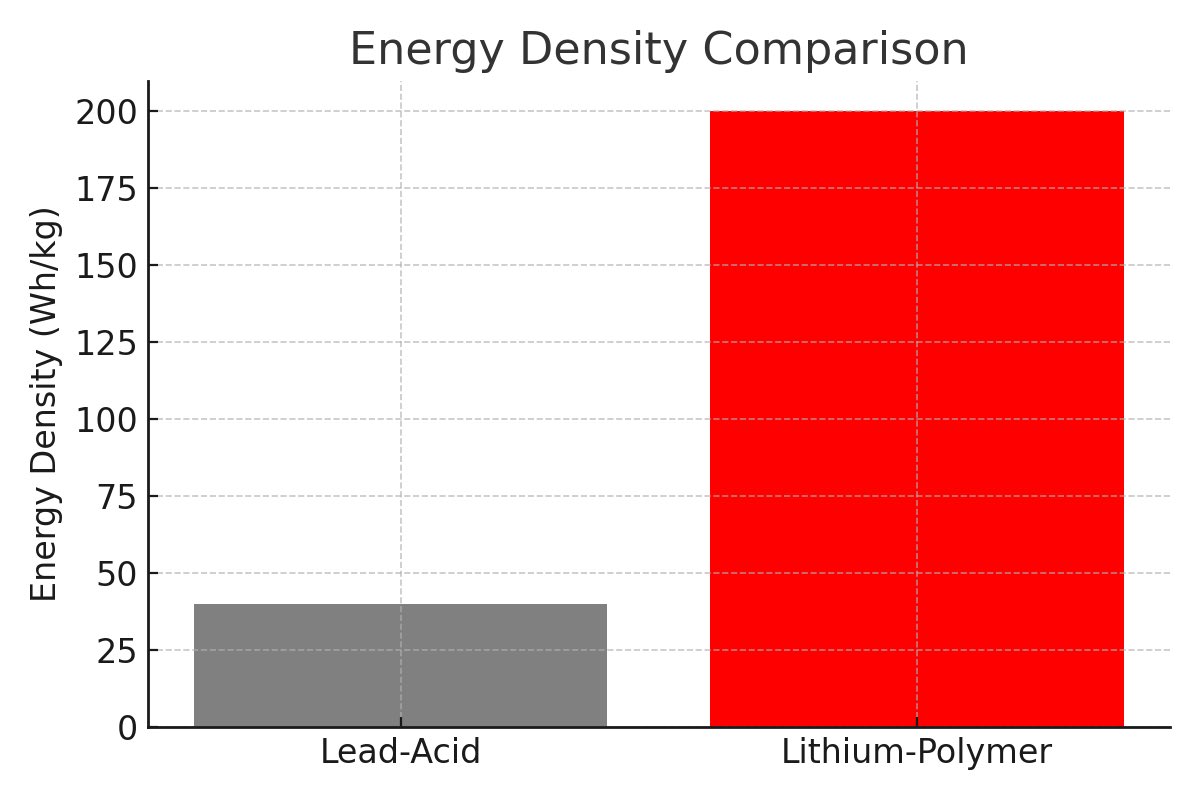
A LiPo can store ~150–250 Wh/kg, while a lead-acid battery manages only ~30–50 Wh/kg.
That’s a 4–5× advantage and explains why FPVs can fly so fast and far.
5/
A LiPo can store ~150–250 Wh/kg, while a lead-acid battery manages only ~30–50 Wh/kg.
That’s a 4–5× advantage and explains why FPVs can fly so fast and far.
5/
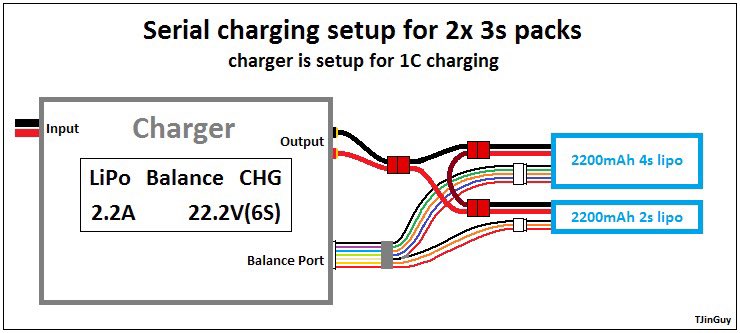
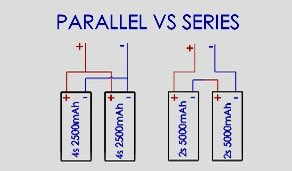
Cells can be wired in series or parallel.
Series increases voltage (measured in “S,” e.g. 4S = 16.8V full charge), giving more motor RPM.
Parallel increases capacity (mAh), extending flight time.
Designers mix both to tune drones for payload vs. range.
6/
Series increases voltage (measured in “S,” e.g. 4S = 16.8V full charge), giving more motor RPM.
Parallel increases capacity (mAh), extending flight time.
Designers mix both to tune drones for payload vs. range.
6/
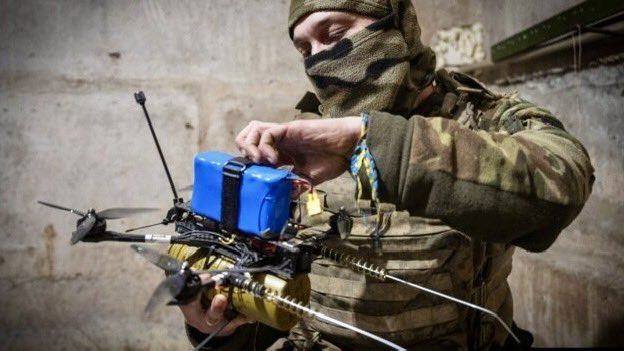
In Ukraine, 4S3P and 6S2P packs are most common.
6S packs provide higher voltage, which improves efficiency and reduces amp draw, but also requires motors, ESCs, and wiring rated for higher loads.
Choosing the wrong match can burn out components mid-flight.
7/
6S packs provide higher voltage, which improves efficiency and reduces amp draw, but also requires motors, ESCs, and wiring rated for higher loads.
Choosing the wrong match can burn out components mid-flight.
7/
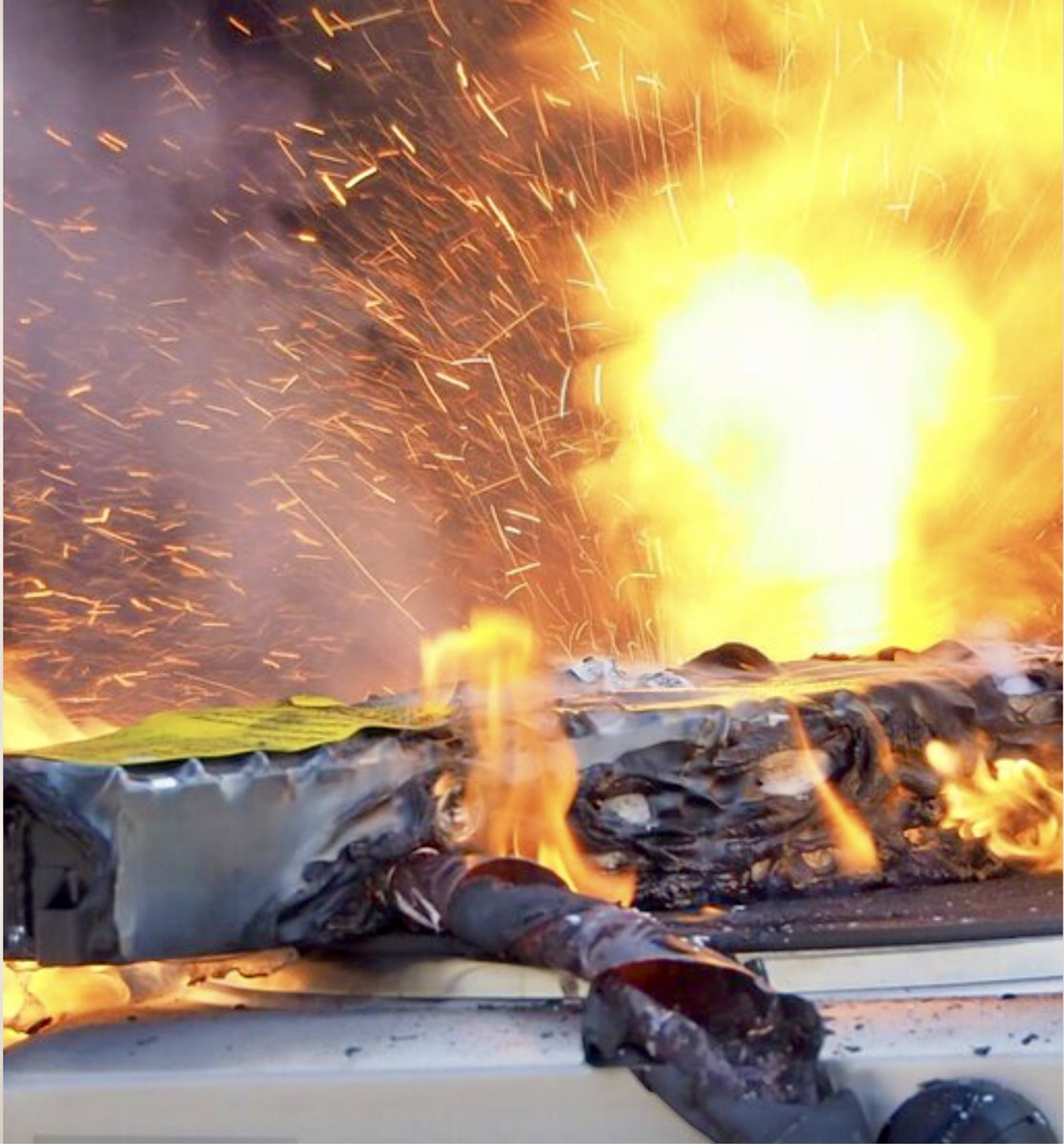
FPVs are often flown past manufacturer safety margins.
A heavier warhead or stronger video transmitter increases amp draw.
Packs heat up, cells degrade faster, and fires are not uncommon.
For one-way missions, endurance and reliability matter more than lifespan.
8/
A heavier warhead or stronger video transmitter increases amp draw.
Packs heat up, cells degrade faster, and fires are not uncommon.
For one-way missions, endurance and reliability matter more than lifespan.
8/
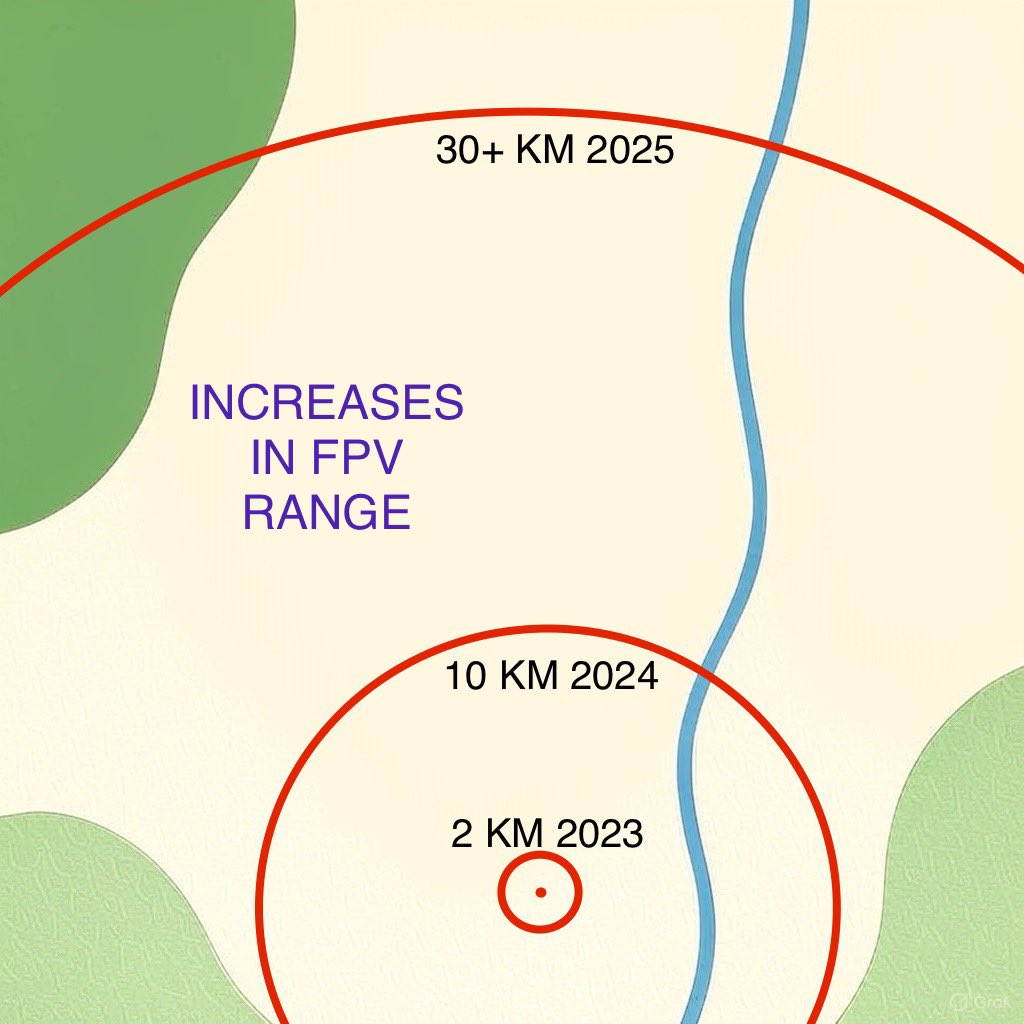
As battery performance improved, so did drone range.
A few years ago, FPVs struggled to reach beyond a couple kilometers.
Now, better energy density combined with efficient motors allows strikes deep behind the lines, to reshape tactics and dominate the battlefield .
9/
A few years ago, FPVs struggled to reach beyond a couple kilometers.
Now, better energy density combined with efficient motors allows strikes deep behind the lines, to reshape tactics and dominate the battlefield .
9/
Future trends point toward higher-density Li-ion cells, safer solid-state chemistries, and even hybrid systems combining batteries with compact fuel sources.
For now, lithium-polymer dominates, but every incremental advance in battery tech extends what FPVs can achieve.
10/
For now, lithium-polymer dominates, but every incremental advance in battery tech extends what FPVs can achieve.
10/
Sources
t.me/wunderfpv/518
oscarliang.com/lipo-battery-g…
esielectro.com/the-lithium-io…
rferl.org/a/russia-fiber…
t.me/wunderfpv/518
oscarliang.com/lipo-battery-g…
esielectro.com/the-lithium-io…
rferl.org/a/russia-fiber…
• • •
Missing some Tweet in this thread? You can try to
force a refresh