Founder Mode Profile picture
Sep 7 8 tweets 3 min read Read on X
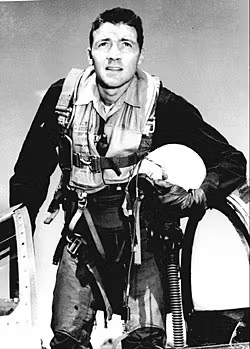
In the 1950s, Soviet MiGs were shredding U.S. fighter pilots.

Then one maverick pilot, John Boyd, invented a system so powerful it flipped the war.

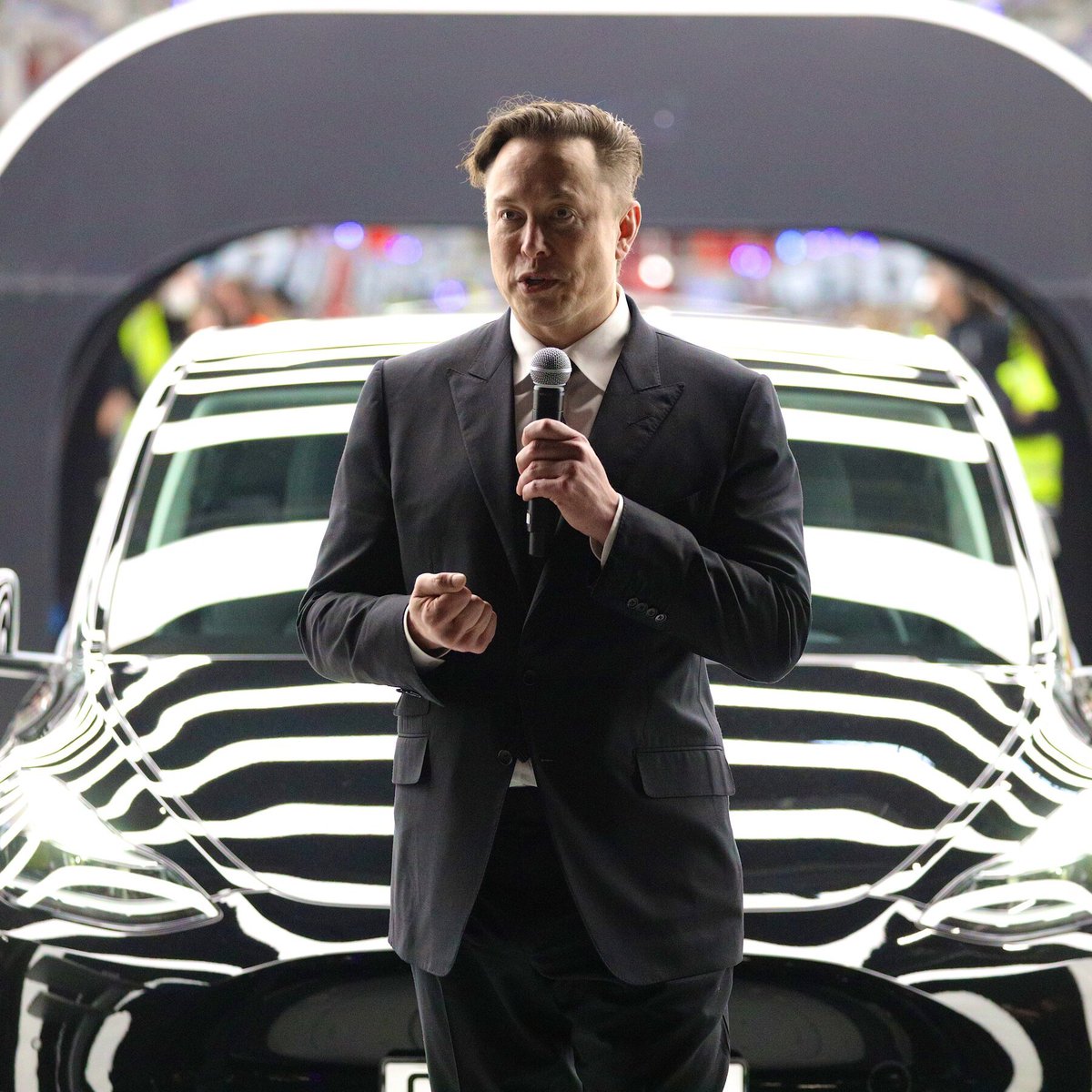
Today, Elon Musk, Steve Jobs, and Jeff Bezos all use it to crush slower rivals.

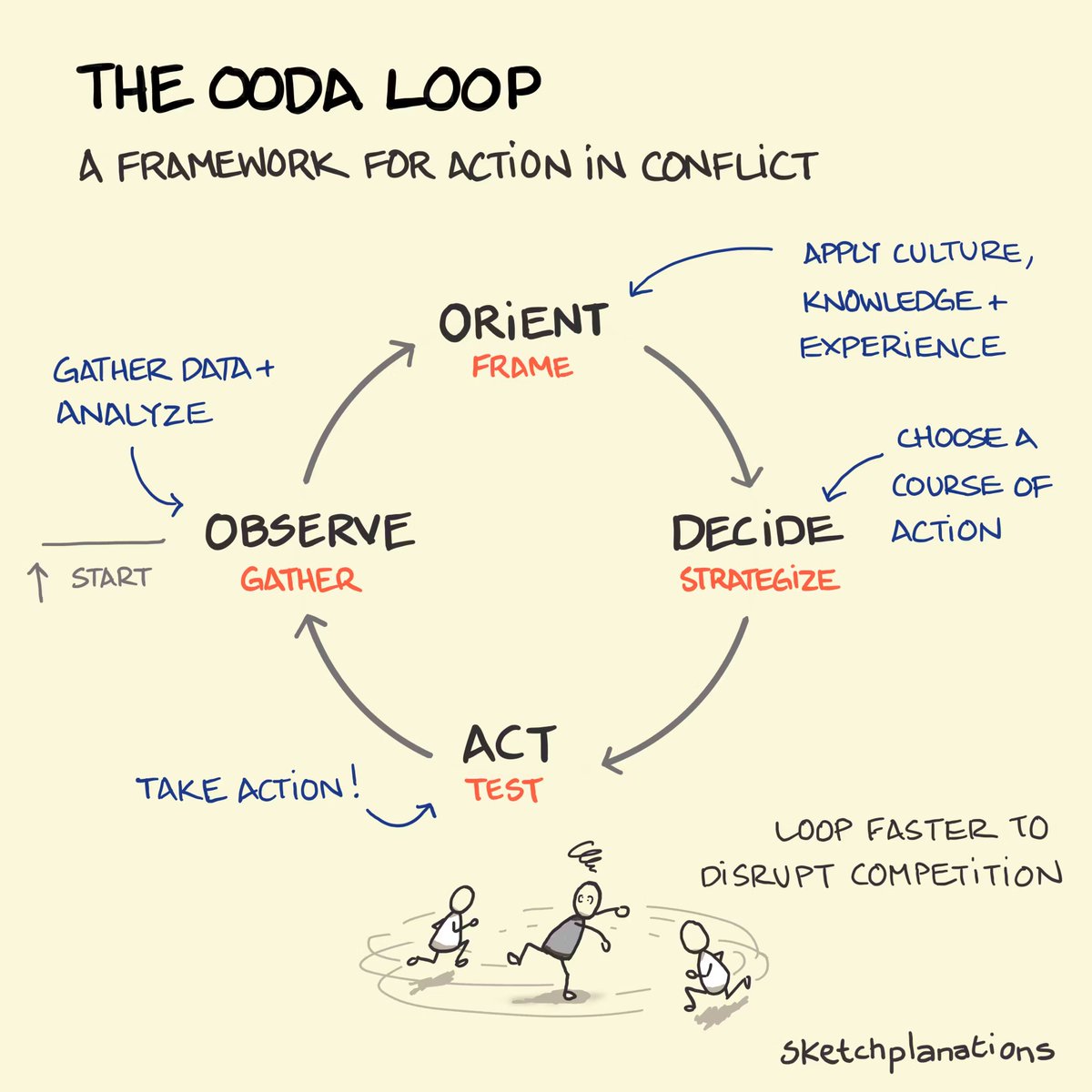
It’s called the OODA Loop: 🧵 Image
Image
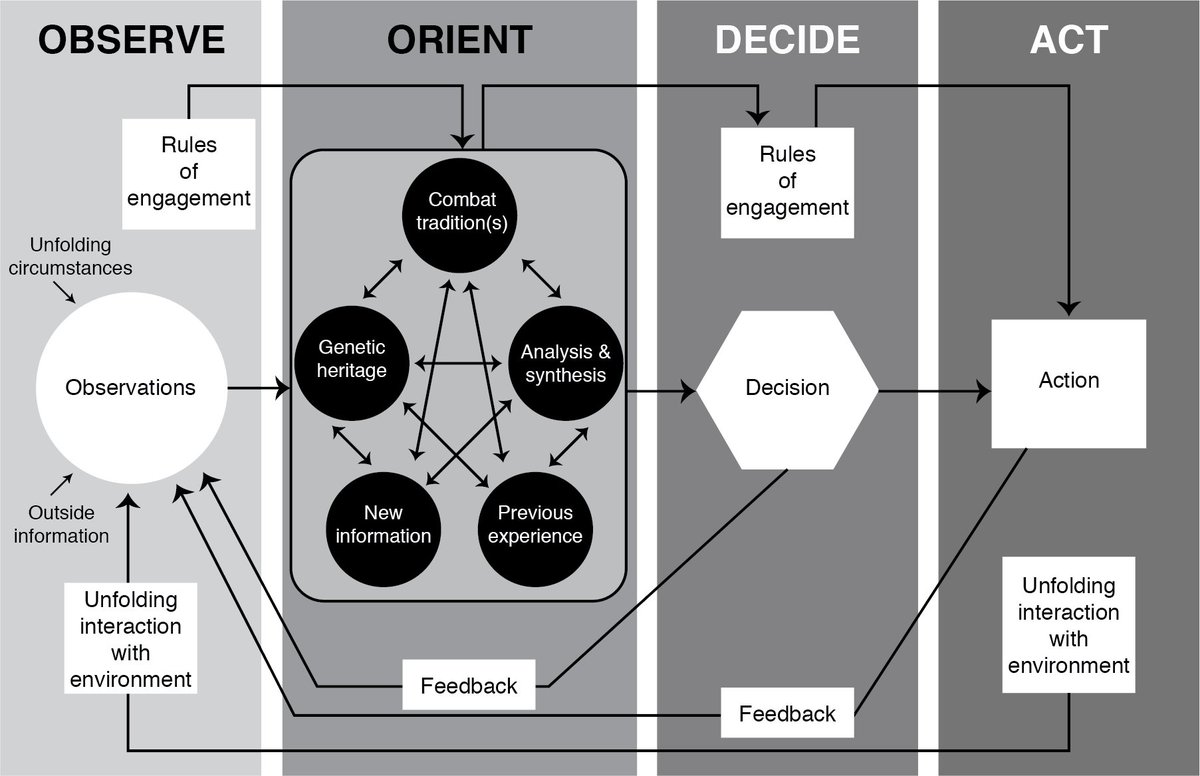
OODA = Observe → Orient → Decide → Act

It sounds simple.

But Boyd’s genius wasn’t the steps, it was the speed.

If you cycle through OODA faster than your opponent, you disrupt their process.

They’re still thinking while you’re already acting.
Boyd tested it in air combat.

The F-86 Sabre (American jet) wasn’t faster than the Soviet MiG.

But it won most fights because it had:

Better cockpit visibility (Observe)
Faster hydraulic controls (Act)

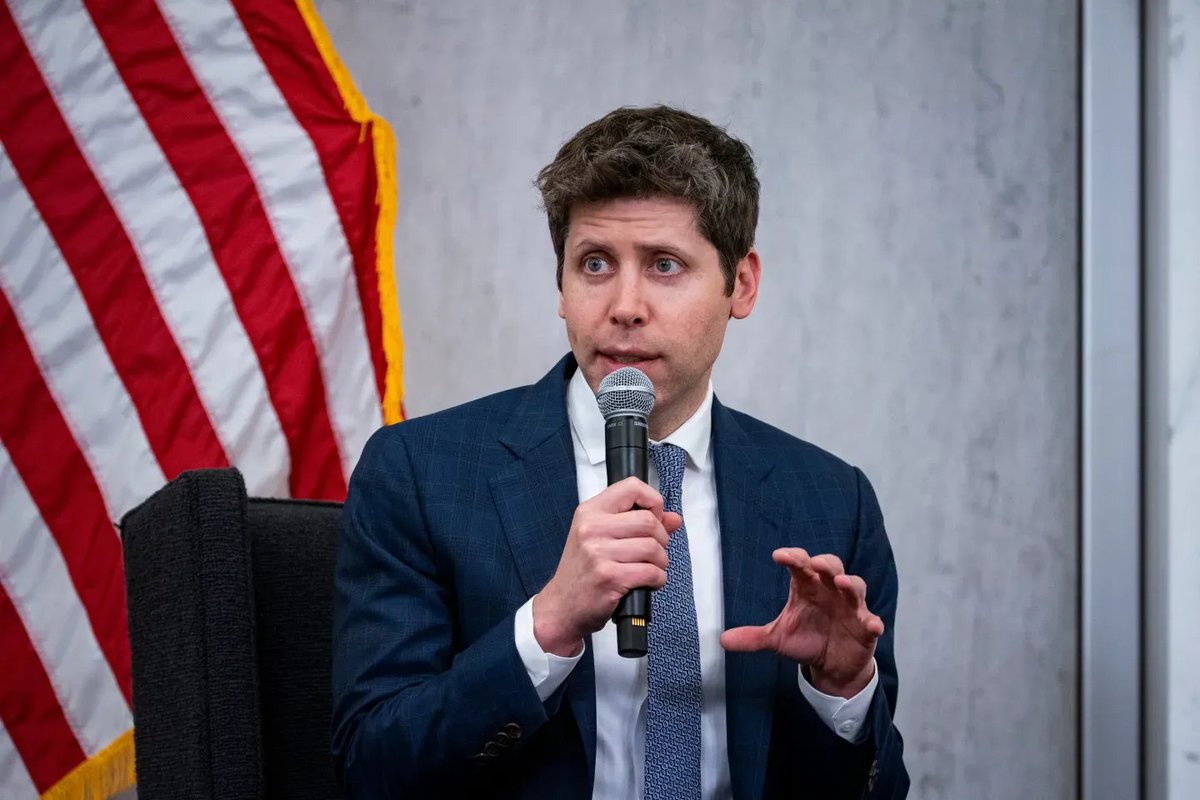
American pilots looped faster. And lived. Image
Boyd realized this applied beyond fighter jets.

Any conflict in business, politics, or sports is a contest of decision cycles.

If you can process reality, adapt, and act quicker…

You force the other side into reaction mode.

That’s when they make mistakes. Image
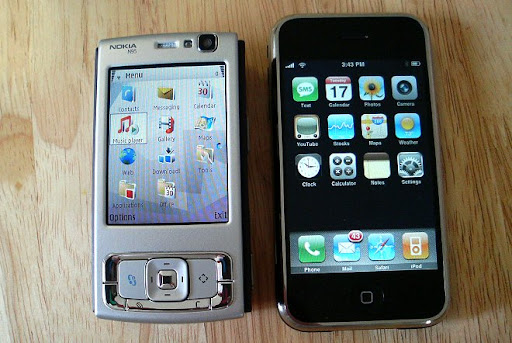
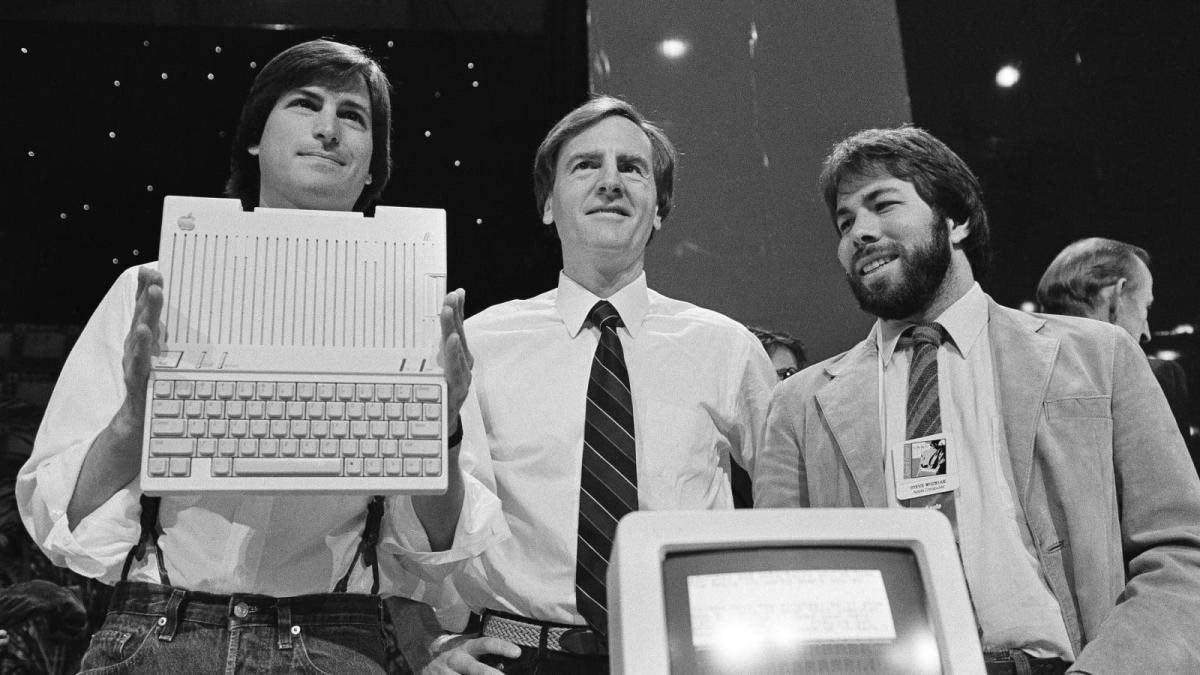
Steve Jobs used it relentlessly.

He watched trends (Observe).
Framed them through design obsession (Orient).
Made bold product calls (Decide).
And shipped fast (Act).

Competitors like Microsoft or BlackBerry?

Stuck in longer cycles → crushed. Image
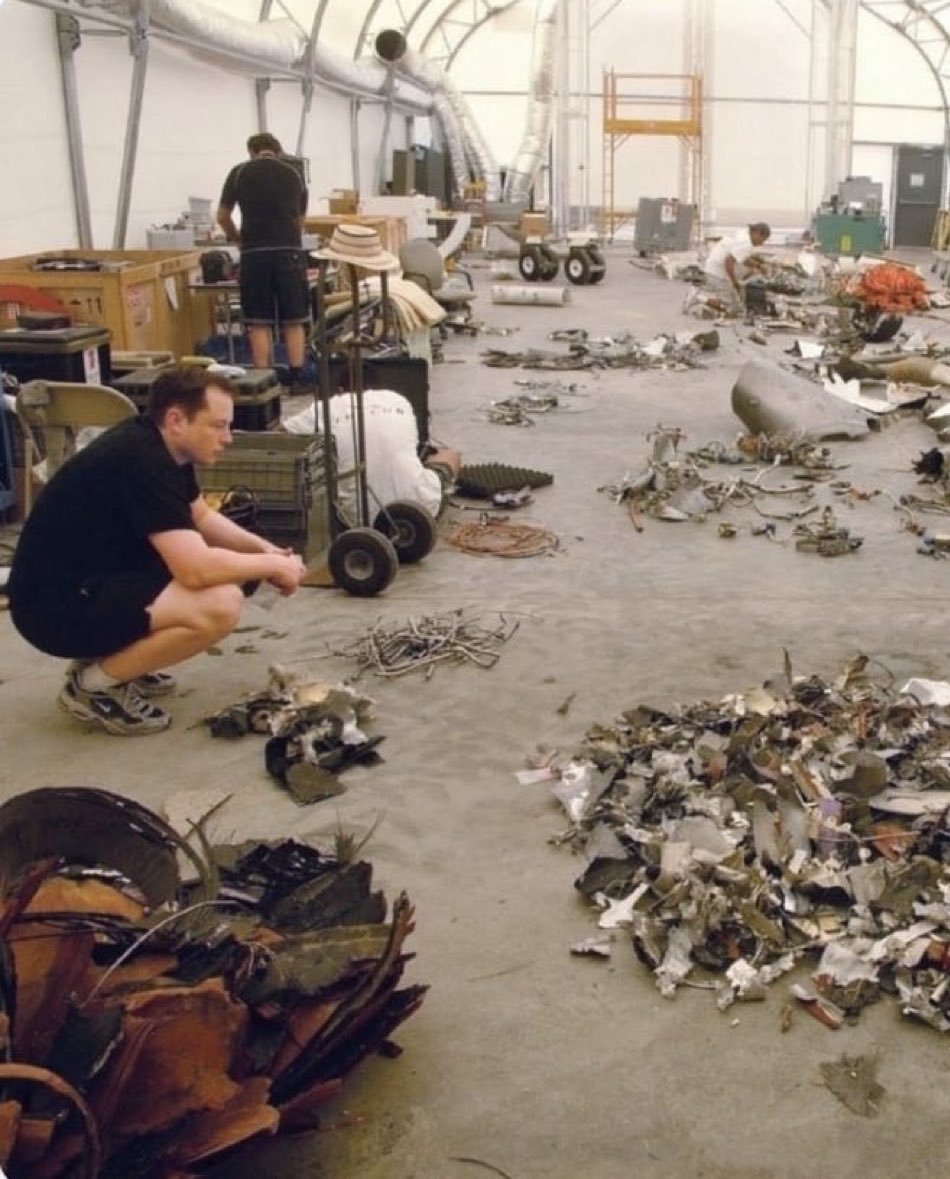
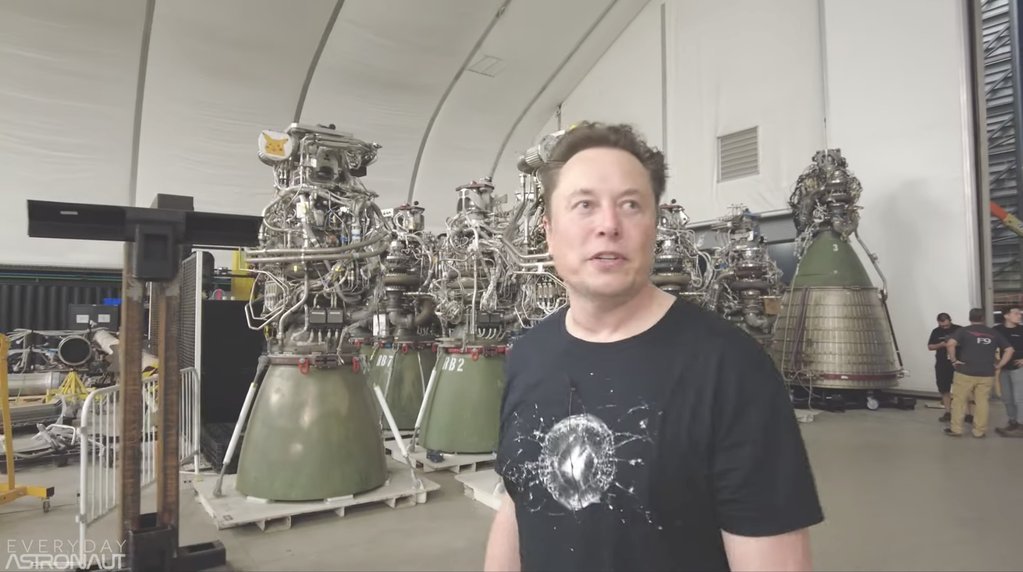
Elon Musk runs companies the same way.

At SpaceX:

Observe: rocket costs insane
Orient: strip costs to physics (first principles)
Decide: build in-house
Act: launch reusable rockets

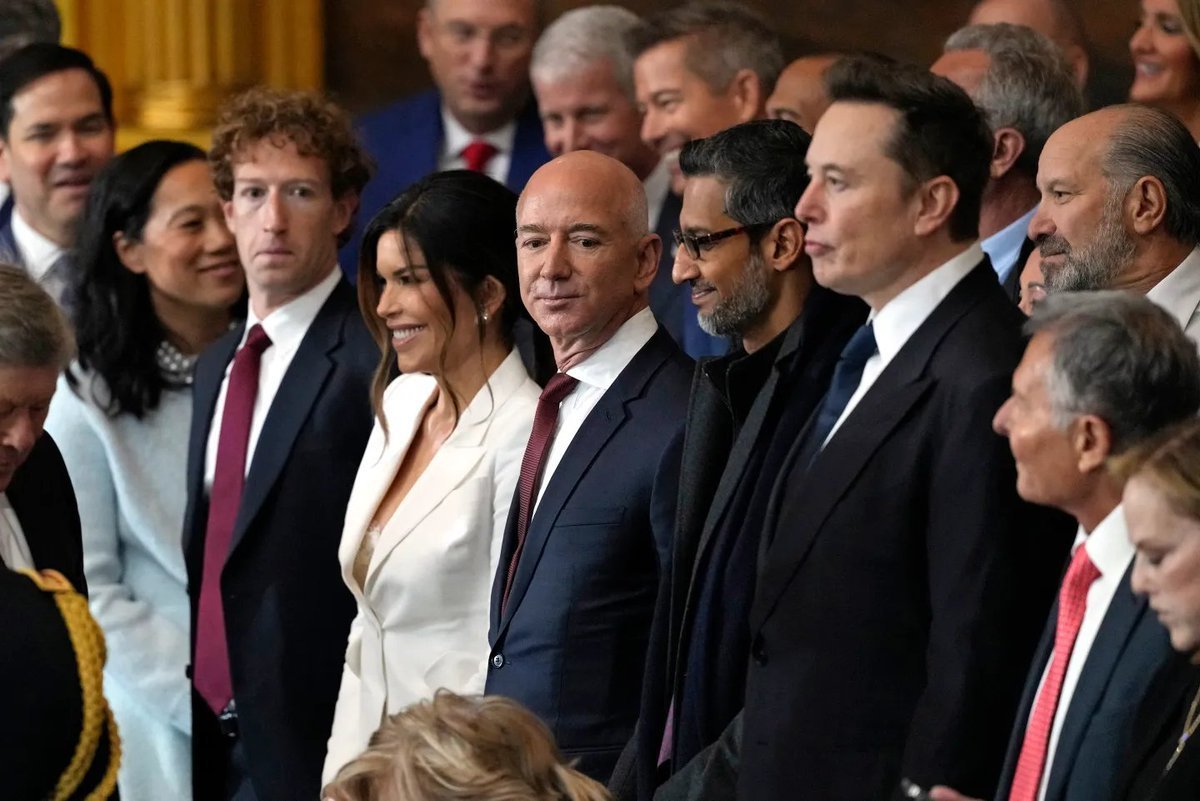
NASA took decades. Musk looped in years. Image
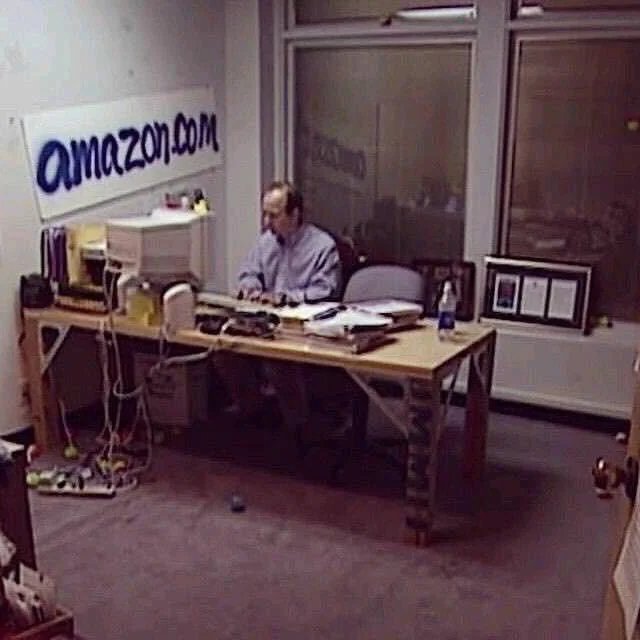
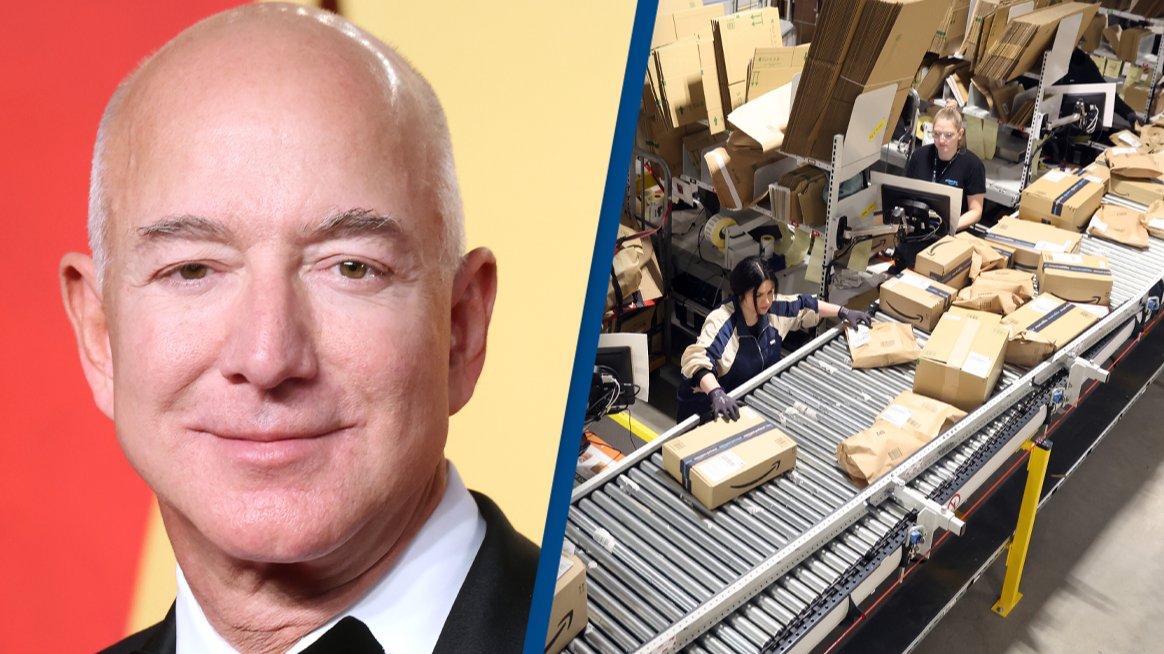
Jeff Bezos made Amazon a master of OODA.

Observe: customer behavior in real time
Orient: relentless “customer obsession”
Decide: roll out experiments
Act: ship → gather feedback → repeat

That’s how Prime, AWS, and Kindle scaled. Image
John Boyd never built a company.

But his framework powers the greatest ones of our time.

Stop chasing perfect info. Start looping.

Because the faster you cycle OODA, the harder you are to beat. Image

• • •

Missing some Tweet in this thread? You can try to force a refresh

 

Keep Current with Founder Mode

Founder Mode Profile picture

Stay in touch and get notified when new unrolls are available from this author!

Read all threads

This Thread may be Removed Anytime!

PDF

Twitter may remove this content at anytime! Save it as PDF for later use!

Try unrolling a thread yourself!

how to unroll video
  1. Follow @ThreadReaderApp to mention us!

  2. From a Twitter thread mention us with a keyword "unroll"
@threadreaderapp unroll

Practice here first or read more on our help page!

More from @Founder_Mode_

Aug 28
Sam Altman just said:

“We’re going to see 10-person companies with billion-dollar valuations pretty soon.”

Here’s the wild part... That future is already here.

Because with Lindy, 10 people can do the work of 1,000.

Here’s how 🧵 Image
Image
Building software used to take:

• 6 months of dev time
• $300K in costs
• A team of 5–8 engineers

With Lindy?

I built a production-ready web app in 14 minutes.

No code. No debugging. No waiting.
Lindy is the first AI app builder that tests before it ships.

Other AI builders generate broken code and leave you stuck.

Lindy solves that with:

→ Finds bugs
→ Fixes them automatically
→ A QA agent that runs tests

You get working software instantly.
Read 8 tweets
Aug 19
The rich don’t hide money. They hide ownership.

The $100M mansion? A shell owns it.

The $500M yacht? A trust in Panama.

The cash? A foundation “hires” them to spend it.

This is the secret system that the ultra-wealthy use to erase billions: 🧵 Image
Image
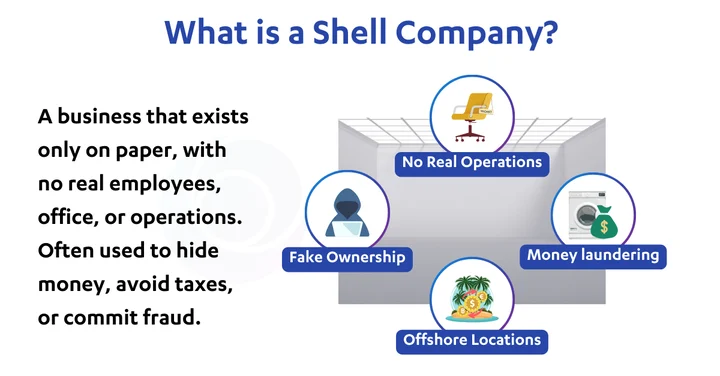
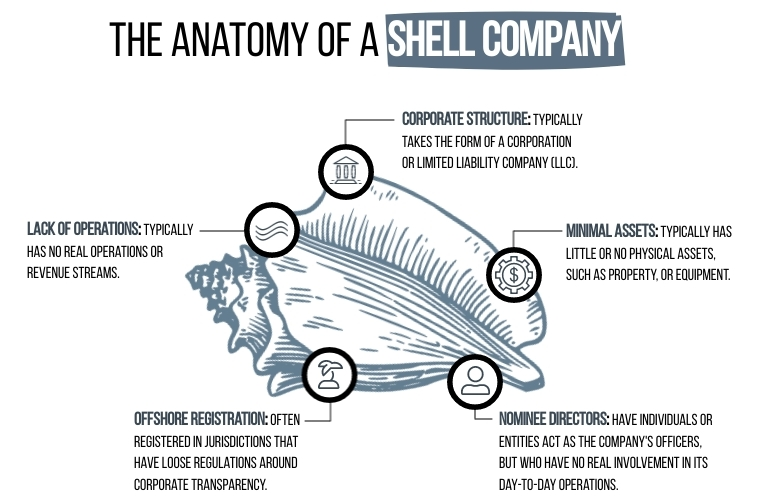
First, what is a shell company?

A shell company is a legal entity that exists only on paper.

No employees. No operations. No office.

Its job? To hold assets without revealing the true owner.

Perfect for the ultra-rich. Image
Why use a shell? Because ownership = liability.

With a shell:

• You don’t "own" the mansion, the company does
• You don’t "earn" the profit, the shell does
• You don’t "exist" on the paperwork, a proxy does

You control the assets, but your name disappears. Image
Read 11 tweets
Aug 14
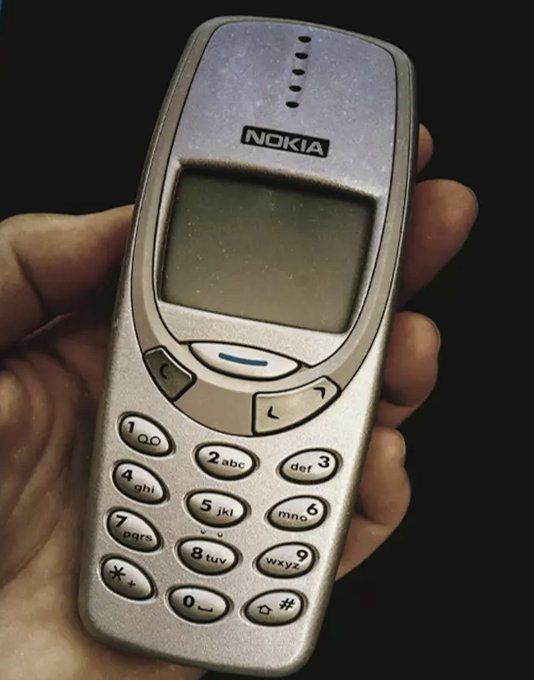
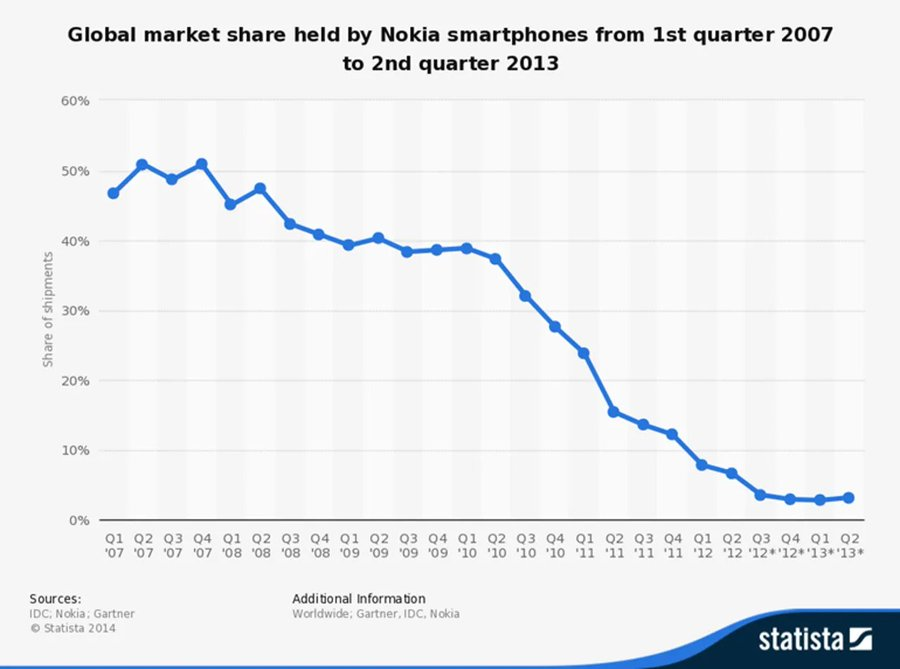
In 2000, Nokia was selling 7 phones every second and owned 70% of the market.

It was bigger than Apple, cooler than Samsung, and untouchable.

Then one decision destroyed it almost overnight.

Here’s how the company that ruled for over a decade collapsed: 🧵 Image
Image
At its peak, Nokia was untouchable.

Its phones were durable, reliable, and wildly popular.

The brand became synonymous with mobile phones, so much so that by the early 2000s, Nokia was more recognizable globally than Coca-Cola. Image
But behind the scenes, cracks were forming.

1. They didn't act fast enough

In 2004, Nokia invented a prototype that looked shockingly like the iPhone.

It had a big touchscreen and a camera.

But executives shelved it.

They feared cannibalizing their existing products, their ultra-profitable keypad phones.Image
Read 9 tweets
Aug 13
Elon Musk built rockets for 2% of NASA’s cost.

Jeff Bezos built the fastest supply chain in history.

Both use a 2,300-year-old method to turn “impossible” into reality while everyone else follows the rules.

Here’s how First Principles thinking works (and how to use it): Image
Image
Most people solve problems by reasoning by analogy.

They look at what’s been done before and make small improvements.

First principles flip that.

You break a problem down to its fundamental truths and then reason up from there, ignoring convention.
Aristotle defined it 2,300 years ago: “A first principle is the first basis from which a thing is known.”

Reasoning by analogy is safe, but it limits innovation.

First Principles Thinking starts with physics-like truths, things you know are real, and ignores everything else. Image
Read 12 tweets
Aug 11
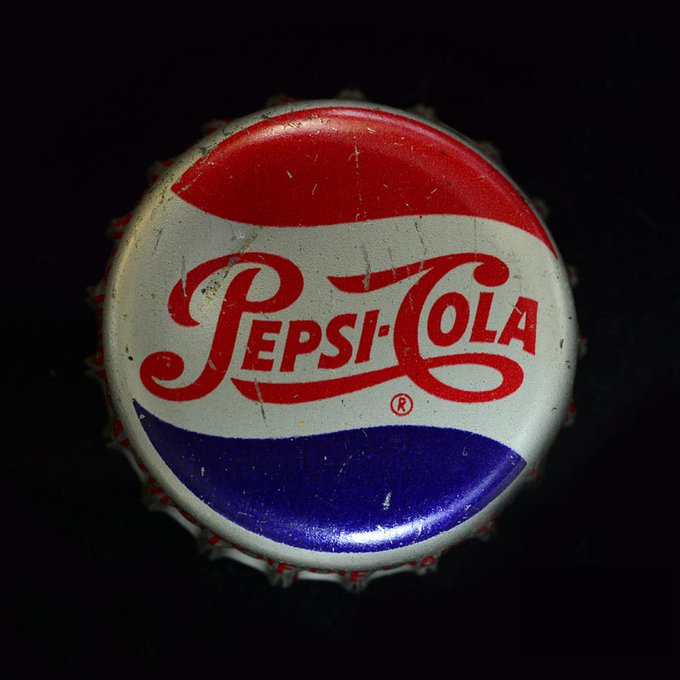
In 1975, Pepsi launched a stunt that humiliated Coca-Cola: the Pepsi Challenge.

Blind taste tests showed Americans preferred Pepsi over Coke.

Coca-Cola panicked and made a decision that became the biggest branding disaster in history: 🧵 Image
Image
For most of the 20th century, Coca-Cola was untouchable.

• It was the most iconic brand in the world.
• It outsold Pepsi 5 to 1.
• It was called “The Real Thing.”
• It was America in a bottle.

But by the 1970s, Pepsi had a bold plan to flip the script.
In 1975, Pepsi launched the Pepsi Challenge:

• They set up blind taste tests in malls across America
• Ordinary people were given two unmarked cups
• They were asked: Which one do you like better?

The results shocked everyone.

People picked Pepsi.
Read 14 tweets
Aug 4
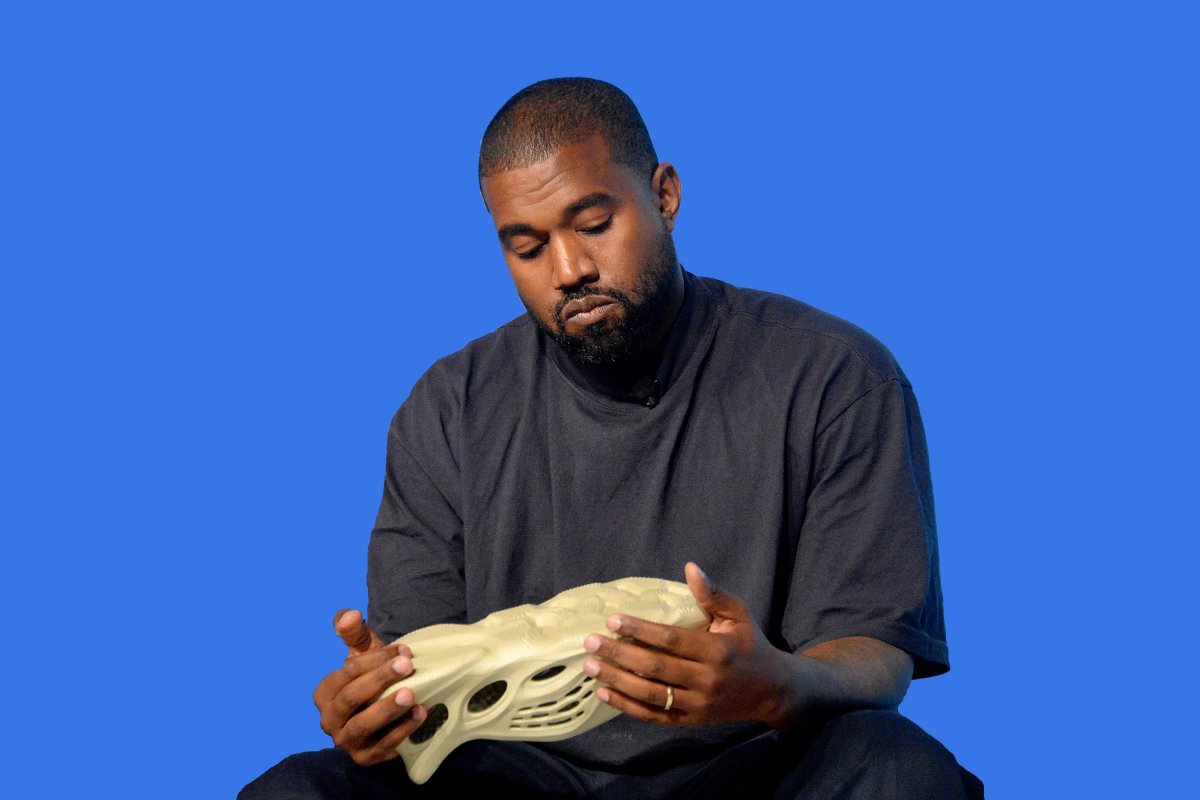
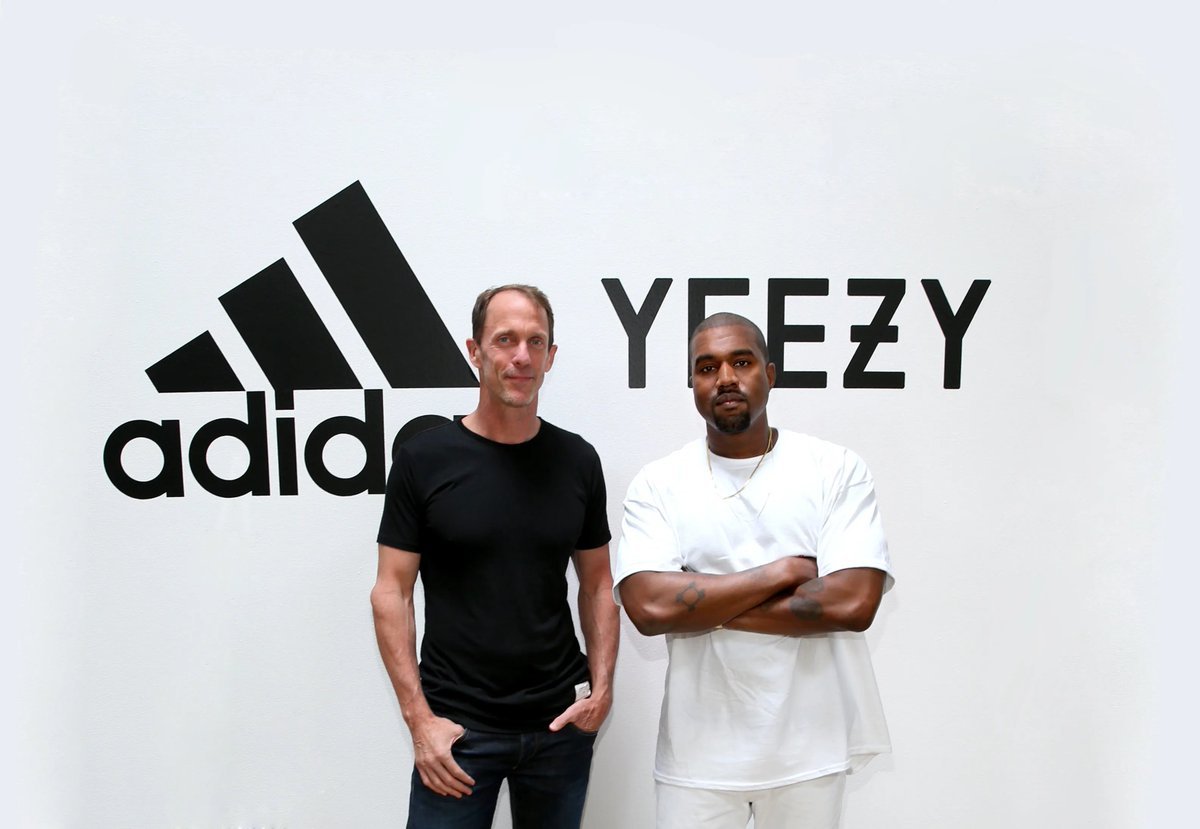
Adidas gave Kanye 3x the royalties Jordan got from Nike.

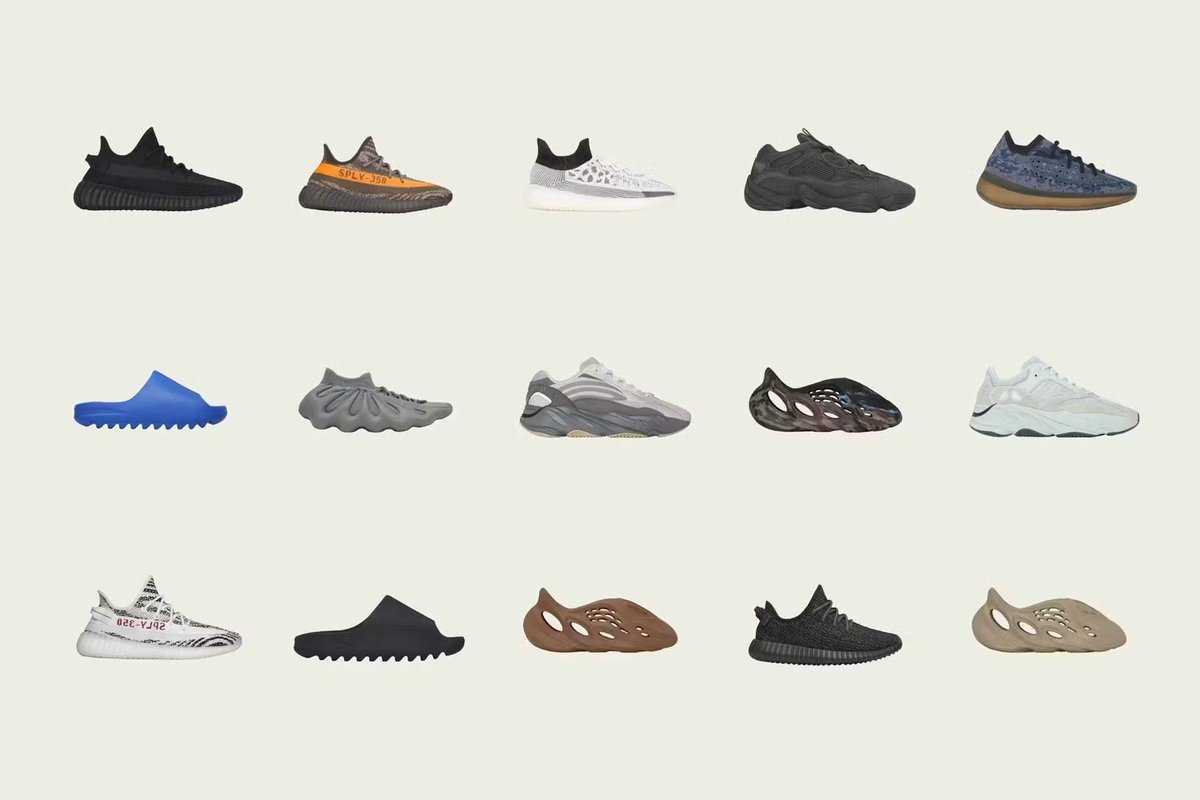
He turned ugly sneakers into a $1.8B empire and made Adidas the hottest brand on the planet.

Then one meltdown cost them $1.3 billion in 24 hours.

The rise and fall of the most dangerous deal in fashion history 🧵 Image
Image
In the early 2010s, Adidas was losing the sneaker war. Nike had Jordan.

Adidas had… running shoes.

Their market share was shrinking. Their image was stale.

They needed relevance, fast.

Enter: Kanye West. Image
Kanye had already proven his power in sneakers.

In 2009, he released the Nike Air Yeezy 1, the first signature sneaker Nike ever gave a non-athlete.

It sold out instantly.

Resale prices soared. The hype was unreal.

But behind the scenes, Kanye wasn’t happy.
Read 13 tweets

Did Thread Reader help you today?

Support us! We are indie developers!


This site is made by just two indie developers on a laptop doing marketing, support and development! Read more about the story.

Become a Premium Member ($3/month or $30/year) and get exclusive features!

Become Premium

Don't want to be a Premium member but still want to support us?

Make a small donation by buying us coffee ($5) or help with server cost ($10)

Donate via Paypal

Or Donate anonymously using crypto!

Ethereum

0xfe58350B80634f60Fa6Dc149a72b4DFbc17D341E copy

Bitcoin

3ATGMxNzCUFzxpMCHL5sWSt4DVtS8UqXpi copy

Thank you for your support!

Follow Us!

:(