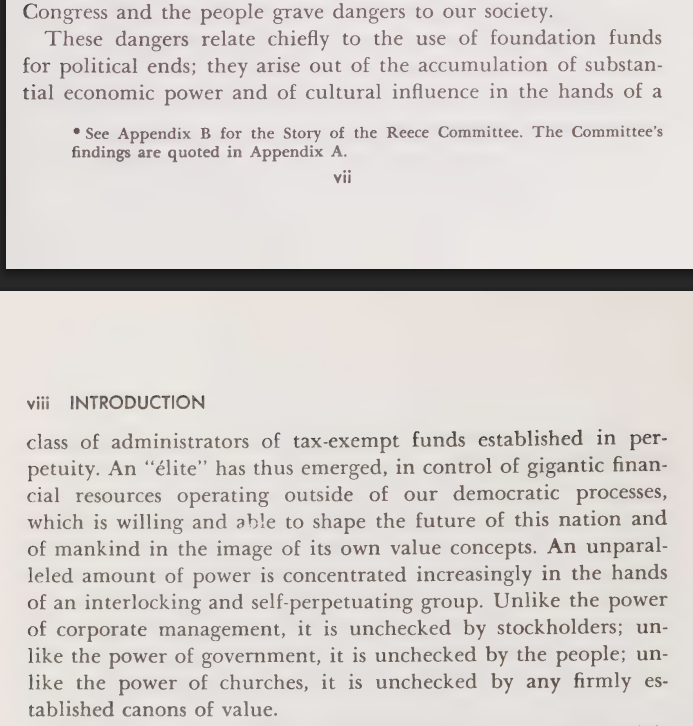
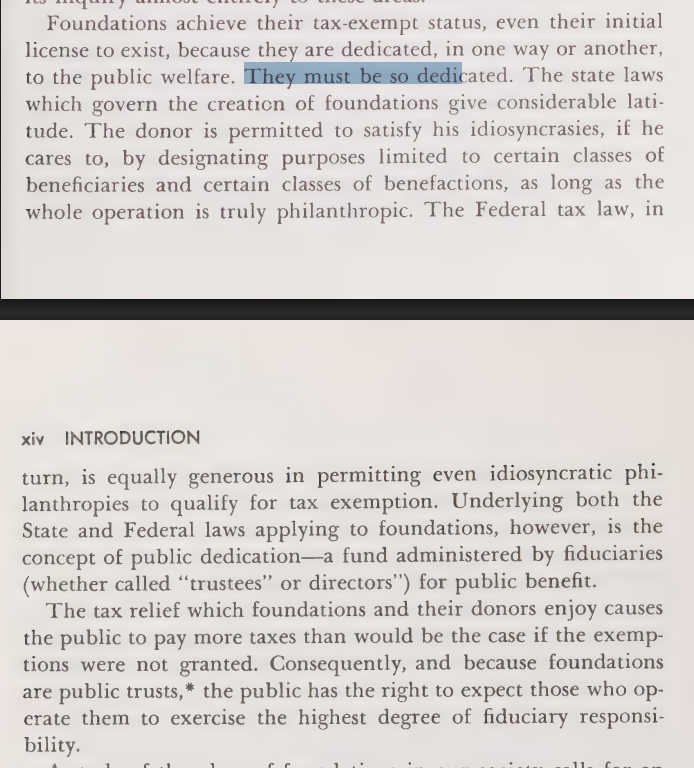
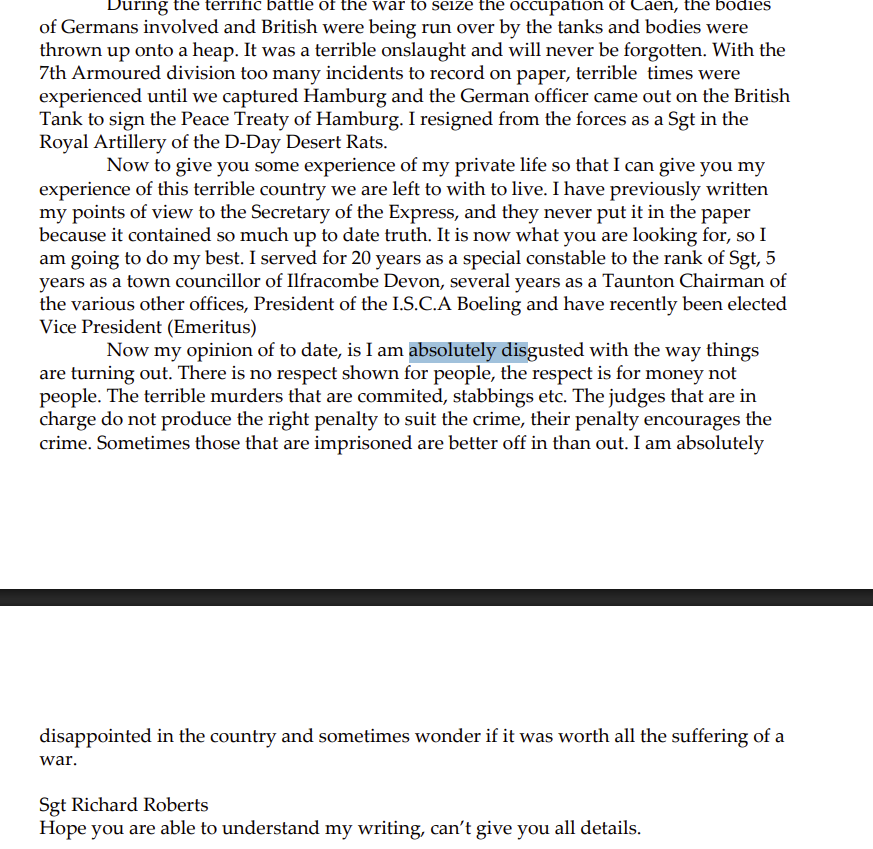
Thread with excerpts from "The Oxford History of the American People" by Samuel Eliot Morison. Published 1965, perhaps at the very peak of postwar liberalism. 
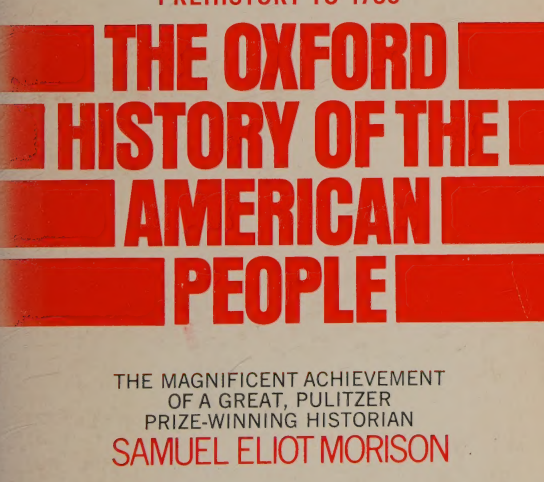
The author's qualifications, including meeting and talking with most US presidents of the 20th century.

On the Indians: big achievements in agriculture, but little in the way of political organization or unity, which allowed Europeans onto the continent. Some great men, especially among the Algonquins.


"It was a good thing for forebears that they had to fight their way into the New World; it will be a sorry day for their descendants if they become too civilized to defend themselves."

The disappointments of the New World, which seemed to have little to offer until Cortes conquered Mexico. New Granada (Columbia) a similar conquest to Mexico and Peru.


The principles of English colonization: Englishmen lost no rights moving across the sea. One of the motivations was relieving overpopulation in England.


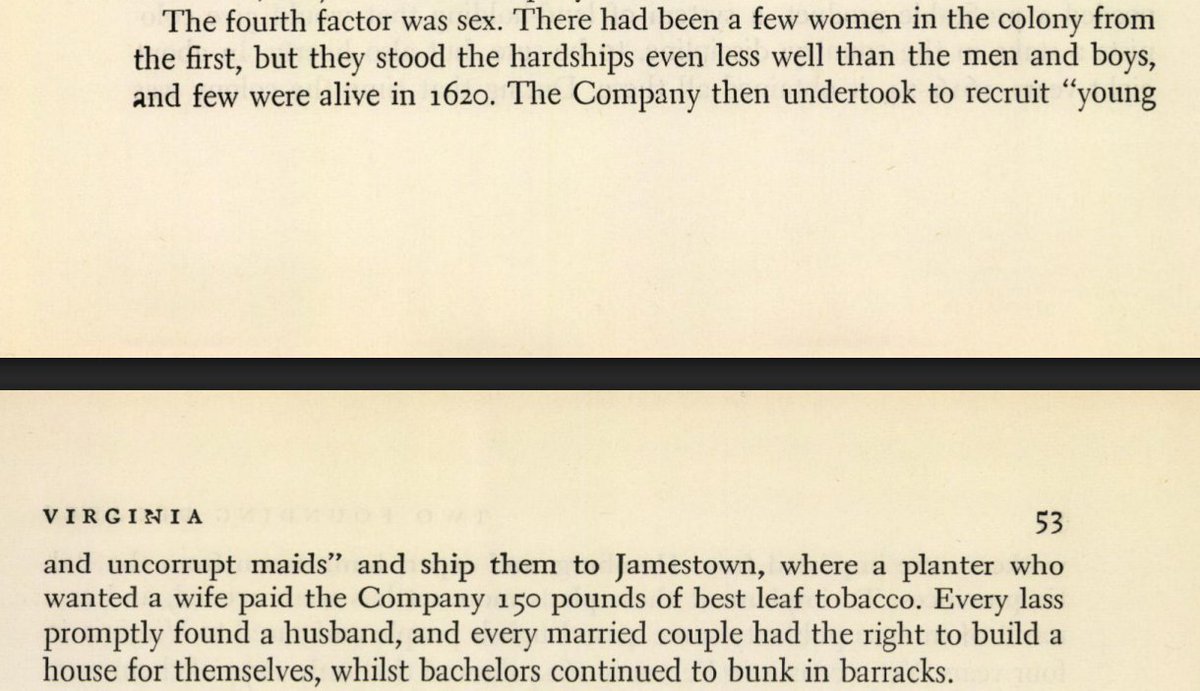
Most English colonies started as private enterprises with communal ownership of land (because the colonists were employees, not because they were Communists). All switched to private property quickly to avoid starvation. This, along with women arriving, saved Jamestown.


The Powhatan attack on Jamestown, which killed at least 1/3 of the white population and nearly destroyed Virginia.

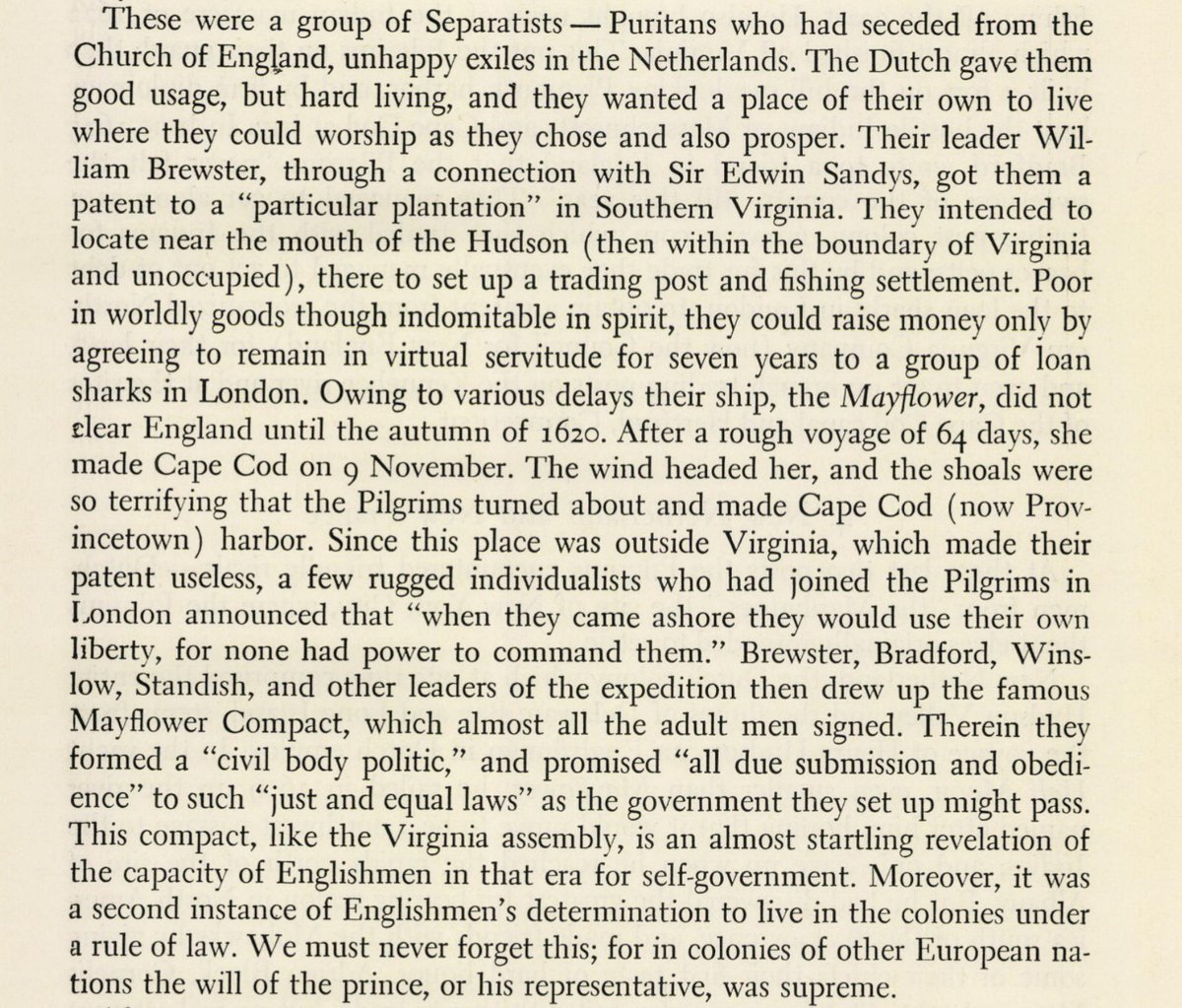
The English capacity for self-government: Puritans on the Mayflower drawing up the famous Mayflower Compact.

The Puritans were very English (both English liberties and English culture, especially field sports like horceracing), but unlike other European colonists, saw New England as home. The first use of the word "American" for whites was Cotton Mather in 1684.


The same pet names for cows were used in both Virginia and New England. Both colonies saw democracy as bad and preferred a mix aristocratic/democratic/monarchical constitution.


King Phillip's War in New England. Another genocidal Indian War, which came very close to wiping out the colony altogether.
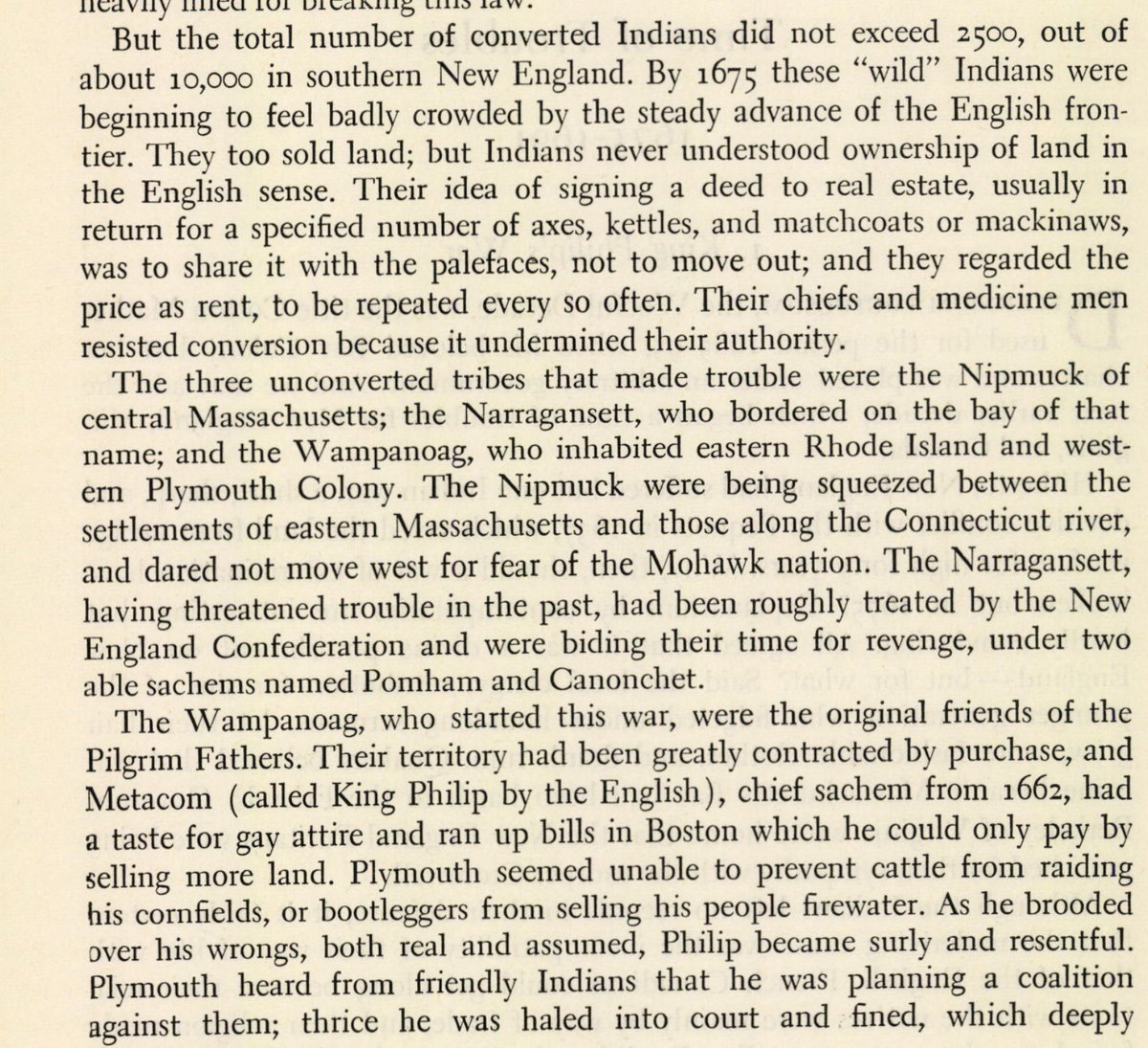

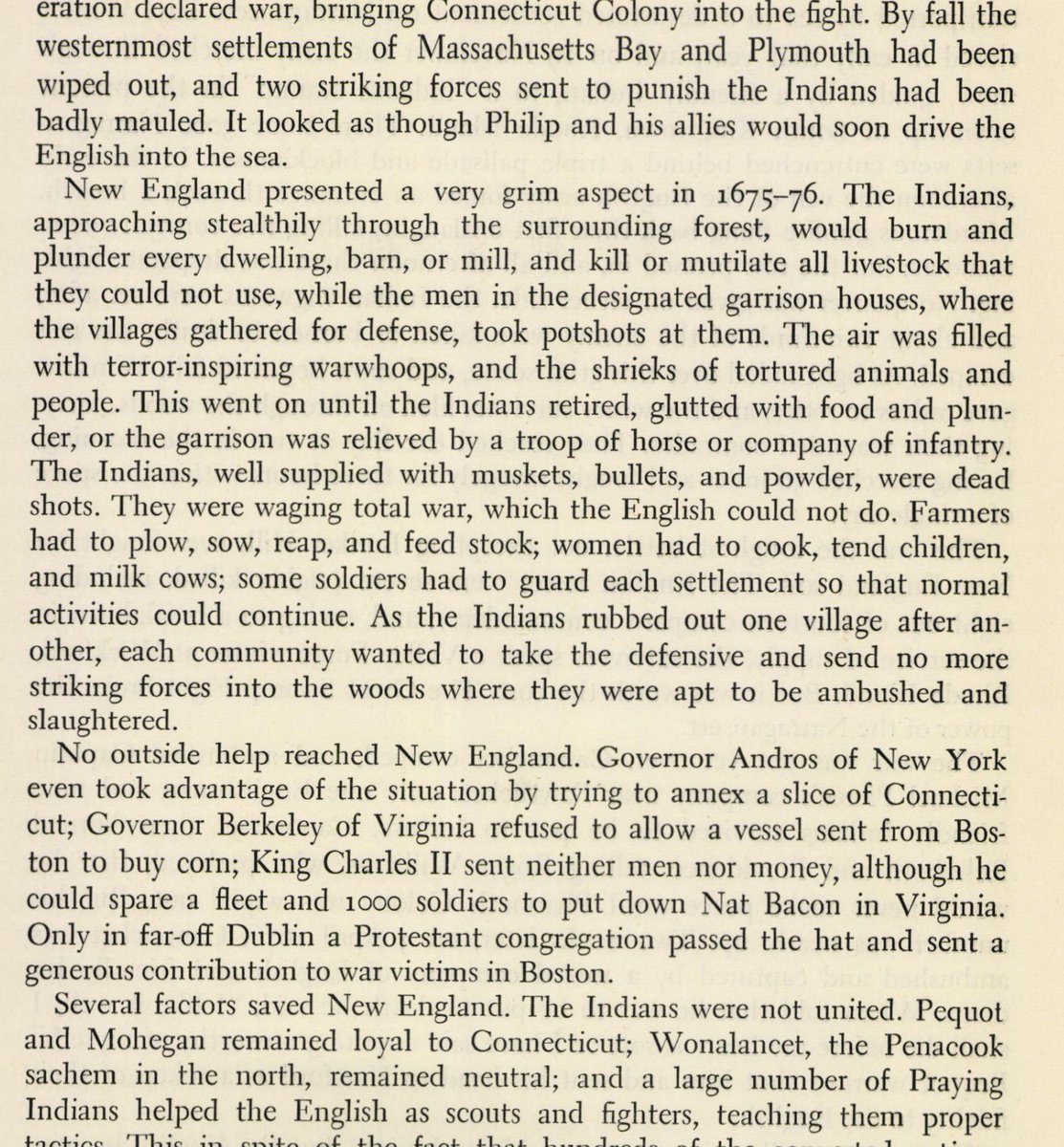

The end of King Phillip's War, which wiped out most Indians in southern New England.


Bacon's Rebellion, which began with him gaining popularity by attacking local Indians (the wrong local Indians, as it turned out). "The only good Indian is a dead Indian" was the attitude of many frontiersmen.

Map of the settlement of English colonies. Still almost entirely east of the Appalachians in 1760.

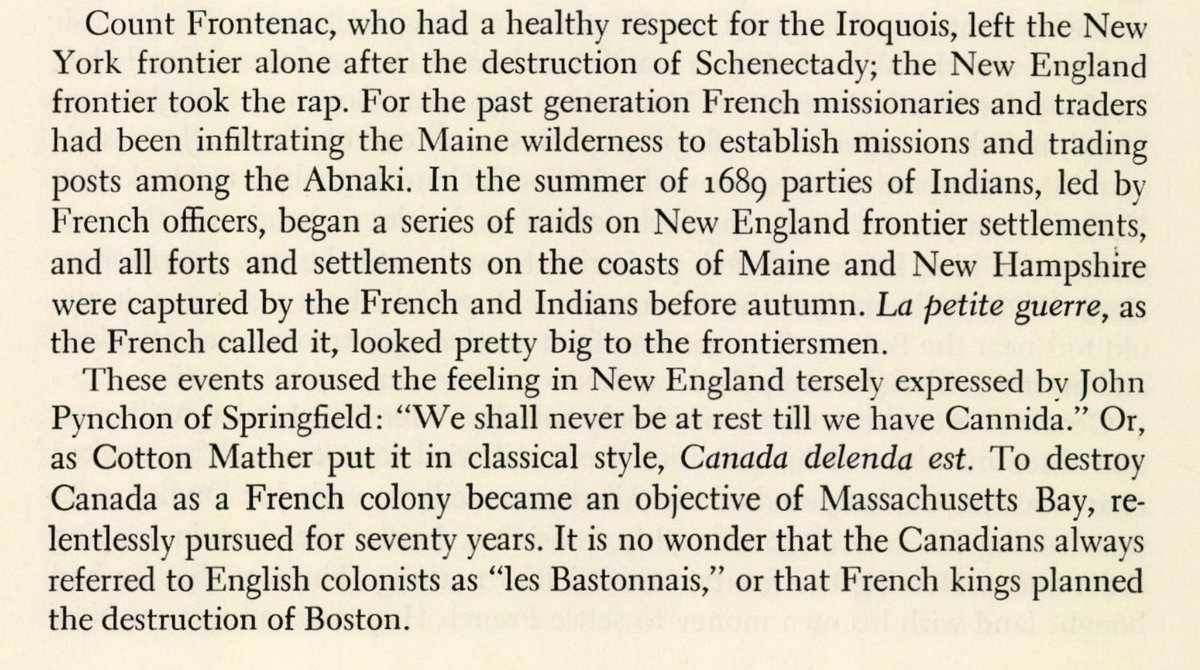
Canada delenda est - Cotton Mather
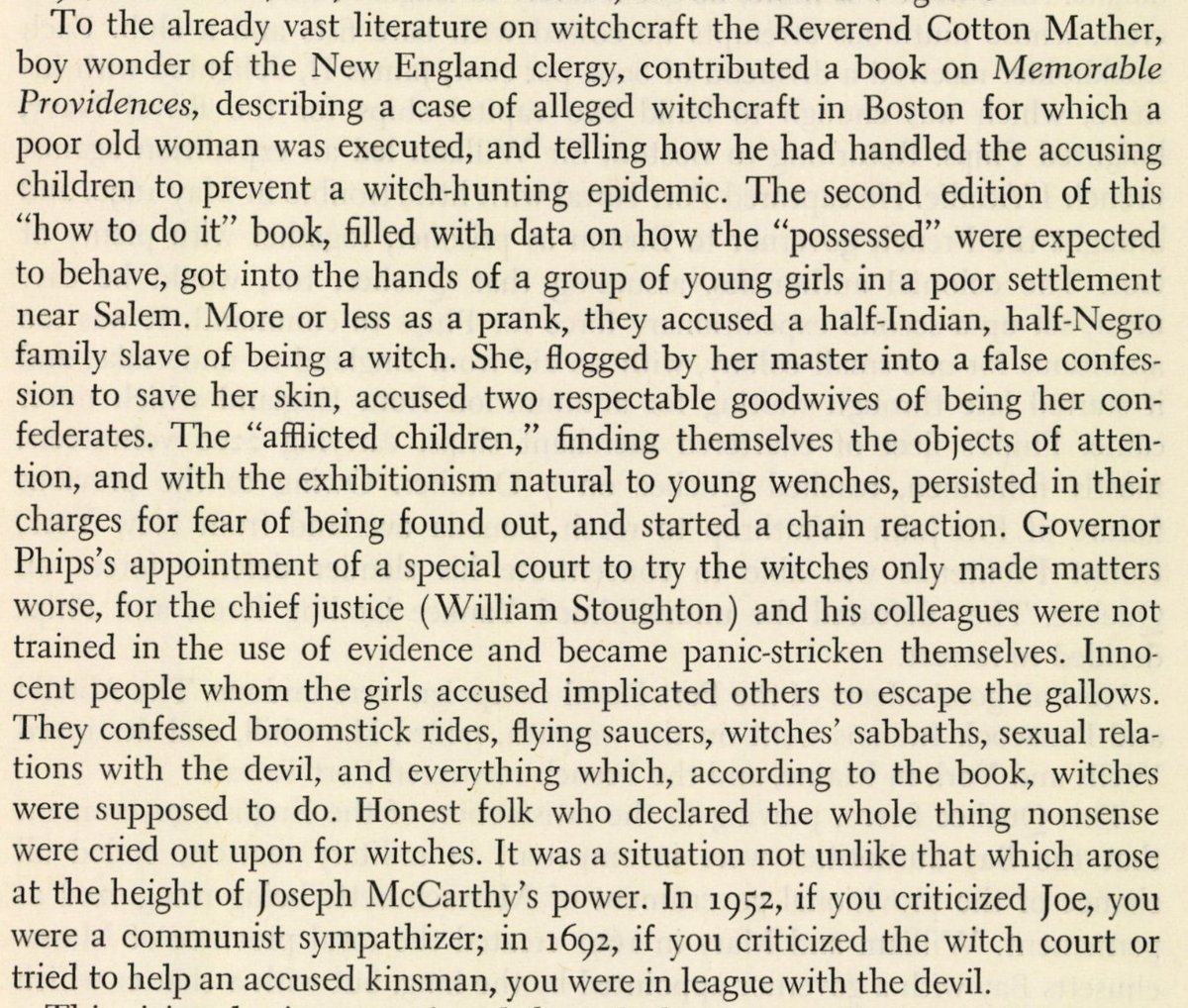
Salem Witch Trials sparked by "the exhibitionism natural to young wenches." Pity we've forgotten that particular attribute of young women.
The pacifist Quakers, unwilling to kill Indians for their land, instead tricked them into signing away "as far away as a man can go in a day and a half."

Populations in 1700. All of the colonies were small, Quebec was tiny (6200 people).


Iron mills were banned by Parliament to aid British iron interests, but the colonists just ignored the ban. In 1775, there were more furnaces and forges for pig iron in the 13 colonies than in England and Wales!

Anti-inoculation sentiment in Boston... when half the non-inoculated died from smallpox.

The first Great Awakening, partly reviving the dying faith in New England among the Puritans.

Americans conquering Louisburg, the Canadian fortress which had repeatedly served as a base for the French and Indians (mostly Indians, with some French aid) to ravage northern New England, only to have it returned at the peace table. Colonial vs imperial interests.

The deportation of the Acadians over disloyalty to England. "It is almost impossible for two utterly different racial, religious, and language groups to live in one region, if one or the other is encouraged by some outside power."


Another step in American ethnogenesis: the English first called Americans "Americans" instead of "provincials" in 1741 during the War of Jenkin's Ear.
• • •
Missing some Tweet in this thread? You can try to
force a refresh