Dalton (Analyze & Optimize) Profile picture
Sep 10, 2025 β€’ 7 tweets β€’ 3 min read β€’ Read on X
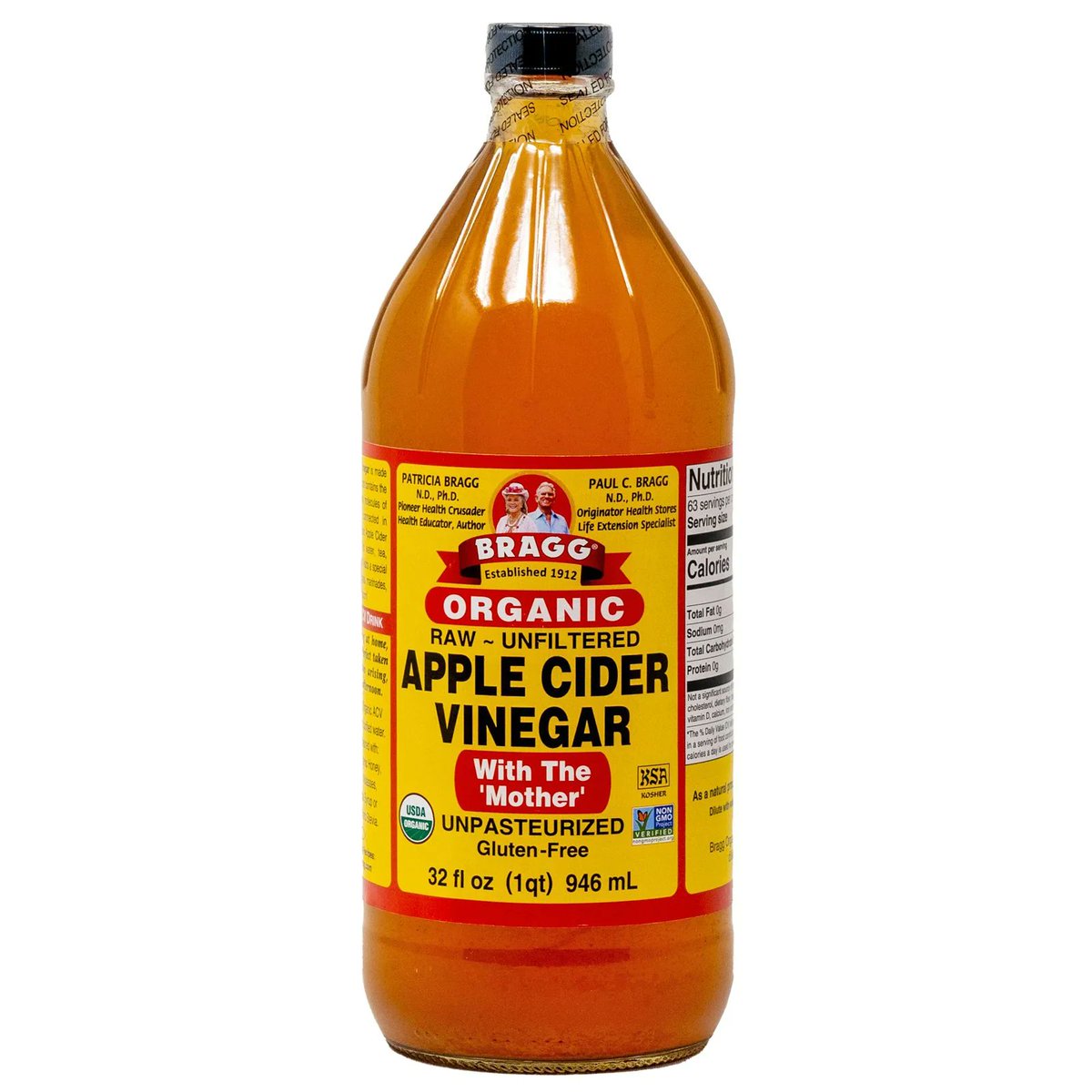
Apple cider vinegar can shed ~7 pounds a month and reduce insulin resistance, a new study demonstrates.

(🧡1/7)Image
This study was published last year in the prestigious British Medical Journal.

It involved 120 people, giving them either:

β—‡ 1 tsp apple cider vinegar (group 1)
β—‡ 2 tsp (group 2)
β—‡ 3 tsp (group 3)
β—‡ Placebo (group 4)

No other changes in diet or supplements.

(2/7) Image
At baseline, all groups were equal in all measures.

They looked at:

βž₯ Weight
βž₯ BMI
βž₯ Waist circumfrence
βž₯ Hip circumfrence
βž₯ Body fat %
βž₯ Fasting blood sugar
βž₯ Lipids

(3/7) Image
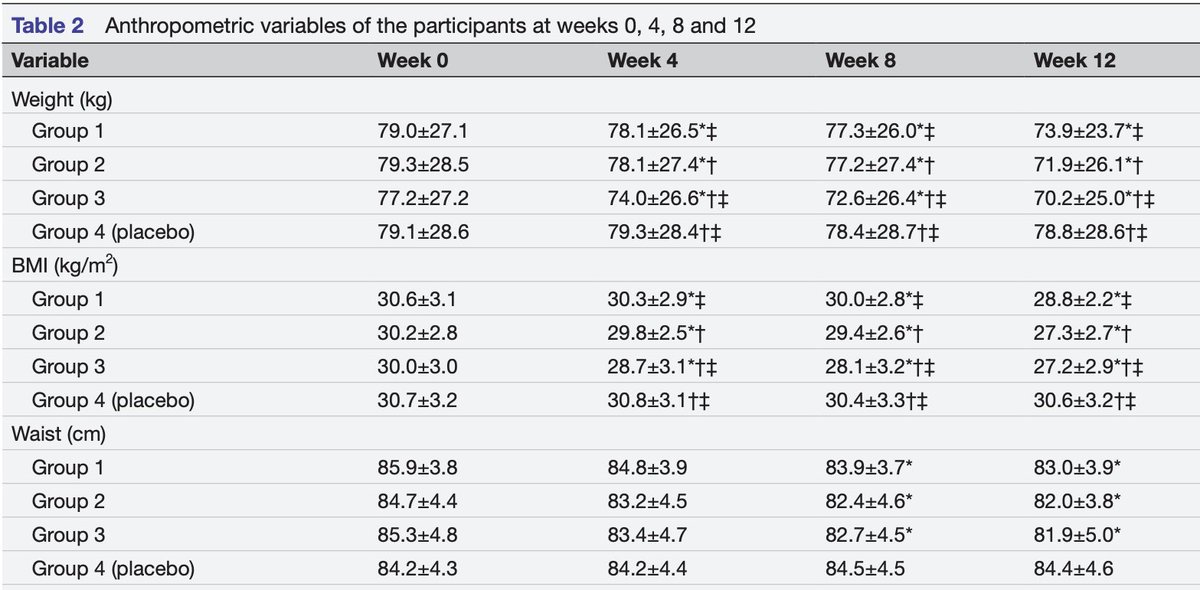
Apple cider vinegar improved ALL measures.

After 12 weeks, even 1 teaspoon led to 5 kg (11 lb) of weight loss.

3 teaspoons led to 7 kg (>15 lb!) of weight loss, around 2-3 kg a month.

All of the apple cider vinegar groups also had lower BMI and lower waist circumfrence, so this was mainly belly fat.

(4/7)Image
Apple cider vinegar also reduced body fat %.

Those taking 3 teaspoons shaved 2% off.

People without it increased body fat %.

Again, this is with no change in diet or exercise.

(5/7)
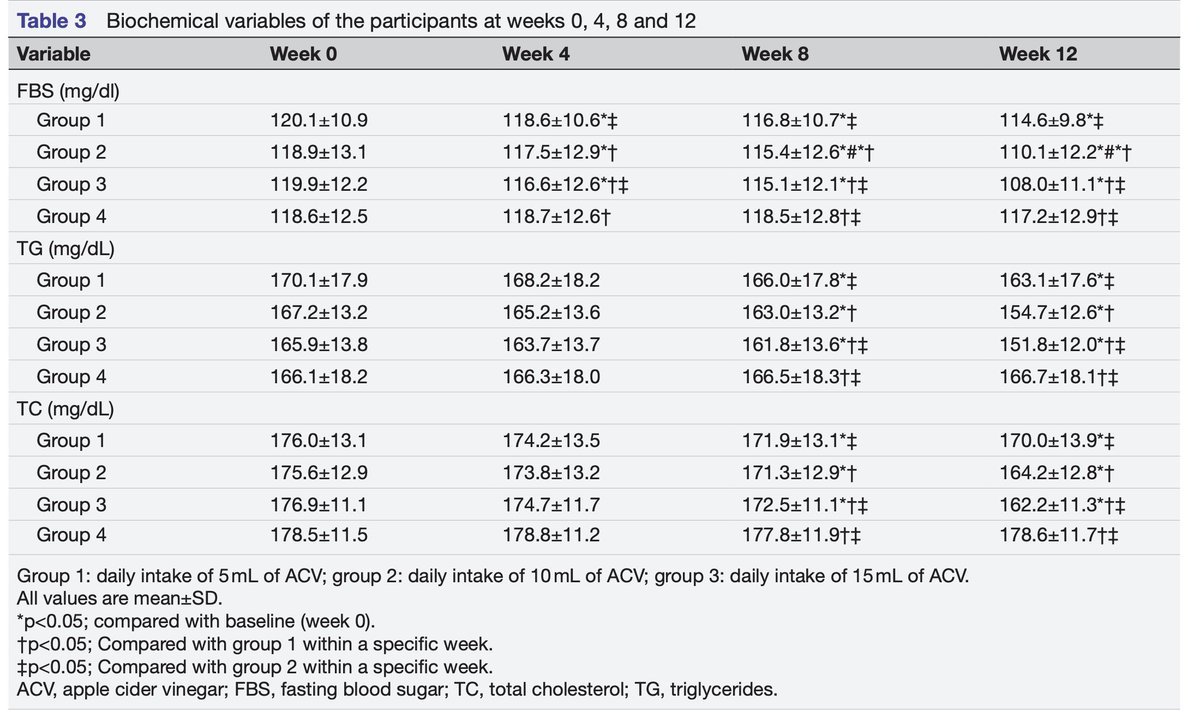
Apple cider vinegar also improved insulin resistance.

1 tsp ➞ dropped blood sugar by >5
2 tsp ➞ dropped it by >8
3 tsp ➞ dropped it by >10

No change for placebo.

ACV also reduced triglycerides and cholesterol levels.

(6/7) Image
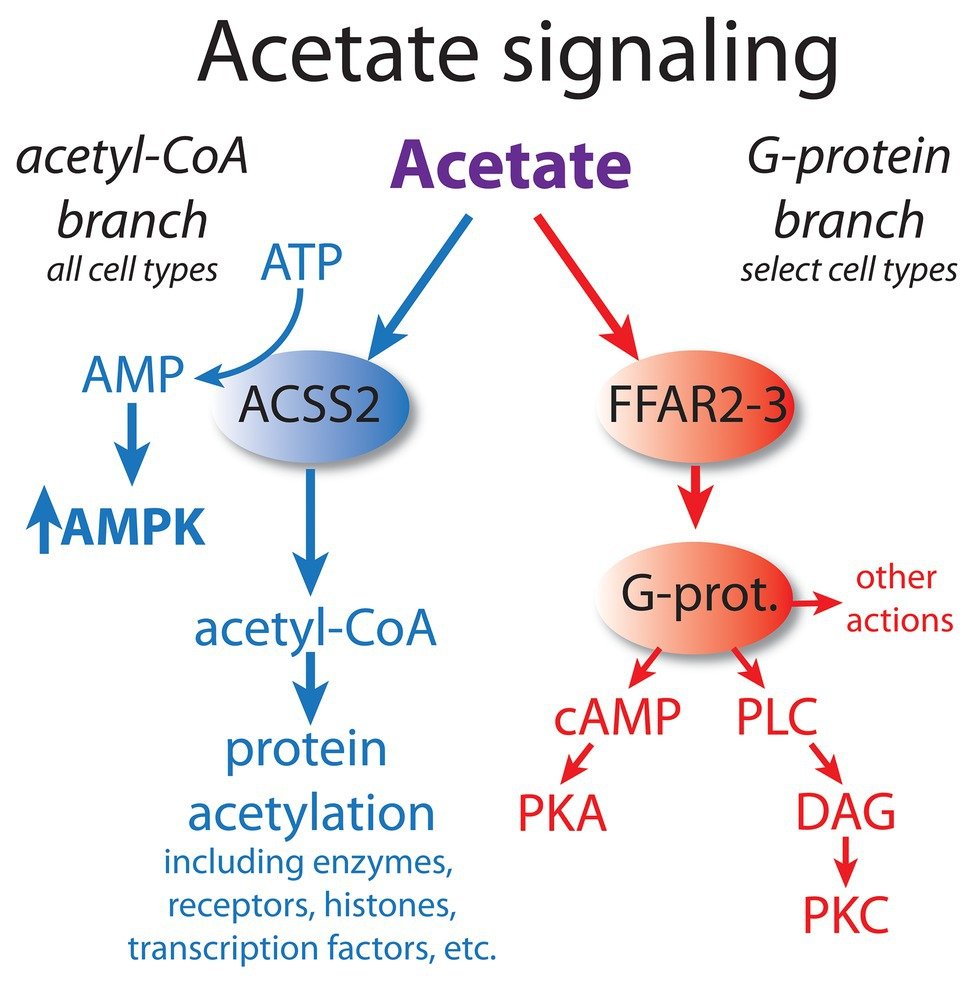
The reason apple cider vinegar is so helpful for metabolism is because it contains acetic acid (acetate).

Acetate has a unique metabolism in comparison to other fuels, disproportionately increasing the AMP/ATP ratio in the cytosol of cells.

This turns on a master kinase known as AMPK, which:

➜ Ramps up metabolic enzymes
➜ Turns down fat production
➜ Increases uptake of glucose
➜ Reduces inflammation
➜ Enhances mitochondrial function

and other protective effects.

AMPK is actually a primary target of the blockbuster diabetes drug metformin.

Vinegar does it and also doesn't inhibit your mitochondria in the process like metformin does.

(7/7)Image

β€’ β€’ β€’

Missing some Tweet in this thread? You can try to force a refresh

γ€€

Keep Current with Dalton (Analyze & Optimize)

Dalton (Analyze & Optimize) Profile picture

Stay in touch and get notified when new unrolls are available from this author!

Read all threads

This Thread may be Removed Anytime!

PDF

Twitter may remove this content at anytime! Save it as PDF for later use!

Try unrolling a thread yourself!

how to unroll video
  1. Follow @ThreadReaderApp to mention us!

  2. From a Twitter thread mention us with a keyword "unroll"
@threadreaderapp unroll

Practice here first or read more on our help page!

More from @Outdoctrination

Mar 11
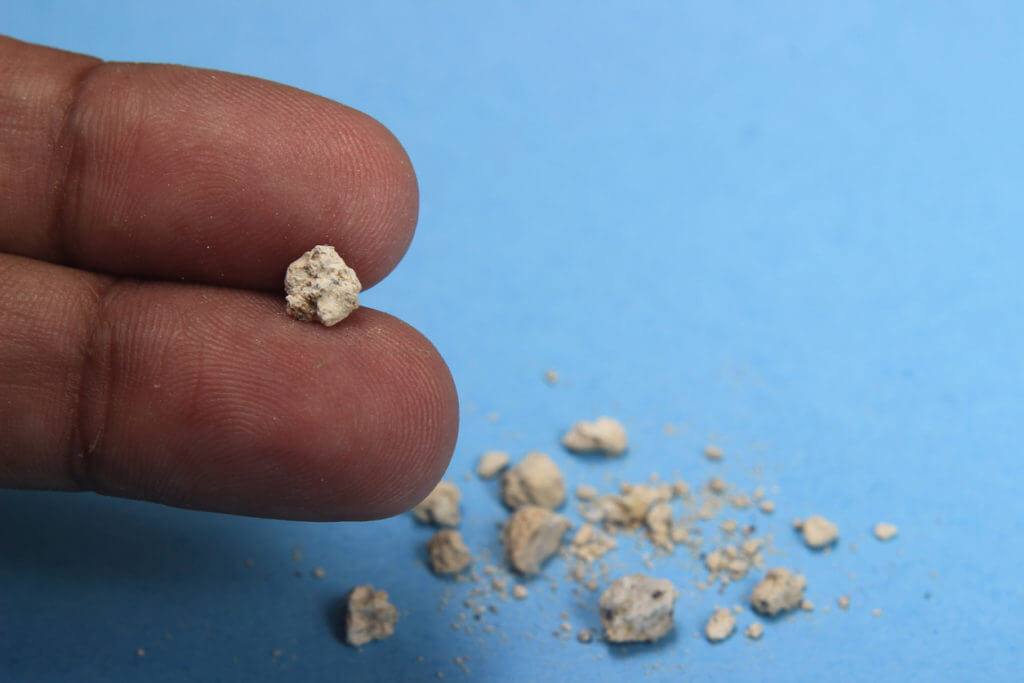
An intriguing study showed that vinegar reduces kidney stone incidence, and mapped out exactly how it does it.

(🧡1/8)Image
Image
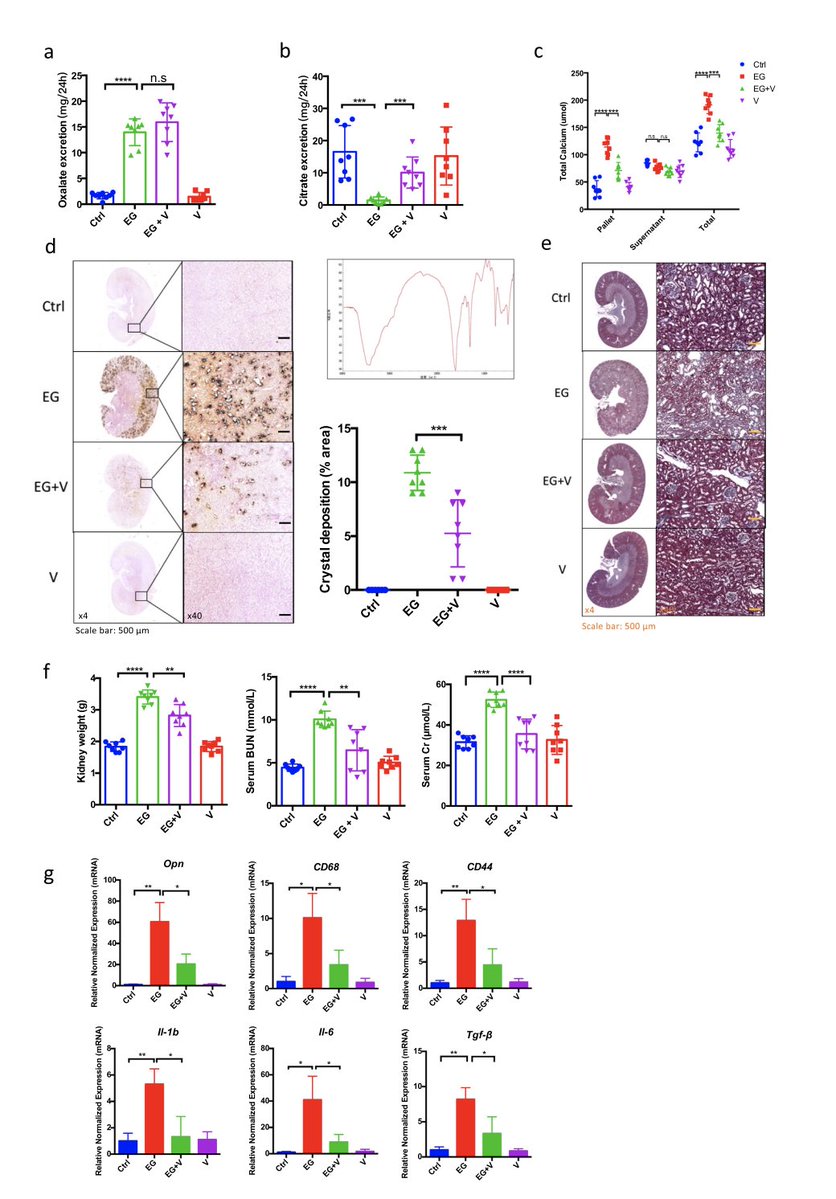
This study was published in 2019.

This research group previously uncovered that vinegar consumption was associated with >60% reduced odds of kidney stones.

They decided to test it themselves. Image
Vinegar prevents kidney stones in animals.

Ethylene glycol (EG) rapidly metabolizes into oxalate, which is what drives crystal formation.

However, animals given vinegar (1.5 tbsp human equivalent) showed improvements:

β—‡ Increased citrate excretion (binds calcium safely, preventing oxalate binding)
β—‡ Reduced calcium excretion
β—‡ Slashed crystal deposition
β—‡ Preserved kidney function + reduced inflammationImage
Read 9 tweets
Mar 5
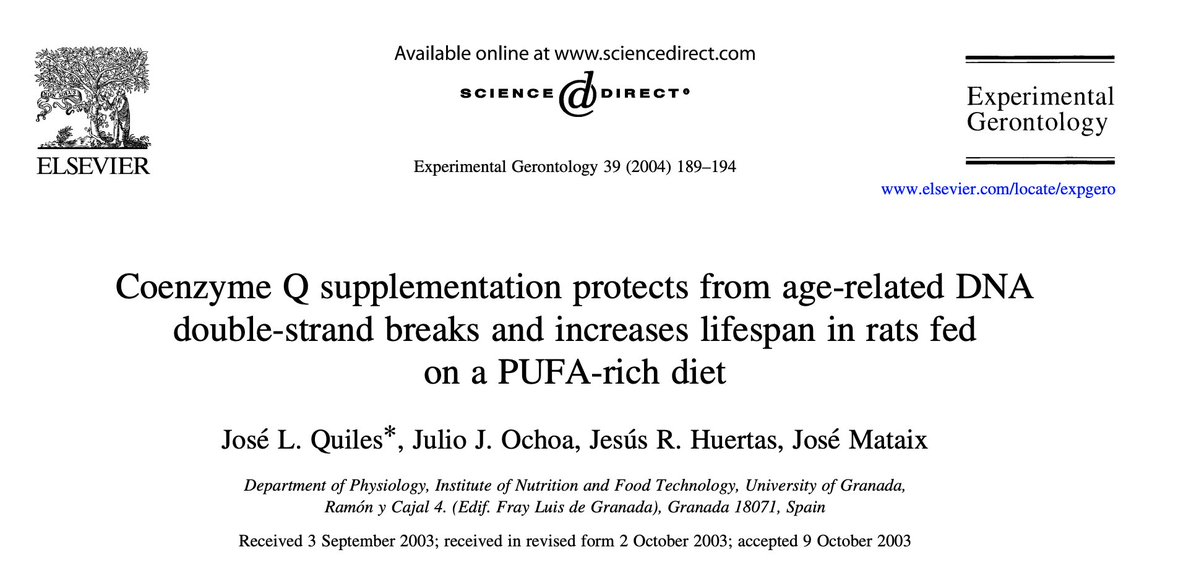
Coenzyme Q10 is a key factor aging - and supplementing it extends lifespan in multiple studies.

(🧡1/7)Image
I stumbled across this study a few months ago.

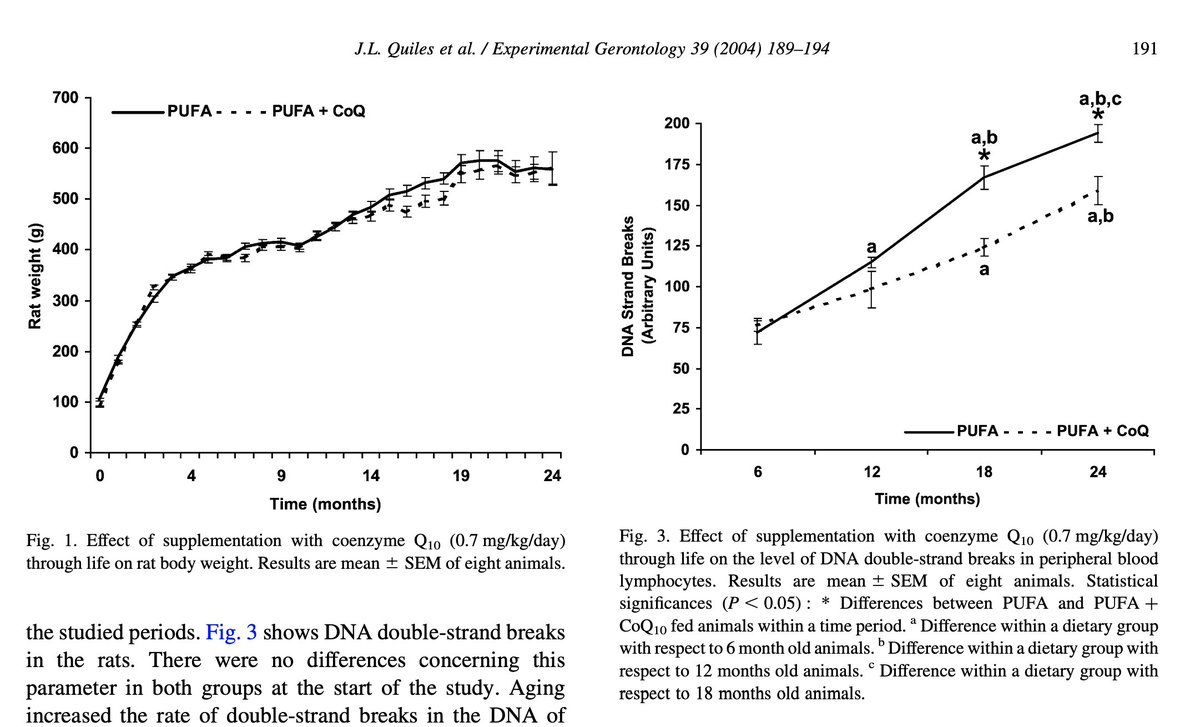
They gave animals on a "high PUFA diet" coenzyme q10 at 0.7 mg / kg bodyweight.

This dose is puny (7-8 mg human equivalent), and the "high PUFA diet" was under 5% PUFA, still way less than what the average person gets nowadays due to seed oils being in everything.Image
They showed that this tiny amount of CoQ10 could reduce DNA strand breaks.

This process increases with age - DNA damage is a known driver of cancer and a sign of overall oxidative stress. Image
Read 9 tweets
Mar 5
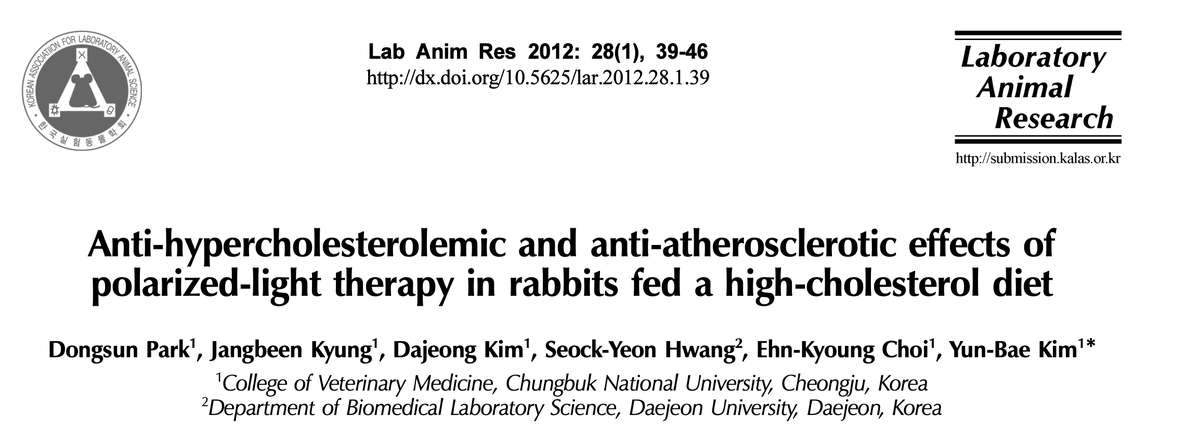
An incredible study showed major reductions in arterial plaques simply by shining a form of red light onto the body, more so than even statins.

(🧡1/7)Image
This was an animal study done in a classic model of heart disease, the high cholesterol diet in rabbits.

This diet causes them to rapidly develop atherosclerosis since they naturally consume none of it.

They also compared light therapy to statin. Image
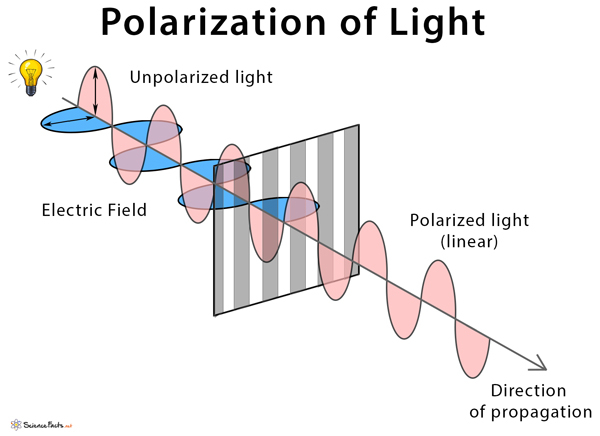
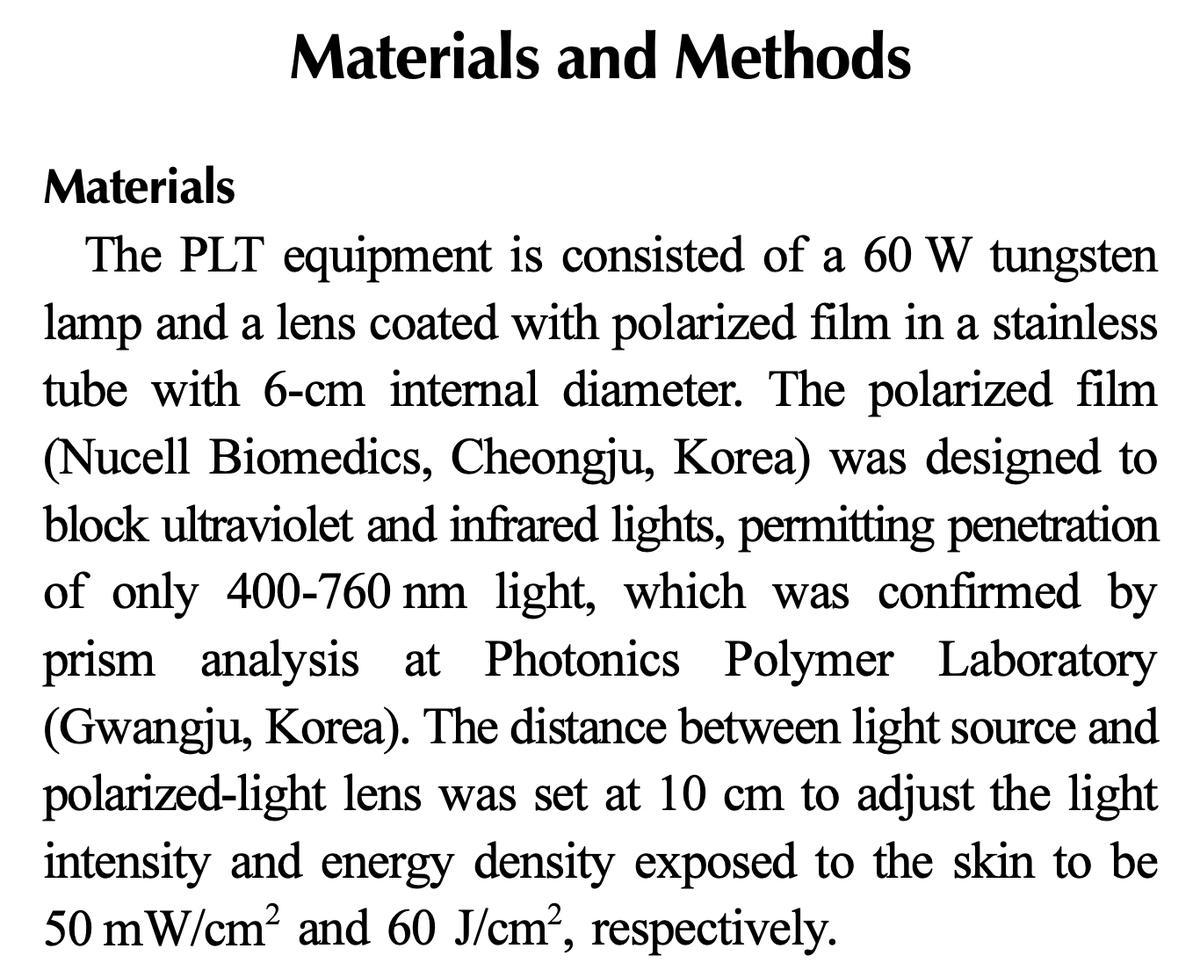
They used a polarized light with wavelengths in the 400-760 nm range, which is mostly red and near infrared light.

Polarization ensures all of the wavelengths are aligned properly, thought to have a more powerful biological effect.

Animals were given either 5 or 20 min per day of light therapy "on their outside surface of ear with 10 cm distance from lens every day
(10:00-12:00) for 8 weeks"Image
Image
Read 8 tweets
Mar 4
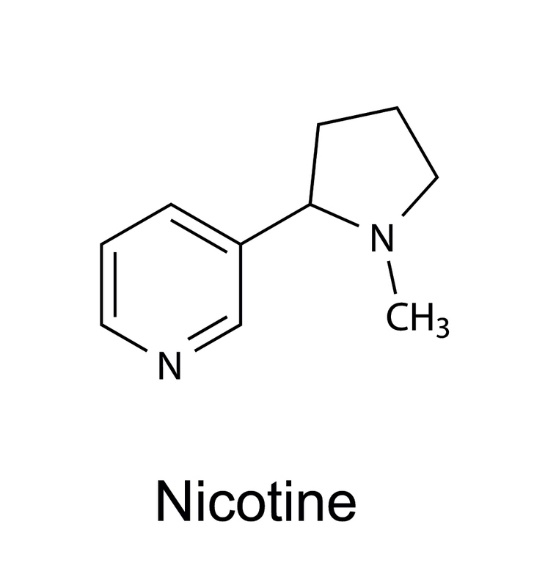
Nicotine has some powerful anti-inflammatory effects, even improving things like autoimmunity and allergies in experiments.

(🧡1/8)Image
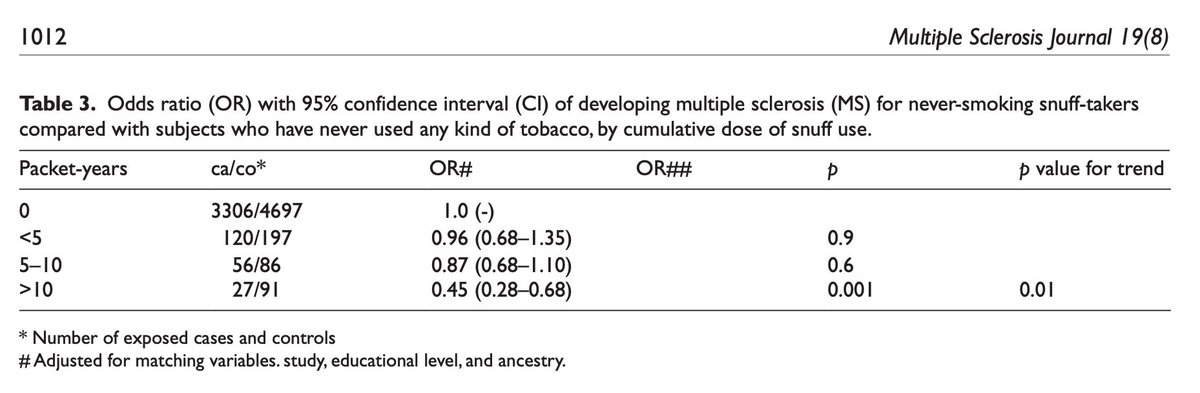
More than a few studies have shown that nicotine consumers have lower rates of inflammatory conditions.

For instance, this study showed that the more snuff one consumed, the less MS they developed.

In some studies, even smoking is inversely associated with these conditions.

But is it just a statistical anomaly or a real effect?Image
Multiple sclerosis (MS) has been shown to be improved in multiple experimental models.

One of the primary findings in this condition is the demyelination of the nerves in certain areas of the CNS.

Myelin is a protective coating around nerves, essential for signal transduction and other functions.

Purple staining here shows myelin.

You can see that nicotine treatment actually improved myelination.Image
Read 12 tweets
Mar 2
I used to have DEBILITATING allergies every year.

Couldn't even go outside without breaking out into tears and itches.

Now I forget that they even exist.

This is what I learned about allergies - the 8 KEY ROOT CAUSES behind them (🧡1/12):Image
There are a few chemical mediators that induce the symptoms of allergies:

- Histamine
- Serotonin
- Prostaglandins
- Leukotrienes
- Type 2 cytokines (IL-3, IL-4, IL-5, IL-9 IL-13)

These drive excess mucus production, itch, airway thickening / constriction, redness… everything.

The primary cells involved in releasing them are:

- Mast cells
- Eosinophils
- Basophils
- Neutrophils
- T Cells

This system is in place to protect us against things like parasites and foreign toxins. It helps us eliminate them effectively before they cause even more damage.

The question is, what causes the increased production of these chemicals from these cells unnecessarily?

Why do some people’s immune cells release more of these mediators in response to things that are harmless like pollen?Image
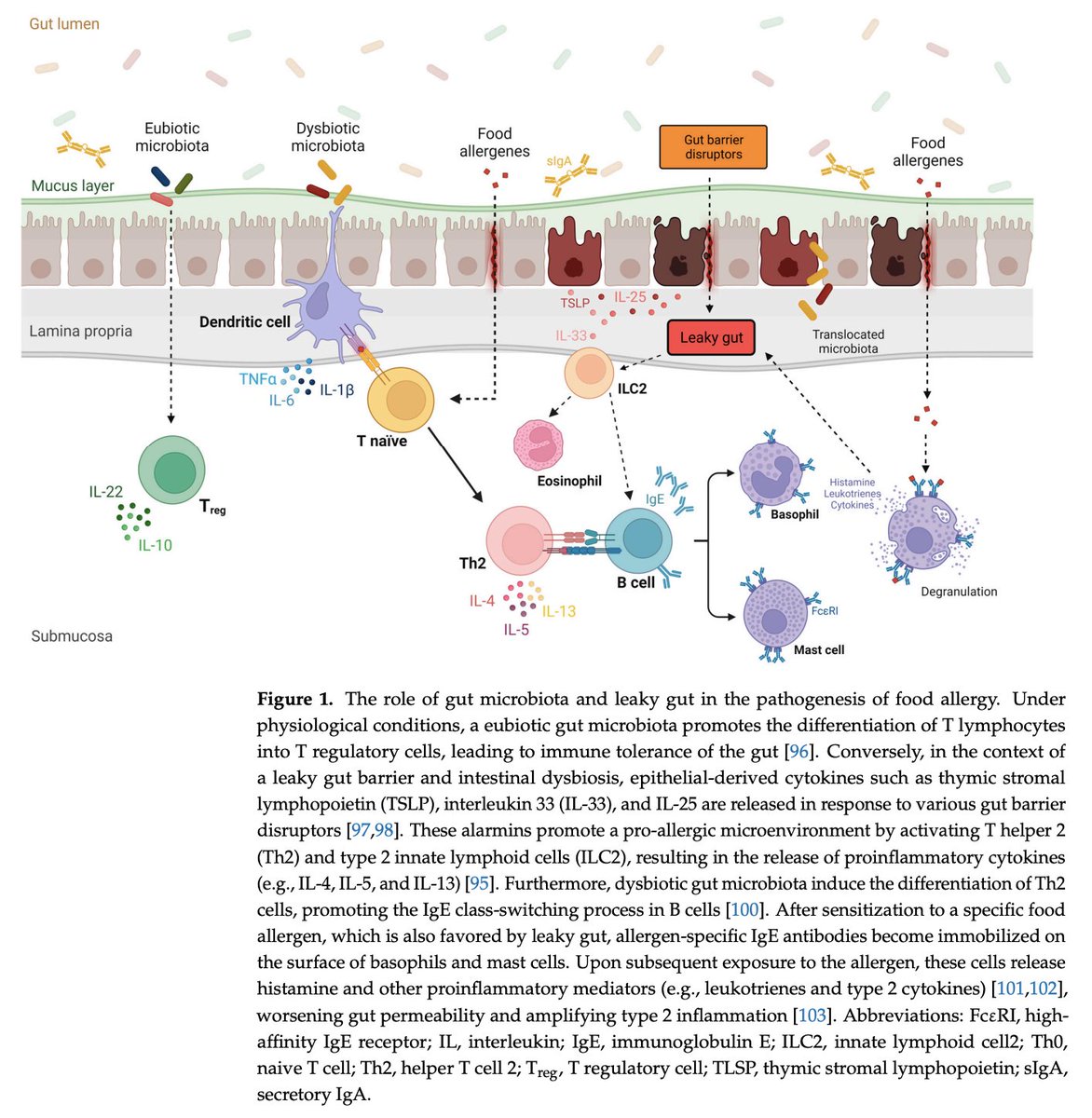
#1 Gut health

Roughly 80% of your immune cells reside in the gut, and they are major players in your susceptibility to allergies.

Poor gut health can wreck your immune system's ability to properly deal with allergens in a few ways:

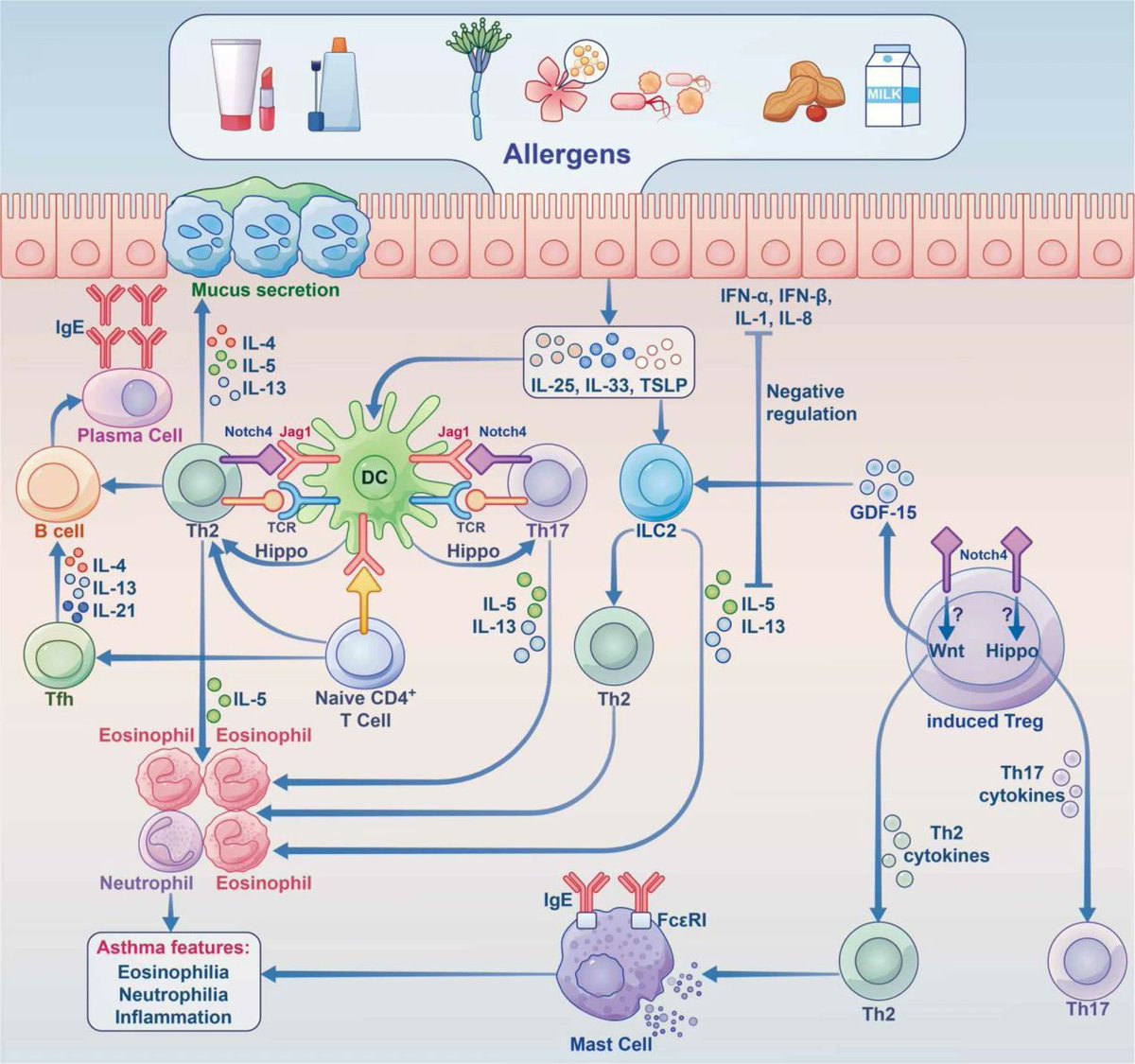
β—ˆ Bad bacteria shift the balance of T cells away from an anti-inflammatory (regulatory) state to a pro-inflammatory one (Th2/Th17)
β—ˆ Intestinal permeability exposes the immune system to more allergens by allowing "leakage"
β—ˆ Inflammation / bacteria can stimulate innate lymphoid cells (ILC2 via IL-25, IL-33, TSLP), which activates eosinophils, mast cells and B cells to produce IgE
β—ˆ The gut is the biggest source of histamine + serotonin in the entire body by far.

In fact, an animal study showed that you can literally give them allergies simply by giving them the gut bacteria of another animal who has allergies.

The animals with allergies mainly had higher endotoxin containing bacteria, which drive all sorts of inflammation in the gut and beyond.

Allergies start and end in the gut.Image
Read 17 tweets
Mar 2
Taurine is one of the most important nutrients for the brain, serving a number of protective roles in cognitive aging and stroke.

(🧡1/7)Image
Image
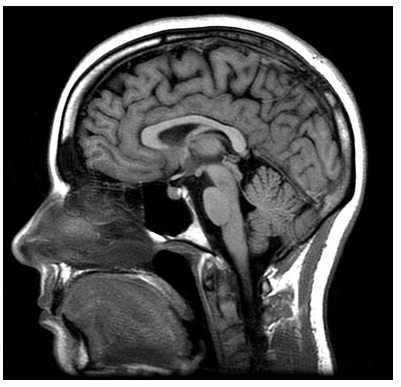
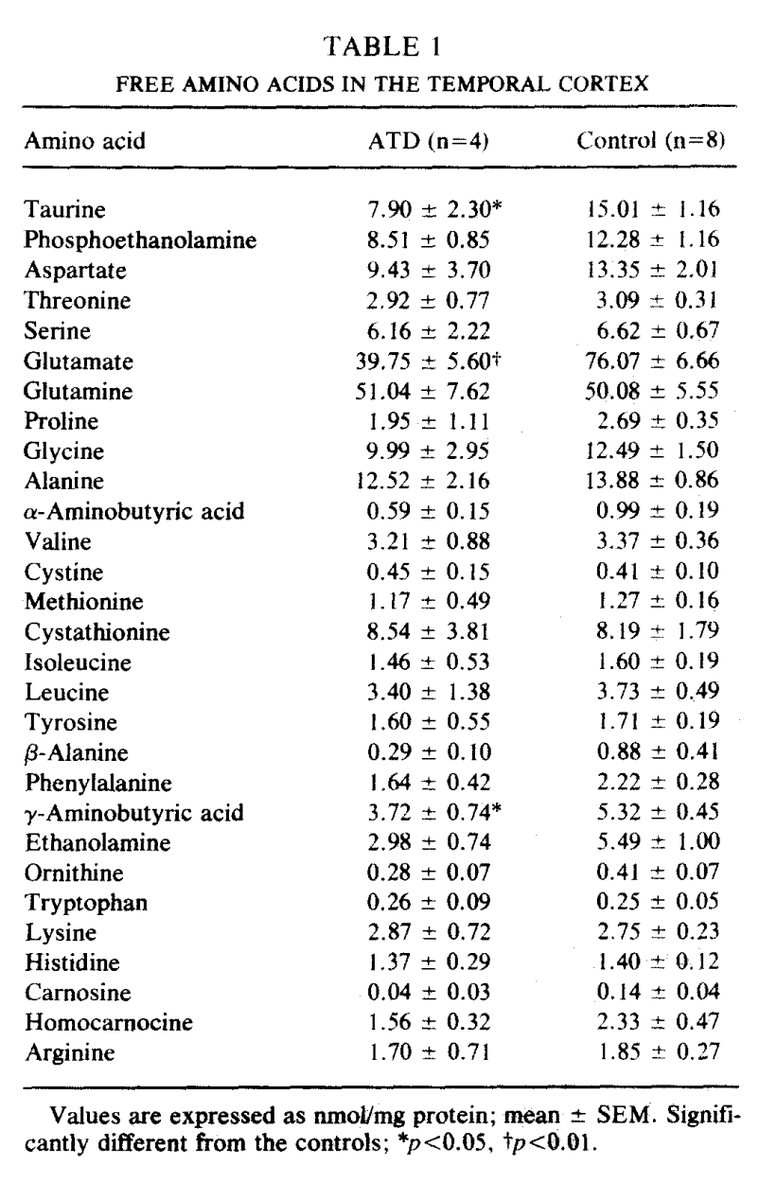
I was surprised to find out that taurine is actually the second most abundant amino acid in the central nervous system, behind glutamate.

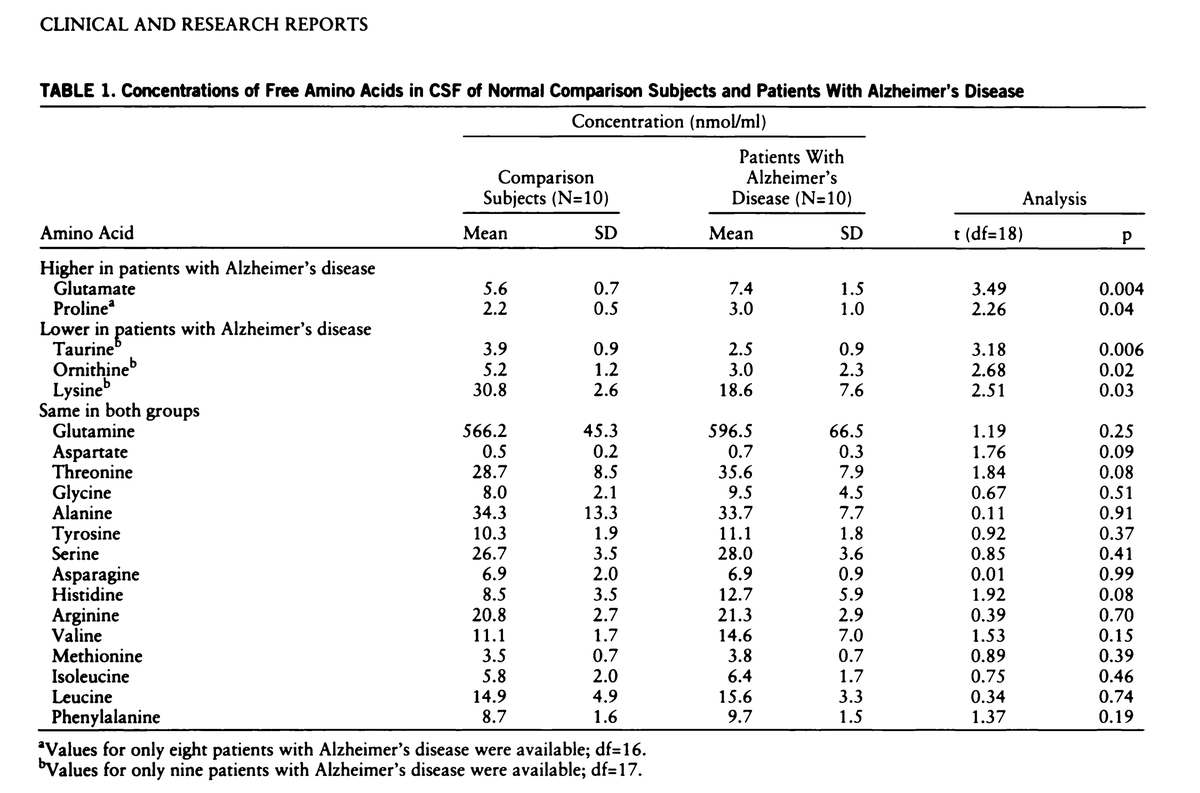
Taurine levels in both the cerebrospinal fluid and certain brain regions are lower in people with Alzheimer's disease.

This has important consequences.Image
Image
Supplementing taurine has an important neuroprotective effect.

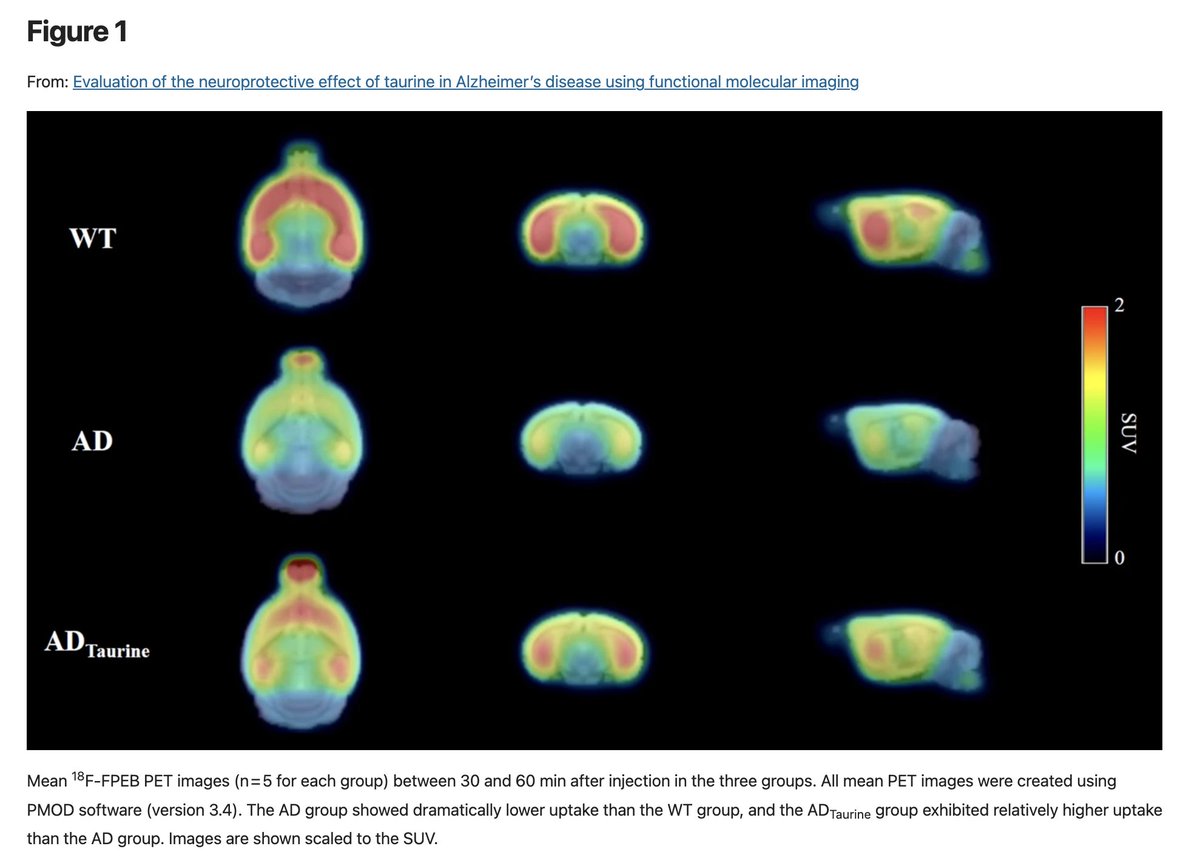
This study showed that ~5-6g of taurine (human equivalent) per day in animals increased a key glutamate receptor (mGluR5).

Studies show that there is 43% reduced binding in hippocampus of this receptor in Alzheiemer's.

This receptor is incredibly important for maintaining synaptic plasticity.

Taurine was likely able to do this by its ability to reduce excitotoxicity - a process where excessive glutamate and calcium poison neurons.Image
Read 10 tweets

Did Thread Reader help you today?

Support us! We are indie developers!


This site is made by just two indie developers on a laptop doing marketing, support and development! Read more about the story.

Become a Premium Member ($3/month or $30/year) and get exclusive features!

Become Premium

Don't want to be a Premium member but still want to support us?

Make a small donation by buying us coffee ($5) or help with server cost ($10)

Donate via Paypal

Or Donate anonymously using crypto!

Ethereum

0xfe58350B80634f60Fa6Dc149a72b4DFbc17D341E copy

Bitcoin

3ATGMxNzCUFzxpMCHL5sWSt4DVtS8UqXpi copy

Thank you for your support!

Follow Us!

:(