๐ŸงตThread: The Divine Feminine Trinity โ€“ Lakshmi, Saraswati & Parvati ๐ŸŒบ

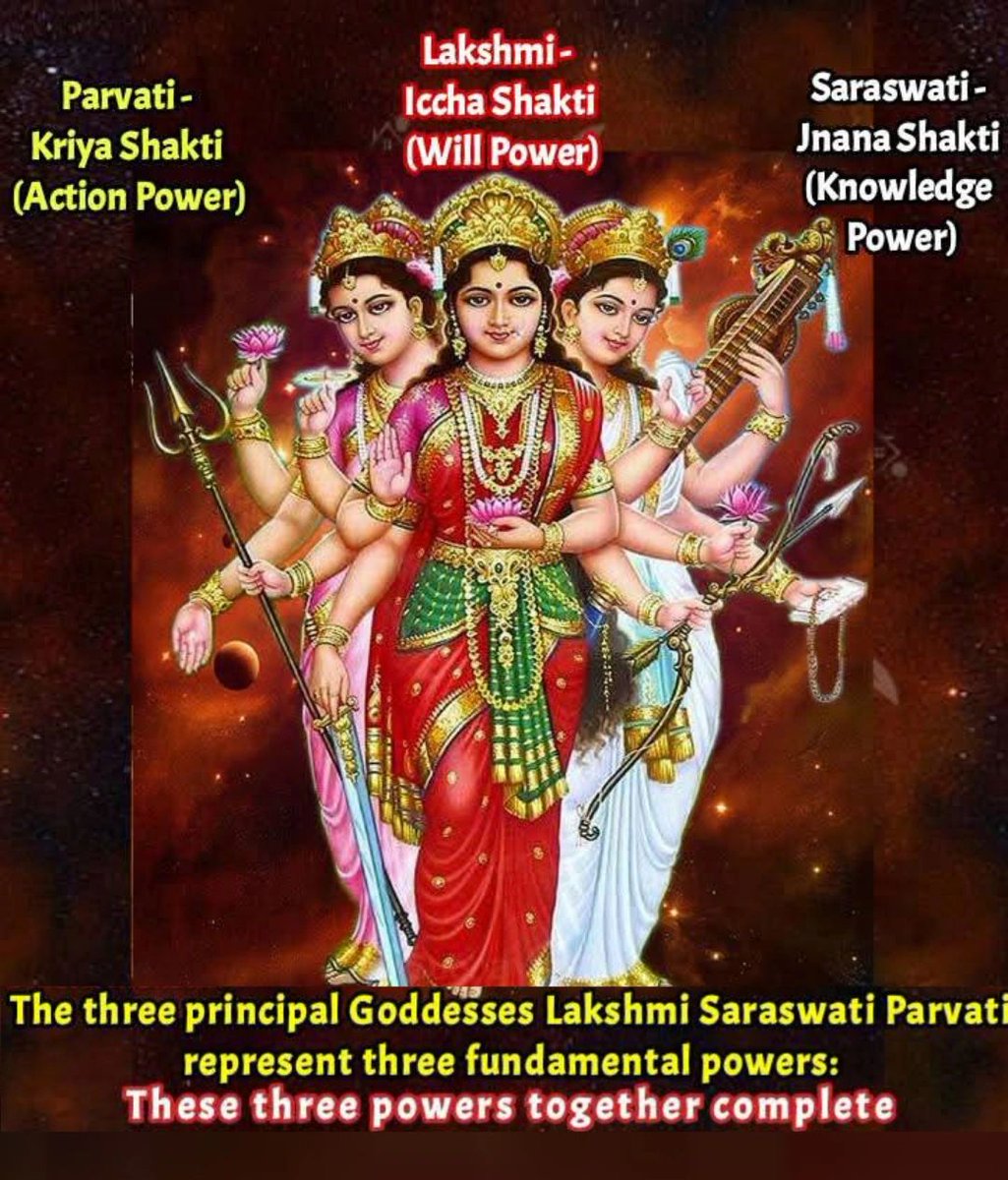
In Sanatana Dharma, the three supreme Shaktis embody the core forces that sustain creation. Letโ€™s dive into their cosmic significance ๐Ÿ‘‡Image
1๏ธโƒฃ Lakshmi โ€“ Iccha Shakti (Will Power)
Lakshmi is not just the goddess of wealth, but the embodiment of desire, will & motivation. Without Iccha (will), creation cannot even begin. She is the spark that inspires life to move forward.
2๏ธโƒฃ Saraswati โ€“ Jnana Shakti (Knowledge Power)
Saraswati represents wisdom, intellect & learning. She transforms desire into direction. Iccha without Jnana is blind. Jnana gives clarity, vision, and the roadmap to manifest creation.
3๏ธโƒฃ Parvati โ€“ Kriya Shakti (Action Power)
Parvati, the mother of the universe, is action, energy & execution. She transforms thought into reality. Will (Lakshmi) + Knowledge (Saraswati) = Action (Parvati). This is creation in motion.
4๏ธโƒฃ The Cosmic Equation
Lakshmi = Desire to Create
Saraswati = Knowledge to Shape
Parvati = Power to Manifest

Together, these Shaktis form the complete cycle of existence โ€“ Desire โ†’ Knowledge โ†’ Action.
5๏ธโƒฃ Why This Matters Today?
In modern life too:
Will alone is useless without knowledge.
Knowledge without action is wasted.
Action without direction is chaos.
The balance of all three Shaktis is the secret to success.
Lakshmi, Saraswati & Parvati are not just deities but eternal forces within us. When aligned, they awaken the complete potential of human life.

๐Ÿ” Repost this divine wisdom to spread Sanatana glory
๐Ÿ™ Follow @Its_Me_Jasraj for more spiritual revelations

โ€ข โ€ข โ€ข

Missing some Tweet in this thread? You can try to force a refresh

ใ€€

This Thread may be Removed Anytime!

PDF

Twitter may remove this content at anytime! Save it as PDF for later use!

Try unrolling a thread yourself!

how to unroll video
  1. Follow @ThreadReaderApp to mention us!

  2. From a Twitter thread mention us with a keyword "unroll"
@threadreaderapp unroll

Practice here first or read more on our help page!

More from @Its_Me_Jasraj

Sep 14
๐ŸงตWeak Aura vs Strong Aura โ€“ The Secret Energy Field Around You
Did you know that your aura, the energy field surrounding your body, can influence how people feel around you? A weak aura attracts negativity while a strong aura draws positivity, abundance & success into your life!Image
1๏ธโƒฃ What is an Aura?
An aura is the energy that surrounds every living being. It reflects your emotions, thoughts, and overall health. A clear, vibrant aura indicates balance and strength, while a dull or fragmented aura points to stress, fear, and negative energy.
2๏ธโƒฃ Weak Aura โ€“ What It Means
A weak aura is clouded, dim, or fragmented. It often happens when you're emotionally drained, anxious, or fearful. This aura attracts negativity, causing bad vibes, misunderstandings, and difficulties in relationships and personal growth.
Read 9 tweets
Sep 14
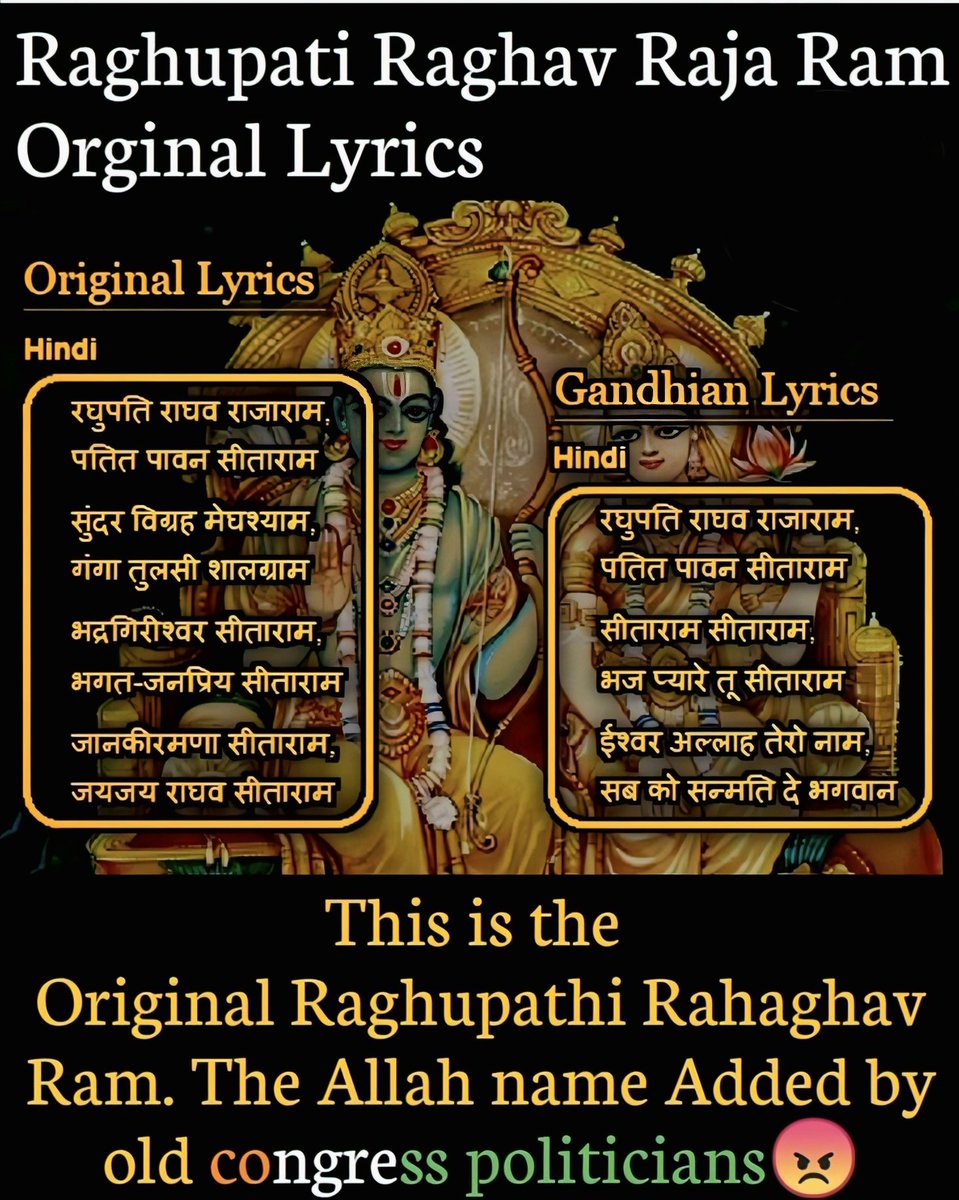
Did you know? The Raghupati Raghav Raja Ram bhajan we hear today is NOT the original version!
The soulful Ram Bhajan was altered during Gandhiโ€™s time for โ€œpolitical inclusivity.โ€ Letโ€™s decode the real lyrics vs the changed ones ๐ŸงตThread๐Ÿ‘‡ Image
1๏ธโƒฃ Original Lyrics of Raghupati Raghav focus entirely on Lord Ram & Sita:
โ€œRaghupati Raghav Raja Ram, Patit Pavan Sitaramโ€ฆโ€
It glorifies Ram as the purifier of sinners, the beloved of devotees, and the embodiment of Dharma. Pure Bhakti, no dilution.
2๏ธโƒฃ Verses like โ€œSundar Vighnahar Megha Shyam, Ganga Tulsi Shaligramโ€ & โ€œJaya Jaya Raghav Sitaramโ€ highlight:
Ramโ€™s divine beauty
His connection with sacred rivers & symbols
His eternal victory
This was the true spiritual form of the bhajan.
Read 9 tweets
Sep 14
๐Ÿงต Thread: The Timeless Wisdom of Vedic Literature ๐Ÿ”ฑ

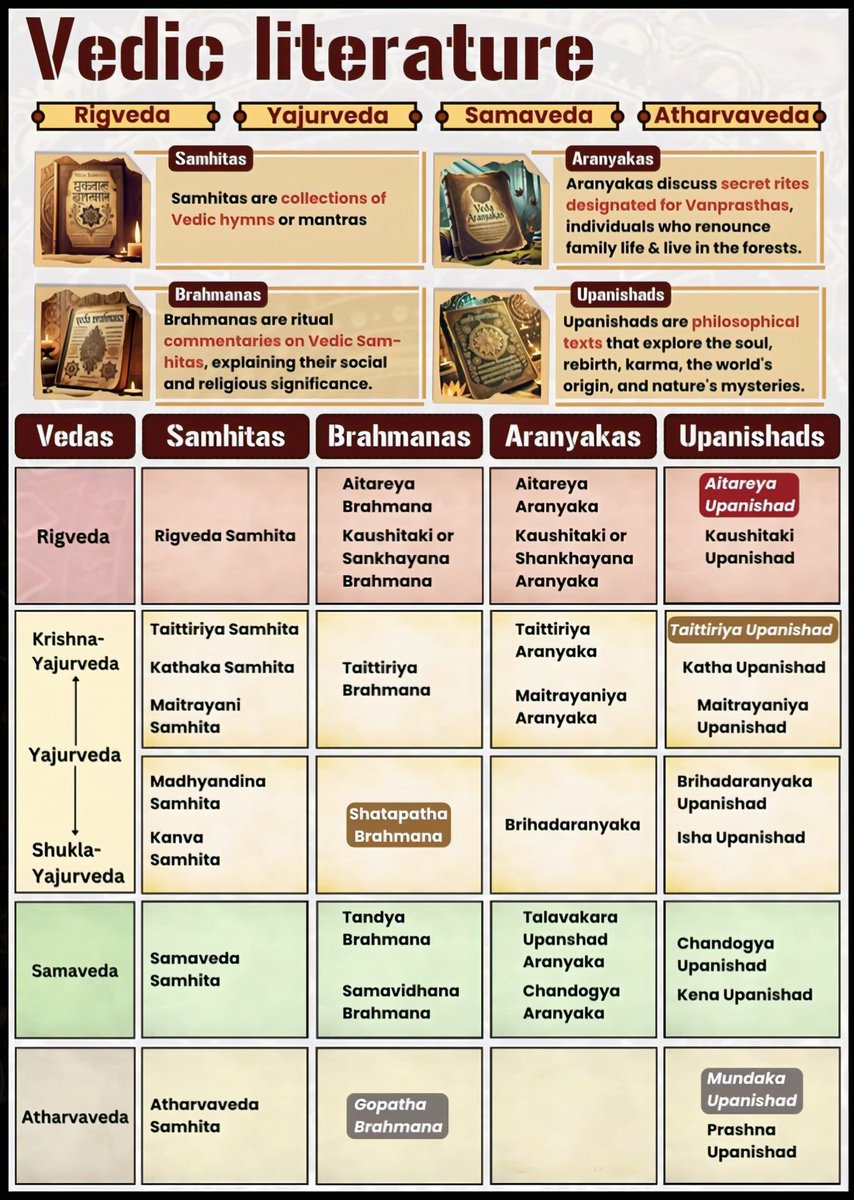
When we say "Vedas," we donโ€™t just mean hymns. The Vedic corpus is a vast ocean: Samhitas, Brahmanas, Aranyakas & Upanishads.

Each layer unlocks deeper truths of life. Letโ€™s explore this sacred architecture ๐Ÿงต๐Ÿ‘‡Image
1๏ธโƒฃ Samhitas โ€“ The Hymns
These are collections of mantras & hymns.
They form the earliest layer of the Vedas - chants to invoke cosmic forces like Agni, Indra, Soma.

They are the poetry of divinity, recited for yajnas & rituals.
2๏ธโƒฃ Brahmanas โ€“ The Ritual Code
These are commentaries on the Samhitas.
They explain the meaning of mantras, rules of sacrifice & philosophy behind rituals.

Example: Shatapatha Brahmana (Yajurveda) describes the profound symbolism of yajnas.
Read 11 tweets
Sep 13
Long before modern nationsโ€ฆ
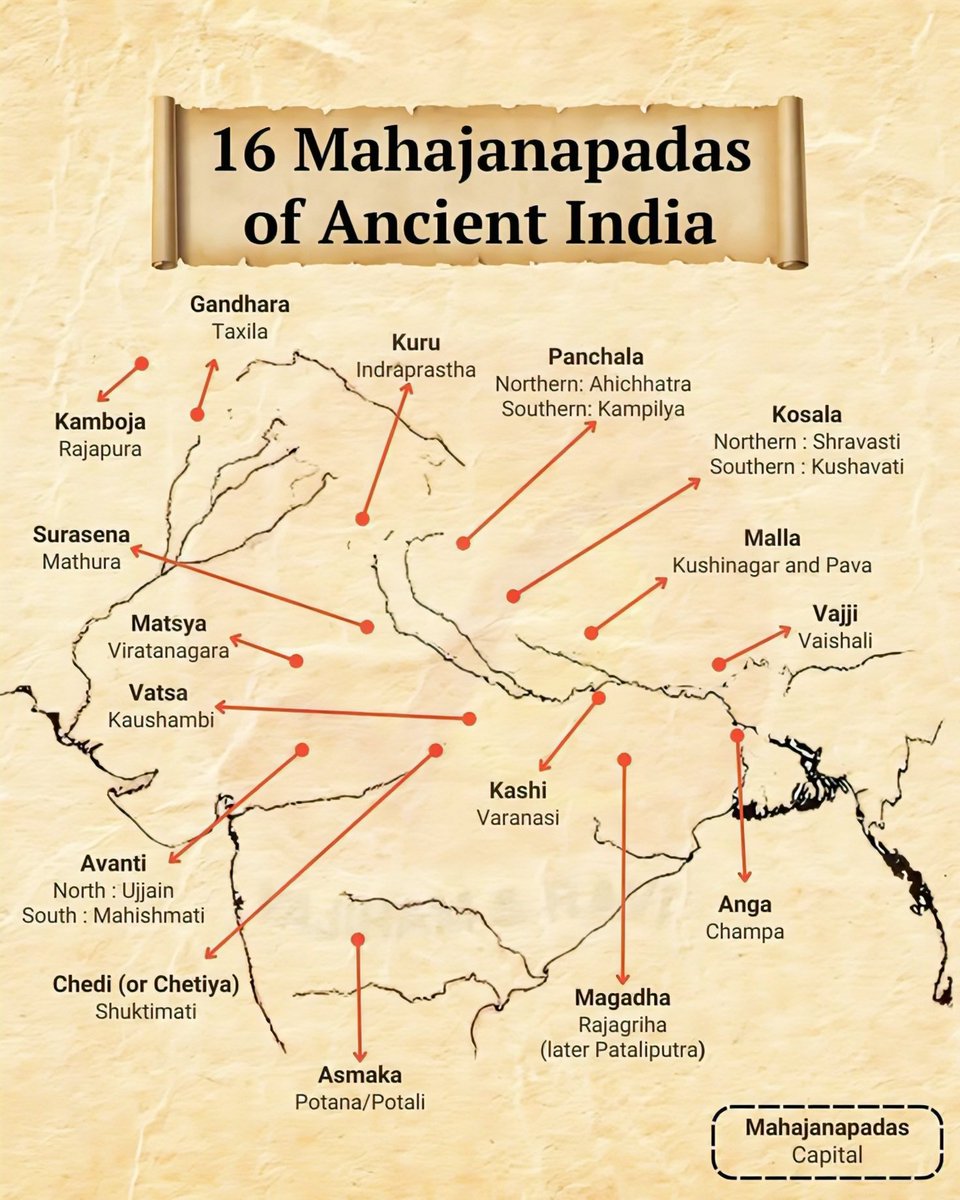
India had 16 great realms known as the Mahฤjanapadas. โœจ
The foundation of politics, culture & civilization - 2500 years ago, this was Bharat.
Hereโ€™s a journey through the 16 Mahฤjanapadas ๐Ÿงต๐Ÿ‘‡Image
1๏ธโƒฃ
๐Ÿ“ Magadha (Rajagriha โ†’ Pataliputra)
The most powerful Mahฤjanapada.
Birthplace of great empiresโ€”Nanda, Maurya, Gupta.
Also home to Nalanda University & Buddhismโ€™s rise.

The beating heart of ancient India.
2๏ธโƒฃ
๐Ÿ“ Kosala (Shravasti, Kushavati)
Land of Lord Rama.
Buddha spent many monsoons here.
Kosala was a cultural & spiritual hub, rivaling Magadha in influence.
Read 19 tweets
Sep 13
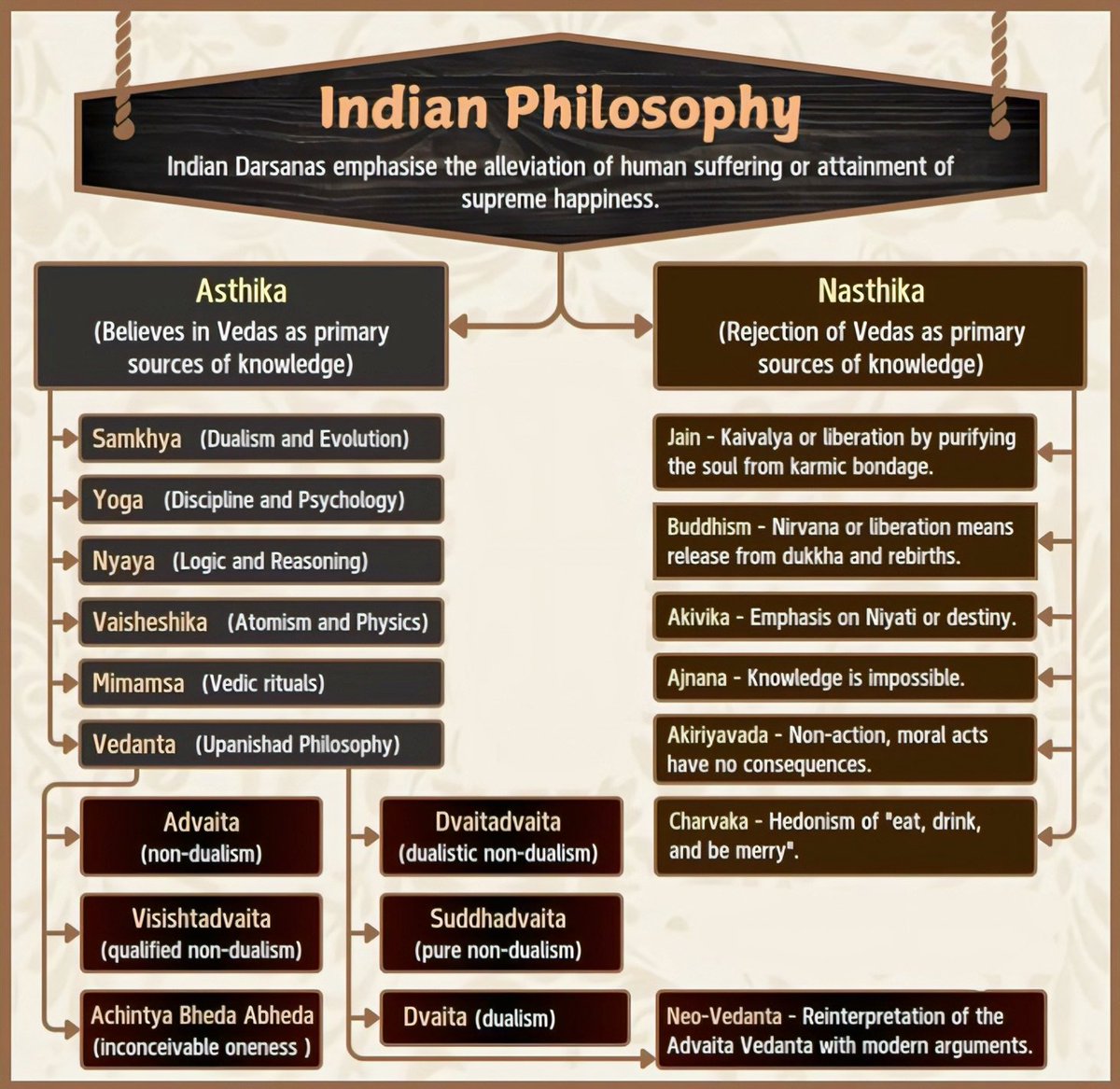
๐Ÿงต Thread: Indian Philosophy โ€” The Forgotten Treasure of Human Wisdom

While the West debates philosophy in classrooms, Bharat explored it thousands of years ago to answer the deepest question: โ€œHow can human suffering end and supreme happiness be attained?โ€
๐Ÿงต Letโ€™s dive in ๐Ÿ‘‡ Image
1๏ธโƒฃ Two Pillars of Indian Thought
Our philosophies (Darshanas) are divided into:
โœจ Asthika โ€“ Accepts Vedas as the ultimate source of knowledge.
โœจ Nasthika โ€“ Rejects Vedic authority.

Both pursued liberation (Moksha), but with different paths.
2๏ธโƒฃ Asthika Schools (Vedic Path)
๐Ÿ”น Samkhya โ€“ Dualism, evolution of Purusha (soul) & Prakriti (nature).
๐Ÿ”น Yoga โ€“ Discipline, psychology, union with the divine.
๐Ÿ”น Nyaya โ€“ Logic, reasoning, pursuit of truth.
๐Ÿ”น Vaisheshika โ€“ Atomism, early physics of existence.
Read 10 tweets
Sep 13
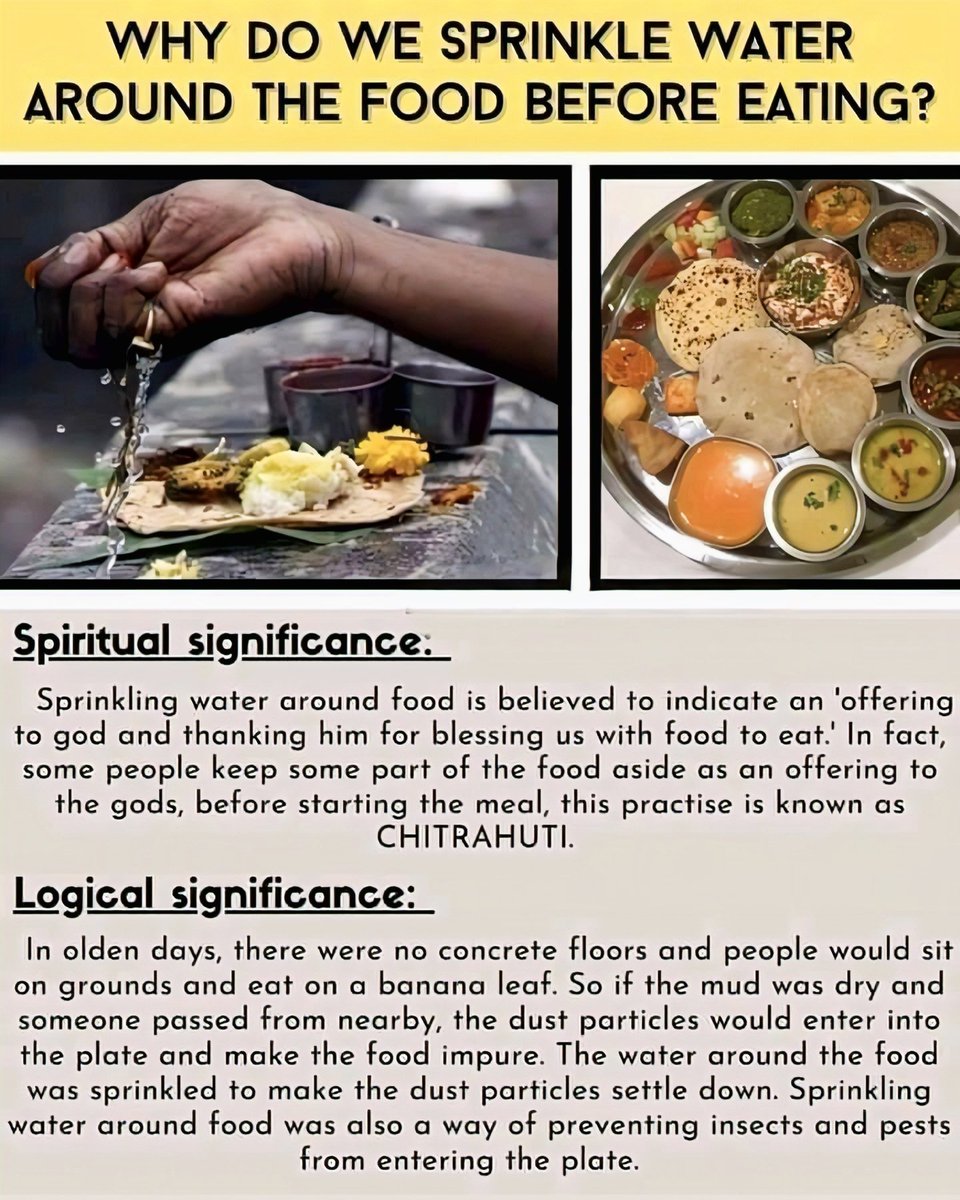
๐ŸงตThread: Why do we sprinkle water around food before eating?

A practice still seen in traditional Indian homes & temples. Many think itโ€™s just a ritual, but the truth is deeper both spiritual & scientific.๐Ÿ‘‡ Image
1๏ธโƒฃ Spiritual Significance
Sprinkling water around food is an offering to the Divine.
It expresses gratitude for the meal & invokes purity before eating.

This act is called Chitrahuti โ€“ dedicating food first to God before we consume it. ๐Ÿ™
2๏ธโƒฃ Logical Significance
In ancient India, people sat on the ground & ate on banana leaves.

Sprinkling water around food:
โœ”๏ธ Settled dust in the air
โœ”๏ธ Prevented impurities from entering
โœ”๏ธ Kept insects & pests away

A perfect blend of hygiene & tradition! โœ…
Read 7 tweets

Did Thread Reader help you today?

Support us! We are indie developers!


This site is made by just two indie developers on a laptop doing marketing, support and development! Read more about the story.

Become a Premium Member ($3/month or $30/year) and get exclusive features!

Become Premium

Don't want to be a Premium member but still want to support us?

Make a small donation by buying us coffee ($5) or help with server cost ($10)

Donate via Paypal

Or Donate anonymously using crypto!

Ethereum

0xfe58350B80634f60Fa6Dc149a72b4DFbc17D341E copy

Bitcoin

3ATGMxNzCUFzxpMCHL5sWSt4DVtS8UqXpi copy

Thank you for your support!

Follow Us!

:(