Your calves are your “second heart”—neglect them, and the result can be deadly.
Doctors warn that weak calf muscles cause stagnant blood flow, fueling clots, deep vein thrombosis, and even fatal pulmonary embolisms.
Every step you don’t take forces your veins to fight gravity alone, raising the silent danger inside your body.
And the one-minute fix that protects this hidden heart? Almost no one is doing it.
🧵 THREAD
Doctors warn that weak calf muscles cause stagnant blood flow, fueling clots, deep vein thrombosis, and even fatal pulmonary embolisms.
Every step you don’t take forces your veins to fight gravity alone, raising the silent danger inside your body.
And the one-minute fix that protects this hidden heart? Almost no one is doing it.
🧵 THREAD
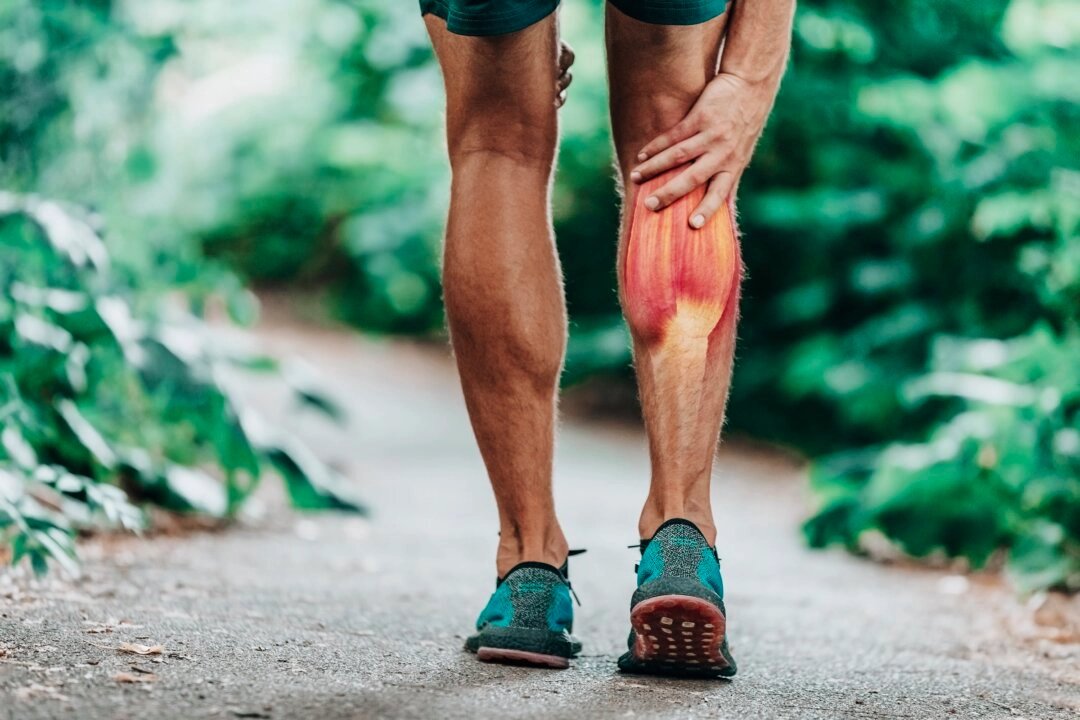
When we think of the cardiovascular system, the heart usually gets the credit for keeping the blood running through the 60,000 miles of vessels in the body.
However, behind the scenes, our calf muscles are also constantly contracting to return our blood flow upward, working against gravity, leading some experts to label the calf pump our “second heart.”
However, behind the scenes, our calf muscles are also constantly contracting to return our blood flow upward, working against gravity, leading some experts to label the calf pump our “second heart.”
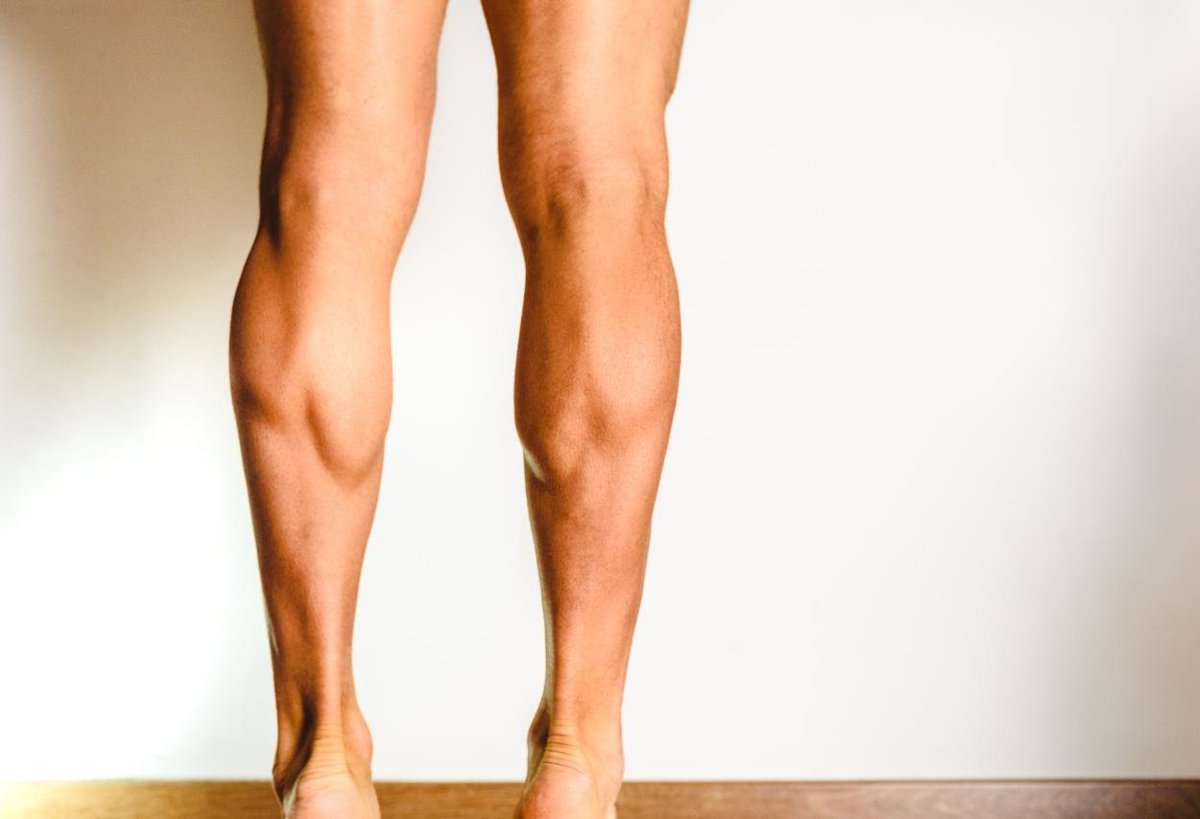
If you are not using your calf muscles, your heart and vascular system may suffer.
Reduced calf muscle pump function is a risk factor for blood clotting in the veins, which can lead to serious complications, including deep vein thrombosis and pulmonary embolism, according to a 2021 study published in the American Society of Hematology.
Dr. Sonja Stiller, a double board-certified physician and founder of the Center for Advanced Vein Care in Mentor, Ohio, described using the “second heart” metaphor for the calf muscles as a light-bulb moment for many of her patients in her quest to get them to “just move.”
Reduced calf muscle pump function is a risk factor for blood clotting in the veins, which can lead to serious complications, including deep vein thrombosis and pulmonary embolism, according to a 2021 study published in the American Society of Hematology.
Dr. Sonja Stiller, a double board-certified physician and founder of the Center for Advanced Vein Care in Mentor, Ohio, described using the “second heart” metaphor for the calf muscles as a light-bulb moment for many of her patients in her quest to get them to “just move.”
A little about us: We’re a team of journalists and researchers on a mission to give you REAL and honest information about your health.
Side effects of reading our posts may include: critical thinking.
Follow us for more daily threads—backed by hard data.
—> @EpochHealth
Side effects of reading our posts may include: critical thinking.
Follow us for more daily threads—backed by hard data.
—> @EpochHealth
Working Against Gravity
Your heart can pump a lot of blood down into your legs but can struggle to return it.
The leg veins have to move the blood, complete with metabolic waste products, back toward the vital organs so that it can be filtered by the liver and kidneys, according to Stiller.
“It’s going to move against gravity, and nothing travels against gravity without help. The first thing we need is a pump, and that’s what your calf muscle is—it literally is that second heart, because it is the thing that propels the blood upwards,” she said.
The soleus and the gastrocnemius are the major calf muscles, with the soleus particularly effective in keeping the blood pumping over time. That is why activating the calves is an important strategy to support cardiovascular health.
“The calf muscle helps maintain the flow. When the flow decreases because of gravity—then we get stagnant, and stagnant flow is a risk factor by itself for blood clotting,” Stiller said.
Your heart can pump a lot of blood down into your legs but can struggle to return it.
The leg veins have to move the blood, complete with metabolic waste products, back toward the vital organs so that it can be filtered by the liver and kidneys, according to Stiller.
“It’s going to move against gravity, and nothing travels against gravity without help. The first thing we need is a pump, and that’s what your calf muscle is—it literally is that second heart, because it is the thing that propels the blood upwards,” she said.
The soleus and the gastrocnemius are the major calf muscles, with the soleus particularly effective in keeping the blood pumping over time. That is why activating the calves is an important strategy to support cardiovascular health.
“The calf muscle helps maintain the flow. When the flow decreases because of gravity—then we get stagnant, and stagnant flow is a risk factor by itself for blood clotting,” Stiller said.
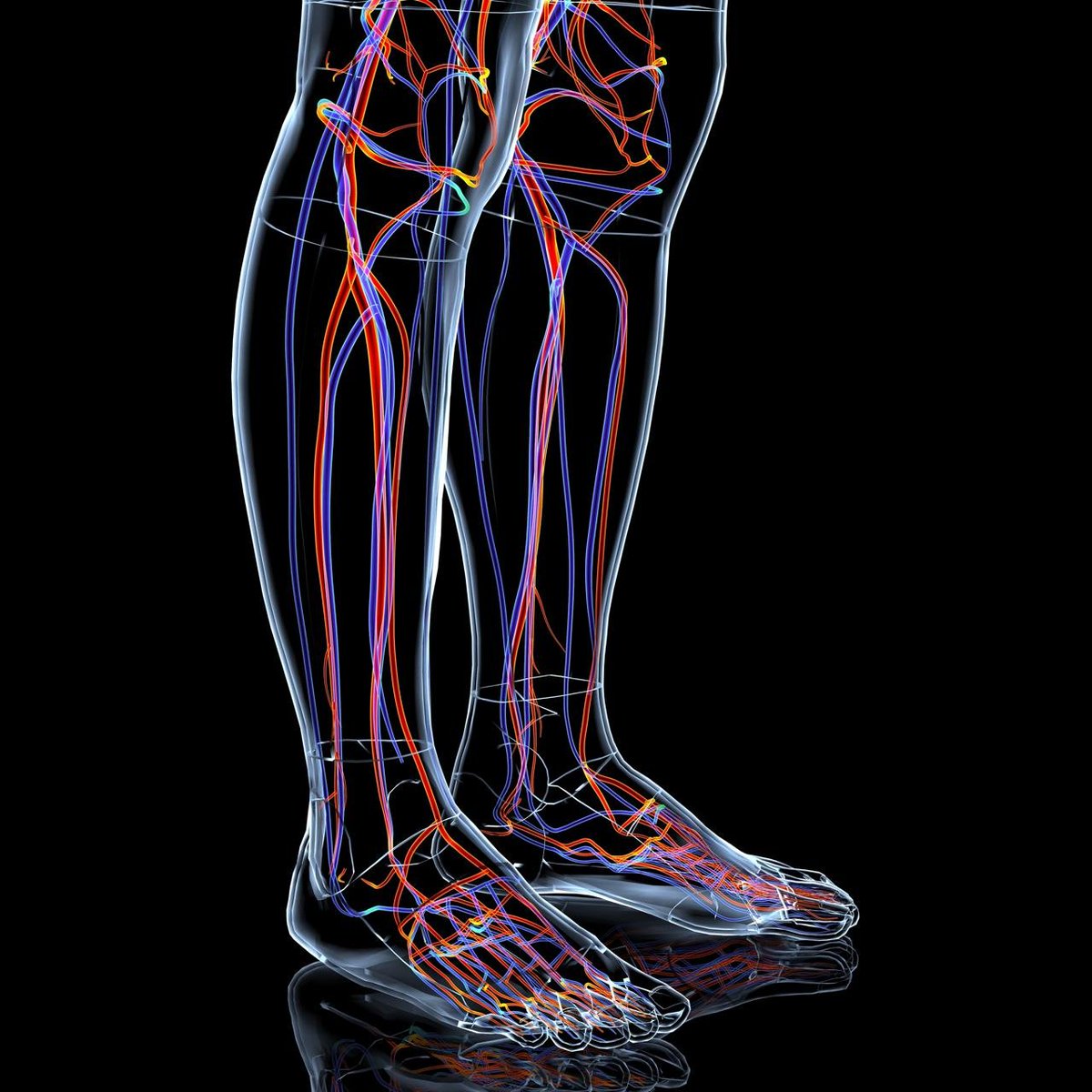
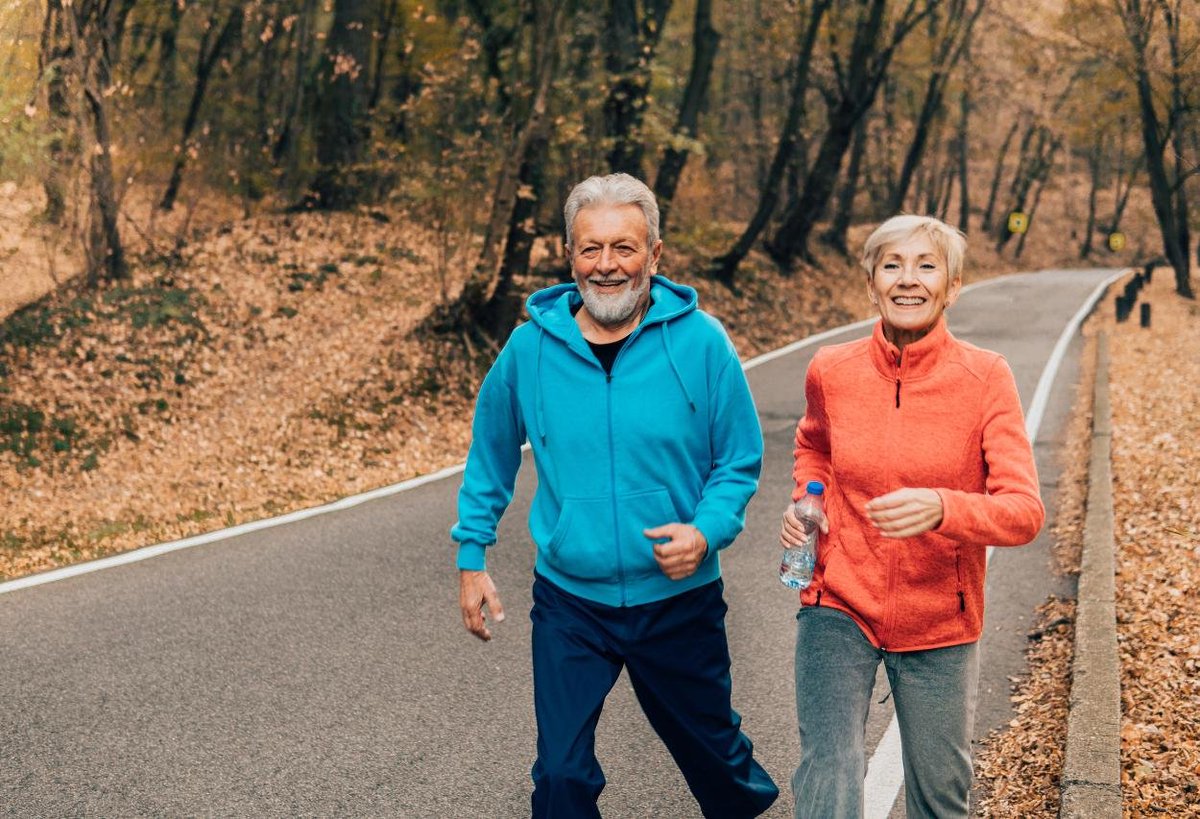
To ward off problems with the circulatory system, any kind of exercise works well—including walking short distances regularly throughout the day, she said.
theepochtimes.com/health/how-to-…
theepochtimes.com/health/how-to-…
“We were physically made to walk. I mean—that’s how we’re supposed to get around,” Stiller said.
However, once problems occur, you have to meet people where they are—it may not be possible for everyone to reach the often-recommended magic number of 10,000 steps a day, but half that number may still be of real benefit to people who have health issues, she said.
Those most at risk of venous problems include older people—partly because they tend to move less—but also because the blood flow against gravity inevitably takes its toll over time. Pregnant women and anyone who can’t move well, such as those recovering from operations, are also at risk.
However, once problems occur, you have to meet people where they are—it may not be possible for everyone to reach the often-recommended magic number of 10,000 steps a day, but half that number may still be of real benefit to people who have health issues, she said.
Those most at risk of venous problems include older people—partly because they tend to move less—but also because the blood flow against gravity inevitably takes its toll over time. Pregnant women and anyone who can’t move well, such as those recovering from operations, are also at risk.
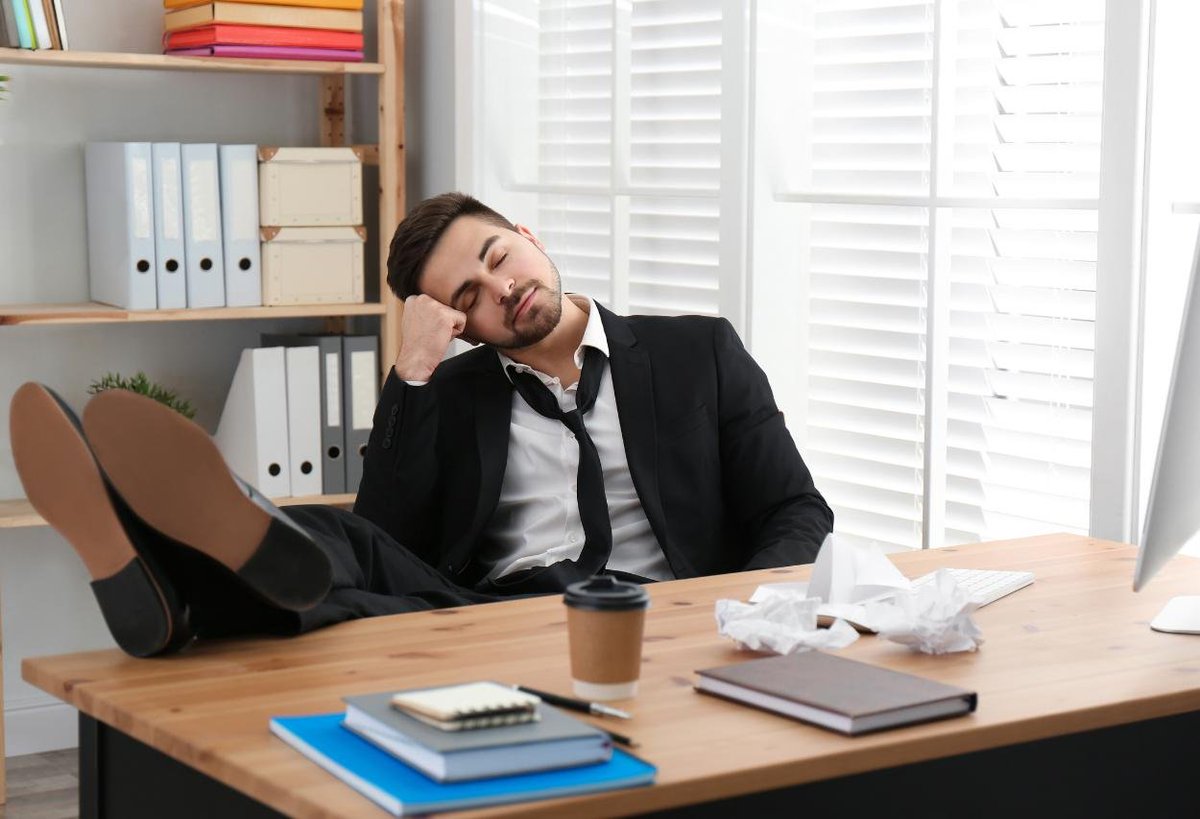
A sedentary lifestyle with long periods of sitting will inevitably weaken the calf pump over time, while obesity is also a risk factor in venous health because of the increased inflammation it causes in the legs.
While some experts believe that there is a strong hereditary predisposition toward blood clots, Stiller said that there may be a “social hereditary” explanation, because children will often grow up to have a similar lifestyle to their parents.
“They’ve never identified any genes, or groups of genes, that raise your risk of blood clots,” she said.
While some experts believe that there is a strong hereditary predisposition toward blood clots, Stiller said that there may be a “social hereditary” explanation, because children will often grow up to have a similar lifestyle to their parents.
“They’ve never identified any genes, or groups of genes, that raise your risk of blood clots,” she said.
Signs and Symptoms
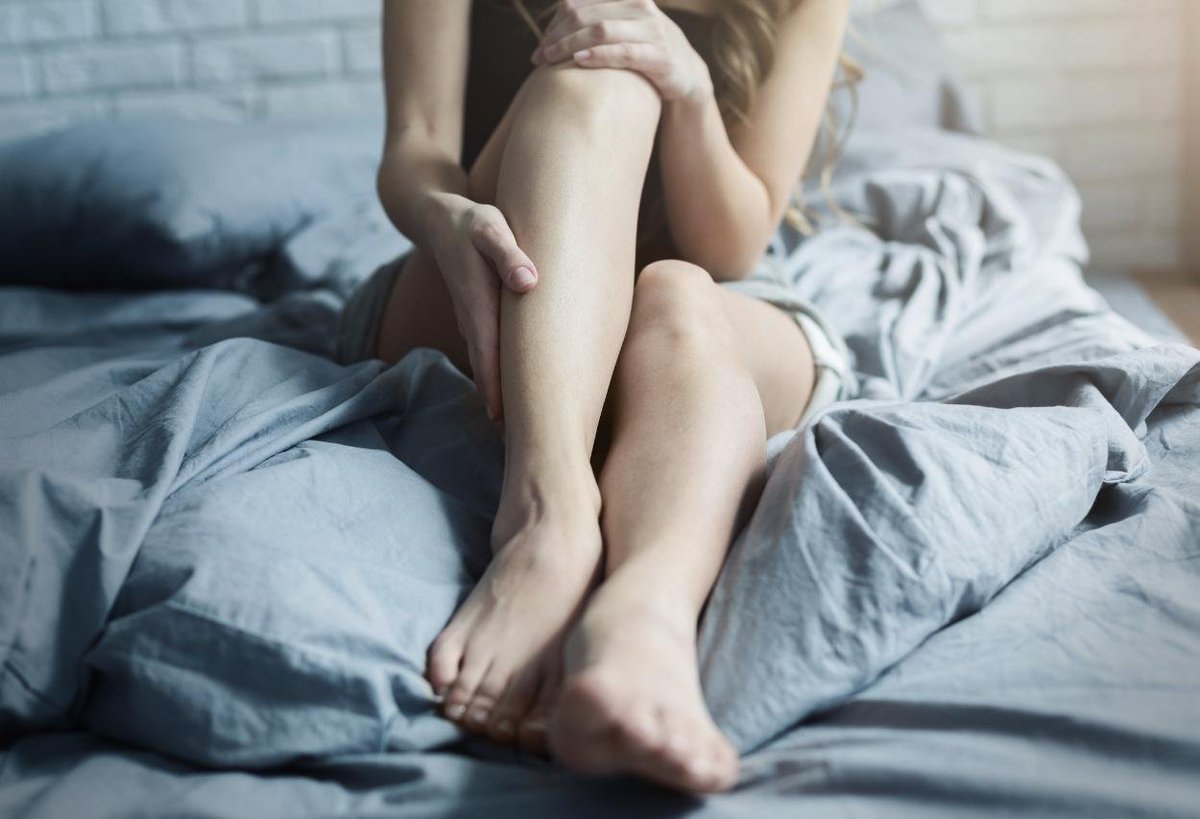
The most common signs that someone may have issues with their venous health include a feeling of heaviness and tiredness in their legs at the end of the day.
While people often consider this due to daily activity, it may be caused by a build-up of lactic acid in the veins when the blood isn’t being transported up and away from the lower legs properly.
The most common signs that someone may have issues with their venous health include a feeling of heaviness and tiredness in their legs at the end of the day.
While people often consider this due to daily activity, it may be caused by a build-up of lactic acid in the veins when the blood isn’t being transported up and away from the lower legs properly.
Medical-grade compression garments can significantly benefit those with conditions such as varicose veins, but as a preventive measure, the one exercise that can really help is standing calf raises, Stiller said.
“If I’m standing in line at a coffee shop and I’m doing calf raises,” she said, “people will ask if I’m about to go running or something, because they think it’s just a stretch, and I'll just smile and say, ‘No, I’m just taking care of my heart.’ They just look at me, and I continue [doing calf raises]. But in reality, if everybody did that, it would make a world of difference for their venous health.”
“If I’m standing in line at a coffee shop and I’m doing calf raises,” she said, “people will ask if I’m about to go running or something, because they think it’s just a stretch, and I'll just smile and say, ‘No, I’m just taking care of my heart.’ They just look at me, and I continue [doing calf raises]. But in reality, if everybody did that, it would make a world of difference for their venous health.”
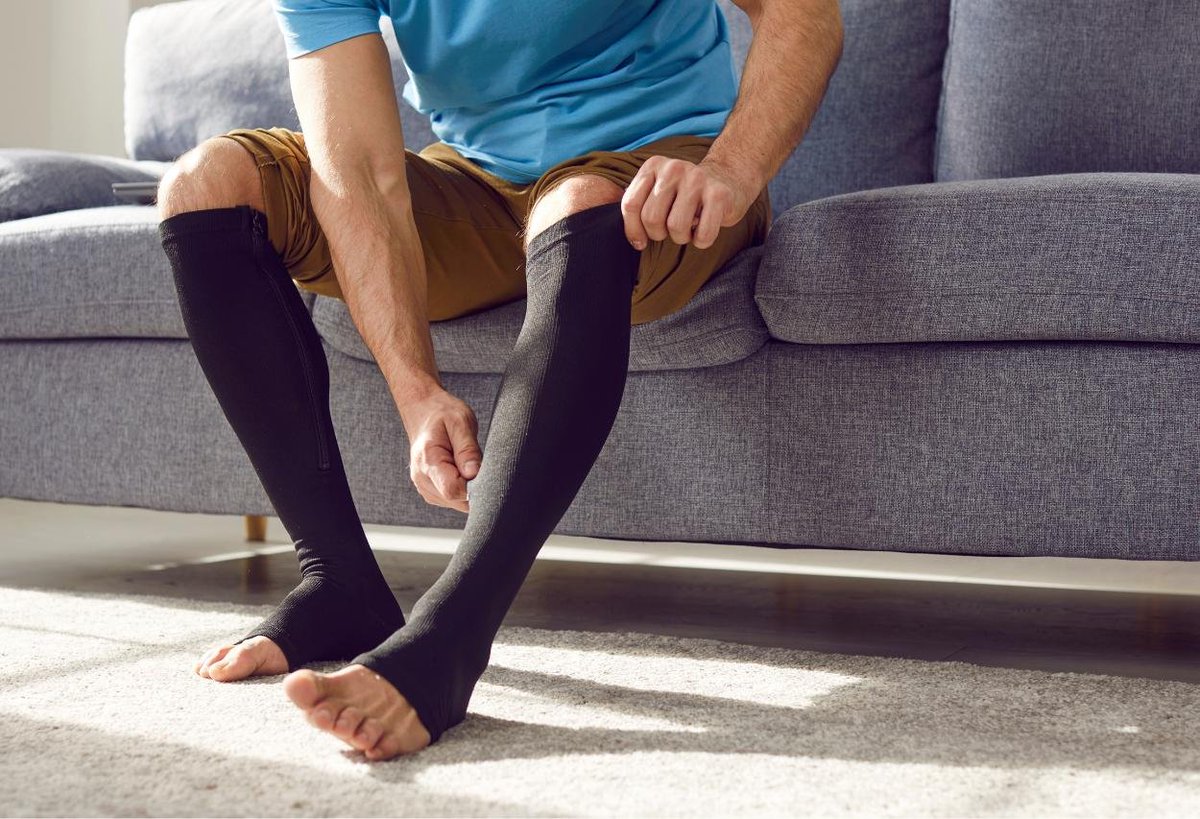
While we are frequently advised to take care of our hearts, the importance of looking after the calf muscles is not always addressed in public health messaging, despite the risks of not doing so. Leg strength has been linked to better cognitive health, balance, and more.
Problems with the venous return system are common as we age, with studies suggesting that between 30 percent and 55 percent of those older than 50 are affected—including President Donald Trump, who was recently diagnosed with chronic venous insufficiency.
In this condition, the leg veins cannot properly carry blood back to the heart, leading to pooling in the lower extremities, which can cause swelling, pain, cramps, skin discoloration, varicose veins, and, in the most severe cases, leg ulcers.
Problems with the venous return system are common as we age, with studies suggesting that between 30 percent and 55 percent of those older than 50 are affected—including President Donald Trump, who was recently diagnosed with chronic venous insufficiency.
In this condition, the leg veins cannot properly carry blood back to the heart, leading to pooling in the lower extremities, which can cause swelling, pain, cramps, skin discoloration, varicose veins, and, in the most severe cases, leg ulcers.

Little and Frequent Movement
Erik Peper of San Francisco State University, a leading researcher in biofeedback and holistic health and author of the 2021 research article, “Reactivate Your Second Heart,” said the importance of frequent movement to keep the calf muscles—and indeed the whole body—healthy.
“If you have people do many practices during the day, even short bursts, that is more overall beneficial for your health than going to the gym for an hour at the end of the day,” Peper told The Epoch Times.
“We all think we’re supposed to do exercise, but it’s much better every half an hour to do some movements—to get up. When we were hunting and gathering people, we didn’t sit the whole day.”
His work references the phenomenon of “sitting disease,”—not an officially recognized medical term, but an informal catch-all to describe the adverse health effects of prolonged sitting or sedentary behavior.
Peper pointed to a 2019 meta-analysis, mining more than 440,000 cases, which found that when it comes to the risk of cardiovascular disease and diabetes, it is not how much exercise we do that matters as much as how long we sit without moving.
Peper’s research focuses on how people can stay healthy in spite of modern life and technology, which works against the natural human condition to make us less physically active.
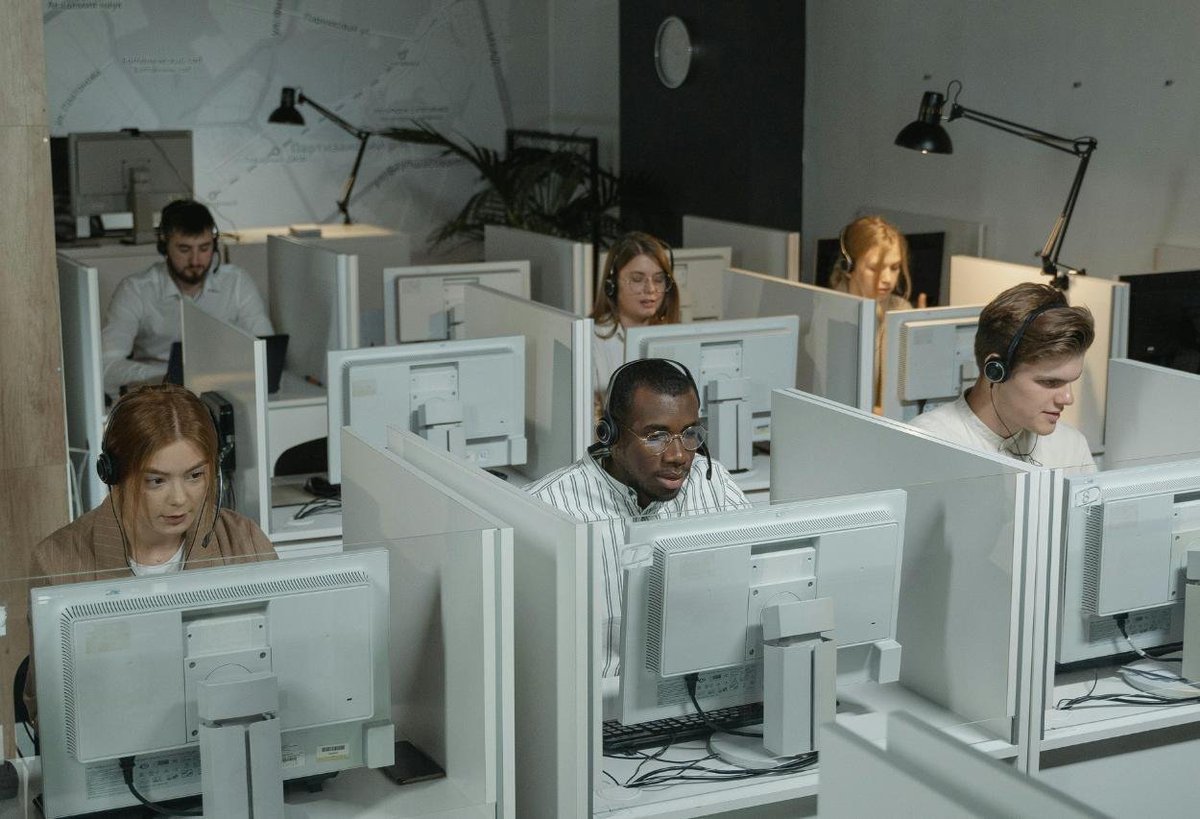
Sedentary behavior has significantly increased since the COVID-19 lockdown era, when working from home, online shopping, and ordering in food became endemic.
Erik Peper of San Francisco State University, a leading researcher in biofeedback and holistic health and author of the 2021 research article, “Reactivate Your Second Heart,” said the importance of frequent movement to keep the calf muscles—and indeed the whole body—healthy.
“If you have people do many practices during the day, even short bursts, that is more overall beneficial for your health than going to the gym for an hour at the end of the day,” Peper told The Epoch Times.
“We all think we’re supposed to do exercise, but it’s much better every half an hour to do some movements—to get up. When we were hunting and gathering people, we didn’t sit the whole day.”
His work references the phenomenon of “sitting disease,”—not an officially recognized medical term, but an informal catch-all to describe the adverse health effects of prolonged sitting or sedentary behavior.
Peper pointed to a 2019 meta-analysis, mining more than 440,000 cases, which found that when it comes to the risk of cardiovascular disease and diabetes, it is not how much exercise we do that matters as much as how long we sit without moving.
Peper’s research focuses on how people can stay healthy in spite of modern life and technology, which works against the natural human condition to make us less physically active.
Sedentary behavior has significantly increased since the COVID-19 lockdown era, when working from home, online shopping, and ordering in food became endemic.
Exercises and Adaptations
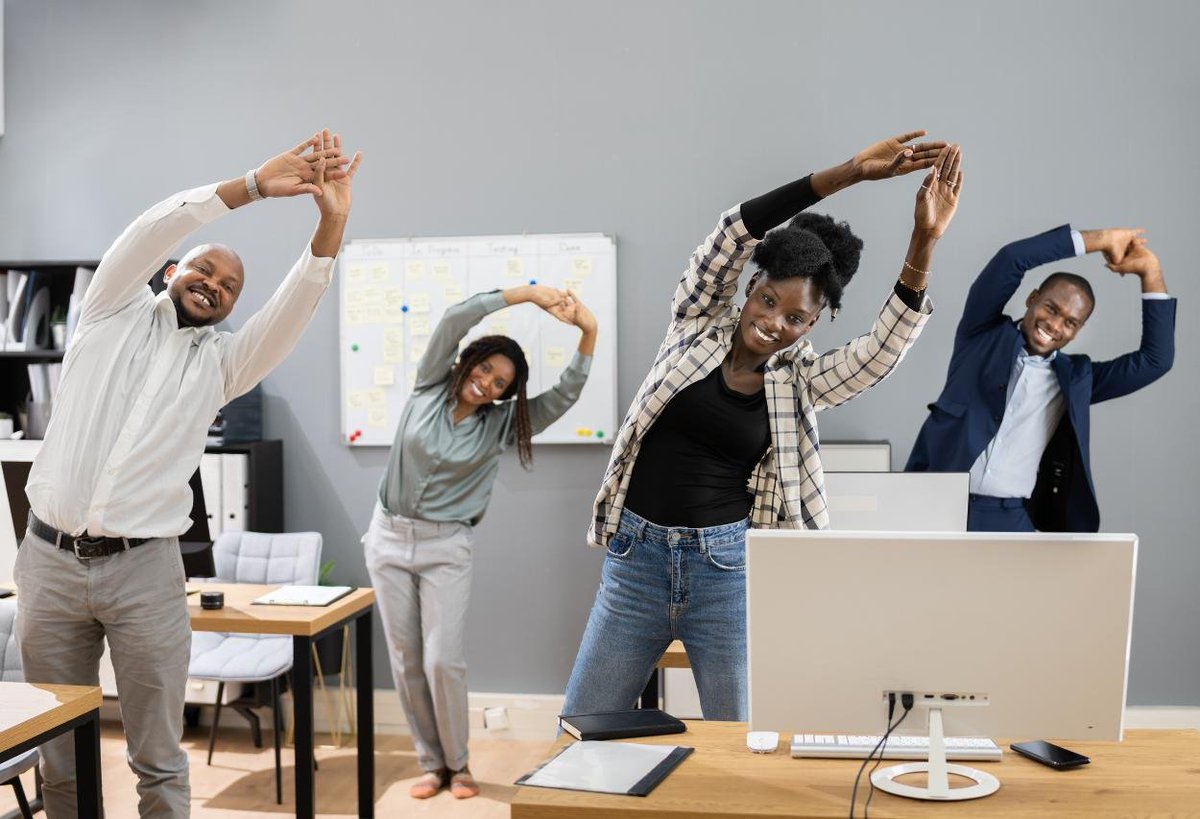
Like Stiller, Peper is a fan of getting up and doing calf raises or skipping in place to activate the blood flow. If people prefer to remain seated—perhaps feeling too self-conscious to leap and bound in front of colleagues—he suggested ankle circles and flexes as well as stretching the arms upwards while engaging the calf muscles.
Office workers should make simple adaptations to fit movement into their day, such as walking meetings and experimenting with a standing desk, he said. However, he said that ergonomics is not enough to prevent health problems—indeed, more comfortable chairs can have the opposite effect by encouraging people to sit for longer. Installing free programs onto your computers to remind you to get up and move every 30 minutes or so is something he finds useful in his daily routine.
“The way we’re working now, especially [if] we are sitting in front of our computers all day, there is no process to get us up, and we don’t usually know that we’re getting exhausted, till it’s too late. So you almost have to choreograph movement—you’ve got to build it in—like a ritual,” Peper said.
Like Stiller, Peper is a fan of getting up and doing calf raises or skipping in place to activate the blood flow. If people prefer to remain seated—perhaps feeling too self-conscious to leap and bound in front of colleagues—he suggested ankle circles and flexes as well as stretching the arms upwards while engaging the calf muscles.
Office workers should make simple adaptations to fit movement into their day, such as walking meetings and experimenting with a standing desk, he said. However, he said that ergonomics is not enough to prevent health problems—indeed, more comfortable chairs can have the opposite effect by encouraging people to sit for longer. Installing free programs onto your computers to remind you to get up and move every 30 minutes or so is something he finds useful in his daily routine.
“The way we’re working now, especially [if] we are sitting in front of our computers all day, there is no process to get us up, and we don’t usually know that we’re getting exhausted, till it’s too late. So you almost have to choreograph movement—you’ve got to build it in—like a ritual,” Peper said.
Thanks for reading! If you found this valuable, here's a special deal:
Unlock our ENTIRE library of @EpochHealth articles for just $1/week—plus unlimited access to everything else on our site.
Claim it here:
on.theepochtimes.com/vfox/health?ut…
Unlock our ENTIRE library of @EpochHealth articles for just $1/week—plus unlimited access to everything else on our site.
Claim it here:
on.theepochtimes.com/vfox/health?ut…

• • •
Missing some Tweet in this thread? You can try to
force a refresh