Charlie Kirk: Faith, Courage, and a Movement That Outlived Its Founder. A thread. 🧵
1) Early life and family background
Charlie Kirk (1993–2025) was born in Arlington Heights, Illinois, and raised in Prospect Heights, outside Chicago. His father, Robert, was an architect who worked on major projects in the city; his mother, Kimberly, moved from finance into counseling. Raised Presbyterian, Charlie earned the rank of Eagle Scout, volunteered for Illinois Sen. Mark Kirk’s campaign during high school, and got his first taste of media with a Fox Business appearance after writing about bias in textbooks. Rejected by West Point in 2012, he briefly attended Harper College, then left to pursue activism full time—meeting retiree Bill Montgomery, who became his mentor and co-founded Turning Point USA with him that same year. Follow 🧵
1) Early life and family background
Charlie Kirk (1993–2025) was born in Arlington Heights, Illinois, and raised in Prospect Heights, outside Chicago. His father, Robert, was an architect who worked on major projects in the city; his mother, Kimberly, moved from finance into counseling. Raised Presbyterian, Charlie earned the rank of Eagle Scout, volunteered for Illinois Sen. Mark Kirk’s campaign during high school, and got his first taste of media with a Fox Business appearance after writing about bias in textbooks. Rejected by West Point in 2012, he briefly attended Harper College, then left to pursue activism full time—meeting retiree Bill Montgomery, who became his mentor and co-founded Turning Point USA with him that same year. Follow 🧵

2) Early involvement in politics—and why
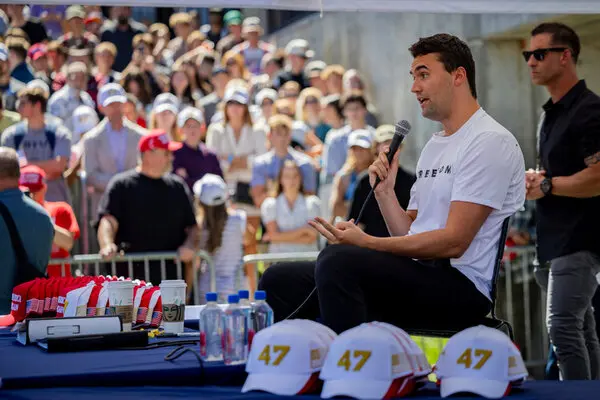
From the start, Kirk’s motivation was blunt and simple: if the Left had the cultural high ground on campus, the Right needed a grassroots counter-infrastructure. Turning Point USA (TPUSA) grew from a folding table and hand-to-hand organizing into a nationwide network devoted to free markets, limited government, and constitutional liberties—what he liked to call “the American formula.” He did it not by hiding from debate, but by inviting it: the “Prove Me Wrong” open-mic confrontations became his signature, drawing students who’d never before met a conservative willing to listen, argue, and shake hands after. (Even hostile outlets concede this is how he built the brand; friendly ones say he made it look fun.) In short: he put the Right physically back on campus sidewalks and plazas—then kept showing up.
From the start, Kirk’s motivation was blunt and simple: if the Left had the cultural high ground on campus, the Right needed a grassroots counter-infrastructure. Turning Point USA (TPUSA) grew from a folding table and hand-to-hand organizing into a nationwide network devoted to free markets, limited government, and constitutional liberties—what he liked to call “the American formula.” He did it not by hiding from debate, but by inviting it: the “Prove Me Wrong” open-mic confrontations became his signature, drawing students who’d never before met a conservative willing to listen, argue, and shake hands after. (Even hostile outlets concede this is how he built the brand; friendly ones say he made it look fun.) In short: he put the Right physically back on campus sidewalks and plazas—then kept showing up.

3) The people who inspired him
Kirk’s pantheon was unapologetically conservative and Christian: William F. Buckley Jr. as the model of irreverent, ideas-first campus guerrilla; Ronald Reagan for optimism and moral clarity; Donald Trump for populist energy and willingness to fight back; mentors like Bill Montgomery and donors such as Foster Friess who bet on a teenager’s vision; and modern allies ranging from student leaders to media figures who helped amplify his message. In public tributes after his death, figures across the conservative world credited Kirk with “awakening” a new generation and narrowing the youth vote gap in 2024. Vice President JD Vance—who called him a friend—framed hosting The Charlie Kirk Show as a living tribute to the organizer who turned bleachers full of skeptics into volunteers.
Kirk’s pantheon was unapologetically conservative and Christian: William F. Buckley Jr. as the model of irreverent, ideas-first campus guerrilla; Ronald Reagan for optimism and moral clarity; Donald Trump for populist energy and willingness to fight back; mentors like Bill Montgomery and donors such as Foster Friess who bet on a teenager’s vision; and modern allies ranging from student leaders to media figures who helped amplify his message. In public tributes after his death, figures across the conservative world credited Kirk with “awakening” a new generation and narrowing the youth vote gap in 2024. Vice President JD Vance—who called him a friend—framed hosting The Charlie Kirk Show as a living tribute to the organizer who turned bleachers full of skeptics into volunteers.
4) The soft touch—and the sense of dialogue behind the fire
To critics he was a pugilist; to the students who lined up at those tables he was a conversationalist with discipline. The format mattered: he asked people to define terms, restated opposing points fairly, and then made the conservative case without apology—often closing with “appreciate the dialogue.” This was the secret sauce: millions watched precisely because it wasn’t a curated safe space. He believed persuasion required proximity and that civility didn’t mean surrender. Even outlets hostile to his politics acknowledged that his on-campus presence changed the youth landscape; friendly outlets called it a cultural battlefield he refused to abandon.
To critics he was a pugilist; to the students who lined up at those tables he was a conversationalist with discipline. The format mattered: he asked people to define terms, restated opposing points fairly, and then made the conservative case without apology—often closing with “appreciate the dialogue.” This was the secret sauce: millions watched precisely because it wasn’t a curated safe space. He believed persuasion required proximity and that civility didn’t mean surrender. Even outlets hostile to his politics acknowledged that his on-campus presence changed the youth landscape; friendly outlets called it a cultural battlefield he refused to abandon.
5) A climate poisoned by anti-conservative lies and division—what the Right argues led to his murder
The facts that law enforcement has released so far are stark: a 22-year-old suspect is in custody; authorities say the man isn’t cooperating; inscriptions on recovered casings reportedly referenced anti-fascist rhetoric and meme culture. Utah’s governor says investigators are still assessing motive and has urged calm, while many conservatives have already drawn a larger lesson about the climate of dehumanization that targets Christians and the Right. Conservative commentators lay blame at the ecosystem of “equity” radicalism (DEI), gender-ideology absolutism, and years of contempt for traditional faith—arguing that since the Obama years, elite institutions framed conservative speech as violence and, step by step, made actual violence feel thinkable to extremists. That is the conservative reading of the moment; it deserves to be presented as such while noting that police have not issued a final motive.
The facts that law enforcement has released so far are stark: a 22-year-old suspect is in custody; authorities say the man isn’t cooperating; inscriptions on recovered casings reportedly referenced anti-fascist rhetoric and meme culture. Utah’s governor says investigators are still assessing motive and has urged calm, while many conservatives have already drawn a larger lesson about the climate of dehumanization that targets Christians and the Right. Conservative commentators lay blame at the ecosystem of “equity” radicalism (DEI), gender-ideology absolutism, and years of contempt for traditional faith—arguing that since the Obama years, elite institutions framed conservative speech as violence and, step by step, made actual violence feel thinkable to extremists. That is the conservative reading of the moment; it deserves to be presented as such while noting that police have not issued a final motive.
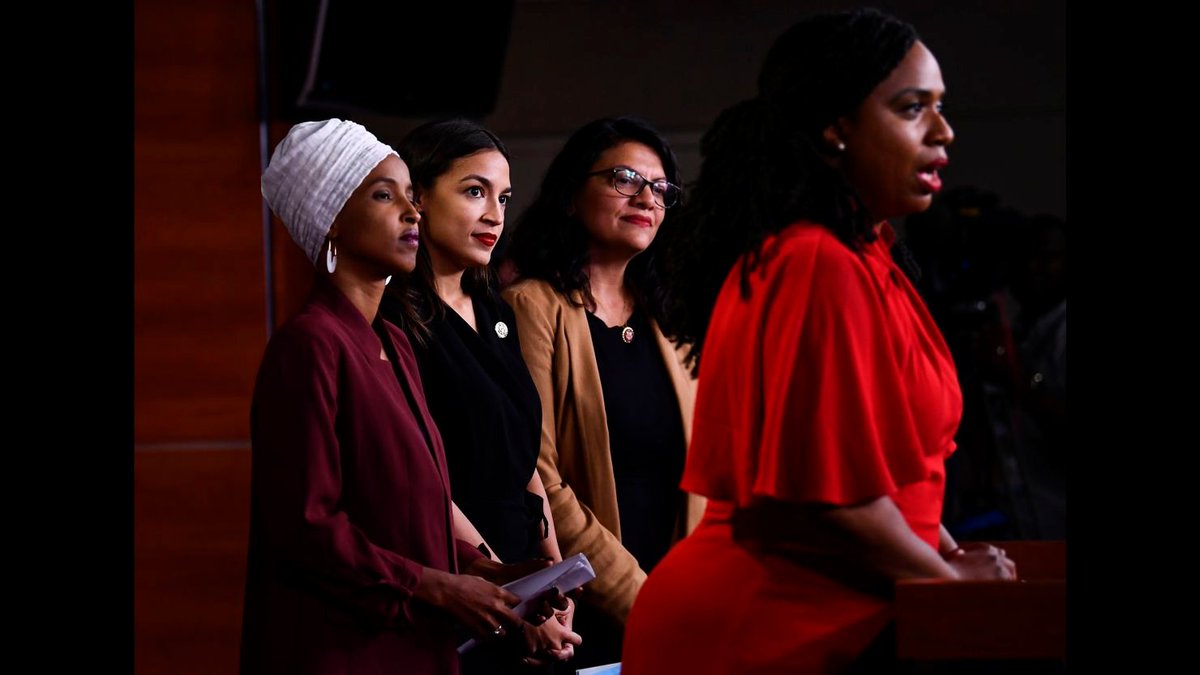
In this interpretation, Kirk’s assassination is not an isolated crime but the consequence of a culture that labels dissent “harm” and treats believers as bigots to be stamped out. Editorials and on-air tributes from conservative media frame his death as a tipping point: if a man who stands in public and says “let’s talk” becomes a legitimate target, then the American experiment in ordered liberty is itself at risk.
6) Why Israel mattered to his Christian faith—and why he is mourned as a hero in Israel
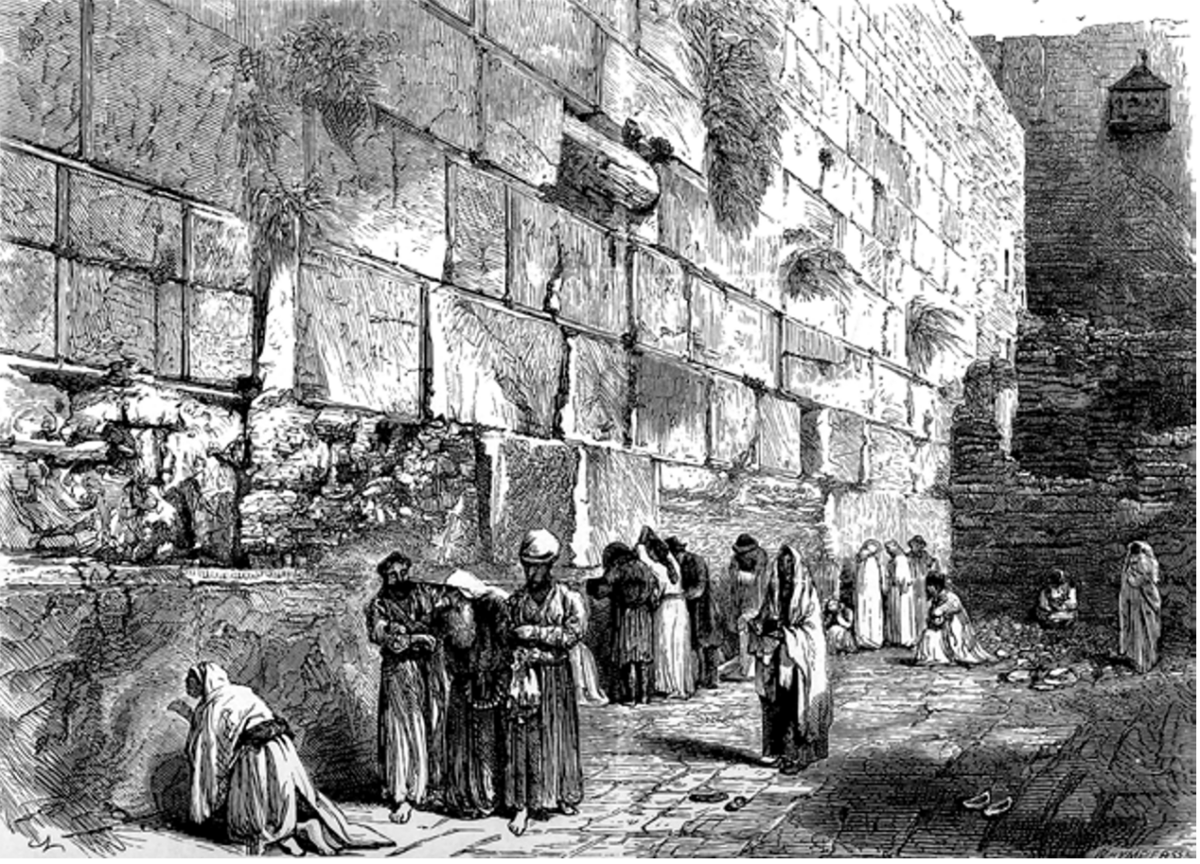
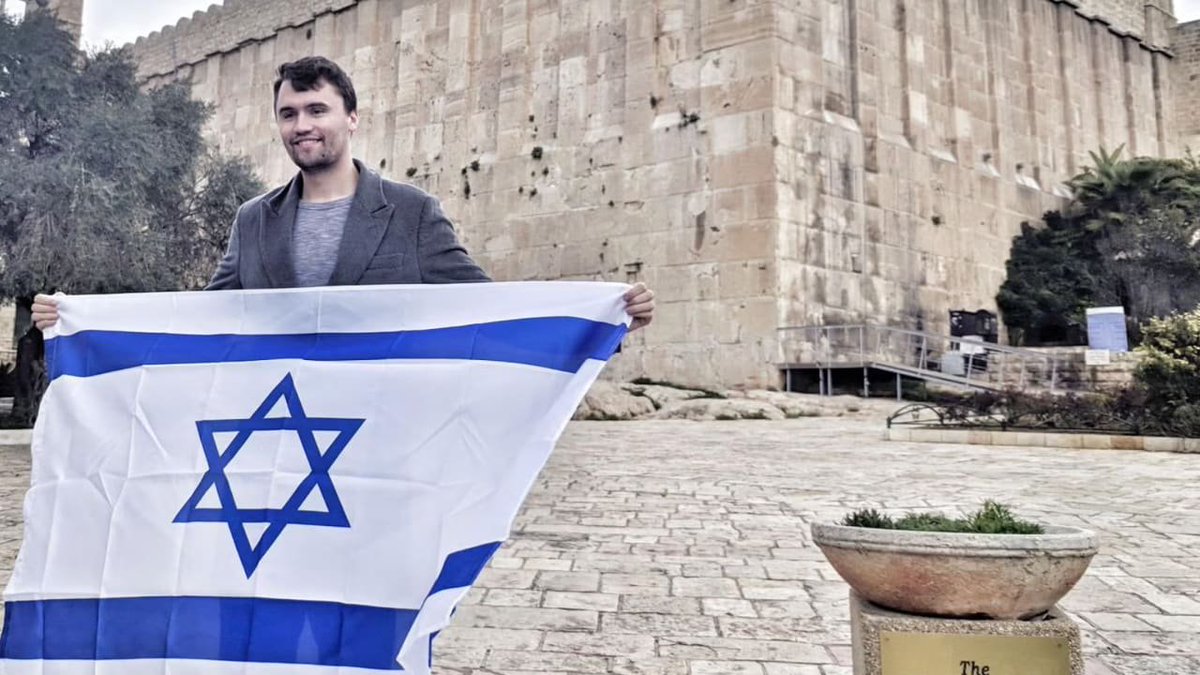
Kirk’s love of Israel was not a policy afterthought; it was a spiritual anchor. He said visiting the Land—seeing Scripture in stone and soil—“made the Bible pop into reality.” He argued that supporting Israel was a Christian duty rooted in covenant, history, and gratitude for the Jewish moral tradition that shaped the West. He condemned Hamas’ barbarism, defended Israel’s right of self-defense, and rallied pro-Israel students in the face of antisemitic campus mobs. After his death, Israeli leaders and pro-Israel voices on the American Right praised him as a steadfast ally and a “lion-hearted friend of Israel.” Even in news segments not aligned with his worldview, the through-line of his Israel advocacy is unmistakable; in conservative media—and in statements from Israeli officials—he was honored as a man who stood fast when it counted. Fox News+2Newsmax+2
That reverence has come with concrete gestures. Conservative reports note that memorials and tributes in Israel and the U.S. emphasize his Judeo-Christian vocabulary and his insistence that biblical truth belongs in the public square. Public praise from Prime Minister Benjamin Netanyahu and other Israeli figures has been explicit about Kirk’s role in defending Israel’s legitimacy in hostile forums—a defense that demanded both courage and intellectual stamina.
Kirk’s love of Israel was not a policy afterthought; it was a spiritual anchor. He said visiting the Land—seeing Scripture in stone and soil—“made the Bible pop into reality.” He argued that supporting Israel was a Christian duty rooted in covenant, history, and gratitude for the Jewish moral tradition that shaped the West. He condemned Hamas’ barbarism, defended Israel’s right of self-defense, and rallied pro-Israel students in the face of antisemitic campus mobs. After his death, Israeli leaders and pro-Israel voices on the American Right praised him as a steadfast ally and a “lion-hearted friend of Israel.” Even in news segments not aligned with his worldview, the through-line of his Israel advocacy is unmistakable; in conservative media—and in statements from Israeli officials—he was honored as a man who stood fast when it counted. Fox News+2Newsmax+2
That reverence has come with concrete gestures. Conservative reports note that memorials and tributes in Israel and the U.S. emphasize his Judeo-Christian vocabulary and his insistence that biblical truth belongs in the public square. Public praise from Prime Minister Benjamin Netanyahu and other Israeli figures has been explicit about Kirk’s role in defending Israel’s legitimacy in hostile forums—a defense that demanded both courage and intellectual stamina.
7) The smear that Israel was responsible—why it’s an absurdity
As always after a political murder, conspiracy entrepreneurs tried to redirect blame. In this case, some pro-Palestinian voices and fringe accounts floated innuendo that Israel or “Zionists” had a hand in Kirk’s assassination. This is an old slander in a new wrapper—and it collapses on contact with public facts: the arrest of a domestic suspect, statements from Utah’s governor, and the ongoing U.S. investigation. Israeli leaders themselves have condemned the killing and mourned Kirk; the narrative that Israel orchestrated it is not just baseless, it’s obscene—weaponizing grief to score ideological points. Coverage across mainstream wires confirms the basic investigatory picture; conservative media has rightly called claims blaming Israel “insane.”
As always after a political murder, conspiracy entrepreneurs tried to redirect blame. In this case, some pro-Palestinian voices and fringe accounts floated innuendo that Israel or “Zionists” had a hand in Kirk’s assassination. This is an old slander in a new wrapper—and it collapses on contact with public facts: the arrest of a domestic suspect, statements from Utah’s governor, and the ongoing U.S. investigation. Israeli leaders themselves have condemned the killing and mourned Kirk; the narrative that Israel orchestrated it is not just baseless, it’s obscene—weaponizing grief to score ideological points. Coverage across mainstream wires confirms the basic investigatory picture; conservative media has rightly called claims blaming Israel “insane.”
The legacy that endures
Charlie Kirk’s legacy cannot be captured by one tent, one debate, or one show. It is measured in the student who hears, perhaps for the first time, that gratitude to God and love of country are not embarrassments; in the alum who leaves a campus more conservative than he entered it because someone held a microphone and said, “Tell me why I’m wrong”; in the young mother who decides public faith isn’t a private vice; in the rabbi or pastor who realizes a 20-year-old can still be reached by argument grounded in Scripture and reason.
From a strictly political perspective, the record speaks loudly: conservatives credit Kirk with narrowing the youth vote gap and helping re-energize a coalition that had looked culturally outgunned. From a spiritual perspective, his own words—on how he wanted to be remembered—were a testimony to Christian faith first, politics second. Those words went viral after his death because they were already the governing principle of his life.
He was polarizing, of course. Anyone who insists that truth exists and can be known will be. But the better part of his legacy is not the controversy—it’s the countless direct encounters where he proved that debate is not hate, that conviction can be civil, and that courage can be cheerful. That’s why, even as some try to dance on his grave, the movement he built is expanding, not shrinking. That is why Israeli and American mourners see the same man: a Christian who loved the Jewish state, a patriot who believed America could still be taught, and a fighter whose first weapon was always his open hand, extended across a table with a handwritten sign that said: Prove me wrong.
Charlie Kirk’s legacy cannot be captured by one tent, one debate, or one show. It is measured in the student who hears, perhaps for the first time, that gratitude to God and love of country are not embarrassments; in the alum who leaves a campus more conservative than he entered it because someone held a microphone and said, “Tell me why I’m wrong”; in the young mother who decides public faith isn’t a private vice; in the rabbi or pastor who realizes a 20-year-old can still be reached by argument grounded in Scripture and reason.
From a strictly political perspective, the record speaks loudly: conservatives credit Kirk with narrowing the youth vote gap and helping re-energize a coalition that had looked culturally outgunned. From a spiritual perspective, his own words—on how he wanted to be remembered—were a testimony to Christian faith first, politics second. Those words went viral after his death because they were already the governing principle of his life.
He was polarizing, of course. Anyone who insists that truth exists and can be known will be. But the better part of his legacy is not the controversy—it’s the countless direct encounters where he proved that debate is not hate, that conviction can be civil, and that courage can be cheerful. That’s why, even as some try to dance on his grave, the movement he built is expanding, not shrinking. That is why Israeli and American mourners see the same man: a Christian who loved the Jewish state, a patriot who believed America could still be taught, and a fighter whose first weapon was always his open hand, extended across a table with a handwritten sign that said: Prove me wrong.
• • •
Missing some Tweet in this thread? You can try to
force a refresh