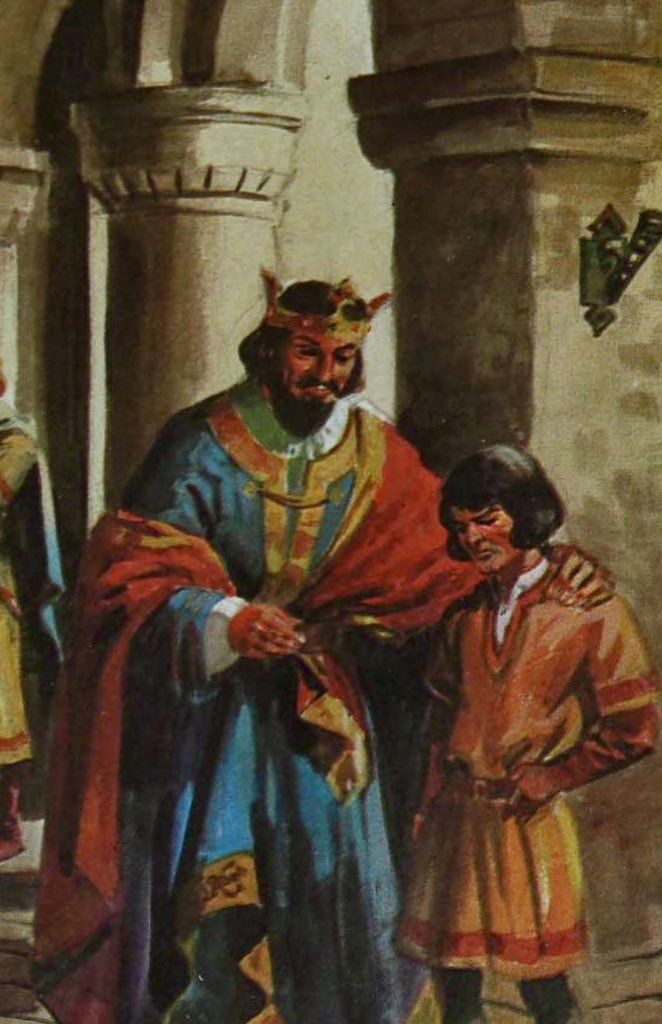
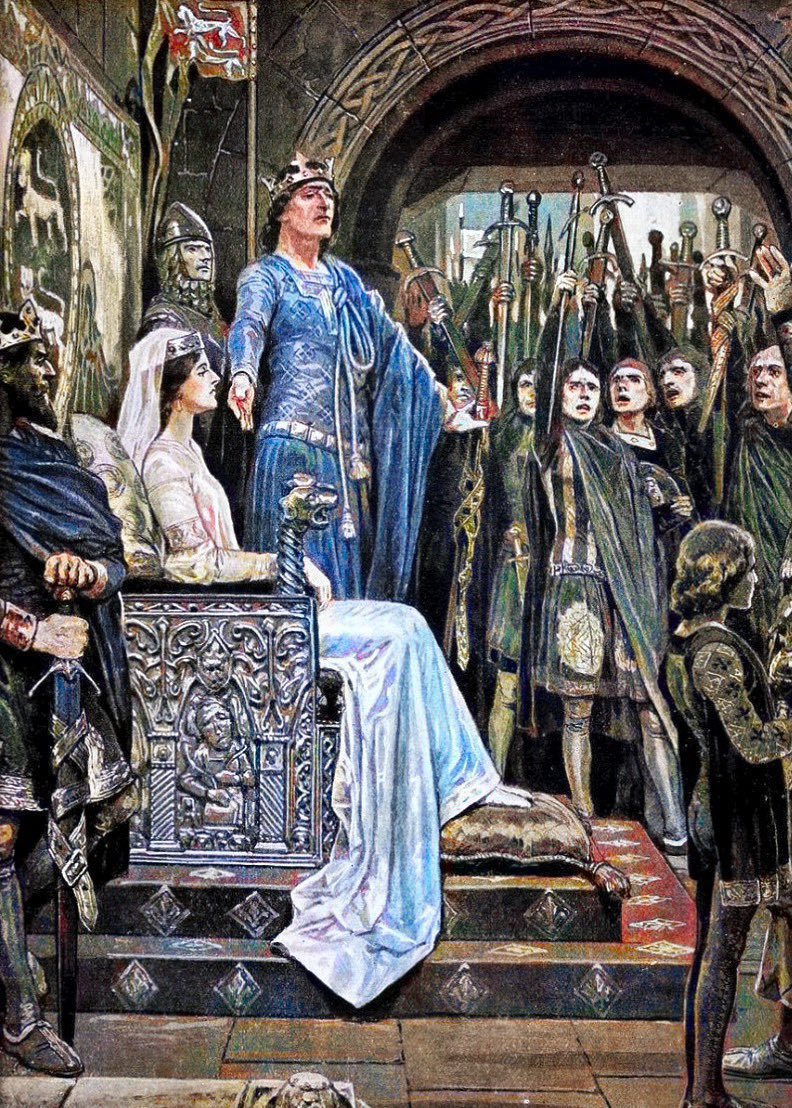
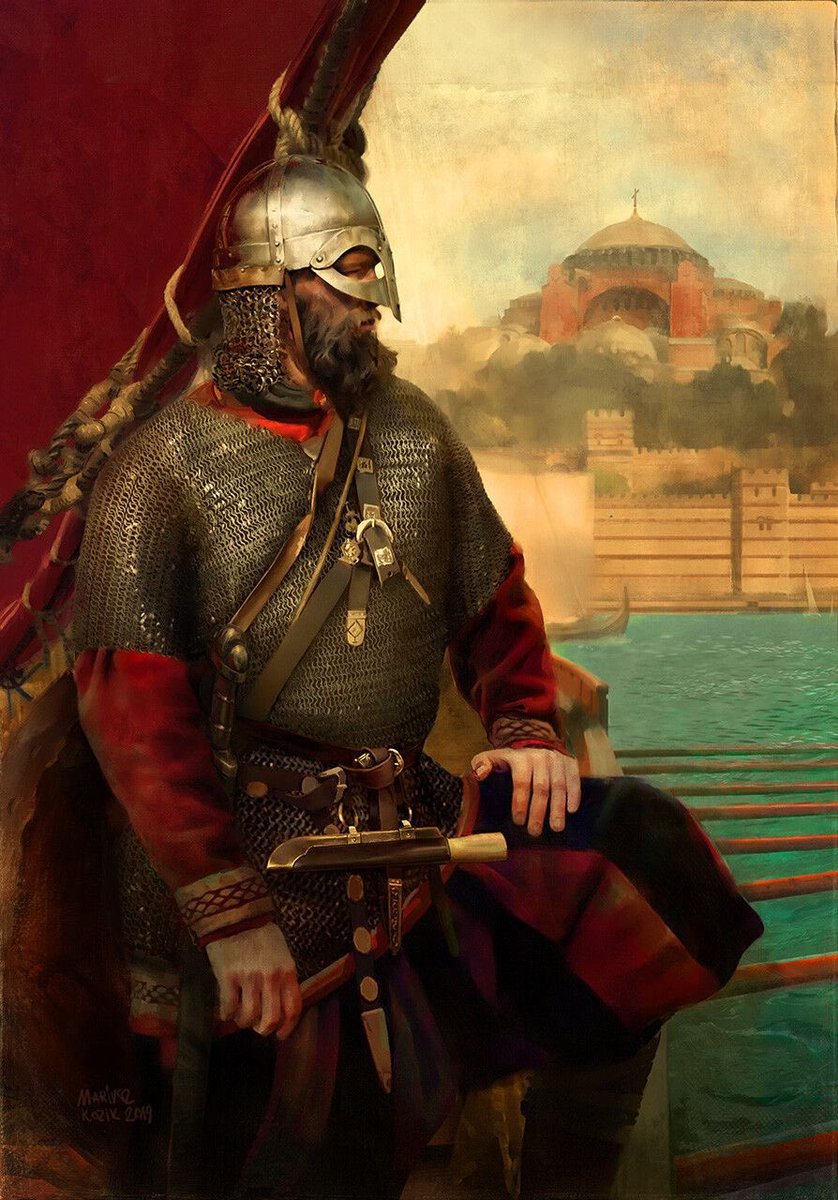
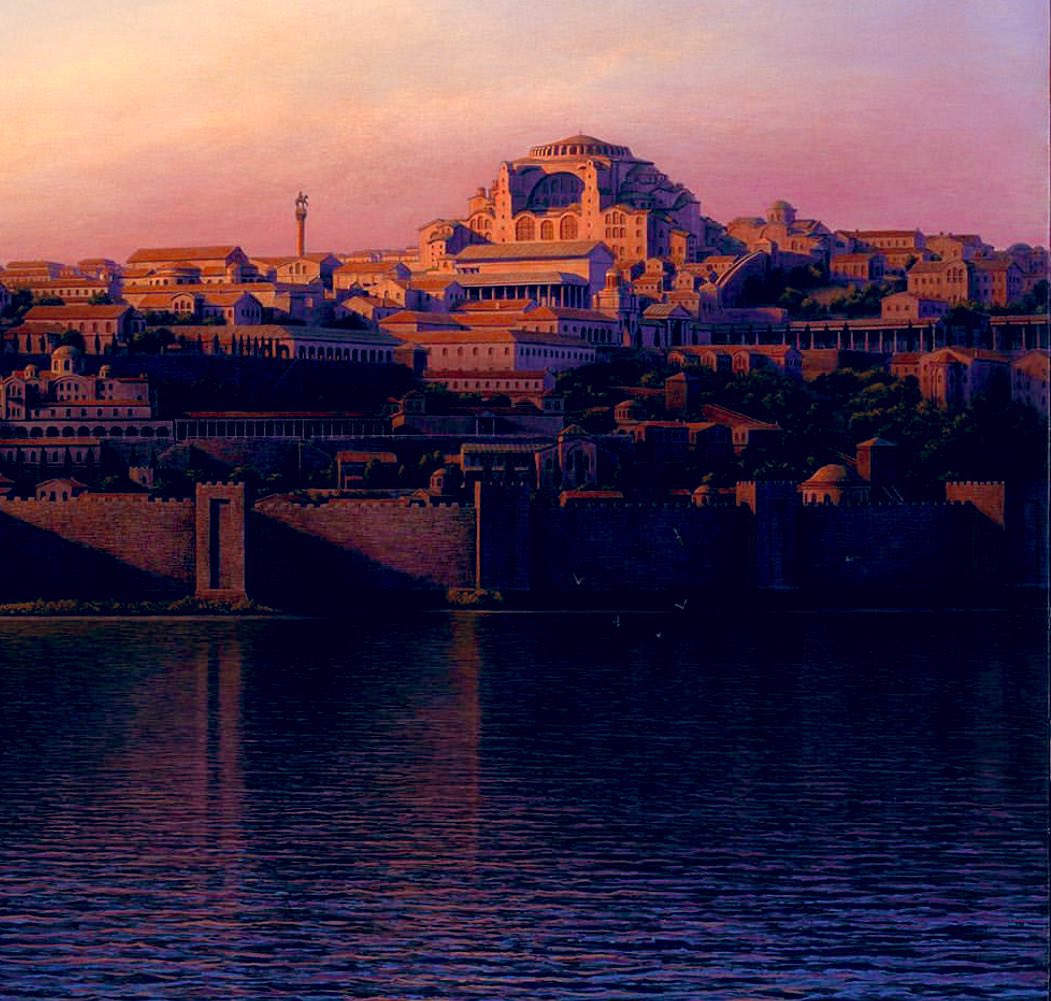
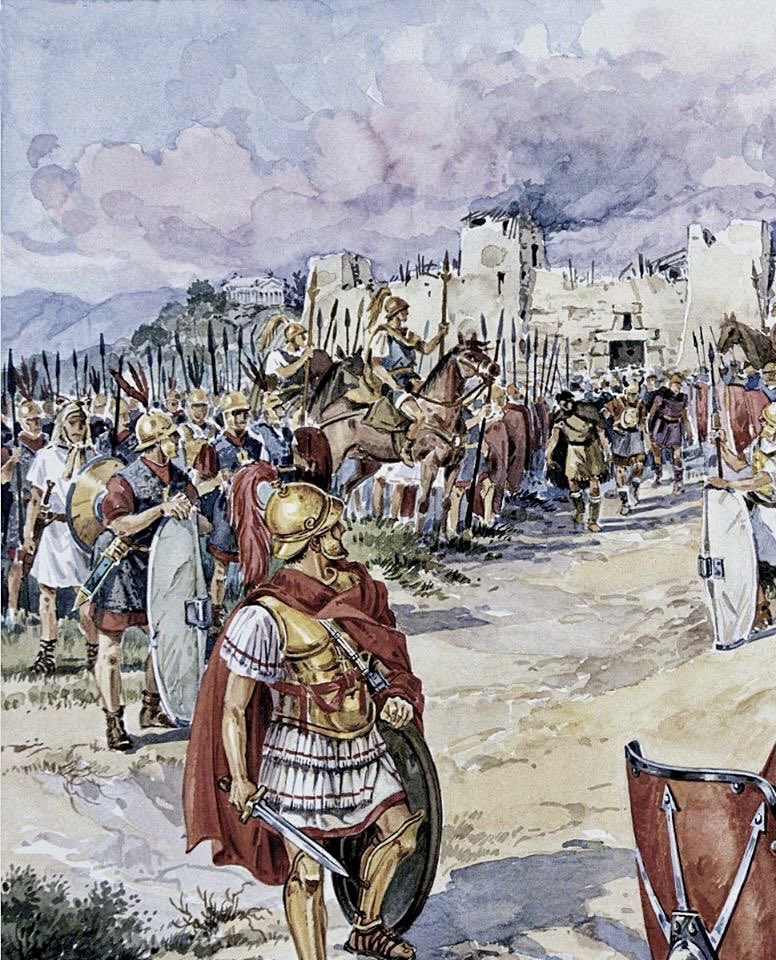
In the dead of night, an English rogue named John of Doncaster led a band of chosen men to cross the moat and scale the walls of Guînes castle in a daring attempt to seize it.
• The Capture of Guînes! •
[Thread]🧵
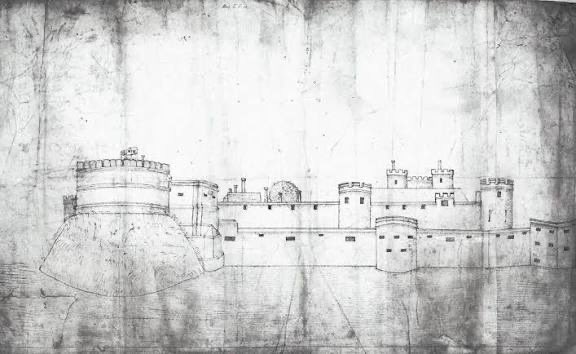
The castle at Guînes was strong and well fortified and located just six miles south of Calais which had been taken by the English and successfully defended in 1350 from an attempt of the French knight Geoffroi de Charny to sneak a force in.
It was also used to hold English prisoners of war.
John of Doncaster was an English squire who had taken service in Calais after being banished for crimes in England.
He knew Guînes well because he had been pressed into service there as a prisoner. He recruited a band of men from Calais and they made their way to the castle.
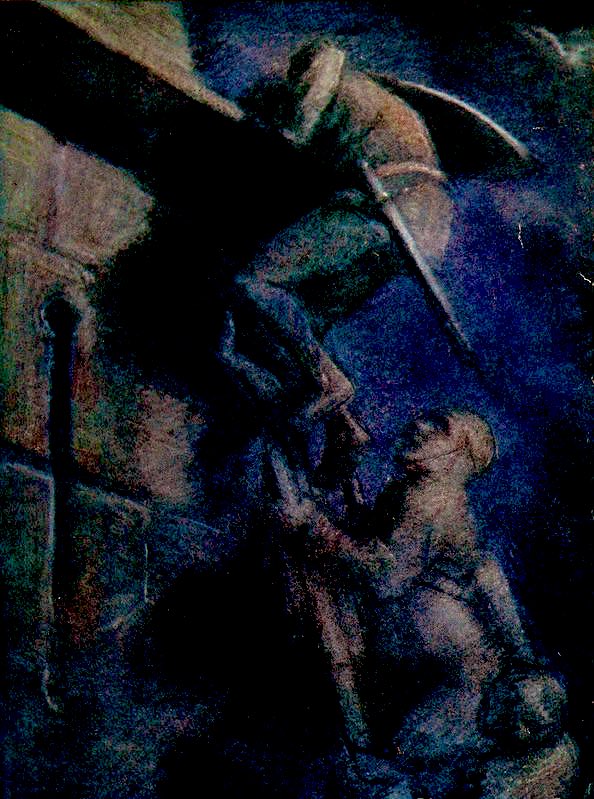
They approached the castle at night with darkened appearance and cross the moat under the cover of darkness by walking over a traverse wall at the water level.
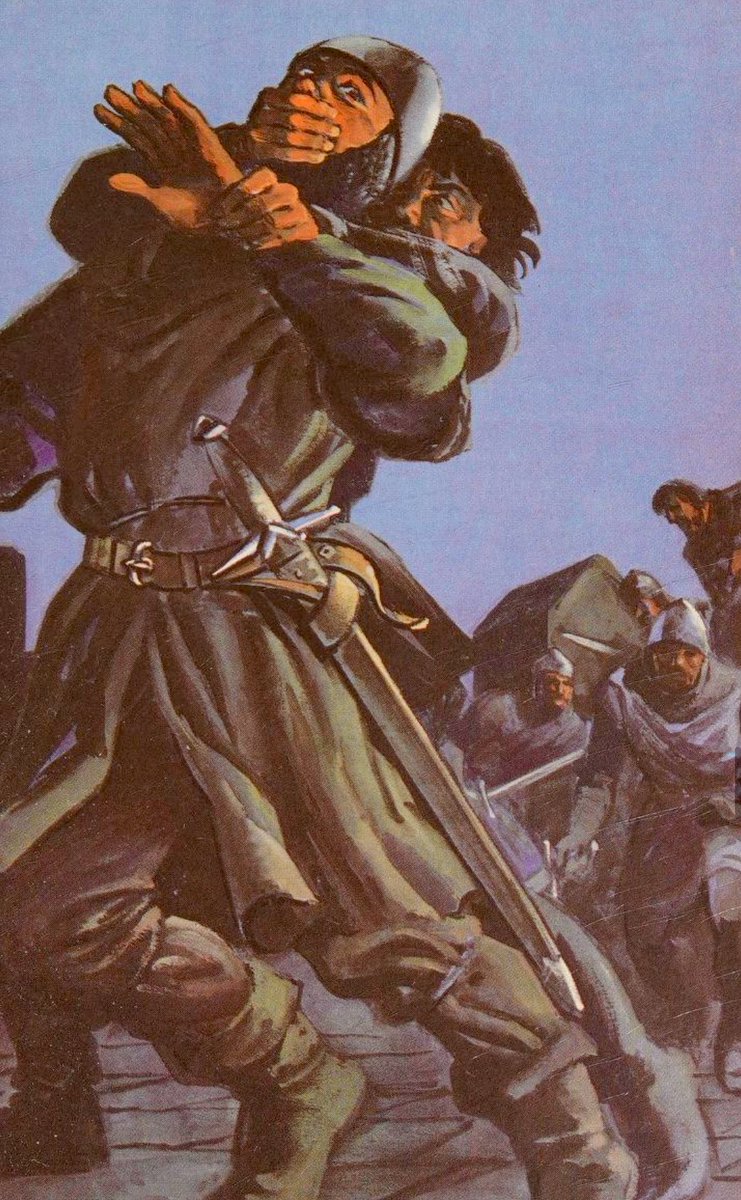
Then, as silently as possible, they scaled the wall with ladders, crept onto the battlements and knifed the sentries!
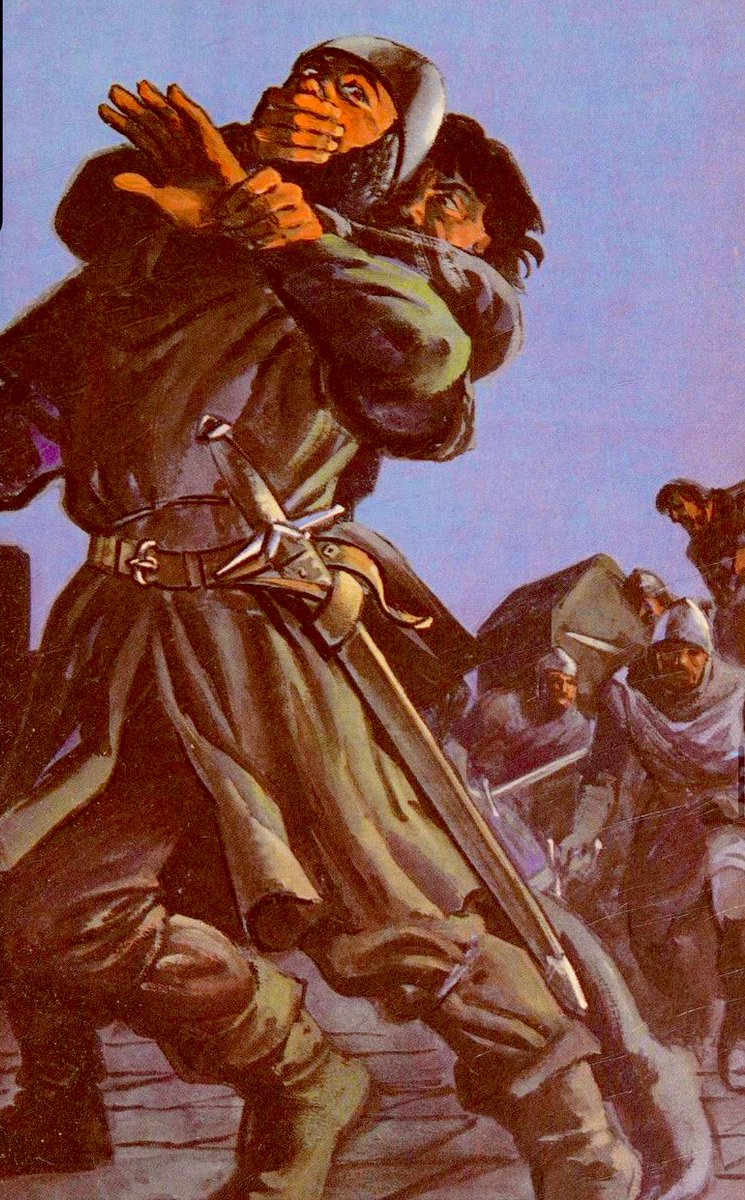
After throwing the bodies of the sentries over the wall l, they stormed the keep and overtook the sluggish and inept guards before releasing the English prisoners held in the castle.
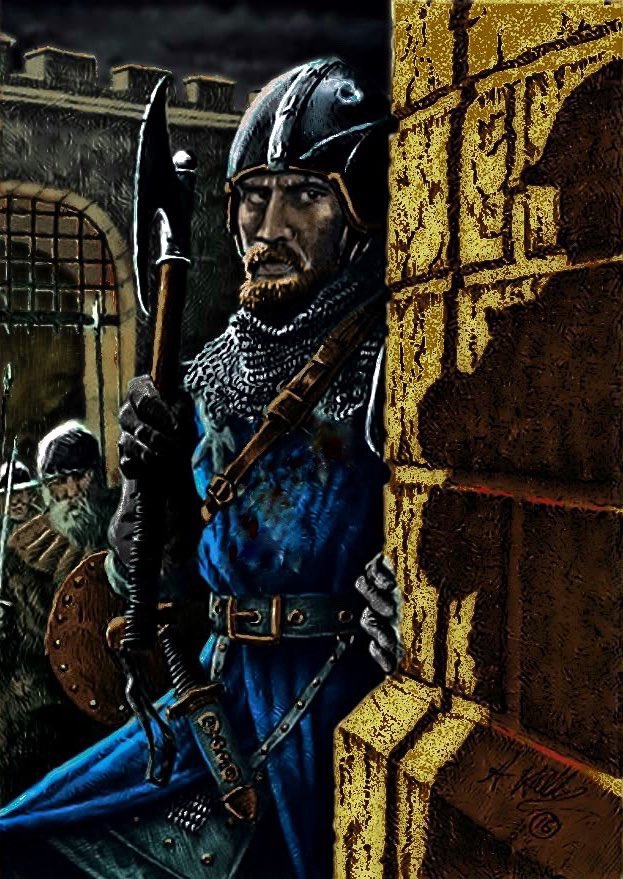
Then they rounded up the French in the castle and expelled them. When asked in whose name he had taken the castle, John of Doncaster refused to answer.
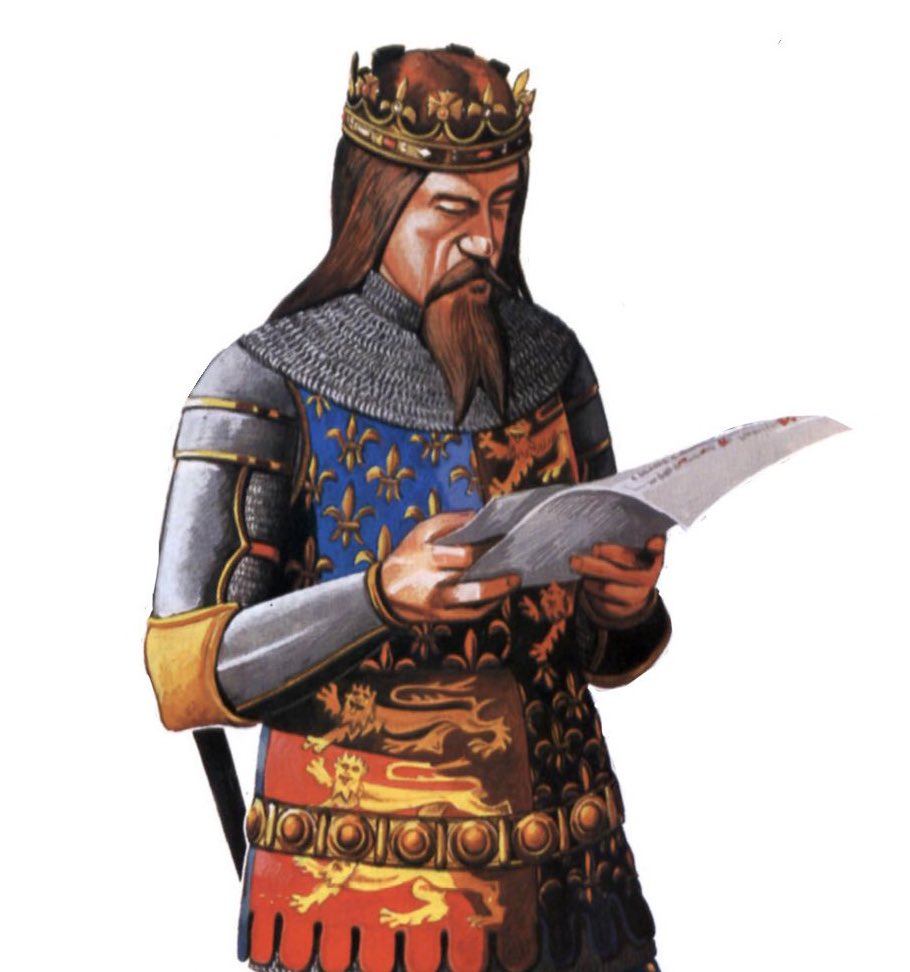
When the French protested to Edward III that his countrymen had violated the truce, he denied knowledge of it and insisted he had not authorised it. He provided the French with a letter ordering the English at Guînes to surrender the castle.
But Edward realised that Guînes was just too valuable to give back and changed his mind after a meeting of Parliament.
In the aftermath, Geoffroi de Charny ordered the now former commander at Guînes, Hugues de Belconroy, to be drawn and quartered, and then led a force to retake the city.
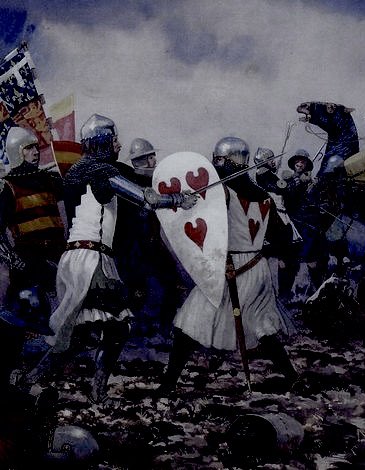
A new English commander was sent to hold the castle and John of Doncaster was pardoned. De Charny managed to take the town, but not the castle of Guînes, and eventually abandoned the siege after ‘savage and continual fighting’ with an English relief force which launched a night attack!
Guînes was retained by the English for over two centuries before it was slighted by the Duke of Guise in 1558.
• • •
Missing some Tweet in this thread? You can try to
force a refresh

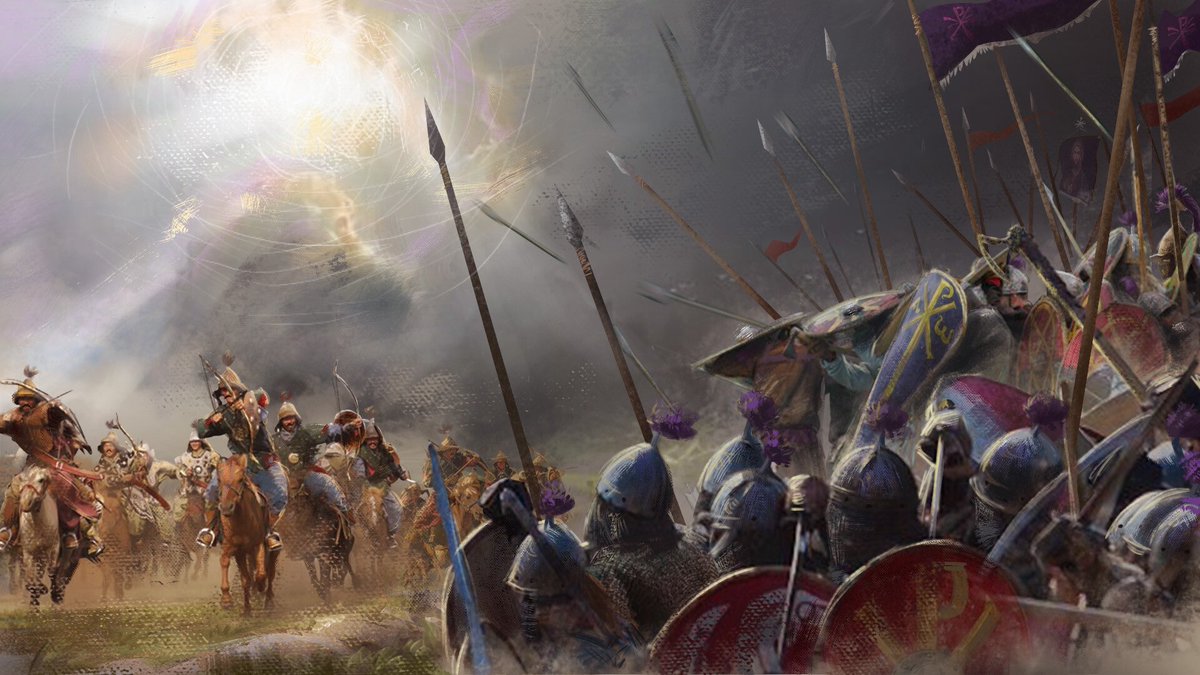
It is said that in AD 965, Nikephoros Phokas wrote to the Fatimid Caliph to boast;
‘𝐧𝐨𝐭𝐡𝐢𝐧𝐠 𝐢𝐬 𝐥𝐞𝐟𝐭 𝐢𝐧 𝐲𝐨𝐮𝐫 𝐭𝐡𝐮𝐠𝐡𝐮𝐫 𝐞𝐱𝐜𝐞𝐩𝐭 𝐚𝐬𝐡𝐞𝐬’
He had finally destroyed the Jihad bases which plagued the empire for centuries!
[Thread]🧵
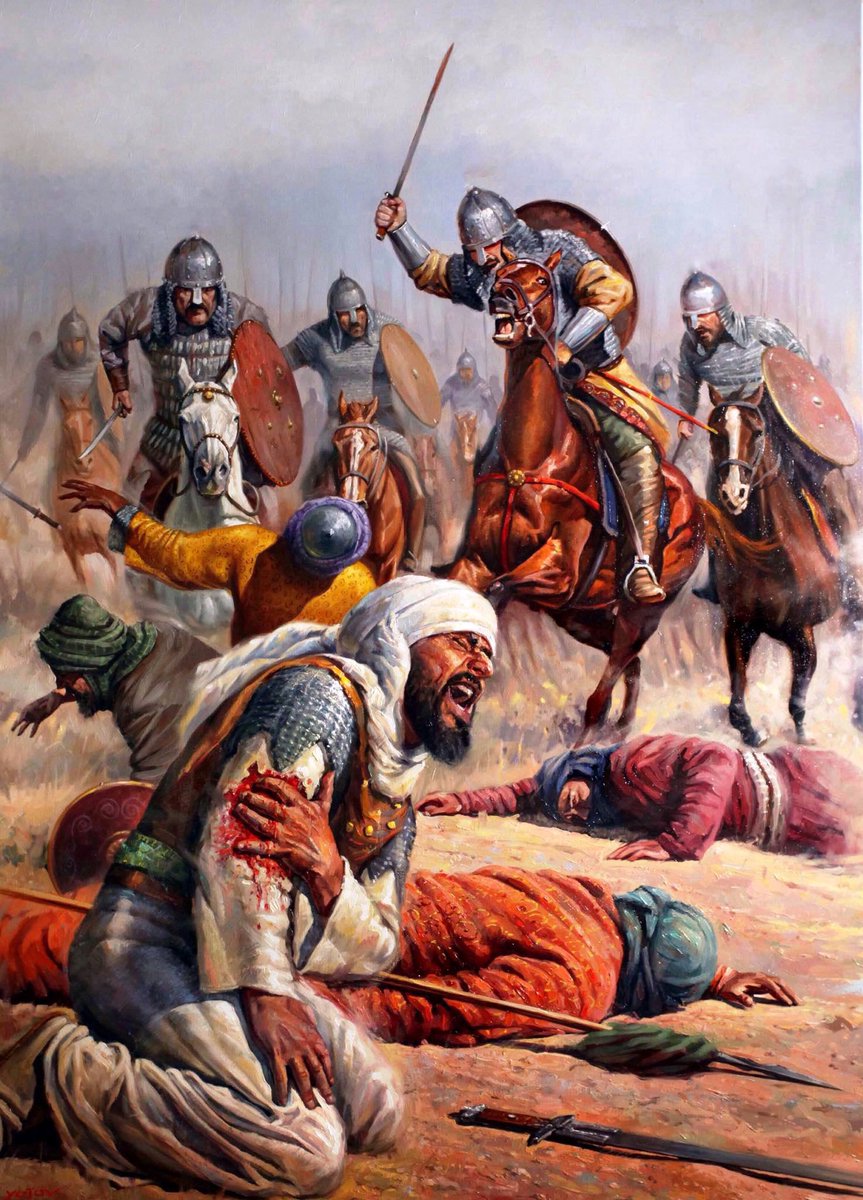
In the 7th century invasion from the Muslim caliphate, Slavs, Avars, Lombards, and Bulgars all significantly weakened the empire and put it on the defensive immediately after its stunning victory over the Persians in the 620s.
Toward the end of the 7th century the empire began to strike back at the Muslims under Constantine IV and the early reign of Justinian II but then fell into anarchy over a period of 20 years which saw five different emperors usurp each other.
The final emperor of that period was Leo III ‘the Isaurian’ who defeated the grand Muslim siege of Constantinople in 718 and an invasion force in 741.
From this point the empire slowly began to recover but was still faced with regular raiding and attacks on all of its borders.
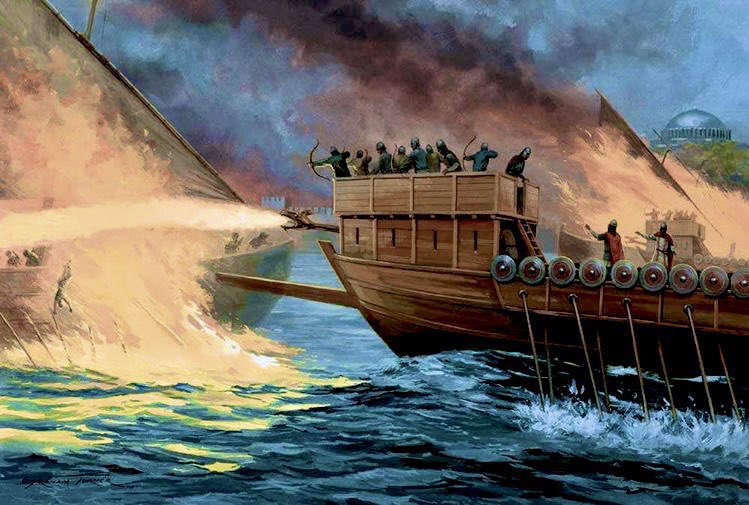
After Nikephoros Phokas was placed in charge of the armies in the east, he reconquered Crete before returning to Cilicia, now a Muslim base of regular Jihad raids into the empire.
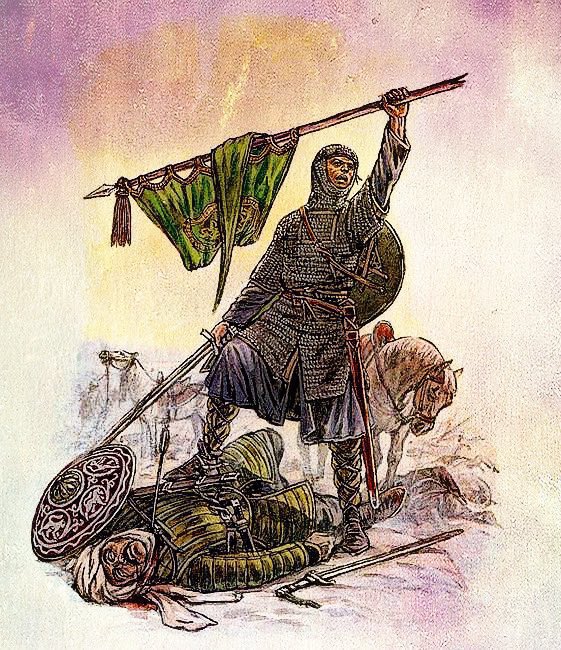
In 961 when Nikephoros Phokas returned to the east. He marched into Cilicia and defeated the Arabs repeatedly, forcing the surrender of Anazarbus.
The governor of Tarsus marched out to face him but was defeated in battle and committed suicide out of shame.
Phokas destroying several forts and plantations to create a wasteland between Syria and Cilicia, making it much harder for the Arabs to re-supply themselves.
Roger of Mowbray was an English nobleman who lived a life of adventure and warfare!
A veteran of the Anarchy, a rebel against King Henry II, and a crusader who won renowned glory in the Second Crusade and faced down disaster at the Battle of Hattin!
[Thread]🧵
• Origins •
Roger was born in around 1120 to Gundreda de Gournay and Nigel d’Aubigny, a favourite of Henry I who was granted the rich Mowbray lands when they were confiscated after a rebellion.
After his father Nigel died in 1129, Roger became a ward of Henry I before he came into his substantial inheritance, including the lands from which he would take his surname.
He was raised by his mother who endowed him with a great respect for the church.
• The Anarchy •
Roger’s deeds are first recorded during the Anarchy, the civil war which followed the death of Henry I.
Henry I had arranged for his nobles to swear loyalty to his daughter Matilda upon his death but when he did die, his nephew Stephen reached England first and was crowned king in 1135.
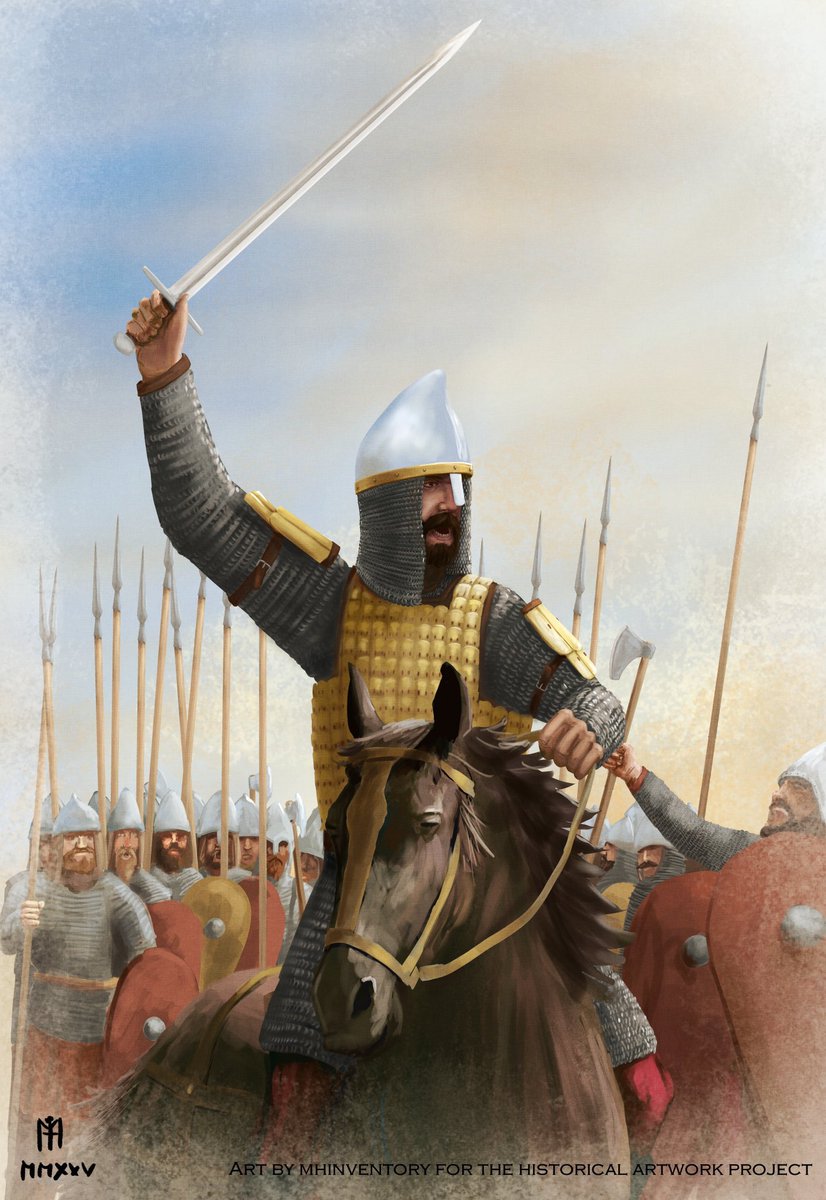
In AD 988, six thousand Rus warriors entered the service of the Roman Empire and formed one of the most legendary elite units of all time.
𝐓𝐇𝐄 𝐕𝐀𝐑𝐀𝐍𝐆𝐈𝐀𝐍 𝐆𝐔𝐀𝐑𝐃
[Thread]🧵
Foreign troops had served in Roman armies since the days of the republic and some Rus warriors had served since the 9th century AD.
But it wasn’t until the 980s when the young emperor Basil Porphyrogénnetos faced a rebellion by two experienced generals that they came into their own.
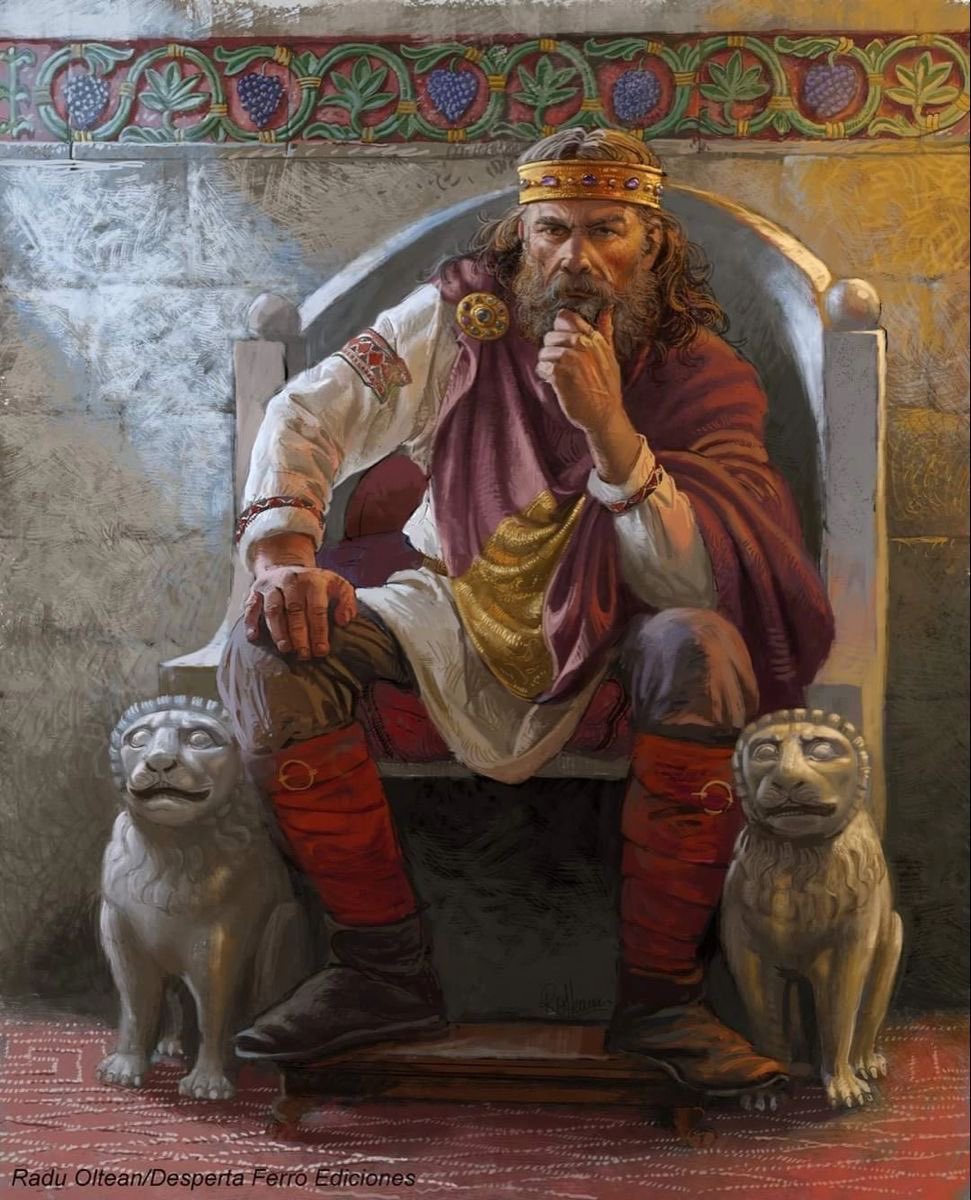
Basil was in need of men and agreed an alliance with the Grand Prince of the Rus, Vladimir, which would see 6000 warriors, often described as ‘axe wielding barbarians’ entered Basil’s army in return for the hand of his sister Anna in marriage. This was an unprecedented move on Basil’s part.
East Roman royal brides were sought after from monarchs all over Europe and a purple born princess had been refused to even the Holy Roman Emperor in recent years.
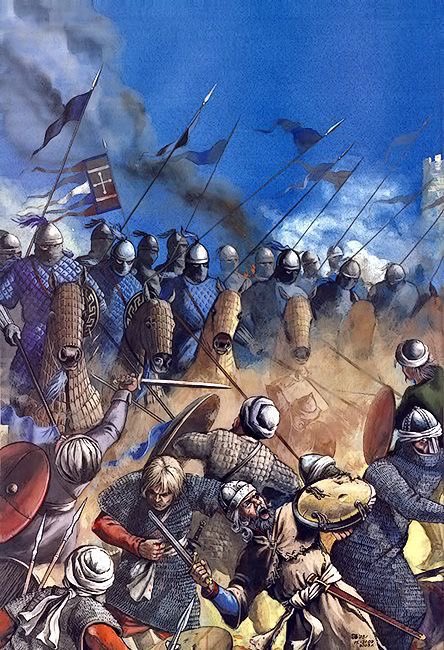
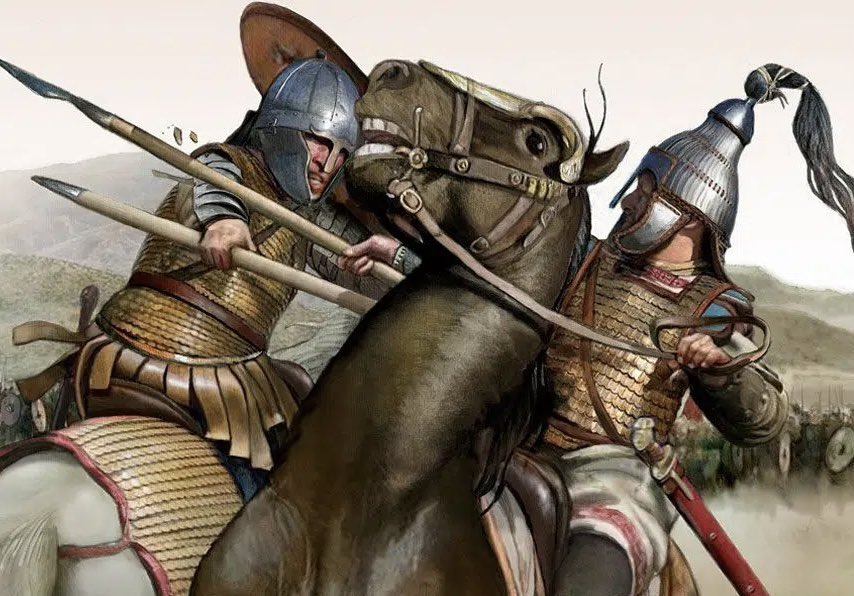
Freshly reinforced with six thousand Varangians (the name by which eastern Vikings who settled among the Rus were called), Basil set out to crush his enemies.
The former Catepan of Italy, Kalokyros Delphinas, now allied with the rebels, set up camp at Chrysopolis. Basil ‘repeatedly asked Delphinas to withdraw and not to set up camp over the capital’ but his plea was ignored.
‘Without a second thought’ Basil sailed across the Bosphorus at night and ‘easily subdued them’ when he unleashed the fury of his new Varangian troops!
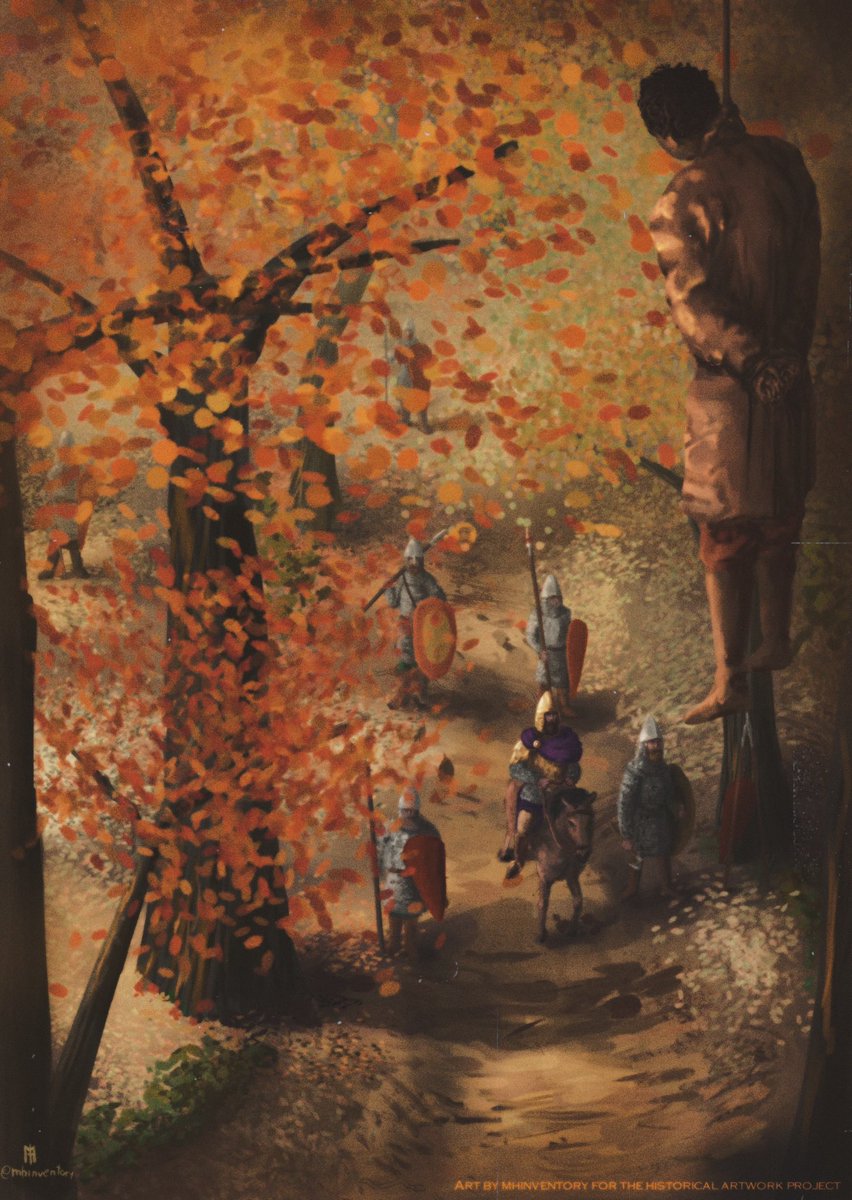
After the battle he found Delphinas and hanged on the spot.
Belisarius dealt a savage blow to the Vandal Kingdom of Africa when he crushed their army at…
The battle of Ad Decimum!
[Thread] 🧵
In the early 6th century the Vandal Kingdom of Africa was ruled by Hilderic who enjoyed excellent relations with the Roman Empire.
So much so that he was willing to appoint an Chalcedonian bishop in Carthage, a move which enraged the Arian nobles of his kingdom.
In AD 531 Hilderic was deposed and imprisoned by his cousin Gelimer. When Justinian heard the news he immediately wrote to Gelimer telling him ‘You are not acting in a holy manner nor worthily of the will of Gaiseric’, but he was ignored and Gelimer began persecuting the non-Arian Christians in his ill-gotten kingdom
With the Normans and Turks savaging the Empire, the young general Alexios Komnenos stood at the crossroads of history!
And then he marched on Constantinople.
[Thread]🧵
By the mid-late 11th century the Empire of the Romans had begun to falter from the incredibly strong position it occupied by the death of Basil II.
Several new threats appeared across its borders including Normans who had conquered Southern Italy, Turks who had poured into Anatolia and defeated the Romans at Manzikert, in addition to Pecheneg attacks on the empire’s northern borders.
By 1081 many in Constantinople were disaffected with the elderly emperor Nikephoros Votaneiates, once a celebrated military commander, but now an ineffective old man seemingly unaware of just how many enemies he was making.
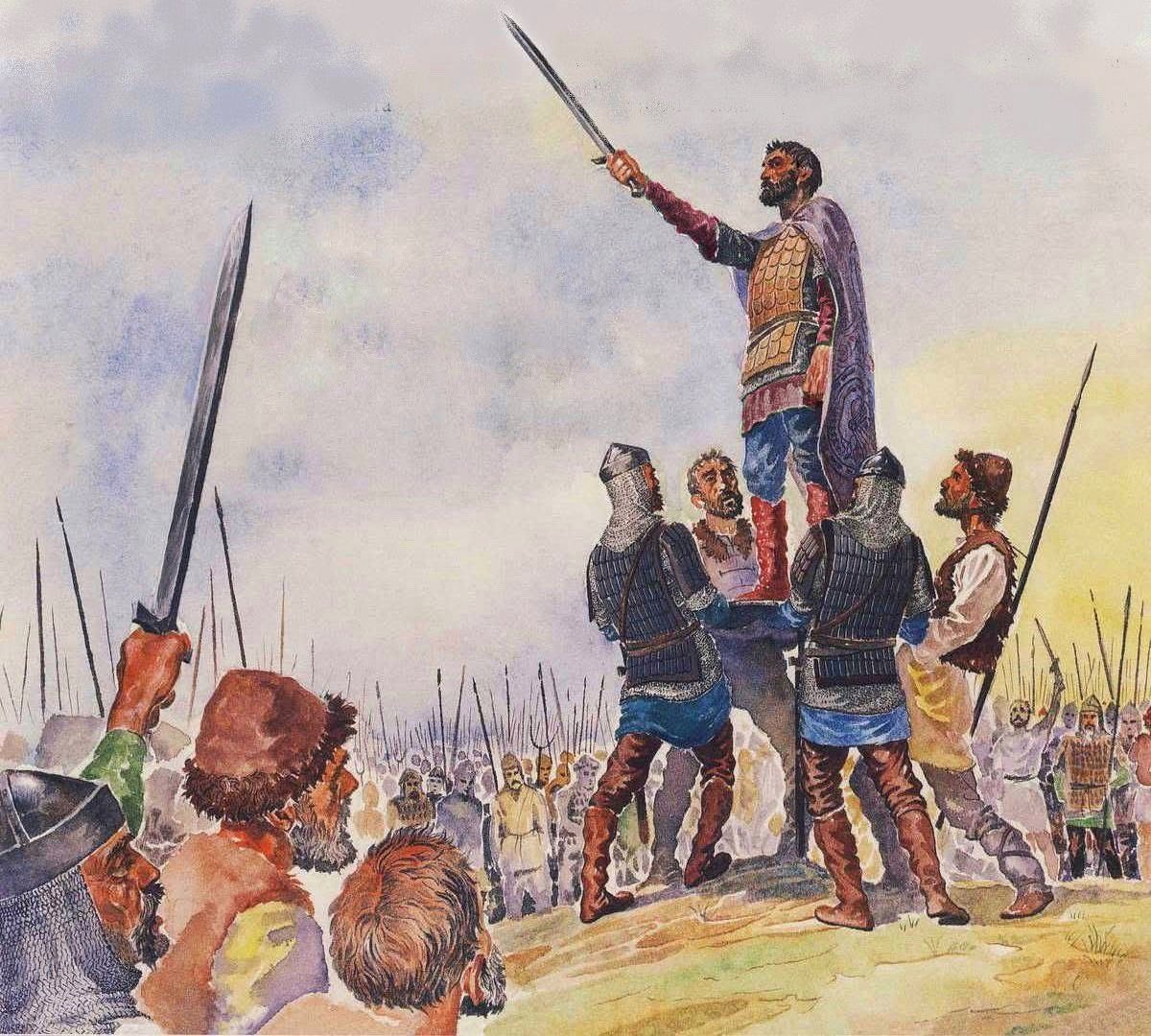
Alexios Komnenos, on the other hand, was a 24 year old general who had already defeated two separate rebel generals in battles and captured the Norman lord Roussel de Bailleul.
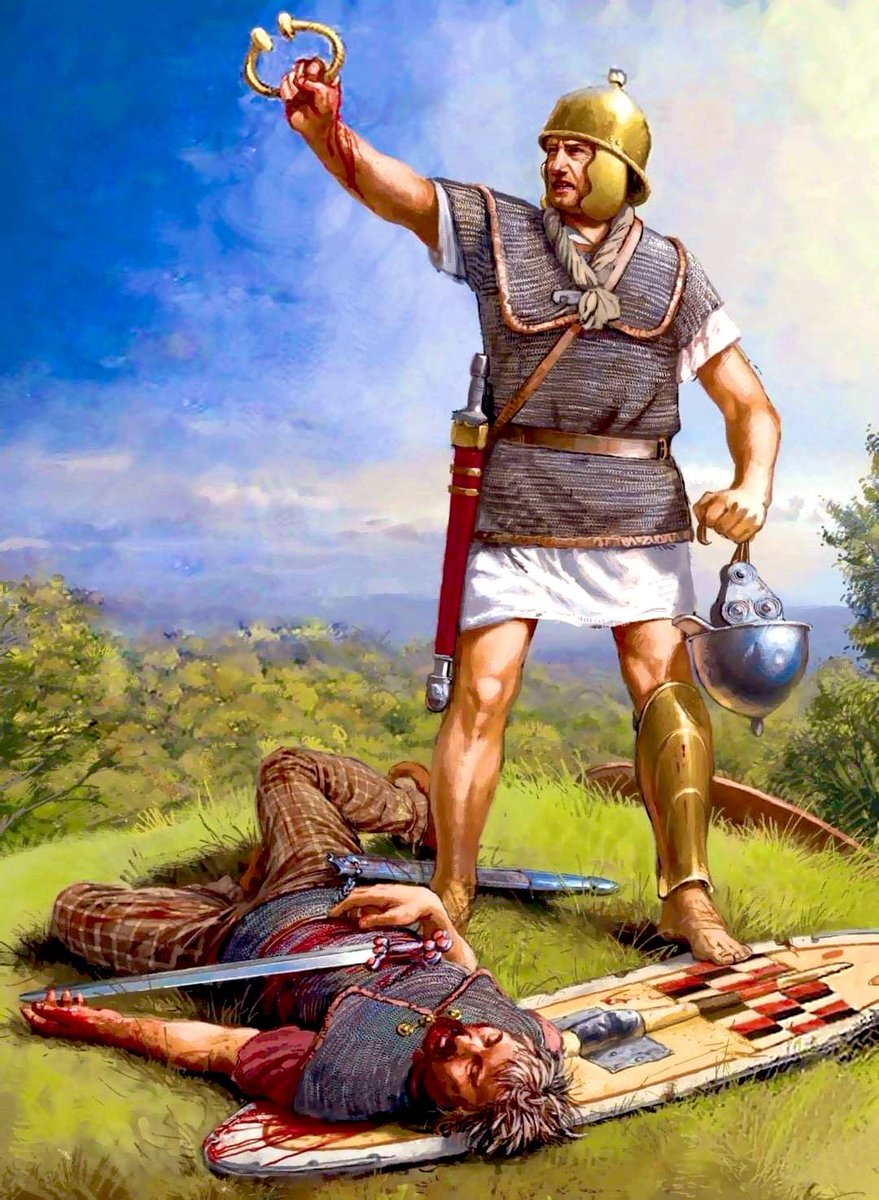
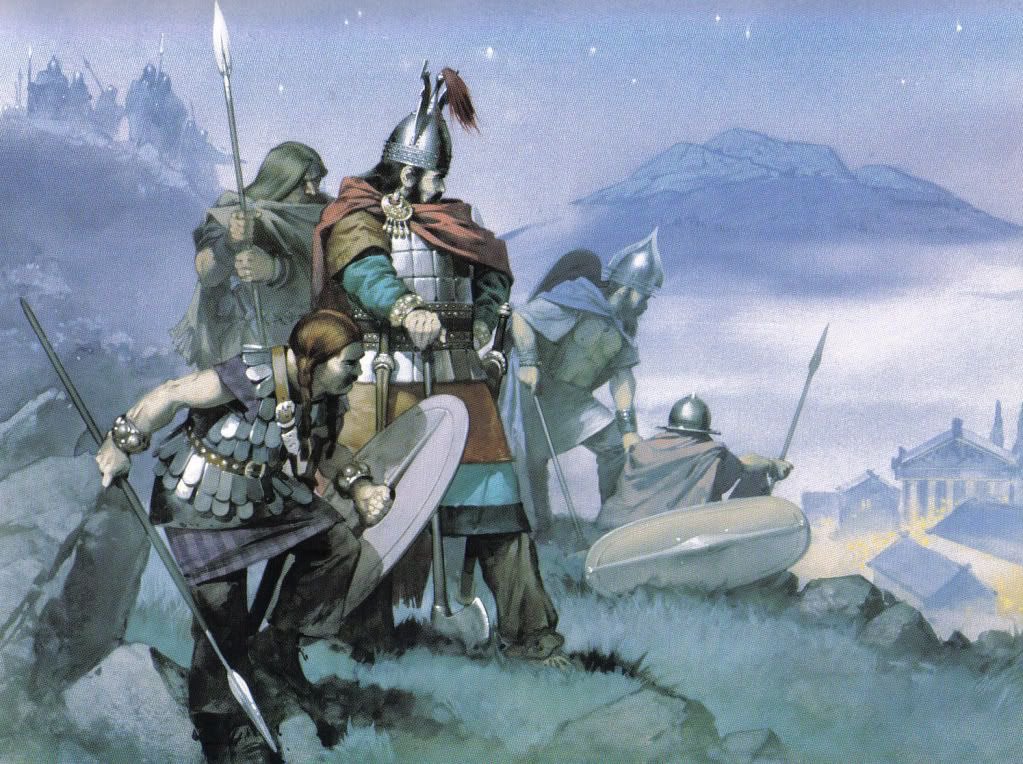
A Gallic army invaded Rome and before the battle, an enormous Gaul came forth and said:
‘Let the bravest man that Rome possesses come out and fight me, so we may decide which people is the superior in war!’
Titus Manlius stepped forward.
[Thread]🧵
The early history of Rome is shrouded by time and legend, but Livy wrote that in 361 BC, just 29 years after the Gauls sacked Rome:
‘The Gauls formed their camp by the Salarian road, three miles from the City at the bridge across the Anio.’
‘In face of this sudden and alarming inroad the Dictator proclaimed a suspension of all business, and made every man who was liable to serve take the military oath
…He marched out of the City with an immense army and fixed his camp on this side the Anio. Each side had left the bridge between them intact, as its destruction might have been thought due to fears of an attack.’