Could restricting carbs for one day lead to the same benefits as fasting?
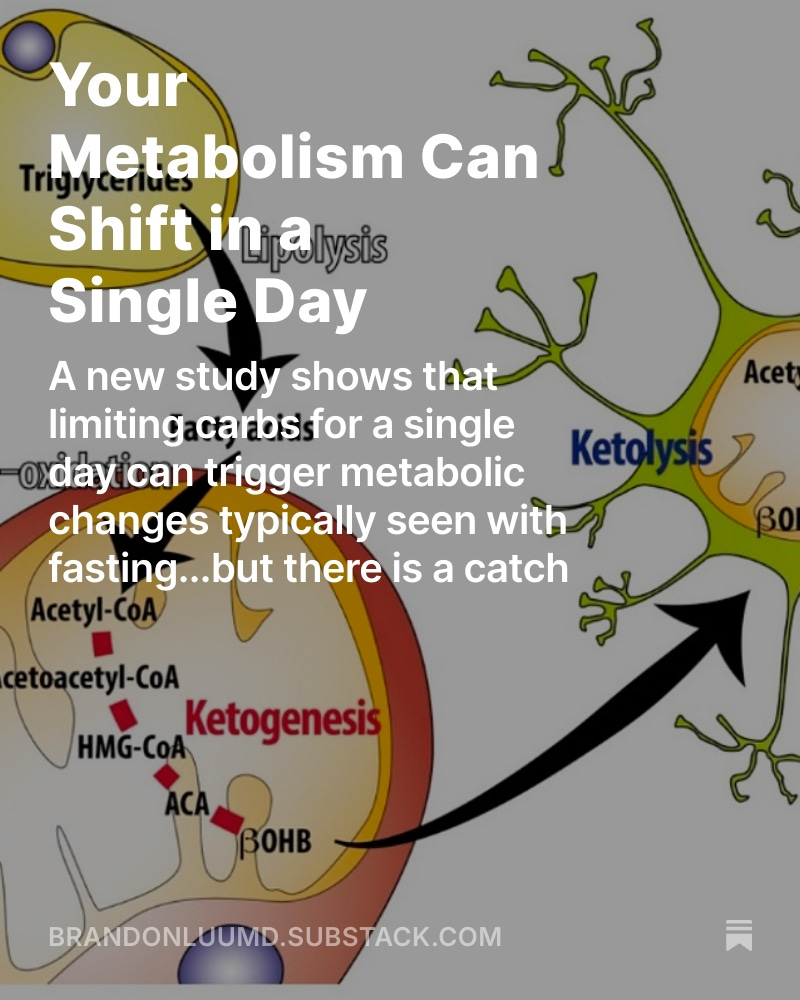
A new study suggests yes: carb restriction alone (same calories) produces similar fat-burning shifts and reduced triglycerides as calorie restriction… but there is a catch.
Let's break it down 🧵1/9
A new study suggests yes: carb restriction alone (same calories) produces similar fat-burning shifts and reduced triglycerides as calorie restriction… but there is a catch.
Let's break it down 🧵1/9
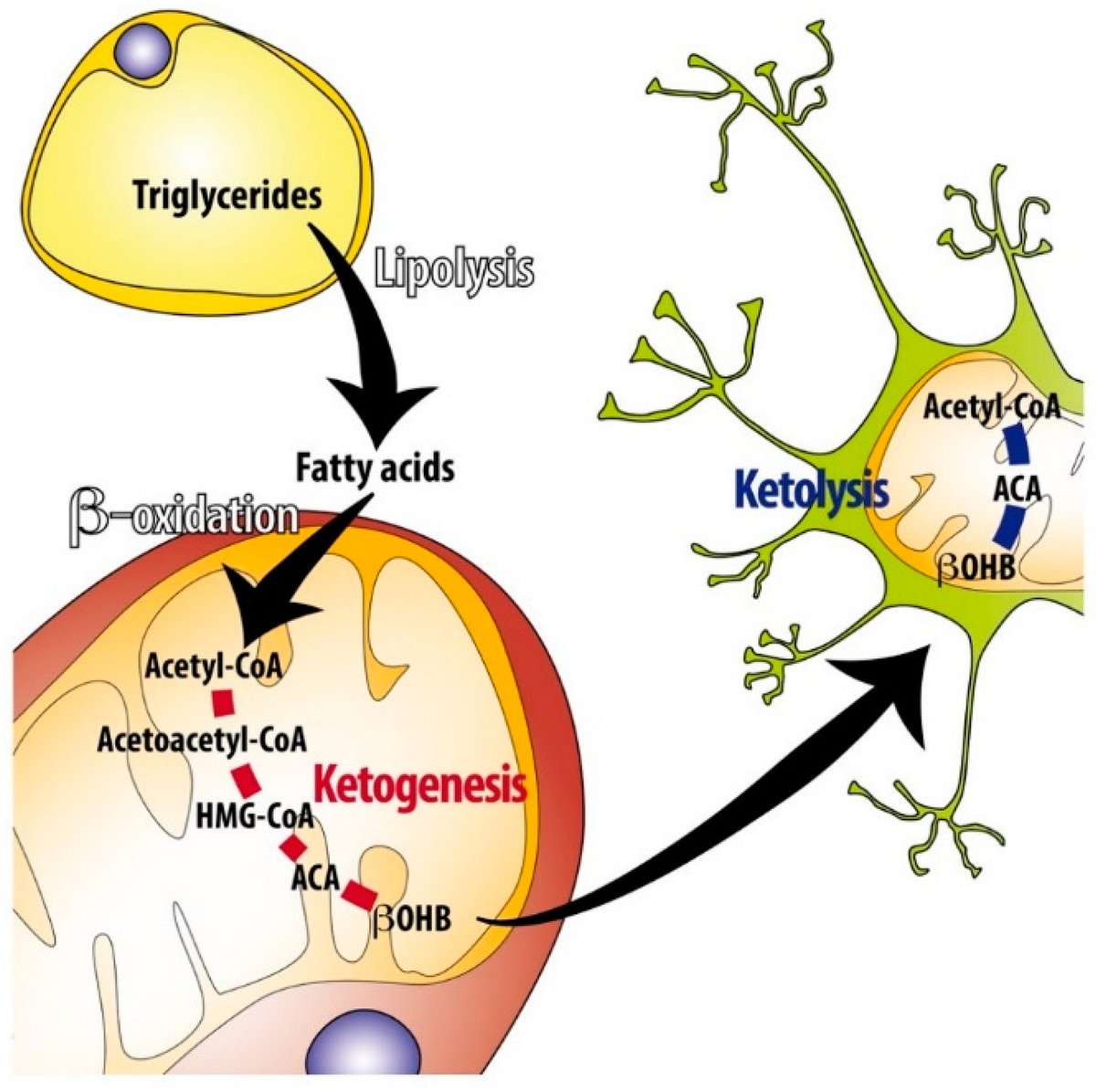
Intermittent fasting and keto promise similar metabolic benefits: enhanced fat burning, weight loss, better blood lipids (in some cases)
But fasting days are brutal. Keto requires constant vigilance
Researchers asked: What if it's the carb restriction, not calorie restriction, driving the benefits? /2
But fasting days are brutal. Keto requires constant vigilance
Researchers asked: What if it's the carb restriction, not calorie restriction, driving the benefits? /2

The study: 12 healthy adults (avg age 27) tested 3 interventions in random order:
-Normal diet: 55% carbs, normal calories
-Low-carb normal calories: 50g carbs, same total calories
-Low-carb restricted: 50g carbs, 75% fewer calories
Then tracked metabolic response to high-fat meal /3
-Normal diet: 55% carbs, normal calories
-Low-carb normal calories: 50g carbs, same total calories
-Low-carb restricted: 50g carbs, 75% fewer calories
Then tracked metabolic response to high-fat meal /3
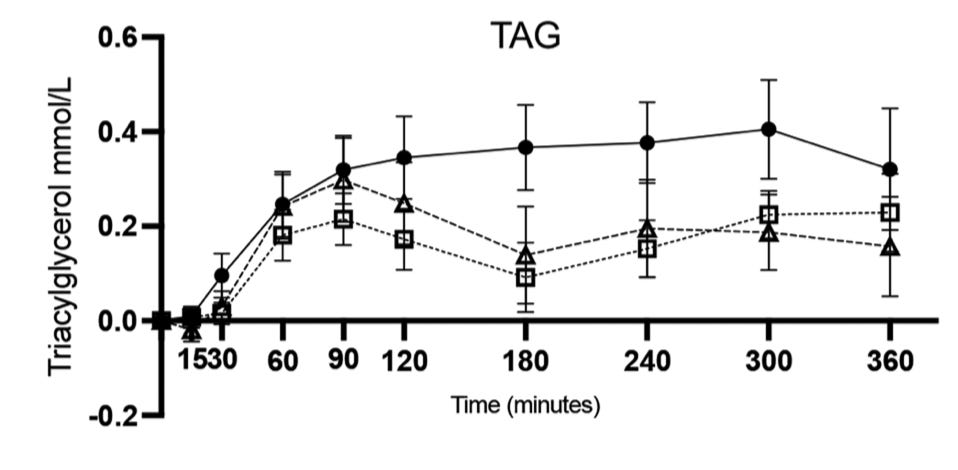
The triglyceride effect: Both low-carb groups had significantly reduced blood triglycerides after the test meal vs normal diet.
The effect was the same whether they restricted calories or not.
This suggests carb restriction itself drives the benefit /4
The effect was the same whether they restricted calories or not.
This suggests carb restriction itself drives the benefit /4
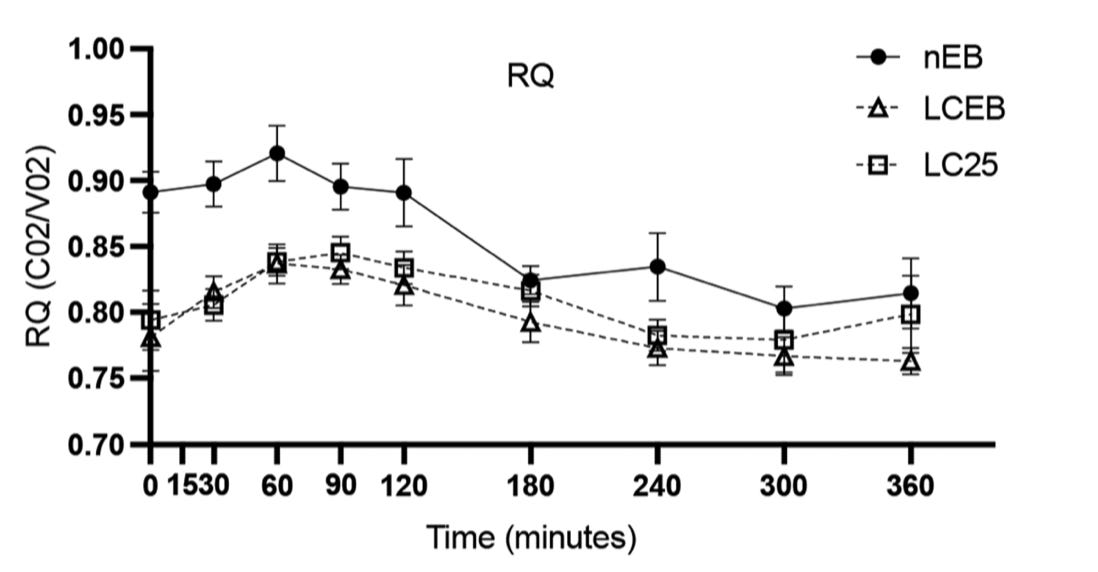
Enhanced fat burning: Respiratory quotient measurements confirmed both low-carb groups shifted more into fat-oxidation mode.
The body literally switches fuel sources in just 36 hours of carb restriction, even while eating normal amounts of food /5
The body literally switches fuel sources in just 36 hours of carb restriction, even while eating normal amounts of food /5
The trade-off: Post-meal glucose was temporarily higher after low-carb days (for the non-calorie restricted group). Interestingly, insulin levels didn't change. There was a reduction in GLP-1, which might have contributed /6
Although more research is needed to examine the long-term implications of increased glucose, research on cyclical keto suggests this normalizes with repeated cycles. It's adaptation, not dysfunction /7
Important caveats:
Tested in healthy young adults for ONE day only
Long-term effects of weekly cycling unknown
The glucose effects need monitoring
This is physiology, not proven clinical outcomes and more research is needed /8
Tested in healthy young adults for ONE day only
Long-term effects of weekly cycling unknown
The glucose effects need monitoring
This is physiology, not proven clinical outcomes and more research is needed /8
Overall, these results suggest a single strategic low-carb day might offer an elegant compromise between the extremes of full keto and fasting, potentially making metabolic optimization through diet more accessible.
Full breakdown in my weekly newsletter./9
Full breakdown in my weekly newsletter./9
• • •
Missing some Tweet in this thread? You can try to
force a refresh