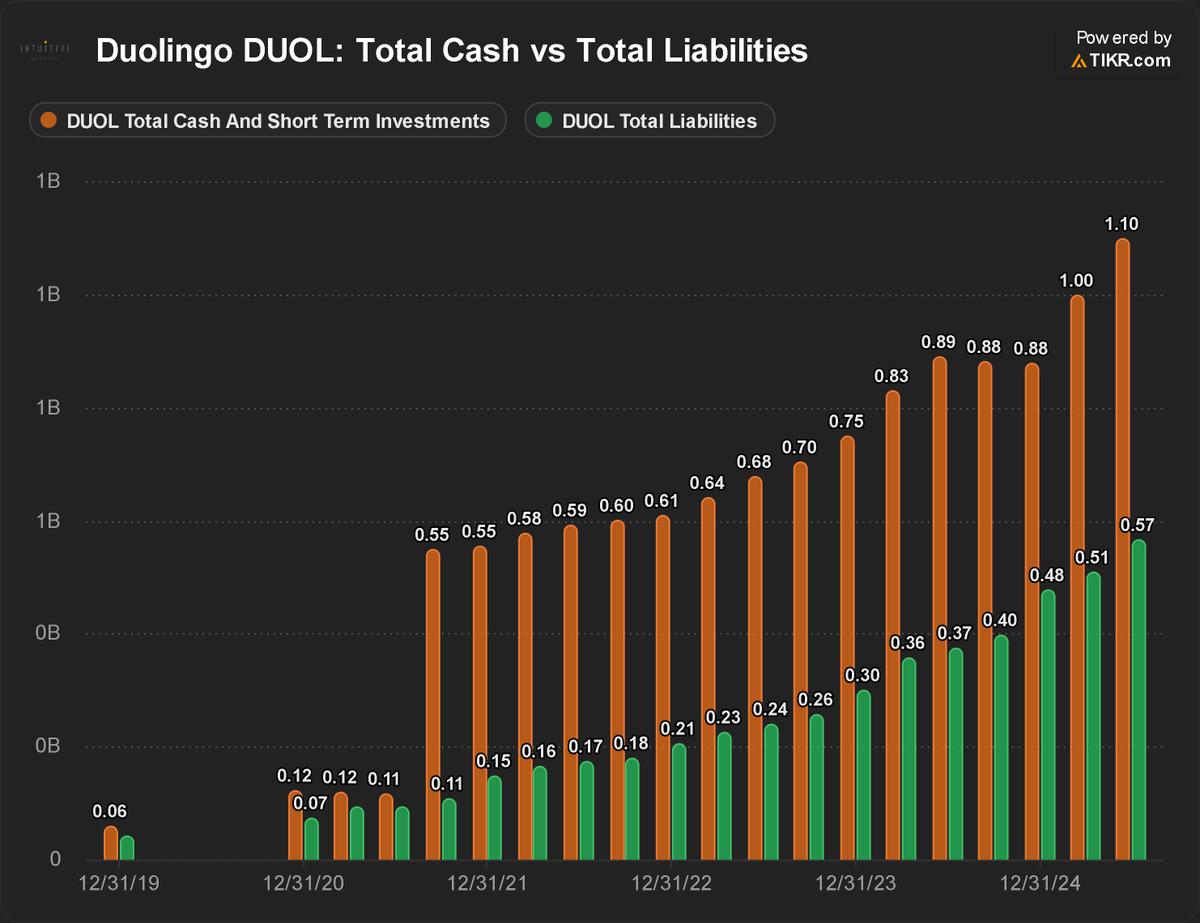
Here are 10 wonderful companies with more cash than Total liabilities you’ll want to keep on your watchlist:
Intuitive Surgical Inc. $ISRG
- Leader in robotic assisted surgery
- strong moat
- The stock has grown at 24% per year, delivering over 750% returns in 10 years.
Copart, Inc. $CPRT
- The largest online car auction
- strong moat
- The stock has grown at 27% per year, delivering over 991% returns in 10 years.
Duolingo, Inc. $DUOL
- 48 million daily active users
- 11 million paid Subscribers
- Companies make money from ads placed throughout their apps.
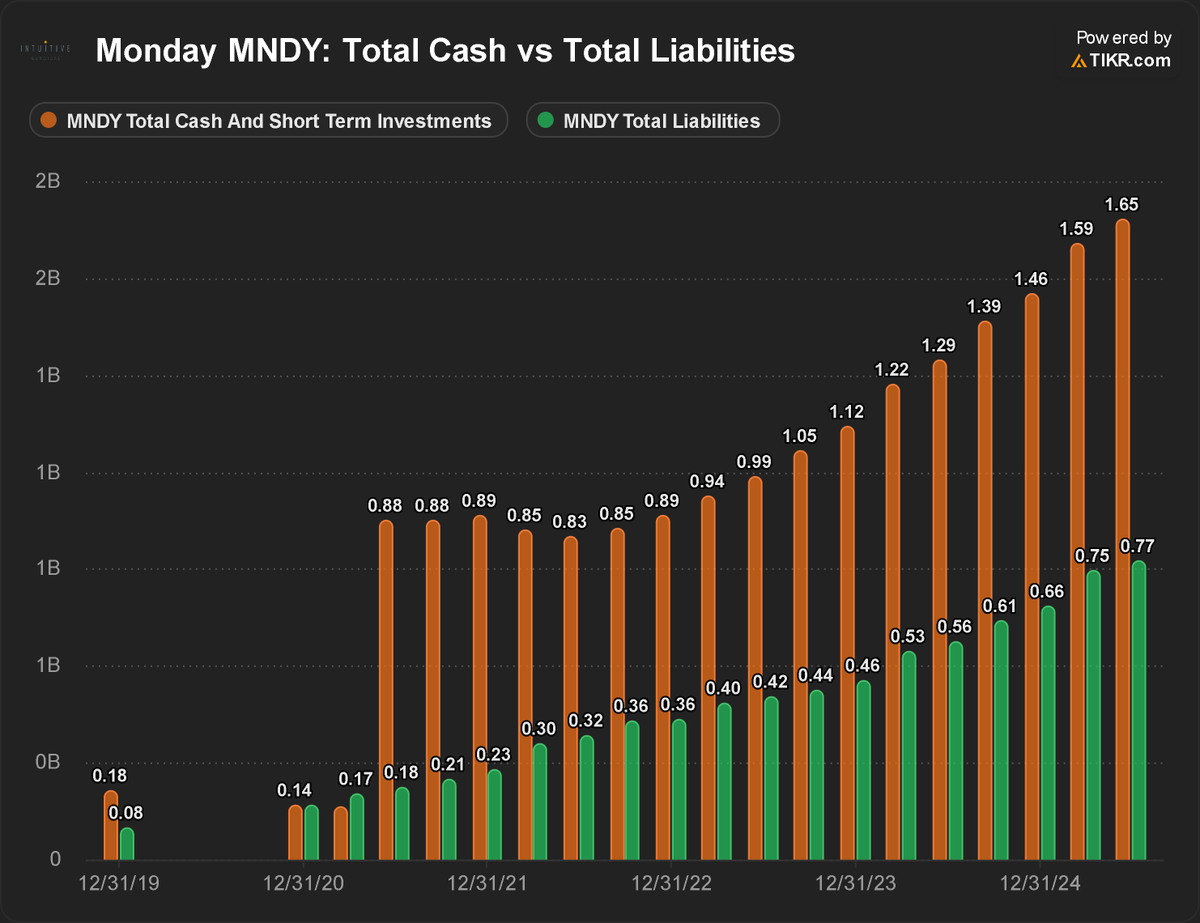
monday $MNDY
- The company is experiencing its worst correction since 2022.
- The number of customers with annual recurring revenue exceeding $50,000 has surpassed 3,700.
- The company has its lowest PEG ratio since 2022, and it is below 1.
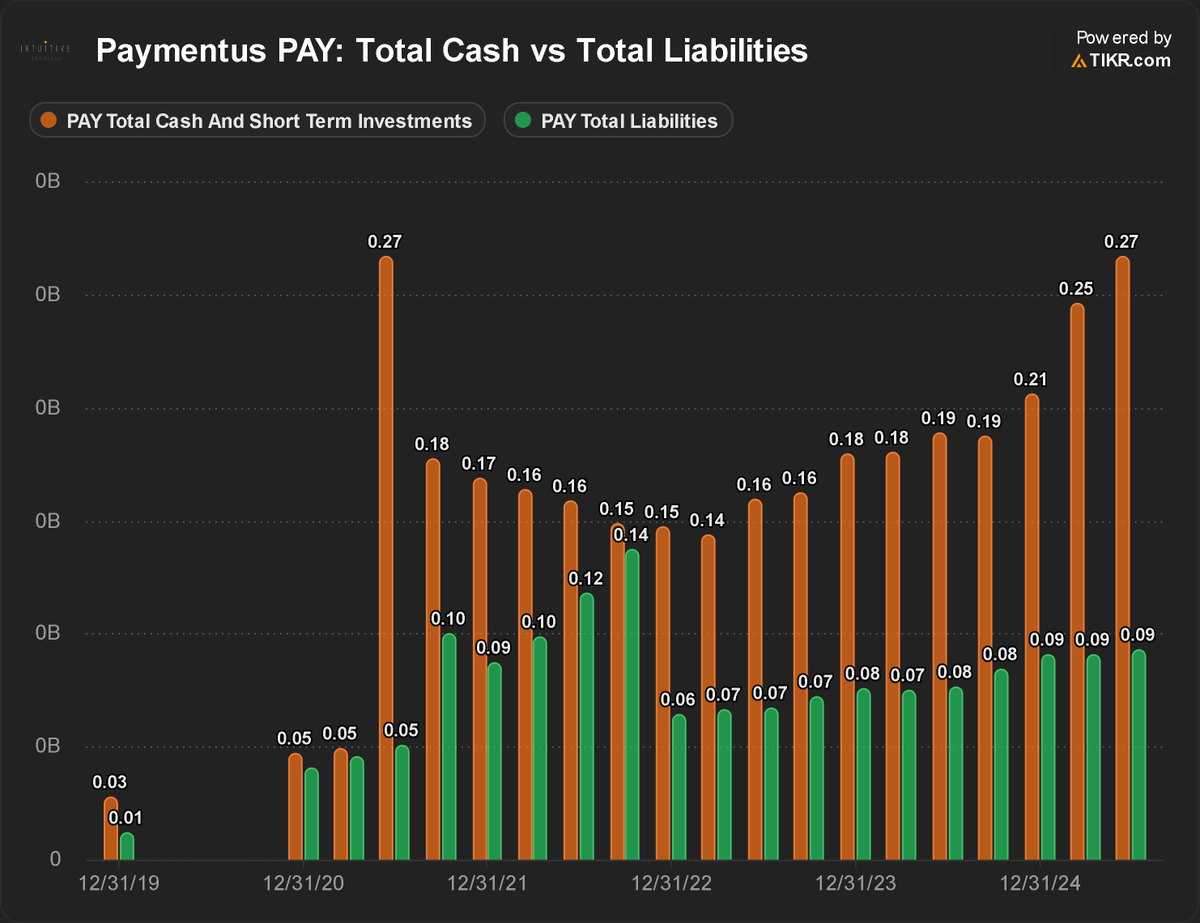
Paymentus Holdings, Inc. $PAY
- Fintech
- Payment Transaction Processing Revenue has been growing 32% per year since 2020
- Revenue and EPS are expecting to grow +20%
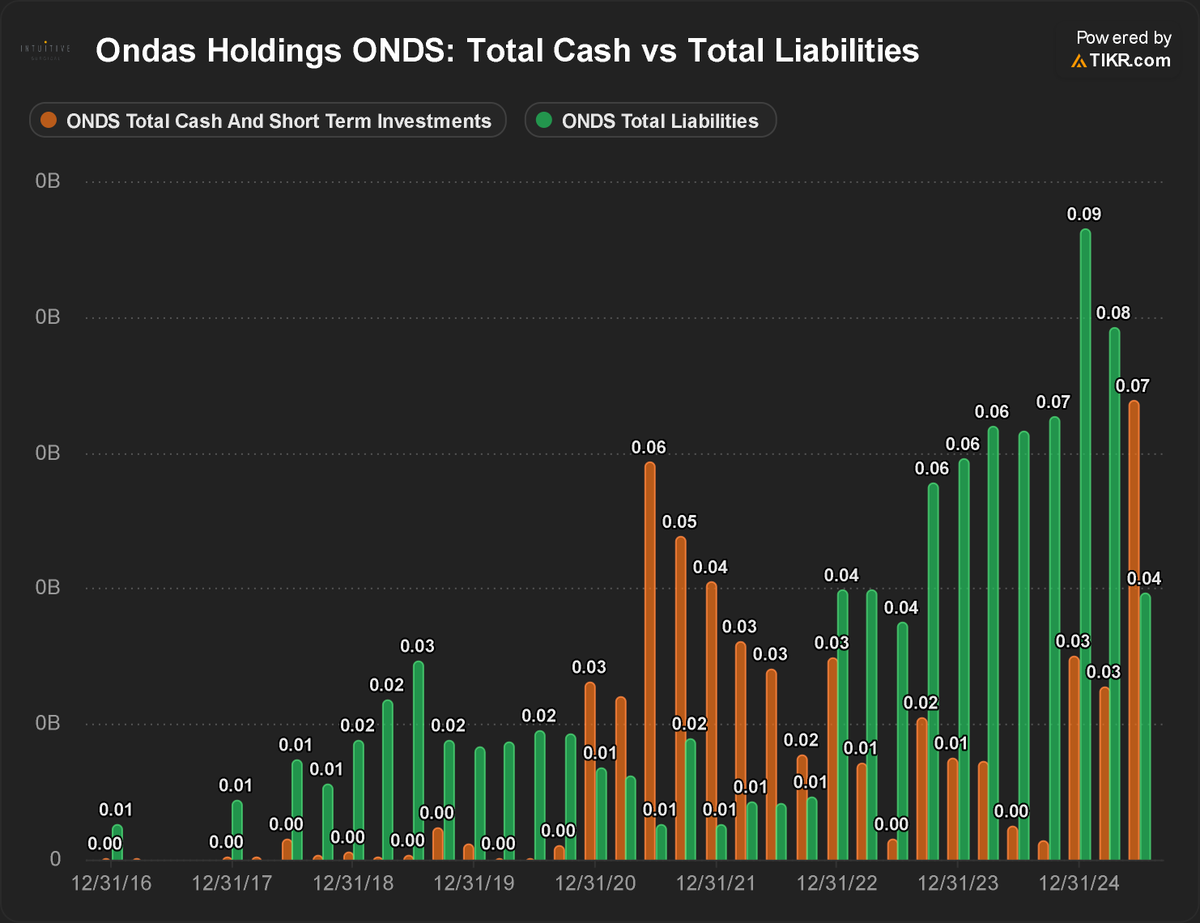
Ondas Holdings $ONDS
- Wireless Tech
- The company is experiencing massive growth
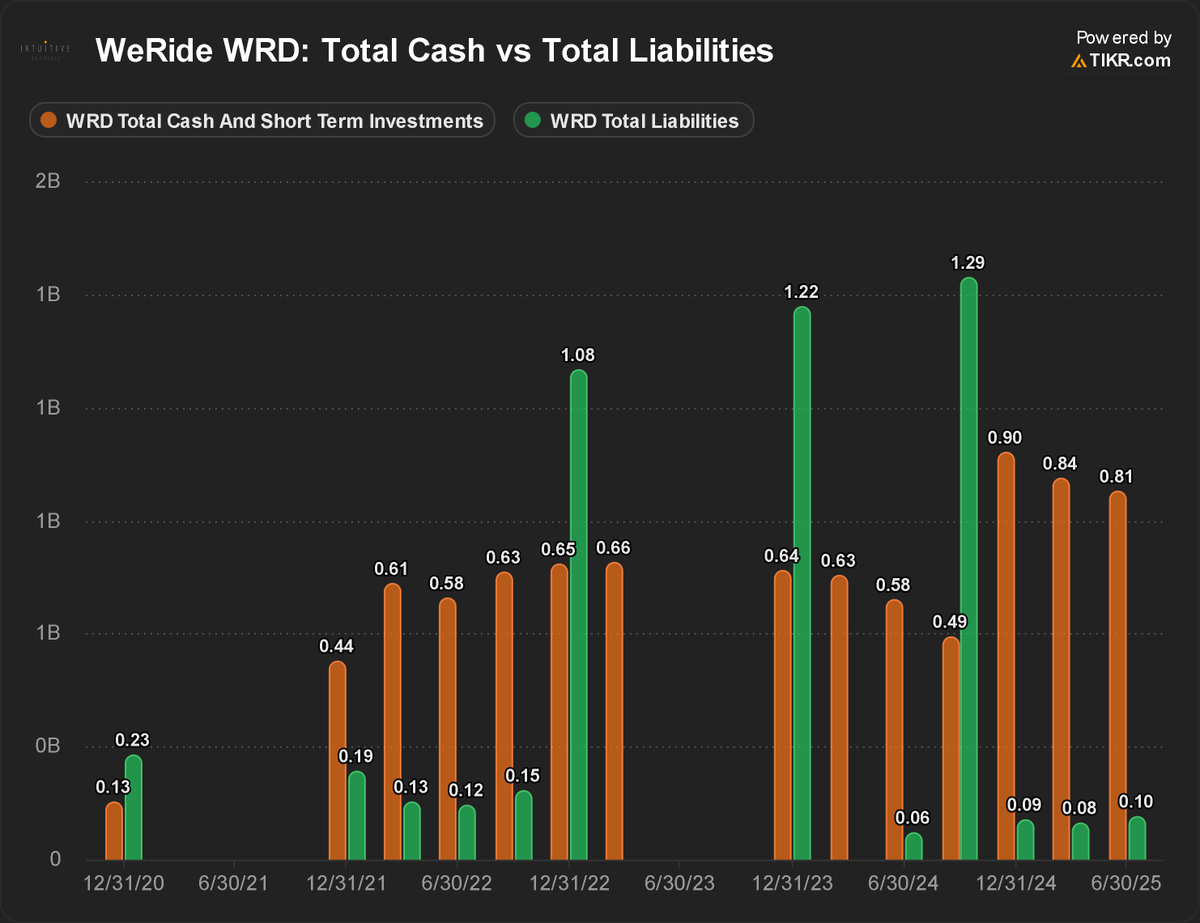
WeRide Inc. $WRD
- They have numerous partnerships in Asia, including one with Grab Holdings.
- $NVDA added this company a few months ago.
- It’s worth keeping this company on your watchlist, as they are expecting massive growth.
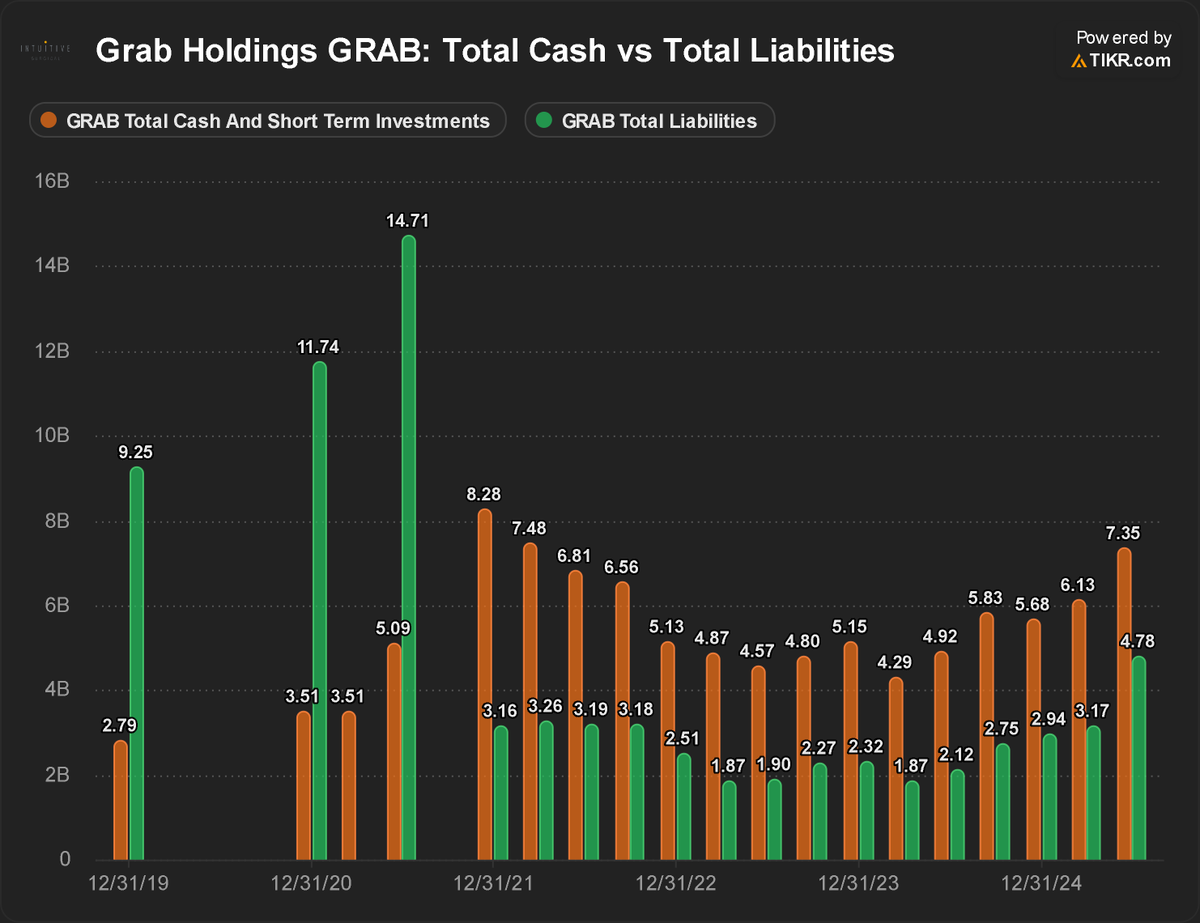
Grab Holdings $GRAB
- A smaller version of MercadoPago
- Making significant strides in autonomous vehicles
- They have over 45 million monthly transacting users, and this number is expected to reach 50 million.
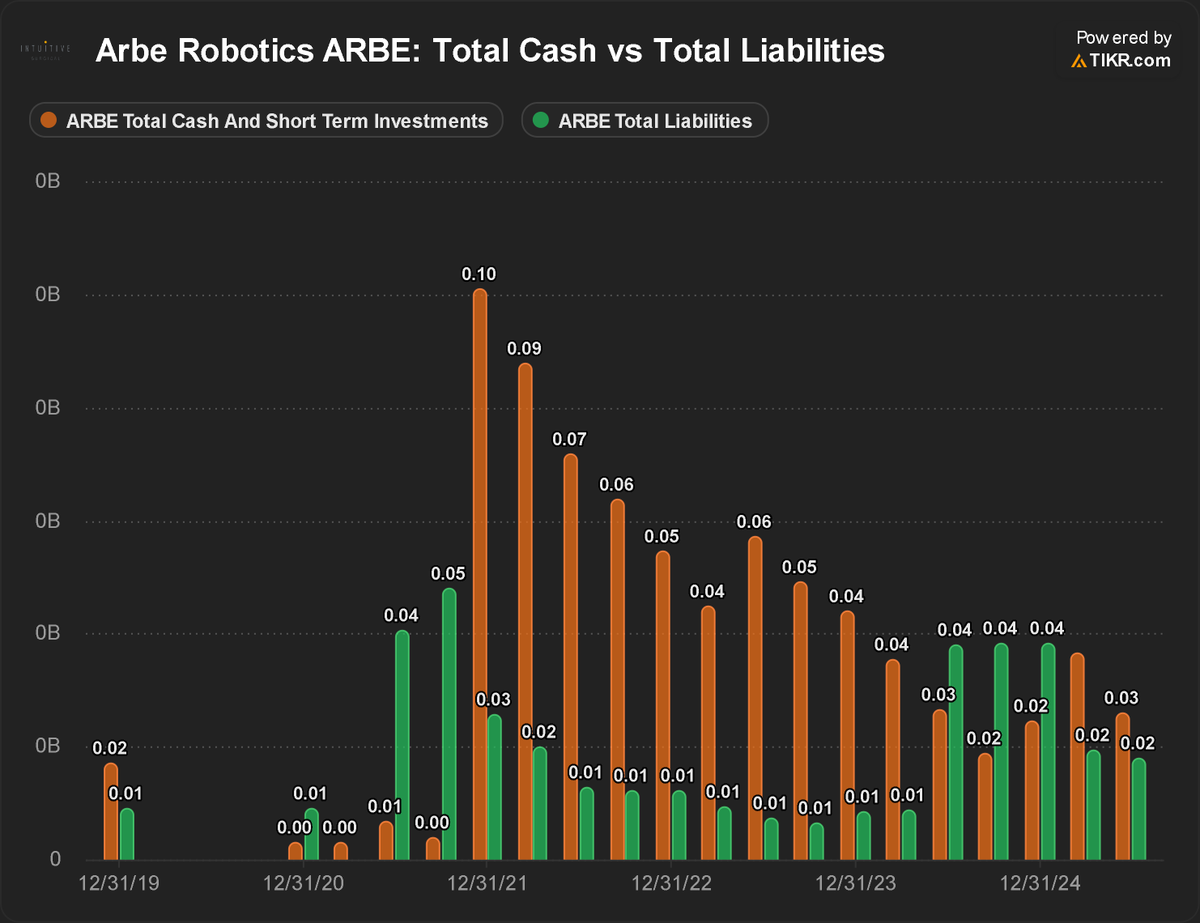
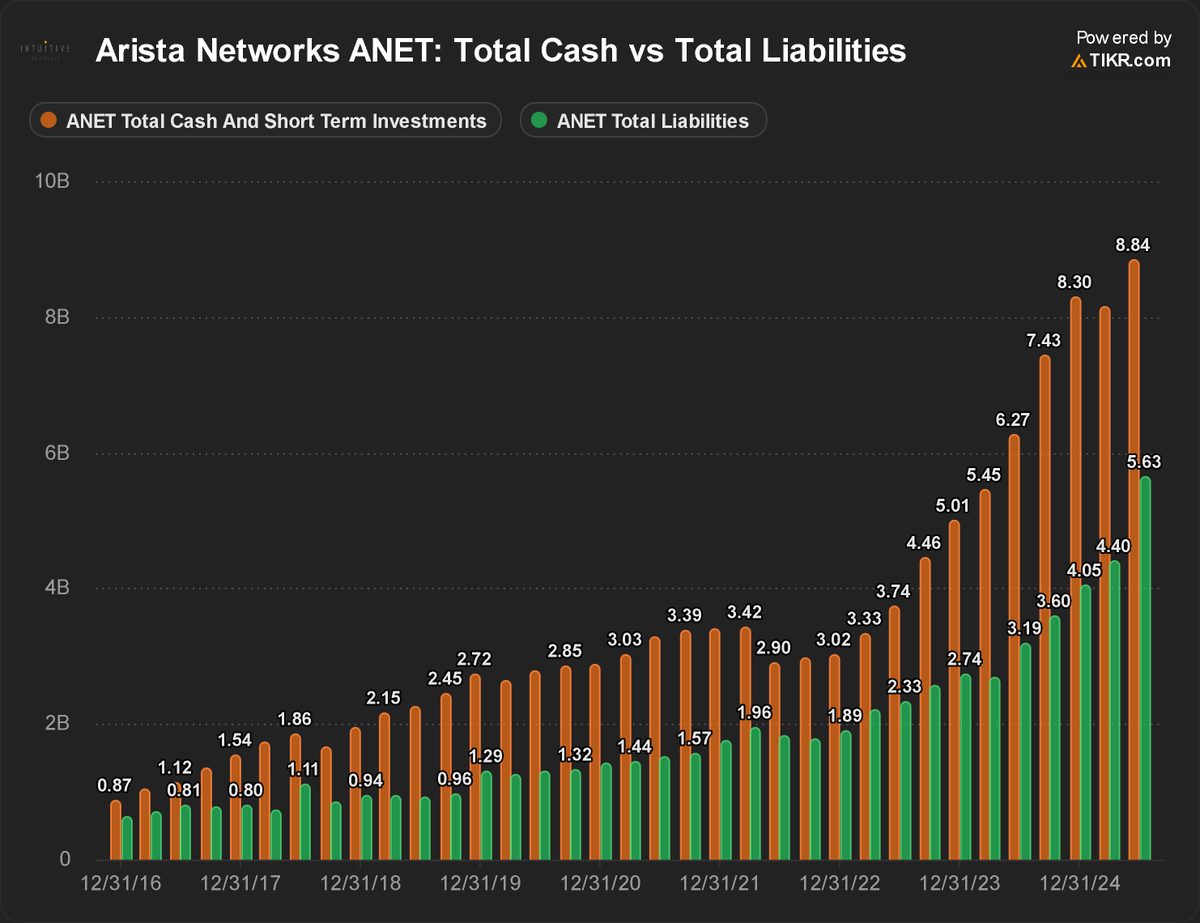
All charts are from @theTIKR
Arbe Robotics Ltd. $ARBE
- Robot theme and 37% up pre market.....
Arista Networks Inc $ANET
- One of the best companies to add after Liberation Day
- Very conservative management
- The company has been accumulating cash and conducting significant share buybacks
Another correction i will buy more
• • •
Missing some Tweet in this thread? You can try to
force a refresh

Alphabet’s robotics initiatives (led by Intrinsic, DeepMind, and RT-X) aim to develop general-purpose robotic intelligence capable of learning, reasoning, and adapting to new environments.
By training robots with large multimodal AI models, Google is building the software mind that allows machines to learn thousands of tasks from human demonstrations rather than rigid programming.
Google’s strength lies in AI scalability, connecting data, vision, and motion learning across its vast ecosystem. If successful, it could become the operating system for physical intelligence, much like Android became the backbone of the smartphone era.
Robotics is increasingly integrated with Google Cloud and AI platforms, targeting applications in smart homes, manufacturing, and logistics. Future developments are expected to include humanoid and collaborative robots capable of learning complex physical tasks through neural networks.
Waymo (Alphabet’s autonomous driving unit) is already operating commercial robotaxi services across multiple U.S. cities. By 2040, Waymo could account for 10% or more of Alphabet’s total revenue.
With unmatched AI research talent, real-time robot data processing via Google Cloud, and one of the world’s strongest machine learning patent portfolios, Alphabet is uniquely positioned at the intersection of robotics and artificial intelligence.
In essence, Google is building the brain and software infrastructure for autonomous robots (not the bodies). Its AI robotics stack is designed to train robots to perform hundreds of tasks by combining LLMs, simulation environments, and real-world motion data, a foundation that could redefine how machines learn and interact with the physical world.
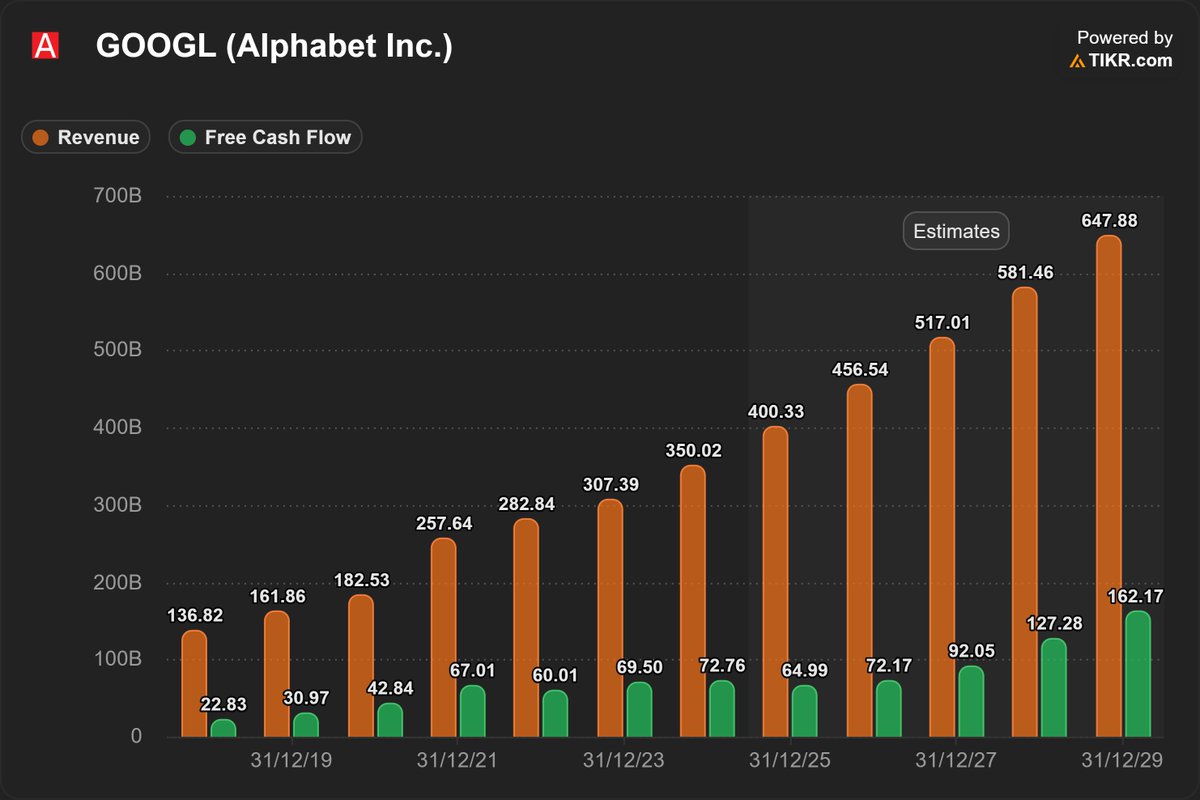
Despite Alphabet’s significant R&D investment, the company is expected to increase its revenue by 1.5 times and double its free cash flow by 2029.
2. $ISRG - Intuitive Surgical
Intuitive Surgical remains the undisputed leader in robotic-assisted surgery (RAS) and is uniquely positioned to expand into new surgical categories, emerging markets, and adjacent medical robotics fields.
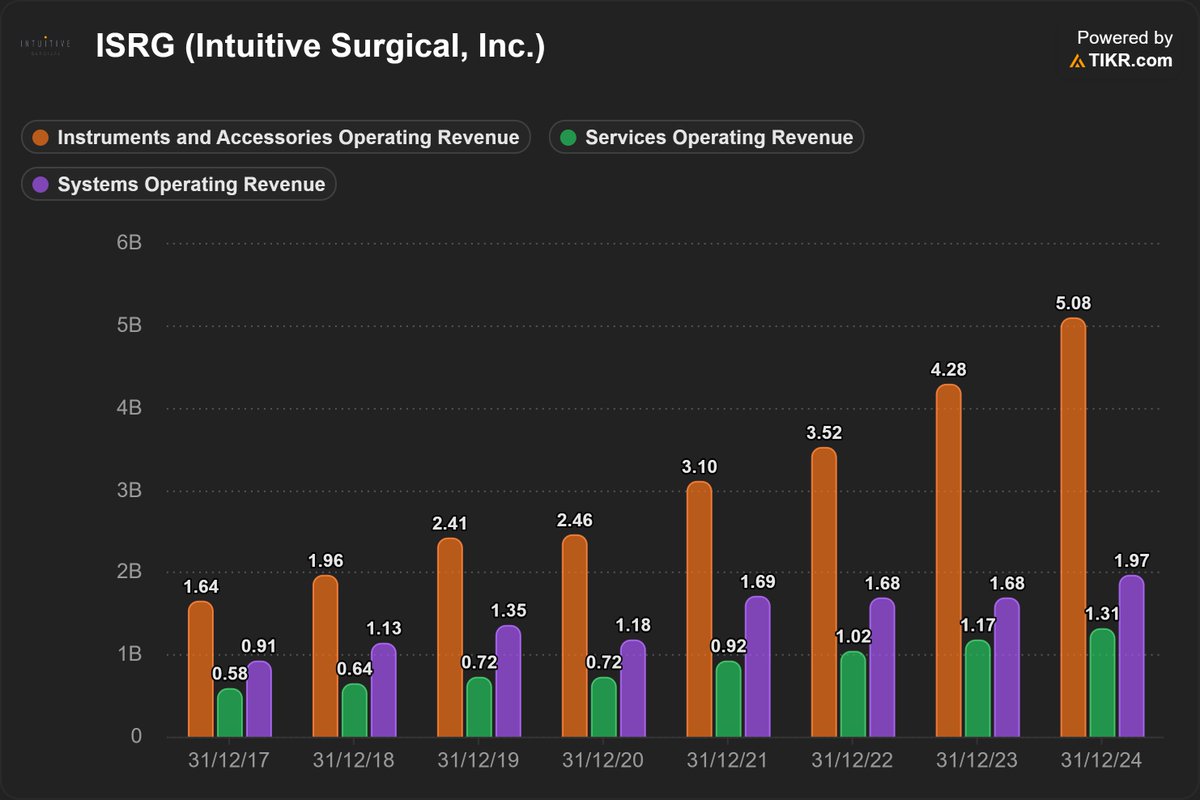
The da Vinci ecosystem, now with more than 10,200 installed systems, benefits from unmatched surgeon trust, extensive clinical data, and a deeply embedded service and training infrastructure. This creates powerful recurring revenue streams and exceptionally high switching costs.
Advancements in AI-enhanced imaging, augmented reality (AR), and real-time decision support are improving surgical precision, shortening hospital stays, reducing complications, and accelerating global adoption.
The commercial rollout of da Vinci 5 has exceeded expectations, with 240 systems placed in Q3 and utilization rates ahead of plan. Procedures outside the U.S. grew 25% YoY, driven by strong momentum in Japan, India, Korea, Brazil, and Europe.
ISRG targets 50,000+ installed systems by 2035, potentially capturing up to 50% of an estimated 150 million annual robotic surgeries. This could support $175 billion in high-margin recurring revenue by 2035.
3. $CRM - Salesforce
Salesforce is redefining enterprise automation through Einstein and AgentForce, representing the next frontier of AI-driven business robotics.
These platforms enable intelligent agents to autonomously execute tasks, communicate with customers, and orchestrate workflows across enterprise systems. Salesforce is effectively roboticizing digital work, embedding AI agents directly into CRM workflows.
These AI assistants function as “digital colleagues”, automating repetitive sales, service, and support tasks while freeing human workers to focus on strategy and relationship-building.
As enterprises increasingly adopt autonomous agents, Salesforce could attribute a growing share of revenue and margin expansion to these robot-like digital capabilities.
Salesforce is also partnering with robotics firms to integrate CRM functionality into physical robots used in retail and hospitality, while expanding AI-driven predictive maintenance tools to optimize robotic performance in the field.
By 2035, Salesforce’s AI ecosystem (Einstein + AgentForce) and Data Cloud could generate $10–15 billion in incremental annual revenue, with Sustainability Cloud adding another $5–7 billion.
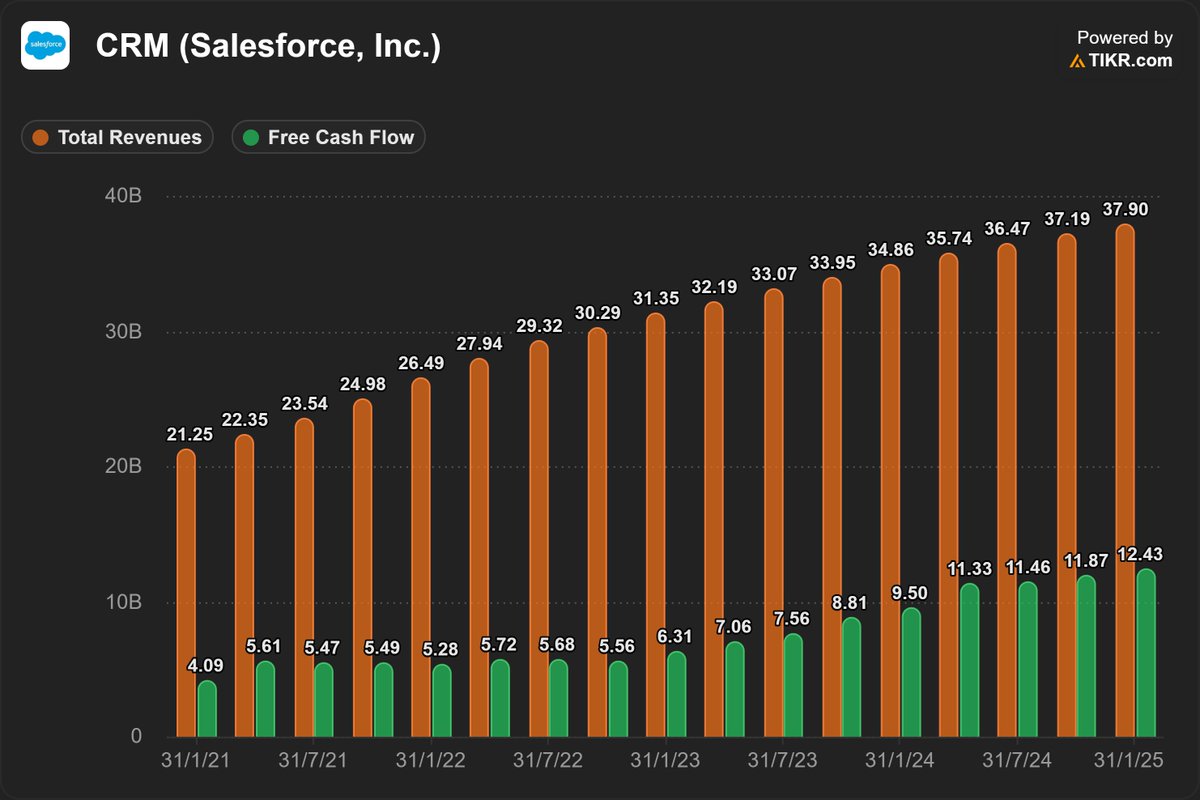
Despite Salesforce revenue and FCF growth, the stock is at its 2021 level, indicating that the company is undervalued at its current price.
Grab is a leading super-app in Southeast Asia, combining ride-hailing, food delivery, payments, and financial services in emerging markets with a rapidly expanding middle class.
Its ecosystem strategy (mobility + delivery + fintech) mirrors successful models seen in China, but in a region with massive population growth and rapidly increasing internet and smartphone penetration.
Indonesia is Grab’s fastest-growing and most profitable market, supported by strong execution across both budget and premium tiers: GrabBike Saver for price-sensitive users and GrabExecutive for corporate and high-income riders.
Grab is also evolving into a hybrid food, grocery, and convenience platform (similar to a Southeast Asian DoorDash–Instacart model) with significant long-term monetization potential.
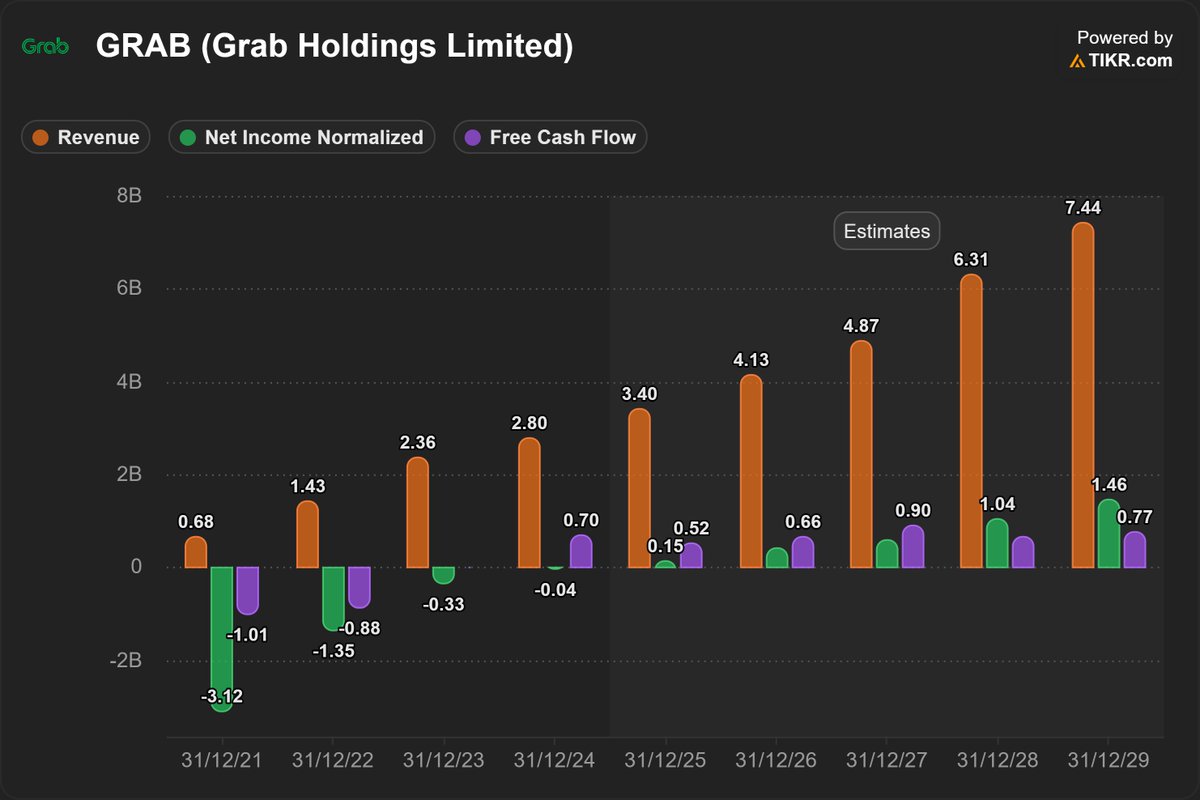
In 2025, Grab became profitable for the first time, improving from -$105M in net income in 2024 to $122M in 2025, and earnings are projected to grow more than 9x by 2029.
2. $AMZN - Amazon
Amazon is the world’s largest e-commerce platform, benefiting from immense global scale and powerful network effects.
AWS is a high-margin, market-leading cloud business that remains critical to Amazon’s long-term earnings. AWS controls more than 30% of the global cloud market, making it the largest cloud provider worldwide.
With over 250 million Prime members globally, Amazon enjoys unmatched customer loyalty and recurring revenue.
Generative AI demand has already become a multibillion-dollar business for AWS, growing at triple-digit year-over-year rates, with demand still exceeding supply.
Amazon’s grocery expansion now spans more than 1,000 U.S. cities, with a target of 2,300 locations by year-end.
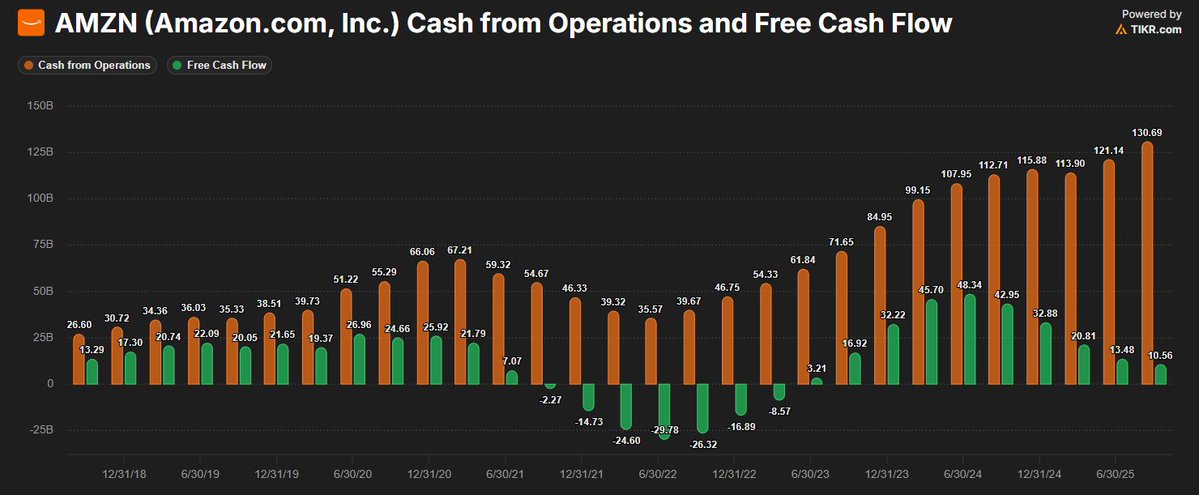
Free cash flow from operations has not only recovered from its 2022 low but has grown nearly 4x since then, despite continued heavy investment.
3. $NVO - Novo Nordisk
Novo Nordisk is a global leader in diabetes care and obesity treatments, two of the fastest-growing chronic health conditions worldwide.
Novo controls approximately 45% of the U.S. market and 40% globally, with approvals in more than 90 countries.
The company benefits from a strong product pipeline and significant pricing power in specialized medications. Next-generation therapies are expected to extend revenue growth.
The development of an oral Wegovy pill could dramatically expand the obesity total addressable market (TAM).
Recent Akero and Metsera acquisitions strengthen Novo’s position in NASH and metabolic liver disease.
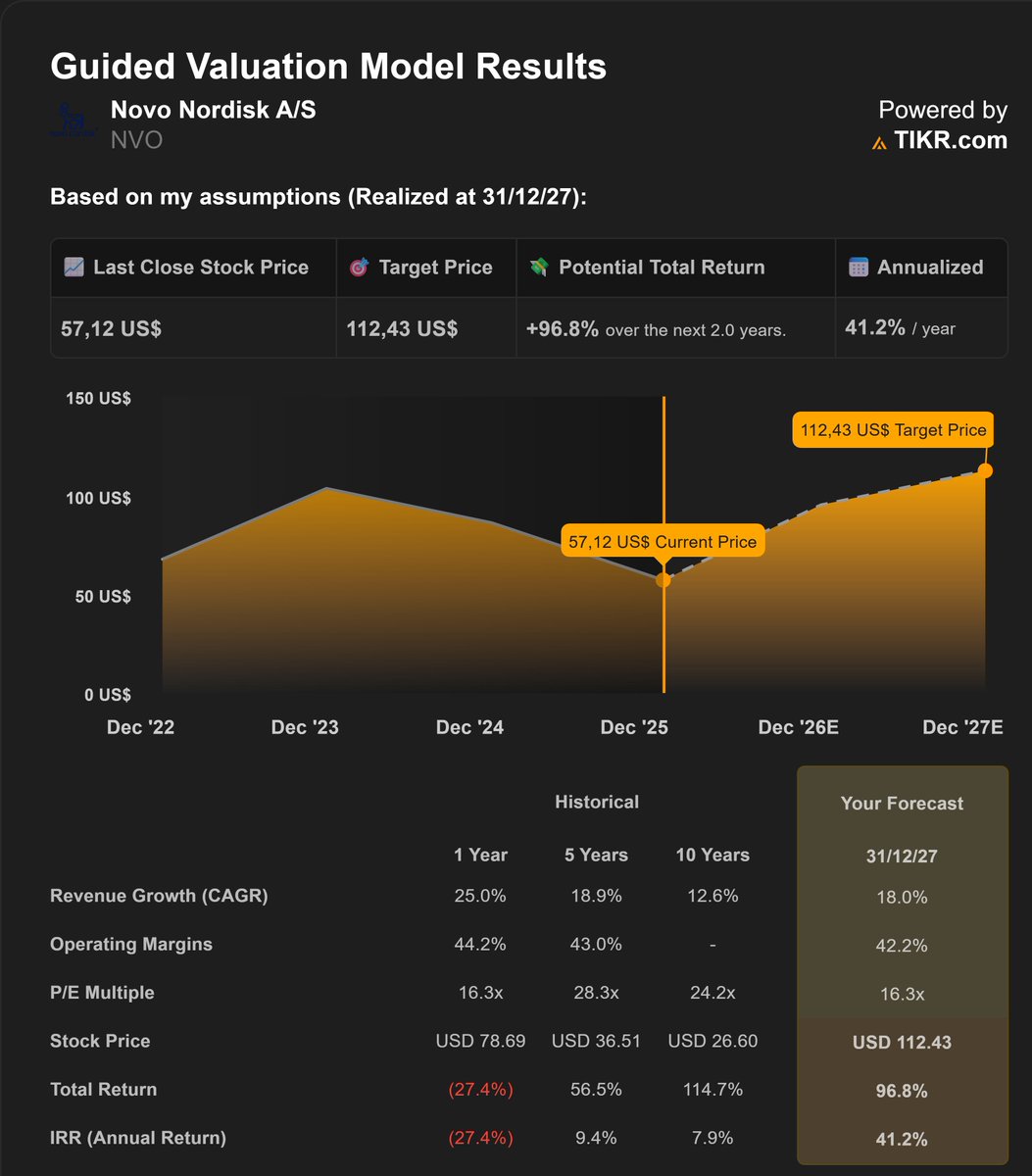
As a blue-chip healthcare company, Novo can grow regardless of overall market conditions. This positioning could support a recovery toward $112 by 2027, representing more than 100% upside from current levels.
Zeta Global’s key competitive advantage lies in its unified platform that seamlessly integrates MarTech and AdTech within a single ecosystem. Its Zeta Marketing Platform (ZMP) supports three core use cases (customer acquisition, retention, and monetization), across more than 14 digital channels.
Zeta’s proprietary data cloud forms a powerful competitive moat, which covers over 550 million individuals globally, including 242 million active U.S. consumers. This data is refreshed quarterly through more than 5.2 million publisher integrations, ensuring accuracy and scale.
Zeta’s third-generation AI Agent Studio, launched in 2025, represents a step-change in marketing automation. It unifies three AI agents (targeting, channel optimization, and real-time attribution) into a single autonomous workflow. These agents continuously learn and adjust campaigns in real time, delivering dramatically smarter targeting and dynamic ROI optimization.
The platform links every customer touchpoint (web, CTV, social) to a single deterministic ROI model, eliminating wasted spend by excluding existing customers or unqualified prospects.
By enriching client data with 5,000–7,000 behavioral, transactional, and psychographic attributes per user, Zeta achieves match rates above 90%, driving materially higher conversion and up to 50% cost efficiency versus competitors reliant on probabilistic data.
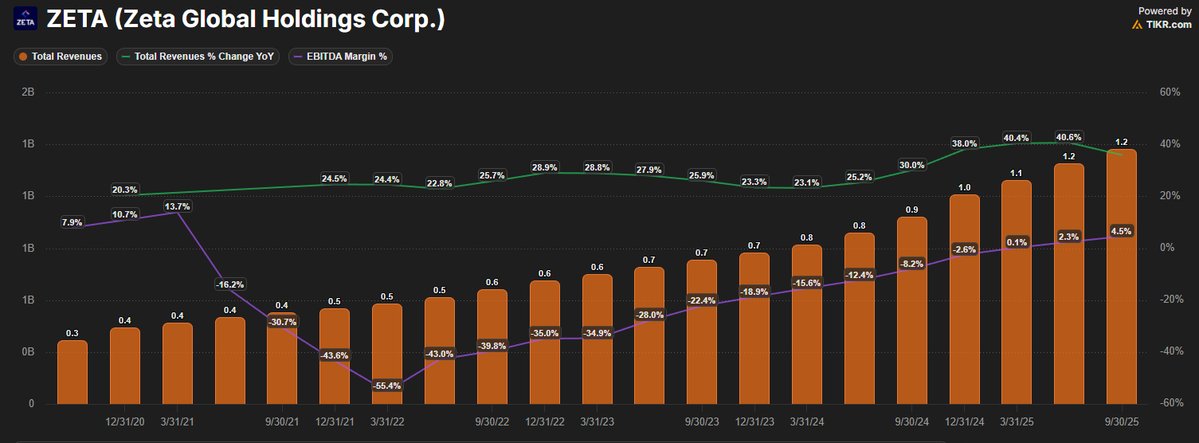
Since 2023, Zeta has delivered approximately 20% revenue growth, accelerating to 30%+ since 2024, underscoring its ability to scale profitably through automation, data leverage, and disciplined cost control.
2. $ODD - Oddity Tech
Oddity is built as an AI-native consumer platform, with machine learning and automation embedded across the entire value chain. Unlike peers that apply AI selectively, Oddity integrates data science directly into core operational workflows, allowing efficiency and performance to improve as the business scales.
The company operates a closed-loop feedback system connecting consumer diagnostics, product usage, outcomes, and scientific research. This loop shortens innovation cycles, improves product-market fit, and reduces the risk of failed launches.
METHODIQ (Brand 3) launched on schedule following a Q3 soft launch and is positioned as a telehealth-first dermatology platform. Its differentiation includes a broad initial portfolio combining prescription and non-prescription treatments, alongside precision personalization enabled by multiple treatment pathways.
ODDITY LABS is now transitioning from pure R&D into commercialization, with at least eight products containing proprietary Lab-developed molecules planned for 2026, including four tied to METHODIQ. This shift strengthens long-term defensibility through proprietary ingredients and clinically supported efficacy claims.
Oddity has delivered 20%+ revenue growth for three consecutive years and is expected to maintain this trajectory through 2027. Despite this, the stock has erased all gains and now trades below $40, levels last seen in 2023–2024, highlighting a clear disconnect between fundamentals and market sentiment.
3. $DLO - DLocal Limited
DLocal operates one of the strongest payments infrastructure moats in emerging markets, spanning Latin America, Africa, Asia, and the Middle East.
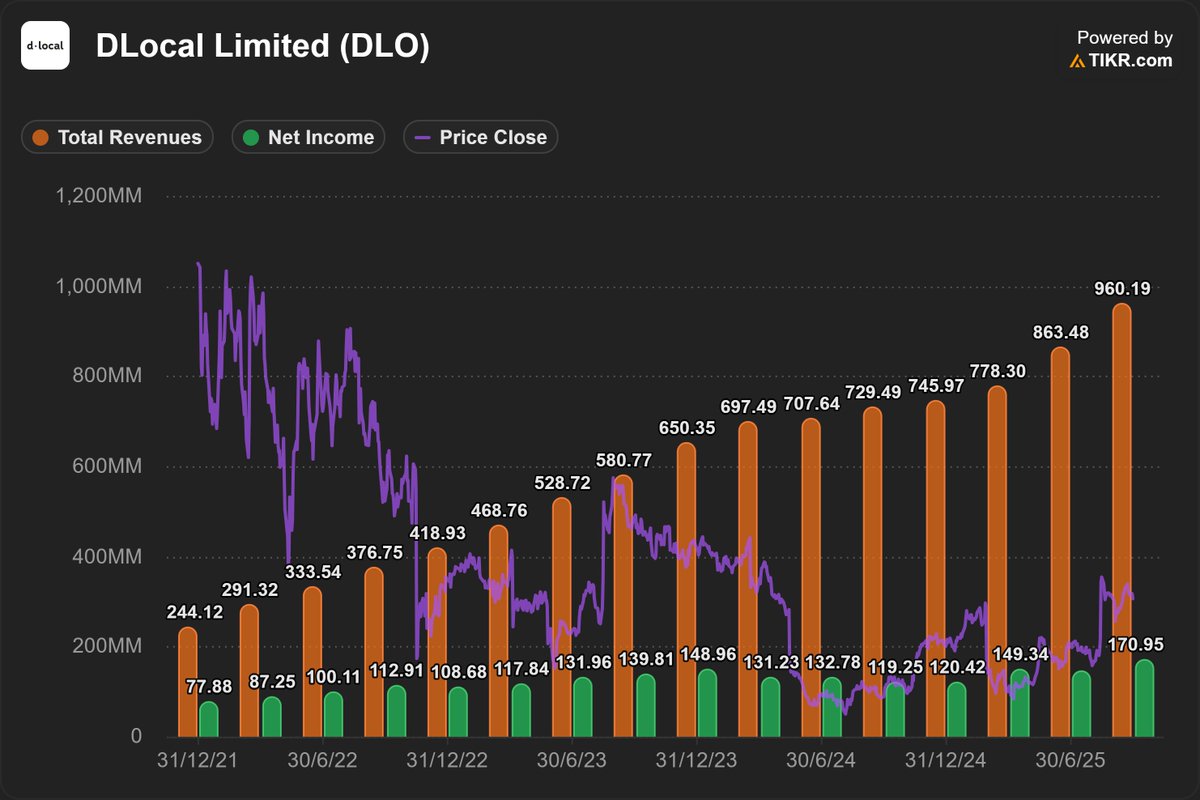
Its platform processes payments and disbursements through a single API, supporting 600+ local payment methods across 40+ countries. The company recently reported record TPV of $10.4 billion, up 59% YoY and 13% QoQ, marking its fourth consecutive quarter of 50%+ growth.
Net revenue retention reached an exceptional 149%, reflecting strong merchant expansion across volumes, geographies, and payment types. Alternative payment methods (APMs) on file are now live across 27 methods in 16 countries, improving checkout conversion rates by up to 34 percentage points. Its BNPL Fuse product is live in six countries and growing 2.5× QoQ.
Customers include six of the Magnificent Seven, along with Uber, Tencent, Spotify, Booking, Nike, and Didi, underscoring dLocal’s enterprise-grade positioning. Despite this operational strength, the stock remains flat, reflecting a pronounced valuation disconnect.
Among the Magnificent Seven, Amazon delivered the weakest stock performance in 2025, rising just 4%, despite AWS maintaining its position as the most comprehensive AI infrastructure provider globally.
Amazon remains a global powerhouse across cloud infrastructure, logistics, e-commerce, and digital advertising, and it is well positioned to sustain leadership well into the next decade.
AWS controls more than 30% of the global cloud market and remains the world’s largest cloud provider. By 2035, AWS is expected to retain this leadership as generative AI demand continues to explode.
Generative AI demand has already become a multibillion-dollar business, growing at triple-digit YoY rates, with demand still outpacing supply. Amazon’s Trainium2 and upcoming Trainium3 chips deliver 30–40% better price-performance than Nvidia GPUs, strengthening AWS’s competitive edge.
Amazon’s grocery expansion now spans more than 1,000 U.S. cities, with a target of 2,300 by year-end. Same-day grocery shoppers show 2x higher repeat frequency, improving Prime retention and lifetime value.
With over 250 million Prime members globally, Amazon enjoys unmatched customer loyalty. By 2032, Prime memberships could be potentially double, supported by international expansion and bundled services.
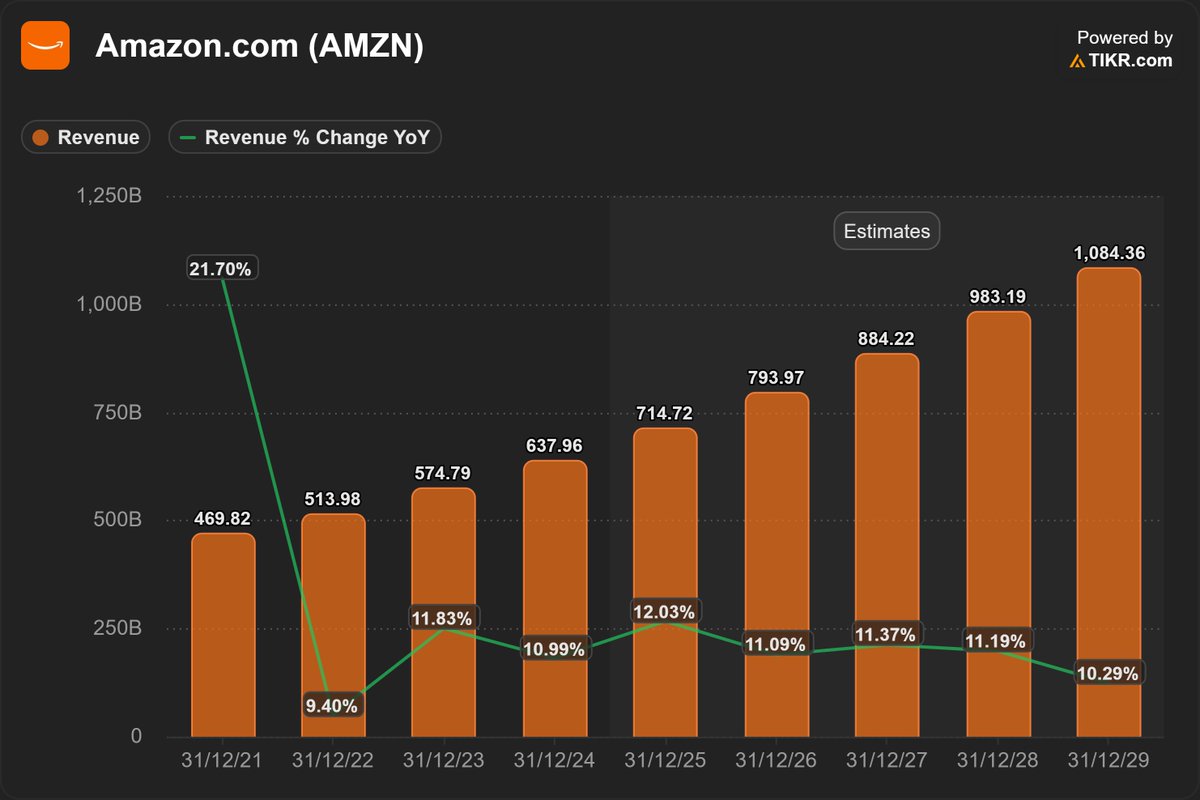
Amazon is expected to grow revenue at over 10% in 2026, driven by its diversified ecosystem spanning cloud, ads, logistics, grocery, and AI.
2. $PATH - UiPath
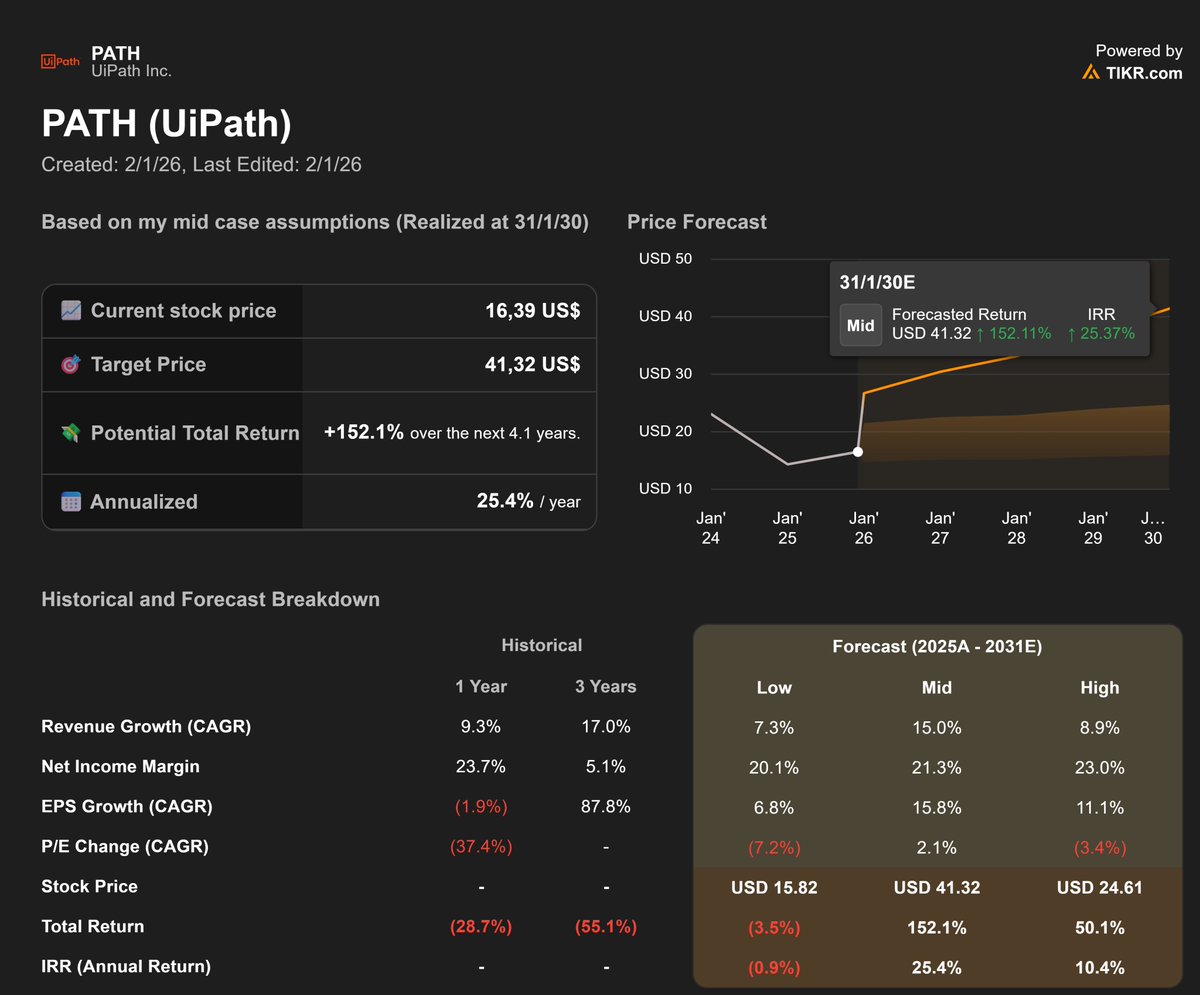
In 2025, UiPath stock surged 23%, yet it remains well below its 2021 all-time high of $79. In 2026, revenue is expected to grow around 12%, with net income projected to increase roughly 20%, signaling strong operational momentum.
UiPath is one of the few platforms offering a complete automation lifecycle under a single control plane. Since launching its AI-powered automation suite, the company has supported nearly one million agent runs and over 170,000 process instances, with more than 450 customers actively building and deploying AI agents.
With over 2.5 million community users and 11,000+ pre-built processes (integrated with SAP, Salesforce, Microsoft, and others), UiPath reduces deployment time by 30–50%.
The company benefits from a powerful ecosystem effect that accelerates adoption and lowers customer risk. UiPath Academy has trained the world’s largest RPA and intelligent automation developer community, creating a durable moat: abundant skilled talent, faster deployments, and lower service costs drive long-term customer stickiness.
Thanks to these advantages, UiPath’s revenue is projected to grow from $1.4 billion to $2.16 billion by 2029, nearly a 50% increase in just four years.
3. $IREN - IREN Limited
IREN is evolving from a Bitcoin miner into a power-first, vertically integrated digital infrastructure platform. This strategic shift helped drive a +200% stock surge in 2025, although shares still trade below their all-time high of $62.
Unlike off-grid miners, IREN’s grid-connected facilities reduce downtime, curtailment risk, and reliability issues. As AI and data centers drive structural increases in power demand, cheap, reliable, renewable energy becomes the true bottleneck, and IREN already controls it.
IREN owns its land, power infrastructure, and data centers end-to-end. As grid interconnection queues tighten and permitting becomes more complex, this ownership model grows increasingly difficult to replicate, strengthening IREN’s moat.
The company operates a compelling dual-engine model:
- Bitcoin mining monetizes installed capacity today
- AI cloud infrastructure adds longer-duration, enterprise-style revenue
Both engines share the same operational backbone (power procurement, data centers, hardware deployment, and uptime management), allowing IREN to allocate capacity to the highest risk-adjusted returns and smooth earnings across cycles.
IREN’s AI cloud platform is built on NVIDIA-aligned architectures, renewable power, and vertically integrated operations. While still early relative to hyperscale's, this positions IREN to serve AI workloads that increasingly demand high power density, reliability, and clean energy.
IREN already operates hundreds of megawatts of capacity and has a multi-gigawatt secured power pipeline. With only 16% of its 3 GW power base currently utilized, the company retains enormous long-term optionality across AI, HPC, and energy-adjacent use cases.
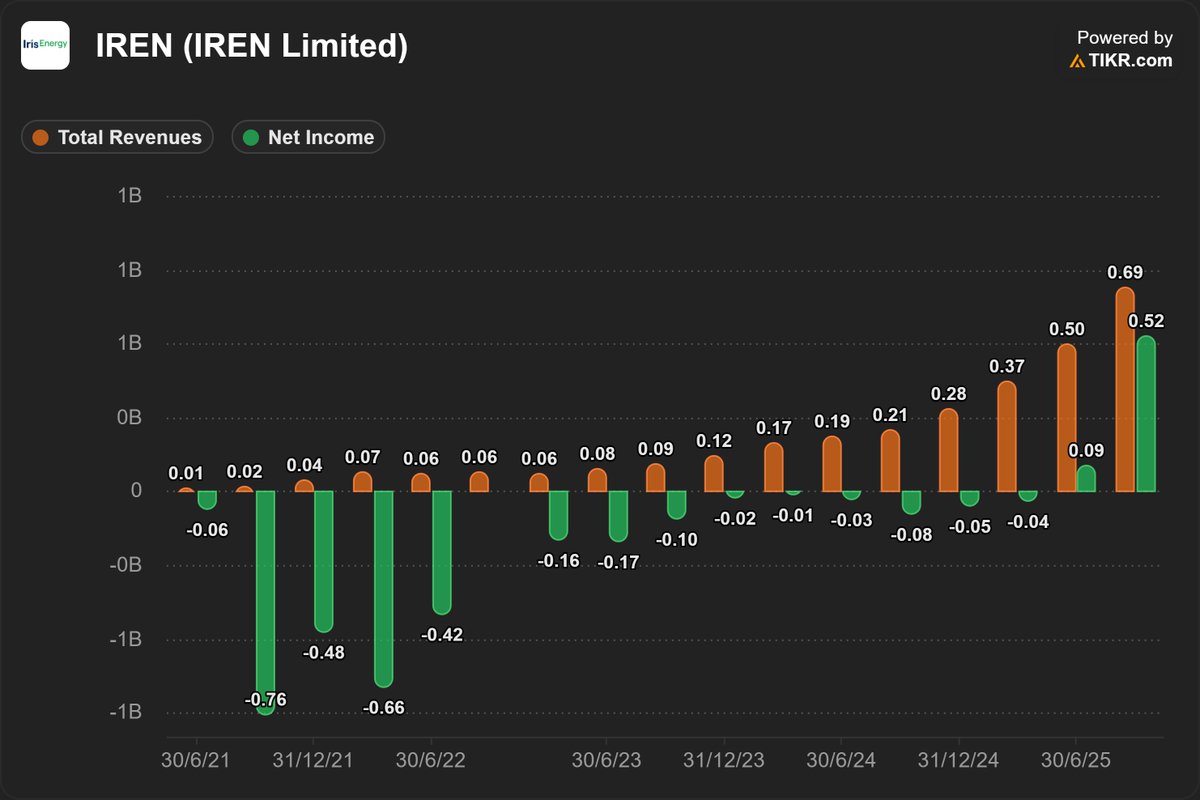
IREN reached positive net income for the first time and is expected to sustain profitability as its data center operations continue to scale.
In what could be a volatile 2026, here are my picks for defensive stocks with strong upside potential.
1. $PEP - PepsiCo
1y stock performance: -6.2%
Despite a relatively flat 2025, PepsiCo remains one of the strongest defensive companies in the market.
PepsiCo’s North America Beverages (PBNA) segment has returned to both volume and net revenue growth, driven by flagship brands such as Pepsi, Mountain Dew, and Gatorade. Service levels have recovered to 97–98%, improving retailer relationships and shelf execution.
Structural cost reductions at Frito-Lay North America (FLNA) are beginning to materialize, as the company rationalizes low-efficiency manufacturing sites, optimizes warehousing, and improves labor productivity.
International operations delivered a strong recovery in Q3, returning to mid- to high-single-digit growth, supported by favorable weather and improved sell-through in Europe and Latin America. Emerging markets such as India, the Middle East, and Brazil continued to post double-digit growth, driven by affordability packs and expanding distribution networks.
PepsiCo continues to reshape its portfolio toward functional, clean-label, and better-for-you products. The integration of Poppi, Siete, Alani Nu, and Sabra strengthens its exposure to gut health, hydration, and plant-based categories, segments growing at double-digit rates.
The company is also entering one of its most ambitious innovation cycles in years, focused on premiumization, wellness, and product diversification. These initiatives should improve mix quality and support higher-margin sales in FY2026 and beyond.
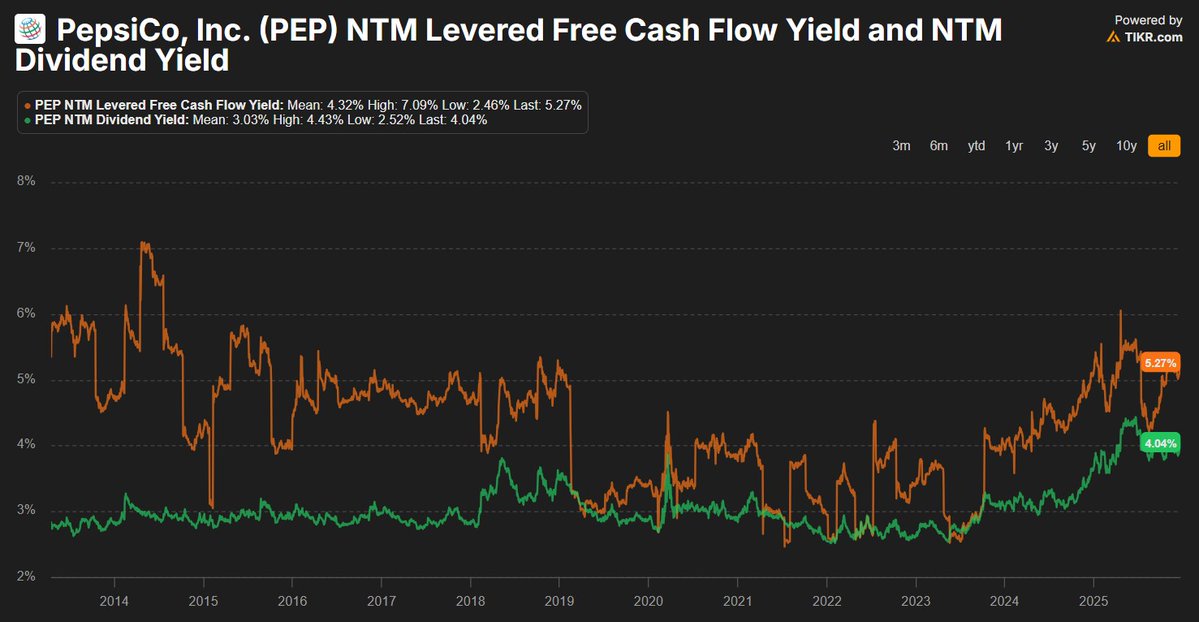
Finally, PEP’s dividend yield is currently above its 2020 peak, offering an attractive income opportunity for defensive investors.
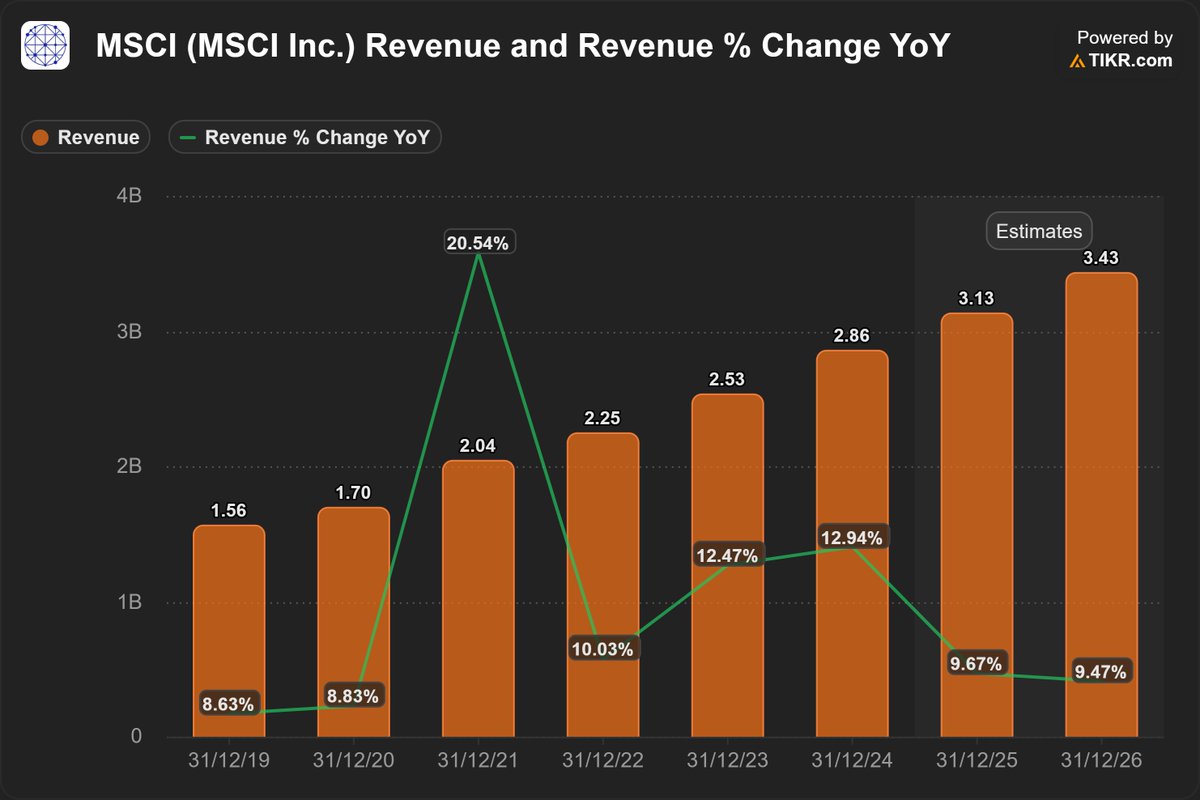
2. $MSCI - MSCI
1y stock performance: -4.2%
While it is not defensive in the traditional sense, MSCI is a defensive compounder because it operates as a toll road for the global financial system.
The company holds exclusive ownership of the most globally recognized equity indices, which form the backbone of institutional and passive investing worldwide.
More than 1,400 ETFs are linked to MSCI indices, representing over $1.4 trillion in AUM, creating a stable and growing stream of licensing revenue.
MSCI benefits from long-duration client relationships, particularly among institutional investors, where benchmark transitions are complex, costly, and rare.
Its business model is high-margin and subscription-driven, with approximately 95% recurring revenue, largely decoupled from trading volumes and instead driven by AUM growth, new mandates, and client expansion.
MSCI’s integrated platform enables powerful cross-selling and network effects, combining index data, analytics, ESG and climate tools, and private capital insights. Growth is supported by increased engagement with hedge funds, banks, wealth managers, and ETF providers.
The Asset-Based Fee (ABF) run rate grew 17% YoY, a record, driven by $49 billion in equity ETF inflows linked to MSCI indices. MSCI captured 29% market share, its highest since 2021, with particularly strong flows into developed ex-U.S. markets.
Total ETF AUM linked to MSCI now exceeds $2 trillion (+17% YTD), while total indexed AUM (ETF and non-ETF) has reached $6 trillion.
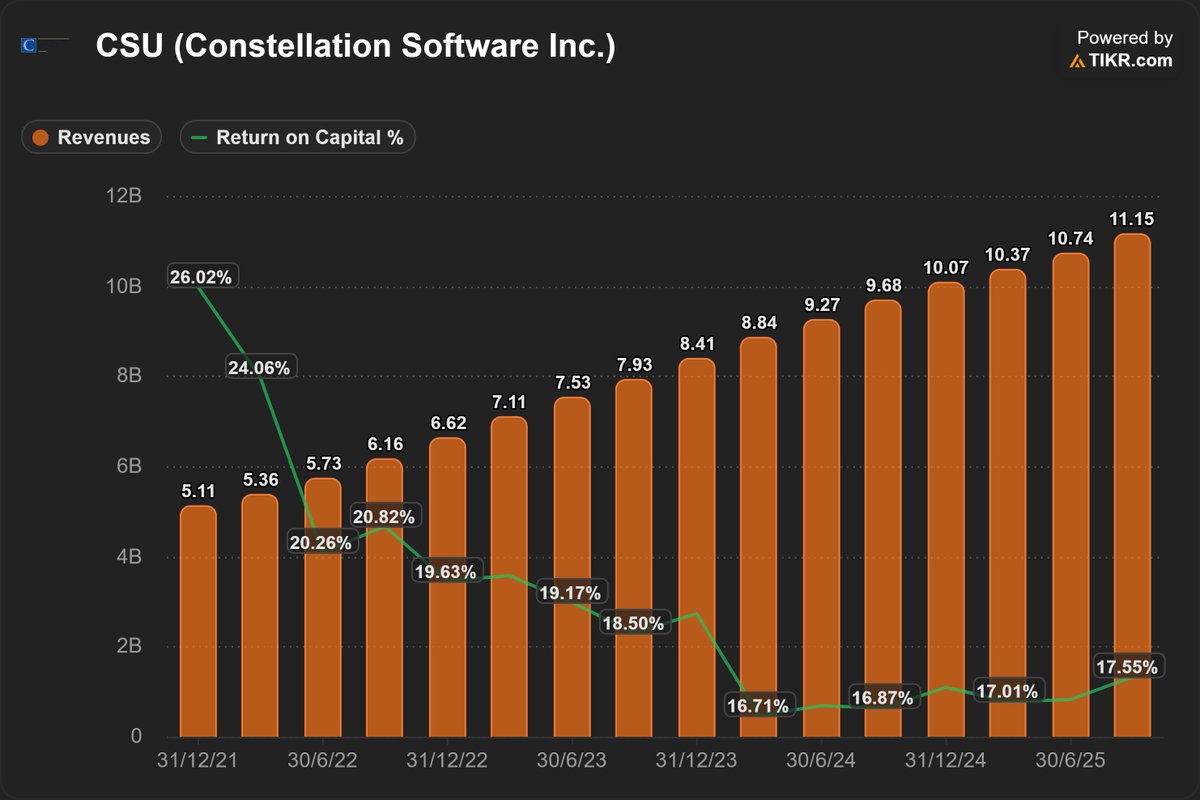
Constellation Software can be considered defensive through fragmentation and indispensability, a decentralized, mission-critical software empire that compounds through economic cycles.
CSU is the global reference model for Vertical Market Software (VMS) investing. While it may not generate the highest aggregate software revenue, it is unmatched in execution, owning 1,000+ VMS businesses worldwide.
Its most important competitive advantage is not a product, but its operating philosophy. Unlike most companies that centralize capital allocation, Constellation decentralizes decision-making and aligns incentives directly with long-term returns. Over decades, this creates institutional memory that compounds rather than resets.
Constellation is one of the few companies globally that has transformed M&A from a high-risk event into a repeatable operating process.
The company owns hundreds of mission-critical software businesses, each dominating a narrow vertical niche, including:
- Public sector & government software
- Utilities, energy & infrastructure
- Transportation, logistics & fleet management
- Healthcare & education
- Hospitality, retail & dealership software
- Industrial, manufacturing & specialized B2B software
This horizontal diversification built on vertical monopolies is one of the most powerful compounding models in public markets.
Approximately 74% of total revenue comes from maintenance and recurring sources, reflecting the mission-critical nature of its software. Unlike license-driven SaaS models, CSU monetizes long-lived customer relationships that often persist for decades.
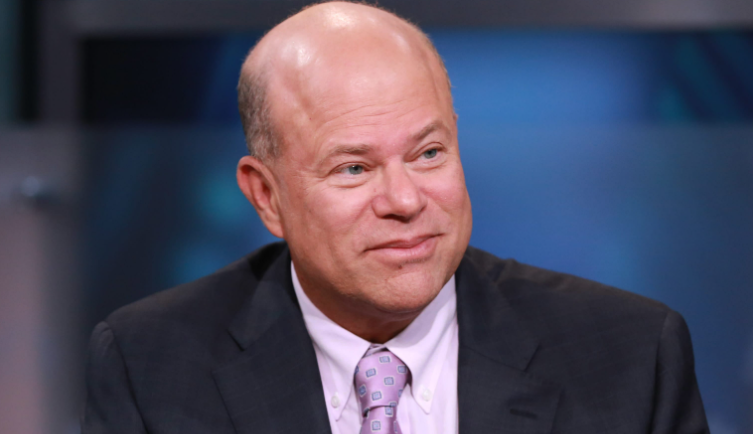
David Tepper one of the best contrarian investors has achieved a 28% annual return over the past two decades.
He's making big bets on e-commerce, amid expectations of rebounding consumer sentiment
$AMZN remains his second-largest position
Let's dive into his latest 13F!
Tepper is betting big on commerce and AI, while expecting for stronger consumer sentiment in the coming years
Consumer/e-commerce exposure (40% of his portfolio): $BABA $AMZN $WHR $PDD $UBER $LYFT $JD
AI exposure (~30-40% of his portfolio): $META $GOOG $MSFT $QCOM $AMD $NVDA $TSM $BIDU
Tepper loves buying companies at extremely low points when sentiment is terrible, but with potential for recovery.
A few years ago, he bought Alibaba between $77 and $100.
Many people thought he was crazy for investing in Chinese stocks after Xi Jinping secured his third term and the second-largest real estate company, Evergrande, collapsed.
Sentiment was worse than bad, a financial crisis and a new dictator, But... Alibaba, one of the world's largest e-commerce and tech companies in China, was trading below $80. It had a ~12% FCF yield, ~5% buyback yield, and book value per share of $58. It was insanely cheap.