End of Private Equity?
Funds are choking on unsold assets.
LPs are waiting nearly a decade for cash back.
GPs cling to marks that no buyer pays
Thread
Funds are choking on unsold assets.
LPs are waiting nearly a decade for cash back.
GPs cling to marks that no buyer pays
Thread
For decades, PE was a machine:
Borrow cheap. Buy companies. Sell high. Return cash. Raise bigger funds. Repeat.
That flywheel stopped in 2022 when the Fed hiked rates.
Exits dried up. Multiples collapsed. And suddenly, the industry’s promises no longer matched reality
Borrow cheap. Buy companies. Sell high. Return cash. Raise bigger funds. Repeat.
That flywheel stopped in 2022 when the Fed hiked rates.
Exits dried up. Multiples collapsed. And suddenly, the industry’s promises no longer matched reality
The liquidity crisis is staggering:
At today’s pace, it would take ~9 years for LPs to be fully paid back from the 12,000+ US portfolio companies sitting in buyout funds.
Imagine being a pension fund CIO with retirees to pay—your patience wears thin.
At today’s pace, it would take ~9 years for LPs to be fully paid back from the 12,000+ US portfolio companies sitting in buyout funds.
Imagine being a pension fund CIO with retirees to pay—your patience wears thin.
This is the new LP mantra: DPI > TVPI.
It’s not enough to show high marks on paper.
If you’re not handing back real dollars, you slide down the short list.
That’s why distributions have become the single most important metric in fundraising.
It’s not enough to show high marks on paper.
If you’re not handing back real dollars, you slide down the short list.
That’s why distributions have become the single most important metric in fundraising.
The numbers tell the story:
PE quarterly returns peaked at ~13% in 2021.
By late 2024, they had slumped to 0.8%.
Assets on the books are marked higher than what buyers are actually paying.
The gap between fantasy and reality is now visible.
PE quarterly returns peaked at ~13% in 2021.
By late 2024, they had slumped to 0.8%.
Assets on the books are marked higher than what buyers are actually paying.
The gap between fantasy and reality is now visible.
Meanwhile, the industry is sitting on $1.2T of dry powder.
About a quarter of that was raised 4+ years ago.
That capital is aging badly. If it isn’t deployed soon, GPs risk angry LPs, expired mandates, and reputational damage.
About a quarter of that was raised 4+ years ago.
That capital is aging badly. If it isn’t deployed soon, GPs risk angry LPs, expired mandates, and reputational damage.
How are firms reacting?
They’ve turned to “liquidity engineering”:
GP-led continuation funds
Selling assets into secondaries
Borrowing against portfolios via NAV loans
These tricks buy time, but they don’t replace clean exits.
They’ve turned to “liquidity engineering”:
GP-led continuation funds
Selling assets into secondaries
Borrowing against portfolios via NAV loans
These tricks buy time, but they don’t replace clean exits.
And LPs know it.
Two-thirds of investors say they prefer a straight sale, even at a lower price, over complex vehicles.
Only 17% call GP-leds their first choice.
Continuation funds are often a red flag: a GP couldn’t exit when it mattered.
Two-thirds of investors say they prefer a straight sale, even at a lower price, over complex vehicles.
Only 17% call GP-leds their first choice.
Continuation funds are often a red flag: a GP couldn’t exit when it mattered.
The cracks are showing in fundraising too.
Mega-buyout funds are missing targets.
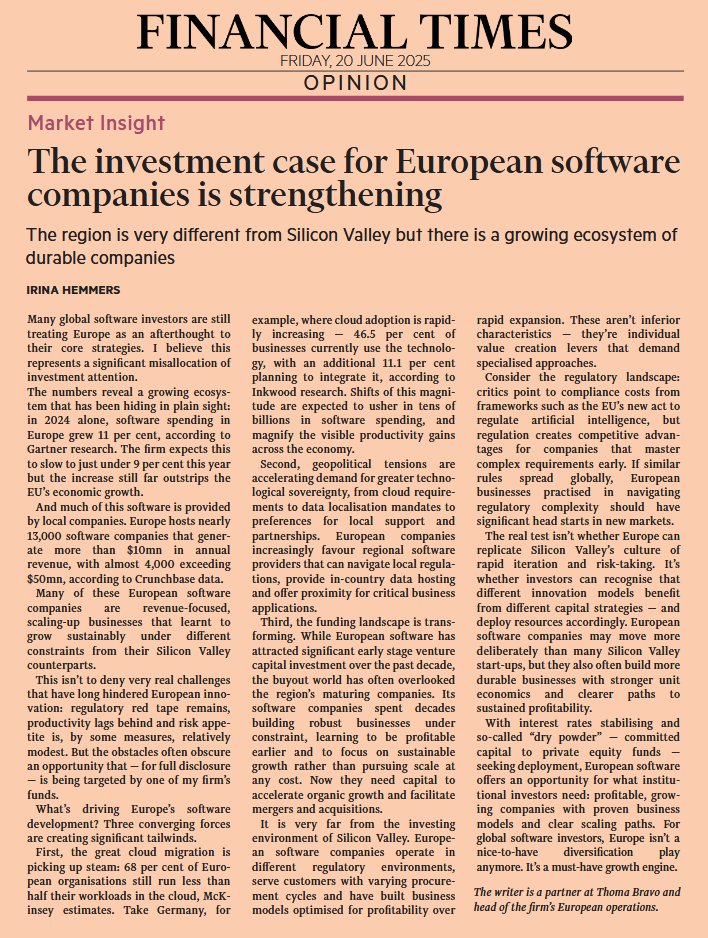
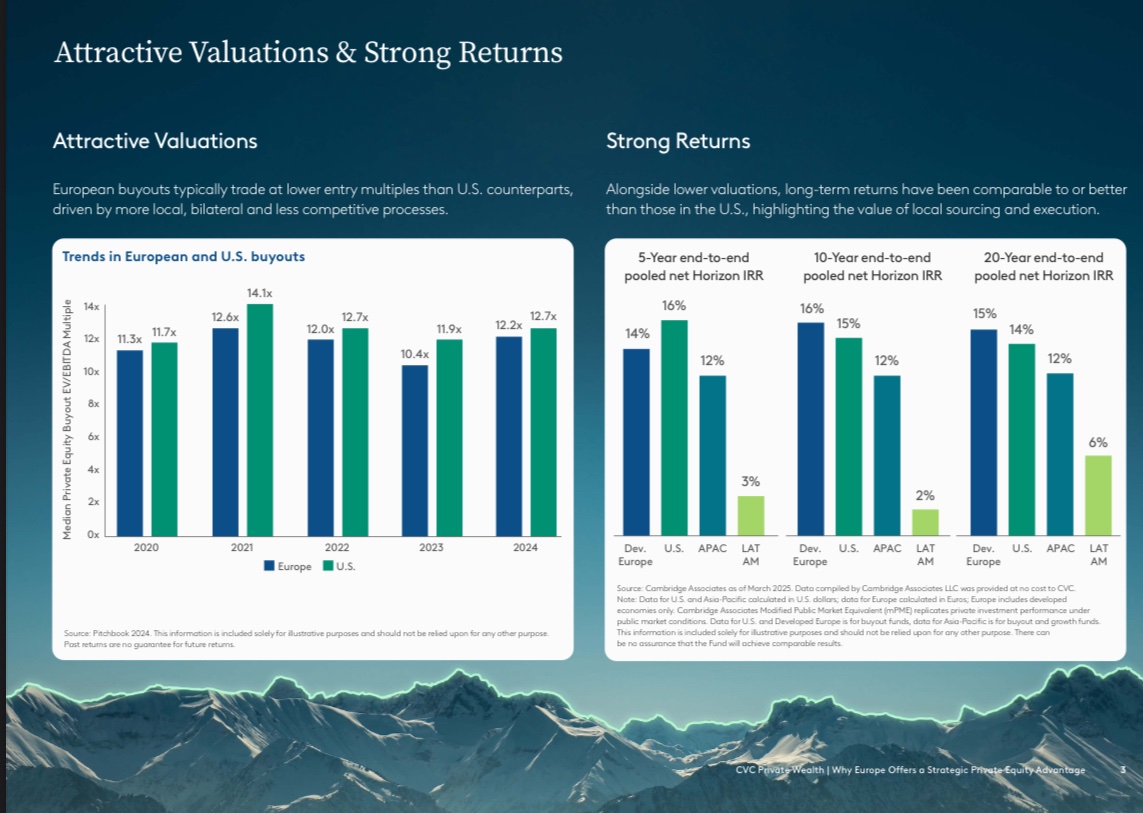
LPs are shifting toward smaller managers, mid-market buyouts, and Europe.
Check sizes that once hit $200M are being trimmed to $50–75M.
Arrogance is getting repriced.
Mega-buyout funds are missing targets.
LPs are shifting toward smaller managers, mid-market buyouts, and Europe.
Check sizes that once hit $200M are being trimmed to $50–75M.
Arrogance is getting repriced.
Even industry titans admit it:
Apollo’s president calls this a “natural washout.”
Insiders say many firms are already dead—they just haven’t realized it yet.
In other words: the herd is about to get thinned.
Apollo’s president calls this a “natural washout.”
Insiders say many firms are already dead—they just haven’t realized it yet.
In other words: the herd is about to get thinned.
Survivors will:
1. Sell assets even at modest multiples, and return cash.
2. Resize funds to reality.
3. Build repeatable playbooks in the mid-market.
4. Align with LPs instead of gaming them.
→ Casualties will cling to marks, delay exits, and lose trust.
1. Sell assets even at modest multiples, and return cash.
2. Resize funds to reality.
3. Build repeatable playbooks in the mid-market.
4. Align with LPs instead of gaming them.
→ Casualties will cling to marks, delay exits, and lose trust.
Secondaries are booming
There’s ~$300B of dry powder ready for secondary deals.
But secondaries are a symptom, not a cure.
They exist because primary exits are broken.
There’s ~$300B of dry powder ready for secondary deals.
But secondaries are a symptom, not a cure.
They exist because primary exits are broken.
The washout will be brutal.
The firms that survive won’t be the ones with the biggest funds.
They’ll be the ones that can distribute cash, compound in niches, and rebuild trust.
For the sharp GPs, the next cycle will be the best opportunity in a generation
The firms that survive won’t be the ones with the biggest funds.
They’ll be the ones that can distribute cash, compound in niches, and rebuild trust.
For the sharp GPs, the next cycle will be the best opportunity in a generation
• • •
Missing some Tweet in this thread? You can try to
force a refresh