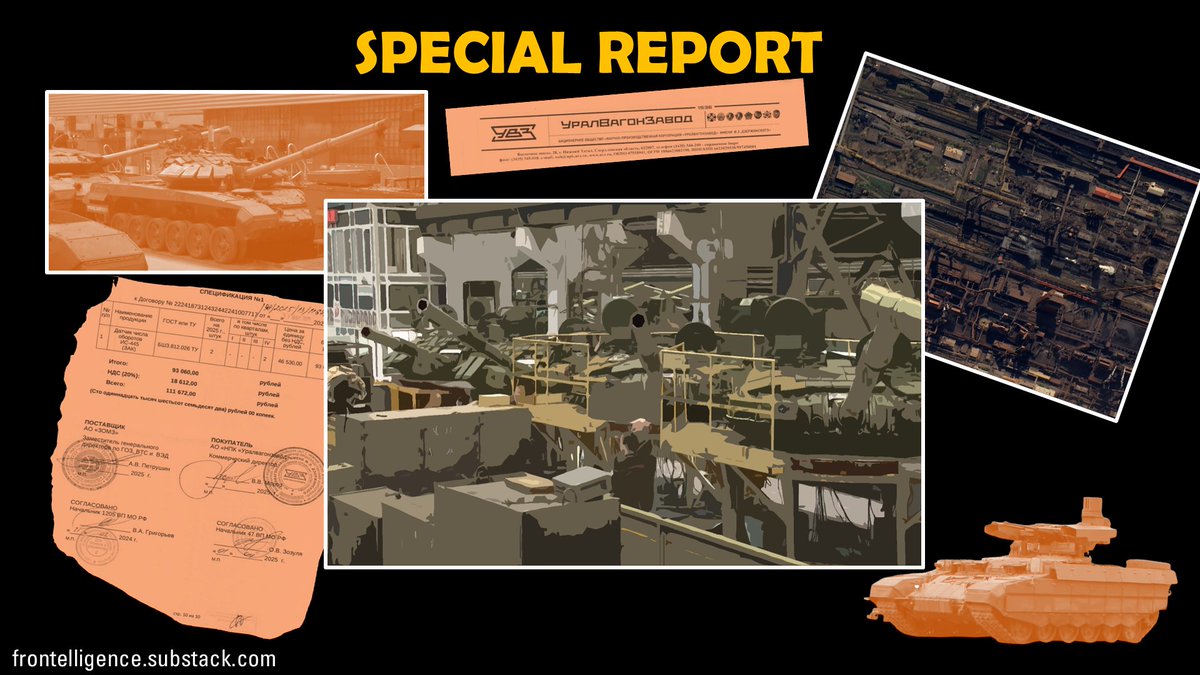
Russia’s T-90 tank production in 2024 reached around 240 units, including both new and modernized tanks. But internal planning papers analyzed by Frontelligence Insight show Moscow’s plan to lift output by 80% and launch production of a new T90 variant. 🧵Our Special Report:
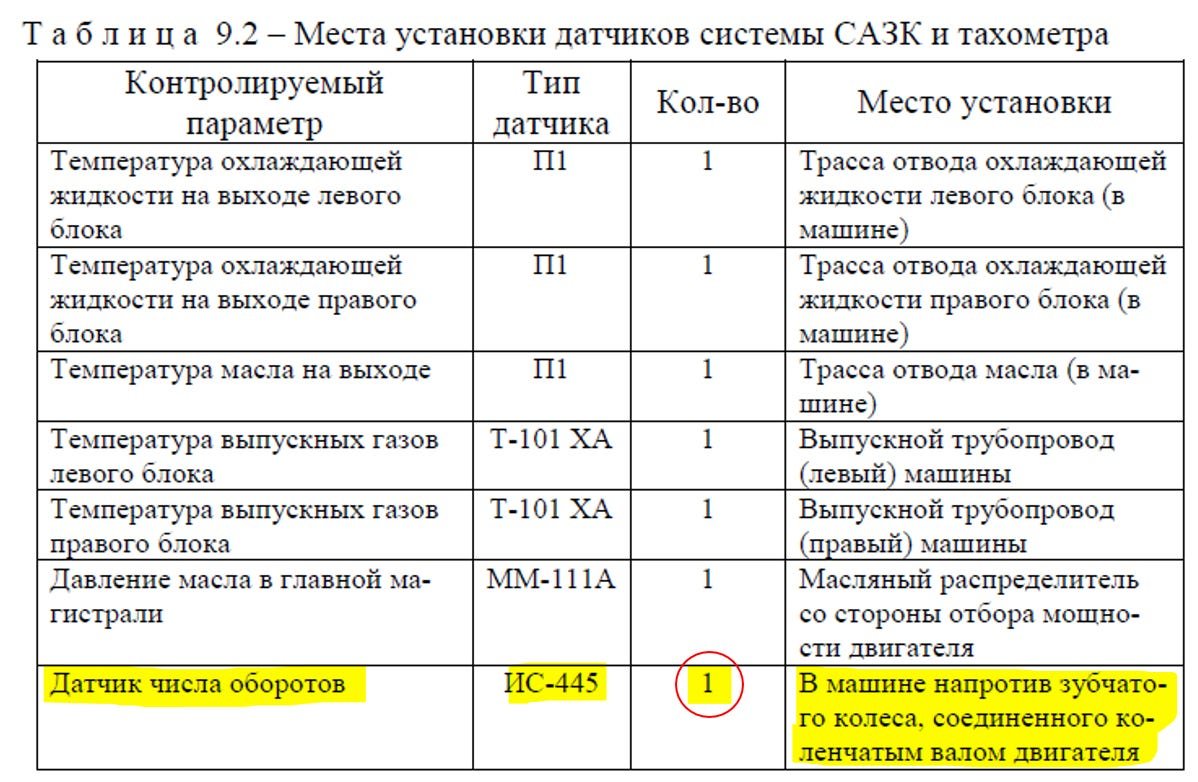
2/ Our investigation began with what appeared to be a routine document: Uralvagonzavod requested “IS-445” engine RPM sensors from Zagorsk Optical-Mechanical Plant (ZOMZ) for a project listed as “Product 188M2.” This single line became the starting point of a larger discovery
3/ Digging deeper, we identified “Product 188M2” as the T-90M2, the latest variant of the T-90M (Product 188M). A careless online bio from a Russian engineer posted on Russian Scientific and Engineering Union revealed its name: “Ryvok-1", which roughly can be translated as Dash-1
4/ Further analysis of procurement records showed Uralvagonzavod ordering IS-445 sensors for T-90M, T-90M2, and BMPT “Terminator” production - covering the years 2026–2036. Only 1 sensor fits each tank, allowing us to estimate production targets (Screenshot of a technical manual)
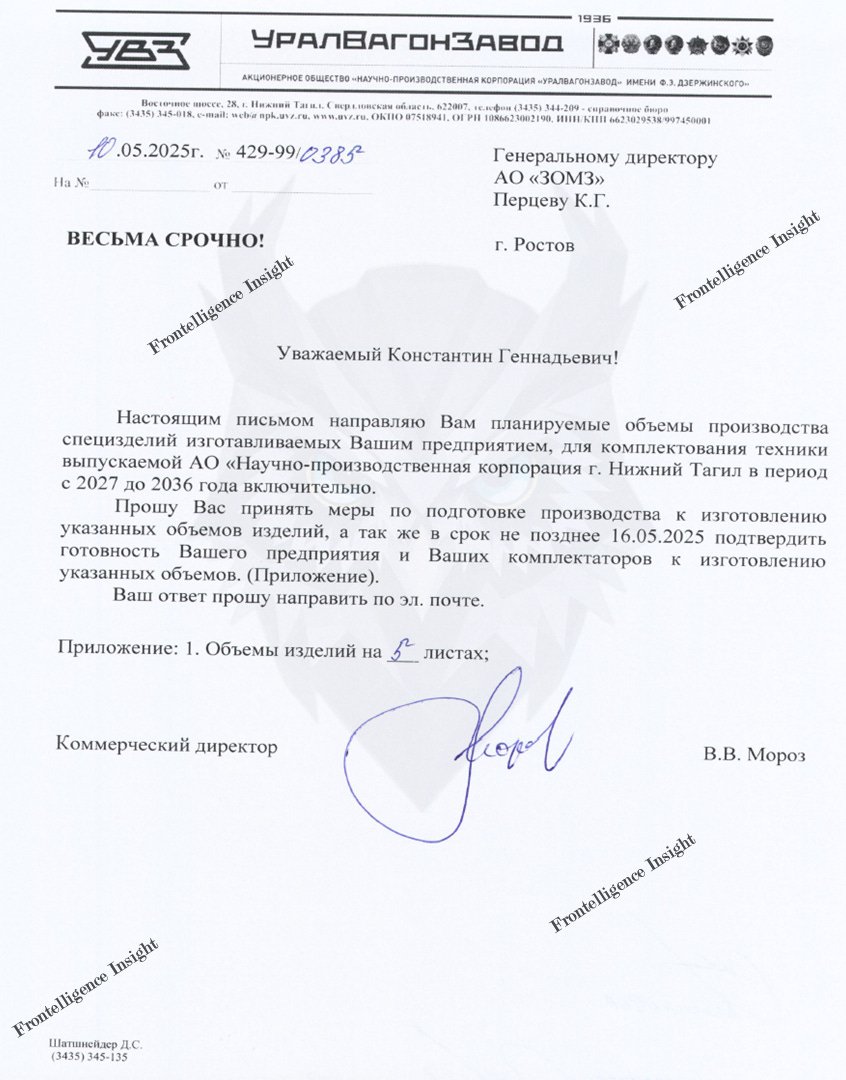
5/ Another document proved decisive: a letter from Uralvagonzavod’s commercial director to ZOMZ outlined production plans from 2026 to 2036, detailing annual projections for new tanks, capital overhauls (CO), and modernization (M).
6/ At least 10 new T-90M2 tanks are scheduled for 2026, but production surges from 2027, peaking in 2028 with 428 T-90M and T-90M2 units, a near 80% jump from 2024. Between 2027–2029, Russia plans to produce, overhaul and modernize 1,118 T-90M and T-90M2 tanks
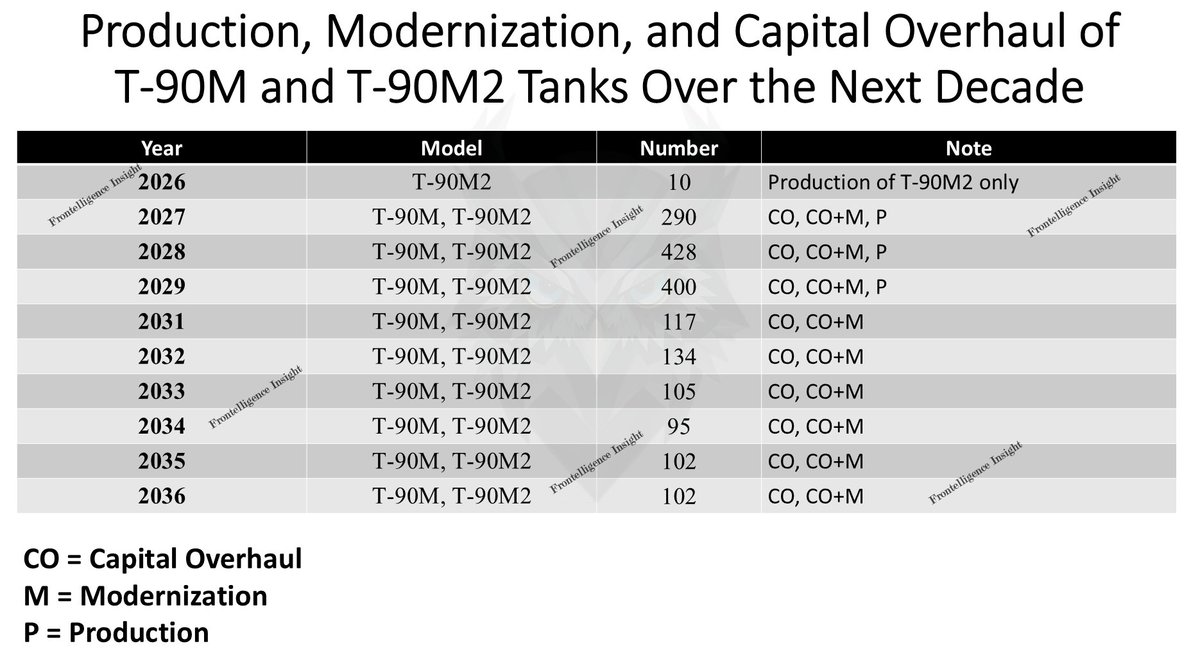
7/ Even if Moscow misses its target by 30%, the total still exceeds 780 modern tanks in just three years. Across the full decade, planned production of T-90M and T-90M2 models reaches at least 1,783 units.
Curiously, 2030 is not present on the production schedule at all
8/ 2029 is the last year marked “P” for production. Our team has speculated that 2030 may be reserved for factory reorganization, expansion, or modernization, which could explain the missing year
9/ One expert who consulted us suggested that the absence of new production (P) data after 2029 could reflect plans to introduce a newer tank variant around that time, making it unnecessary to reserve production capacity so far in advance.
10/ Parallel documents show that by 2036, Russia intends to overhaul or upgrade 828 tanks into the T-72B3M configuration. Peak modernization also hits in 2028, with nearly 500 T-72B3M units expected between 2027 and 2029 alone.
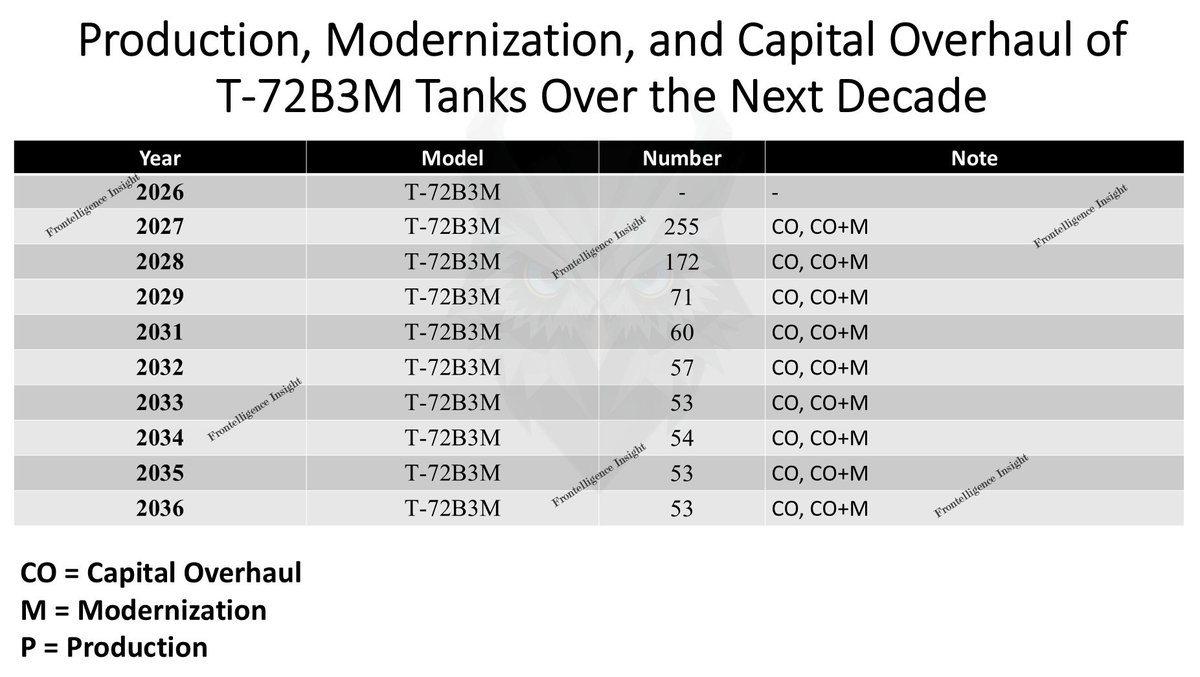
11/ That said, we treat T-72 figures with caution. While modernization parts are supplied at a 1:1 ratio like the T-90, some may be spares. Due to this uncertainty, we do not include T-72s in our final production estimates, keeping our confidence lower than for T-90 numbers
12/ Combining all known figures for T-90M, T-90M2, and even T-72B3M, Russia’s armored modernization target reaches 2,611 tanks from 2026–2036, in addition to vehicles already produced in 2024 and 2025. That’s enough to fully refresh its tank fleet for another large-scale war
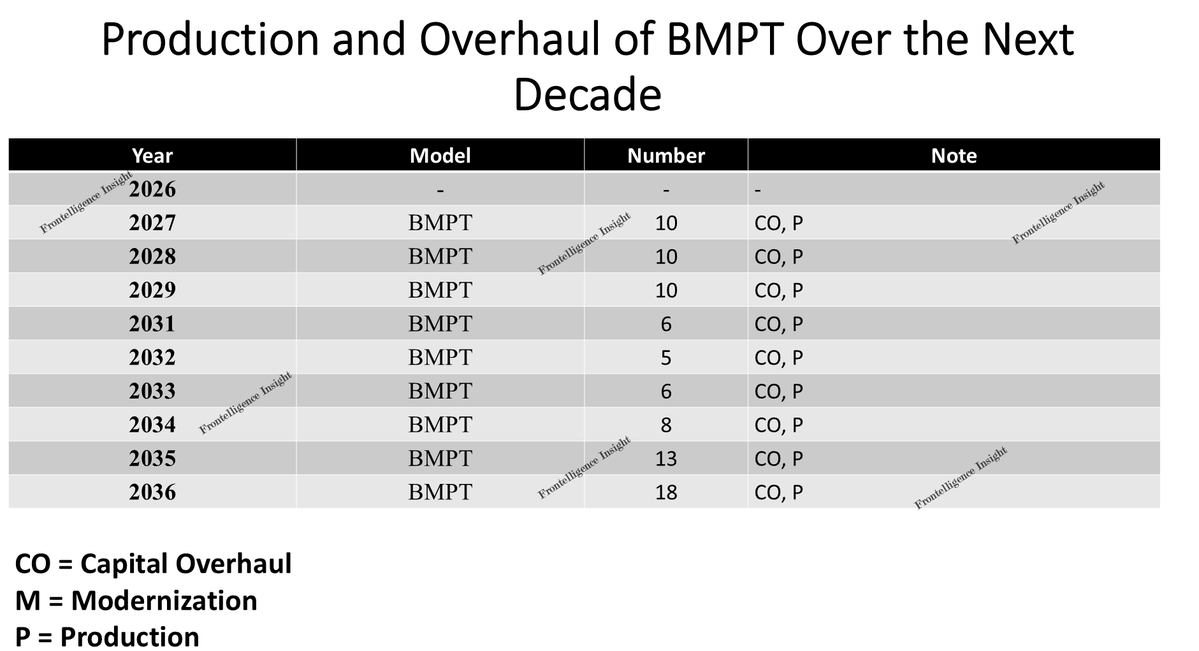
13/ Another notable and somewhat unexpected finding was the BMPT “Terminator.” Unlike the T-90M, its production remains limited, with just 86 vehicles planned for overhaul or assembly between 2027 and 2036. The vehicle appears to be somewhat sidelined
14/ Russia’s long-term tank production plan is ambitious: from 2026–2036, Moscow aims to fully supply its operational fleet without downsizing the wartime army. Most of these tanks are scheduled for production by 2029, well ahead of the decade’s end.
15/ Thank you for reading. If you found this insightful but still have questions, check out our free full report via the link below. Paid subscribers can download the original documents to conduct their own analysis of Russia’s modernization plans: frontelligence.substack.com/p/exclusive-in…
• • •
Missing some Tweet in this thread? You can try to
force a refresh

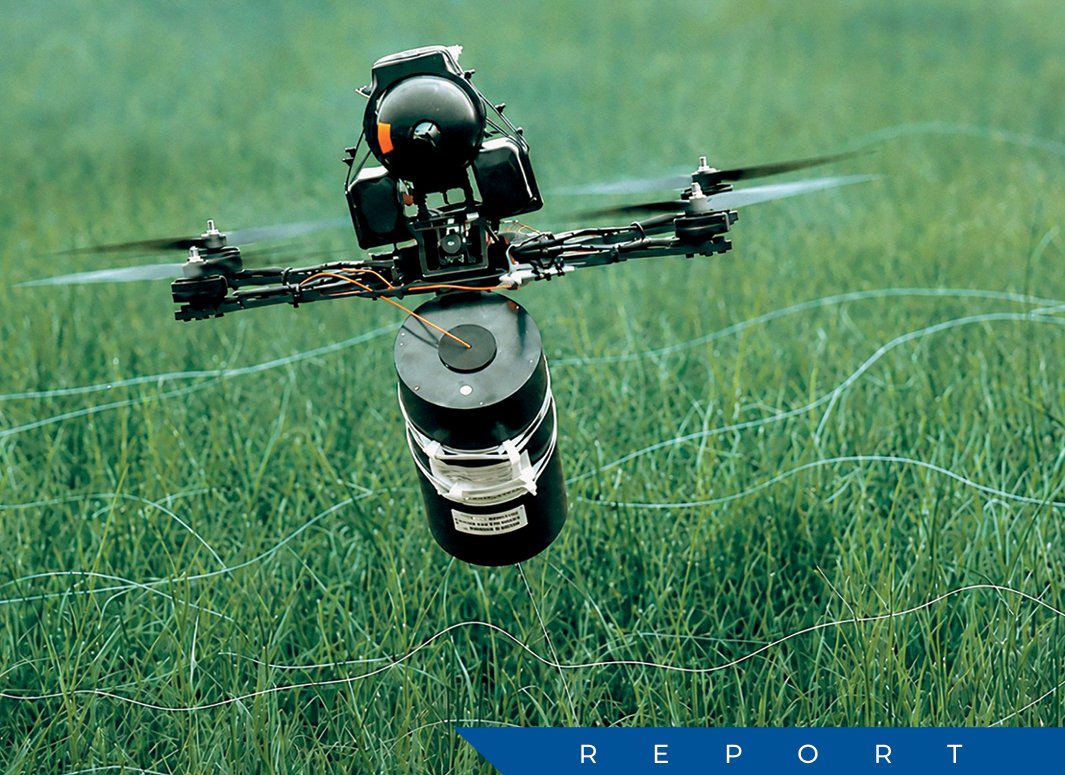
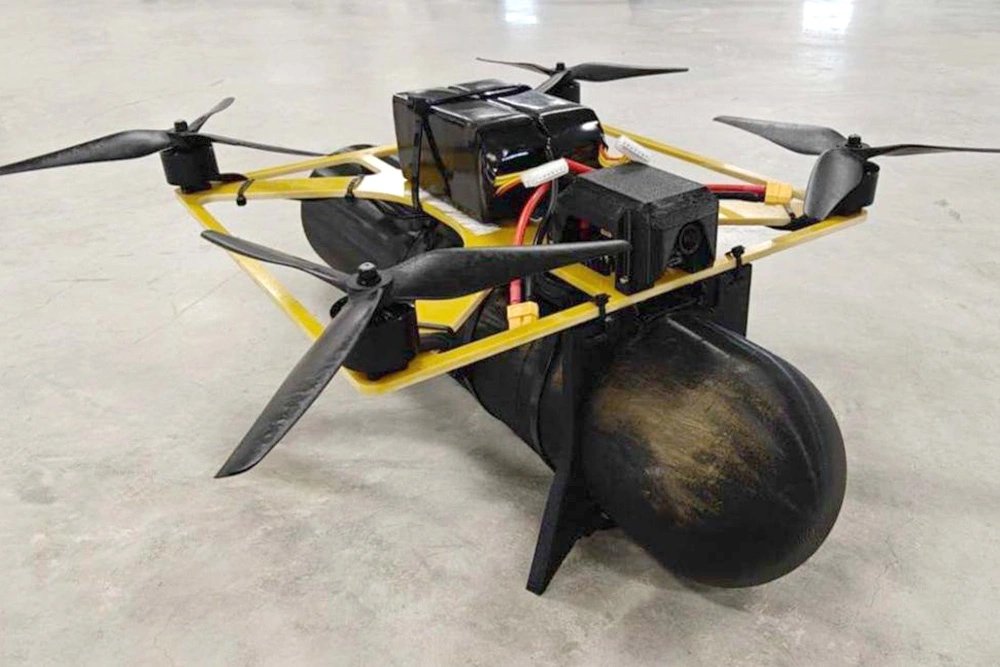
Russia's response to electronic warfare wasn't a single solution. It evolved along two major paths: fiber-optic drones and mesh networks. This thread summarizes Frontelligence Insight analysis based on OSINT data and a report by the Center for Defense Reforms. Thread🧵
2/ One of Russia's first successful adaptations to counter-UAV measures was the adoption of fiber-optic drones. Replacing the radio link with a wire made it EW-resistant. Per Russian sources, fiber-optic FPVs accounted for up to 60% of FPVs in some frontline areas by early 2026
3/ Take the "KVN" - Russia's widely used fiber-optic FPV drone. Produced at around 50,000 units monthly, the Center for Defense Reforms (CDR) estimates it requires 6–12 million km of optical fiber annually. Including other drones, demand could exceed 50 million km per year.
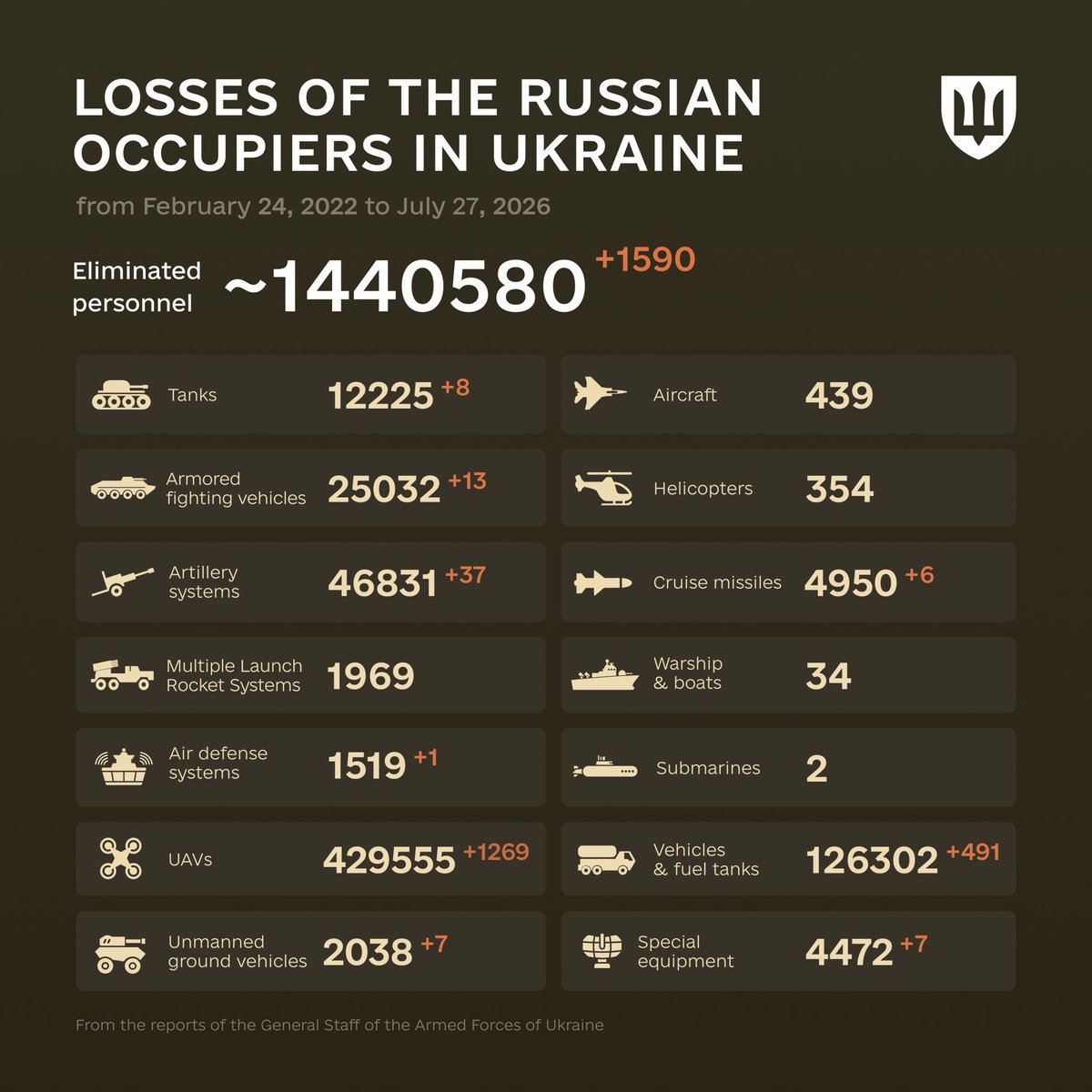
When it comes to the AFU estimates of Russian losses, they're not far from reality, at least in 2026. Russia's own internal reporting indicates close to ~1,000 casualties per day on average, with roughly half or more being KIA (we classify most MIAs as KIA).
🧵Short thread:
2/ We think Ukraine's 2022-2023 reporting undermined the credibility of its figures. By 2026, however, its estimates are much closer to reality. Ukraine's reported RU personnel losses generally align with the combined Russian KIA, WIA, and MIA totals, usually within 10-20% margin
3/ In some cases we've observed a 30-35% gap between Russian reporting and Ukraine's official figures. However, when averaged over year, the overall picture aligns more closely. It's not perfect, but for a belligerent party reporting enemy loss, it's quite accurate
Ukraine has just struck multiple Wildberries logistics hubs. One of them, in St. Petersburg, is engulfed in flames, disrupting Russia's second-largest city.
Here's one of Russia's largest 24/7 news websites (auto-translated). This is the virtual reality many Russians live in.
2/ The only mention of the attack is a brief report claiming that drones were shot down. Here's the auto-translated version:
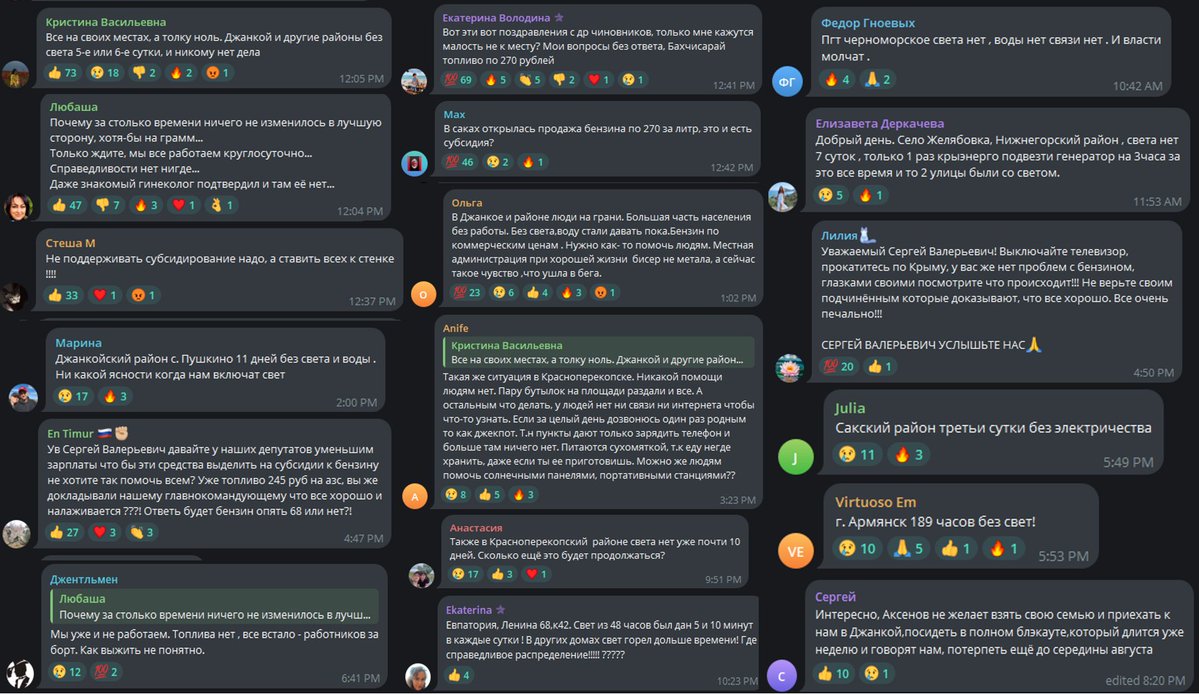
The crisis in Crimea continues, with conditions worsening. After Crimea's occupation head, Sergey Aksyonov, claimed steps were being taken to address the situation in a recent Telegram post, hundreds of locals flooded the comments, challenging his narrative. 🧵Translations:
2/ "Please, just do something! Have you forgotten about northern Crimea? Have you abandoned the people? Soon people will be starving, and we are already close to breaking down! At least say something! Declare an evacuation, do anything at all! This is not life, this is suffering"
3/ "I wonder if Aksyonov (governor) would be willing to bring his family and come stay with us in Dzhankoy, sitting through the complete blackout that has already lasted a week, while telling us to hold on until mid-August."
The situation in Crimea is becoming critical. As authorities remain largely silent, residents are flooding the Telegram channel of the head of Crimea with complaints about power outages, communication disruptions, fuel shortages, and water supply issues. Thread with translations:
1/ "Why is gasoline so expensive? It's twice the price compared to the mainland! Are people here supposed to be twice as rich or something? 😳"
2/ "The city of Dzhankoy has been without electricity for more than 24 hours. If the situation does not improve in the near future, a collective complaint will be drafted and sent to Moscow tomorrow."
The grooming of Orban's regime as a Trojan horse inside the EU and NATO is no longer speculative: it's now evidence-based, confirmed by leaked Budapest-Moscow communications. Agentstvo reports that roughly half of all Russian embassy staff maintain ties to intelligence services:
2/ The EU officially identifies Russia as one of its primary security threats. Yet Orban has been systematically distancing Hungary from both the EU and NATO, deteriorating relations with neighbors including Ukraine, while growing increasingly reliant on Russian influence.
3/ Moscow has no genuine interest in Hungary itself, or in the country's long-term wellbeing. What it wants is a lever - to undermine EU institutions, erode European support for Ukraine, and seed distrust between member states toward one of their own EU members and NATO allies